The Genre Genesis: From Modern Titans to 1999 Pioneers
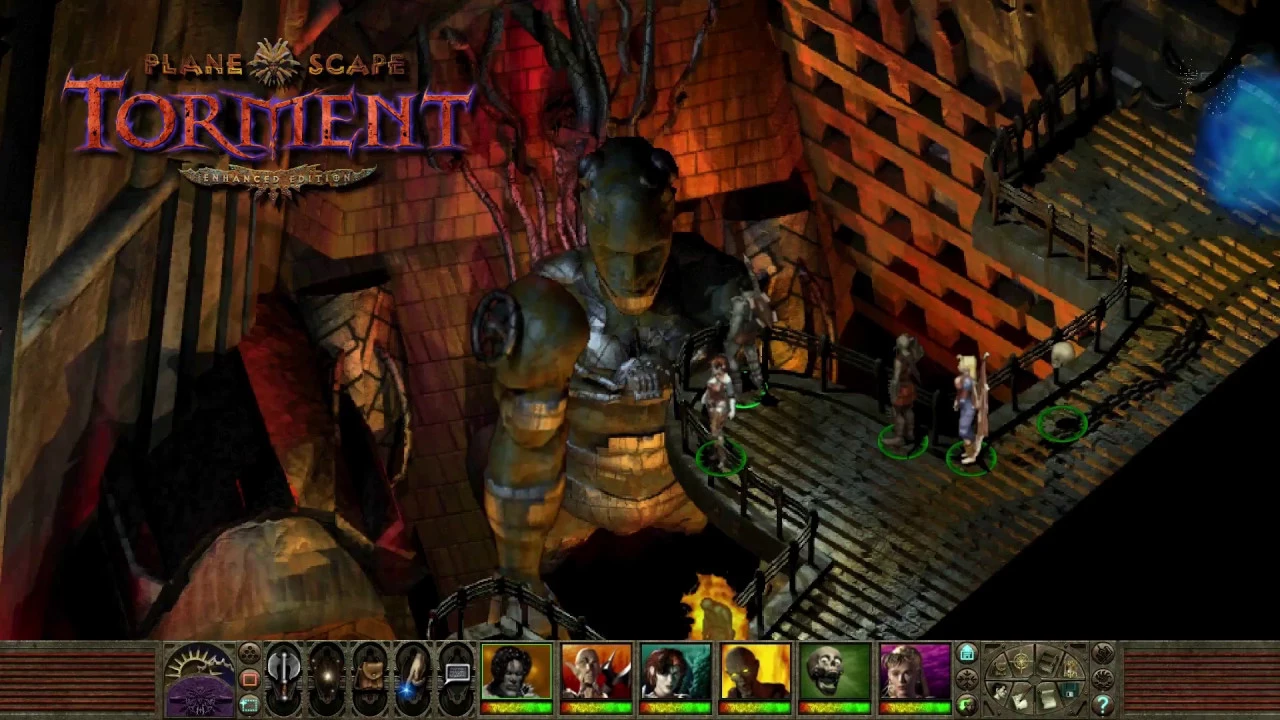
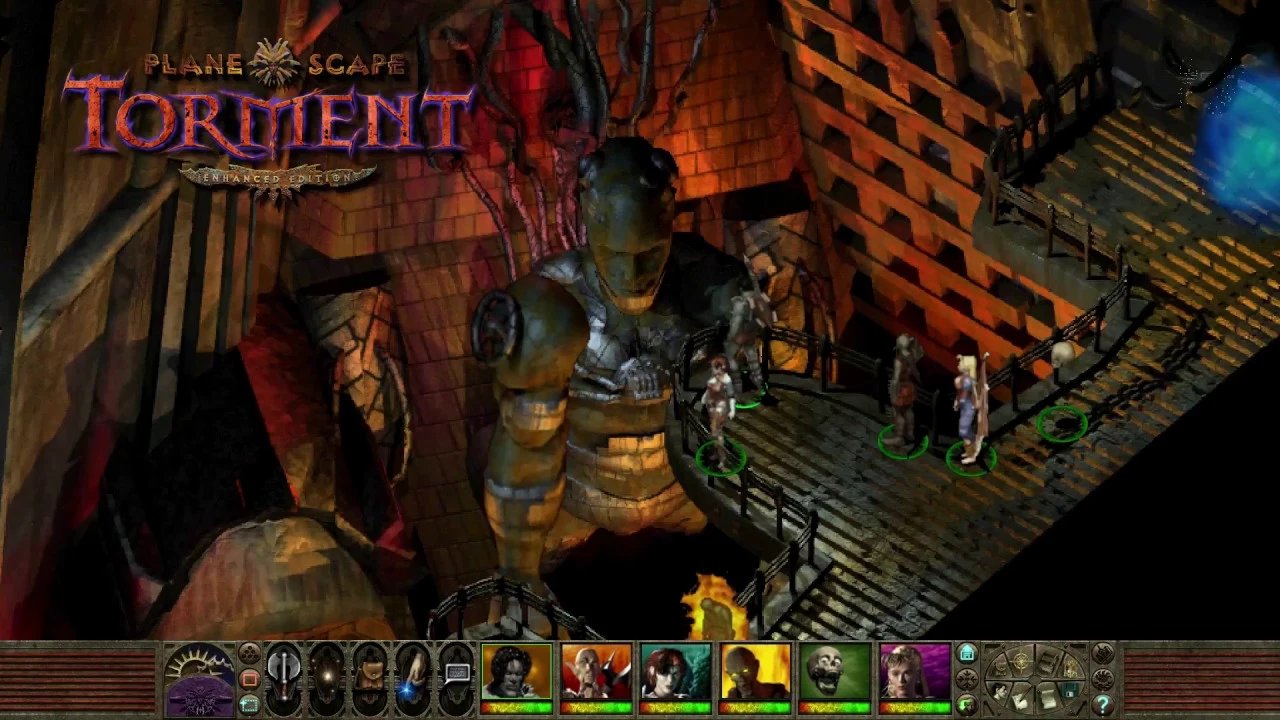
Deeply philosophical, dialogue-first narrative RPG systems (where wisdom, intelligence, and charisma allow players to complete almost the entire game through conversation without combat), surreal non-traditional high-concept worldbuilding, and deeply flawed, introspective companion writing—from Disco Elysium, Torment: Tides of Numenera, Pillars of Eternity, Baldur's Gate 3, and modern narrative CRPGs—trace their undisputed literary zenith to December 12, 1999 with Black Isle Studios' peerless achievement, Planescape: Torment.
Written and directed by RPG auteur Chris Avellone alongside lead designer Colin McComb and produced by Guido Henkel at Black Isle Studios using BioWare's Infinity Engine, Planescape: Torment discarded traditional fantasy clichés (no elves, no dwarves, no dragons, swords replaced with scalpels and teeth). Containing an astonishing literary script of over 800,000 words, it won RPG of the Year from GameSpot and is universally celebrated as the greatest written story in video game history.
Platform Context & Gaming Environment

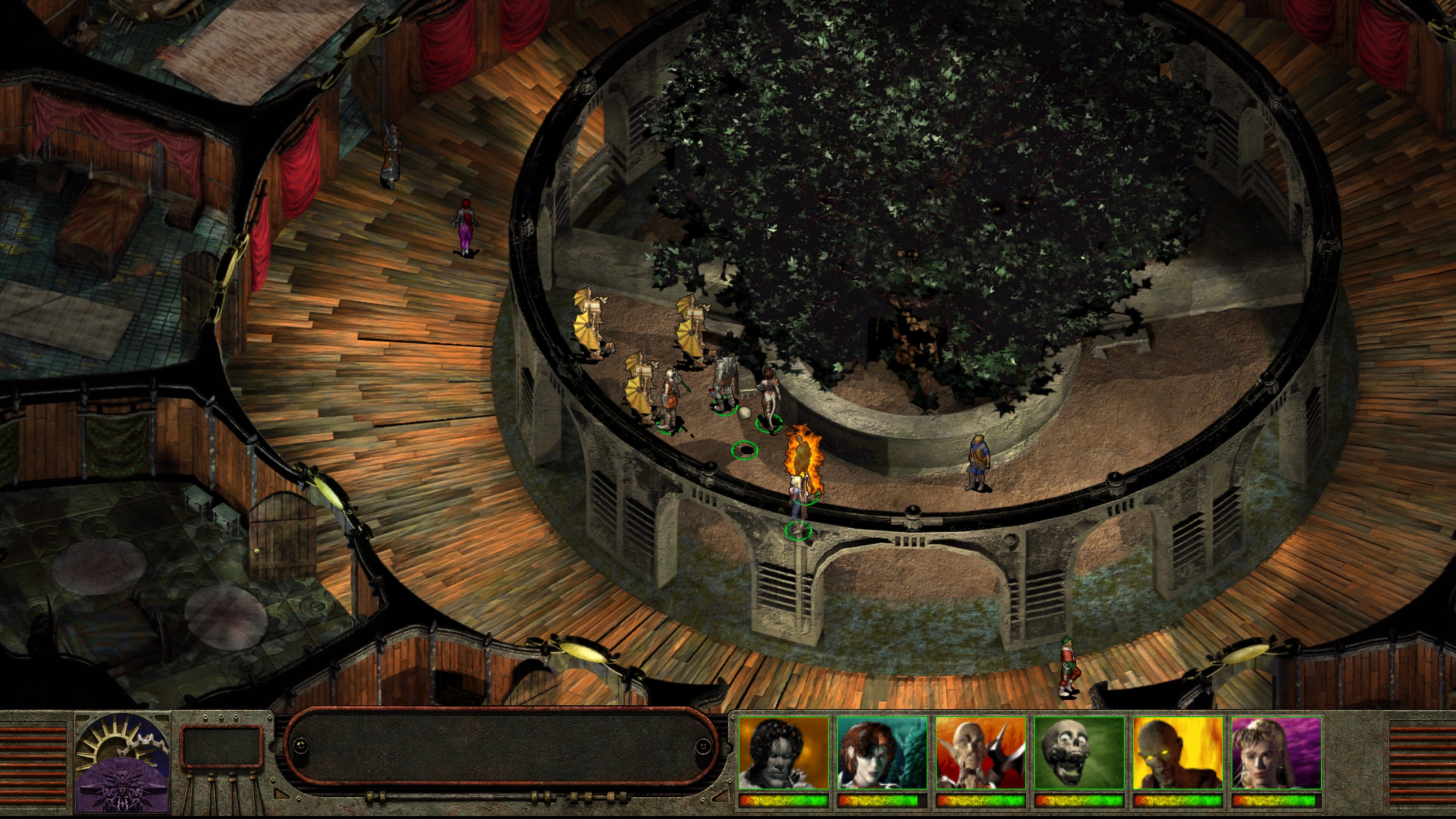
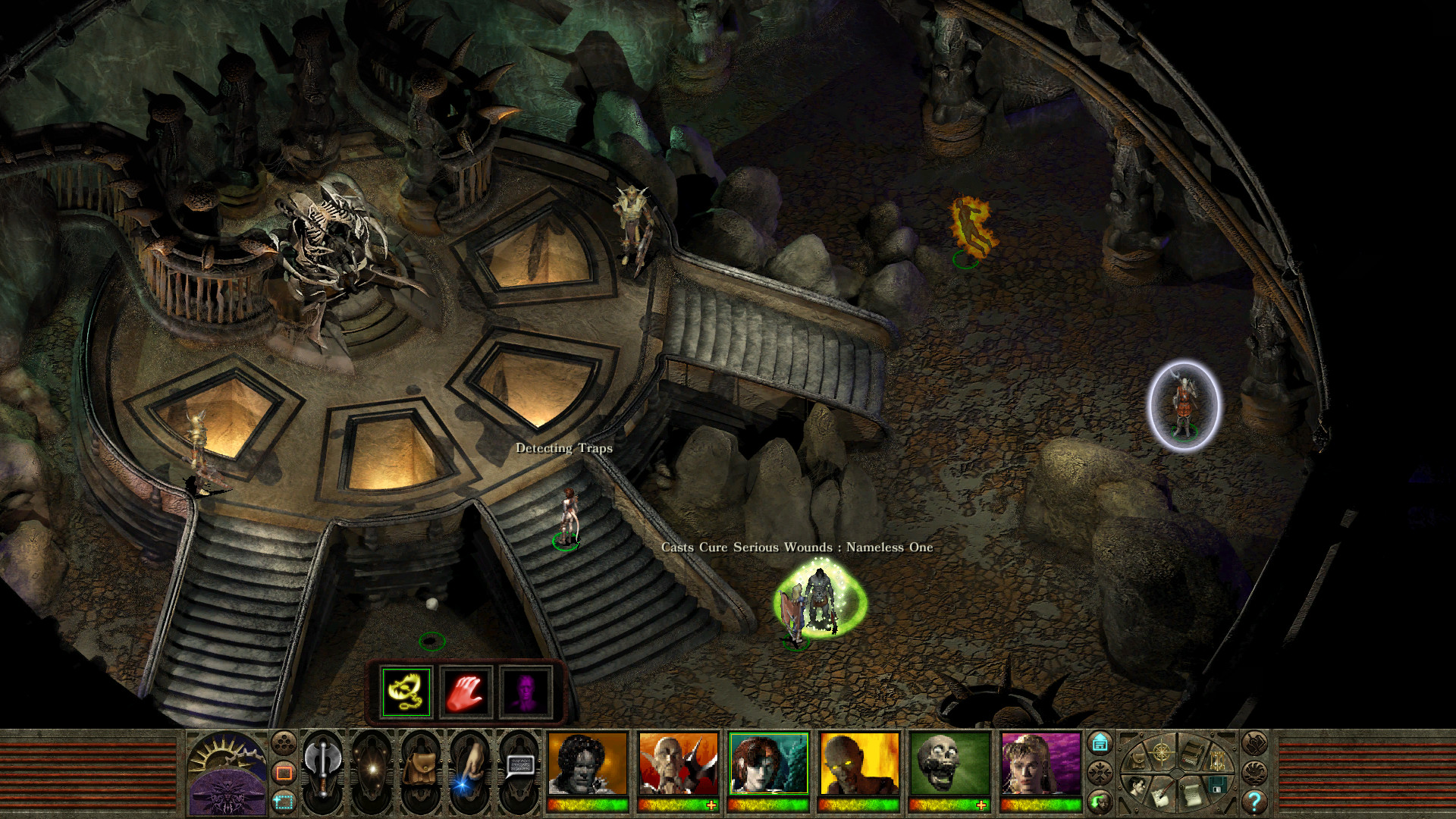
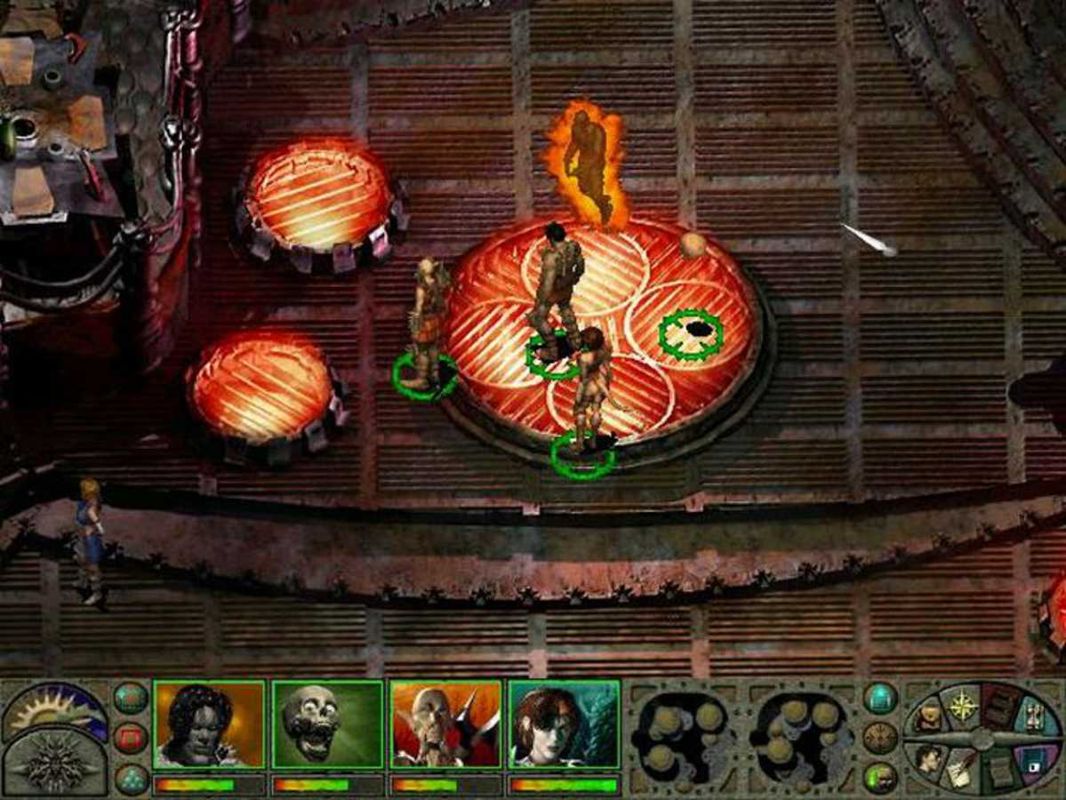
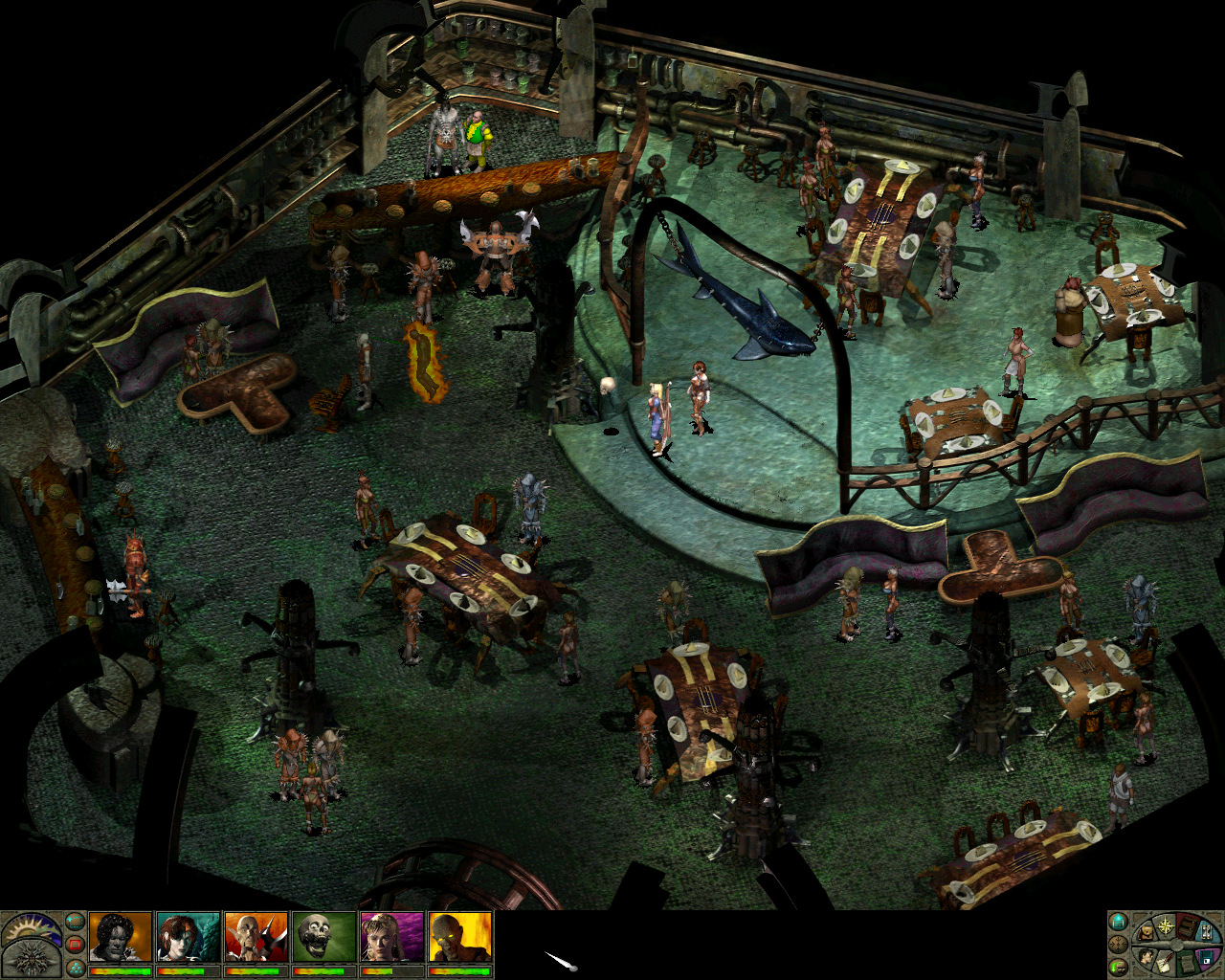
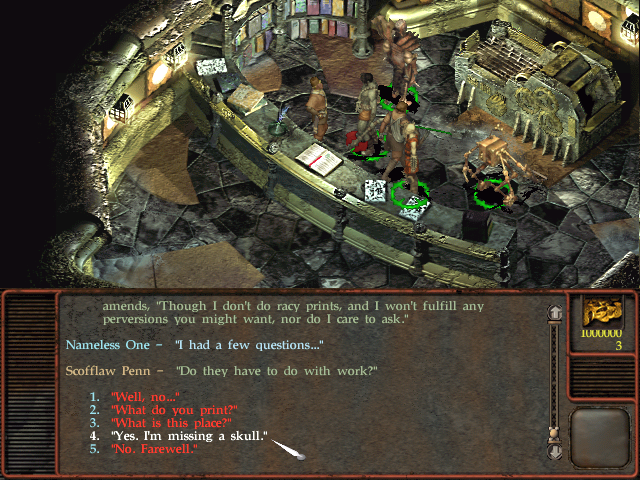
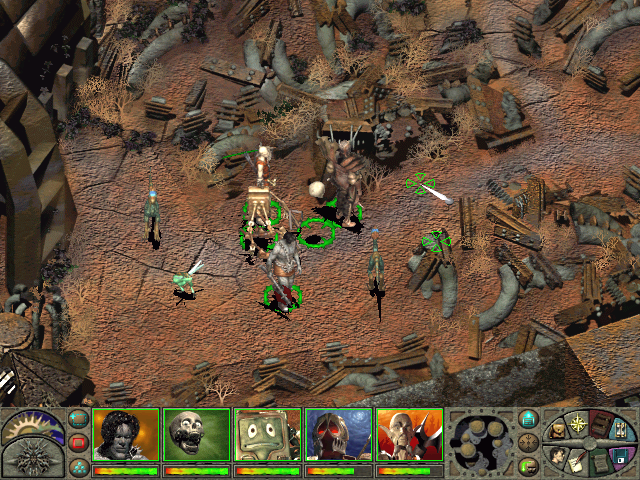
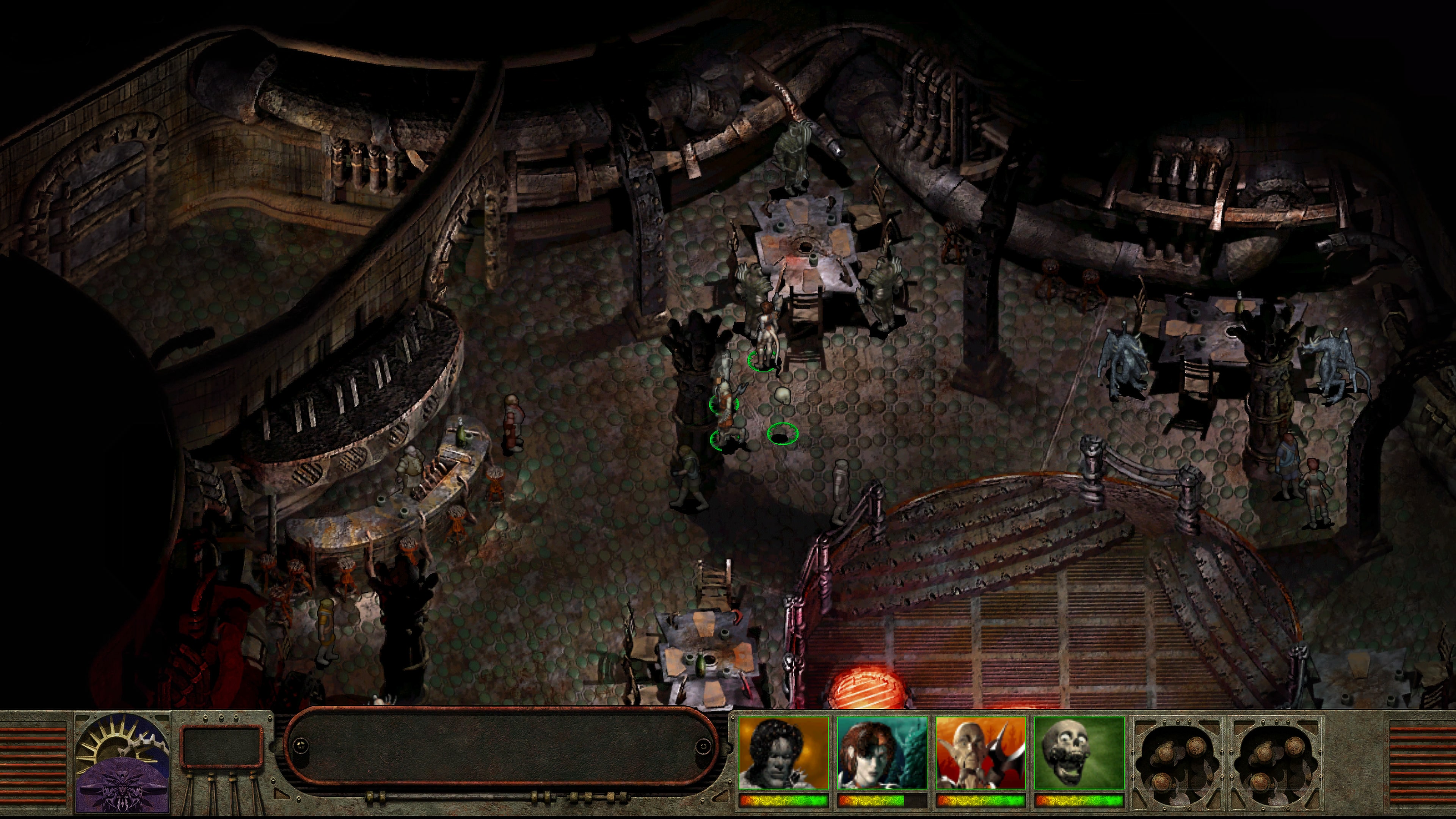
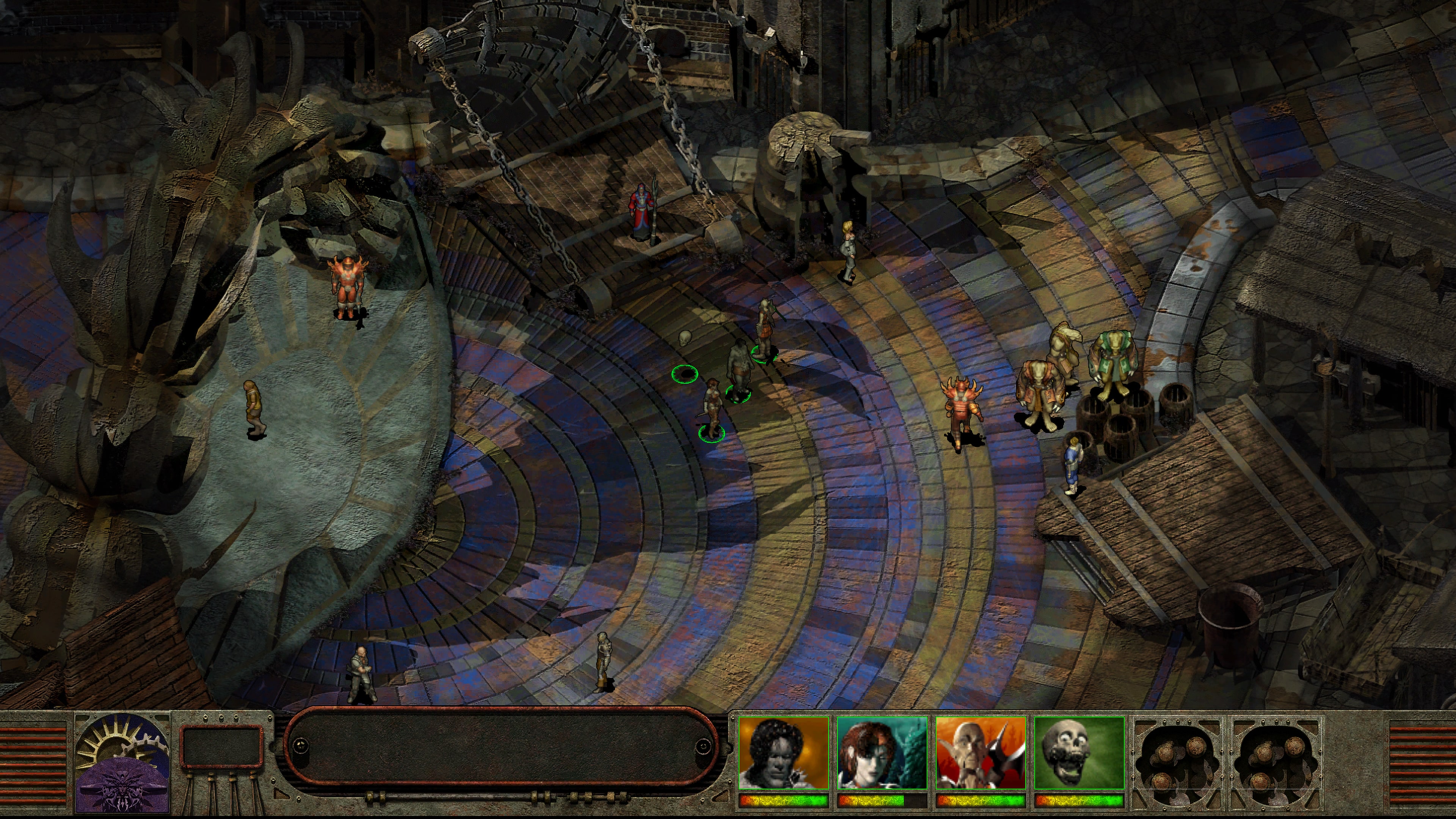
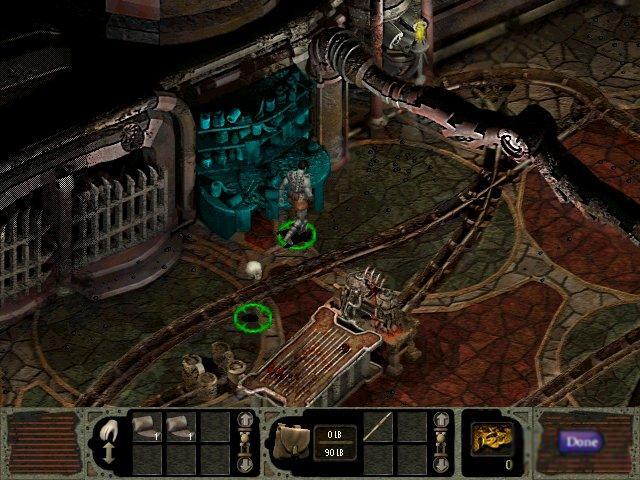
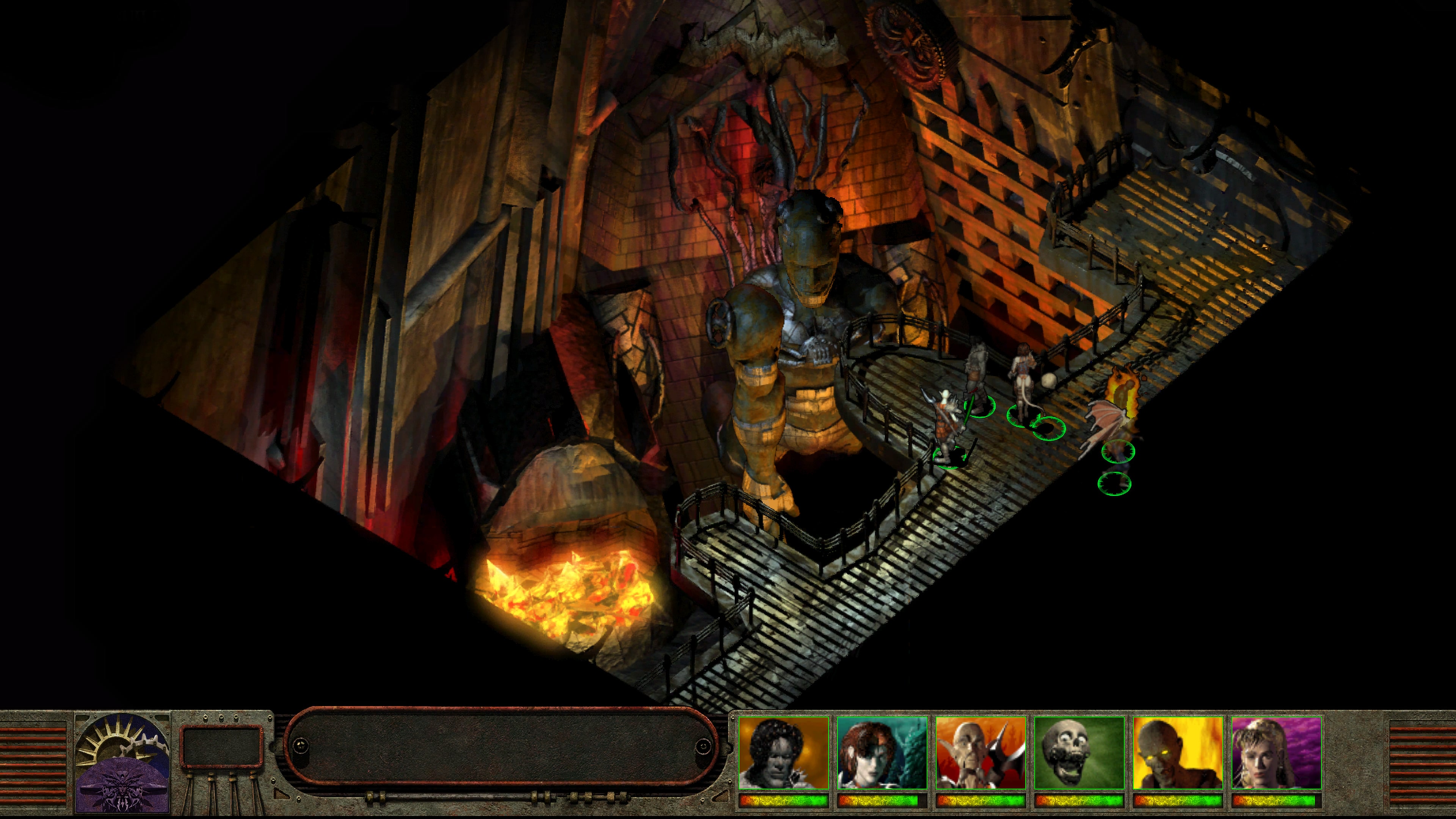
Awakening on a metal slab inside the grim Mortuary of the planar city of Sigil (The City of Doors), the player inhabits the heavily scarred, amnesiac body of The Nameless One. Bound by an ancient curse of immortality, every time The Nameless One dies, he awakens anew with his memories stripped away, leaving a trail of suffering across past incarnations. Aided by a floating, sarcastic talking skull named Morte, the burning tormented mage Ignus, the chaste succubus Fall-From-Grace, the mechanical modron rogue Nordom, and the cursed warrior Dak'kon, The Nameless One travels across the Hive, the Catacombs, the brothels of Sigil, the astral planes, and the prison of Curst to discover why he cannot die and confront his own mortality in the Fortress of Regrets.
Popularity & Cultural Standing: Niche vs. Blockbuster
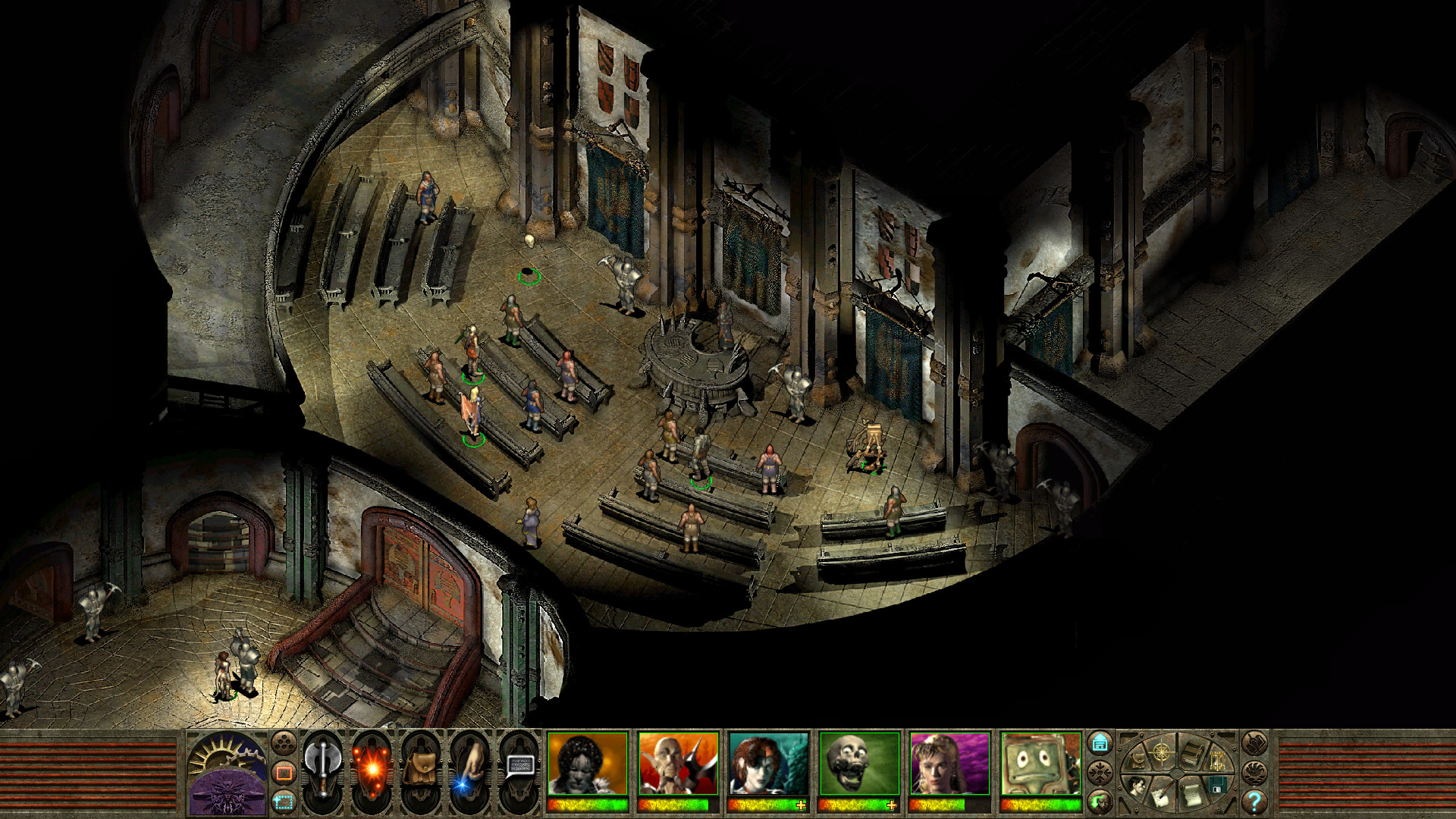
Planescape: Torment was a monumental critical triumph that established an immortal intellectual legacy. Frequently cited by literary scholars, game developers, and critics as interactive art at its highest level, its core philosophical dilemma—"What can change the nature of a man?"—remains the most celebrated line of dialogue in video game history.
Gameplay Mechanics & Technical Innovations
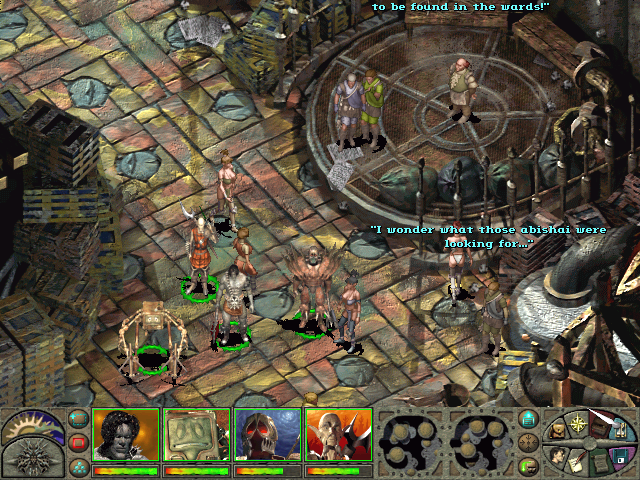
Planescape: Torment introduced revolutionary narrative and roleplaying systems:
- Dialogue & Philosophy-First Progression: Wisdom and Intelligence are the most powerful attributes in the game, unlocking hidden memories, deep dialogue trees, philosophical truths, and peaceful quest resolutions for nearly every major encounter.
- Immortality as a Core Gameplay Mechanic: Death is not a game-over screen; dying is often required to solve puzzles, escape locked tombs, or speak to ghostly spirits in the afterlife.
- The Unforgettable Companion Cast: Characters possess profound backstories that unlock through dialogue (Dak'kon's Unbroken Circle of Zerthimon, Morte's eternal guilt, Fall-From-Grace's Brothel for Slaking Intellectual Lusts).
- Dynamic Alignment Shift Based on Actions: The player starts as True Neutral; every lie, promise, cruel act, or selfless sacrifice dynamically shifts alignment along Lawful/Chaotic and Good/Evil axes.
Historical Legacy & Archival Preservation
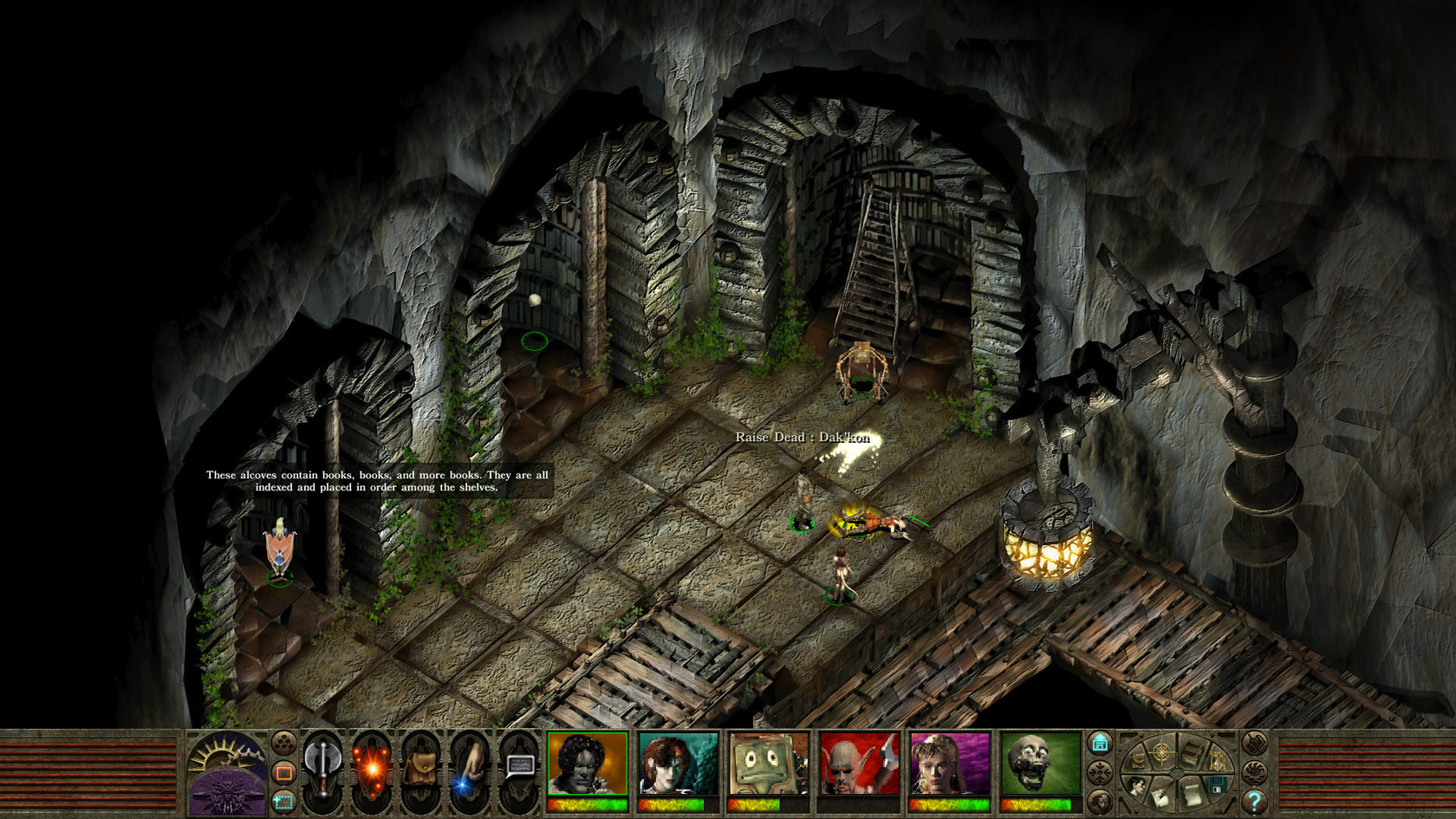
Planescape: Torment is permanently preserved in the World Video Game Hall of Fame as the absolute pinnacle of literary and narrative design in interactive medium history.