
Introduction: The Next Chapter for Pillars of Eternity II: Deadfire
Pillars of Eternity II: Deadfire, a sequel developed by Obsidian Entertainment and published by Versus Evil, arrived in 2018 as a highly anticipated follow-up to the critically acclaimed Pillars of Eternity. Building upon the foundation laid by its predecessor, Deadfire expands the scope of the original with a focus on seafaring exploration, intricate character development, and a compelling narrative set against the backdrop of the Deadfire Archipelago. This Masterclass Deep-Dive will dissect every facet of the game, from its visual direction to its core gameplay mechanics, providing an in-depth analysis for both seasoned RPG veterans and newcomers eager to experience this rich and rewarding title.
Visual Direction and Graphics Engineering
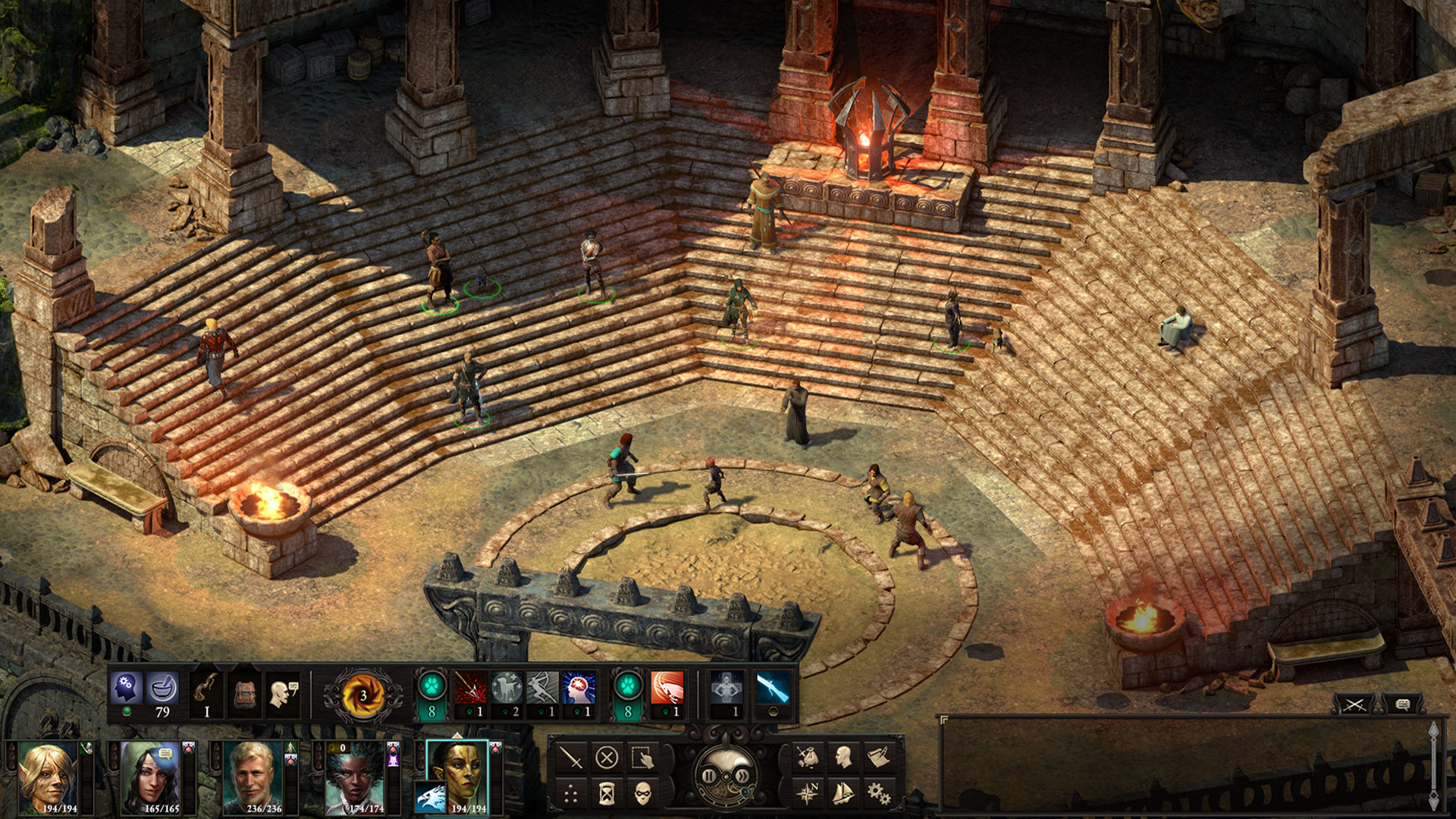
Deadfire leverages the Unity engine to deliver a visually stunning world, characterized by vibrant colors, detailed environments, and meticulously crafted character models. While not pushing the boundaries of graphical fidelity in the same way as some AAA titles, the game’s art style effectively captures the beauty and danger of the Deadfire Archipelago. The water effects are particularly noteworthy, convincingly simulating the movement and reflections of light on the ocean surface. The developers made conscious decisions to prioritize artistic vision over raw graphical power, resulting in a visually appealing experience that complements the game’s overall atmosphere. Optimization was clearly a key consideration, ensuring smooth performance across a range of hardware configurations.
Gameplay Mechanics and Core Systems
At its heart, Pillars of Eternity II: Deadfire is an isometric role-playing game with deep tactical combat. The core gameplay loop revolves around exploring islands, interacting with NPCs, completing quests, and engaging in turn-based battles. A significant addition to the gameplay is ship management; players must recruit crew members, upgrade their vessel, and engage in naval combat. The class system returns, offering a wide array of character builds and playstyles. Subclasses add another layer of customization, allowing for even greater specialization. The game’s difficulty can be adjusted to suit different player preferences, making it accessible to both newcomers and experienced RPG players.
Level Design and World Atmosphere
The Deadfire Archipelago is a diverse and captivating setting, with each island offering unique environments, challenges, and secrets. The level design encourages exploration, rewarding players who venture off the beaten path. From lush jungles to volcanic peaks, the archipelago feels alive and brimming with possibilities. The game’s atmosphere is enhanced by its dynamic weather system, which can impact both gameplay and visual presentation. The attention to detail in the environment design contributes significantly to the overall immersive experience.
Narrative Depth and Character Profiles
Pillars of Eternity II: Deadfire boasts a rich and engaging narrative, filled with memorable characters and intriguing storylines. The game explores themes of colonialism, identity, and morality, prompting players to make difficult choices that have lasting consequences. The companion system is particularly well-developed, with each character possessing their own unique backstory, motivations, and personal quests. Building relationships with companions is crucial for unlocking new dialogue options, abilities, and even influencing the overall course of the story.
Sound Design and Acoustic Realism
The sound design in Pillars of Eternity II: Deadfire plays a vital role in creating an immersive and believable world. The ambient sounds of the archipelago, from the crashing waves to the cries of exotic birds, contribute significantly to the overall atmosphere. The musical score is equally impressive, perfectly complementing the game’s visuals and narrative. Voice acting is generally well-executed, bringing the characters to life and enhancing their personalities.
Release Expectations and Community Hype
Following the success of the original Pillars of Eternity, expectations were high for the sequel. The crowdfunding campaign on Fig generated significant buzz within the gaming community, demonstrating a strong desire for more content in this universe. The release was met with generally positive reviews, praising its engaging gameplay, rich narrative, and stunning visuals. While some criticisms were leveled at its occasionally clunky user interface, the overall reception solidified Deadfire’s place as a must-play RPG for fans of the genre.
Conclusion: The Future of Pillars of Eternity II: Deadfire
Pillars of Eternity II: Deadfire represents a significant step forward for the franchise, expanding upon the strengths of its predecessor while introducing new and exciting gameplay elements. Its rich narrative, engaging characters, and stunning visuals make it a truly unforgettable experience. While the future of the series remains uncertain, Deadfire stands as a testament to Obsidian Entertainment’s commitment to creating high-quality RPGs that prioritize player choice and immersive storytelling.

Source: Wikipedia


