Introduction: The Next Chapter for Parasite Eve

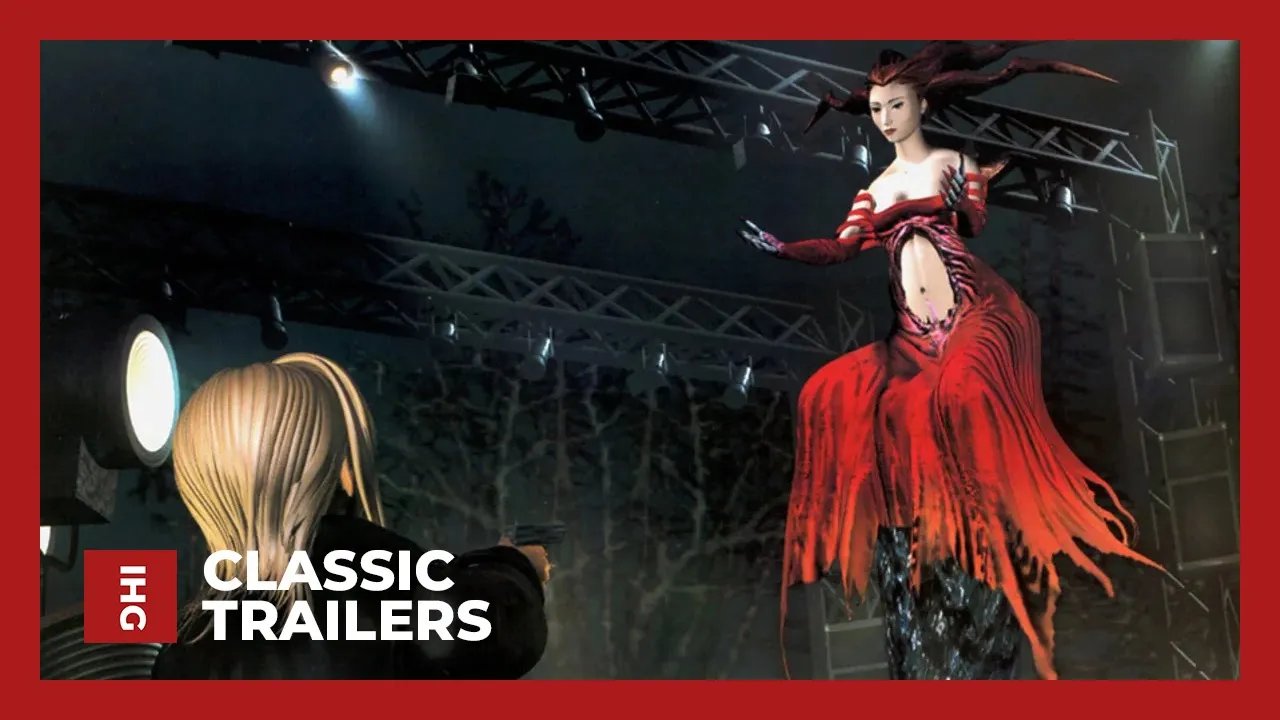
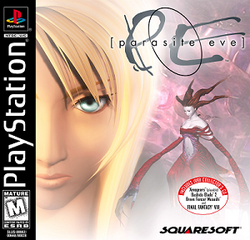
Parasite Eve, released in 1998, wasn't just another RPG; it was a bold experiment. Developed by Square and published jointly with Electronic Arts, it represented a significant departure from the company's established formula. The game aimed to blend real-time combat with strategic planning, all wrapped within a compelling narrative inspired by Hideaki Sena's novel. It marked Square's first foray into the "Mature" rating category, signaling a willingness to explore darker and more complex themes. The anticipation surrounding its release was palpable, fueled by promises of innovative gameplay and a unique blend of science fiction horror.
Visual Direction and Graphics Engineering

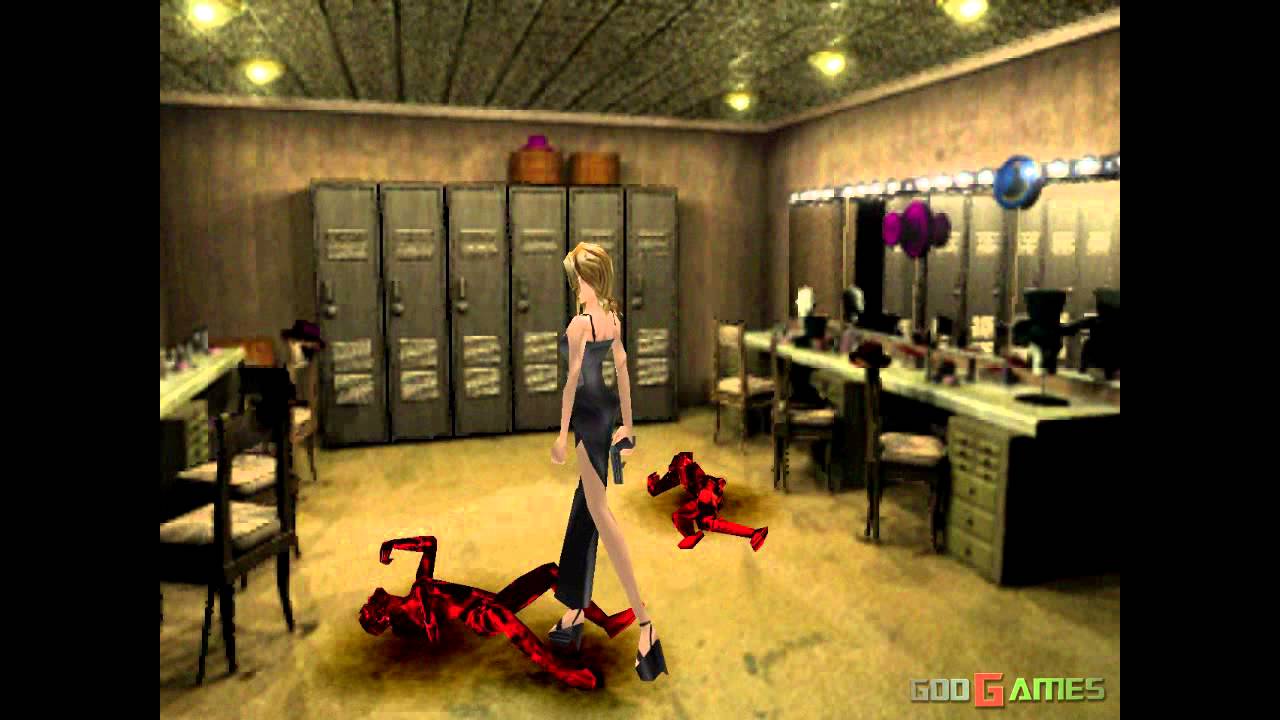
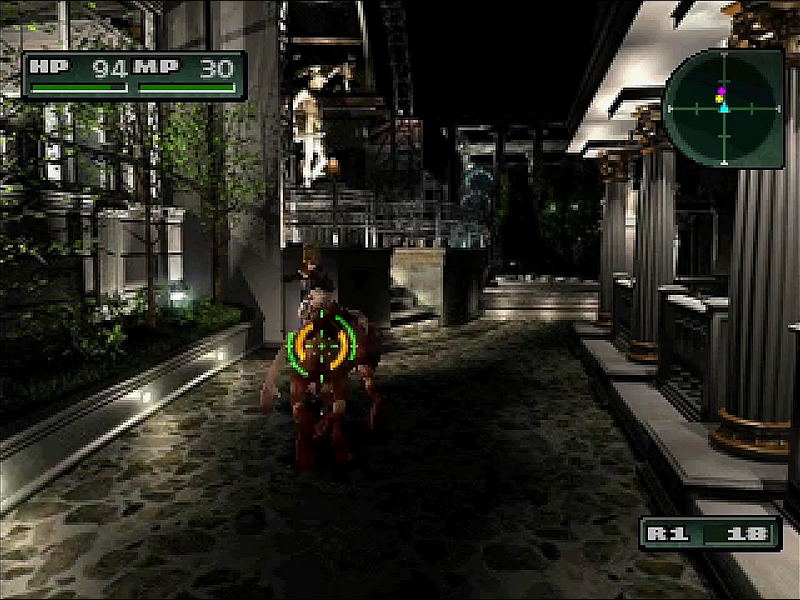
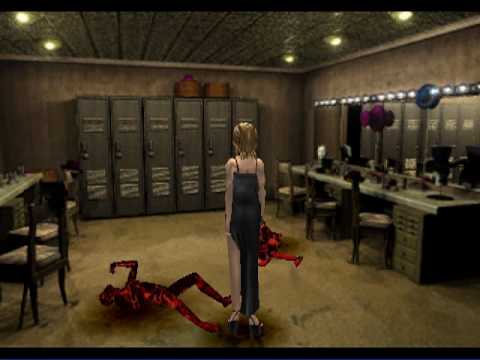
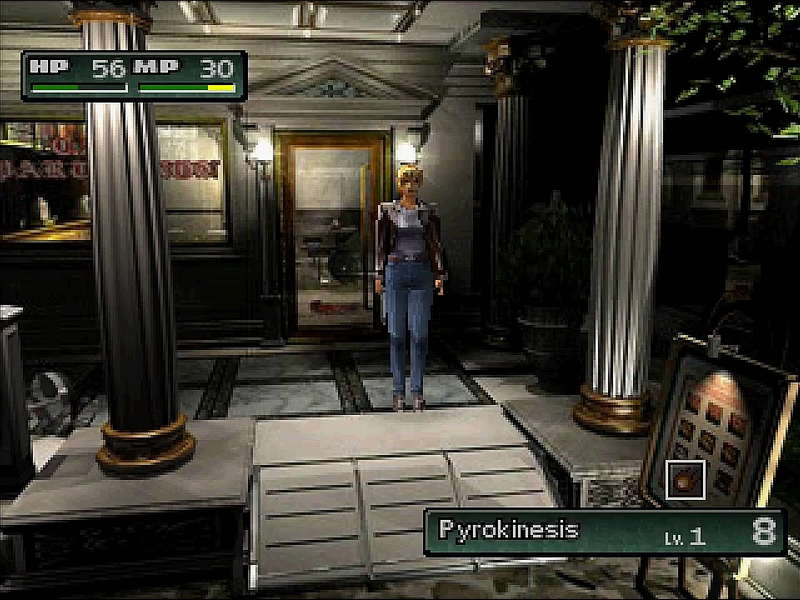
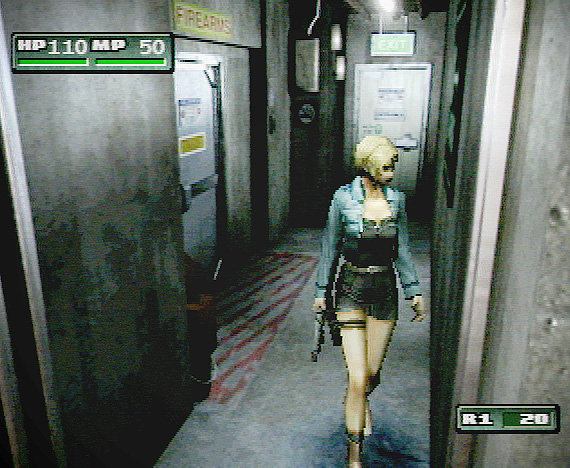
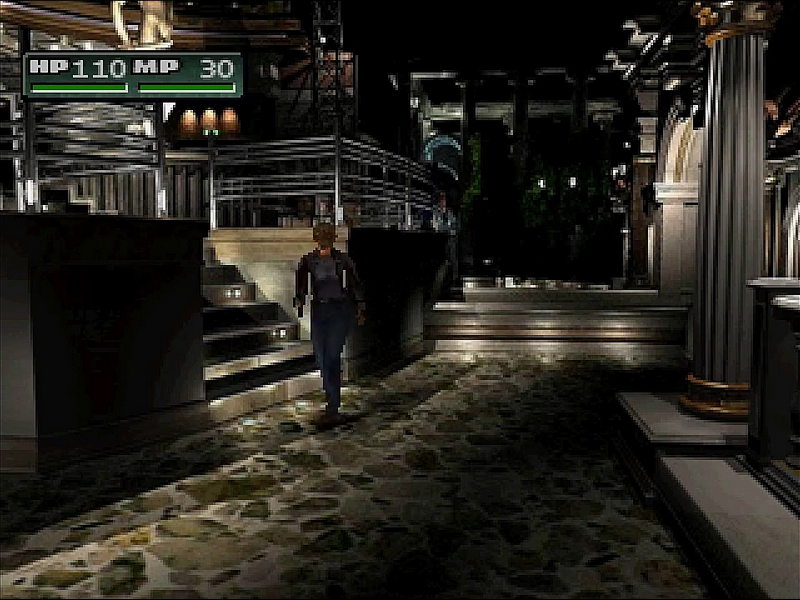
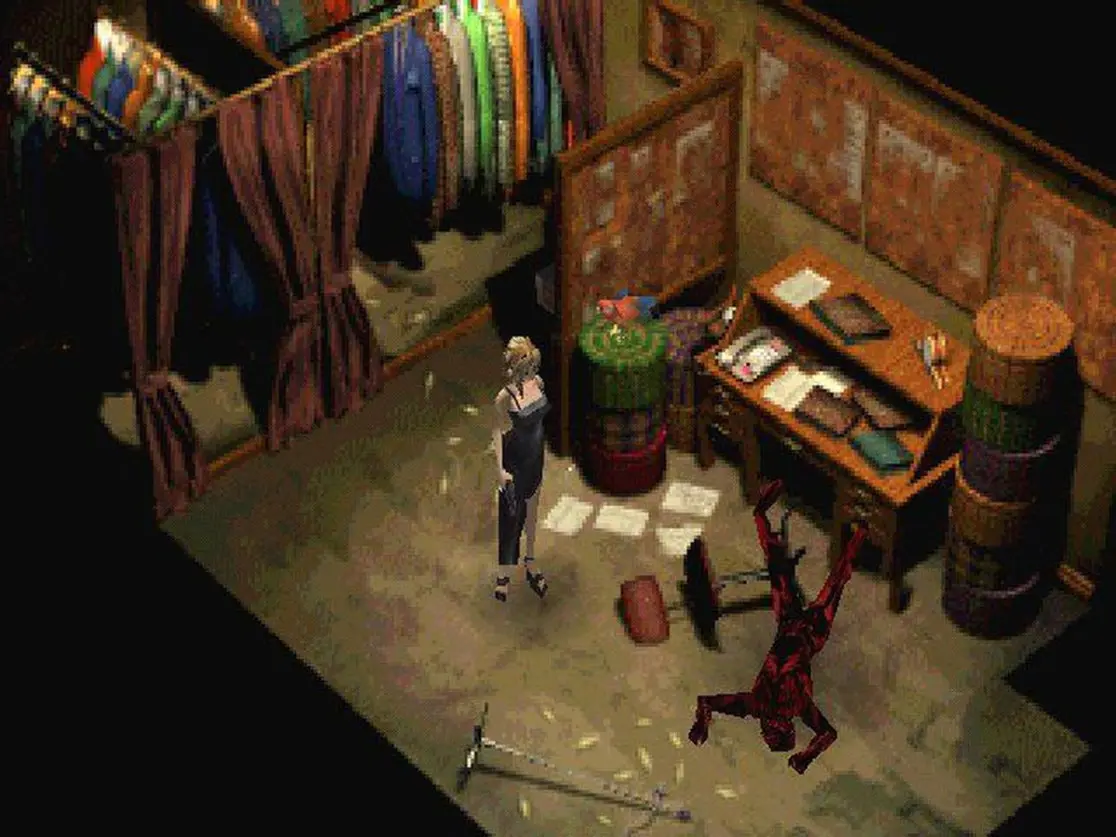
Visually, Parasite Eve was groundbreaking for its time. While limited by the technology available on the original PlayStation, Square's proprietary "Next-Gen" engine delivered pre-rendered backgrounds seamlessly integrated with polygonal character models. This created a distinctive aesthetic that attempted to bridge the gap between cinematic presentation and interactive gameplay. The visual design leaned heavily into a sense of unease, utilizing stark contrasts and unsettling imagery to reflect the game's themes. While not as detailed by today's standards, the art style successfully conveyed a feeling of claustrophobia and impending doom, crucial elements in establishing the game's atmosphere.
Gameplay Mechanics and Core Systems
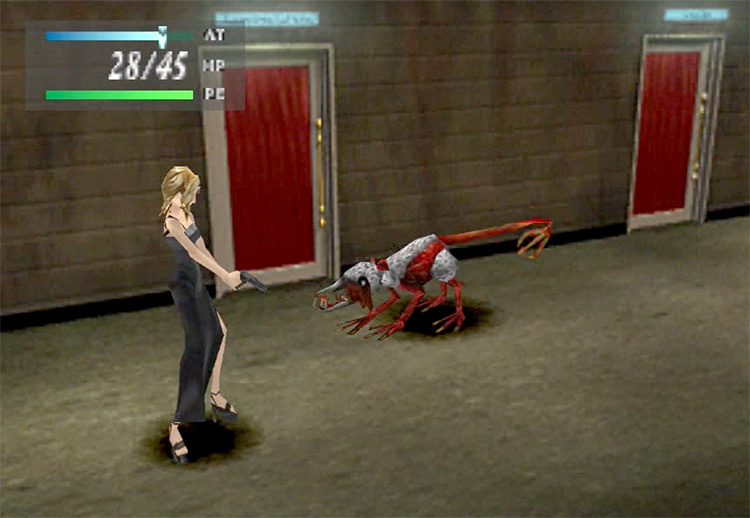
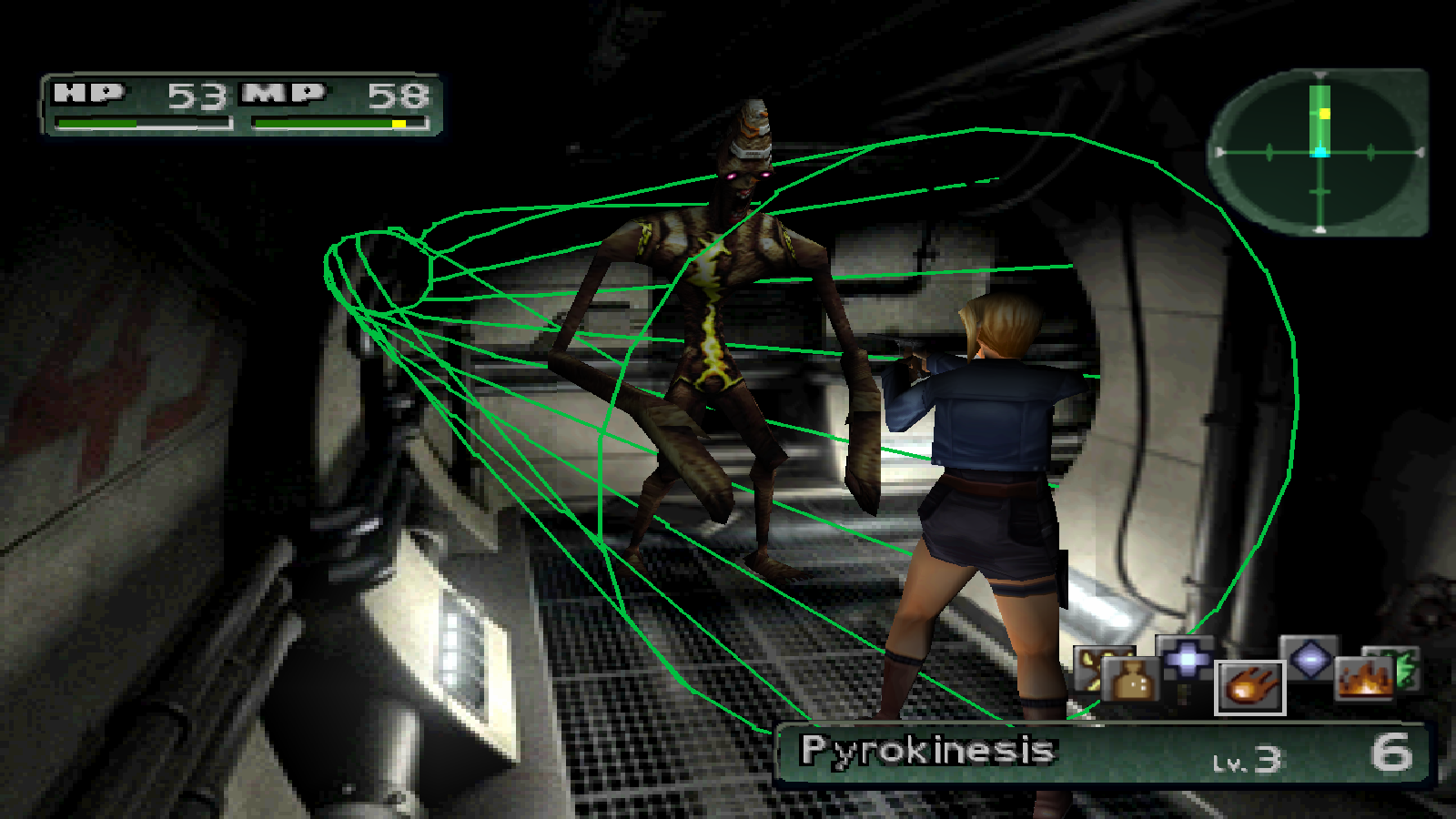
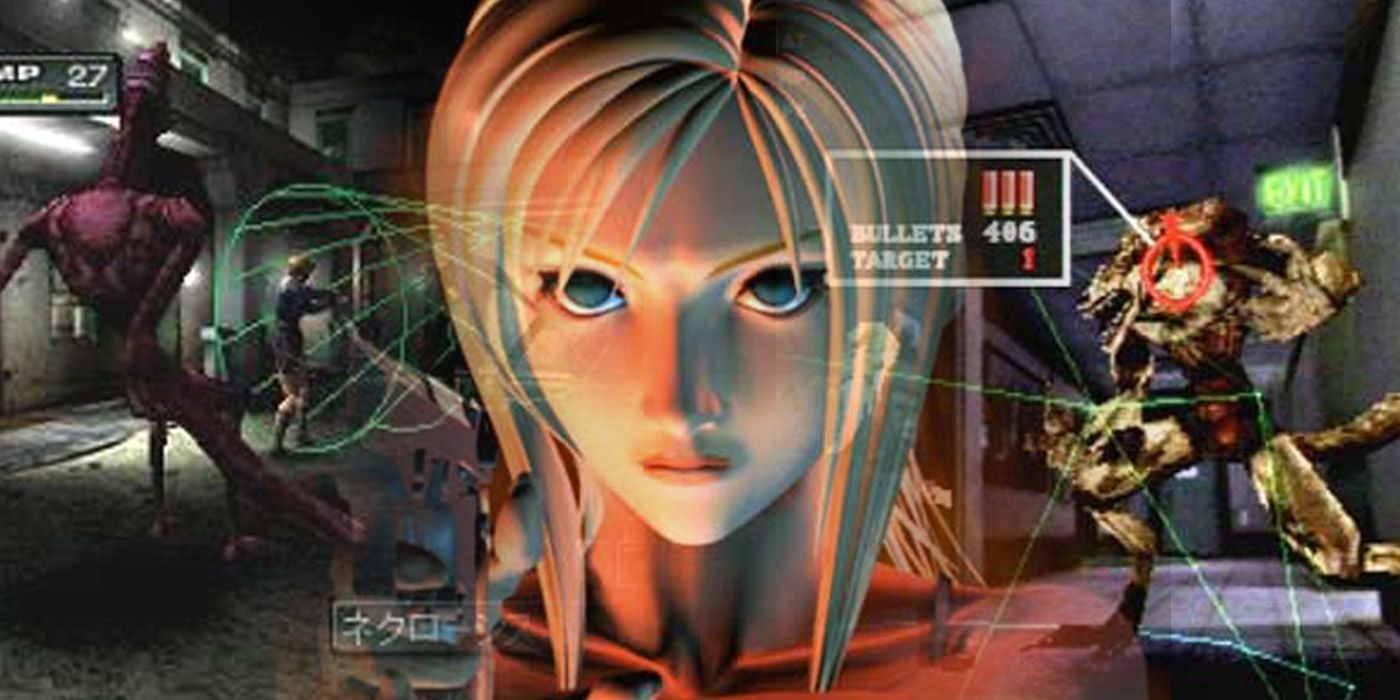
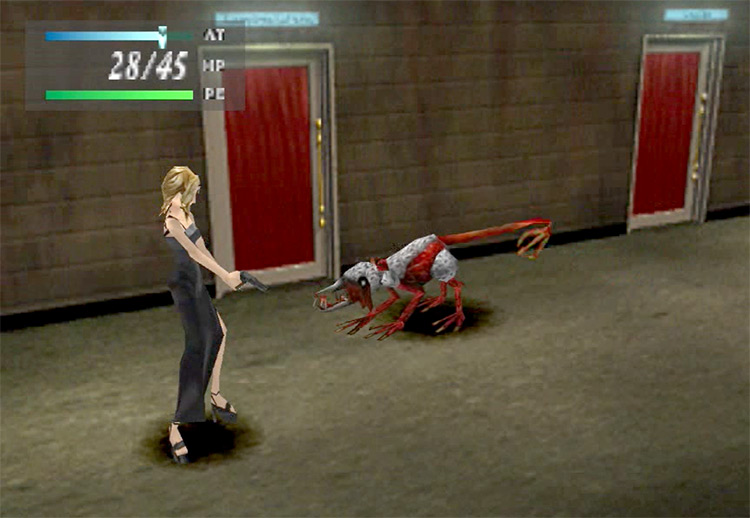
The gameplay in Parasite Eve was arguably its most innovative aspect. It featured a unique blend of real-time exploration and turn-based combat. Players navigated environments in real-time, but when encountering enemies, the action paused, allowing for strategic planning. Aya Brea possessed a range of "PE" (Parasitic Evolution) abilities derived from her exposure to Eve's parasitic DNA. These abilities could be used offensively or defensively, adding another layer of tactical depth. The game also incorporated RPG elements such as character progression and item management. The "Type Fever" system, where enemies would become increasingly powerful under stress, added a constant sense of urgency.
Level Design and World Atmosphere

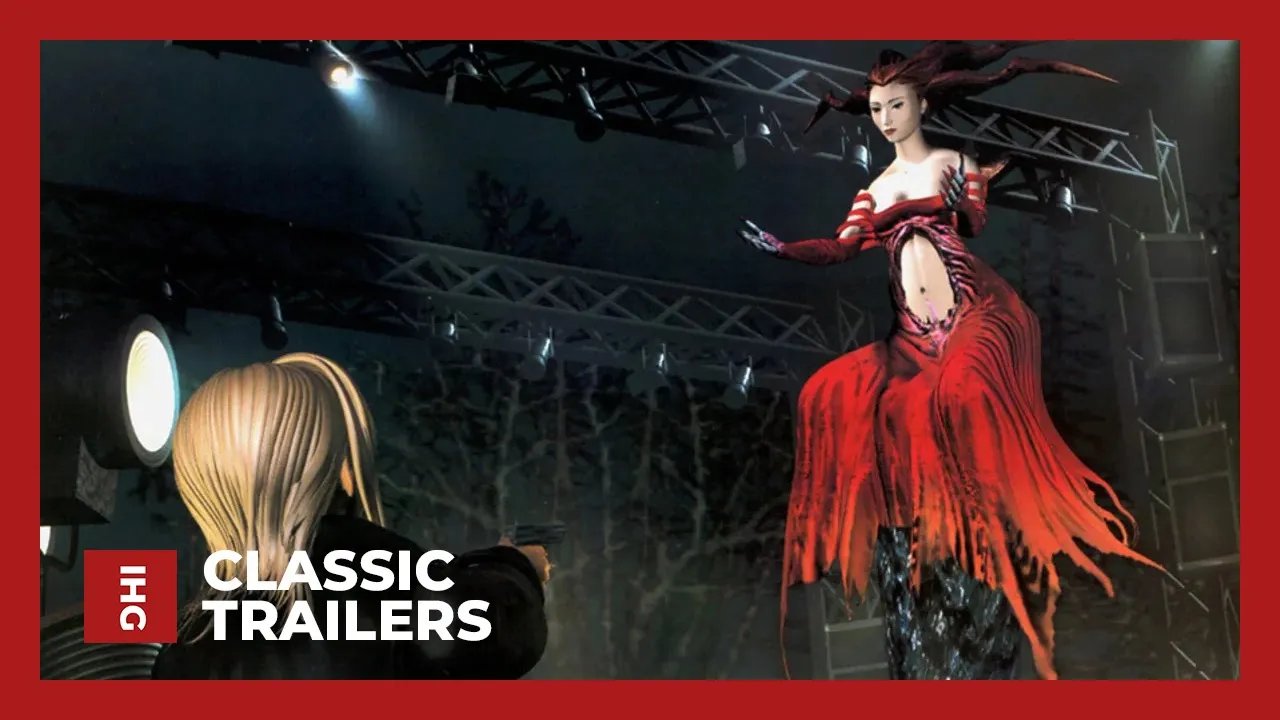
The level design in Parasite Eve was carefully crafted to enhance the game's atmosphere of dread. Players explored familiar New York City locations twisted into nightmarish landscapes by Eve's influence. The environments were often cramped and claustrophobic, reflecting Aya's sense of isolation and vulnerability. The use of lighting and shadows played a crucial role in creating a feeling of unease, with dimly lit corridors and unsettling vistas contributing to the overall sense of dread. The game effectively used environmental storytelling to hint at the horrors that had befallen the city.
Narrative Depth and Character Profiles

The narrative in Parasite Eve was a complex tapestry of science fiction, horror, and social commentary. Aya Brea's journey from police officer to reluctant savior was compellingly portrayed. The supporting cast, while not as deeply developed, added depth to the story and contributed to the overall sense of paranoia. Eve, the antagonist, remained an enigmatic figure throughout the game, her motivations shrouded in mystery. The narrative explored themes of genetic manipulation, environmental destruction, and the dangers of unchecked scientific progress. The writing was often mature and thought-provoking, tackling complex issues with a surprising level of nuance.
Sound Design and Acoustic Realism

The sound design in Parasite Eve played a vital role in creating its unsettling atmosphere. Yoko Shimomura's soundtrack was deliberately "inorganic" and "emotionless," reflecting the game's themes of alienation and despair. The use of ambient sounds, such as distorted machinery and echoing footsteps, further enhanced the sense of unease. The sound effects for Aya's PE abilities were particularly memorable, adding a visceral impact to her attacks.
The audio design successfully complemented the visuals, creating a truly immersive experience.Release Expectations and Community Hype

Prior to its release, Parasite Eve generated significant buzz within the gaming community. The promise of a mature-rated RPG with innovative gameplay mechanics was enough to pique the interest of hardcore gamers. The collaboration between Square and Electronic Arts also added to the anticipation, as it represented a bold move for both companies. Early previews highlighted the game's unique blend of real-time exploration and turn-based combat, further fueling the hype. The release date was eagerly awaited by fans eager to experience this ambitious new title.
Conclusion: The Future of Parasite Eve

Parasite Eve remains a cult classic for good reason. Its innovative gameplay mechanics, unsettling atmosphere, and thought-provoking narrative set it apart from its contemporaries. While the game's linear structure and limited replayability have been criticized, its strengths far outweigh its weaknesses. The legacy of Parasite Eve can be seen in subsequent RPGs that attempted to blend real-time exploration with strategic combat. The game continues to inspire developers and captivate players who appreciate its unique vision. While a direct sequel never materialized, the enduring popularity of Parasite Eve suggests that there is still a strong desire for a revival or spiritual successor.
Source: Wikipedia