Introduction: The Next Chapter for Papers, Please
Papers, Please. A title that resonates with players long after the credits roll, a testament to its unique blend of puzzle mechanics and emotionally charged narrative. Developed by 3909 LLC and independently released, this seemingly simple game about border control in a dystopian nation quickly became a critical darling and a cult classic. While the original release captivated audiences, speculation is rife regarding potential expansions or even a sequel. This deep-dive will explore the core elements that made Papers, Please so impactful and analyze what future iterations could bring to the table. The enduring appeal lies not just in its gameplay loop but also in its ability to evoke empathy and raise profound questions about morality, duty, and sacrifice.
Visual Direction and Graphics Engineering
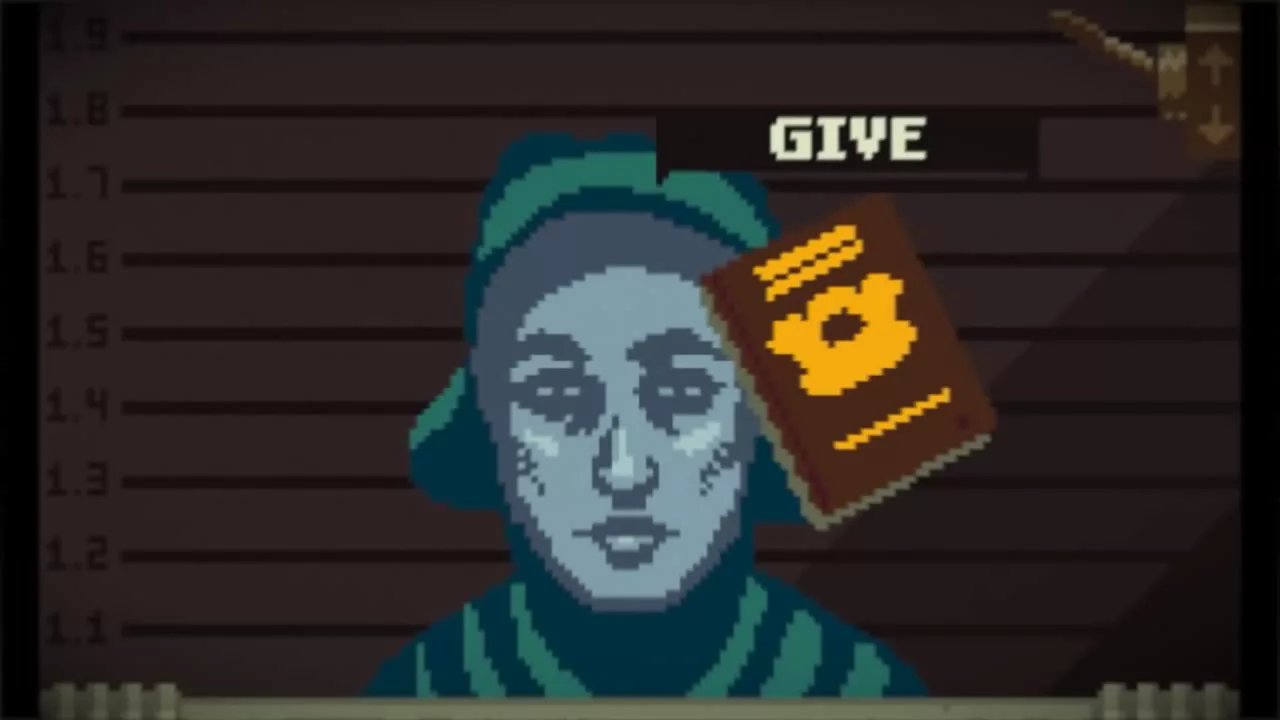
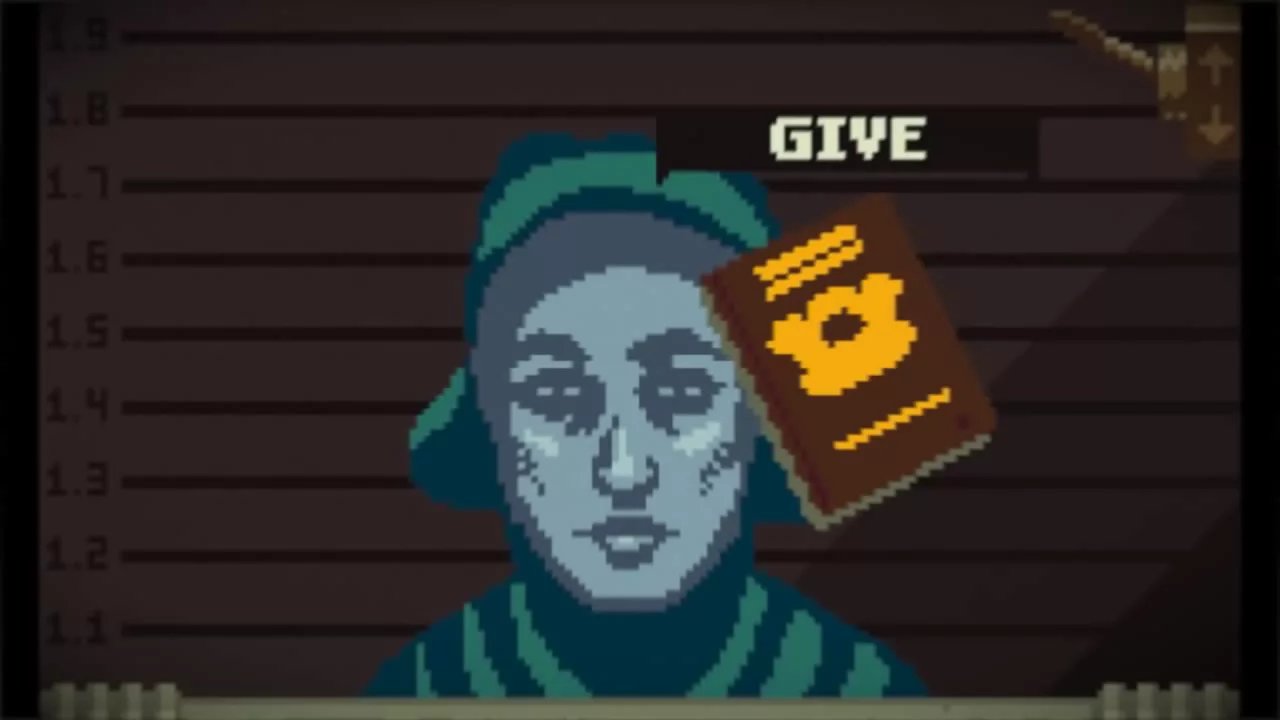
Visually, Papers, Please adopts a stark, minimalist aesthetic that perfectly complements its grim subject matter. The game’s graphics are intentionally simple, reminiscent of early computer games, which contributes to its retro charm and focuses the player’s attention on the gameplay mechanics. The use of limited color palettes and pixelated textures creates a sense of claustrophobia and reinforces the oppressive atmosphere of Arstotzka. While seemingly basic, the visual design is meticulously crafted to convey information clearly and efficiently. The Unity engine allowed for easy iteration and optimization, ensuring smooth performance even on lower-end hardware. (Imagine an image here showcasing the game’s pixelated graphics and stark color palette). Any potential sequel could explore more advanced rendering techniques while maintaining the core visual identity that made the original so recognizable.
Gameplay Mechanics and Core Systems
The gameplay of Papers, Please revolves around a series of increasingly complex puzzles involving document verification. Players must meticulously examine passports, permits, and other forms of identification, comparing them against a constantly evolving set of rules and regulations. The game introduces new mechanics gradually, layering complexity onto the core loop of inspection and decision-making. The tension arises from the need to balance speed and accuracy, as mistakes can lead to penalties or even imprisonment. The ingenious design allows for emergent gameplay, where players discover creative solutions to seemingly impossible situations. The Unity engine facilitated the creation of these dynamic systems, allowing for easy modification and expansion of the game’s ruleset. (Imagine an image here showing a player examining documents at their border checkpoint).
Level Design and World Atmosphere
While Papers, Please doesn’t feature traditional level design in the sense of sprawling environments, its world is meticulously crafted through the gradual unfolding of events and the introduction of new characters. The game creates a palpable sense of place by immersing the player in the daily routines of border control, highlighting the monotony and the occasional moments of crisis. The oppressive atmosphere of Arstotzka is further enhanced by the constant threat of political unrest and the ever-present danger of making a mistake. The limited scope of the game actually works to its advantage, allowing for a deeper focus on character interactions and narrative development.
Narrative Depth and Character Profiles
Papers, Please excels in its ability to tell a compelling story through seemingly mundane events. The player’s decisions have far-reaching consequences, impacting not only their own fate but also the lives of those around them. The game explores themes of morality, duty, and sacrifice, forcing players to confront difficult choices with limited information. While the characters are relatively simple in design, they are surprisingly well-developed, each with their own motivations and backstories. The narrative unfolds gradually, revealing more about the political landscape of Arstotzka and the personal struggles of its citizens.
Sound Design and Acoustic Realism
The sound design in Papers, Please is crucial to creating a sense of immersion and tension. The constant ticking of the clock, the muffled voices of the applicants, and the occasional bursts of gunfire all contribute to the oppressive atmosphere. The music is minimalist but effective, underscoring the emotional weight of key moments. The audio cues provide valuable feedback to the player, alerting them to potential problems or opportunities. The sound design is a masterclass in how to create a powerful experience with limited resources.
Release Expectations and Community Hype
Given the enduring popularity of Papers, Please, there’s constant speculation about future installments. The community actively discusses potential expansions, sequels, and even mods that add new content to the original game. Any official announcement would undoubtedly generate significant hype, as fans are eager to return to the world of Arstotzka and experience more of its unique blend of gameplay and narrative. The challenge for any sequel would be to maintain the core elements that made the original so successful while also introducing new features and mechanics that keep the experience fresh and engaging.
(Imagine a video here showcasing fan-made mods or discussions about potential sequels).
Conclusion: The Future of Papers, Please
Papers, Please remains a landmark achievement in game design, demonstrating the power of simplicity and emotional resonance. Its enduring appeal lies not only in its unique gameplay mechanics but also in its ability to evoke empathy and raise profound questions about morality and duty. While any sequel or expansion would face the challenge of living up to the original’s legacy, the potential for new content and experiences within the world of Arstotzka remains vast. The future of Papers, Please is bright, promising a continued exploration of its compelling themes and innovative gameplay.
Source: Wikipedia


