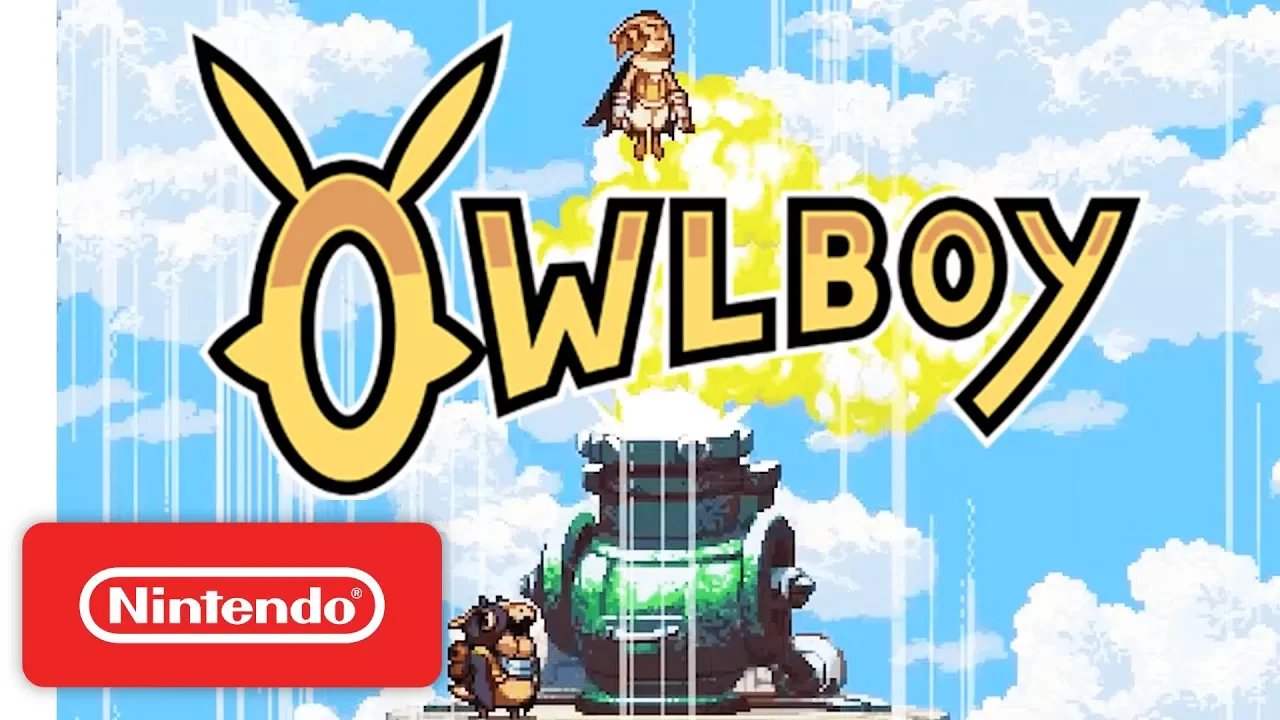
Introduction: The Next Chapter for Owlboy
Owlboy, a title that resonated through the indie gaming scene for years before its eventual release in 2016, represents more than just a game; it’s a testament to perseverance and artistic vision. Developed by D-Pad Studio, Owlboy captivated audiences with its stunning visuals, intricate gameplay mechanics, and heartfelt narrative. This deep-dive review will explore the various aspects that contributed to Owlboy’s unique identity, examining its development journey, technical achievements, and lasting impact on the gaming landscape. The game’s long development cycle, starting in 2007, speaks volumes about the dedication of Simon Stafsnes Andersen and his team at D-Pad Studio.
Visual Direction and Graphics Engineering
Owlboy’s visual style is a key element of its charm. The vibrant pixel art creates a world that feels both whimsical and detailed. showcases the game’s meticulous attention to detail, from the expressive character animations to the lush environments. While built on the XNA framework, D-Pad Studio managed to push the engine’s capabilities to create a visually stunning experience. The use of parallax scrolling and dynamic lighting further enhances the sense of depth and immersion. This careful blend of technical prowess and artistic vision resulted in a game that stands out even amongst other pixel art titles.
Gameplay Mechanics and Core Systems
The gameplay in Owlboy revolves around Otus, the protagonist who possesses the ability to fly and carry objects. This core mechanic opens up a wide range of possibilities for both combat and puzzle-solving. Players can throw objects at enemies, use them to activate switches, or even create makeshift platforms to reach new areas. illustrates Otus using his flight abilities to navigate a complex environment. The game also features a companion system, where Otus teams up with other characters who each possess unique weapons and abilities, adding another layer of strategic depth to the gameplay.
Level Design and World Atmosphere
Owlboy’s level design is carefully crafted to encourage exploration and reward curiosity. Each area feels distinct and memorable, filled with hidden secrets and challenging platforming sections. The game world, a series of floating islands separated by a catastrophic event, creates a sense of wonder and mystery. The atmosphere is further enhanced by the dynamic weather effects and the evocative soundtrack. The level design seamlessly integrates puzzle elements and combat encounters, ensuring that players are constantly engaged.
Narrative Depth and Character Profiles
The story in Owlboy is more than just a simple adventure; it’s a coming-of-age tale filled with themes of friendship, sacrifice, and environmentalism. Otus, the protagonist, undergoes significant character development throughout the game, learning to overcome his insecurities and embrace his destiny. The supporting characters are equally well-developed, each with their own motivations and backstories.
provides a glimpse into the narrative depth that drives the gameplay forward.
Sound Design and Acoustic Realism
The sound design in Owlboy is crucial to creating an immersive experience. The soundtrack, composed by Jonathan Geer, perfectly complements the visuals and enhances the emotional impact of the story. The sound effects are equally well-crafted, adding a sense of weight and realism to the gameplay. From the flapping of Otus’ wings to the clanging of swords, every sound is carefully placed to create a cohesive and engaging audio landscape.
Release Expectations and Community Hype
The long development cycle of Owlboy generated significant hype within the gaming community. Players eagerly awaited its release, following its progress through various stages of development. The anticipation was palpable, fueled by glimpses of gameplay footage and developer updates. When the game finally launched in November 2016, it was met with overwhelmingly positive reviews, solidifying its place as a must-play indie title.
Conclusion: The Future of Owlboy
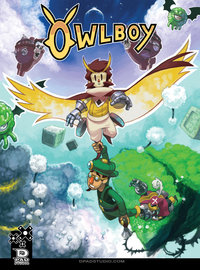
Owlboy is more than just a game; it’s a testament to the power of perseverance and artistic vision. Its stunning visuals, intricate gameplay mechanics, and heartfelt narrative have resonated with players worldwide. While there are no immediate plans for a sequel, Owlboy’s legacy continues to inspire indie developers and captivate new audiences. represents the enduring appeal of this timeless classic.
Source: Wikipedia


