Introduction: The Next Chapter for Overwatch
Overwatch, a multimedia franchise spearheaded by Blizzard Entertainment, has carved a significant niche in the gaming landscape. Initially released in 2016, the game quickly garnered attention for its unique hero-based combat and vibrant art style. While the original title was taken offline with the release of Overwatch 2 in 2023, it was later re-released as “Overwatch” in 2026, demonstrating Blizzard’s commitment to both iterations. This Masterclass Deep-Dive will explore the game’s evolution, technical prowess, and enduring appeal.
Visual Direction and Graphics Engineering
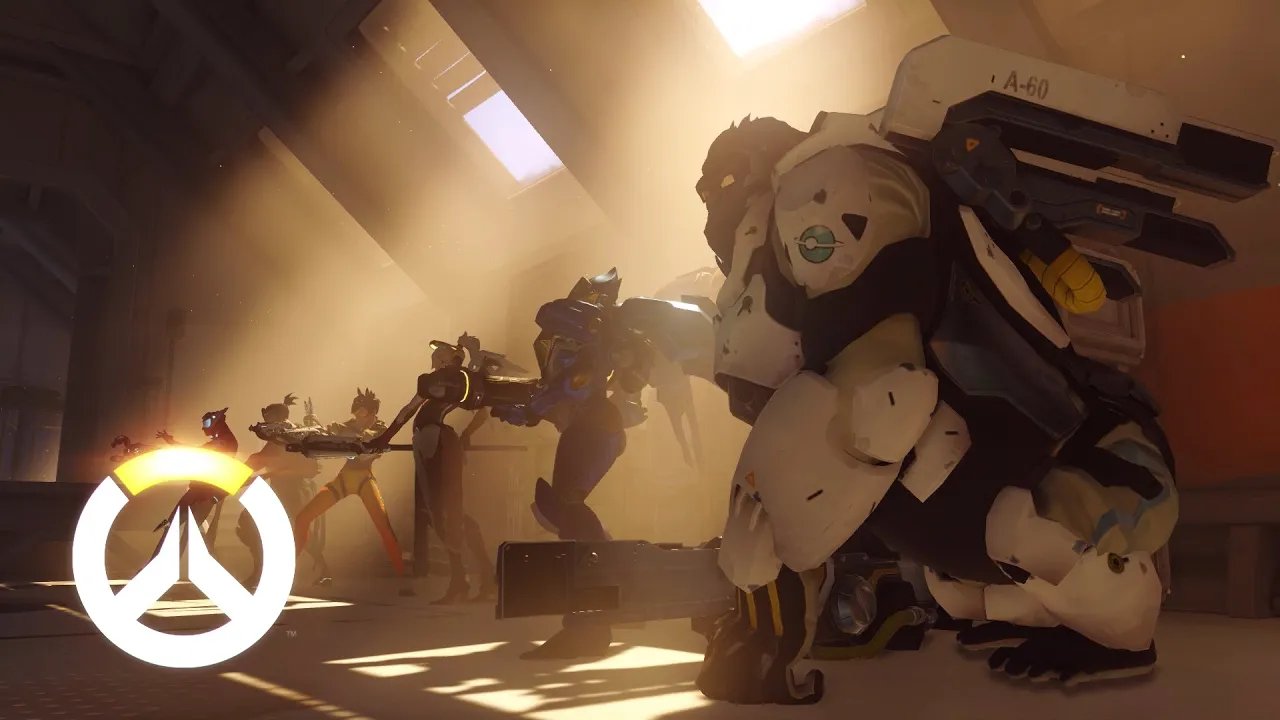
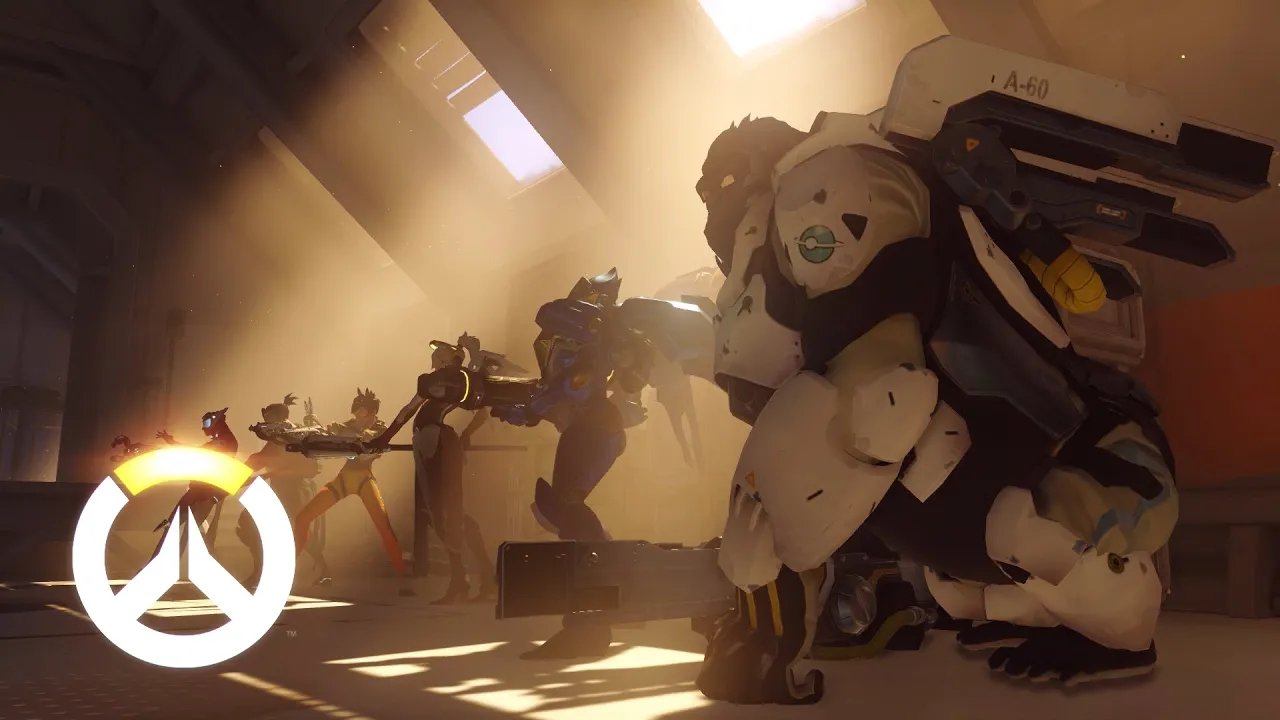
Overwatch boasts a distinctive art style that blends realism with cartoonish exaggeration. The character designs are instantly recognizable, each hero possessing unique silhouettes and visual cues that reflect their personalities and abilities. Blizzard’s proprietary Next-Gen engine was instrumental in bringing this vision to life, enabling detailed character models, dynamic lighting effects, and immersive environments. The game’s color palette is vibrant and optimistic, contributing to its overall sense of fun and accessibility. Optimization for a wide range of hardware configurations has been a key focus, ensuring that players can enjoy the experience regardless of their system specifications.
Gameplay Mechanics and Core Systems
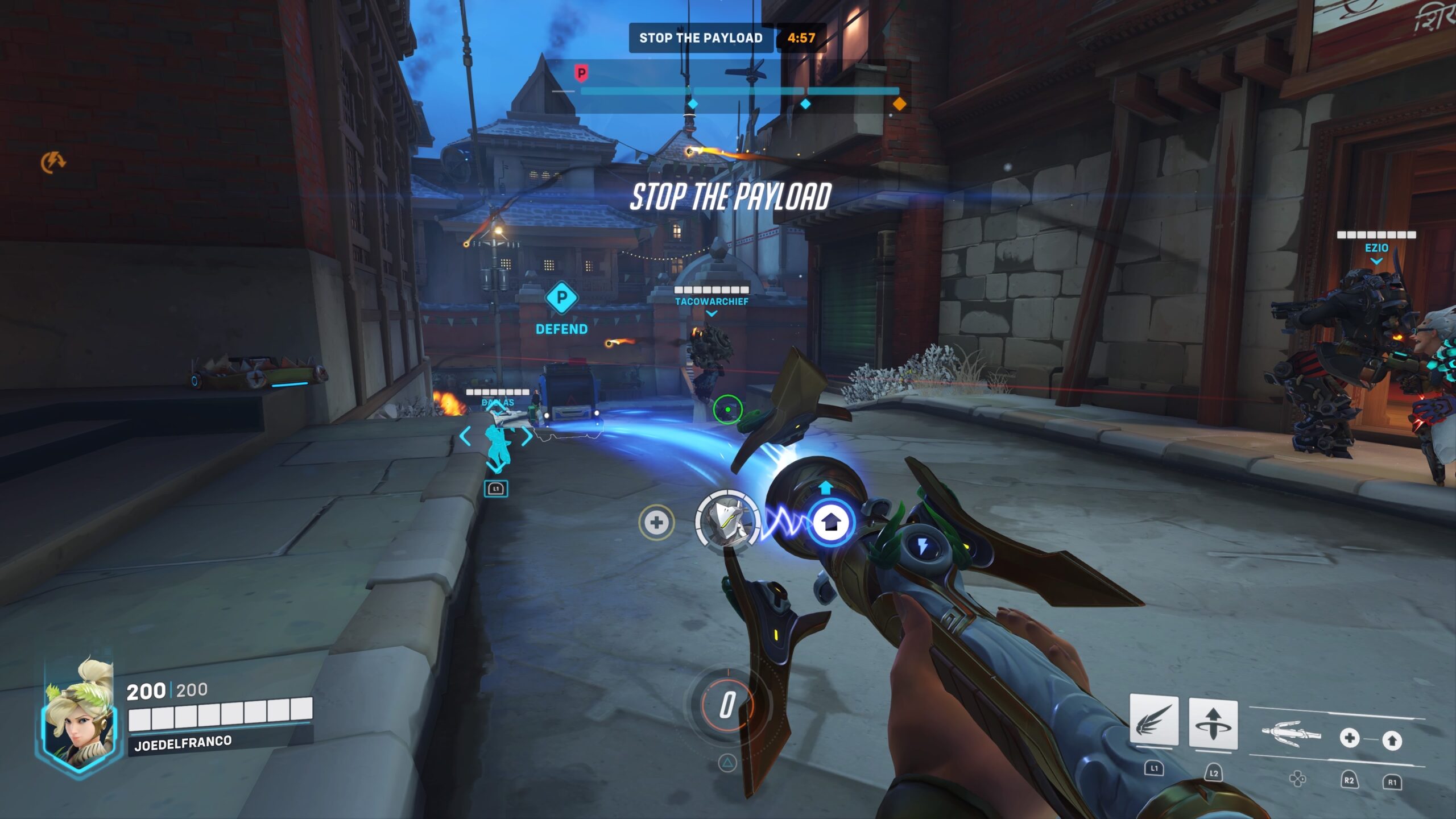
The core gameplay revolves around team-based combat, where two teams of players battle it out across various objectives. Each hero possesses unique abilities and playstyles, encouraging strategic team compositions and tactical decision-making. The game’s accessibility is a major strength, with intuitive controls and clear visual feedback making it easy for new players to pick up the basics. However, mastering the intricacies of each hero and understanding the nuances of team strategy requires significant practice and dedication. The introduction of Overwatch 2 brought significant changes to the gameplay, including a shift to a 5v5 format, which altered the dynamics of team combat.
Level Design and World Atmosphere
Overwatch’s maps are diverse and visually stunning, ranging from bustling urban environments to exotic locales inspired by real-world locations. Each map is carefully designed to offer a variety of strategic options for both teams, encouraging dynamic gameplay and tactical maneuvering. The level design often incorporates verticality and flanking routes, adding another layer of complexity to the combat. The attention to detail in the environment contributes significantly to the game’s immersive atmosphere, drawing players into the world of Overwatch.
Narrative Depth and Character Profiles
While the original Overwatch lacked a traditional story mode, Blizzard has enriched the universe through transmedia storytelling. Comics, animated shorts, and other literary media have been released to expand upon the lore surrounding the game’s characters. Each hero possesses a unique backstory and personality, making them relatable and engaging for players. The ongoing narrative expansion keeps the universe fresh and provides context for the gameplay experience.
Sound Design and Acoustic Realism
The sound design in Overwatch is crucial to its overall impact. Each character has distinct voice lines and ability sounds that contribute to their individual personalities and combat effectiveness. The game’s soundtrack is upbeat and optimistic, perfectly complementing the visual style and gameplay experience. Environmental audio cues provide valuable information to players, helping them anticipate enemy movements and react accordingly.
Release Expectations and Community Hype
The release of Overwatch was met with immense hype, fueled by Blizzard’s reputation for creating high-quality games and the game’s unique blend of familiar and innovative gameplay mechanics. The community response has been overwhelmingly positive, with players praising the game’s accessibility, variety, and overall fun factor. The ongoing support from Blizzard, including regular updates, new content, and esports events, has helped maintain a strong player base and ensure the game’s continued success.
Conclusion: The Future of Overwatch
Overwatch represents a significant achievement in game design, successfully blending accessible gameplay with deep strategic depth. Its unique art style, diverse cast of characters, and ongoing narrative expansion have cemented its place as a beloved franchise. While the transition to Overwatch 2 brought changes, the core principles that made the original game so successful remain intact. The future of Overwatch looks bright, with Blizzard continuing to support the game and expand upon its universe for years to come.
Source: Wikipedia


