Introduction: The Next Chapter for Outlast
Red Barrels’ *Outlast* isn’t just a game; it’s an experience. Released in 2013, this first-person psychological horror title quickly established itself as a benchmark for the genre, thanks to its relentless atmosphere and innovative gameplay mechanics. The success of *Outlast* spawned sequels and spin-offs, including *Outlast 2*, *The Outlast Trials*, comic book series like *The Murkoff Account*, and even a film adaptation in development. This deep dive will dissect what makes *Outlast* so compelling, examining its technical achievements alongside its narrative strengths, and looking ahead to the future of this iconic franchise.
Visual Direction and Graphics Engineering
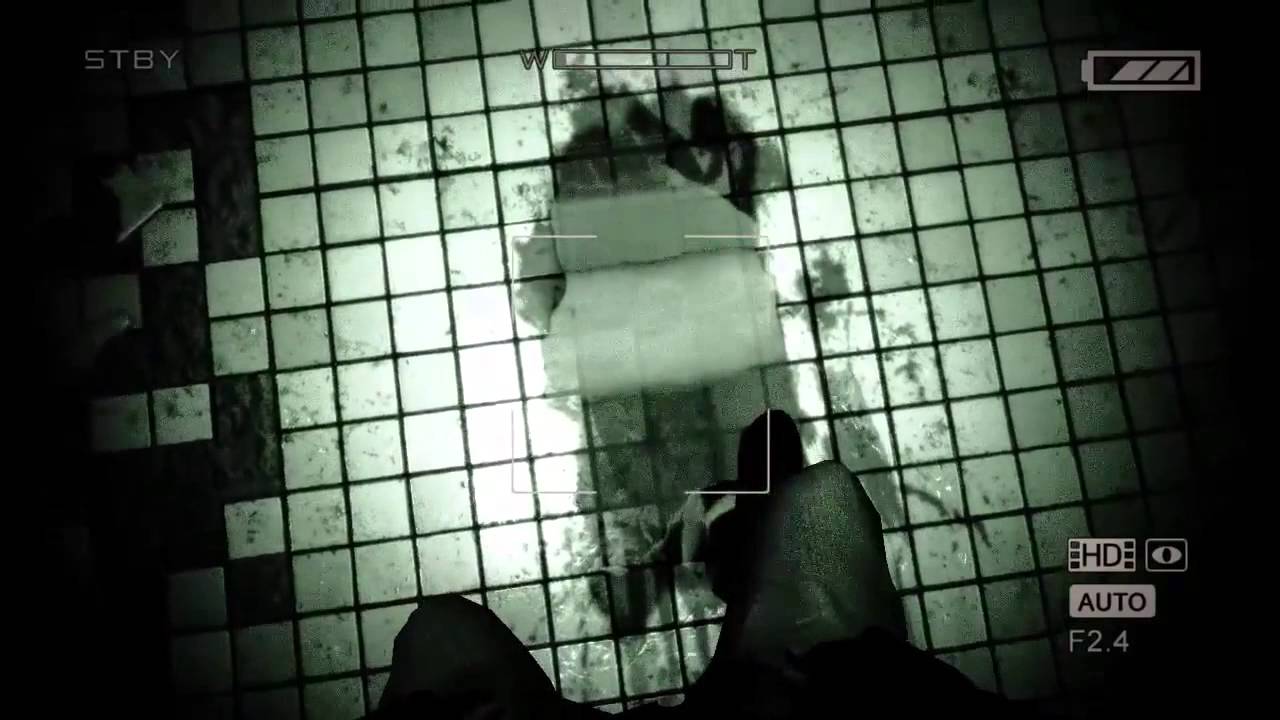
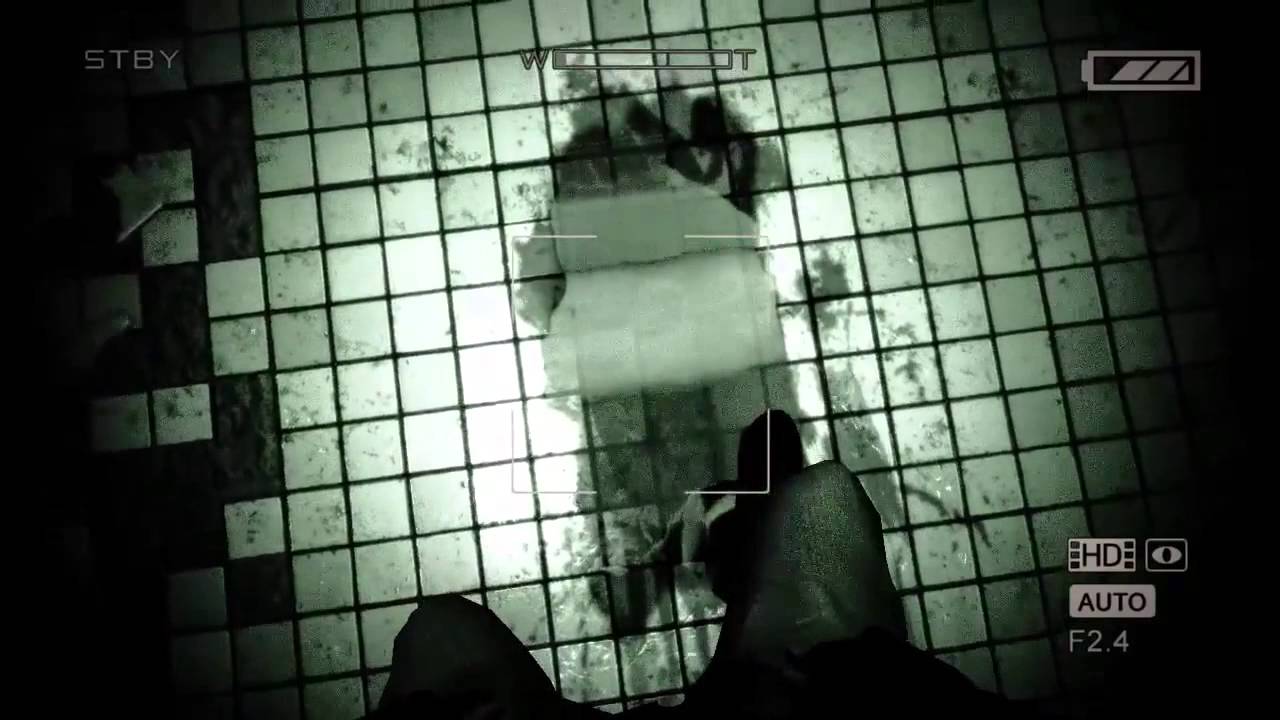
Built on Unreal Engine 3, *Outlast*’s visual style is crucial to its success. While not pushing the boundaries of graphical fidelity by today’s standards, the game leverages lighting, textures, and post-processing effects to create a palpable sense of dread and claustrophobia. The dilapidated state of Mount Massive Asylum is brought to life through detailed environments filled with unsettling details – bloodstains, discarded medical equipment, and disturbing artwork. The limited visibility, often relying on Miles’s night vision camera, further amplifies the tension, forcing players to confront their fears in a constant state of uncertainty. The deliberate use of visual imperfections adds to the game’s authenticity, reinforcing the feeling that this is a real place filled with genuine horror.
Gameplay Mechanics and Core Systems
*Outlast*’s gameplay revolves around stealth and evasion. Miles Upshur, the protagonist, is not a combatant; he can only run, hide, and pray. This vulnerability forces players to think strategically, constantly assessing their surroundings and planning escape routes. The night vision camera is an essential tool, allowing Miles to navigate the darkness but also draining his battery life, adding another layer of pressure. The game’s pacing is expertly crafted, alternating between moments of intense action and periods of quiet dread, keeping players on edge throughout the experience. This core mechanic of powerlessness is what truly sets *Outlast* apart from other horror games that rely on combat.
Level Design and World Atmosphere
Mount Massive Asylum itself is a character in *Outlast*. The level design is intricate and interconnected, encouraging exploration while simultaneously creating a sense of disorientation. Each room tells a story, revealing the dark experiments conducted within its walls. The asylum’s architecture is both imposing and unsettling, with long corridors, cramped cells, and vast, open spaces that amplify the feeling of vulnerability. The use of verticality adds another dimension to the gameplay, forcing players to navigate multi-level environments while constantly evading threats.
Narrative Depth and Character Profiles
The narrative in *Outlast* is a slow burn, gradually revealing the horrifying truth behind Mount Massive Asylum’s experiments. Miles Upshur, the protagonist, is an investigative journalist driven by a desire for answers, but he quickly finds himself trapped in a nightmare far beyond his comprehension. The supporting characters, though often deranged and dangerous, are also compelling figures with their own tragic backstories. The game explores themes of corporate greed, scientific hubris, and the psychological toll of trauma, adding depth and complexity to the horror experience.
Sound Design and Acoustic Realism
The sound design in *Outlast* is absolutely critical to its effectiveness. Every creak, groan, and whisper contributes to the oppressive atmosphere, creating a constant sense of unease. The sounds of the inmates, both human and… otherwise, are particularly unsettling, adding another layer of dread to the experience. The use of positional audio further enhances the immersion, allowing players to pinpoint the source of every sound and anticipate potential threats.
Release Expectations and Community Hype
The original release of *Outlast* was met with widespread critical acclaim and a surge of community hype. Its innovative gameplay mechanics, terrifying atmosphere, and compelling narrative resonated with players seeking a truly immersive horror experience. The success of the game led to a dedicated fanbase eager for more content, which Red Barrels has consistently delivered through sequels, spin-offs, and comic book series. The anticipation surrounding future installments in the *Outlast* franchise remains high, fueled by the developers’ commitment to pushing the boundaries of psychological horror.
Conclusion: The Future of Outlast
*Outlast* is more than just a game; it’s a cultural phenomenon that has redefined the landscape of psychological horror. Its innovative gameplay mechanics, terrifying atmosphere, and compelling narrative have left an indelible mark on the gaming industry. With sequels, spin-offs, and even a film adaptation in development, the future of *Outlast* looks bright. The franchise continues to evolve, exploring new themes and pushing the boundaries of what’s possible in the genre.

Source: Wikipedia


