Introduction: The Next Chapter for Outer Wilds
Outer Wilds, a critically acclaimed action-adventure game developed by Mobius Digital and published by Annapurna Interactive, isn’t just a game; it’s an experience. It’s a journey into the unknown, driven by curiosity and fueled by the constant threat of cosmic annihilation. The core premise – exploring a miniature solar system trapped in a 22-minute time loop – is both intriguing and terrifying. This Masterclass Deep-Dive will dissect every facet of Outer Wilds, from its groundbreaking engine to its poignant narrative, revealing why it continues to captivate players years after its initial release. We’re not just reviewing; we’re analyzing the DNA of a masterpiece.
Visual Direction and Graphics Engineering
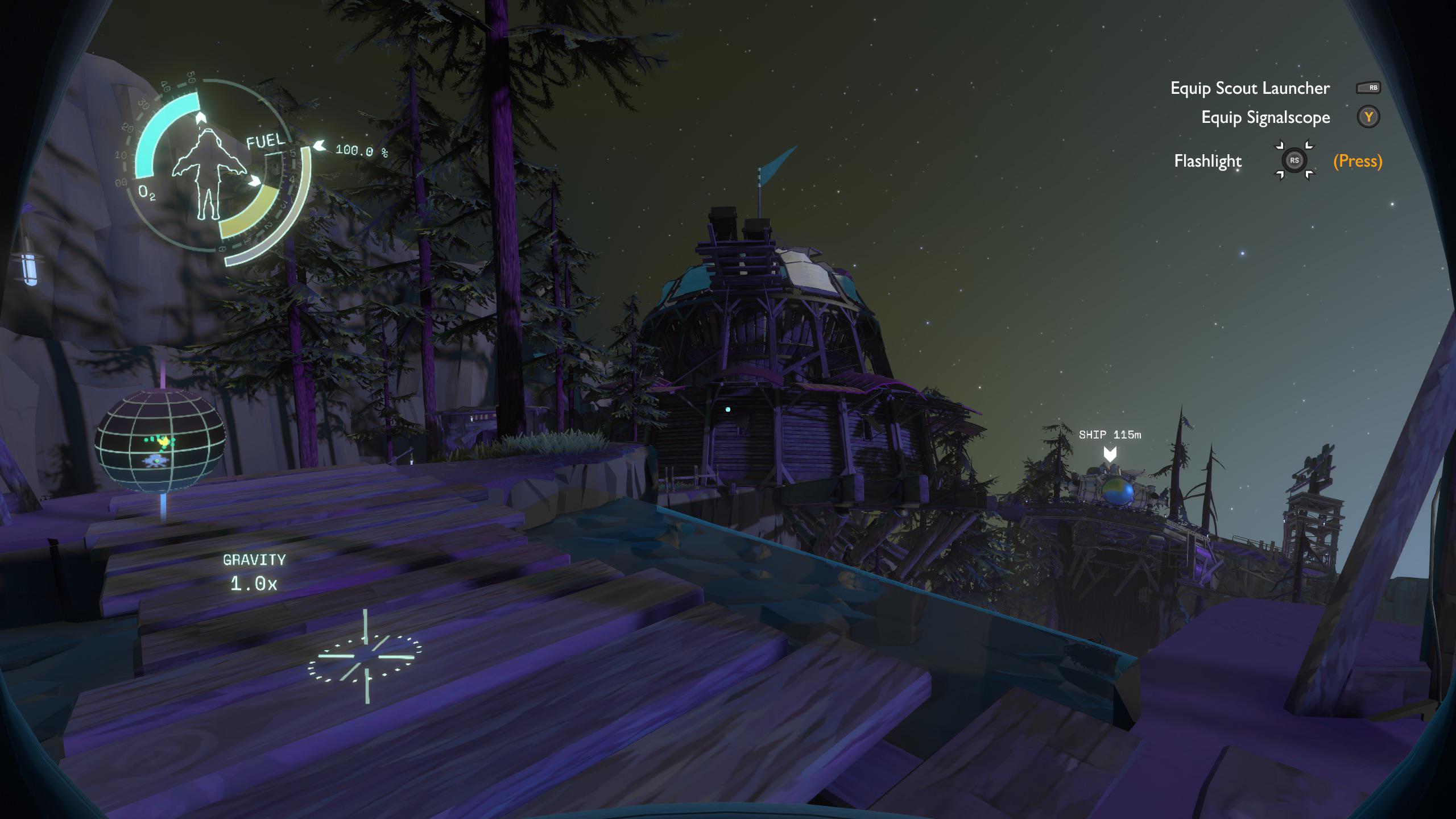
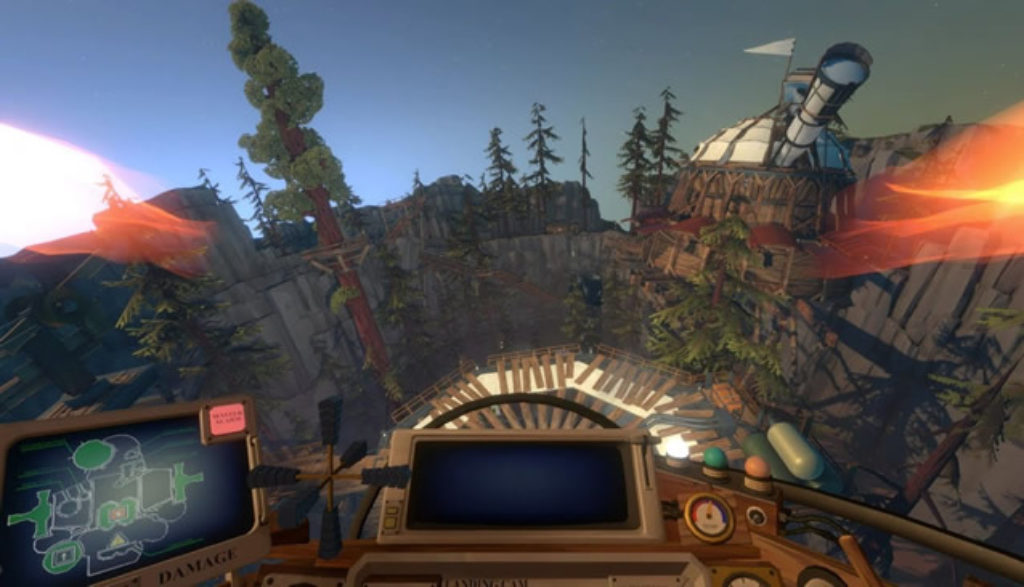
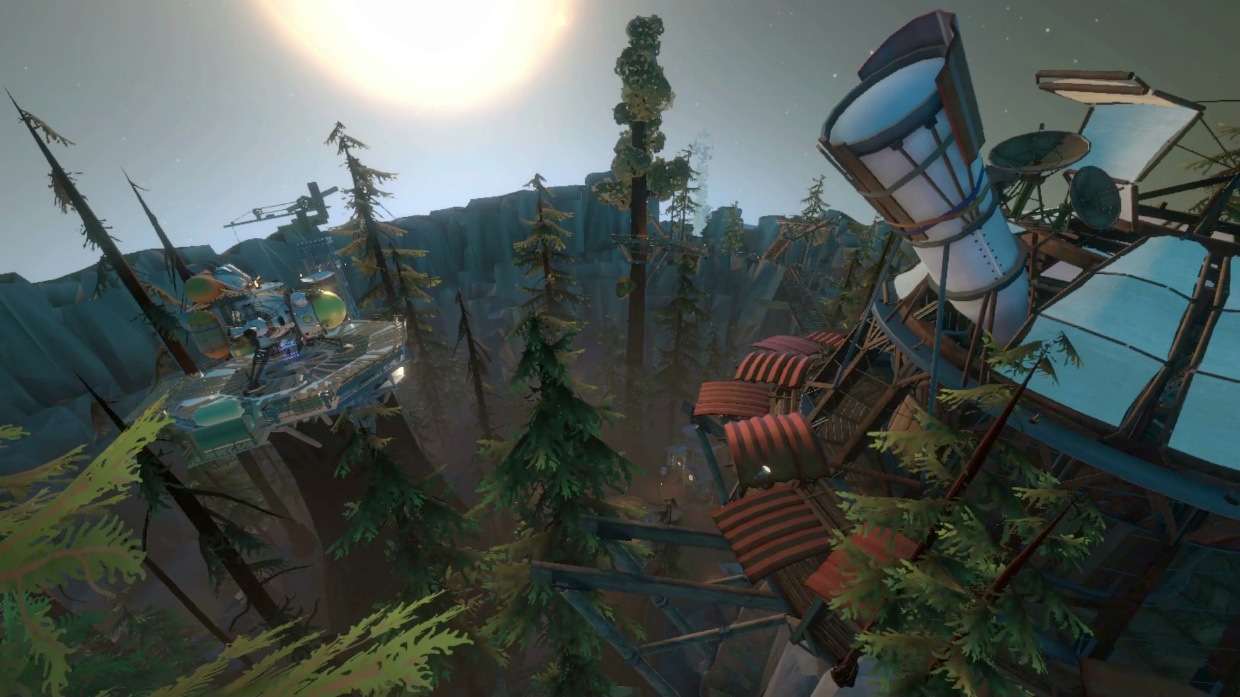
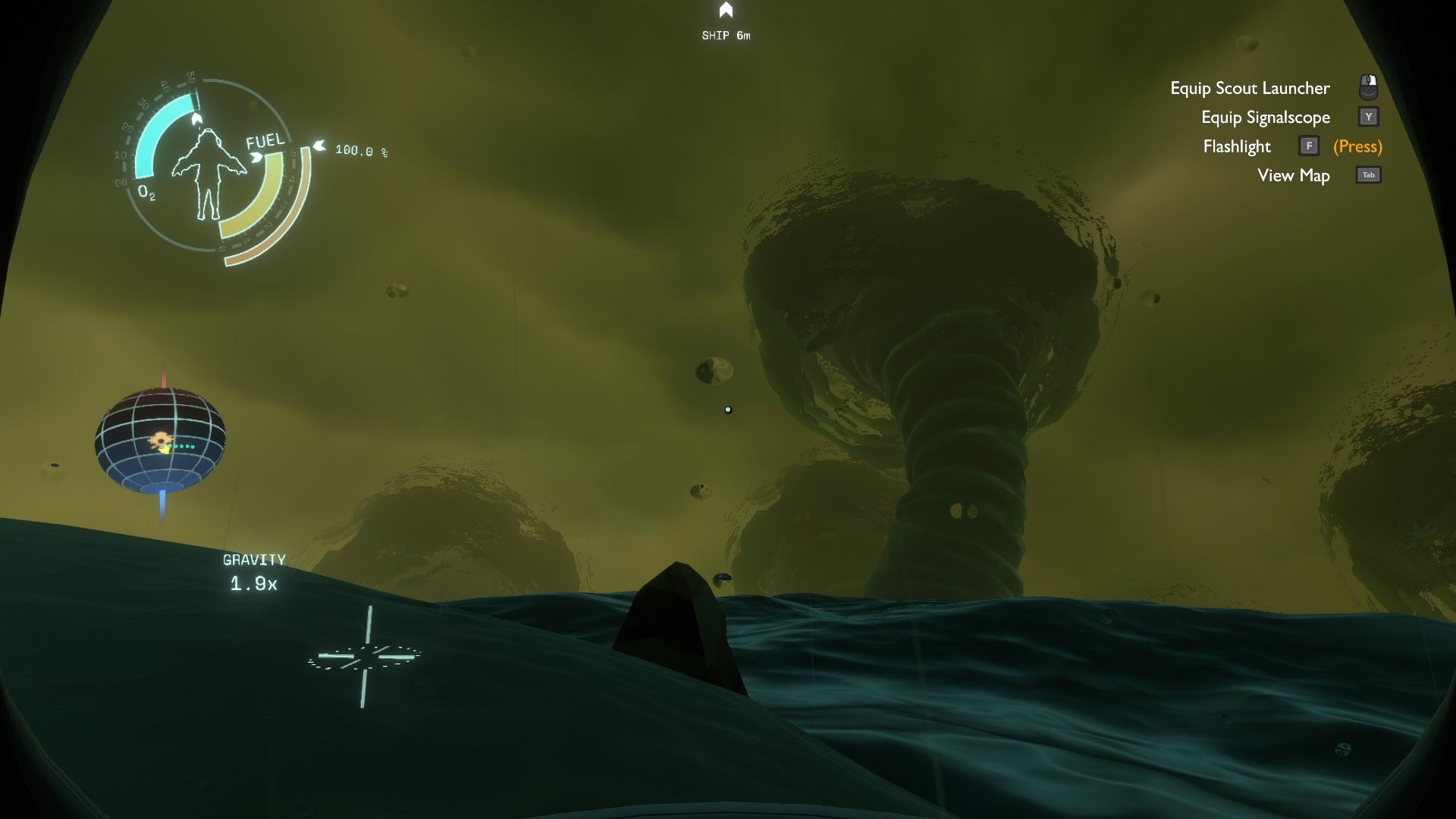
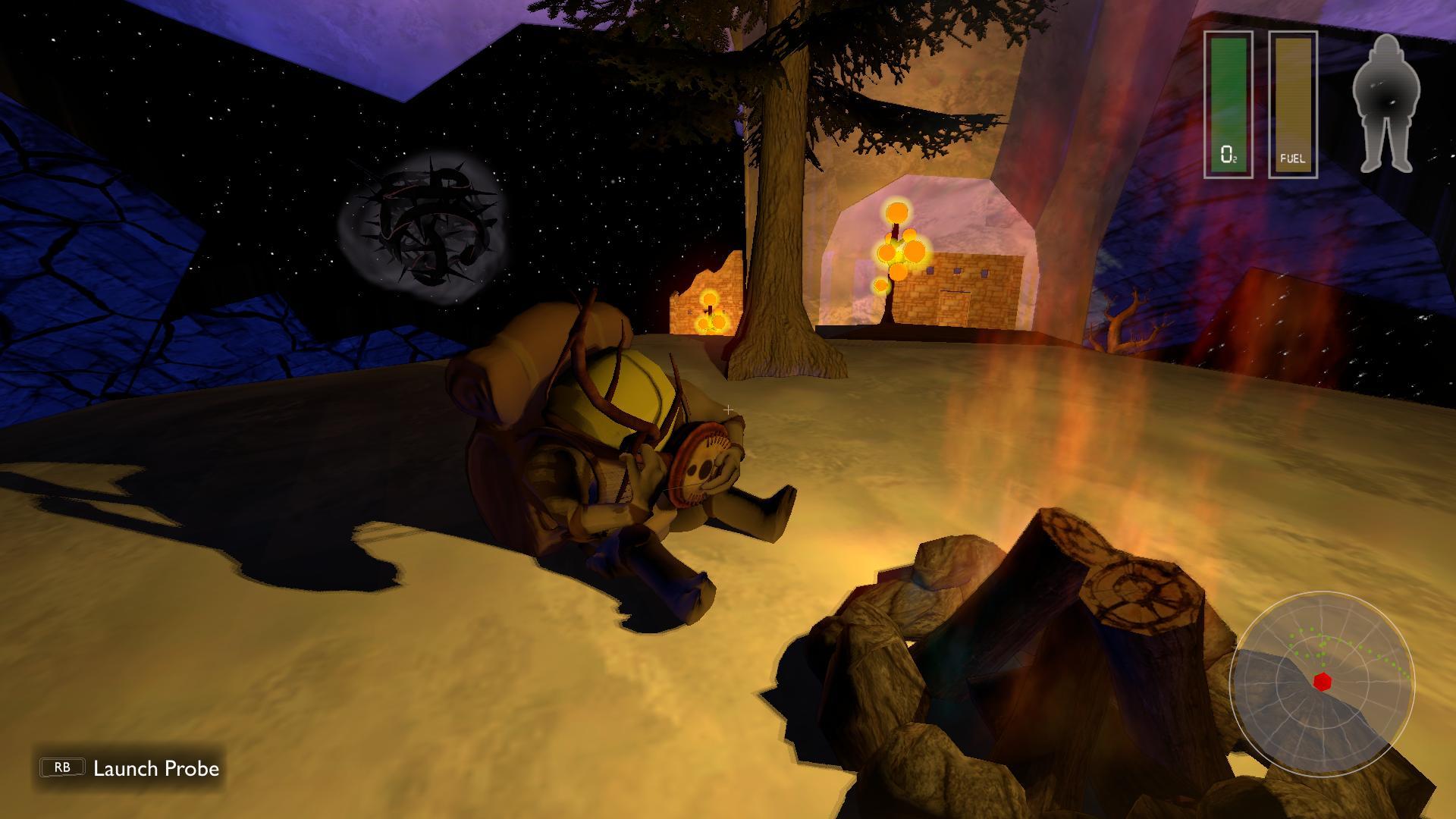
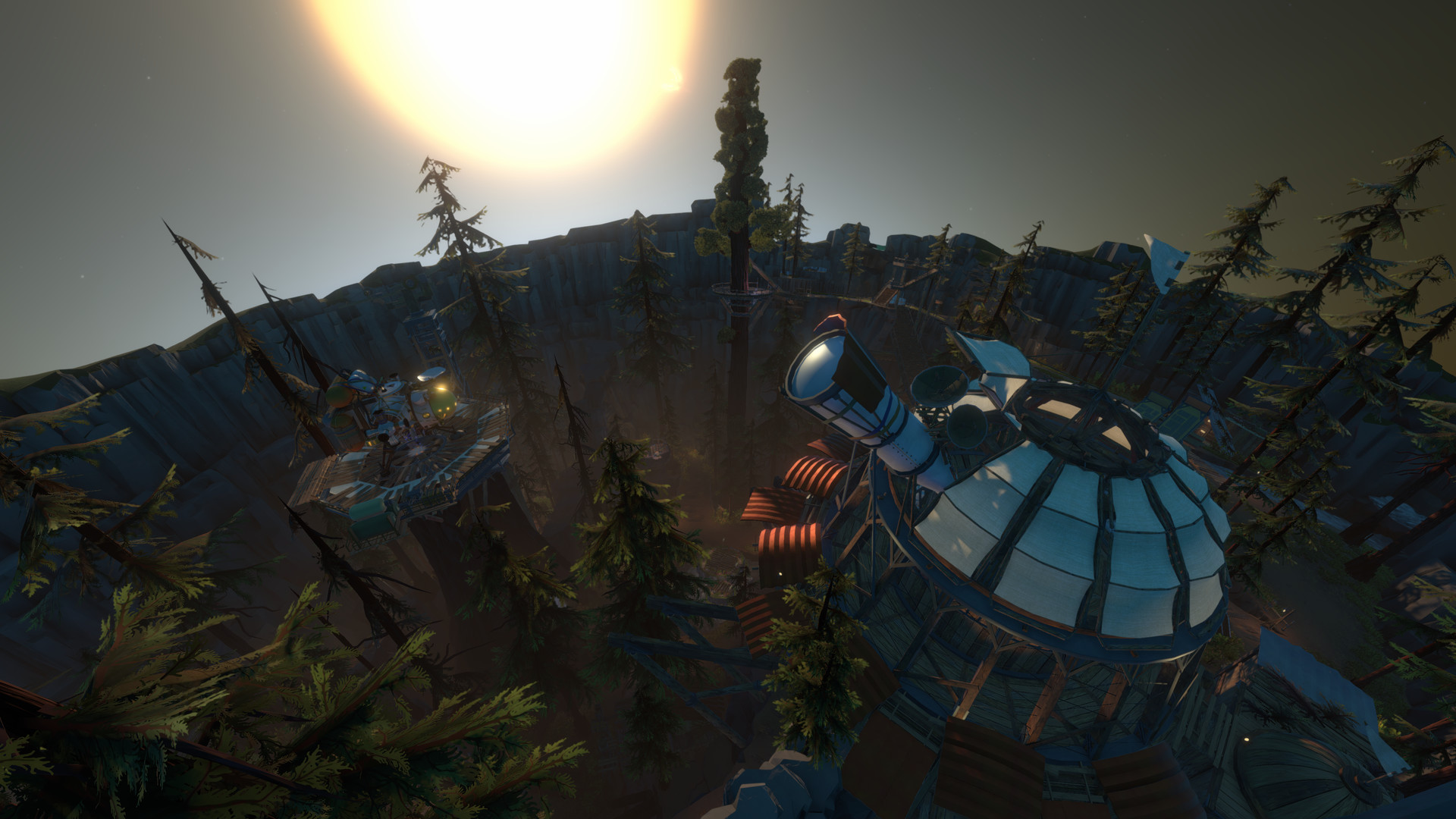
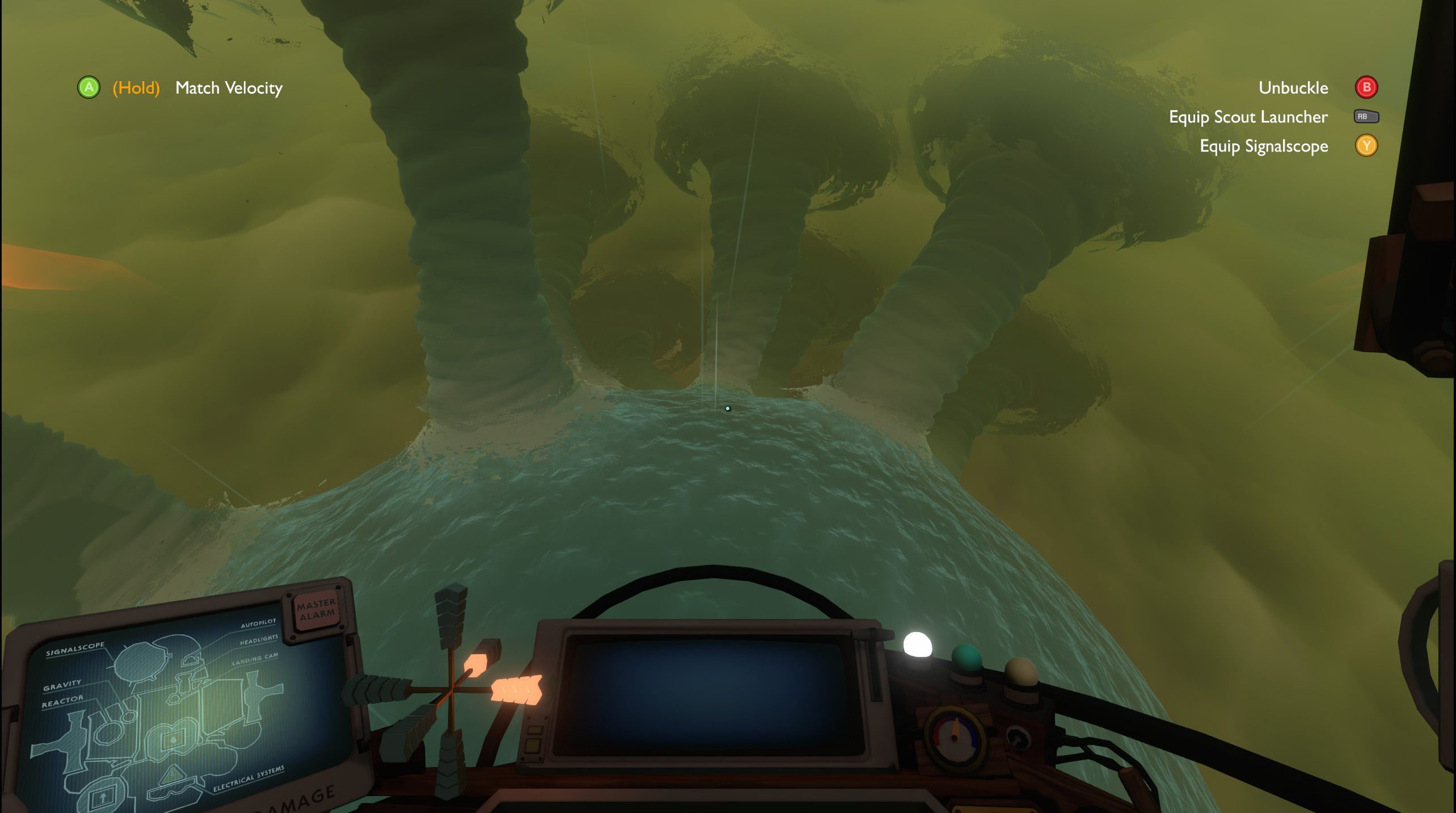
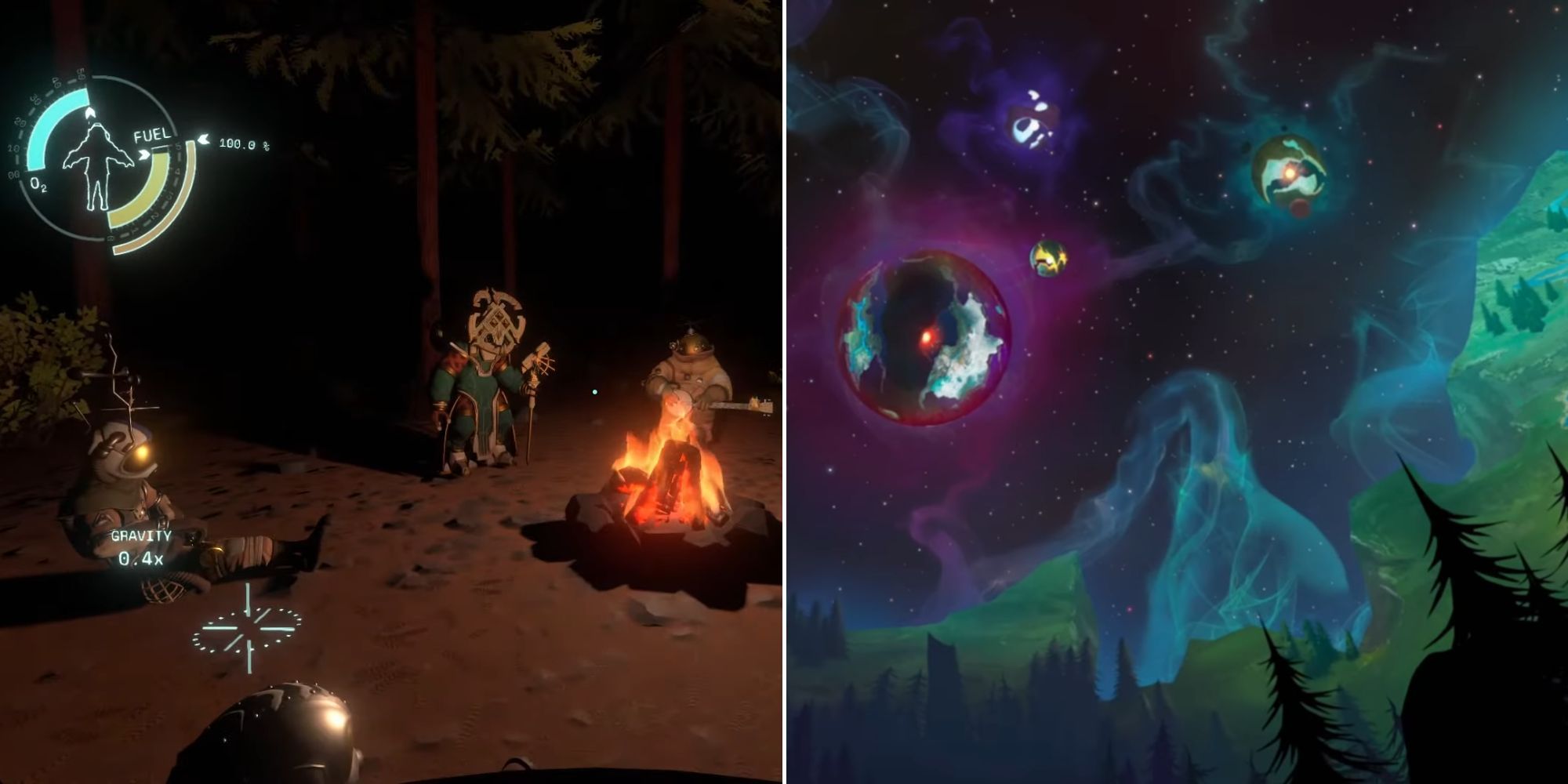
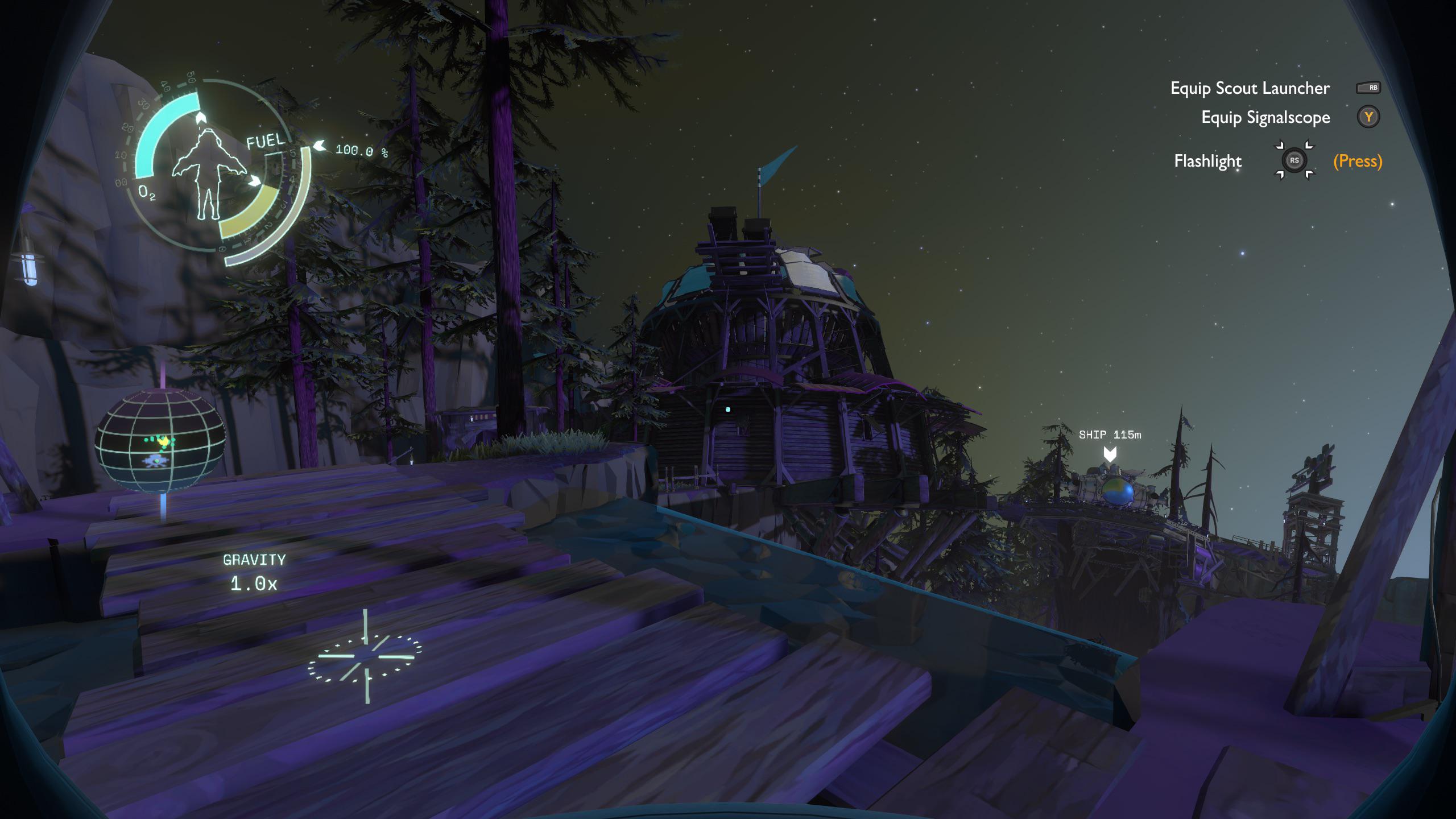
The visual style of Outer Wilds is deceptively simple. It eschews hyper-realism in favor of a stylized, almost painterly aesthetic. This choice was deliberate, allowing the game to run smoothly on a wide range of hardware while still creating a sense of wonder and mystery. The developers utilized a proprietary engine designed specifically for this project, prioritizing performance and artistic expression over raw graphical fidelity. The lighting is particularly noteworthy, casting long shadows and highlighting the vastness of space. This visual style perfectly complements the game’s themes of exploration and discovery, drawing players into its unique world. The engine’s efficiency allowed for complex simulations, like the supernova event that triggers the time loop, without sacrificing performance.
Gameplay Mechanics and Core Systems
Outer Wilds distinguishes itself through its innovative gameplay mechanics. The 22-minute time loop is not just a gimmick; it’s the foundation of the entire experience. Players must use each iteration to gather clues, unravel mysteries, and ultimately understand the cause of the loop. There are no traditional combat or leveling systems. Instead, the game focuses on exploration, puzzle-solving, and environmental storytelling. The player character is equipped with a scout ship for interstellar travel and various tools like a signalscope and translator to decipher alien languages. Mastering these tools is crucial for progressing through the game. The constant pressure of the impending supernova adds a unique sense of urgency and encourages experimentation.
Level Design and World Atmosphere
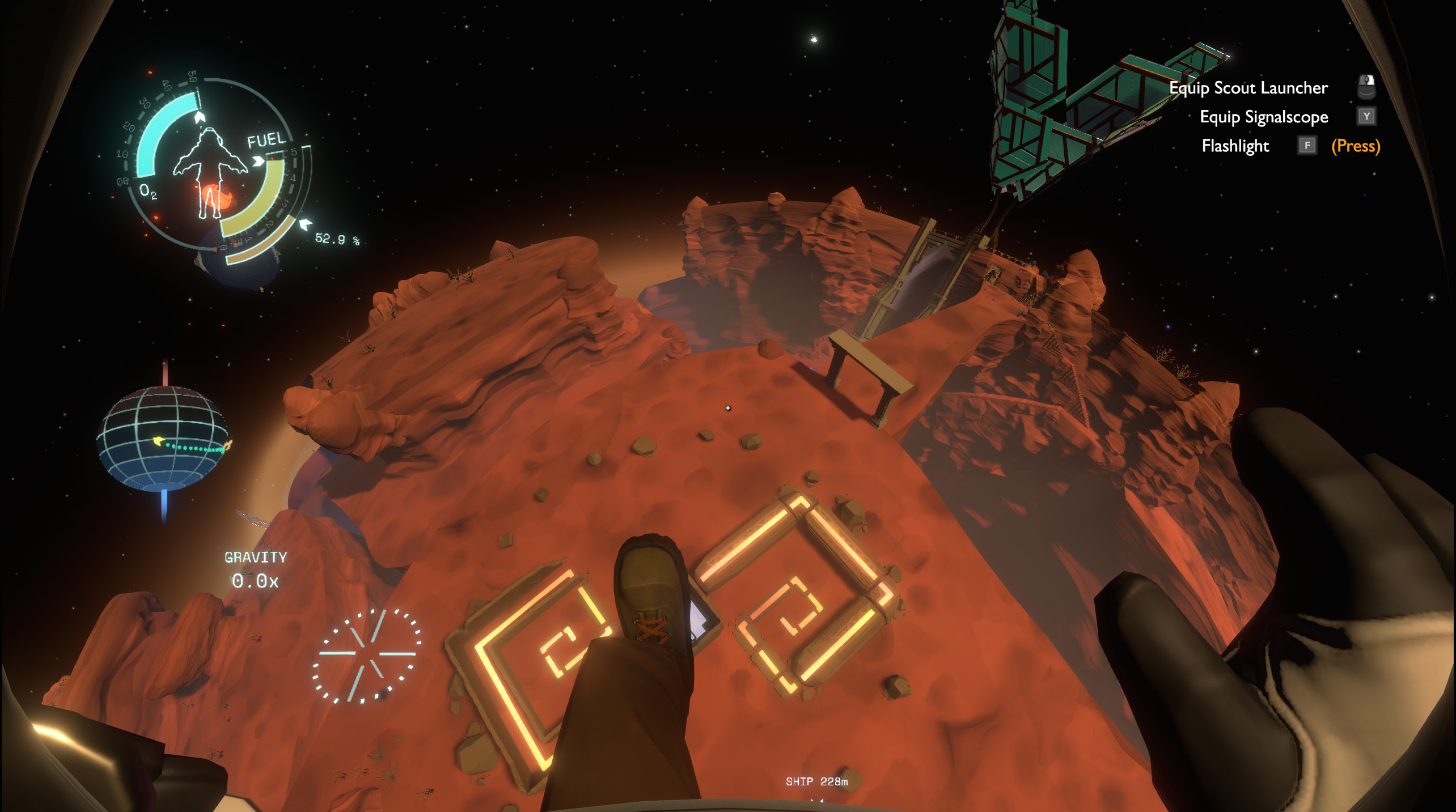
The solar system in Outer Wilds is meticulously crafted, with each planet offering unique challenges and secrets. From the volcanic surface of Brittle Hollow to the shifting sands of the Hourglass Twins, each location feels distinct and alive. The level design seamlessly integrates environmental storytelling, rewarding players who take the time to observe their surroundings. The game encourages non-linear exploration, allowing players to tackle objectives in any order they choose. This freedom is both exhilarating and daunting, as it places the responsibility of discovery squarely on the player’s shoulders. The sense of scale is also remarkable, with planets ranging from small asteroids to massive gas giants.
Narrative Depth and Character Profiles
Outer Wilds boasts a compelling narrative that unfolds gradually through exploration and interaction with the environment. The story revolves around the Nomai, an ancient alien civilization that mysteriously vanished before the player character arrived. Through deciphering their writings and piecing together clues, players uncover the tragic history of the Nomai and their attempts to unravel the mysteries of the universe. While there are no traditional human characters, the player develops a strong connection to the story through the echoes of the past left behind by the Nomai. The game’s narrative is both poignant and thought-provoking, exploring themes of loss, discovery, and the search for meaning in a vast and indifferent cosmos.
Sound Design and Acoustic Realism
The sound design in Outer Wilds is crucial to creating its immersive atmosphere. From the subtle hum of the scout ship’s engines to the eerie silence of deep space, every sound effect contributes to the sense of isolation and wonder. The game features a dynamic soundtrack composed by Andrew Prahlow, which seamlessly blends orchestral arrangements with electronic textures. The music subtly shifts in intensity depending on the player’s location and actions, further enhancing the emotional impact of the experience. The audio cues are also essential for gameplay, providing clues about nearby objects and events.
Release Expectations and Community Hype
Outer Wilds initially garnered attention through its unique premise and innovative gameplay mechanics. The game was released to critical acclaim, praised for its originality, atmosphere, and narrative depth. The community response has been overwhelmingly positive, with players sharing their experiences and discoveries online. The game’s success is a testament to the power of independent development and the enduring appeal of exploration-based gameplay. The release on various platforms, including Nintendo Switch, further expanded its reach and introduced it to a new audience.
Conclusion: The Future of Outer Wilds
Outer Wilds is more than just a game; it’s an experience that stays with you long after the credits roll. Its innovative gameplay mechanics, stunning visuals, and poignant narrative have cemented its place as a modern classic. While there are no concrete plans for a direct sequel, the developers have hinted at exploring similar themes and mechanics in future projects. The legacy of Outer Wilds will undoubtedly continue to inspire game developers and captivate players for years to come.

Source: Wikipedia