Introduction: The Next Chapter for Ōkami
Ōkami, a title that resonates with both reverence and nostalgia, represents more than just a game; it’s an experience. Developed by Clover Studio and published by Capcom, this 2006 action-adventure title for the PlayStation 2 was a bold artistic statement, blending Japanese mythology, folklore, and innovative gameplay mechanics. While initially met with moderate commercial success, Ōkami has since garnered a dedicated cult following, praised for its unique visual style, compelling narrative, and profound emotional impact. This deep dive will explore the game’s technical achievements, design choices, and lasting legacy.
Visual Direction and Graphics Engineering
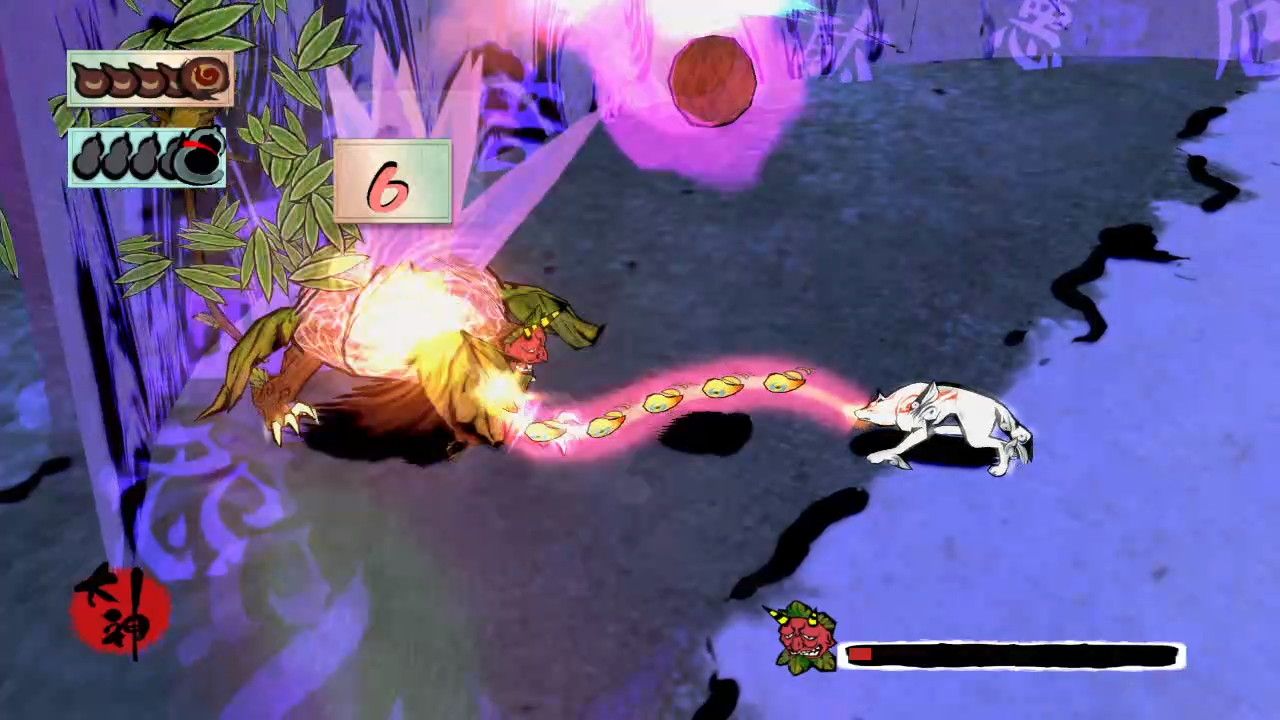
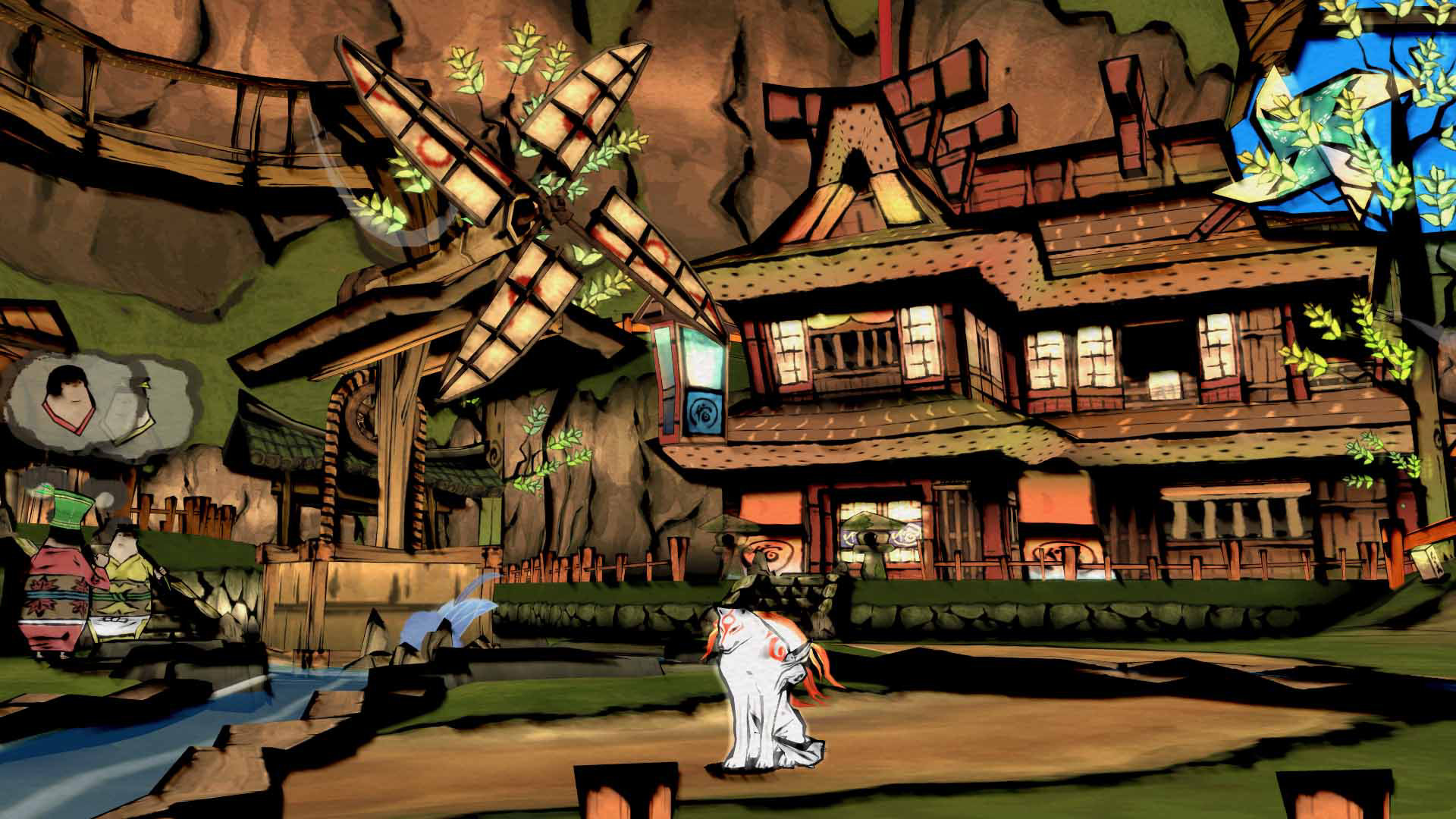
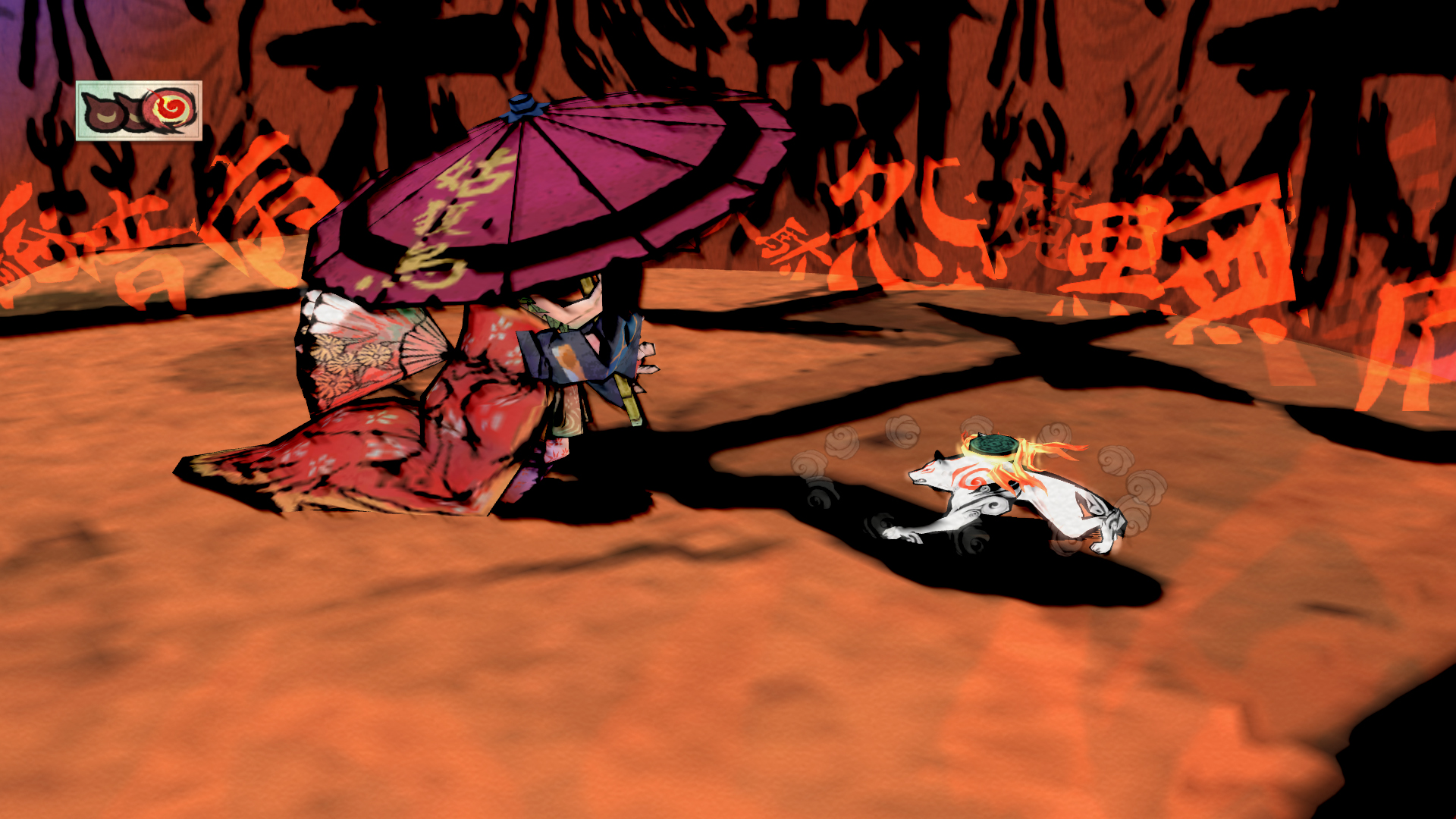
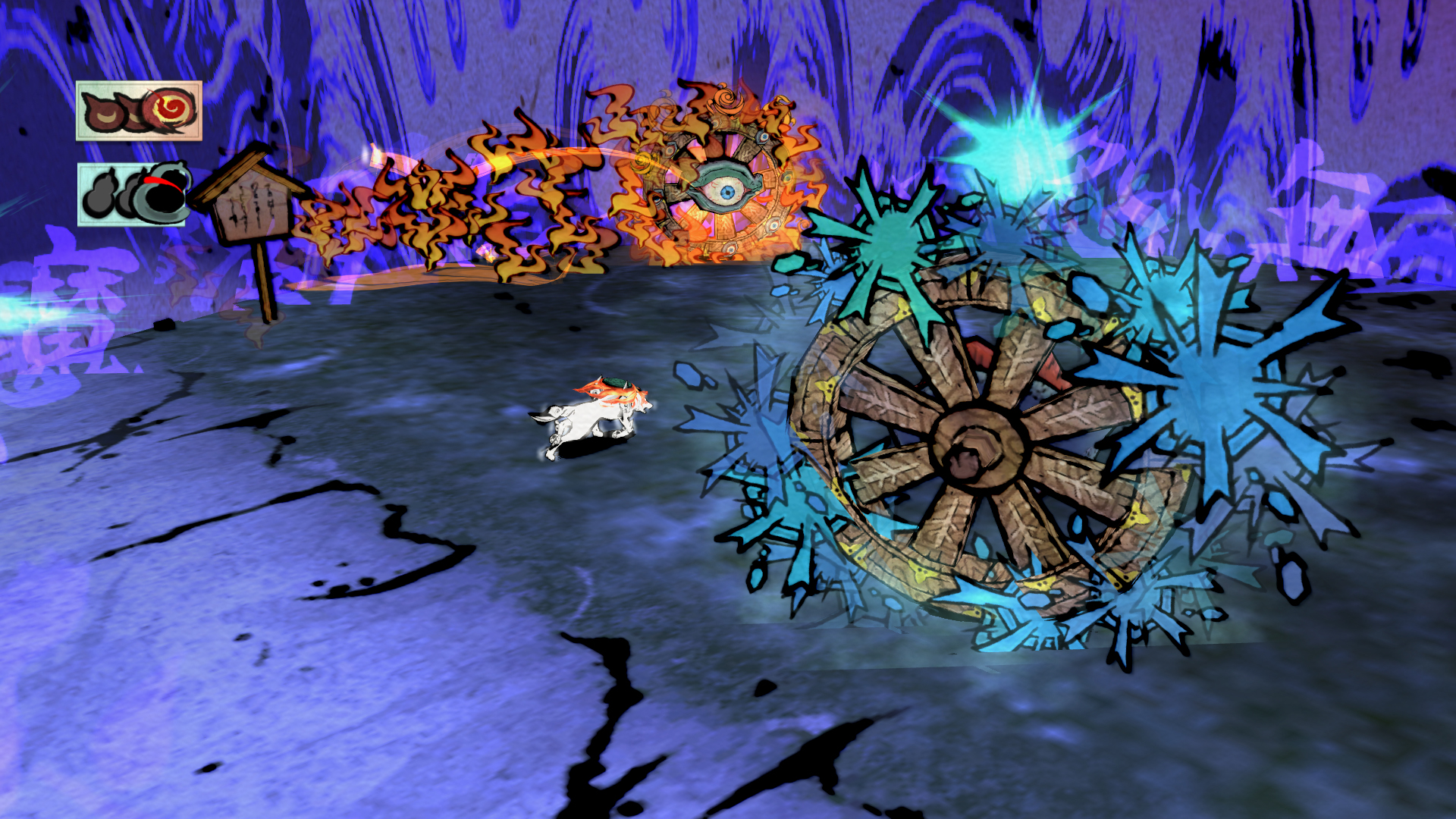
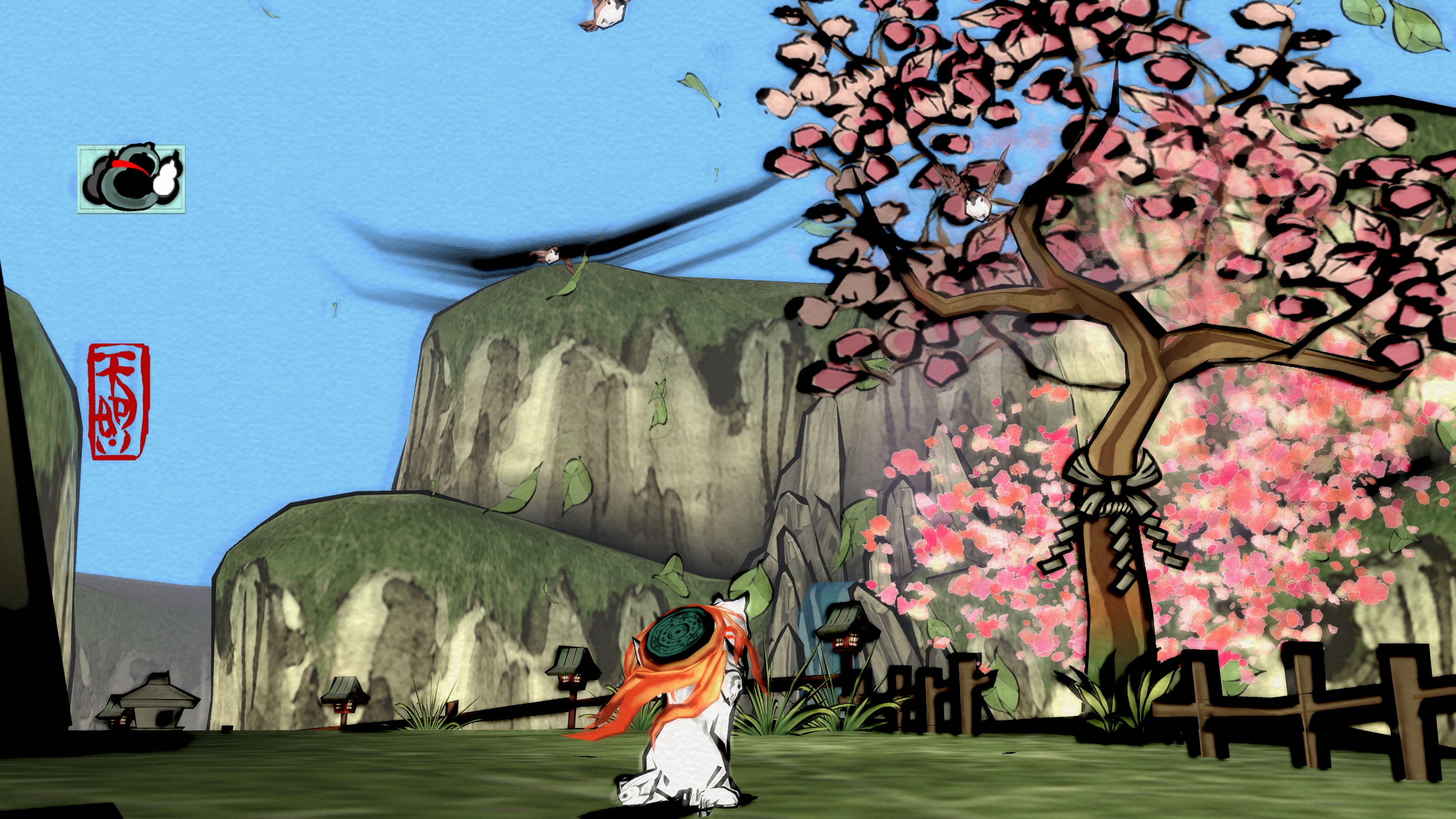
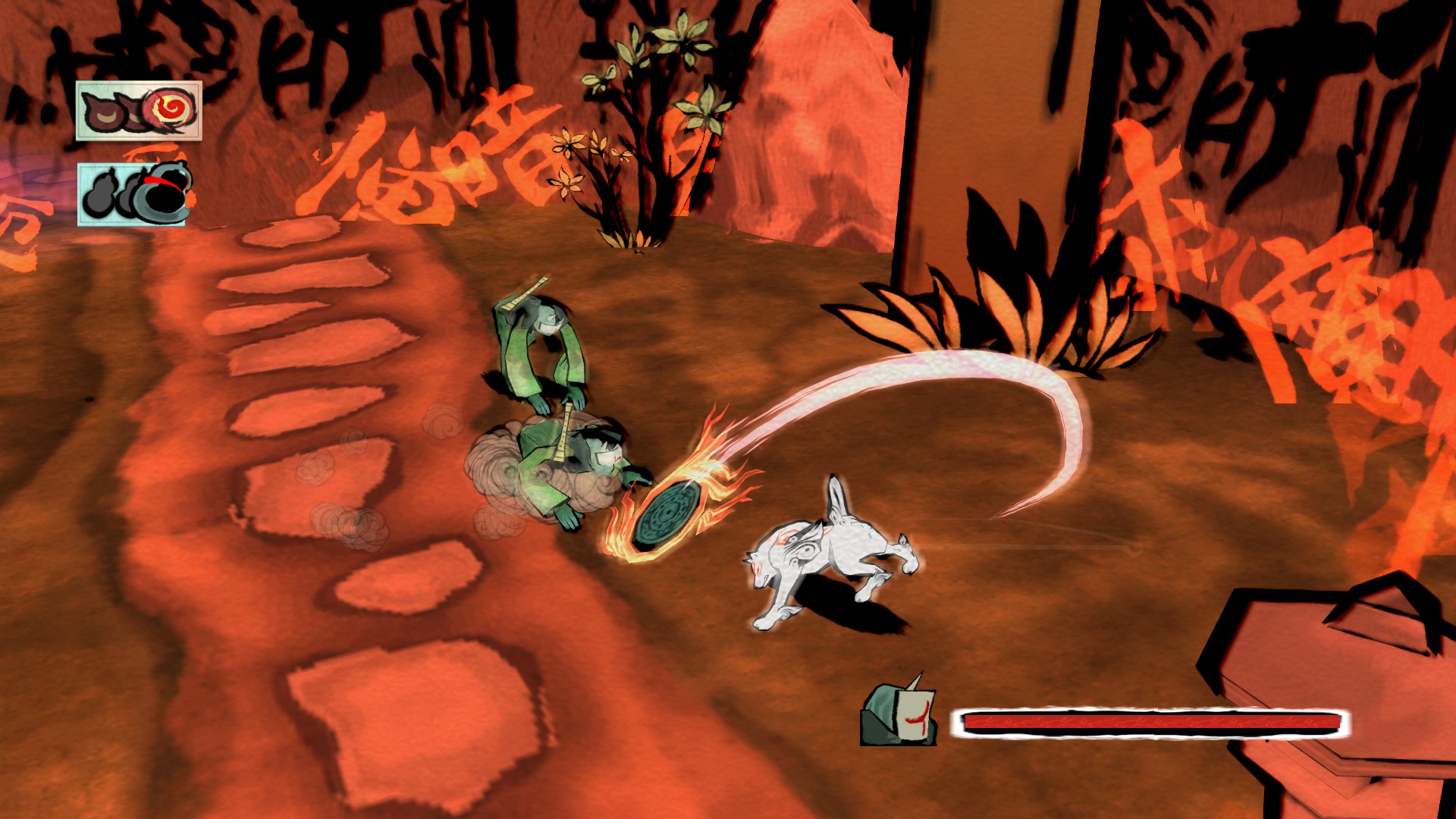
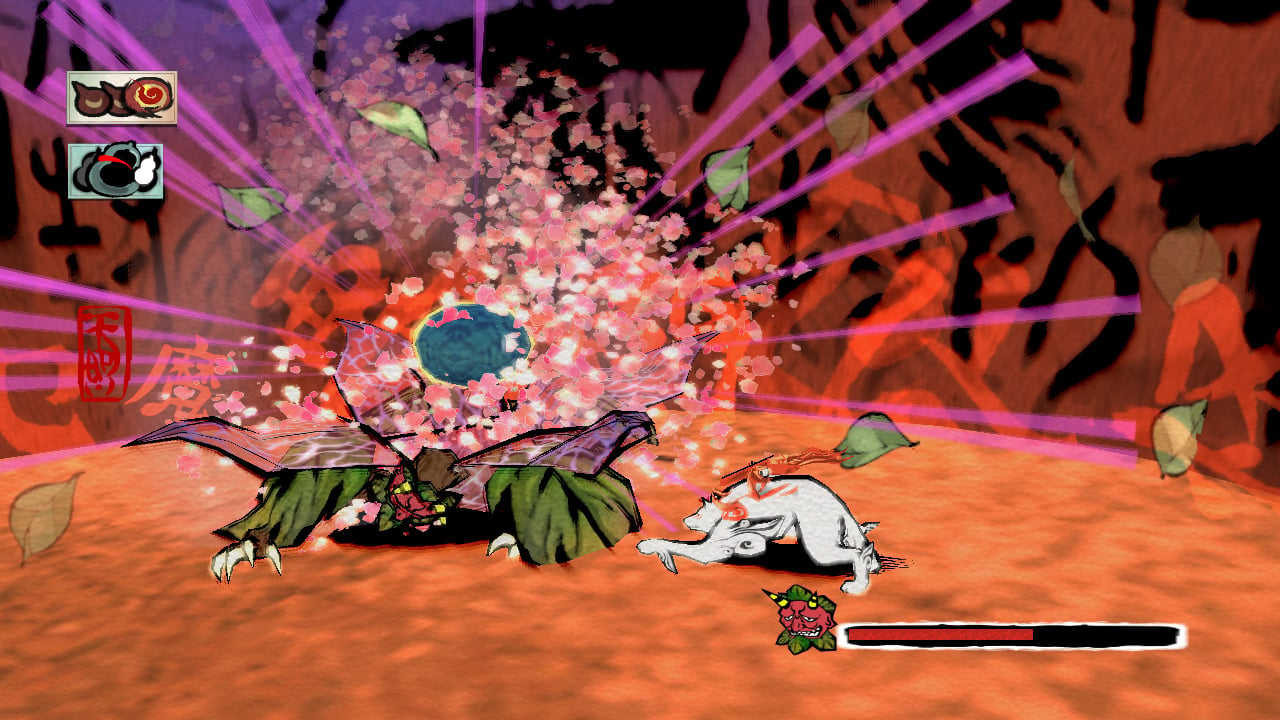
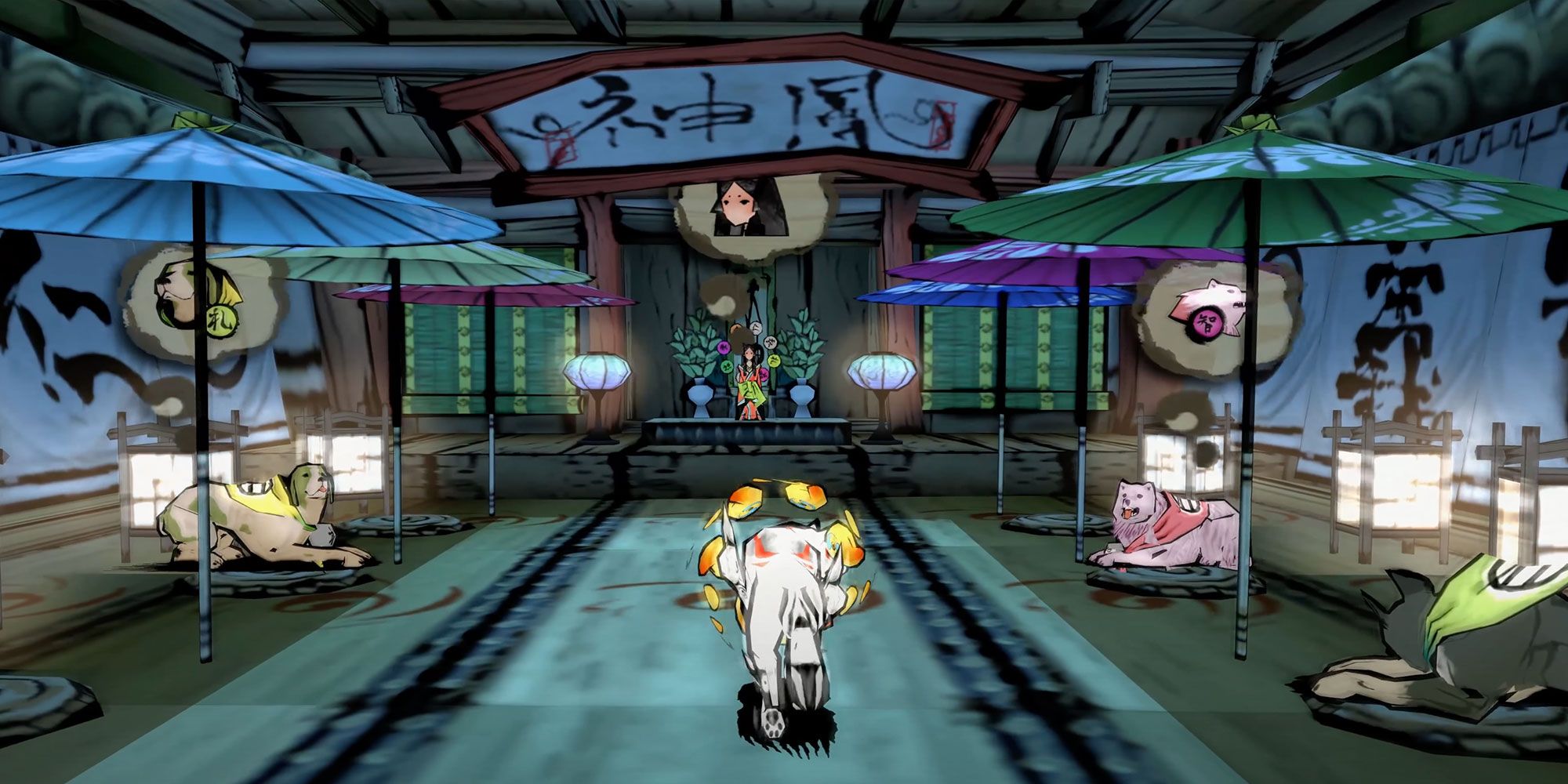
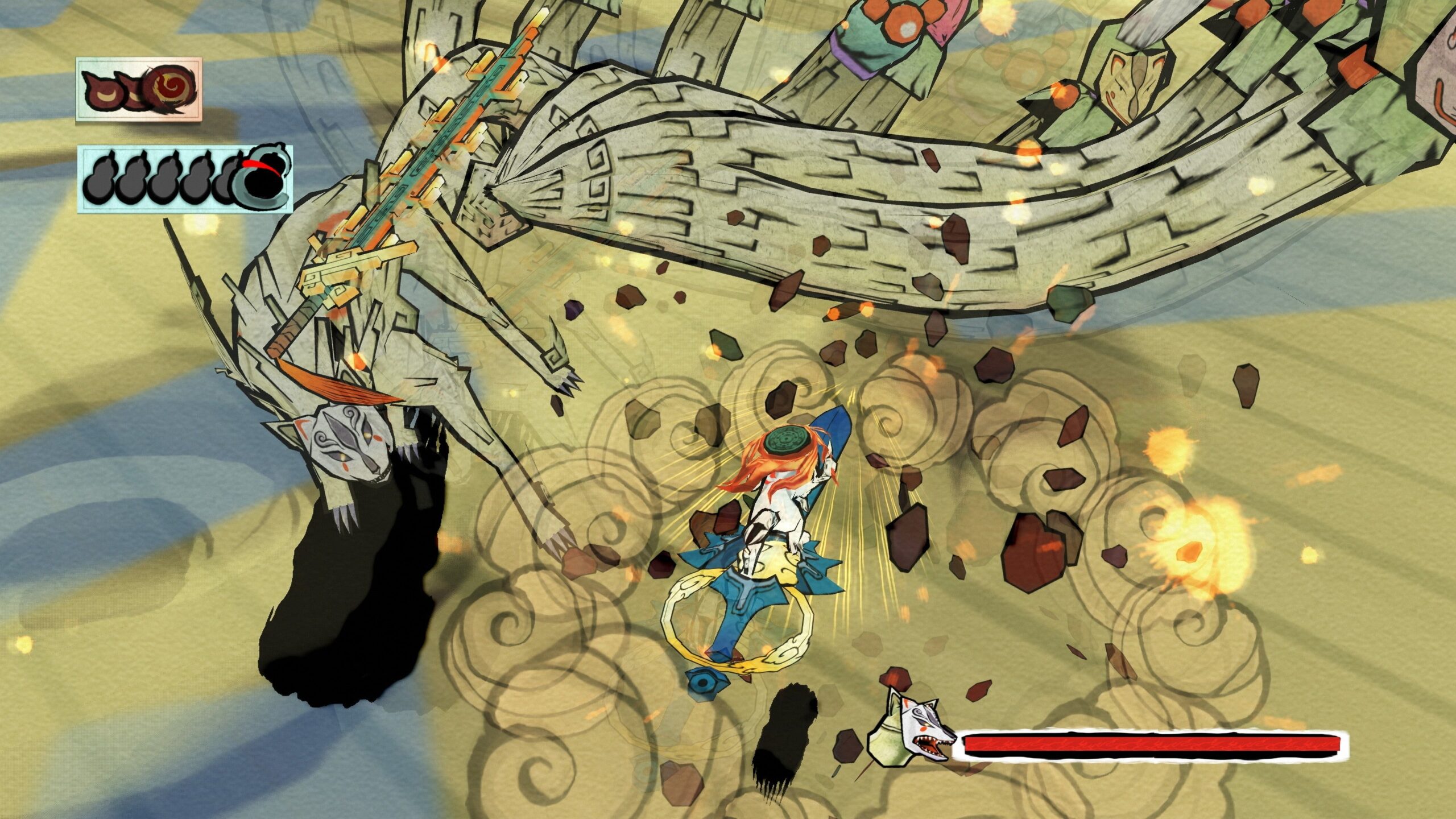
Ōkami’s most striking feature is undoubtedly its sumi-e inspired cel-shaded art style. This bold choice was driven by both artistic vision and technical constraints. The original plan for a more realistic rendering approach proved too demanding for the PlayStation 2 hardware. Switching to cel-shading not only alleviated these limitations but also perfectly complemented the game’s themes of nature, purity, and spirituality. The visual style is incredibly expressive, allowing for dynamic brushstrokes, vibrant colors, and a sense of handcrafted artistry that sets it apart from its contemporaries. This artistic choice allowed the team to push the PS2 hardware further than initially anticipated, creating a truly unique aesthetic experience.
Gameplay Mechanics and Core Systems
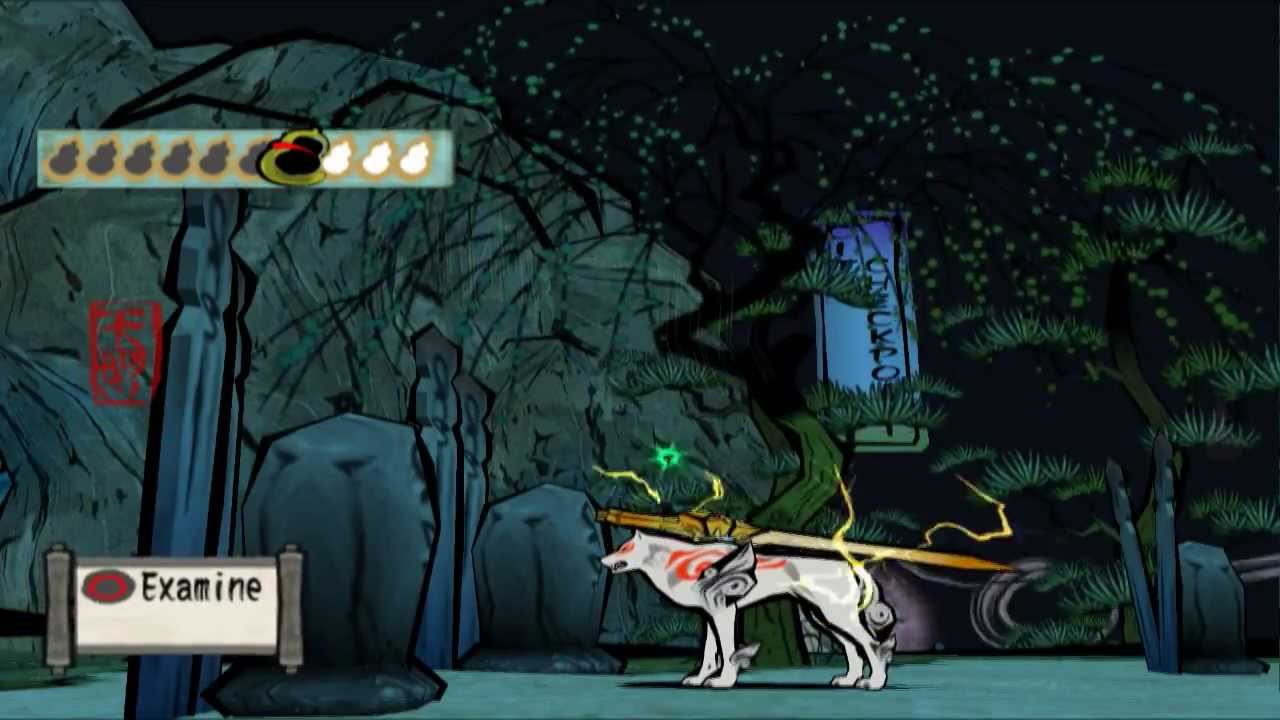
Ōkami’s gameplay is deeply intertwined with its visual style. The Celestial Brush, a gesture-based system that allows players to interact with the world in creative ways, is central to both combat and puzzle-solving. Players can use the brush to paint objects into existence, purify corrupted areas, and even manipulate the environment itself. This innovative mechanic not only adds depth to the gameplay but also reinforces the game’s themes of creation and restoration. The core gameplay loop draws inspiration from classic action-adventure titles like The Legend of Zelda, offering a familiar yet refreshing experience.
Level Design and World Atmosphere
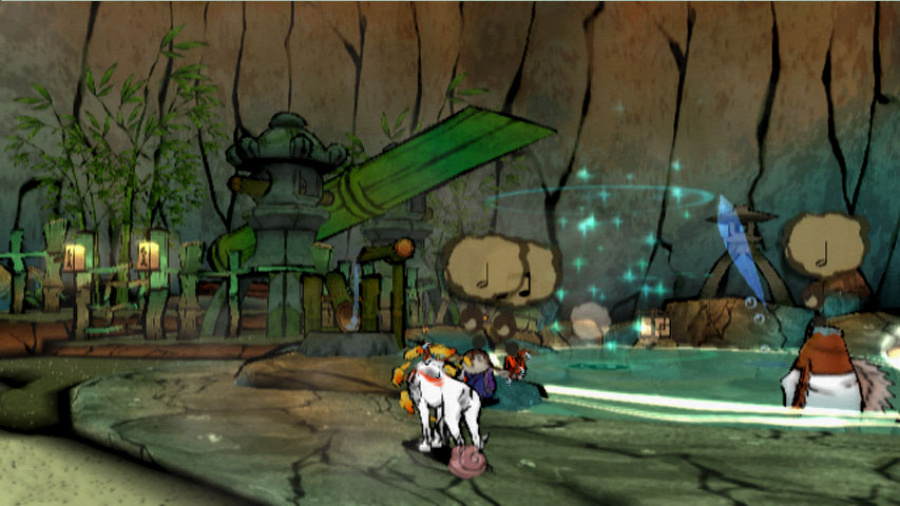
The world of Ōkami is a breathtaking tapestry of diverse environments, ranging from lush forests and serene meadows to imposing mountains and ancient ruins. Each area is meticulously crafted to evoke a specific mood and atmosphere, drawing players deeper into the game’s rich narrative. The level design encourages exploration and discovery, rewarding players who venture off the beaten path with hidden secrets and challenging encounters. The seamless transitions between environments further enhance the sense of immersion, creating a truly unforgettable journey.
Narrative Depth and Character Profiles
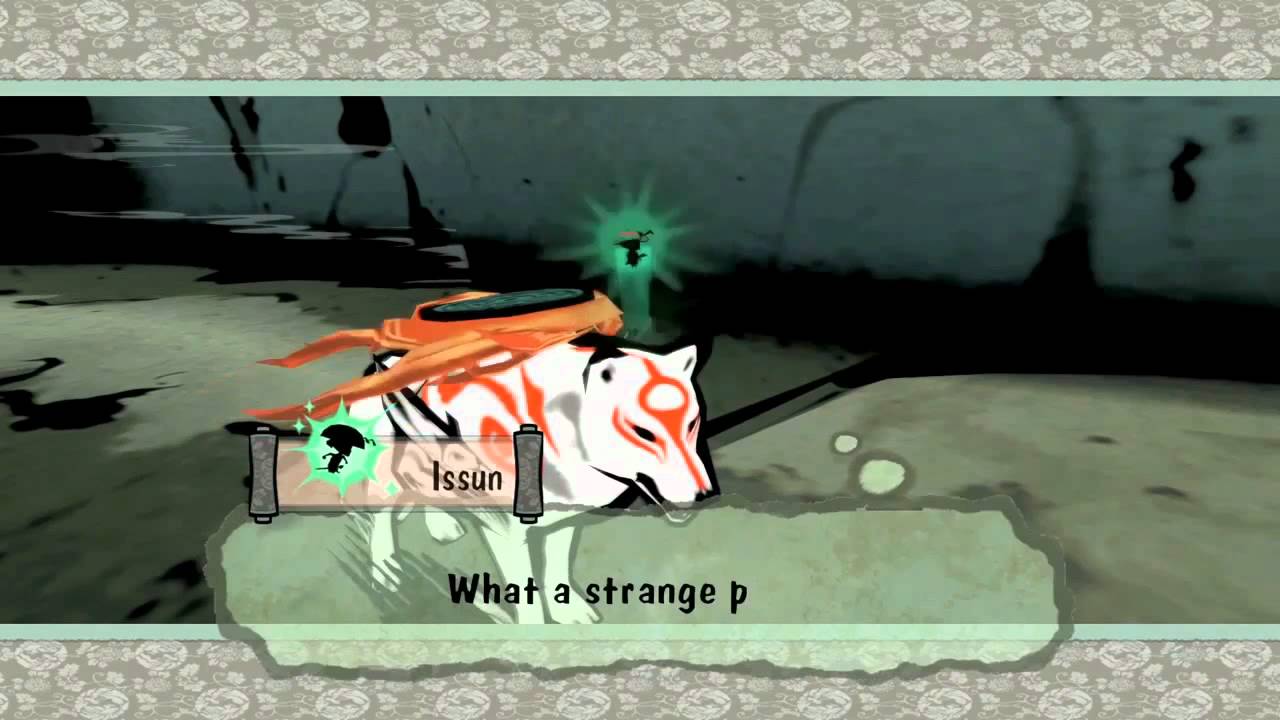
Ōkami’s story is a timeless tale of good versus evil, told through the eyes of Amaterasu, the Shinto sun goddess who takes the form of a white wolf. The narrative is rich in symbolism and mythology, drawing players into a world of ancient spirits, mischievous demons, and heroic companions. Each character, from the wise Issun to the loyal Ōkami, is brought to life with depth and nuance, creating a cast that is both memorable and endearing. The game’s themes of hope, perseverance, and the power of nature resonate deeply, making it an emotionally rewarding experience.
Sound Design and Acoustic Realism
The sound design in Ōkami plays a crucial role in enhancing the game’s atmosphere and emotional impact. From the gentle rustling of leaves to the soaring melodies of the soundtrack, every sound is carefully crafted to create a sense of immersion and wonder. The music, composed by Masami Ueda, Hiroshi Yamaguchi, Rei Kondoh, and Akari Kaida, is particularly noteworthy, blending traditional Japanese instruments with orchestral arrangements to create a truly unforgettable auditory experience.
Release Expectations and Community Hype
While initially met with moderate commercial success, Ōkami has since garnered a dedicated cult following. The game’s unique visual style, compelling narrative, and innovative gameplay mechanics have resonated deeply with players, leading to widespread critical acclaim and a passionate online community. The Wii port, developed by Ready at Dawn, Tose, and Capcom, further expanded the game’s reach, introducing it to a new generation of players.
Conclusion: The Future of Ōkami
Ōkami is more than just a game; it’s a work of art. Its unique visual style, compelling narrative, and innovative gameplay mechanics have cemented its place as a classic in the action-adventure genre. While the original release may not have achieved mainstream success, its enduring legacy speaks volumes about its quality and artistic merit. The future of Ōkami likely involves continued preservation of its original form, potential remasters or sequels that build upon its foundation, and ongoing celebration of its unique contribution to gaming history.


Source: Wikipedia