Introduction: The Next Chapter for Ōkami
Ōkami, a title synonymous with artistic brilliance and innovative gameplay, stands as a testament to Clover Studio’s ambition and Capcom’s willingness to embrace unconventional ideas. Released in 2006 for the PlayStation 2, it quickly garnered critical acclaim for its unique visual style, engaging narrative, and groundbreaking Celestial Brush mechanic. While initially conceived with more realistic rendering techniques, technical limitations of the PS2 necessitated a shift towards cel-shading, ultimately giving birth to Ōkami’s distinctive aesthetic. This Masterclass Deep-Dive will explore the game’s development journey, dissect its core mechanics, analyze its artistic vision, and examine its enduring legacy in the gaming landscape. We’re not just looking back; we’re charting a course for understanding how Ōkami continues to inspire and influence game design today.
Visual Direction and Graphics Engineering
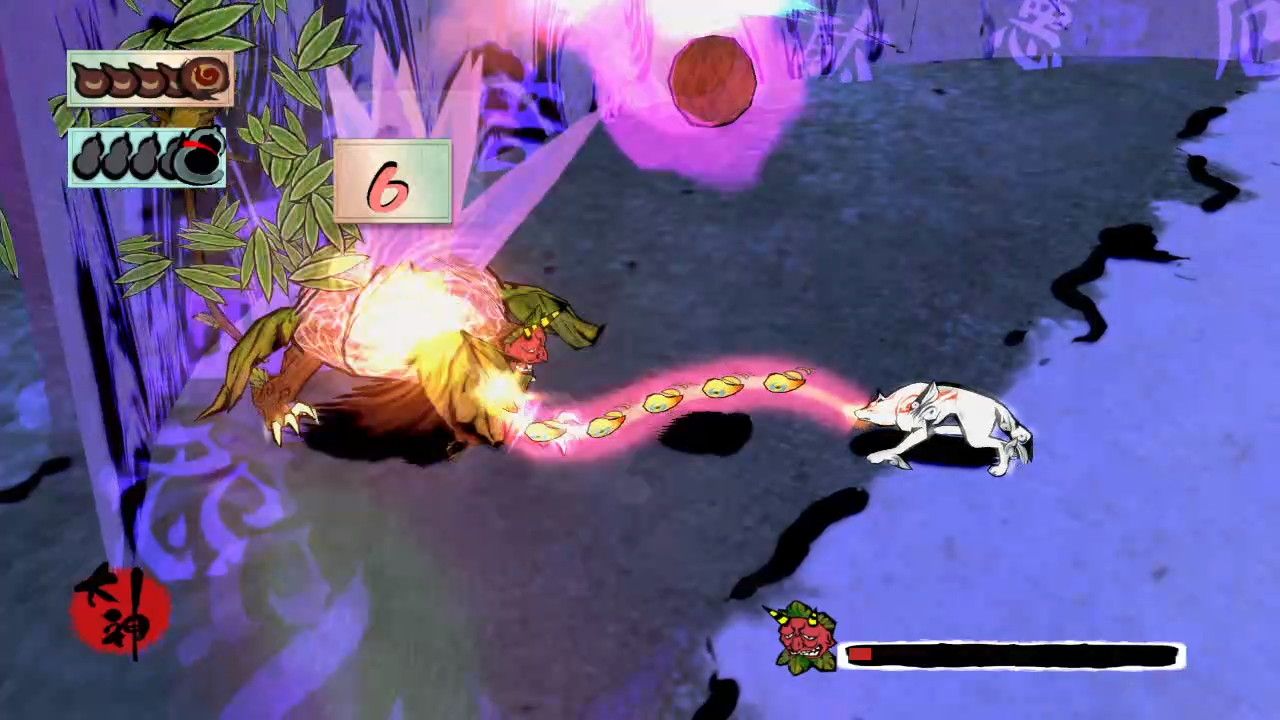
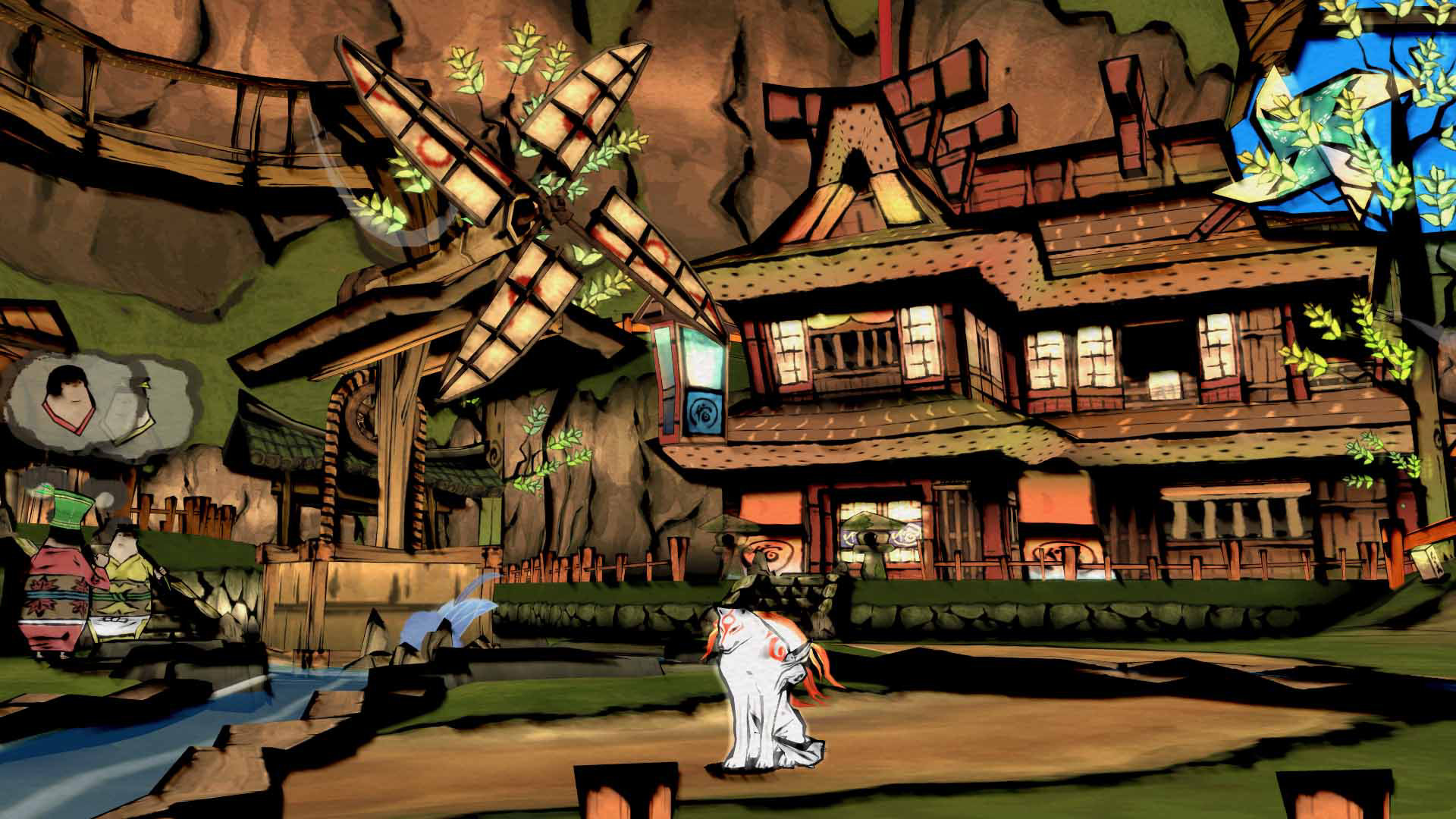
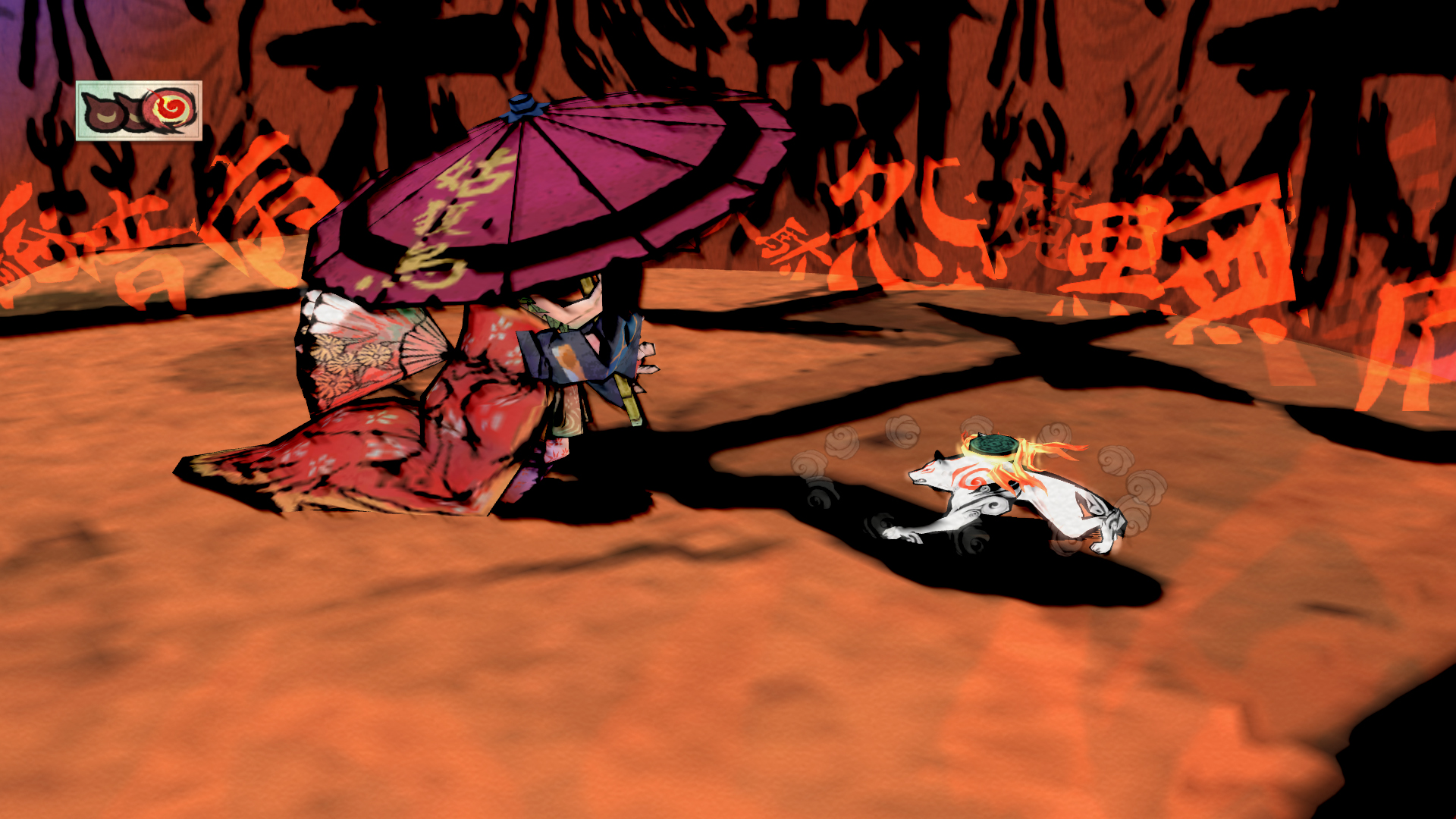
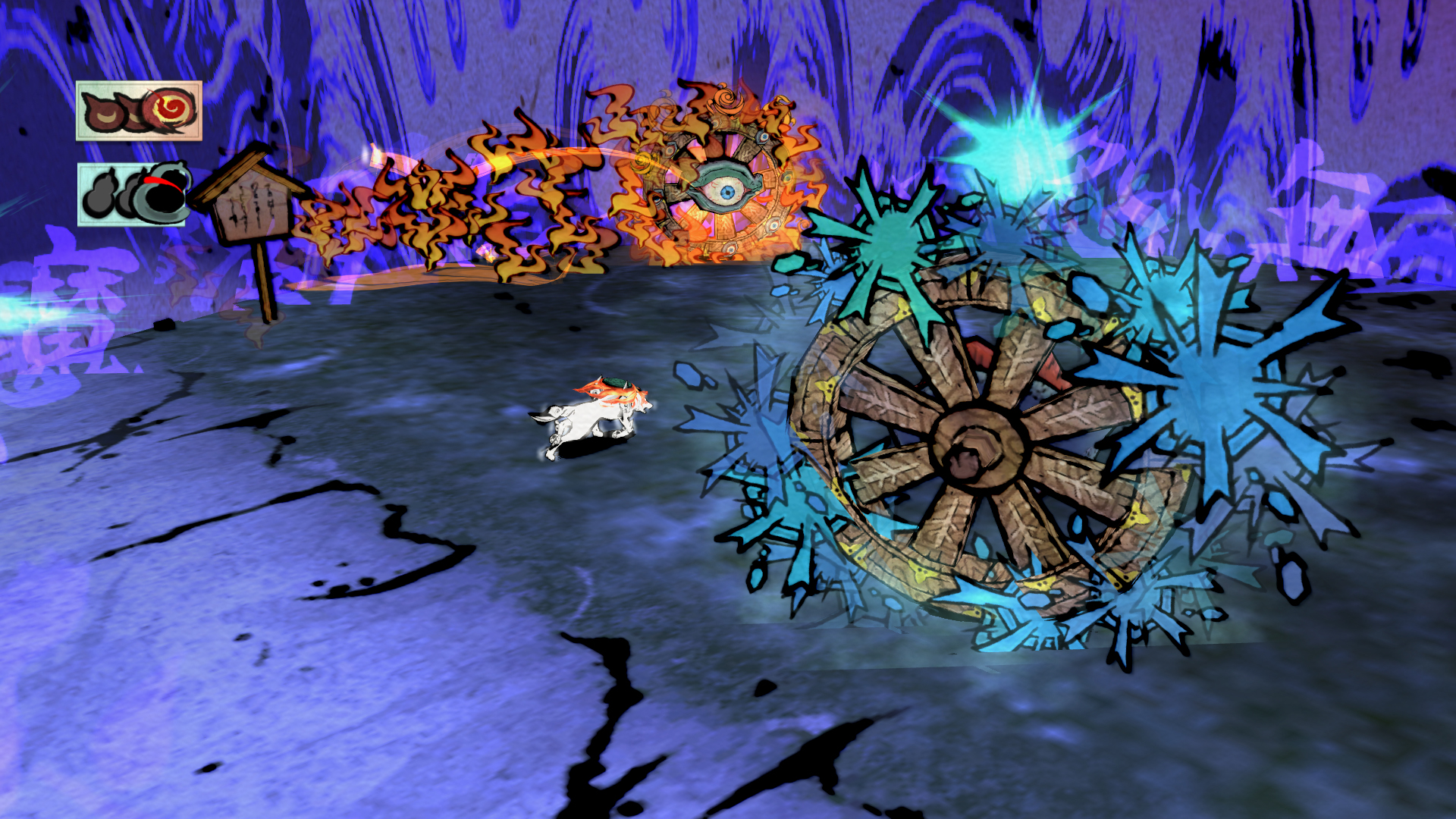
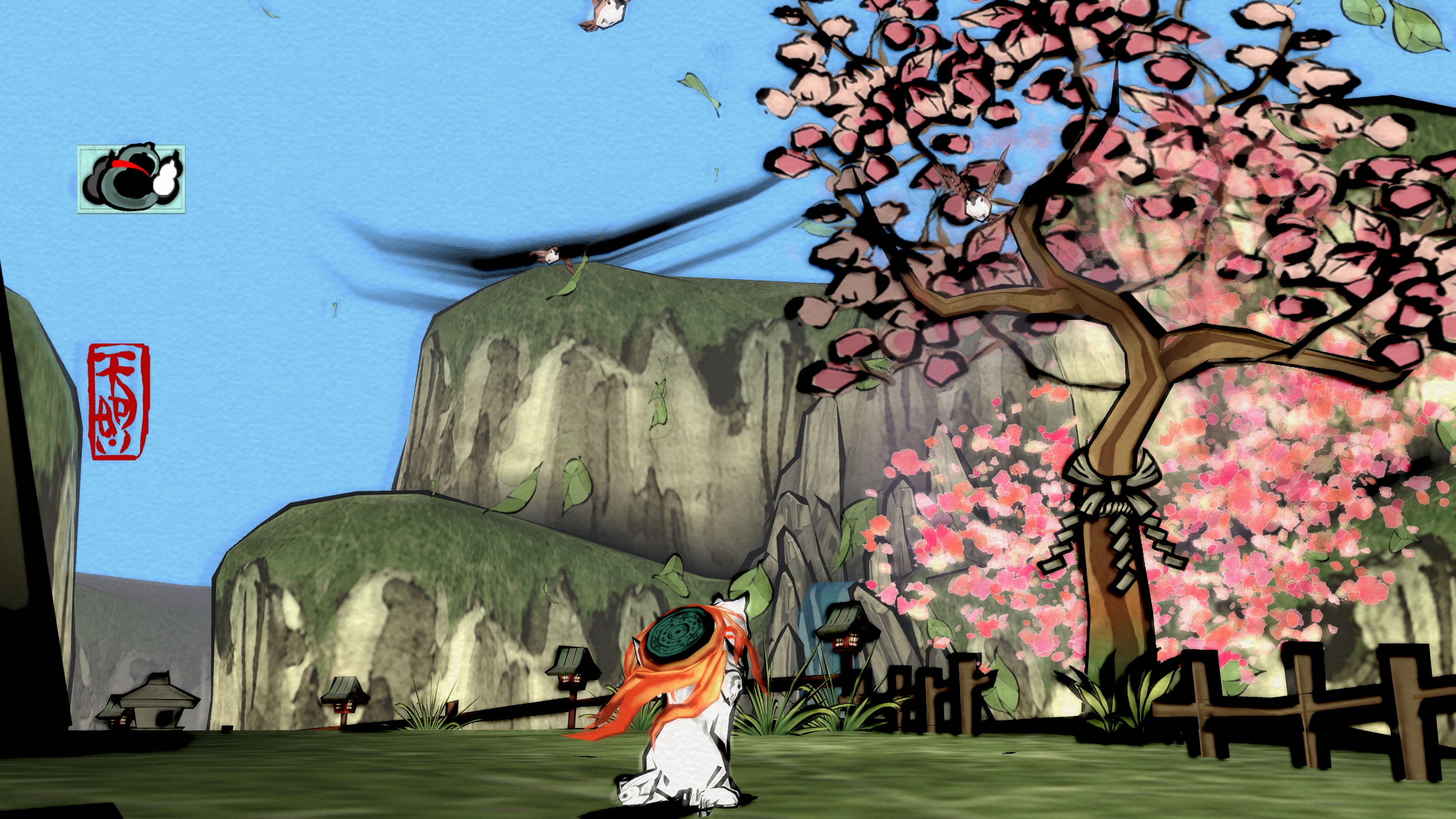
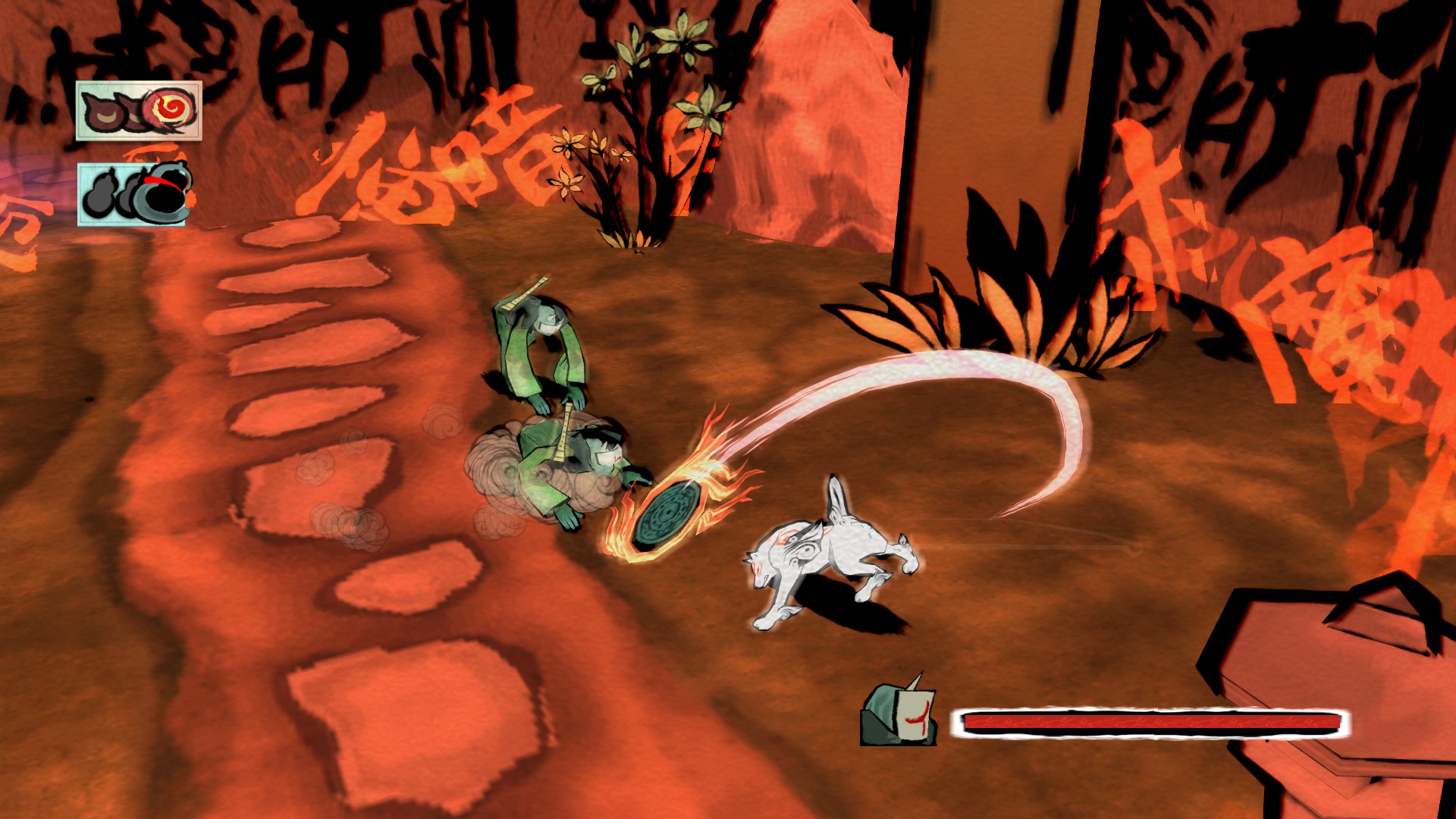
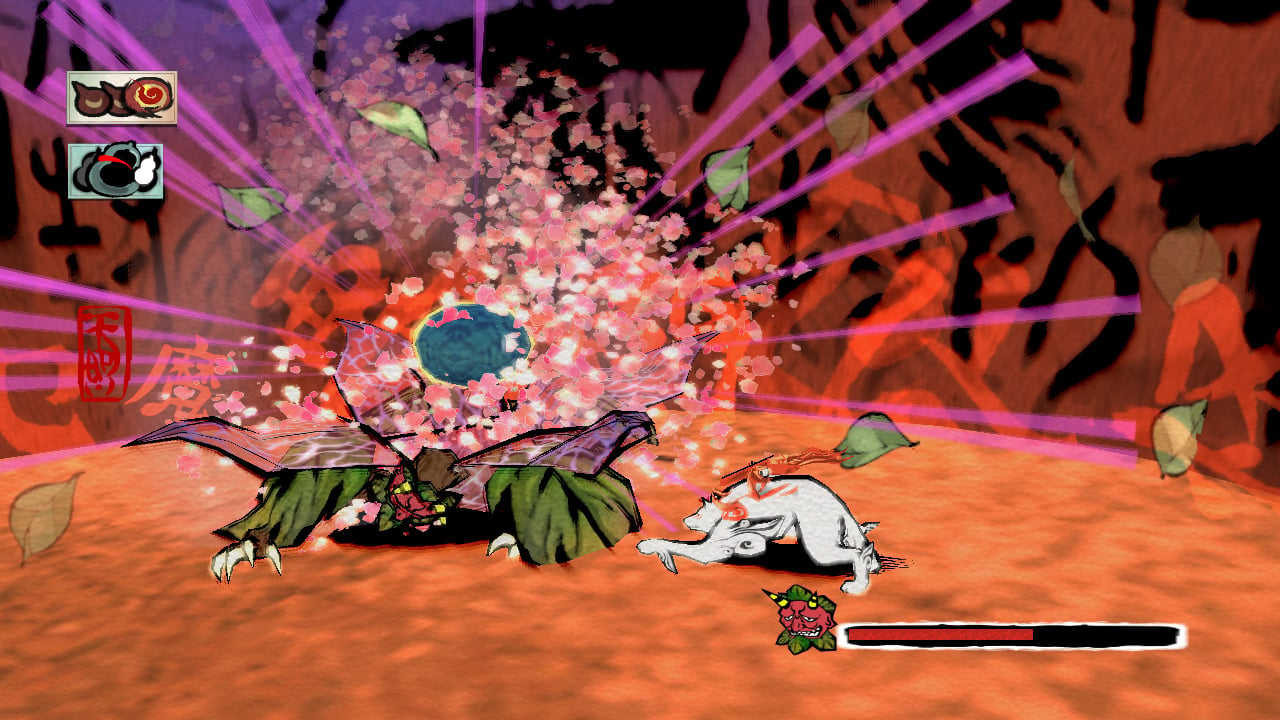
The visual style of Ōkami is arguably its most defining characteristic. The decision to adopt cel-shading, inspired by traditional Japanese sumi-e painting, was born out of necessity but evolved into a stroke of genius. This artistic choice not only masked the limitations of the PlayStation 2 hardware but also perfectly complemented the game’s themes and narrative. The visual direction team meticulously crafted each environment, character, and effect to evoke a sense of beauty and wonder. The use of vibrant colors, dynamic lighting, and expressive animations brought the world of Nippon to life in a way that few games had achieved before. While seemingly simple, the cel-shaded aesthetic required significant engineering effort to ensure consistent visual quality across all platforms, especially when considering the later Wii port. This involved optimizing textures, simplifying models, and developing custom shaders to achieve the desired look while maintaining acceptable performance.
Gameplay Mechanics and Core Systems
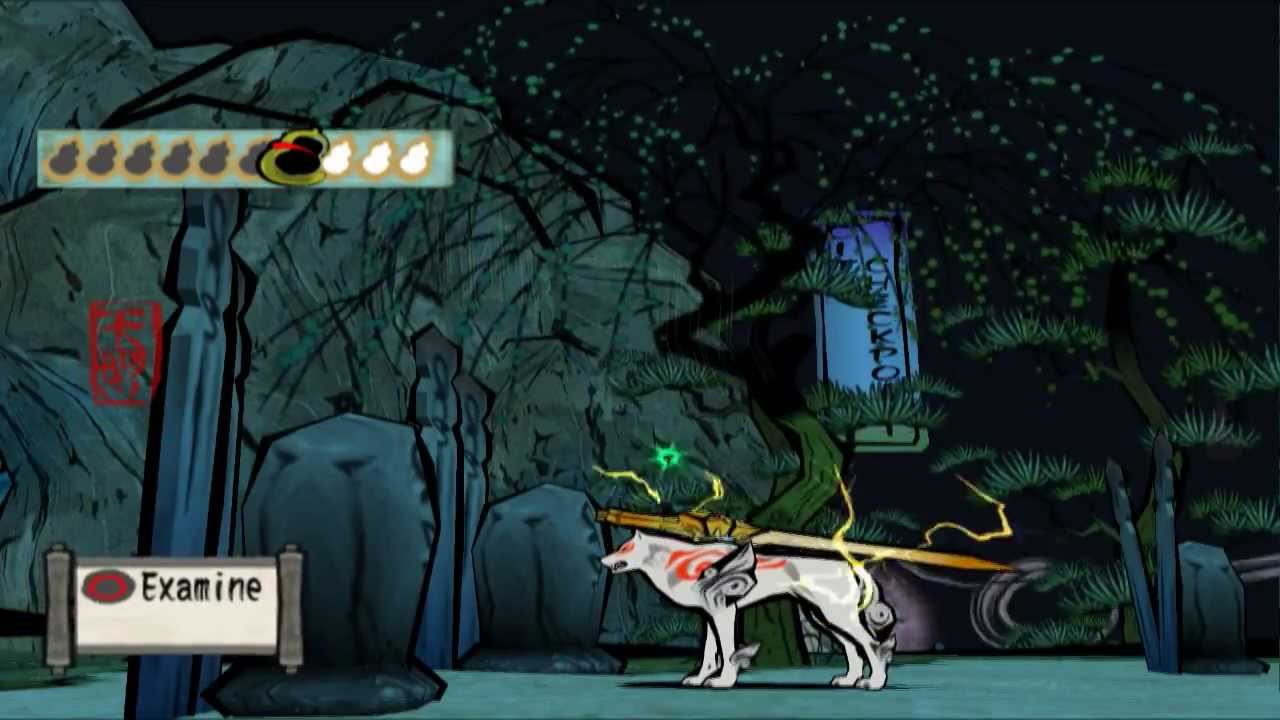
Ōkami’s gameplay is a masterful blend of action-adventure exploration and puzzle-solving, heavily influenced by classics like The Legend of Zelda. However, it distinguishes itself with the innovative Celestial Brush mechanic. This gesture-based system allows players to interact with the world in unique ways, painting directly onto the environment to solve puzzles, create pathways, and even combat enemies. Mastering the Celestial Brush is crucial for progression, as it opens up new areas and reveals hidden secrets. The game also features a robust crafting system, allowing players to create powerful items and enhance their abilities. Combat is engaging and challenging, requiring strategic use of Amaterasu’s various techniques and the environment itself.
Level Design and World Atmosphere
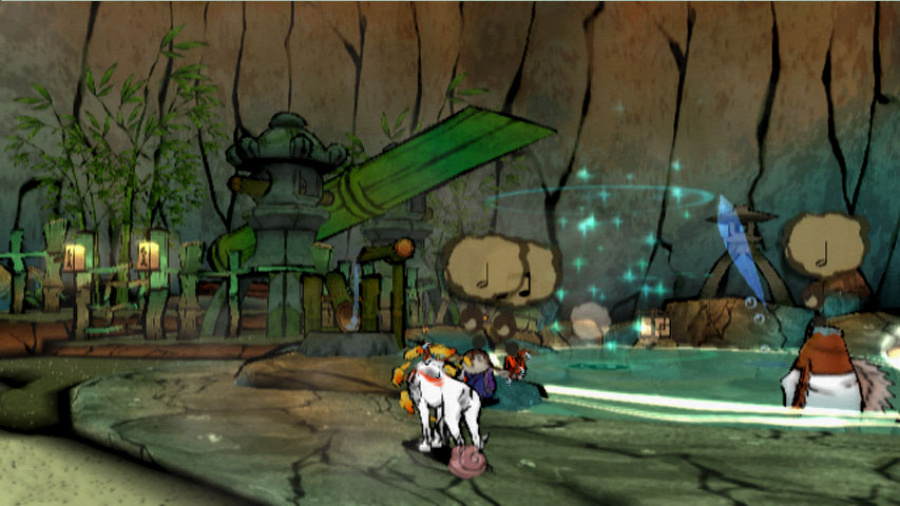
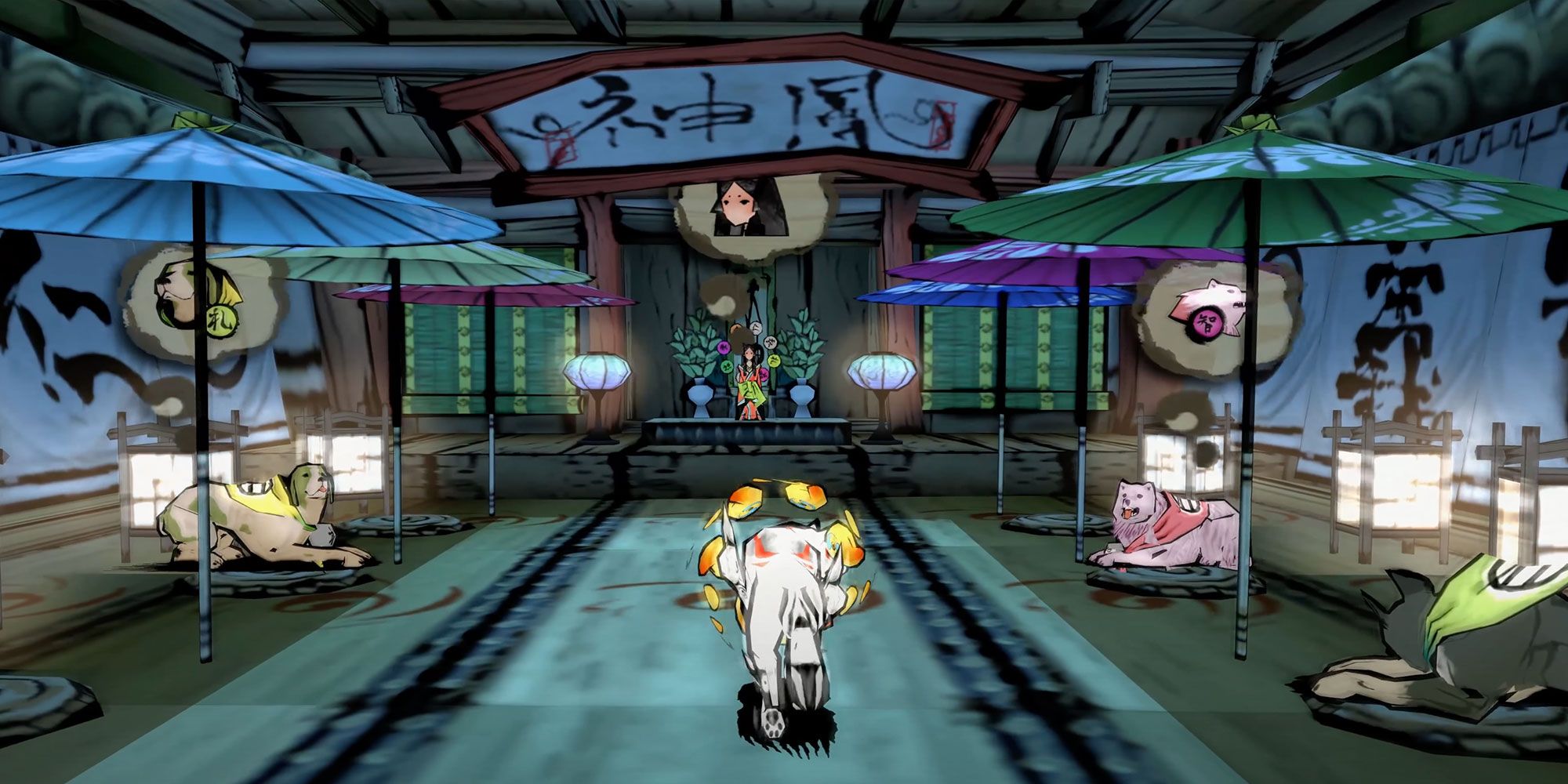
The world of Nippon in Ōkami is a character in its own right. Each region, from the lush forests of Kamuy to the volcanic plains of Ryujin, is meticulously crafted to evoke a distinct atmosphere and sense of place. The level design encourages exploration and rewards curiosity, with hidden areas, challenging platforming sections, and intriguing puzzles scattered throughout the landscape. The game’s pacing is deliberate, allowing players to fully immerse themselves in the world and appreciate its beauty. The seamless transition between regions and the dynamic weather system further enhance the sense of immersion.
Narrative Depth and Character Profiles
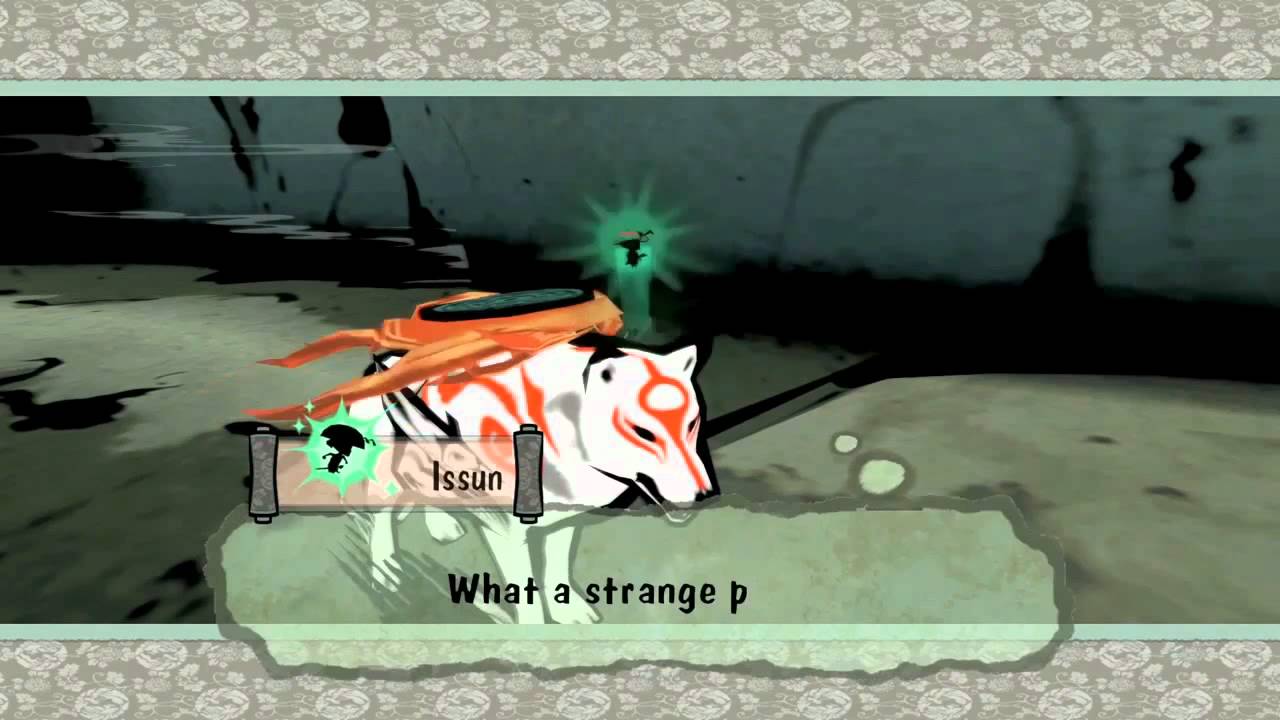
Ōkami’s narrative is a rich tapestry woven from Japanese mythology and folklore. The story follows Amaterasu, the Shinto sun goddess, as she takes on the form of a white wolf to restore balance to the land and defeat the darkness that threatens to consume it. The game features a cast of memorable characters, each with their own motivations and backstories. From Issun, the tiny but courageous companion, to the various deities and spirits encountered along the journey, every character contributes to the overall narrative depth. The story explores themes of courage, sacrifice, and the interconnectedness of all things.
Sound Design and Acoustic Realism
The sound design in Ōkami is a crucial element that complements its visual and gameplay elements. The soundtrack, composed by Masami Ueda, Hiroshi Yamaguchi, Rei Kondoh, and Akari Kaida, seamlessly blends traditional Japanese instruments with orchestral arrangements to create an evocative and immersive audio experience. The use of ambient sounds, such as the rustling of leaves, the chirping of birds, and the crashing of waves, further enhances the sense of realism. The sound effects are carefully crafted to provide feedback on player actions and contribute to the overall atmosphere.
Release Expectations and Community Hype
Prior to its release, Ōkami generated considerable hype within the gaming community, largely due to its unique visual style and innovative gameplay mechanics. However, some were skeptical about whether a game with such a distinctive aesthetic could appeal to a mainstream audience. The initial reception was overwhelmingly positive, with critics praising its originality, artistic vision, and engaging gameplay. The Wii port further expanded Ōkami’s reach, introducing it to a new generation of players.
Conclusion: The Future of Ōkami
Ōkami remains a timeless classic that continues to inspire game developers and captivate players. Its innovative gameplay mechanics, stunning visuals, and compelling narrative have cemented its place in gaming history. While the original release was limited by the technical constraints of the PlayStation 2, the Wii port offered an enhanced experience with improved graphics and motion controls.
The enduring legacy of Ōkami lies not only in its artistic achievements but also in its ability to demonstrate the power of creativity and innovation in game design. As we look towards the future, it is clear that Ōkami’s influence will continue to shape the gaming landscape for years to come.


Source: Wikipedia