Introduction: The Next Chapter for Octopath Traveler
Octopath Traveler, a title that instantly conjures images of pixelated heroes traversing vibrant landscapes, represents more than just a revival of classic JRPG sensibilities. Developed by Square Enix in collaboration with Acquire and powered by Unreal Engine 4, it’s a testament to the enduring appeal of retro aesthetics blended seamlessly with modern gameplay mechanics. This Masterclass Deep-Dive will dissect every facet of Octopath Traveler, from its groundbreaking “HD-2D” visual style to its intricate battle system and compelling narrative structure. We’re not just reviewing a game; we’re exploring an experience that has captivated millions and continues to inspire developers and players alike. The recent release on PlayStation 4 and 5 further cements its legacy, offering a new generation of gamers the opportunity to discover this unique title.
Visual Direction and Graphics Engineering
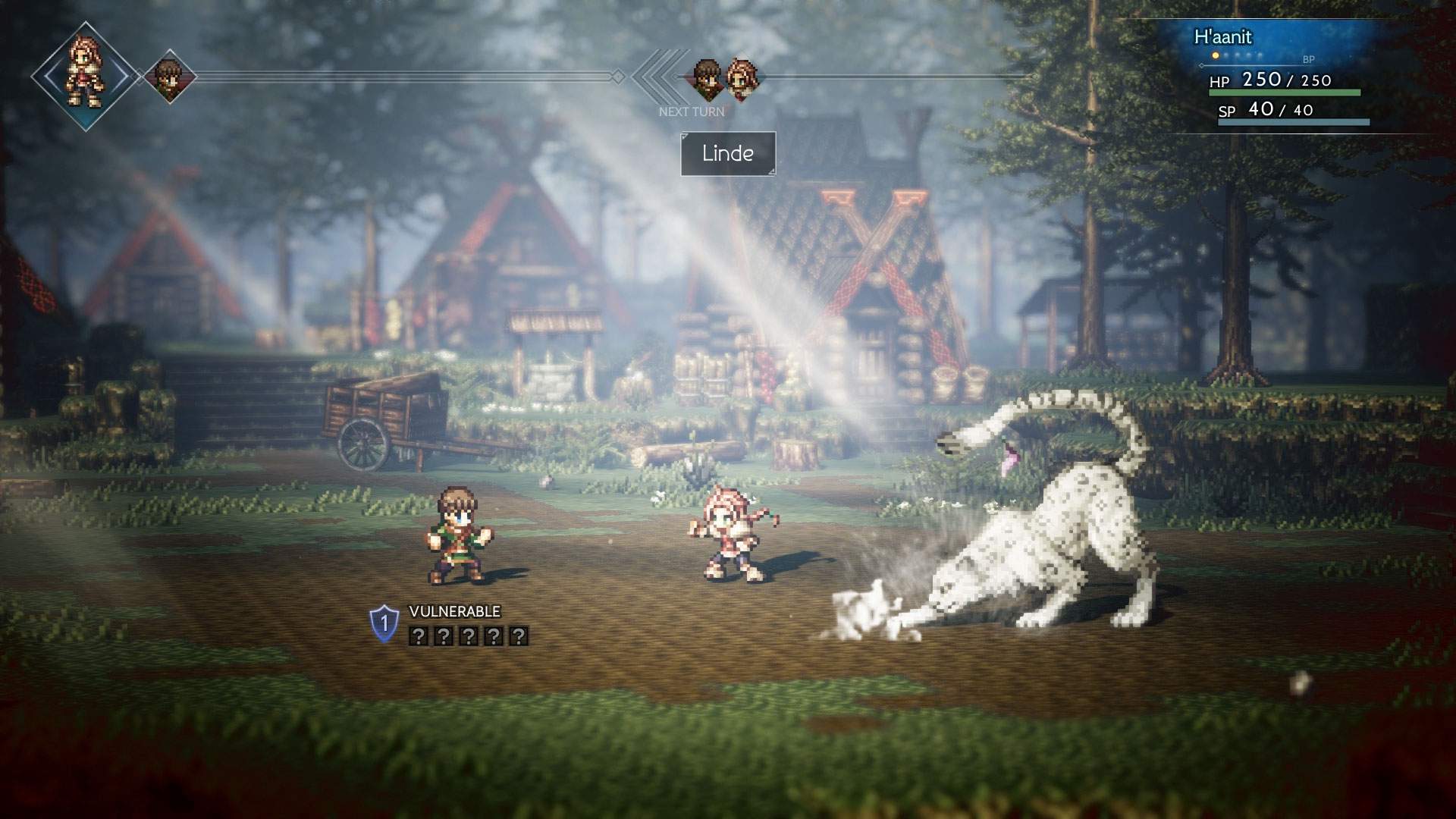
The “HD-2D” visual style is arguably Octopath Traveler’s most defining characteristic. This innovative approach combines pixel art character sprites and environments with high-resolution backgrounds rendered in stunning detail. The result is a visually arresting experience that feels both nostalgic and refreshingly modern. Unreal Engine 4 provides the robust framework for this unique aesthetic, allowing for dynamic lighting, detailed textures, and seamless transitions between gameplay and cinematic sequences. This visual style isn’t just window dressing; it’s integral to the game’s atmosphere, enhancing the sense of adventure and wonder as players explore the world of Orsterra. The developers at Acquire leveraged their expertise in pixel art to create characters that are expressive and memorable, while Square Enix ensured that the overall presentation was polished and refined.
Gameplay Mechanics and Core Systems
Octopath Traveler’s gameplay is a blend of real-time exploration and turn-based combat. Players control all eight main characters simultaneously, each with their own unique abilities and storylines. The “Path Action” system allows players to interact with the environment in innovative ways during encounters, adding another layer of strategic depth. Combat is engaging and rewarding, requiring careful planning and execution. The game features a robust character progression system, allowing players to customize their party’s strengths and weaknesses. The combination of exploration, combat, and character development creates a compelling gameplay loop that keeps players engaged for hours on end.
Level Design and World Atmosphere
The world of Orsterra is vast and diverse, ranging from bustling cities to serene countryside landscapes. Each region has its own unique charm and challenges, encouraging players to explore every nook and cranny. The level design is meticulously crafted, with hidden secrets and optional encounters rewarding curious adventurers. The game’s atmosphere is enhanced by the evocative soundtrack, which perfectly complements the visuals and gameplay. Whether you’re traversing a dense forest or navigating a treacherous mountain pass, Orsterra feels like a living, breathing world that begs to be explored.
Narrative Depth and Character Profiles
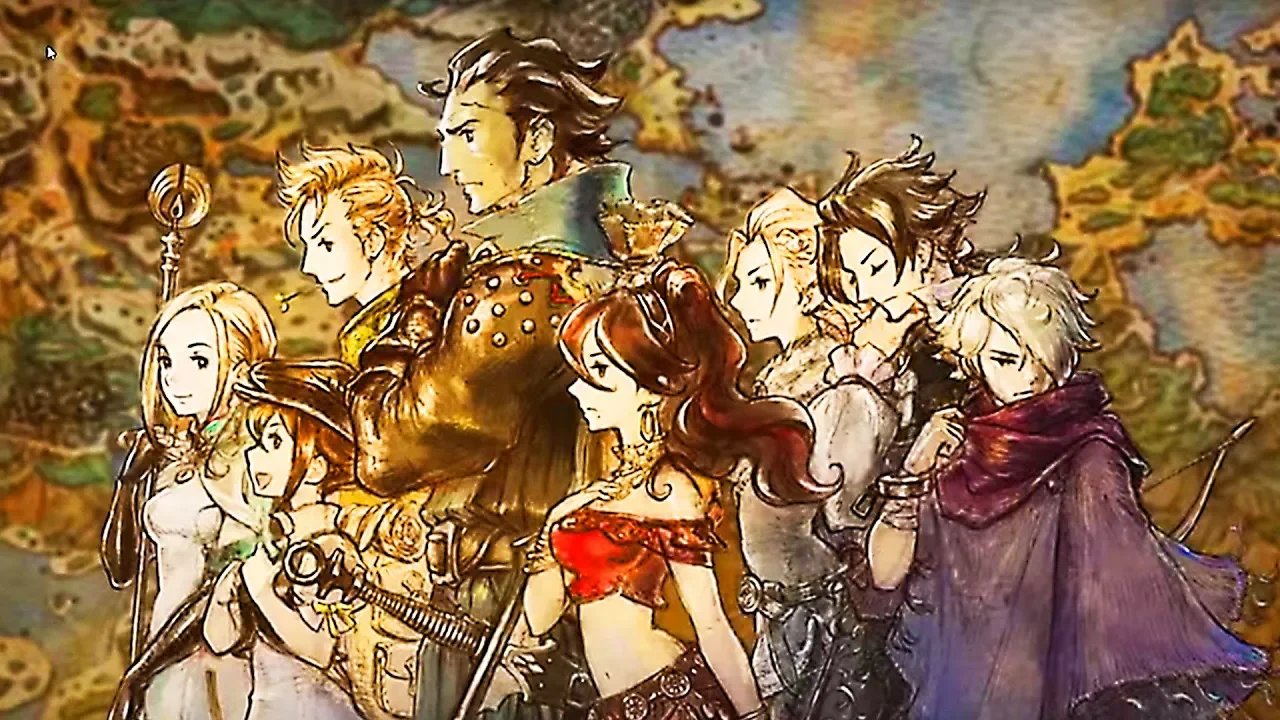
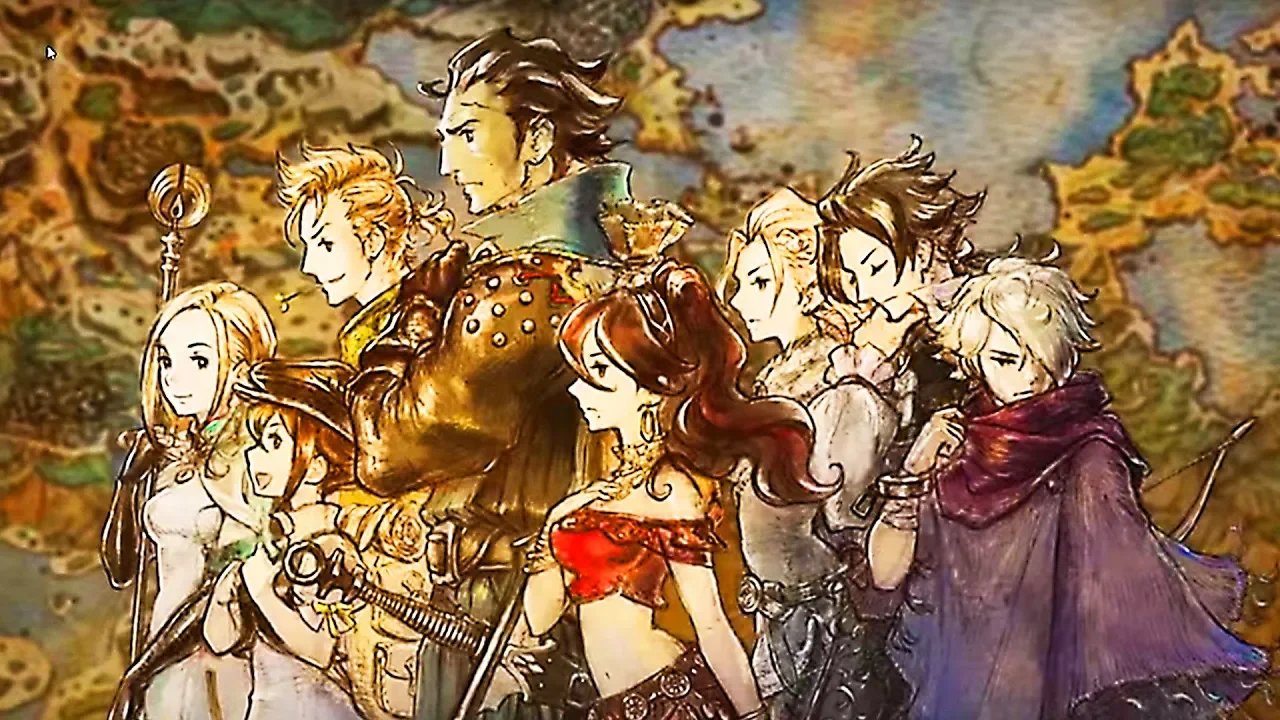
Octopath Traveler features eight distinct protagonists, each with their own compelling storylines that intertwine and diverge throughout the game. While individual narratives can be experienced independently, players are encouraged to uncover the connections between these characters and unravel the mysteries of Orsterra. The writing is thoughtful and engaging, exploring themes of ambition, loss, and redemption. Each character is richly developed, with unique motivations and flaws that make them relatable and memorable. The game’s narrative structure allows for multiple playthroughs, as players can choose to focus on different characters and experience the story from their perspectives.
Sound Design and Acoustic Realism
The soundtrack of Octopath Traveler is a masterpiece in its own right, composed by Yasunori Nishiki. The music perfectly complements the game’s visuals and gameplay, creating an immersive and unforgettable audio experience. From the sweeping orchestral scores to the intimate character themes, every piece of music is carefully crafted to evoke emotion and enhance the atmosphere. The sound design also plays a crucial role in bringing the world of Orsterra to life, with realistic environmental sounds and impactful combat effects.
Release Expectations and Community Hype
The release of Octopath Traveler was met with immense anticipation from fans of JRPGs and retro gaming. The game’s unique visual style and innovative gameplay mechanics generated significant buzz in the lead-up to its launch. The Nintendo Switch proved to be the perfect platform for this title, allowing it to reach a wide audience and establish itself as a modern classic. The recent releases on other platforms have further expanded its reach, introducing it to new players who may not have experienced it before.
Conclusion: The Future of Octopath Traveler
Octopath Traveler is more than just a game; it’s a testament to the power of innovation and collaboration. Its unique visual style, engaging gameplay, and compelling narrative have resonated with players around the world, solidifying its place as a modern classic. With the release of sequels and adaptations, the future of Octopath Traveler looks bright, promising even more adventures in the world of Orsterra. The recent releases on PlayStation 4 and 5 ensure that this unique experience will continue to captivate gamers for years to come.
Source: Wikipedia


