Introduction: The Next Chapter for No More Heroes
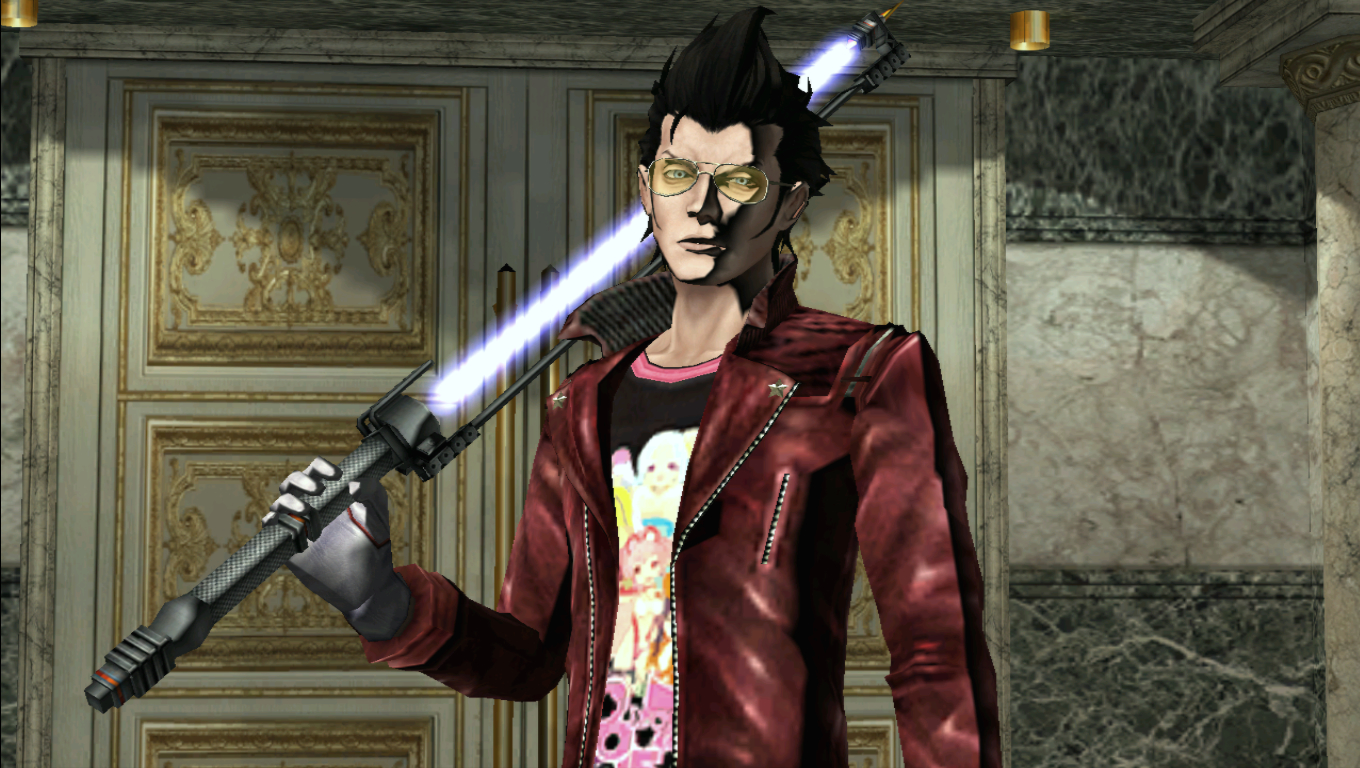
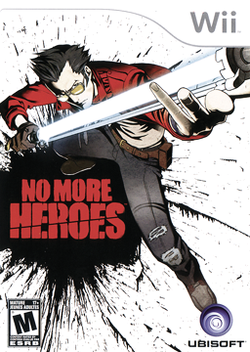
No More Heroes, a cult classic developed by Grasshopper Manufacture and directed by the visionary Goichi Suda (Suda51), burst onto the scene in 2007. This action-adventure title wasn’t just another game; it was an experience, a vibrant tapestry woven with quirky characters, over-the-top violence, and a unique blend of gameplay mechanics that set it apart from its contemporaries. The game follows Travis Touchdown, an anime-loving slacker who finds himself embroiled in the dangerous world of professional assassination after winning a mysterious beam katana. This Masterclass Deep Dive will dissect every facet of No More Heroes, exploring its technical achievements, artistic vision, and lasting impact on the gaming landscape.
Visual Direction and Graphics Engineering
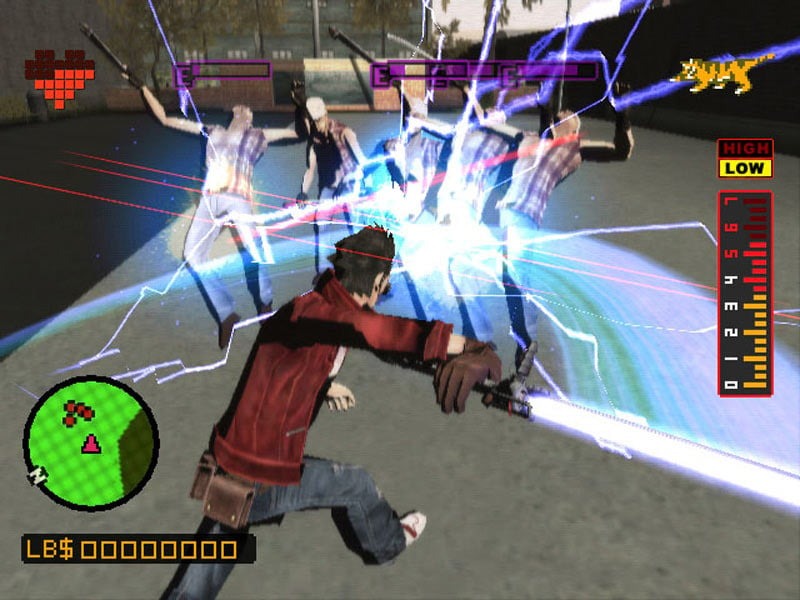
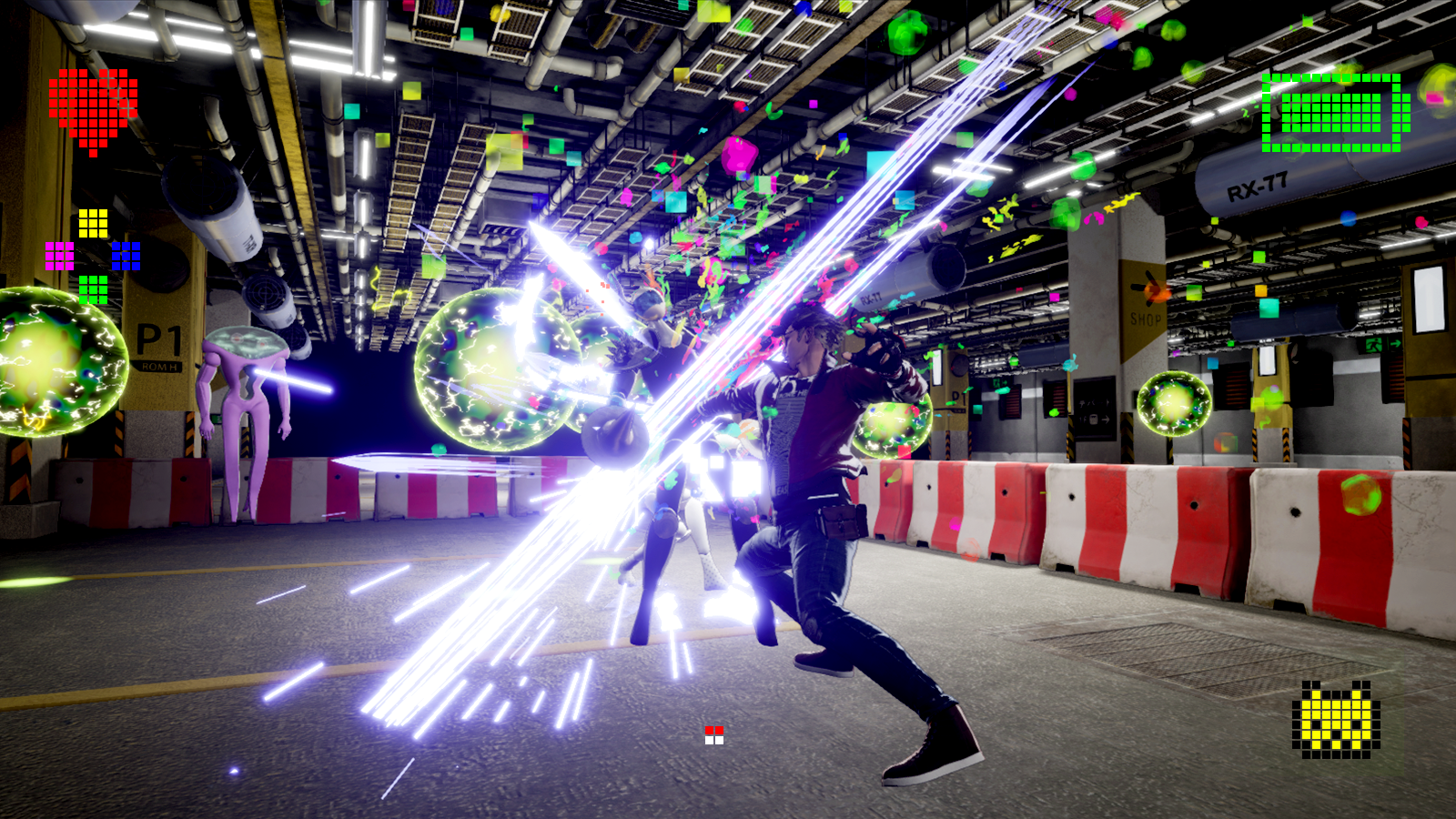
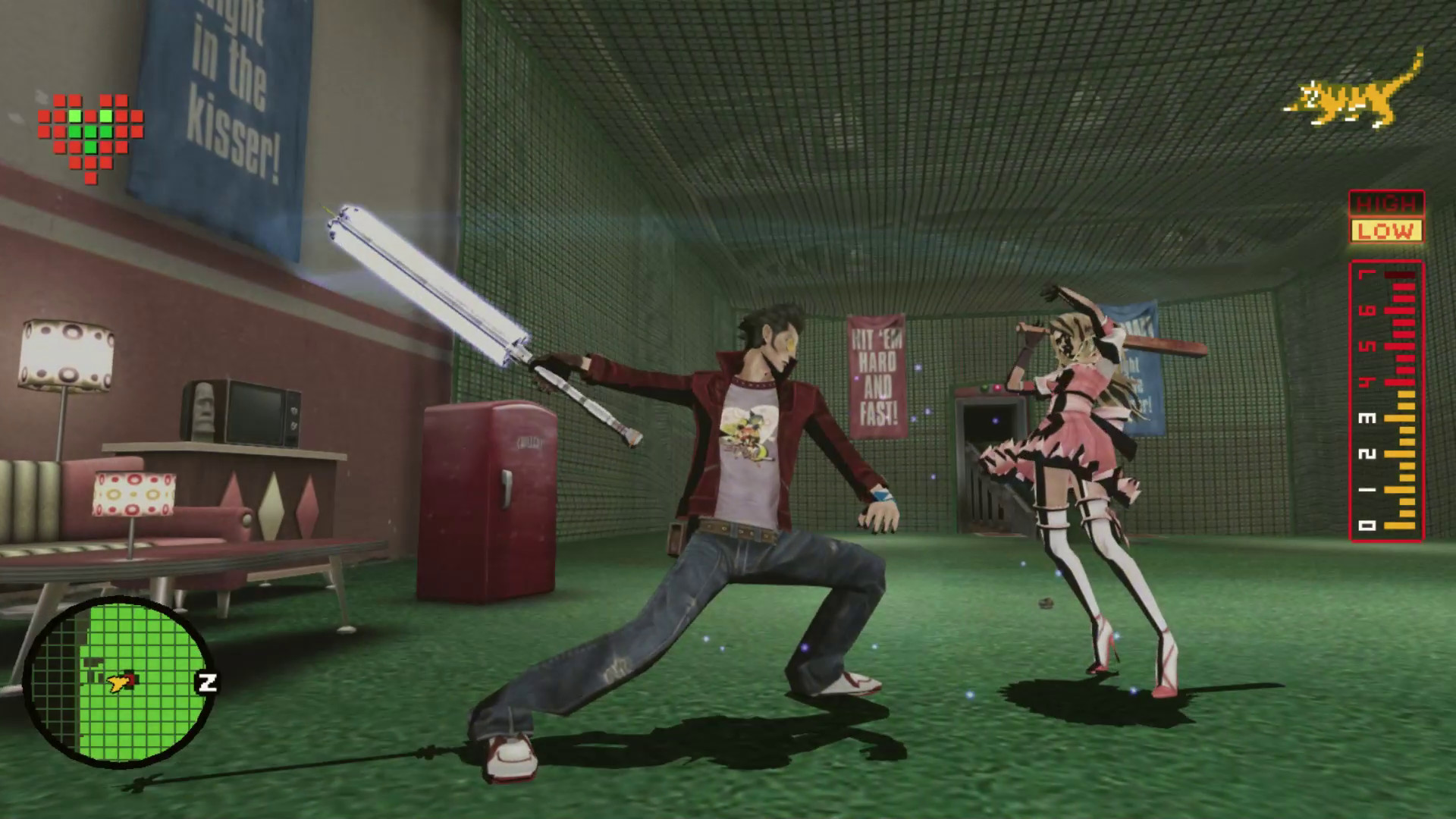
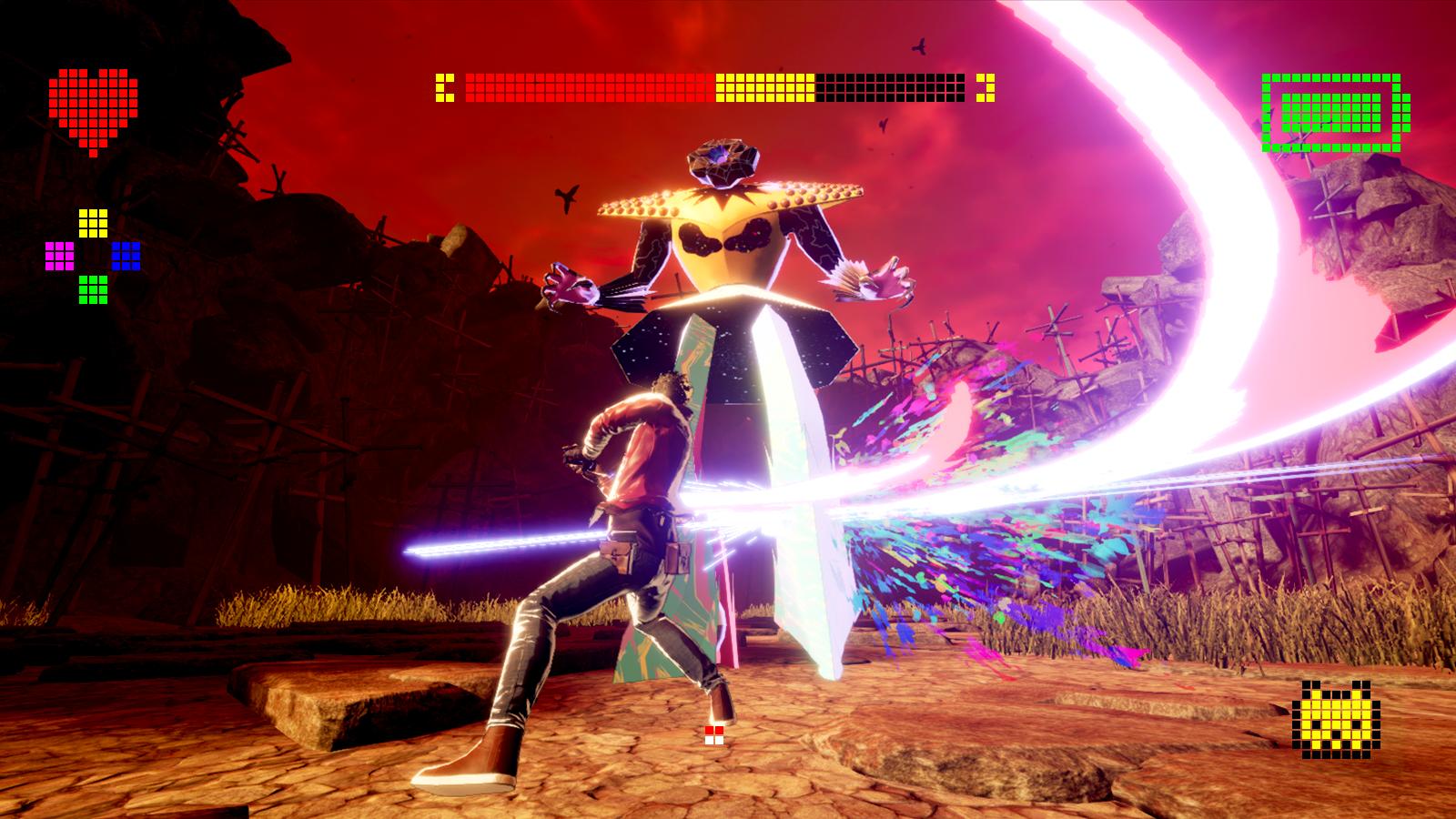
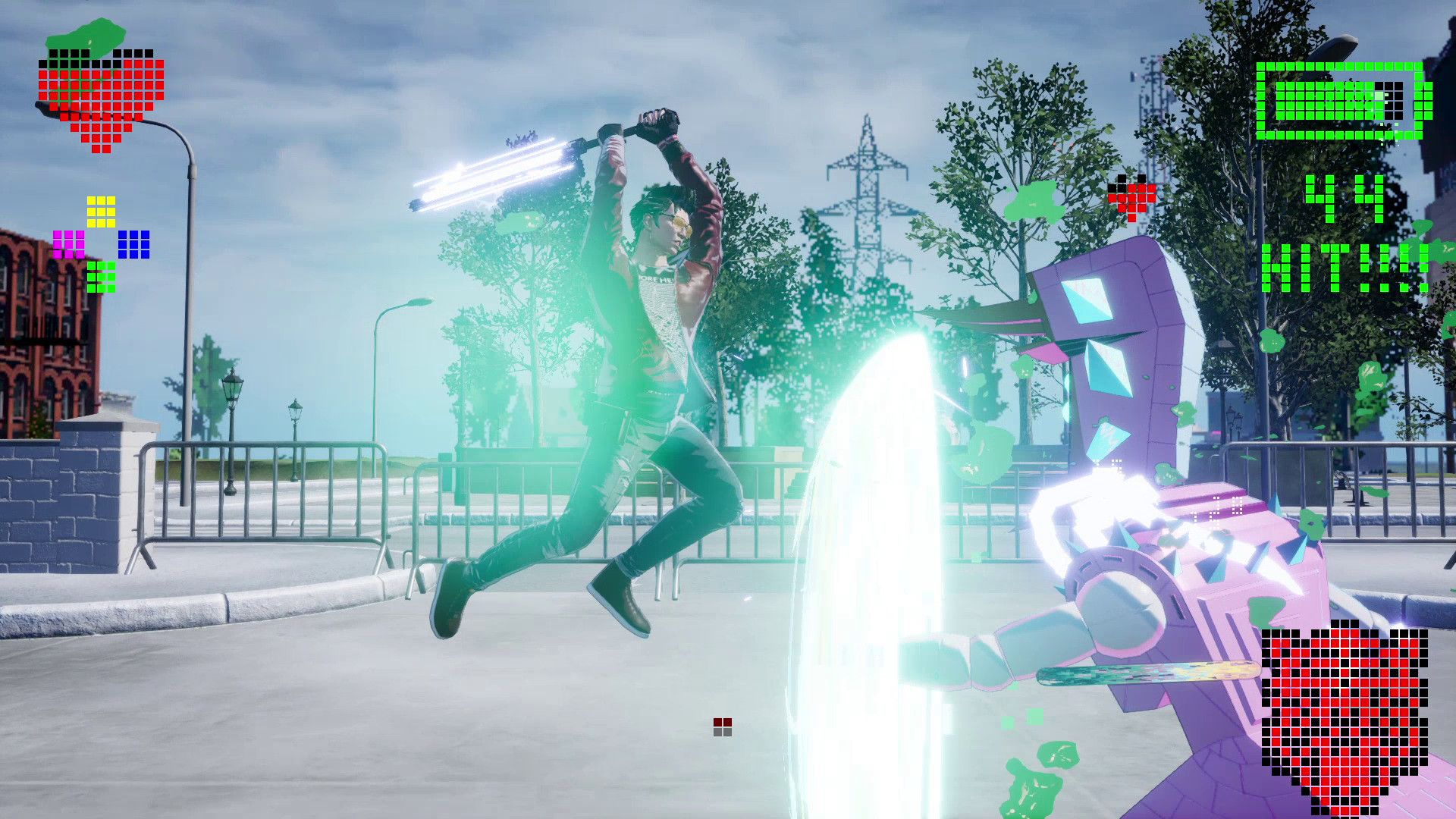
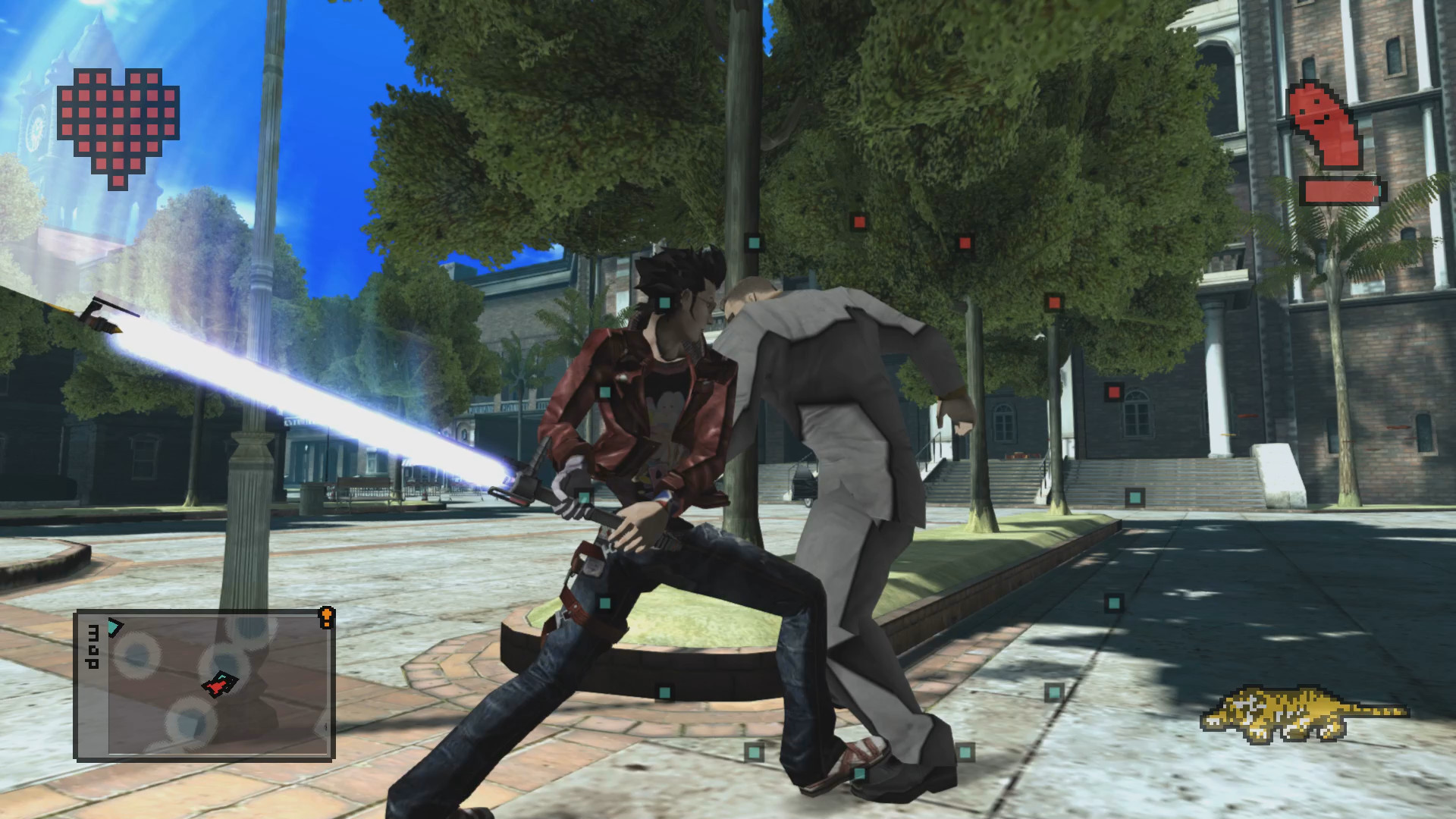
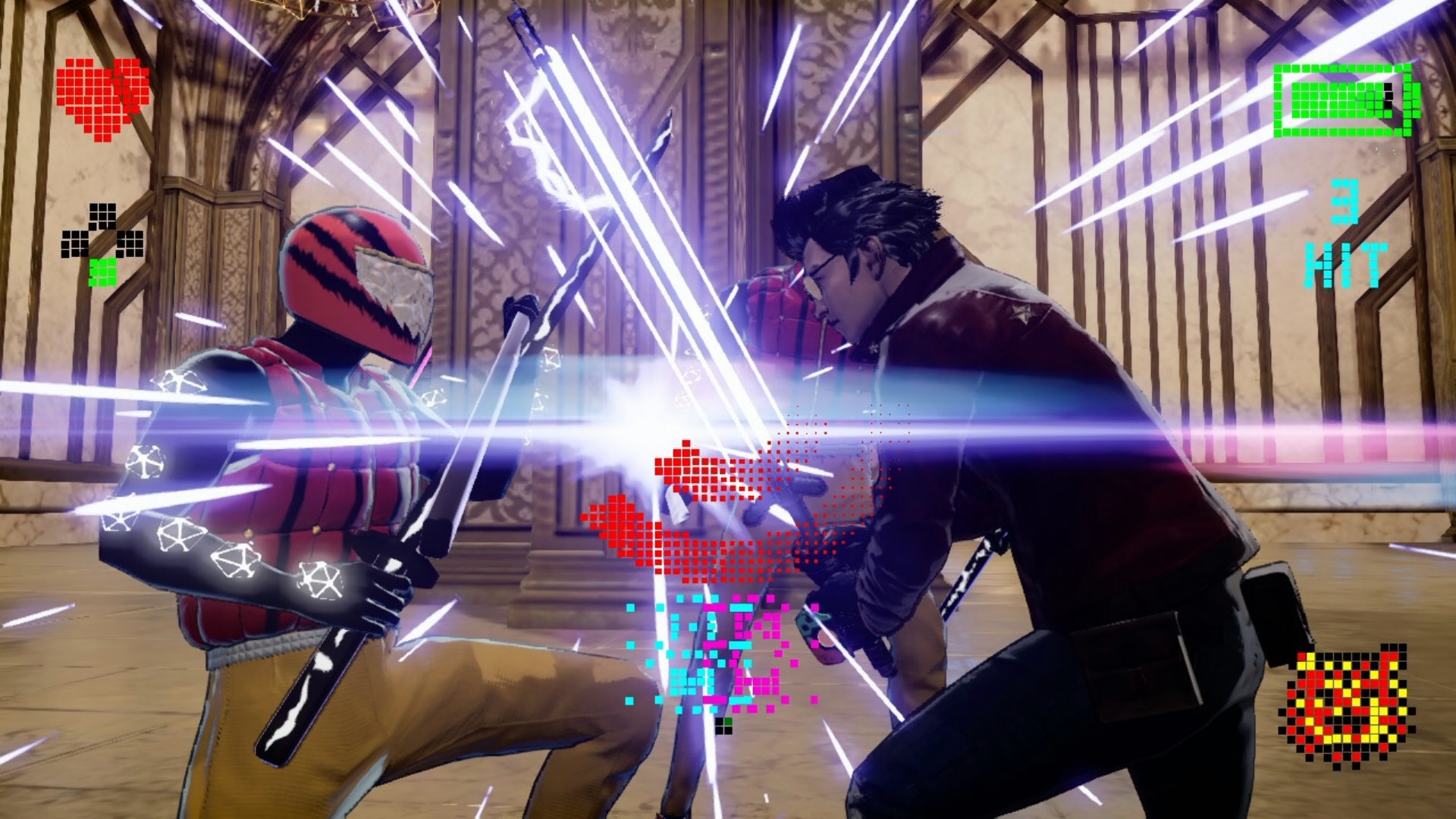
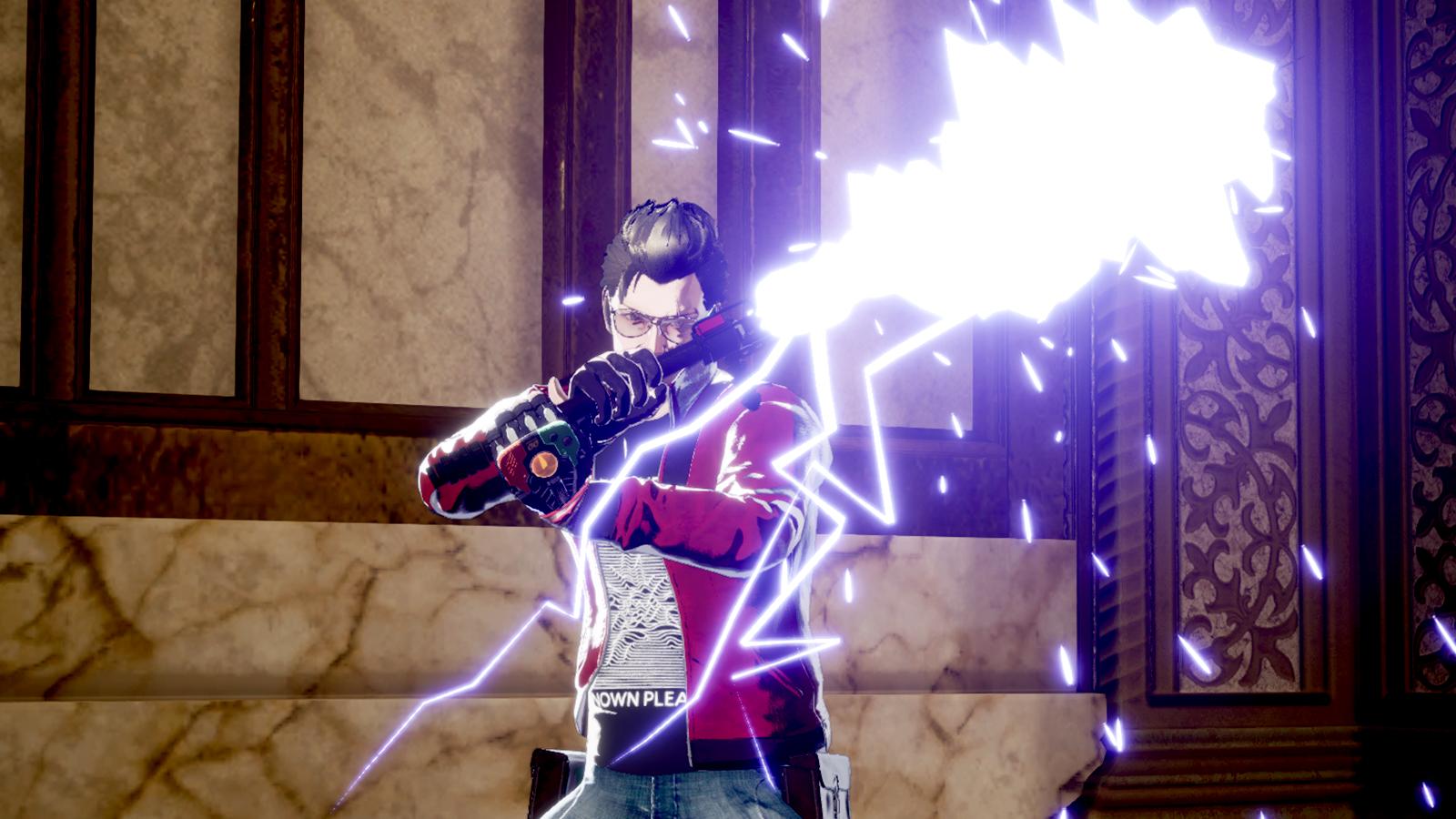
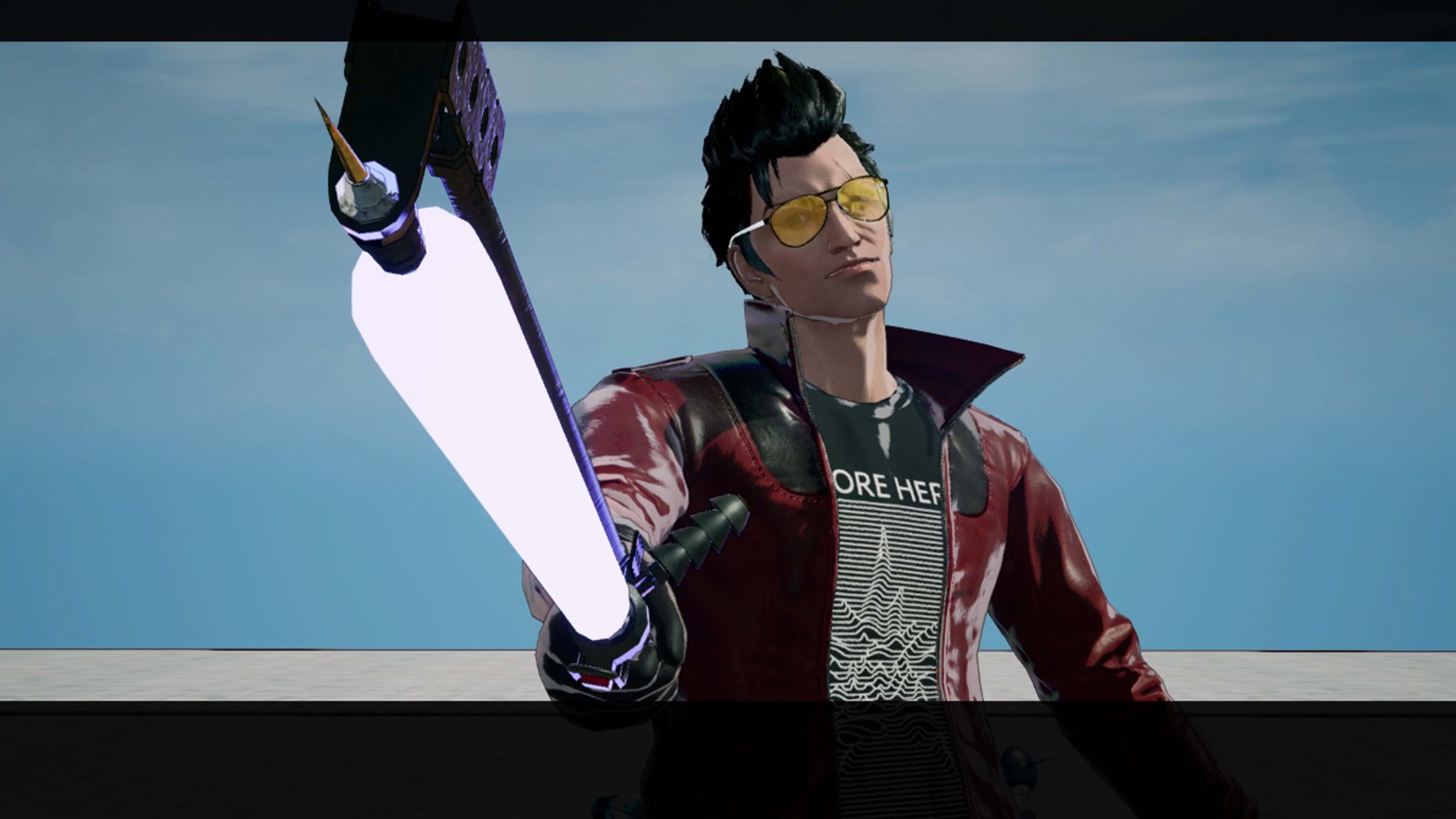
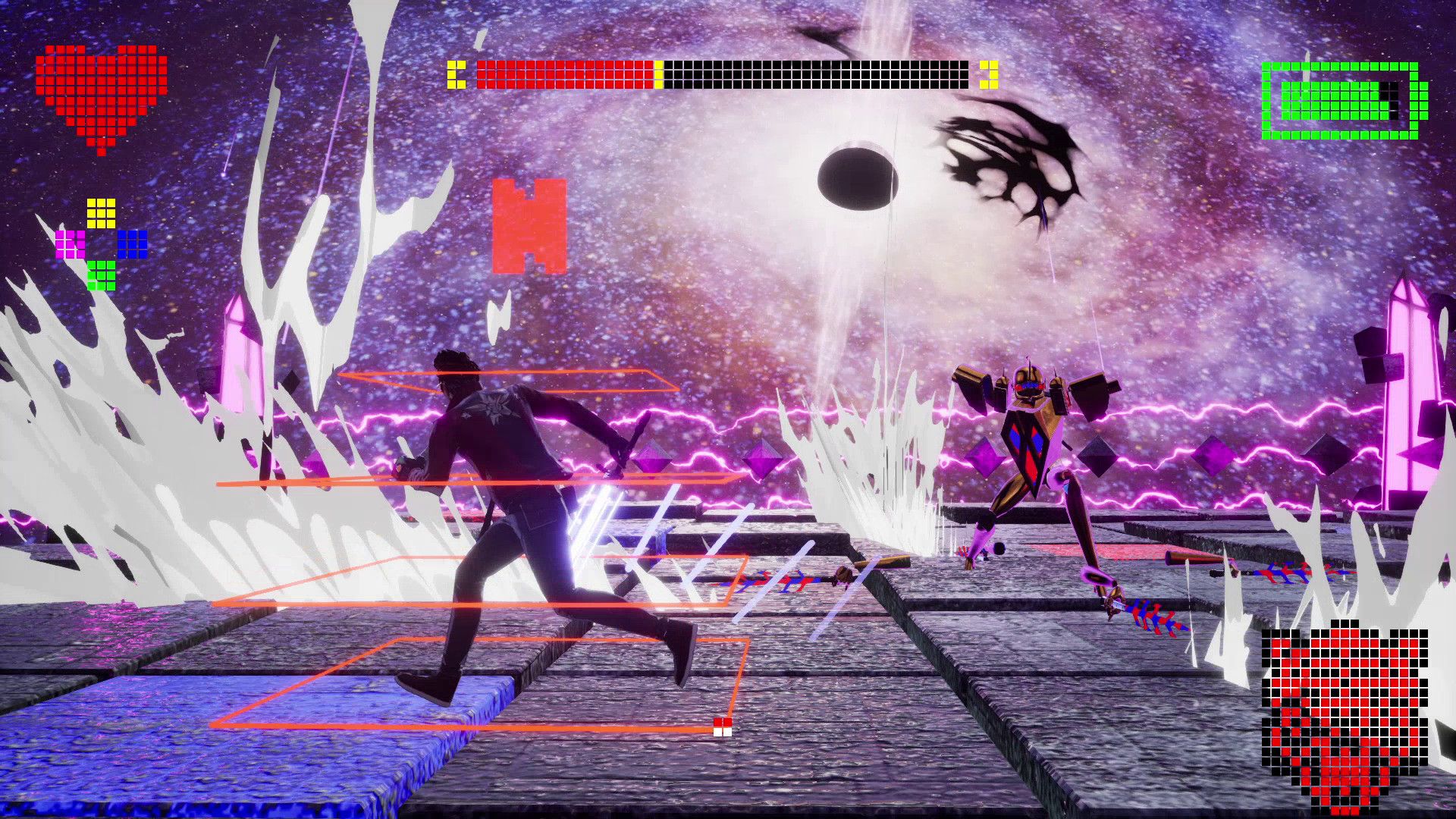
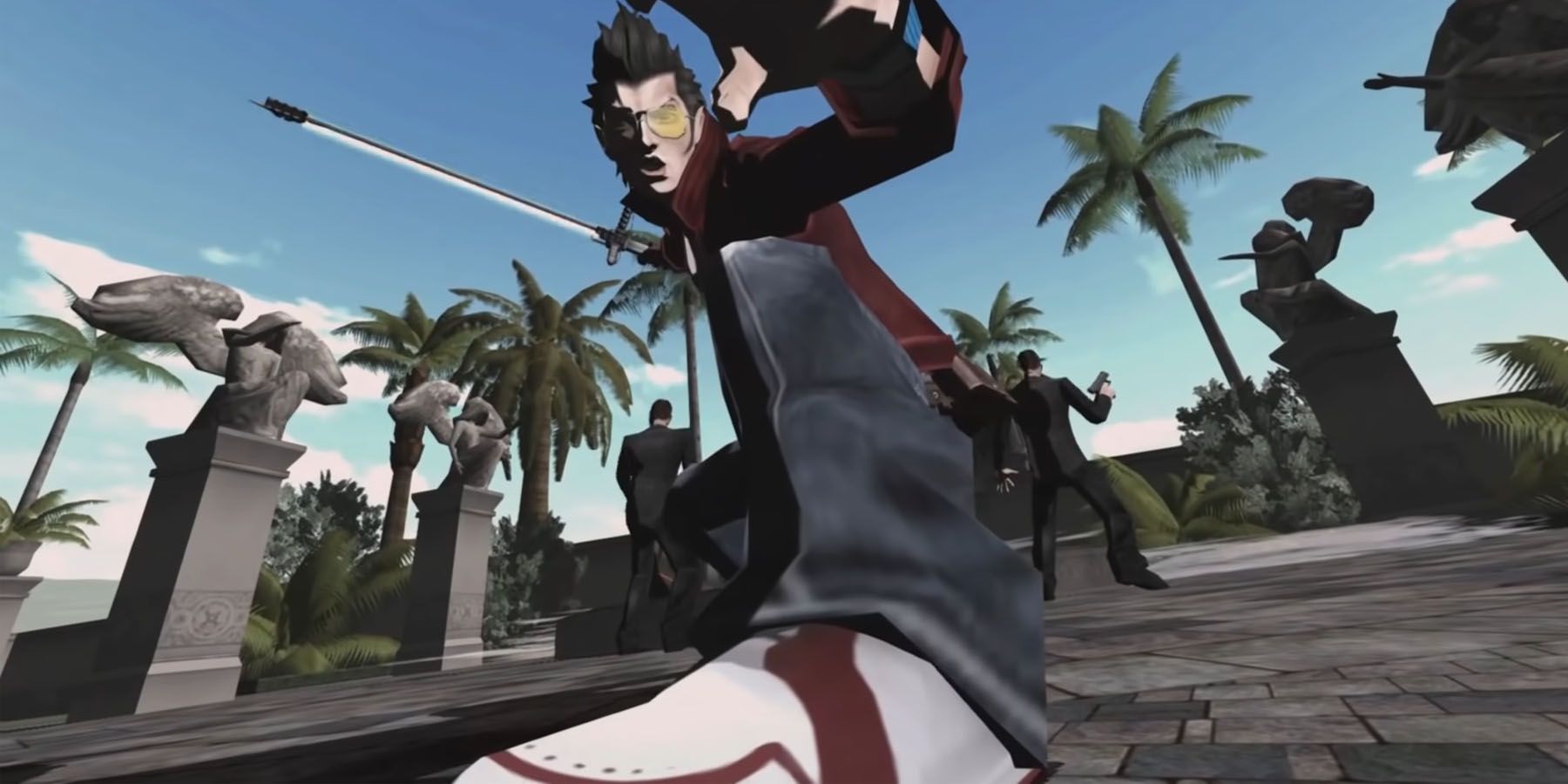
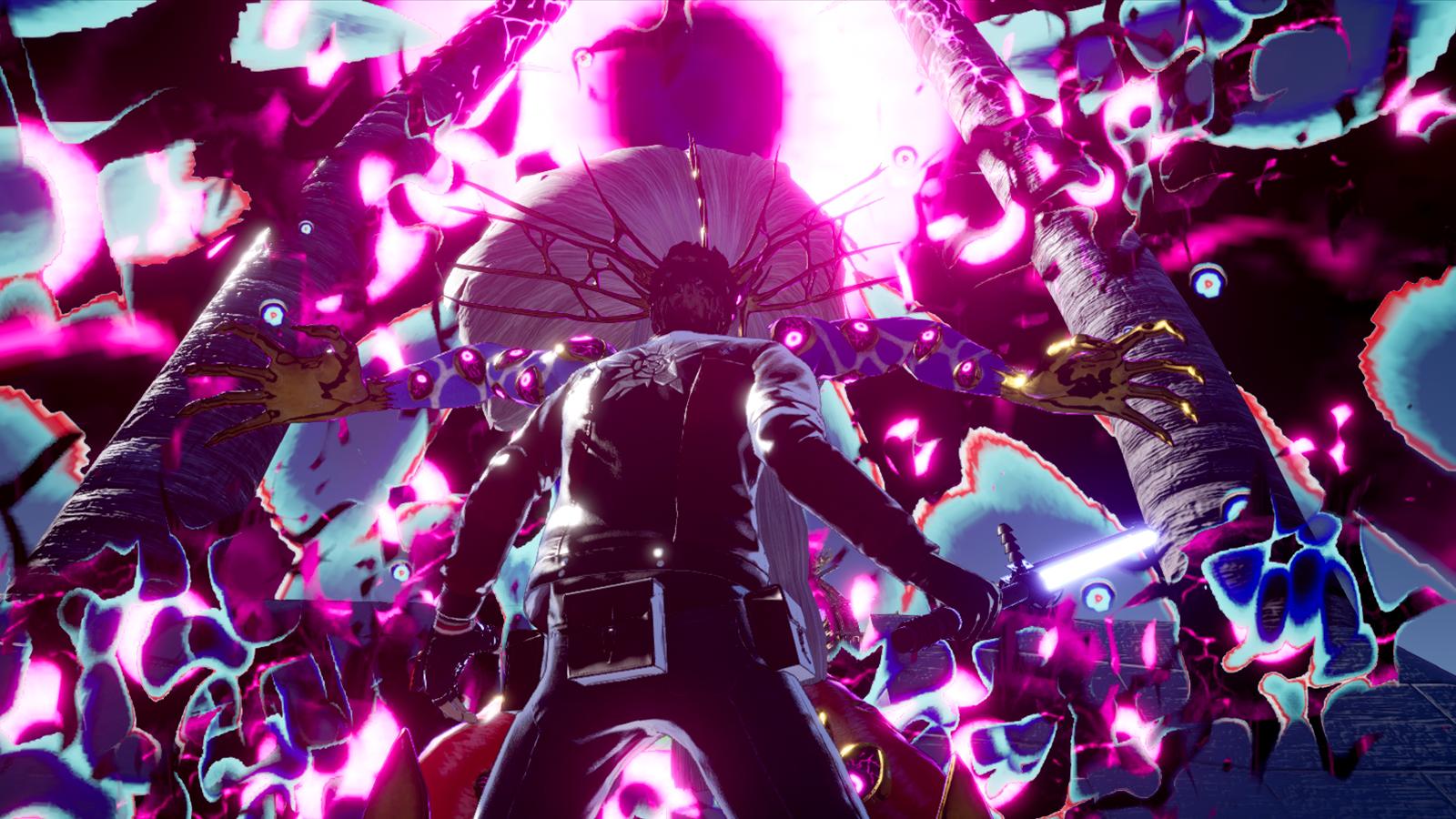
No More Heroes was released during a time when graphical fidelity was rapidly evolving. While it might not reach the heights of modern AAA titles, the game’s visual style is undeniably striking. The cel-shaded graphics lend a distinctive comic book aesthetic, perfectly complementing the game’s over-the-top nature. Grasshopper Manufacture utilized a proprietary Next-Gen engine to achieve this look, pushing the Wii hardware to its limits. While details might be somewhat soft by today’s standards, the art direction more than compensates, creating a world that is both visually appealing and instantly recognizable. The game’s color palette is bold and vibrant, further enhancing its unique visual identity.
Gameplay Mechanics and Core Systems
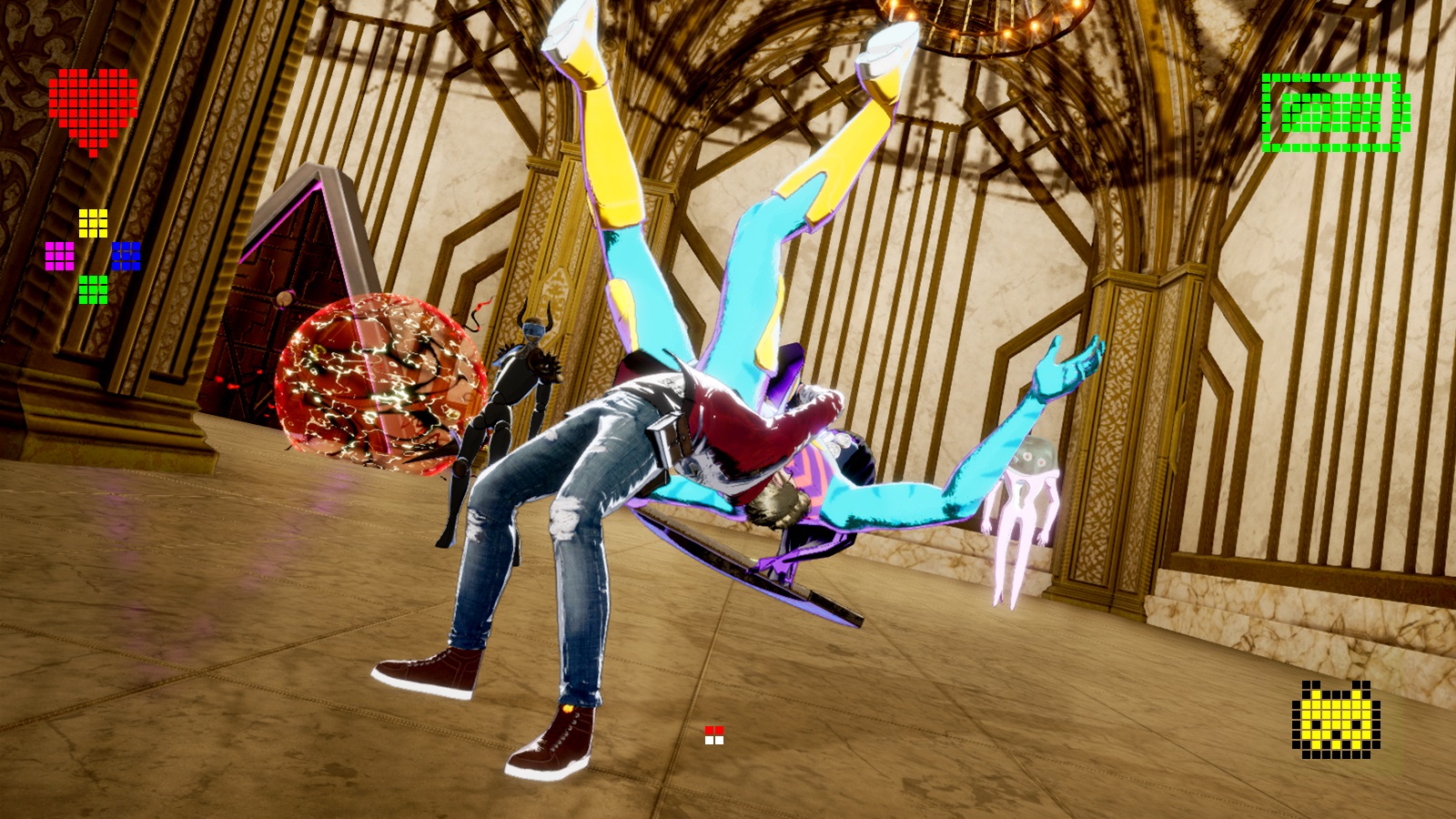
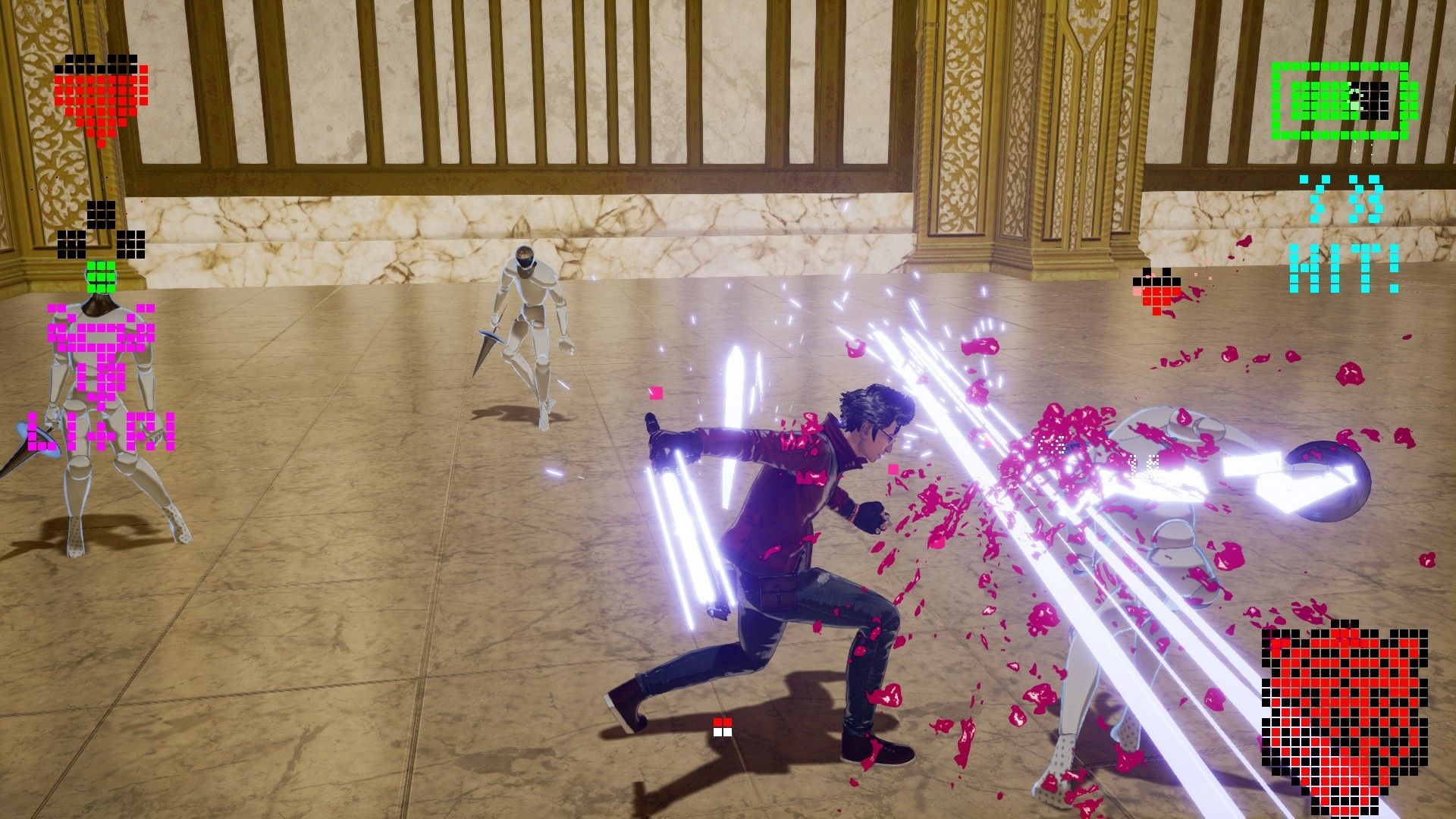
The gameplay of No More Heroes revolves around Travis Touchdown’s journey through the ranks of the United Assassins Association (UAA). Combat is a blend of hack-and-slash action with a healthy dose of professional wrestling moves. Players must strategically manage their “focus” meter, which governs special attacks and dodges. The beam katana offers a satisfyingly weighty feel, while Travis’s signature wrestling moves add another layer of depth to the combat system. Upgrading equipment is crucial for survival, requiring players to take on part-time jobs and assassination contracts to earn money. This blend of action and resource management creates a compelling gameplay loop that keeps players engaged.
Level Design and World Atmosphere
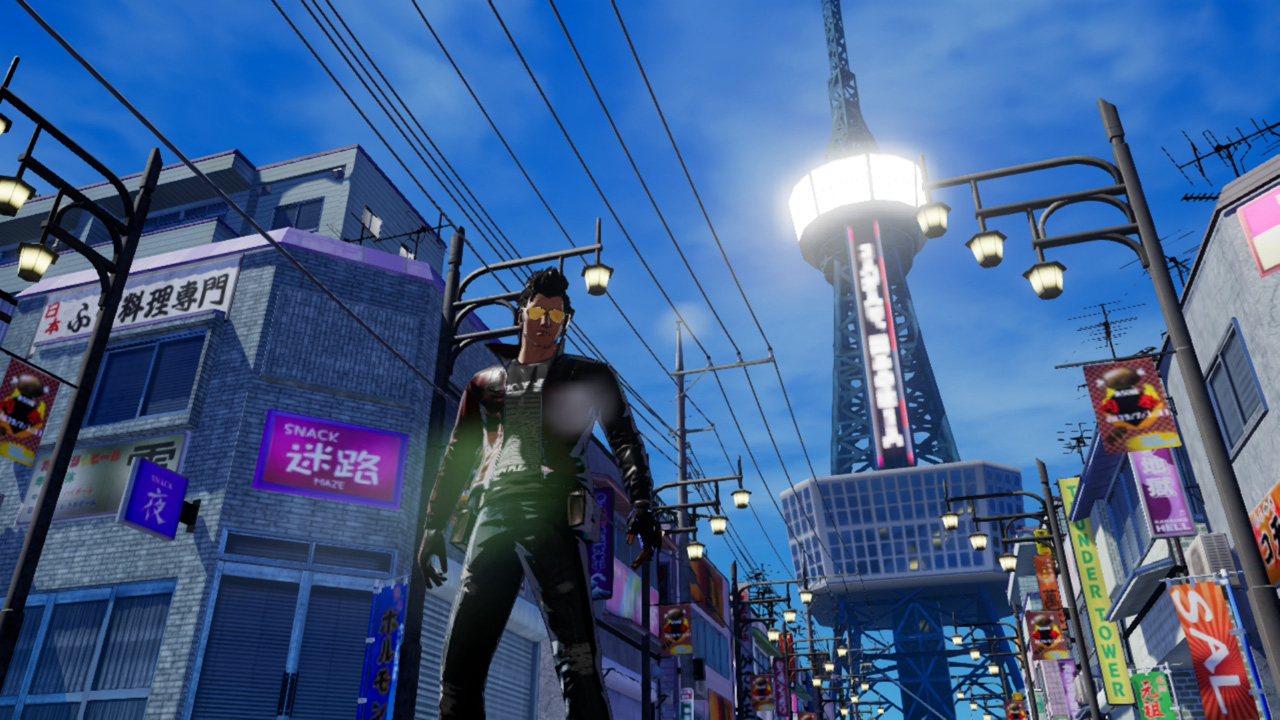
Santa Destroy, the game’s central hub, is more than just a location; it’s a character in itself. The town is populated with quirky residents, each with their own unique personality and story to tell. Level design is linear but cleverly crafted, offering a variety of environments to explore, from suburban neighborhoods to industrial complexes. Each assassination contract presents its own set of challenges, requiring players to adapt their strategies and utilize the environment to their advantage. The atmosphere is consistently engaging, thanks to the game’s distinctive art style, memorable soundtrack, and well-written dialogue.
Narrative Depth and Character Profiles
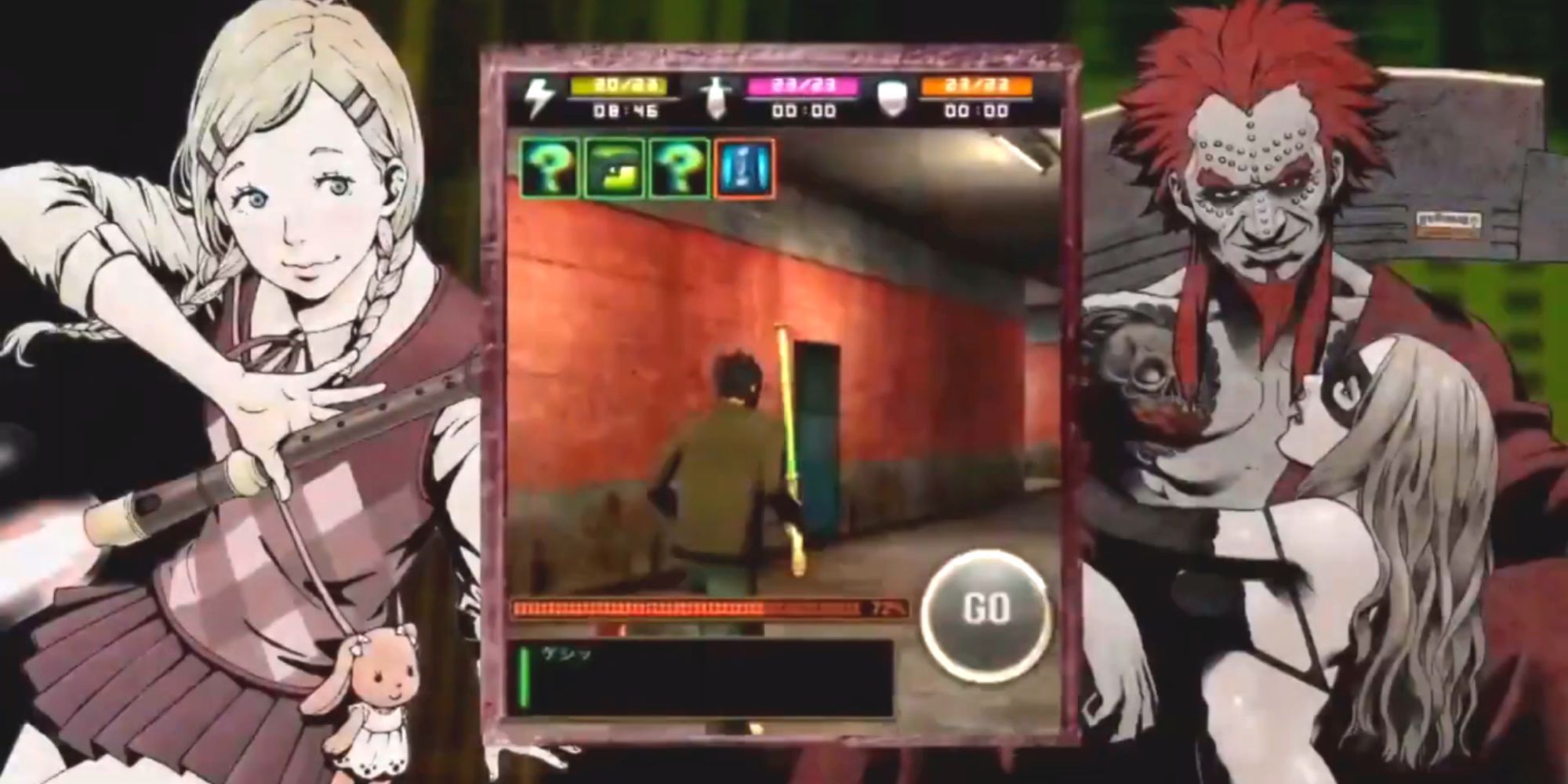
While the gameplay is undoubtedly a major draw, No More Heroes also boasts a surprisingly deep narrative. Travis Touchdown is more than just an anime-loving slacker; he’s a complex character grappling with his newfound responsibilities as an assassin. The supporting cast is equally memorable, from the enigmatic Sylvia Christel to the eccentric Franklin May. The story explores themes of identity, morality, and the consequences of violence, all wrapped in a package that is both humorous and thought-provoking.
Sound Design and Acoustic Realism
The soundtrack of No More Heroes is an integral part of its overall appeal. Masafumi Takada’s compositions perfectly capture the game’s unique blend of action, humor, and drama. The music ranges from high-octane rock anthems to more mellow and atmospheric pieces, creating a dynamic soundscape that enhances the gameplay experience. Sound effects are equally well-executed, adding weight and impact to every swing of the beam katana.
Release Expectations and Community Hype
The release of No More Heroes was met with considerable anticipation from gamers eager for a fresh and innovative take on the action genre. The game’s unique art style, quirky characters, and unconventional gameplay mechanics generated significant buzz in the gaming community. The Wii version, while visually limited compared to later releases, offered a unique control scheme that added another layer of depth to the experience.
Conclusion: The Future of No More Heroes
No More Heroes remains a cult classic for good reason. Its innovative gameplay, distinctive art style, and memorable characters have cemented its place in gaming history. While subsequent installments have refined the formula, the original Wii game holds a special place in the hearts of many fans. As we look to the future, it’s clear that No More Heroes will continue to inspire new generations of gamers and developers alike.
Source: Wikipedia