Introduction: The Next Chapter for Nioh
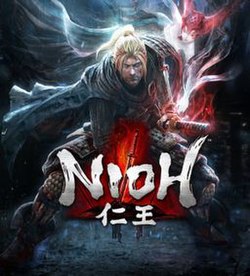
Nioh, a title that emerged from the depths of Team Ninja’s expertise, represents more than just an action RPG; it’s a meticulously crafted experience steeped in Japanese history and folklore. Developed with Kou Shibusawa and published by Koei Tecmo, initially for the PlayStation 4 (with Sony Interactive Entertainment handling distribution outside Japan), Nioh carved its own niche within the crowded landscape of gaming. The subsequent release of Nioh 2, a prequel enriching the lore, followed by ports to Windows and remastered versions for the PlayStation 5, solidified its legacy. This deep dive explores the intricate details that make Nioh a standout title, examining its visual direction, gameplay mechanics, narrative depth, and overall impact on the gaming world.
Visual Direction and Graphics Engineering
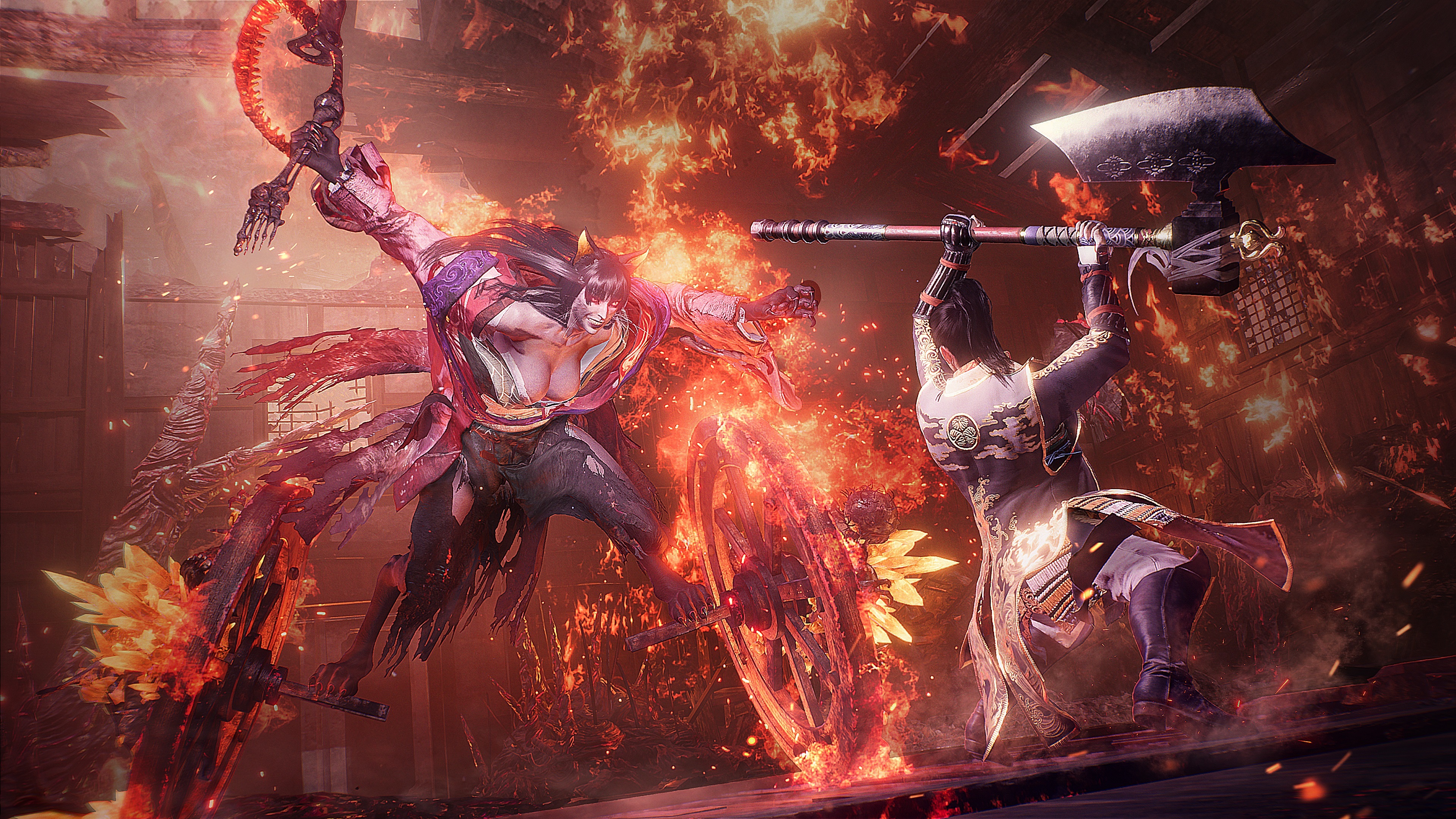
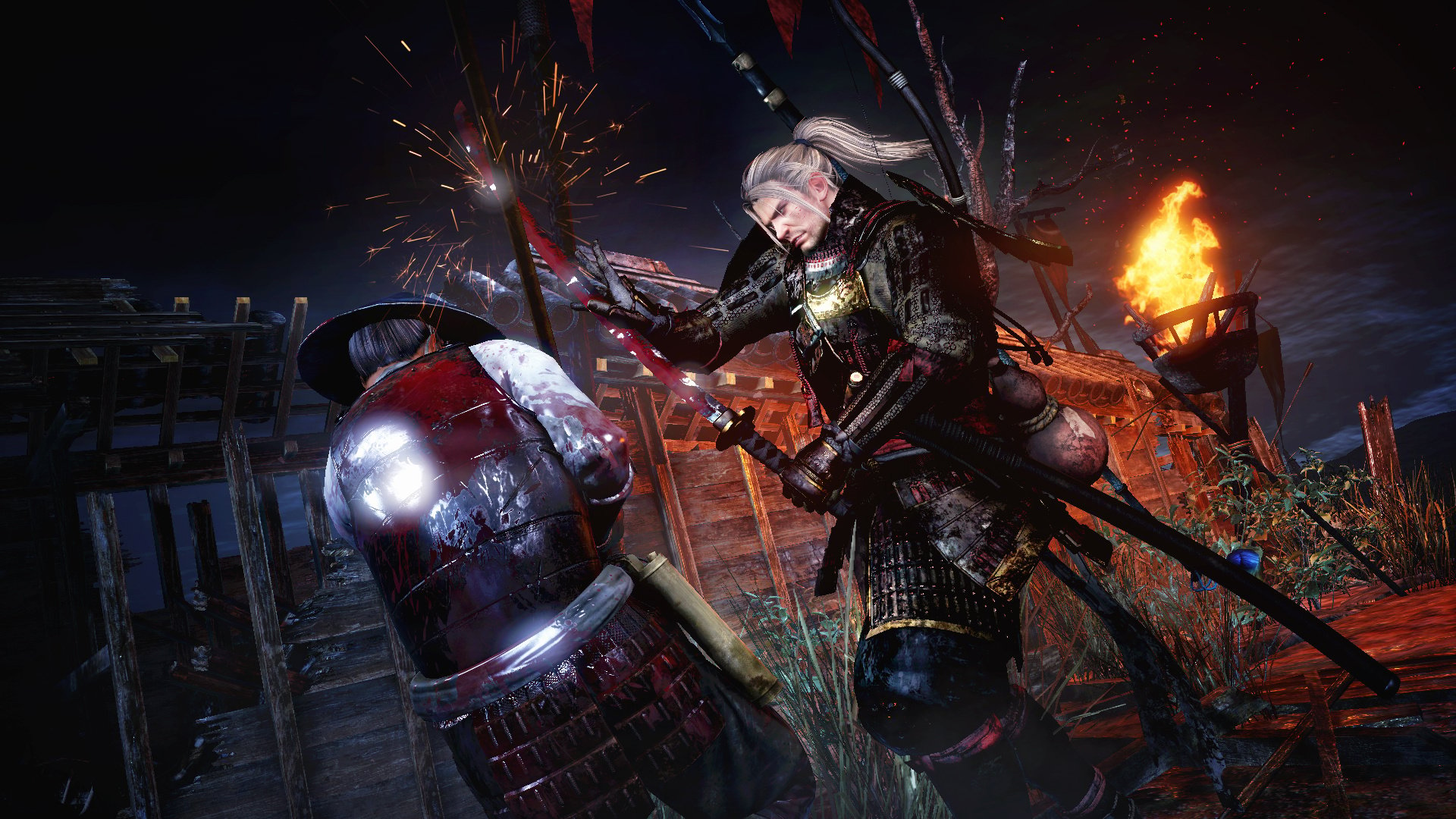
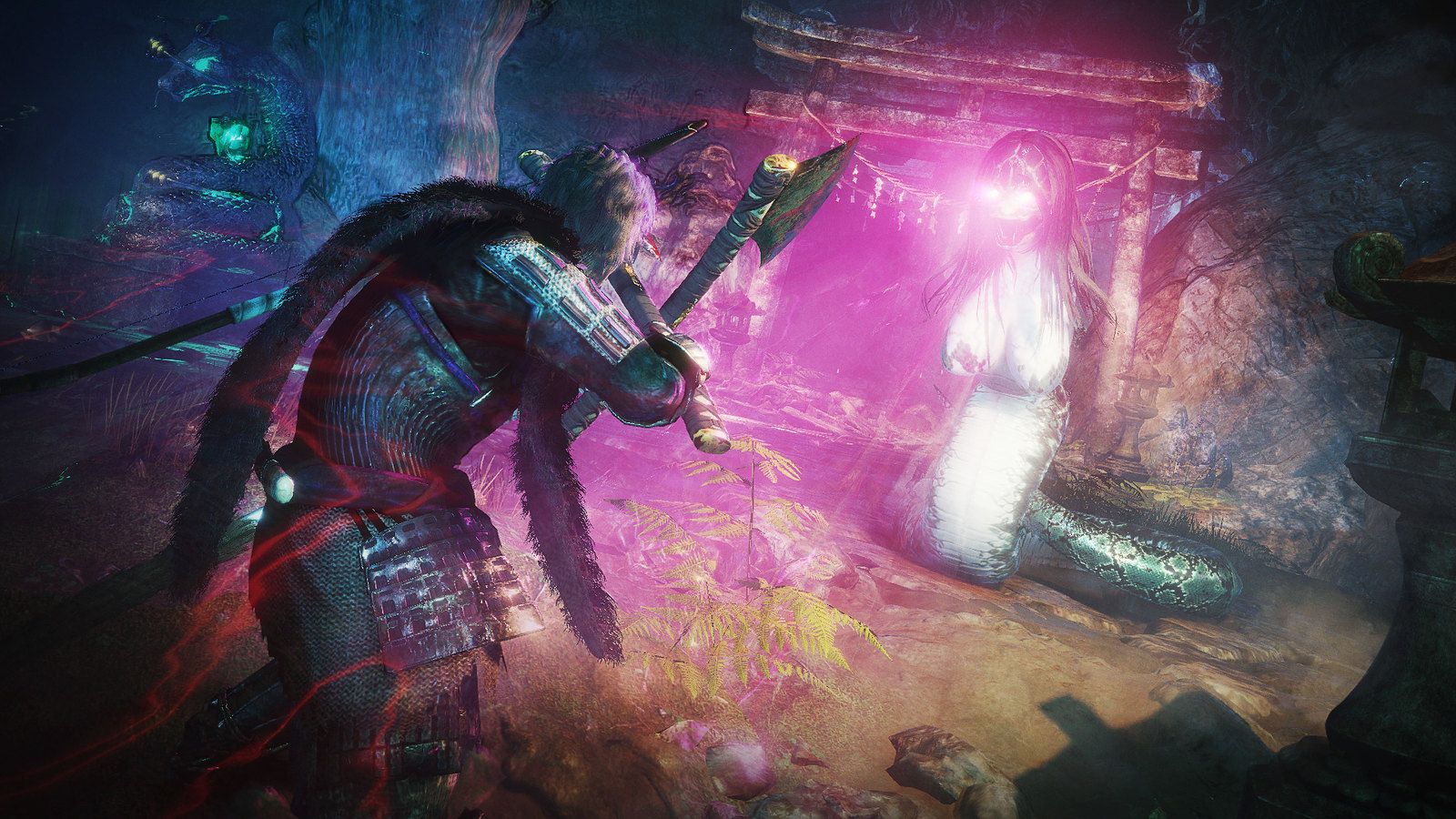
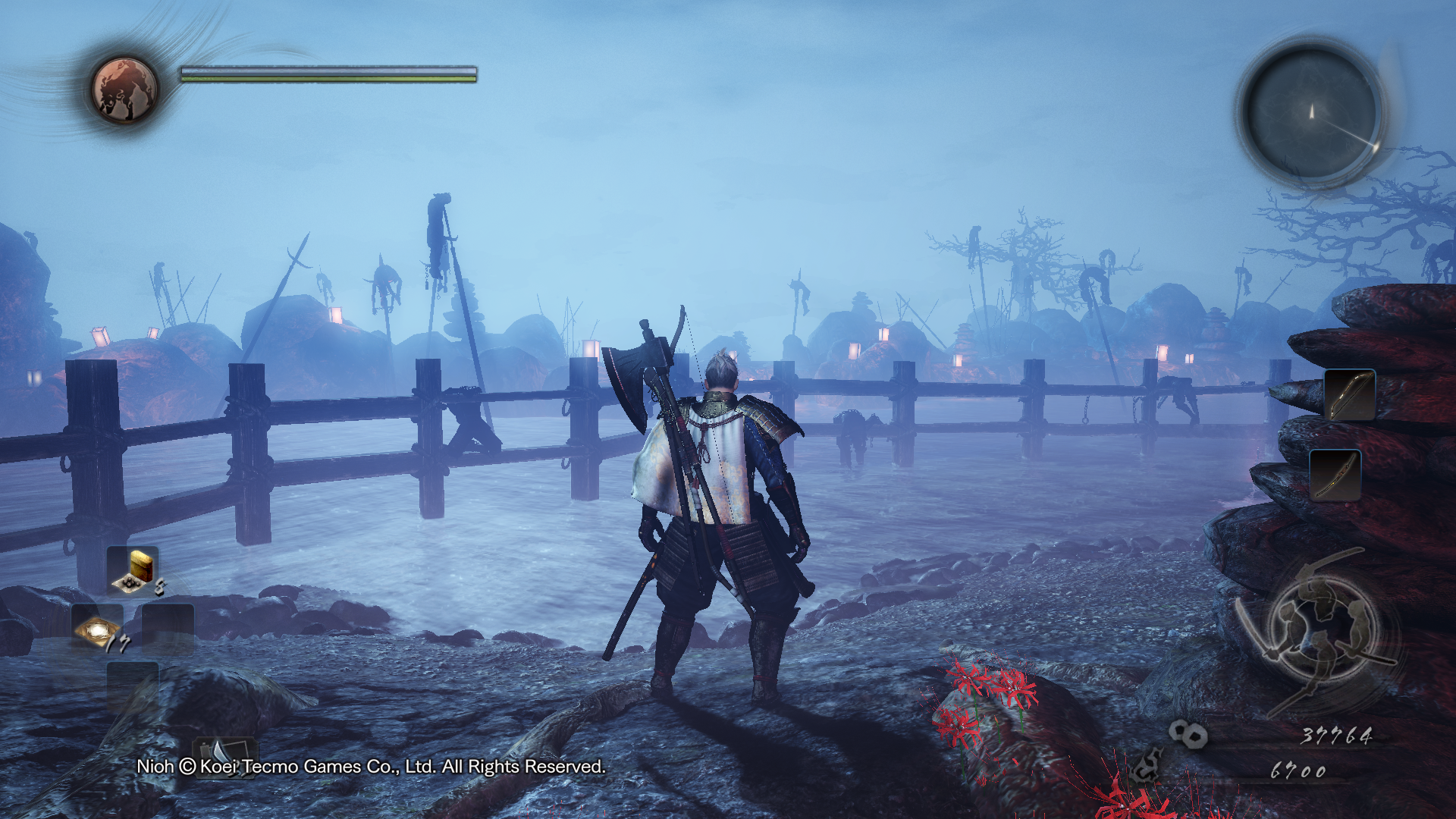
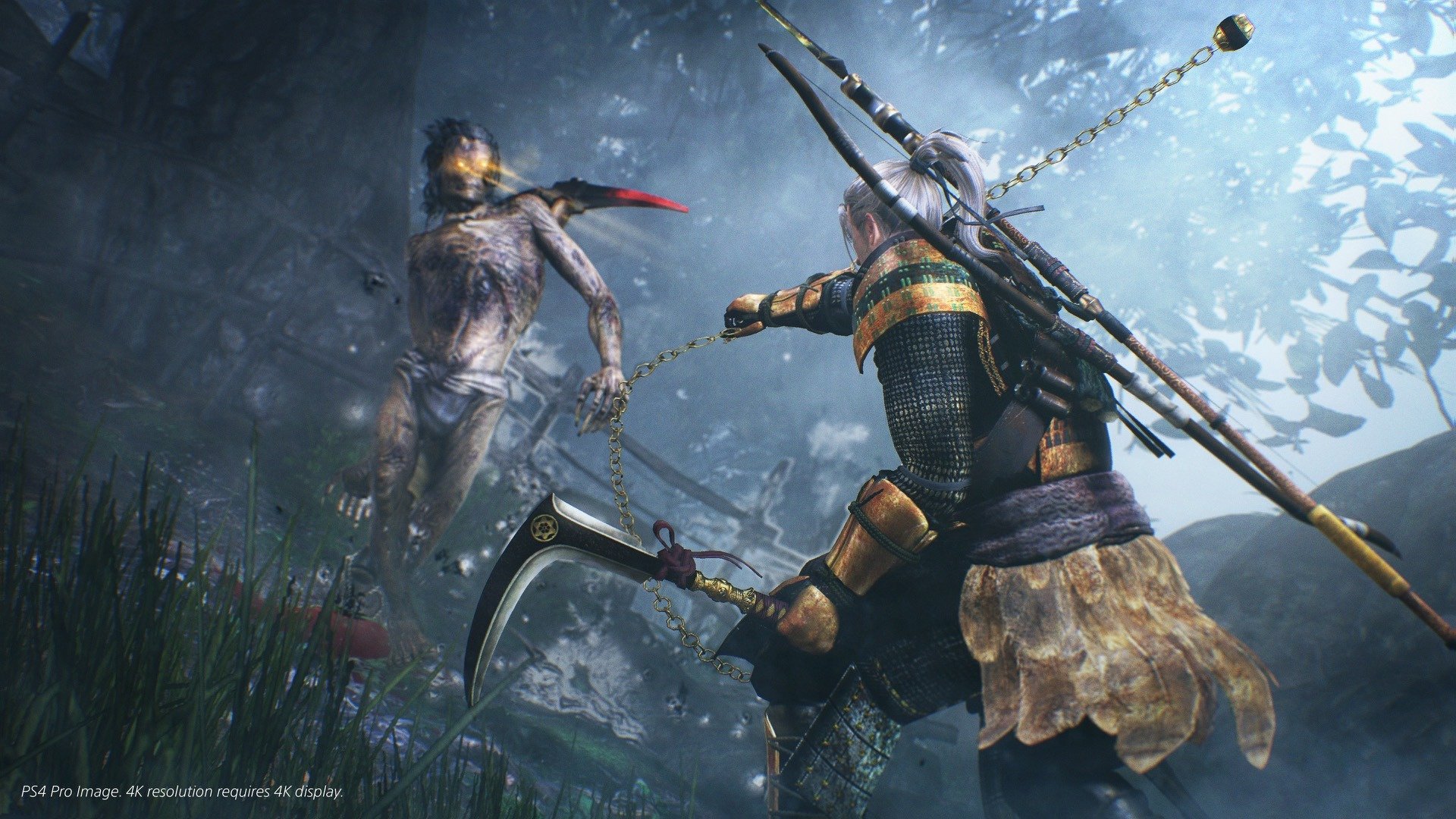
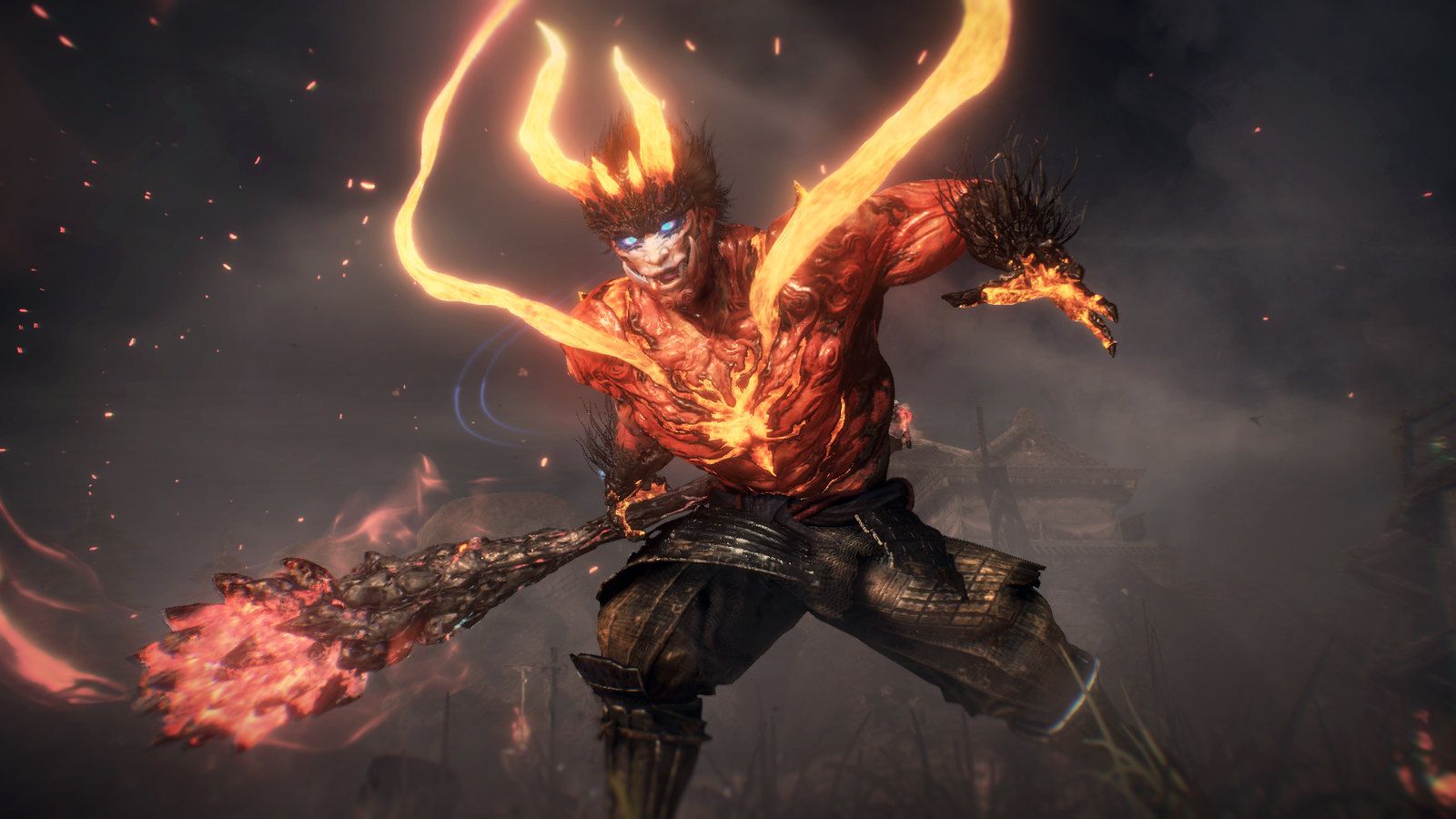
Nioh’s visual presentation is a testament to Team Ninja’s commitment to detail. The game leverages a proprietary next-gen engine designed to bring the Sengoku period of Japan to life with stunning fidelity. showcases the intricate architecture, lush environments, and meticulously recreated historical settings. The graphics engine allows for dynamic lighting, realistic textures, and detailed character models that contribute significantly to the game’s immersive atmosphere. While initially released on older hardware, the remastered version for PlayStation 5 brought substantial improvements in resolution, frame rates, and overall visual fidelity, further enhancing the experience. The art direction seamlessly blends historical accuracy with supernatural elements, creating a unique aesthetic that sets Nioh apart from other titles in the genre.
Gameplay Mechanics and Core Systems
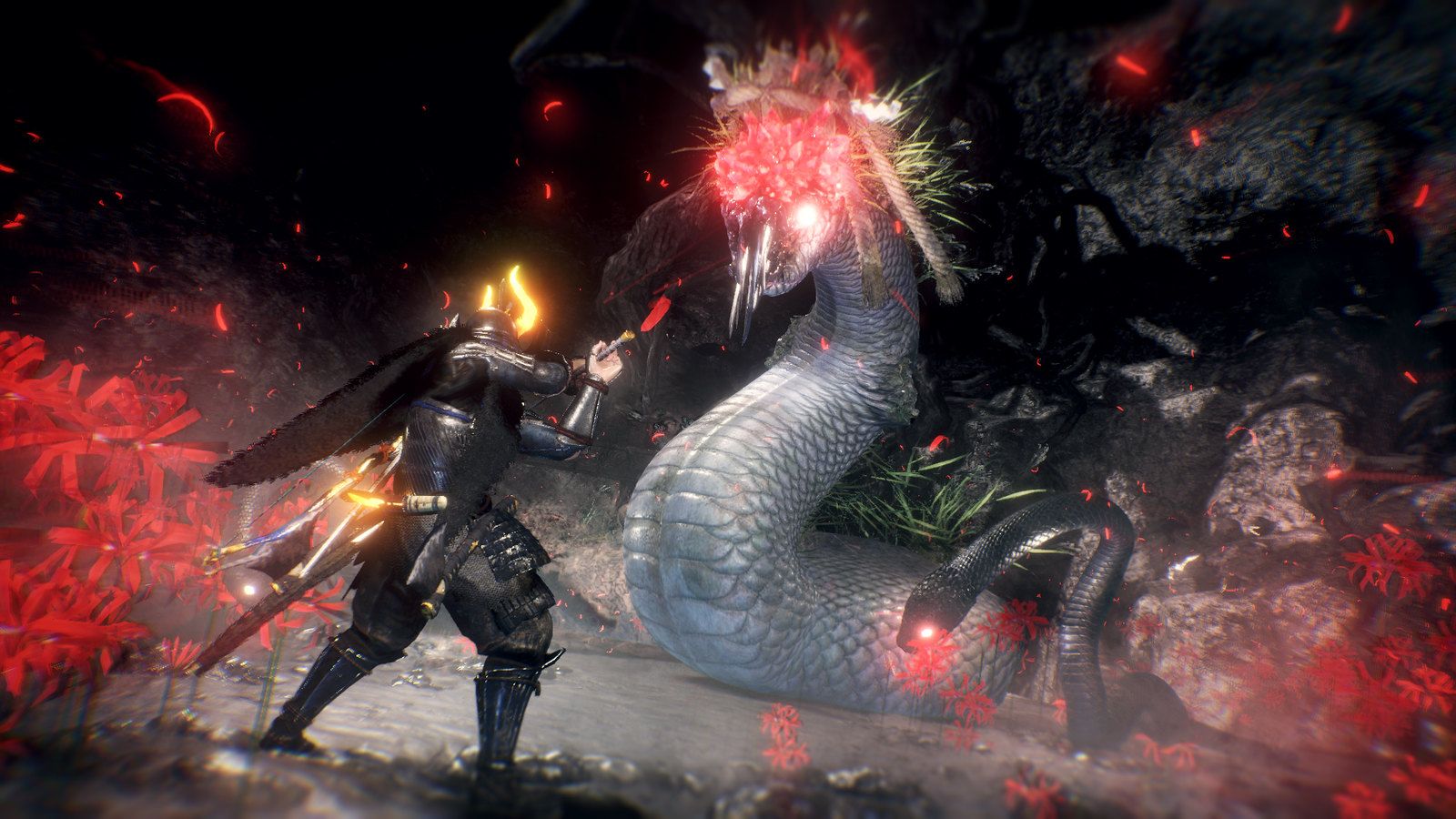
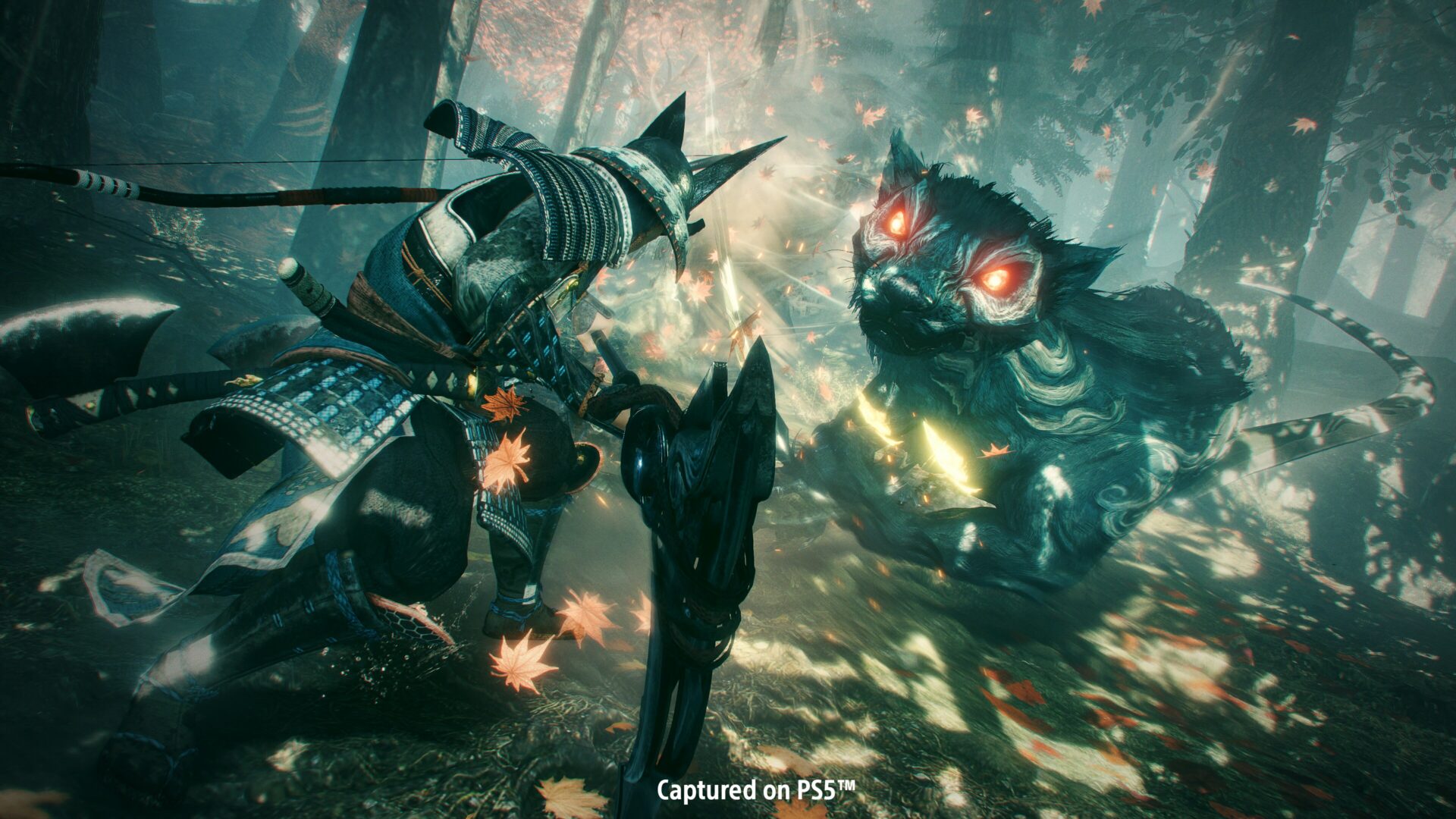
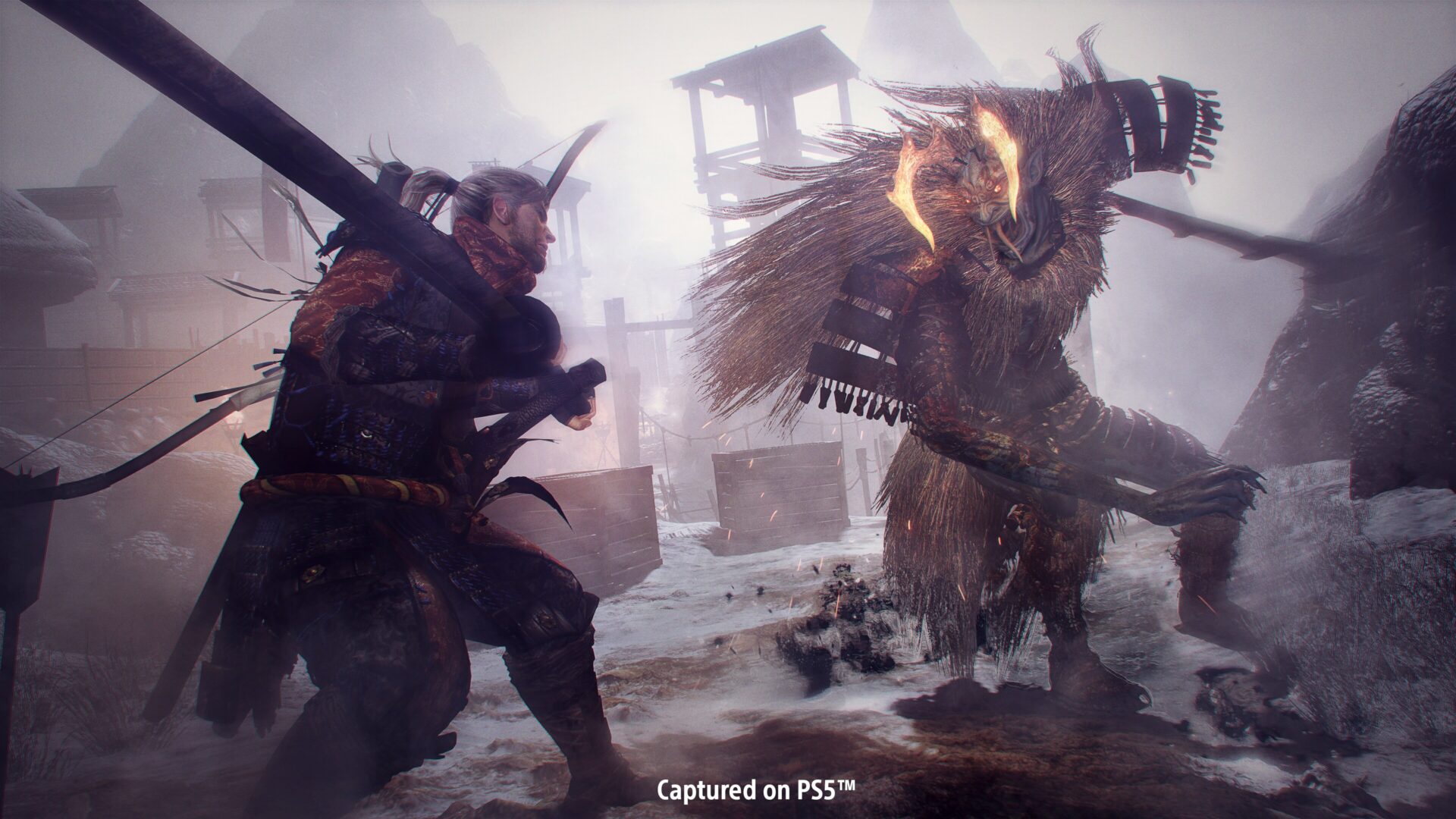
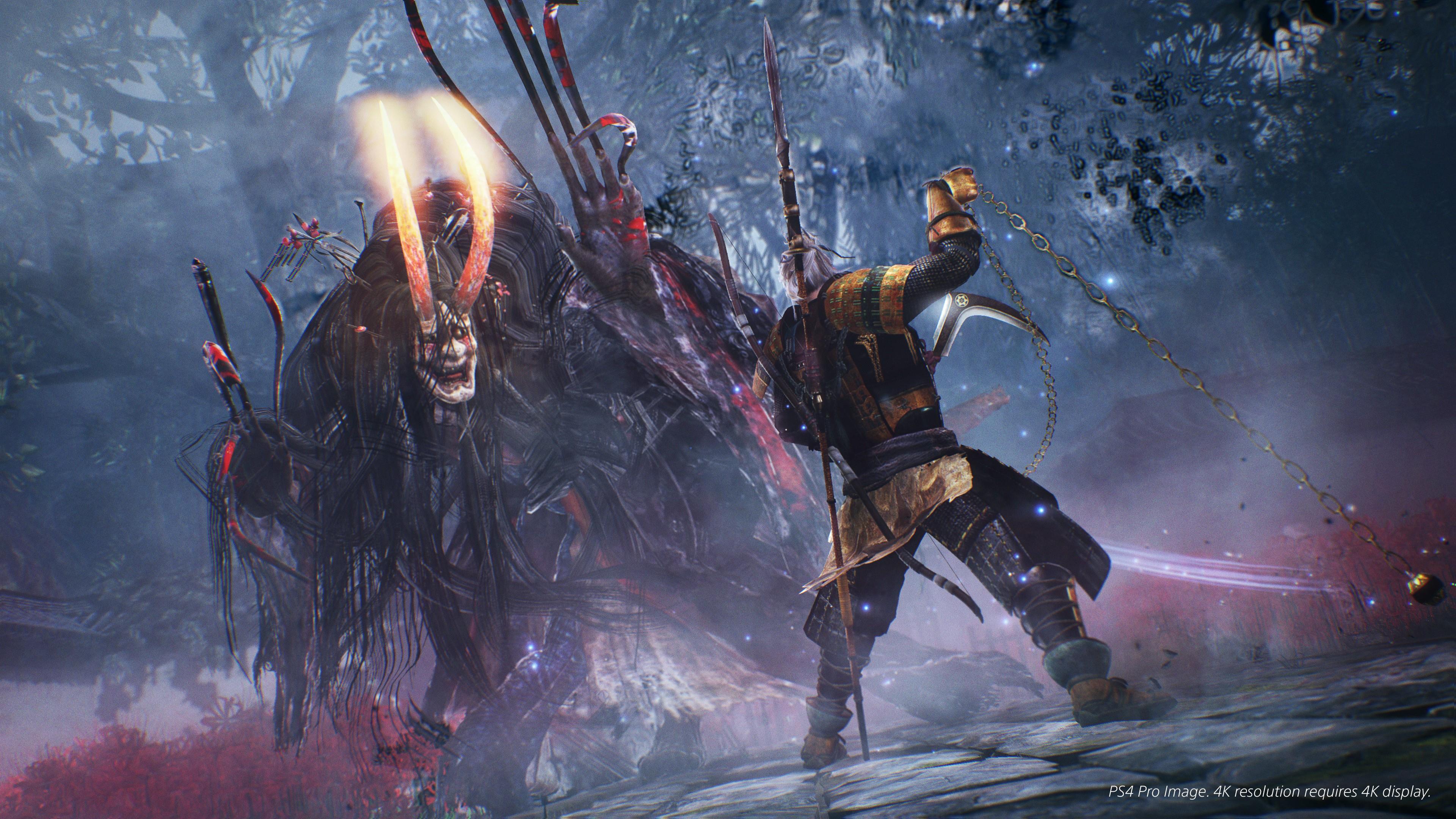
At its core, Nioh is an action RPG built around a stamina-based combat system known as “Ki” management. This mechanic adds a layer of strategic depth to every encounter, forcing players to carefully manage their attacks, dodges, and blocks. The game features multiple sword stances, each with its own strengths and weaknesses against different enemy types. Mastering these stances is crucial for survival, particularly when facing the diverse array of Yokai creatures that populate the world. illustrates a player character utilizing a specific stance to effectively combat a powerful Yokai. The loot system is also noteworthy, offering a wide variety of weapons and armor with varying stats and abilities, allowing players to customize their builds to suit their playstyle.
Level Design and World Atmosphere
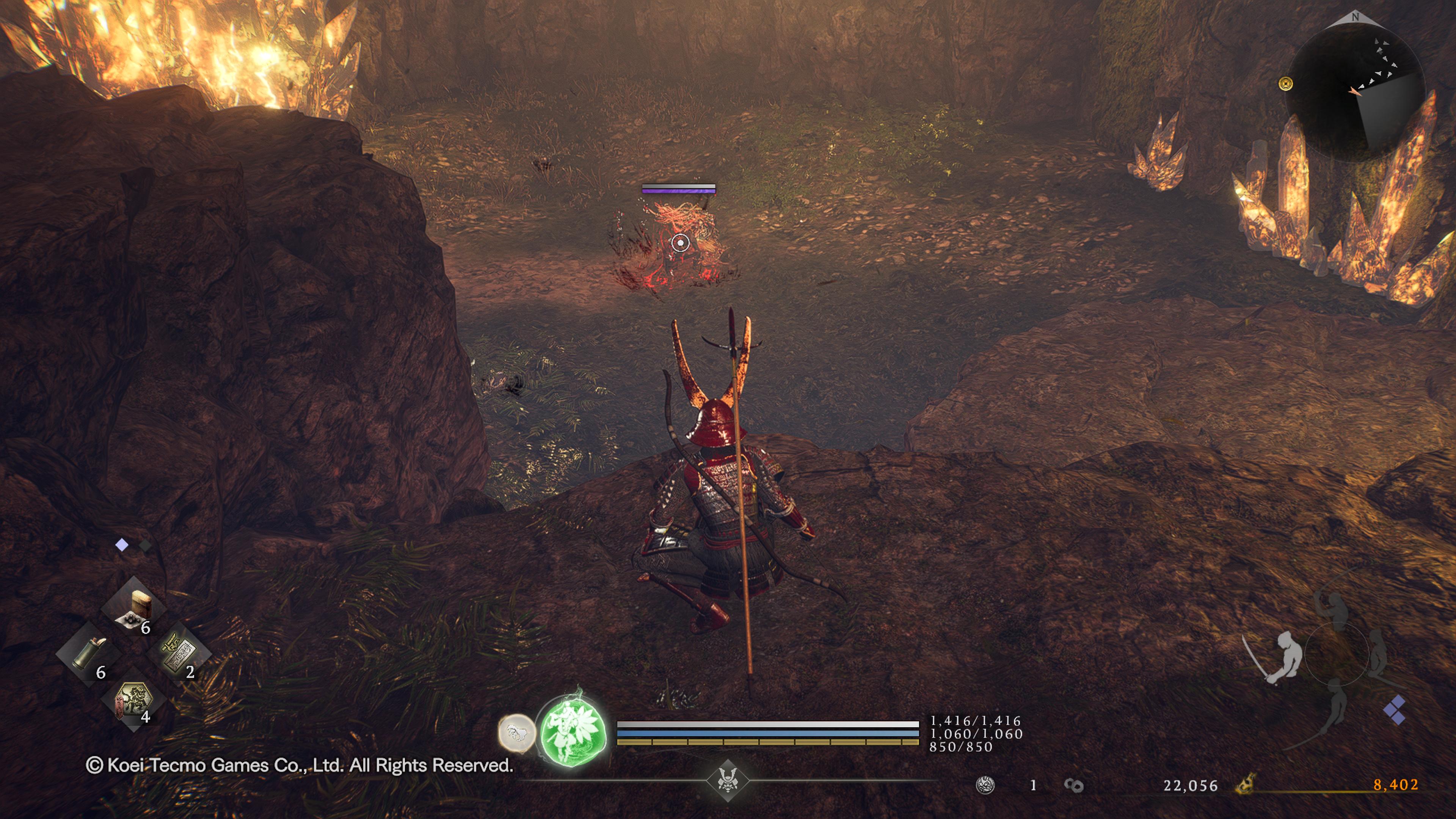
Nioh’s level design is carefully crafted to create a sense of exploration and discovery. Each area is rich in detail, filled with hidden pathways, secret rooms, and challenging encounters. The game seamlessly blends historical locations with supernatural elements, creating an atmosphere that is both captivating and unsettling. The environments range from bustling towns and serene temples to dark forests and treacherous mountain passes. The level design encourages players to explore every nook and cranny, rewarding them with valuable loot and uncovering hidden lore.
Narrative Depth and Character Profiles
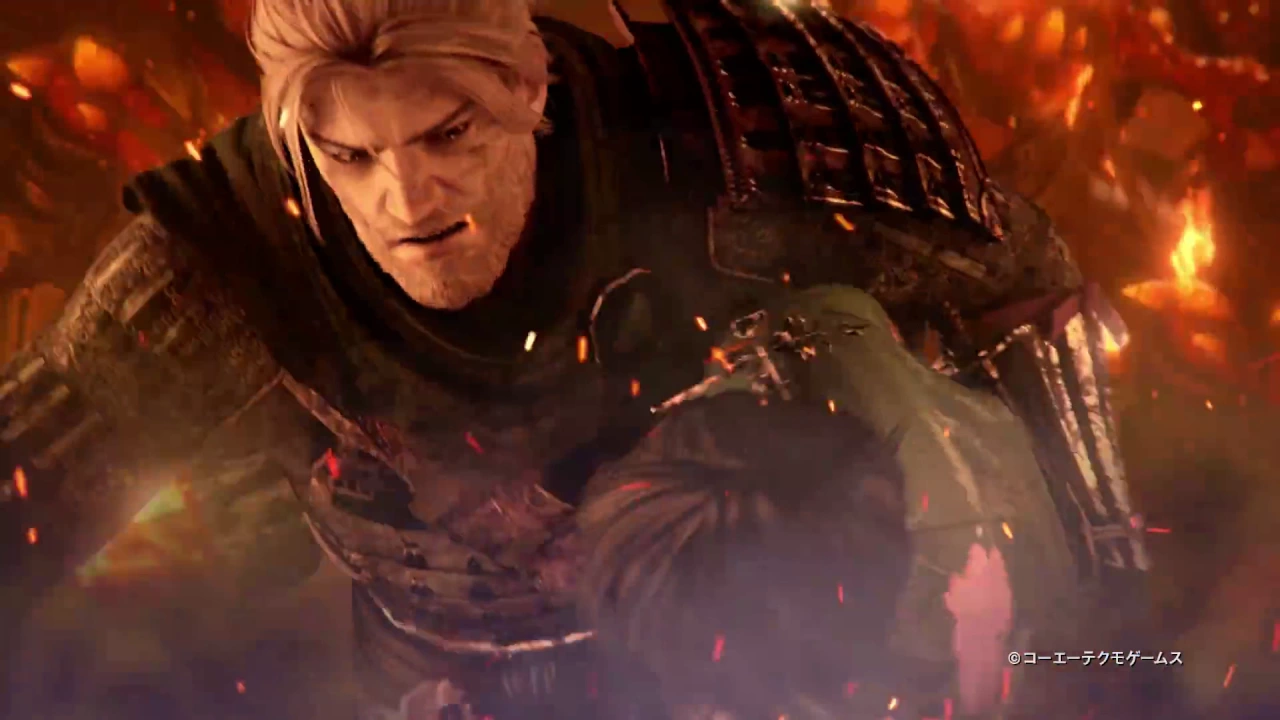
The narrative of Nioh centers around William Adams, a historical figure who became one of the first Western samurai in Japan. Players follow Adams as he pursues the sorcerer Edward Kelley while navigating the political turmoil of the Sengoku period. The story is interwoven with Japanese folklore and mythology, introducing players to a wide array of Yokai creatures inspired by traditional tales.
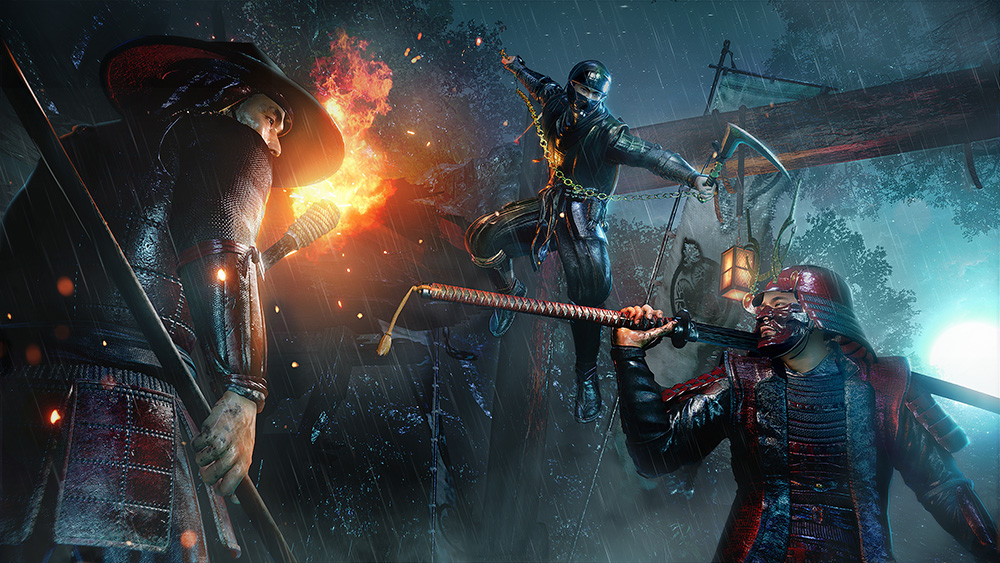
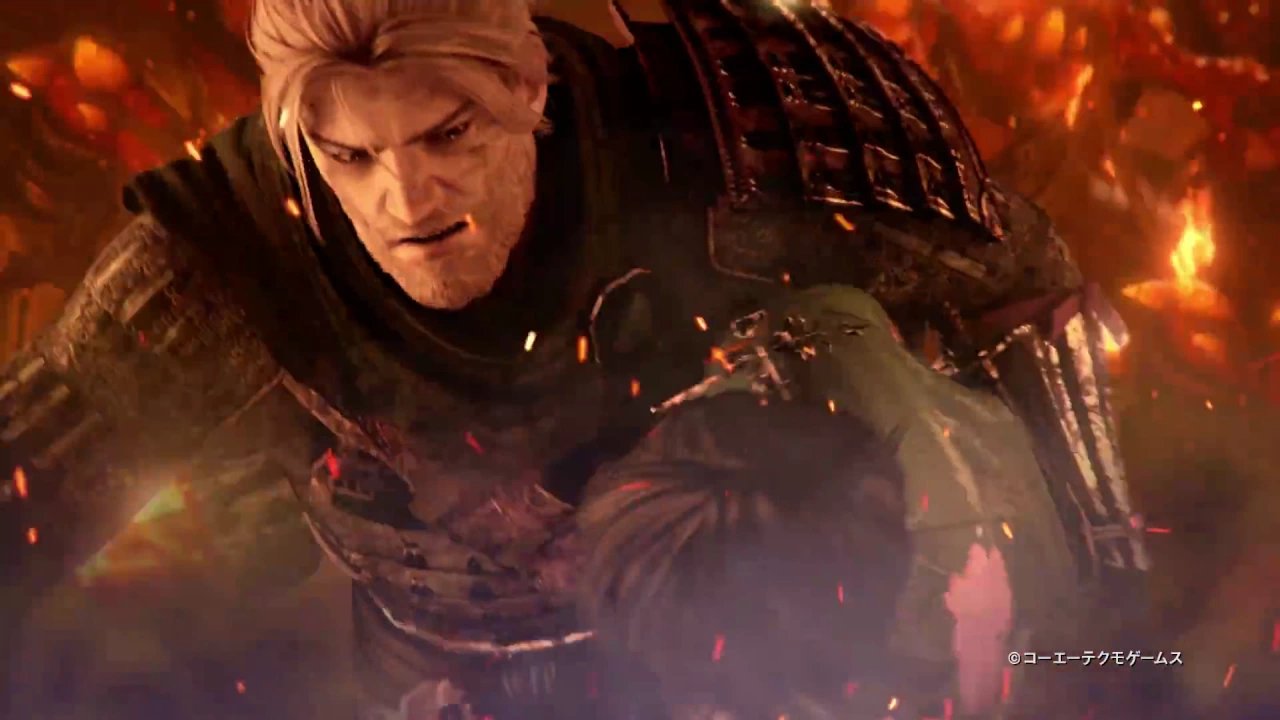
offers a glimpse into the game’s cinematic storytelling style. While the main storyline provides a compelling narrative arc, the game also features numerous side quests and optional encounters that flesh out the world and its characters.
Sound Design and Acoustic Realism
The sound design in Nioh plays a crucial role in creating an immersive experience. The soundtrack is composed by Yugo Kanno, blending traditional Japanese instruments with orchestral arrangements to create a unique and evocative atmosphere. The sound effects are also meticulously crafted, from the clashing of swords to the guttural roars of Yokai creatures. The audio cues provide valuable feedback to the player, helping them anticipate enemy attacks and manage their Ki levels.
Release Expectations and Community Hype
The release of Nioh generated significant hype within the gaming community, particularly among fans of action RPGs and Japanese folklore. The game’s unique blend of historical accuracy and supernatural elements, combined with its challenging combat system, set it apart from other titles in the genre. The positive reception from critics and players alike helped to establish Nioh as a cult classic, paving the way for the release of Nioh 2 and subsequent ports and remasters.
Conclusion: The Future of Nioh
Nioh represents a significant achievement for Team Ninja, demonstrating their ability to create immersive and engaging action RPG experiences. Its unique blend of historical accuracy, supernatural elements, and challenging combat has earned it a dedicated following and solidified its place as a cult classic. With the release of Nioh 2 and subsequent ports and remasters, the franchise continues to evolve and captivate players with its rich lore, intricate gameplay, and stunning visuals. The future of Nioh looks bright, promising even more exciting adventures in the world of Sengoku Japan.
Source: Wikipedia