Introduction: The Next Chapter for New Super Mario Bros.
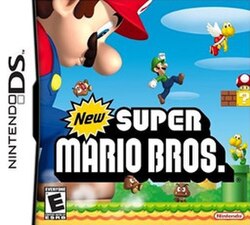
“New Super Mario Bros.” arrived on the Nintendo DS in 2006, not just as a game, but as a statement. It represented a conscious effort to revitalize the 2D platforming genre, breathing new life into a beloved franchise while simultaneously pushing the boundaries of what was possible on handheld hardware. This wasn’t simply a rehash of past glories; it was a carefully crafted experience designed to appeal to both nostalgic veterans and a new generation of gamers. The game’s success cemented its place as a cornerstone title, influencing countless games that followed.
Visual Direction and Graphics Engineering
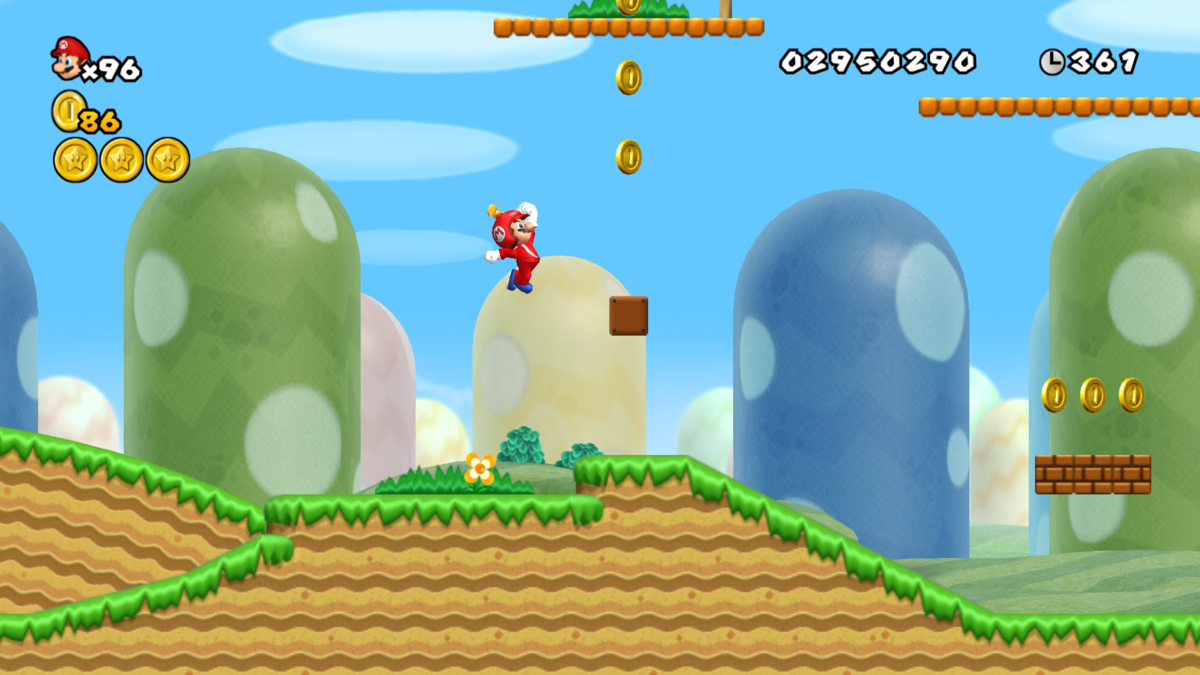
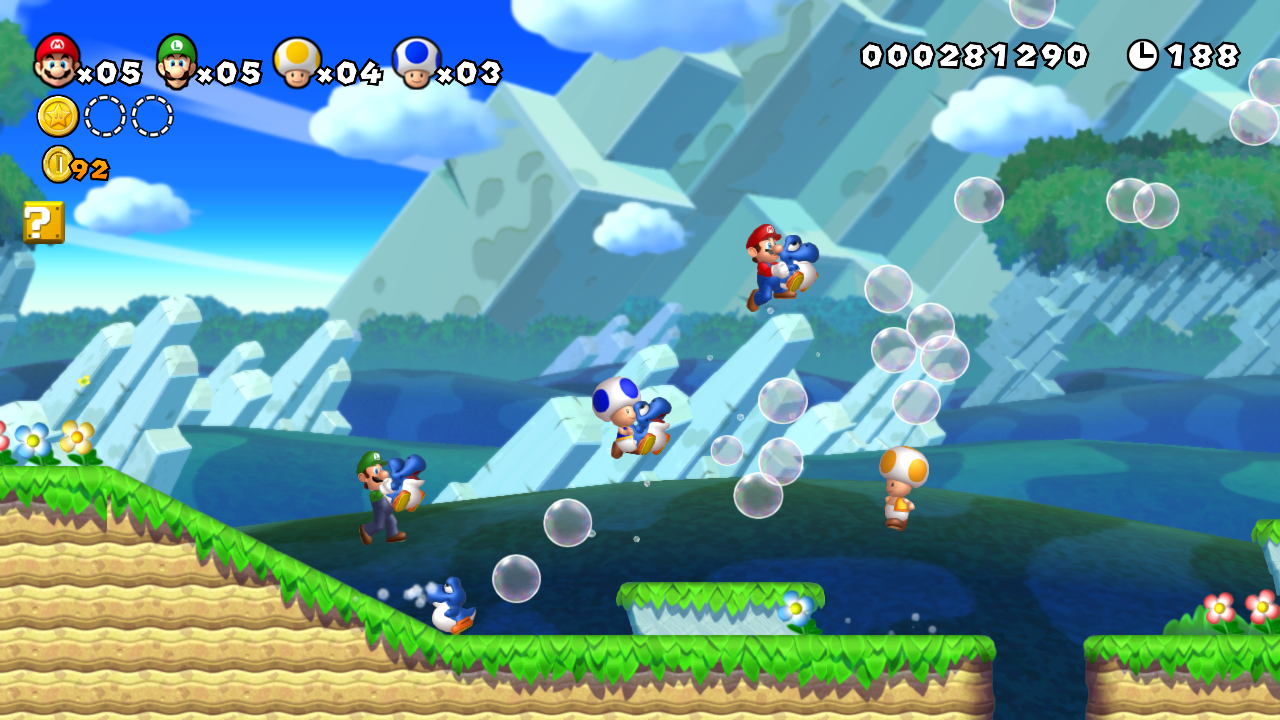
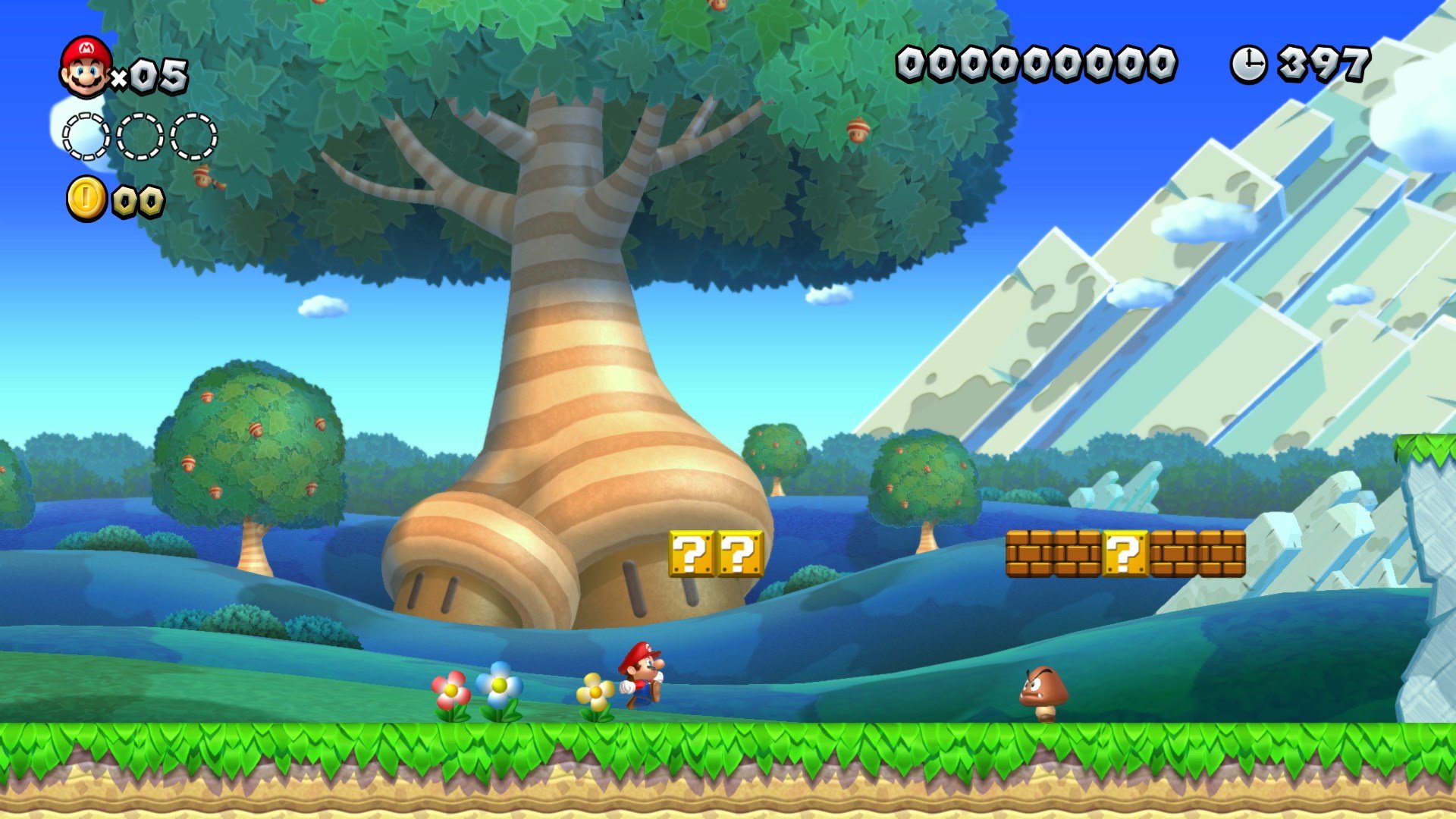
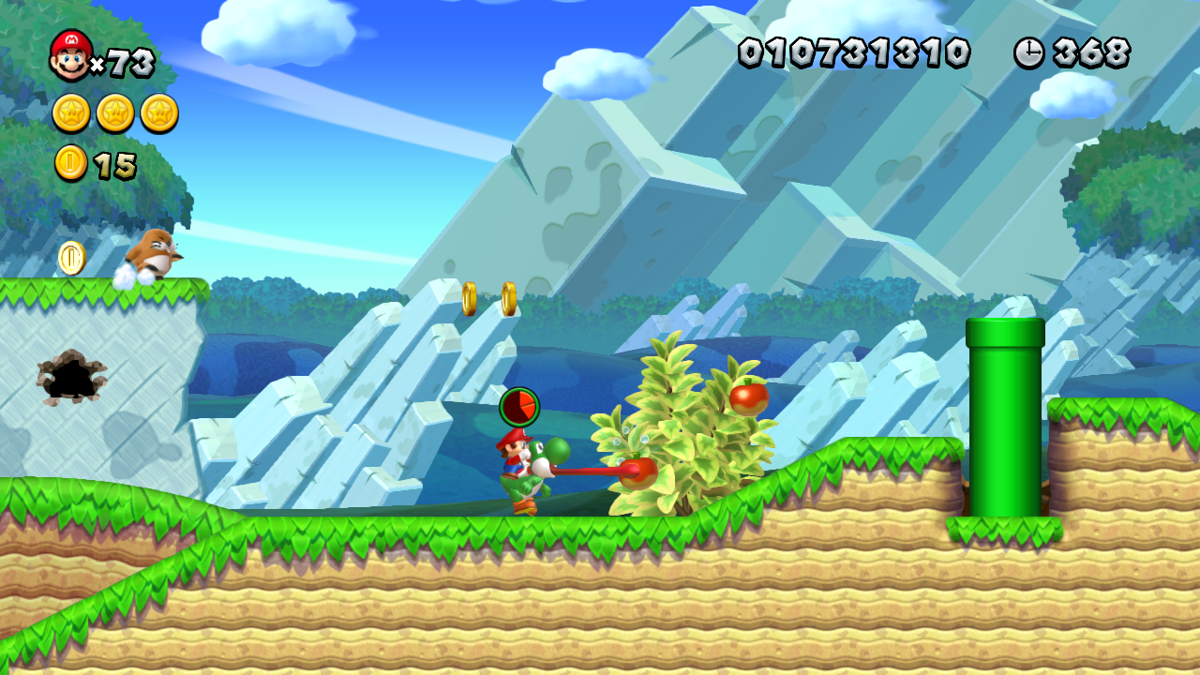
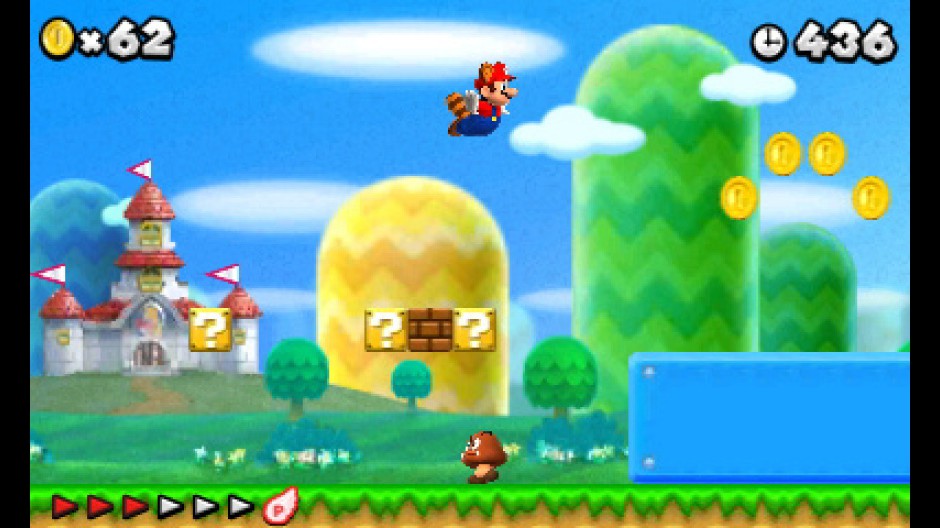
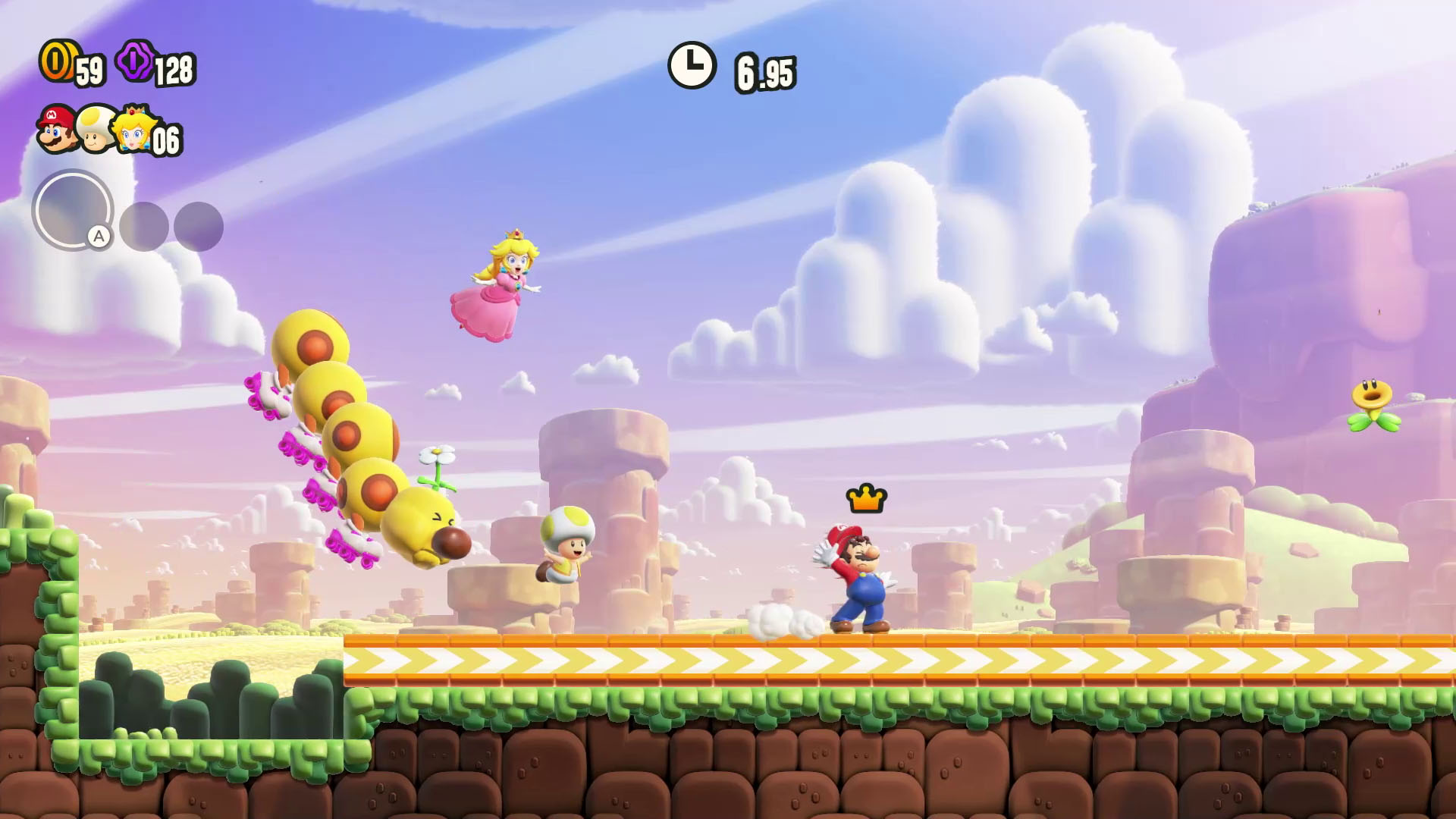
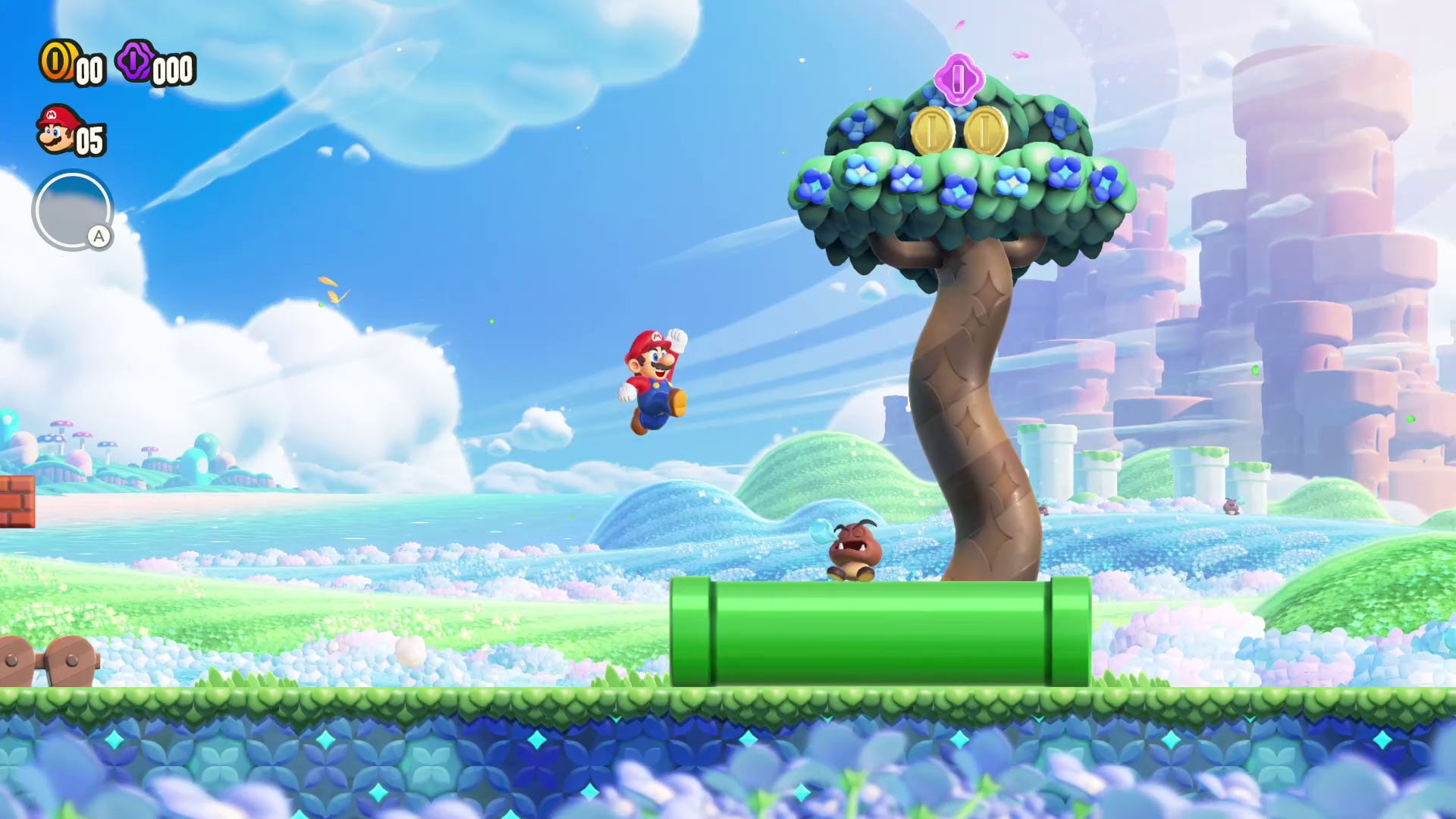
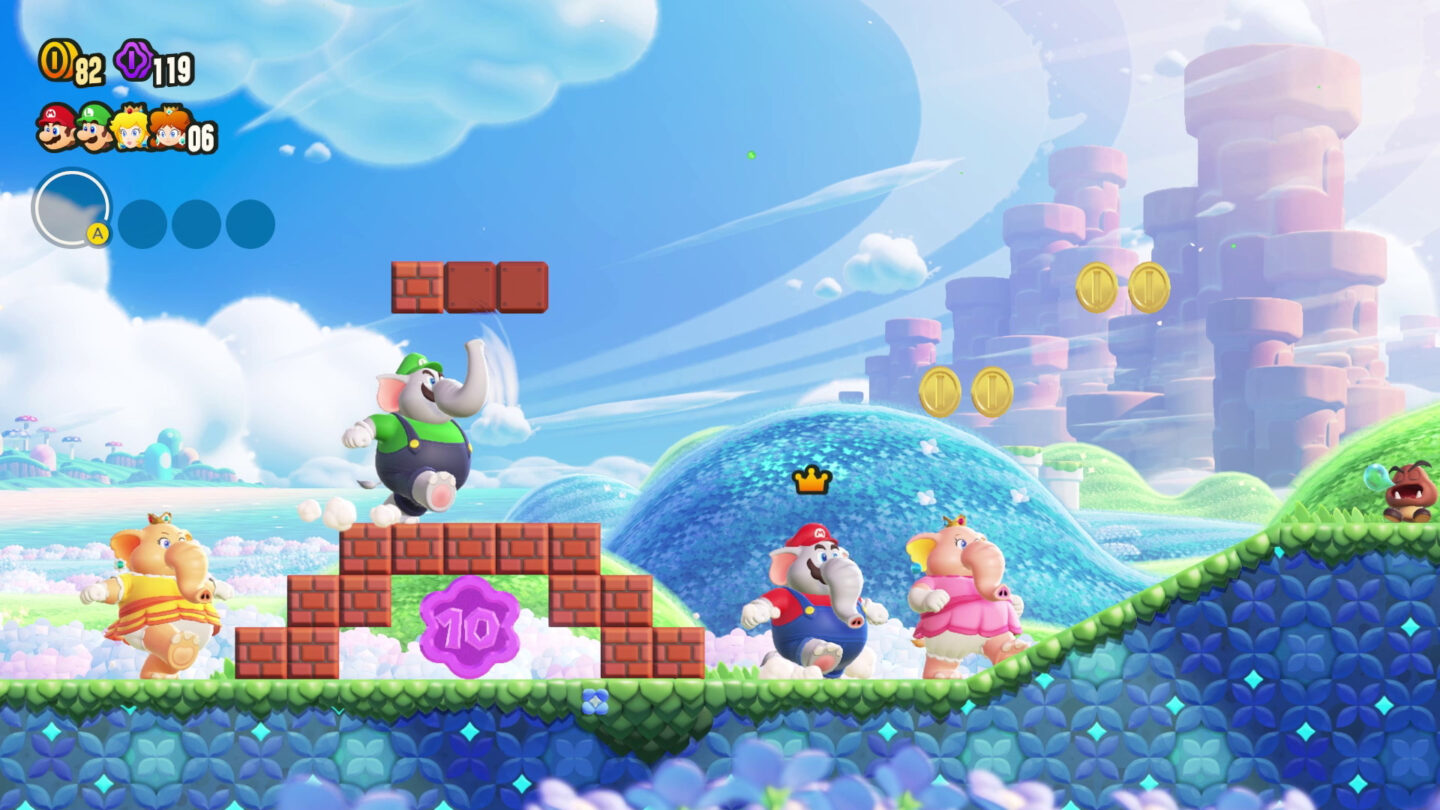
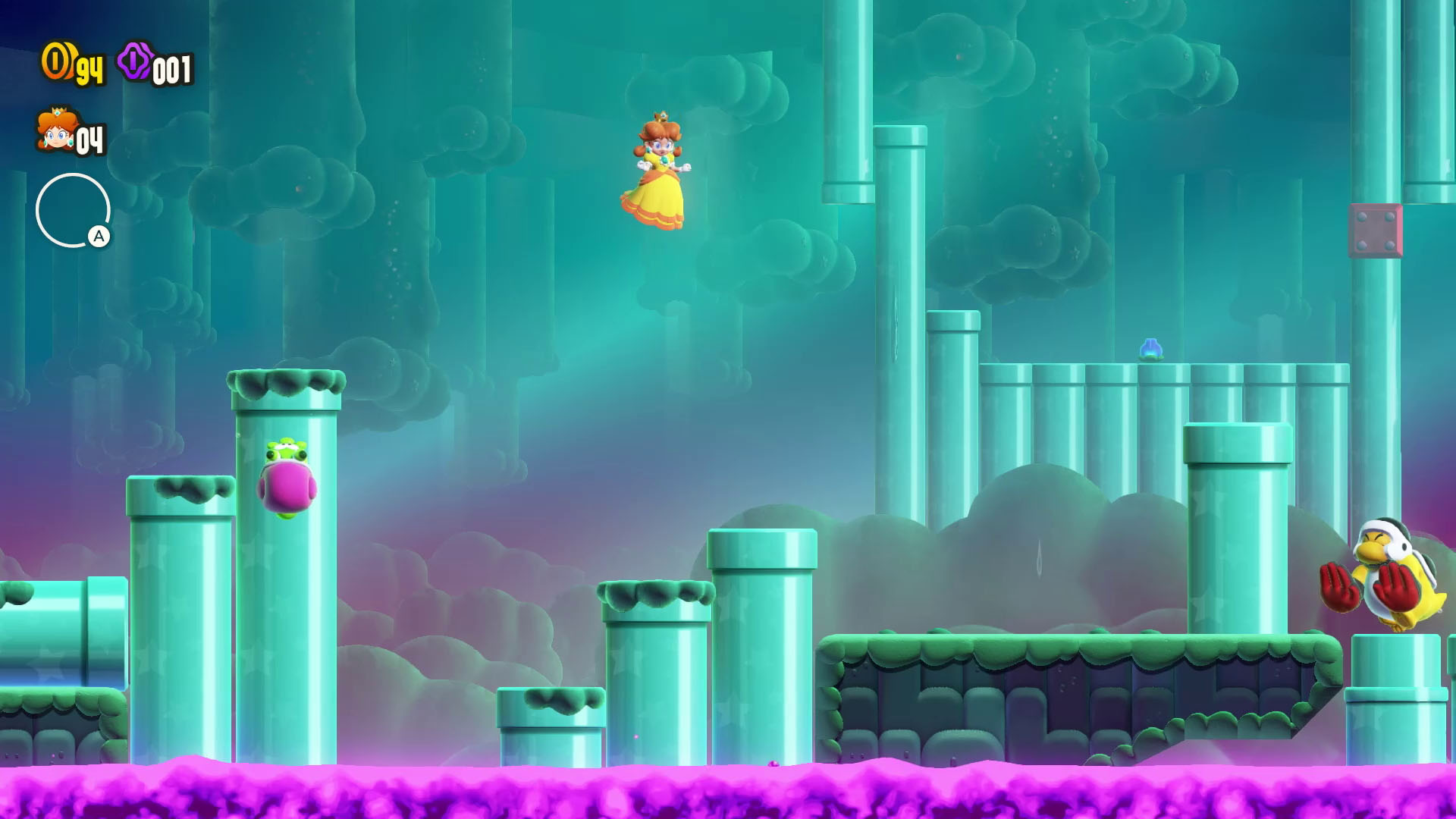
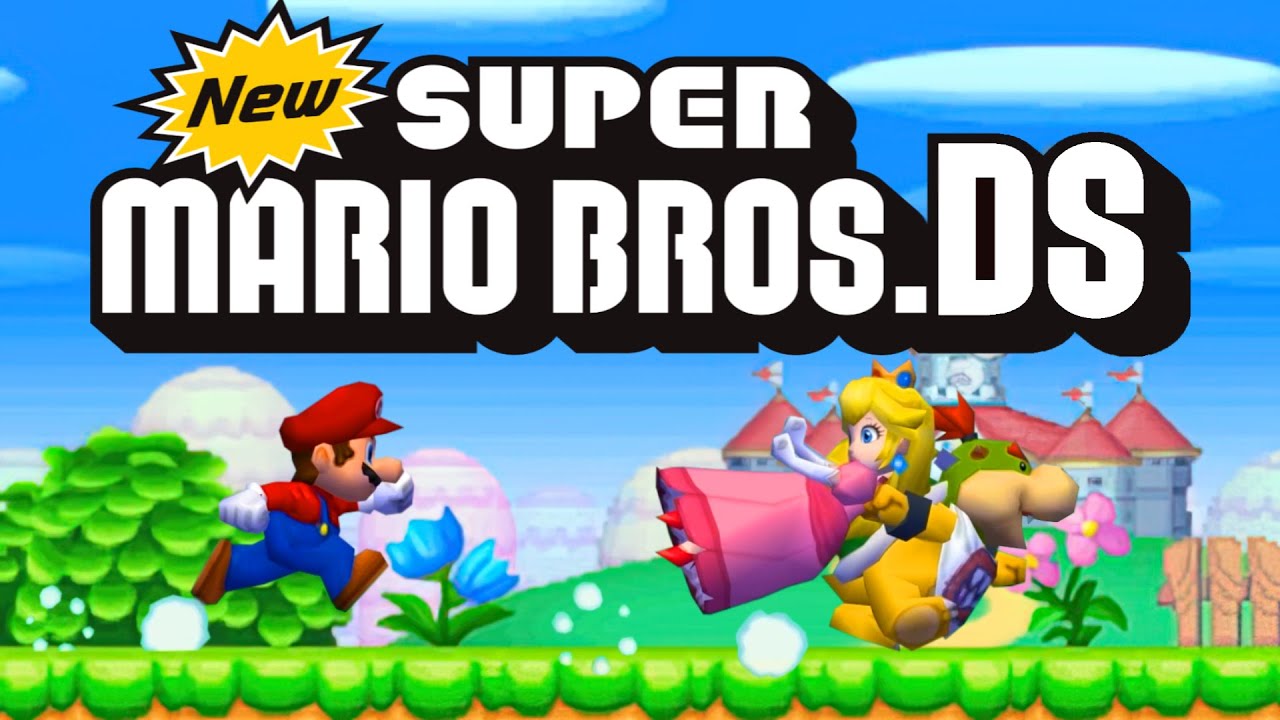
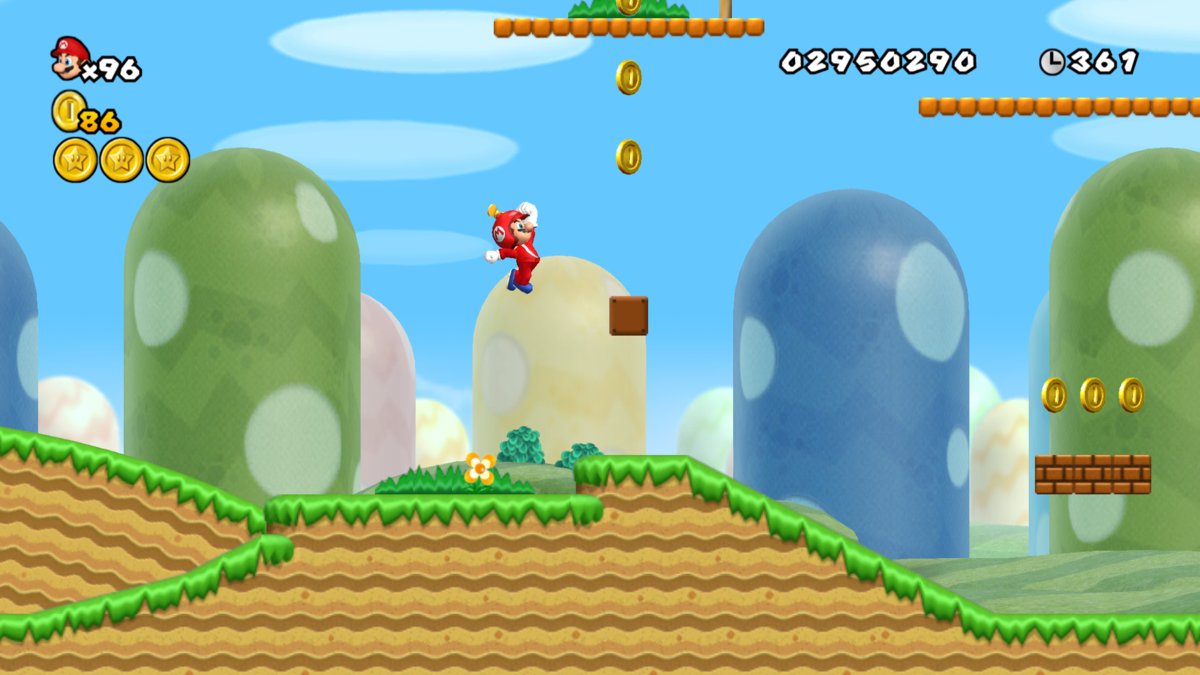
The visual style of “New Super Mario Bros.” is characterized by a vibrant color palette and detailed sprites, showcasing the capabilities of the Nintendo DS hardware. While not boasting the graphical fidelity of contemporary 3D titles, the game’s art direction created a charming and visually appealing world. The developers cleverly utilized parallax scrolling to create a sense of depth, adding another layer of immersion. This was achieved through careful optimization and clever use of layering techniques. The engine, while proprietary, demonstrated an impressive ability to render complex environments with minimal performance impact.
Gameplay Mechanics and Core Systems
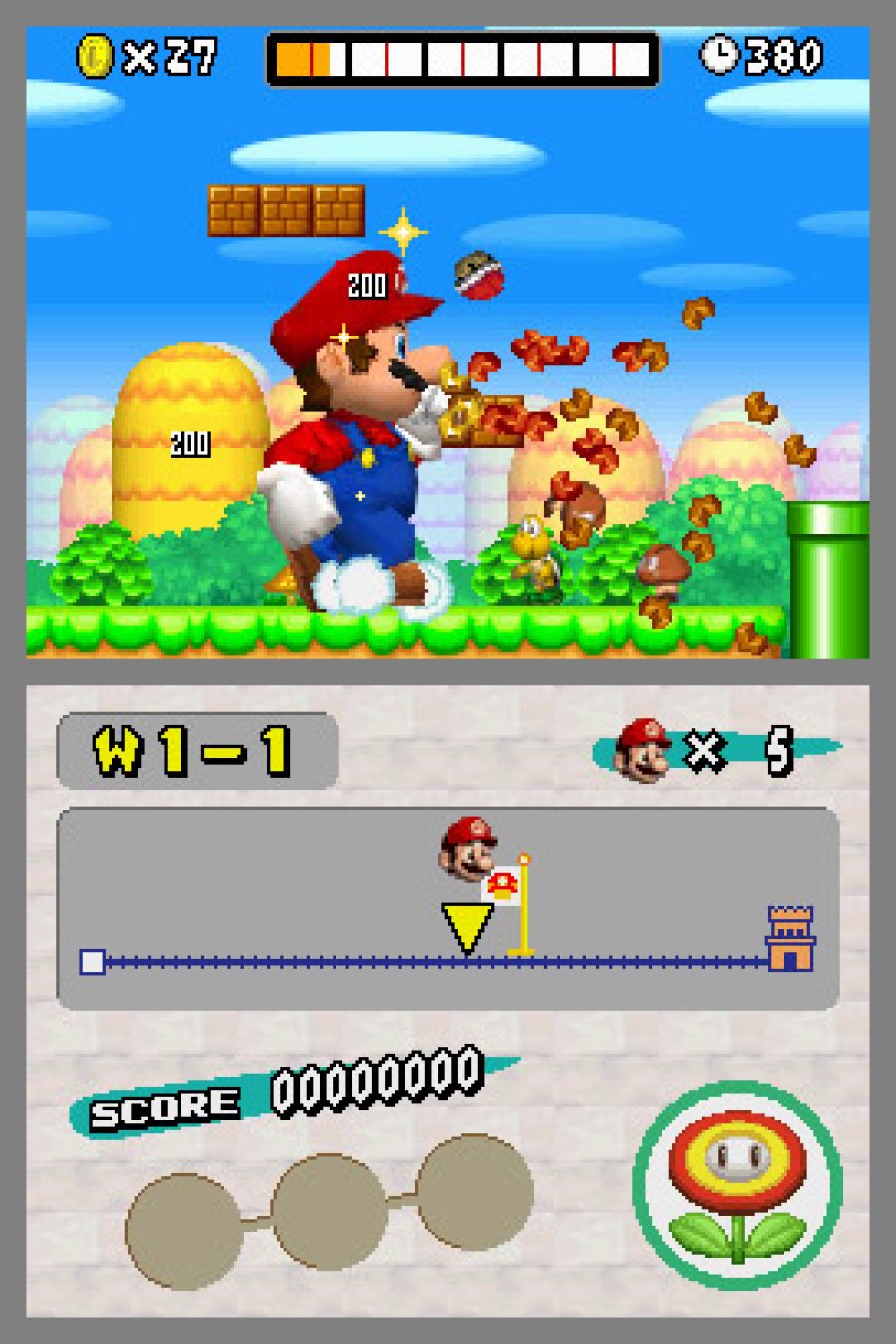
“New Super Mario Bros.” introduced several innovative gameplay mechanics that set it apart from its predecessors. The addition of the “Mega Mushroom,” allowing Mario to grow to enormous size, provided a unique power-up experience. The game also featured new enemy types and challenging platforming sequences. The core movement system was refined, offering precise controls essential for navigating the intricate level designs. This attention to detail in both design and execution made the gameplay both accessible and deeply satisfying.
Level Design and World Atmosphere
The level design in “New Super Mario Bros.” is a masterclass in environmental storytelling. Each world is distinct, offering unique visual themes and gameplay challenges. From lush forests to icy caverns, the game consistently delivers fresh and engaging environments. The levels are meticulously crafted, rewarding exploration and encouraging players to discover hidden secrets. This careful attention to detail creates a sense of wonder and discovery that keeps players coming back for more.
Narrative Depth and Character Profiles
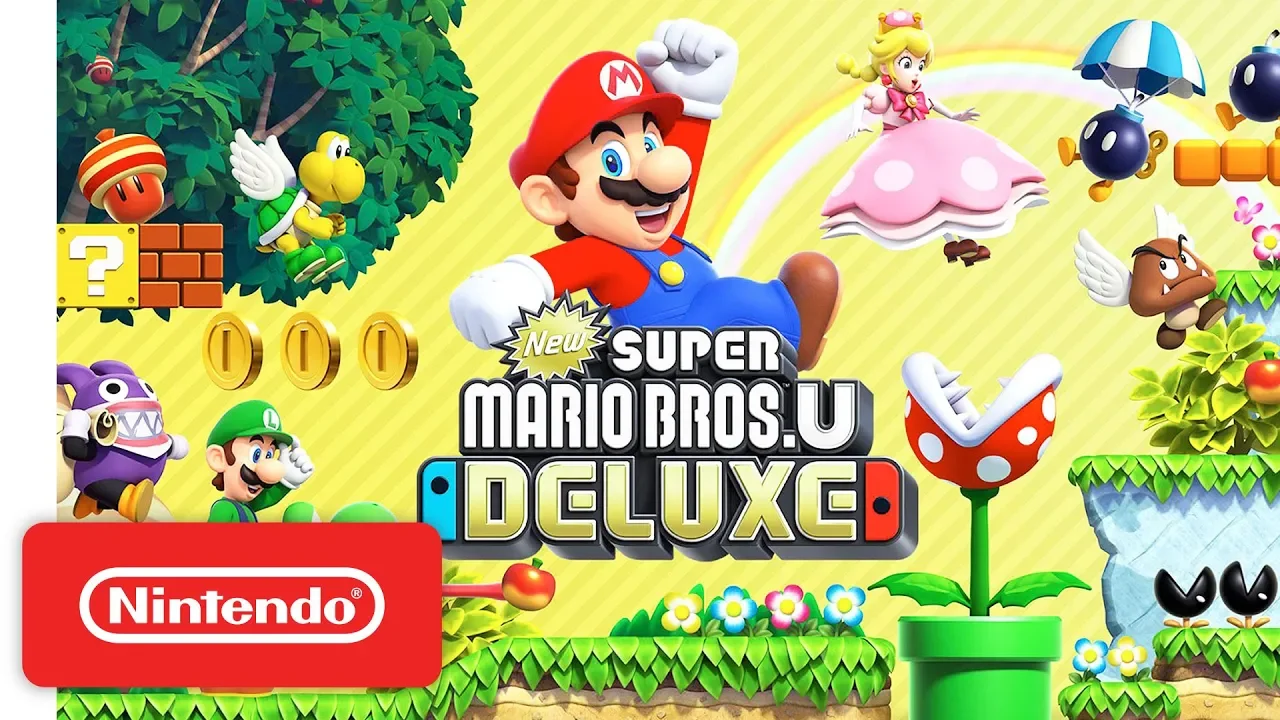
While “New Super Mario Bros.” doesn’s feature a complex narrative, the game effectively utilizes its characters to create memorable moments. The familiar cast of Mario, Luigi, Peach, and Bowser are all present, each with their own distinct personalities. Bowser Jr.’s antics provide comic relief, while Bowser serves as the imposing antagonist. The simplicity of the story allows players to focus on the core gameplay experience, making it both accessible and enjoyable for gamers of all ages.
Sound Design and Acoustic Realism
The sound design in “New Super Mario Bros.” is a crucial element that enhances the overall gaming experience. The iconic sound effects, from Mario’s jump to Bowser’s roar, are instantly recognizable and contribute significantly to the game’s charm. The music complements the visuals perfectly, creating an immersive atmosphere that draws players into the world of the Mushroom Kingdom.
This careful attention to audio detail elevates the game beyond a simple platformer.
Release Expectations and Community Hype
The release of “New Super Mario Bros.” was met with immense anticipation from both critics and fans. The promise of a return to 2D platforming, coupled with the innovative gameplay mechanics, generated significant buzz in the gaming community. The game’s success exceeded expectations, solidifying its place as a must-have title for Nintendo DS owners. This initial hype translated into strong sales figures and critical acclaim, setting the stage for future installments in the “New Super Mario Bros.” series.
Conclusion: The Future of New Super Mario Bros.
“New Super Mario Bros.” was more than just a game; it was a cultural phenomenon that revitalized the 2D platforming genre. Its innovative gameplay mechanics, charming visuals, and memorable characters have cemented its place as a classic title in gaming history. The success of “New Super Mario Bros.” paved the way for future installments in the series, each building upon the foundation laid by this groundbreaking game. Its legacy continues to inspire developers and captivate players around the world.
Source: Wikipedia