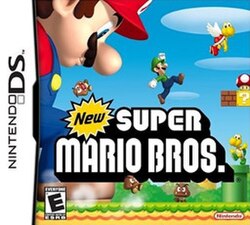
Introduction: The Next Chapter for New Super Mario Bros.
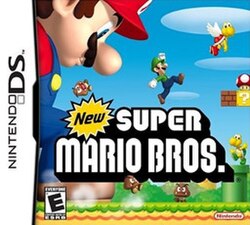
“New Super Mario Bros.” arrived on the Nintendo DS in 2006, marking a significant return to the side-scrolling format that defined the original “Super Mario” games. Developed by Nintendo EAD and directed by Shigeyuki Asuke, this title wasn’t just a revival; it was a reimagining of a beloved franchise for a new generation of gamers. The game aimed to capture the essence of classic Mario gameplay while introducing fresh mechanics and visuals that would resonate with both longtime fans and newcomers alike. Its success played a crucial role in revitalizing the 2D platforming genre, proving that there was still immense appeal in the simple yet addictive formula that had made “Super Mario” a global phenomenon.
Visual Direction and Graphics Engineering
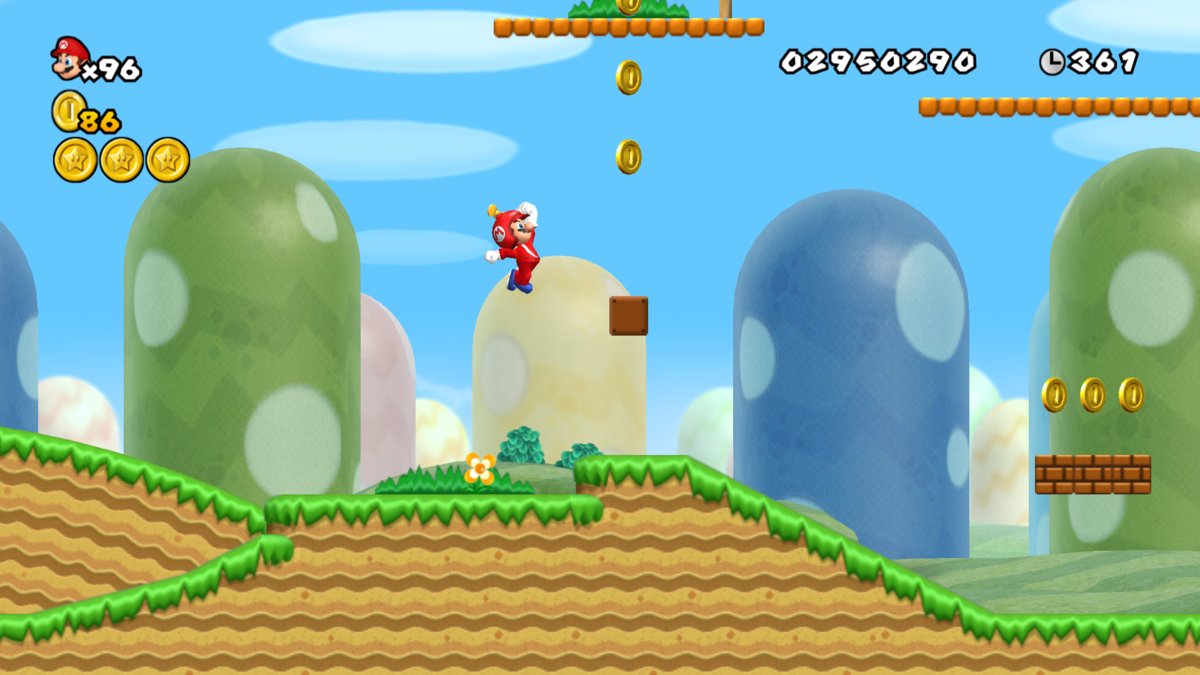
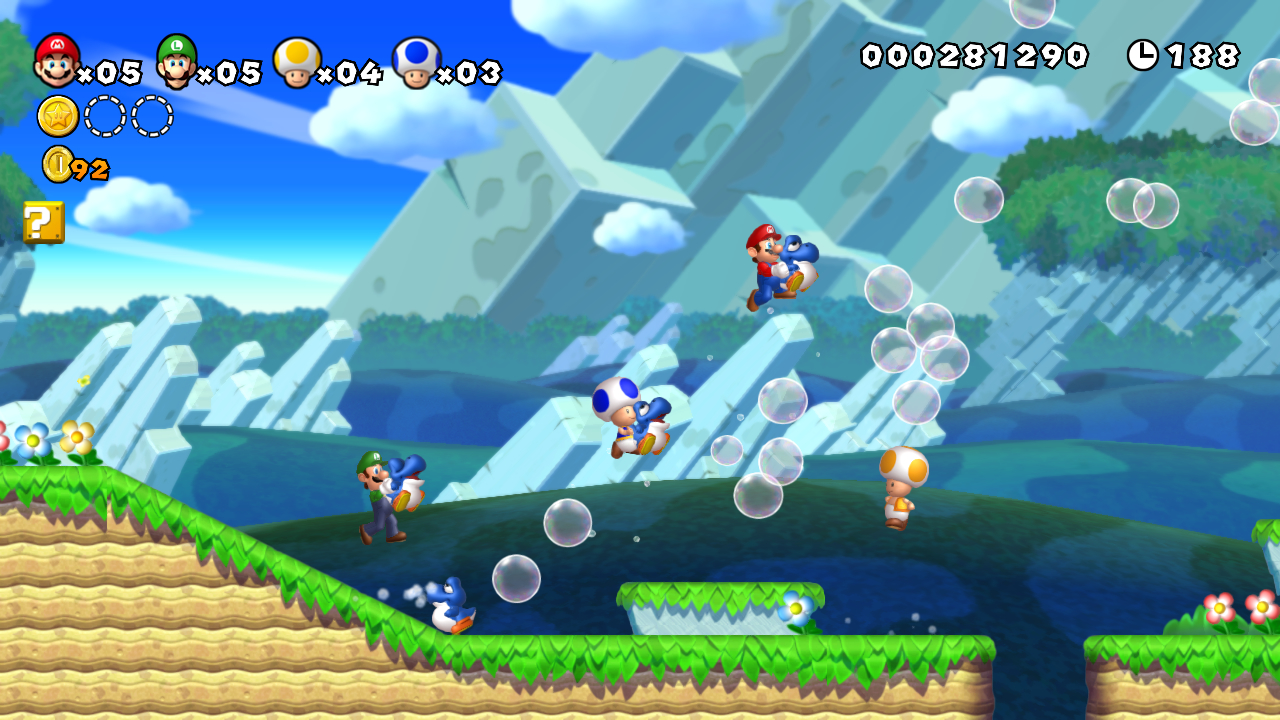
The visual direction of “New Super Mario Bros.” was a deliberate blend of nostalgia and innovation. While retaining the iconic character designs and vibrant color palettes associated with the franchise, the game leveraged the capabilities of the Nintendo DS to create a more detailed and expressive world. The use of layered sprites and dynamic lighting effects added depth and dimension to the environments, making them feel more alive than their pixelated predecessors. This careful balance between familiar aesthetics and modern graphical techniques was key to its success, appealing to both veteran players and those experiencing Mario for the first time on a handheld device. The engine itself, a proprietary creation by Nintendo, was optimized for the DS’s hardware, ensuring smooth performance even during intense action sequences.
Gameplay Mechanics and Core Systems
“New Super Mario Bros.” built upon the established foundation of Mario gameplay with several key additions. The introduction of the “Mega Mushroom,” which allowed Mario to grow to enormous size, added a new dimension to exploration and combat. Similarly, the “Mini Mushroom” offered a unique way to navigate tight spaces and discover hidden secrets. The addition of wall-jumping provided increased maneuverability and opened up new possibilities for level design. These additions weren’t just superficial; they were integrated seamlessly into the core gameplay loop, encouraging experimentation and rewarding players who mastered their use. The controls remained intuitive and responsive, making it easy for anyone to pick up and play, regardless of their experience with platforming games.
Level Design and World Atmosphere
The level design in “New Super Mario Bros.” was a masterclass in balancing challenge and accessibility. Each world presented a variety of environments, from lush forests to icy caverns, each meticulously crafted to provide a unique visual and gameplay experience. The levels were filled with hidden blocks, secret passages, and challenging platforming sections that rewarded exploration and skillful execution. Bowser Jr.’s presence was felt throughout the game, adding a sense of urgency and danger to the proceedings. The atmosphere was consistently engaging, thanks to the vibrant visuals, catchy music, and clever use of environmental storytelling.
Narrative Depth and Character Profiles
While “New Super Mario Bros.” primarily focused on gameplay, it still managed to deliver a charming narrative that tied everything together. The story, as always, revolved around rescuing Princess Peach from the clutches of Bowser. However, this time, Bowser Jr. played a more prominent role, acting as Bowser’s mischievous and often comical accomplice. While the characters themselves were familiar archetypes, their interactions and animations added a layer of personality that made them endearing to players. The game didn’s delve into complex storytelling, but it provided enough context to keep players invested in Mario’s quest.
Sound Design and Acoustic Realism
The sound design in “New Super Mario Bros.” was another area where the game excelled. The iconic sound effects, from Mario’s jump to Bowser’s roar, were instantly recognizable and added a sense of weight and impact to the gameplay. The music, composed by Asuka Hayazaki, Hajime Wakai, and Koji Kondo, perfectly complemented the visuals and atmosphere, creating an immersive and engaging experience. The use of dynamic audio cues further enhanced the sense of realism, making it feel like Mario was truly interacting with his environment.
Release Expectations and Community Hype
The release of “New Super Mario Bros.” was met with immense anticipation from both critics and fans. Nintendo had teased the game for months, promising a return to the classic side-scrolling gameplay that made the original “Super Mario” games so beloved. The hype surrounding the game was palpable, and when it finally arrived on the Nintendo DS, it exceeded all expectations. The game quickly became a critical and commercial success, selling over 30 million copies worldwide.
Conclusion: The Future of New Super Mario Bros.
“New Super Mario Bros.” wasn’t just a great game; it was a pivotal moment in the history of platforming games. It proved that there was still a huge appetite for classic gameplay, even in an era dominated by 3D titles. Its success paved the way for future installments in the “New Super Mario Bros.” series, each building upon the foundation laid by its predecessor. The game’s legacy continues to this day, inspiring new generations of gamers and reminding us all of the simple joys of running, jumping, and saving the princess.
Source: Wikipedia


