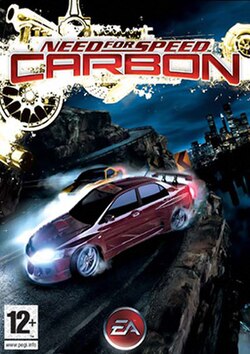
Introduction: The Next Chapter for Need for Speed: Carbon
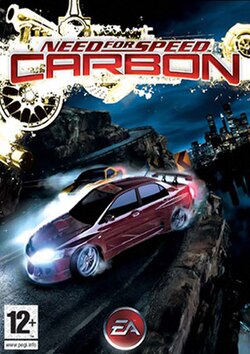
Need for Speed: Carbon, released in 2006 by EA Black Box, arrived as the tenth installment in a franchise already steeped in history and expectation. Following closely on the heels of *Most Wanted*, it aimed to build upon that success while introducing new elements designed to both challenge veteran players and entice newcomers. The game positioned itself as more than just another racing title; it promised a deeper narrative, enhanced customization options, and a refined gameplay experience. This Masterclass Deep-Dive will dissect every facet of Carbon, from its visual direction to its community impact, providing an in-depth analysis for the discerning gamer.
Visual Direction and Graphics Engineering
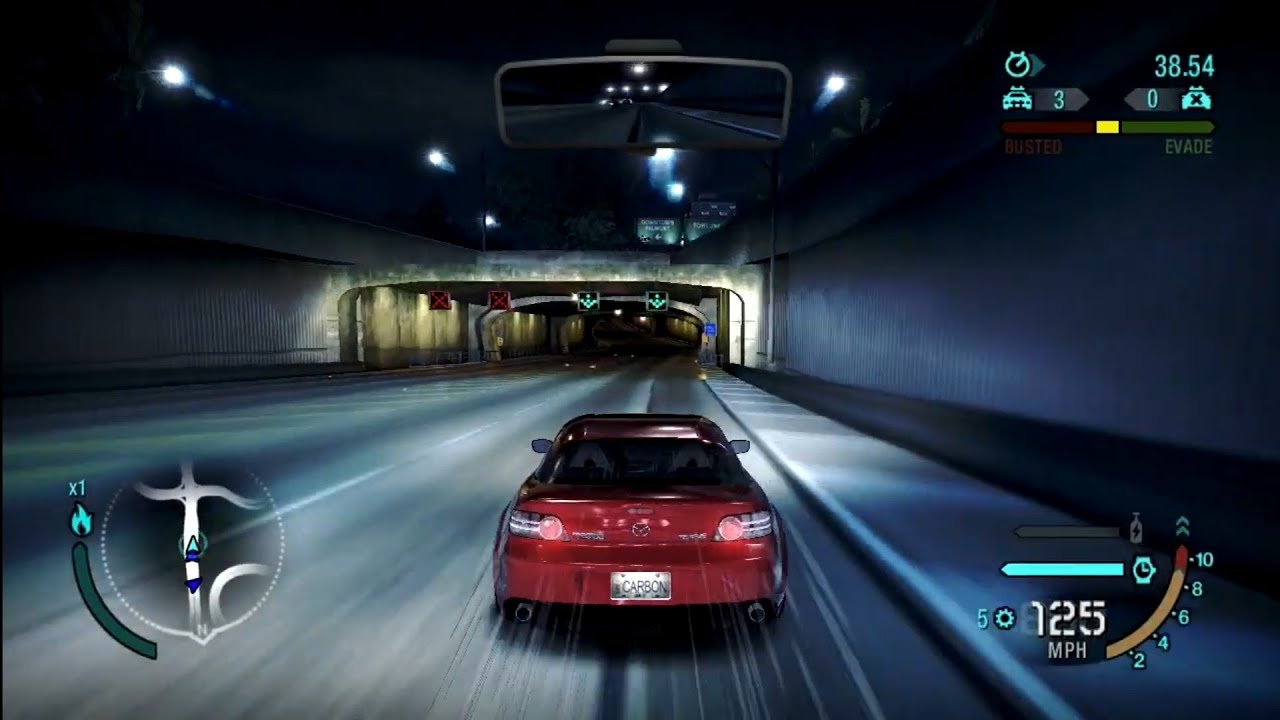
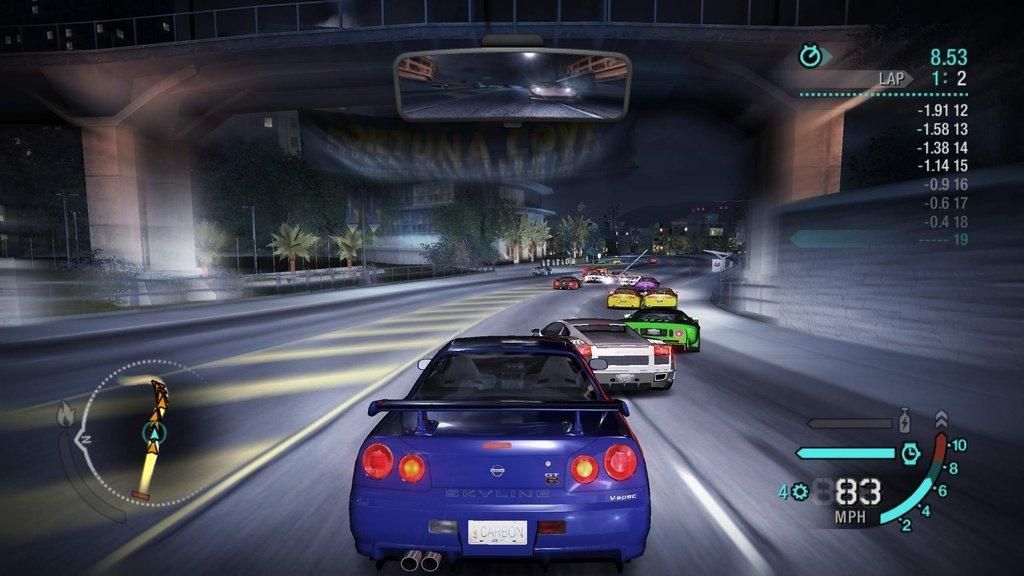
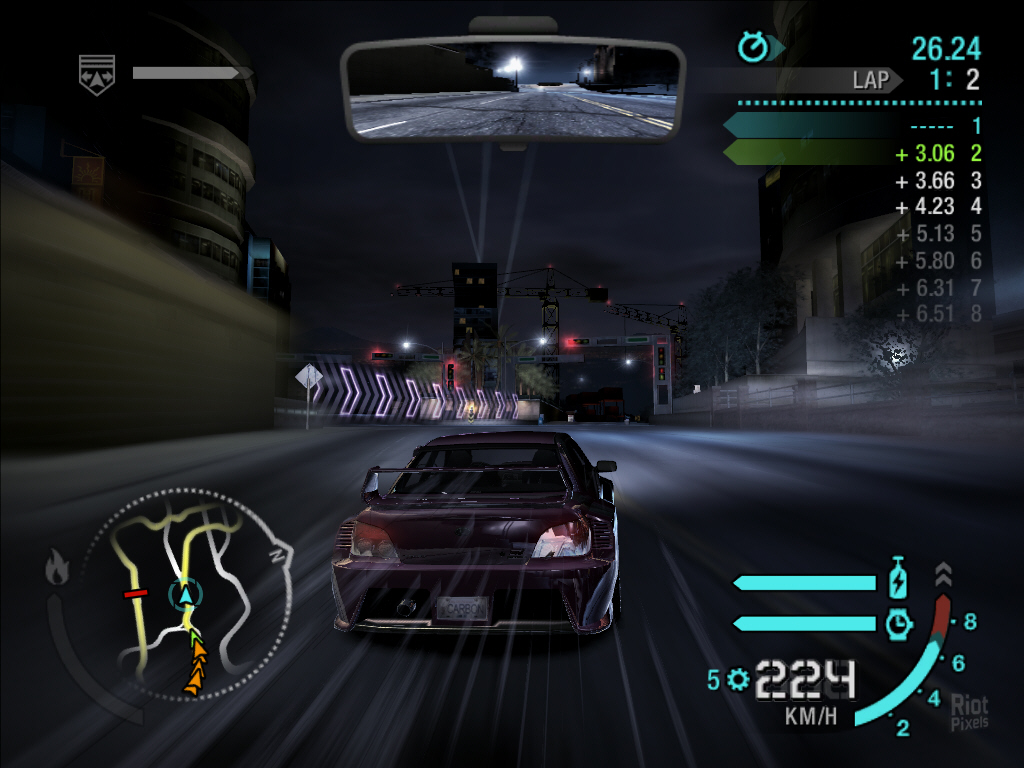
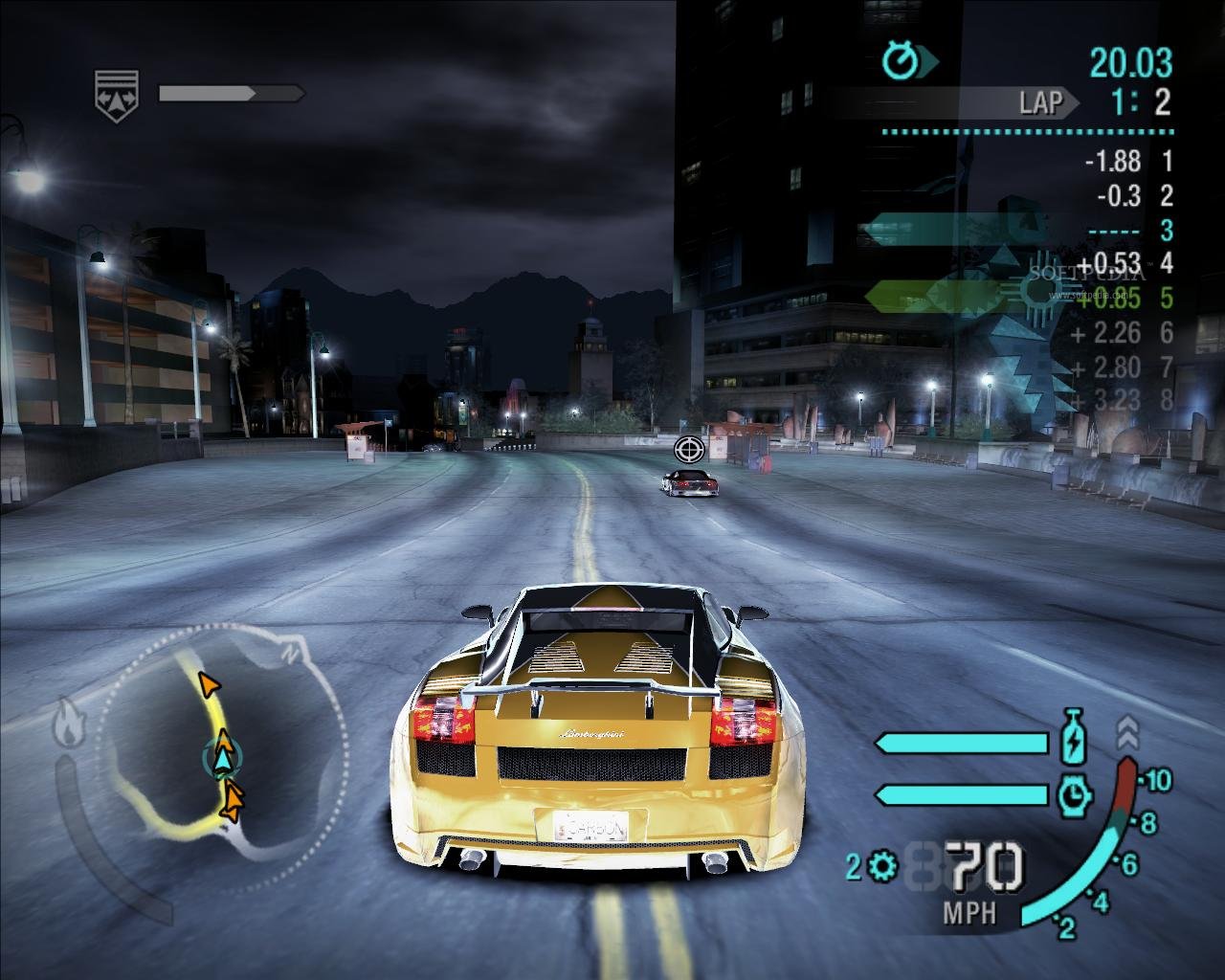
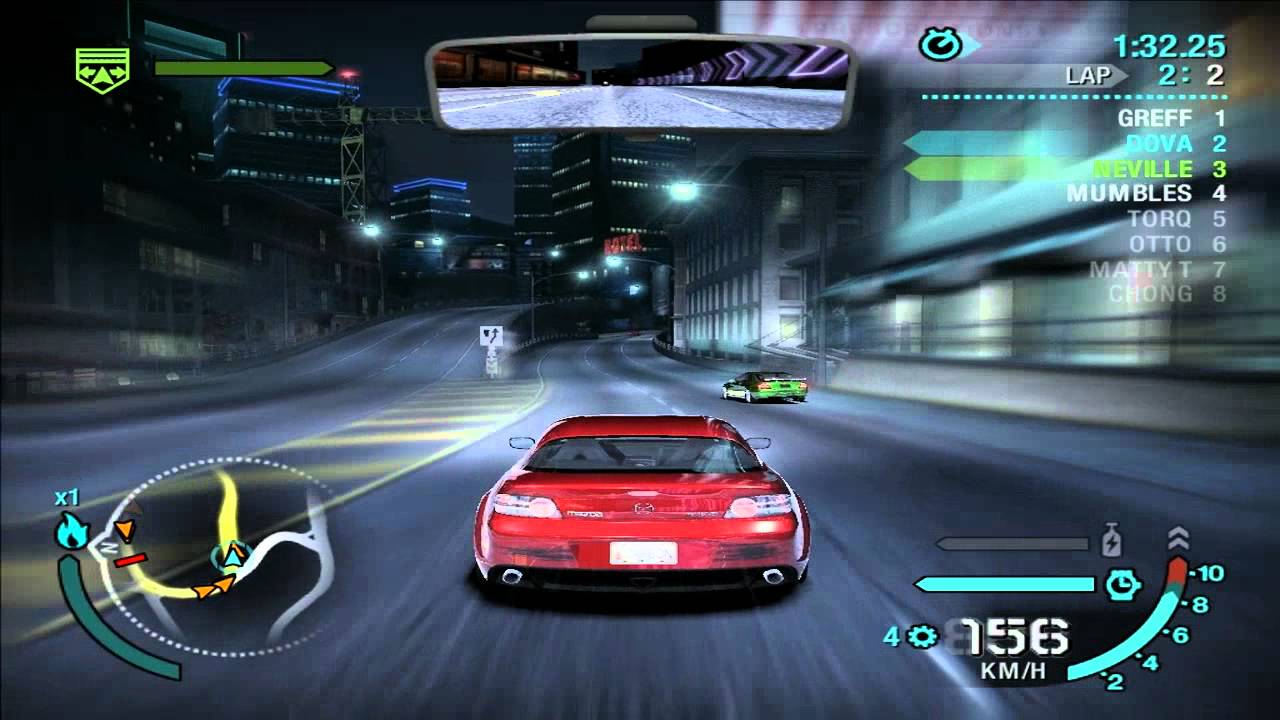
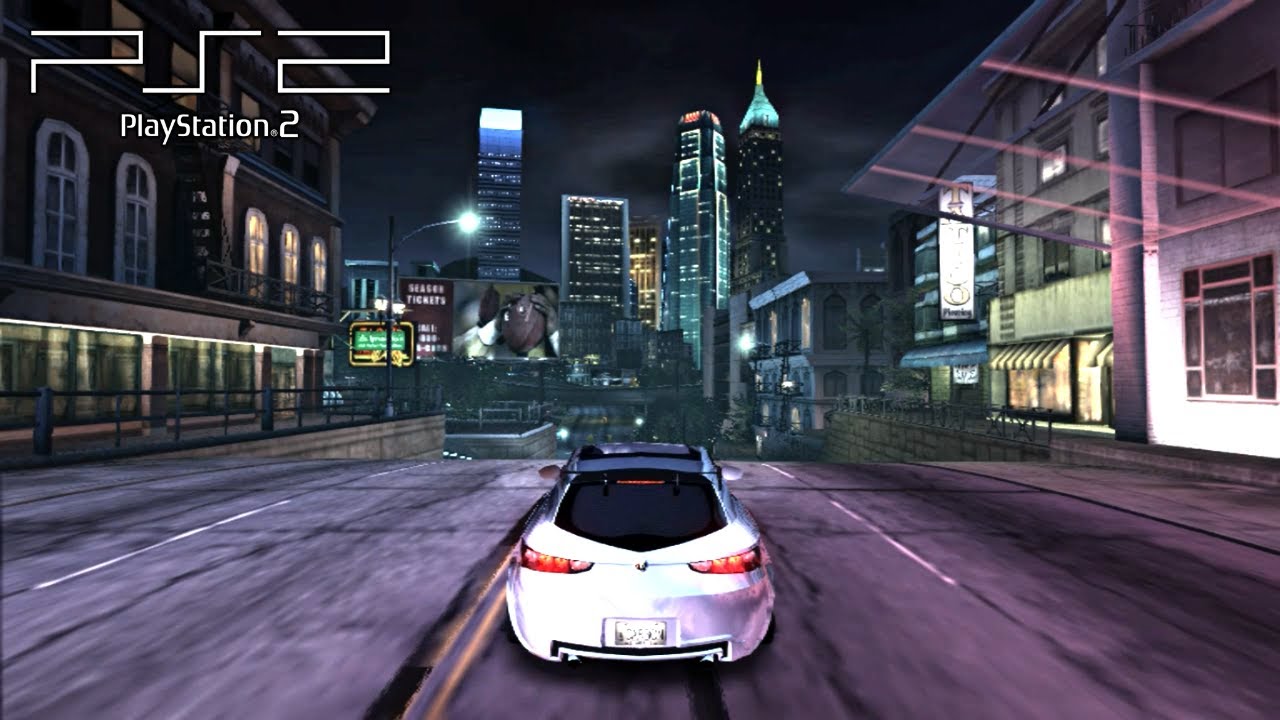
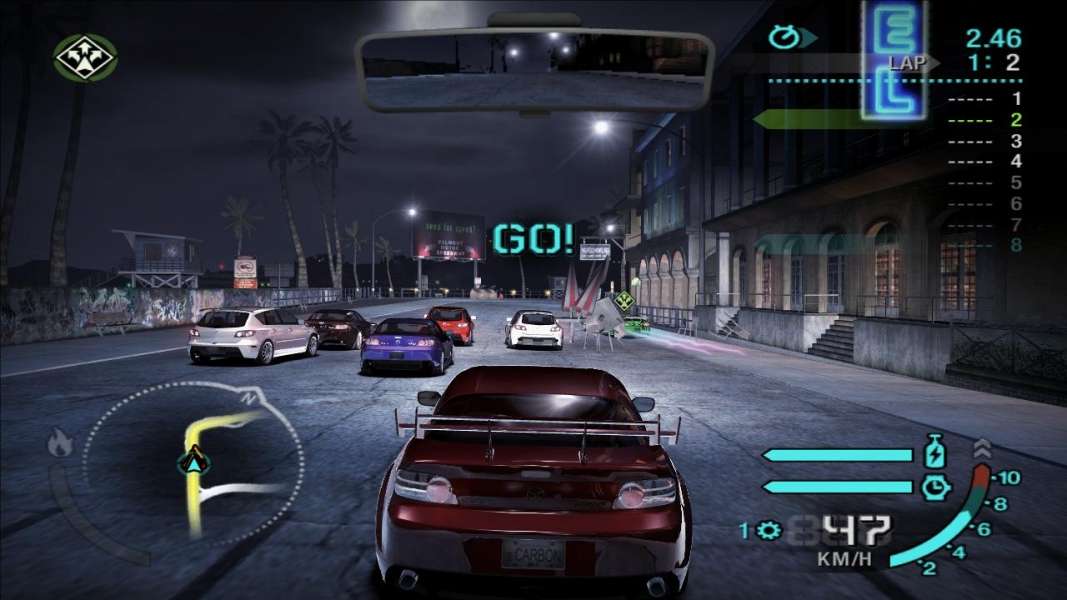
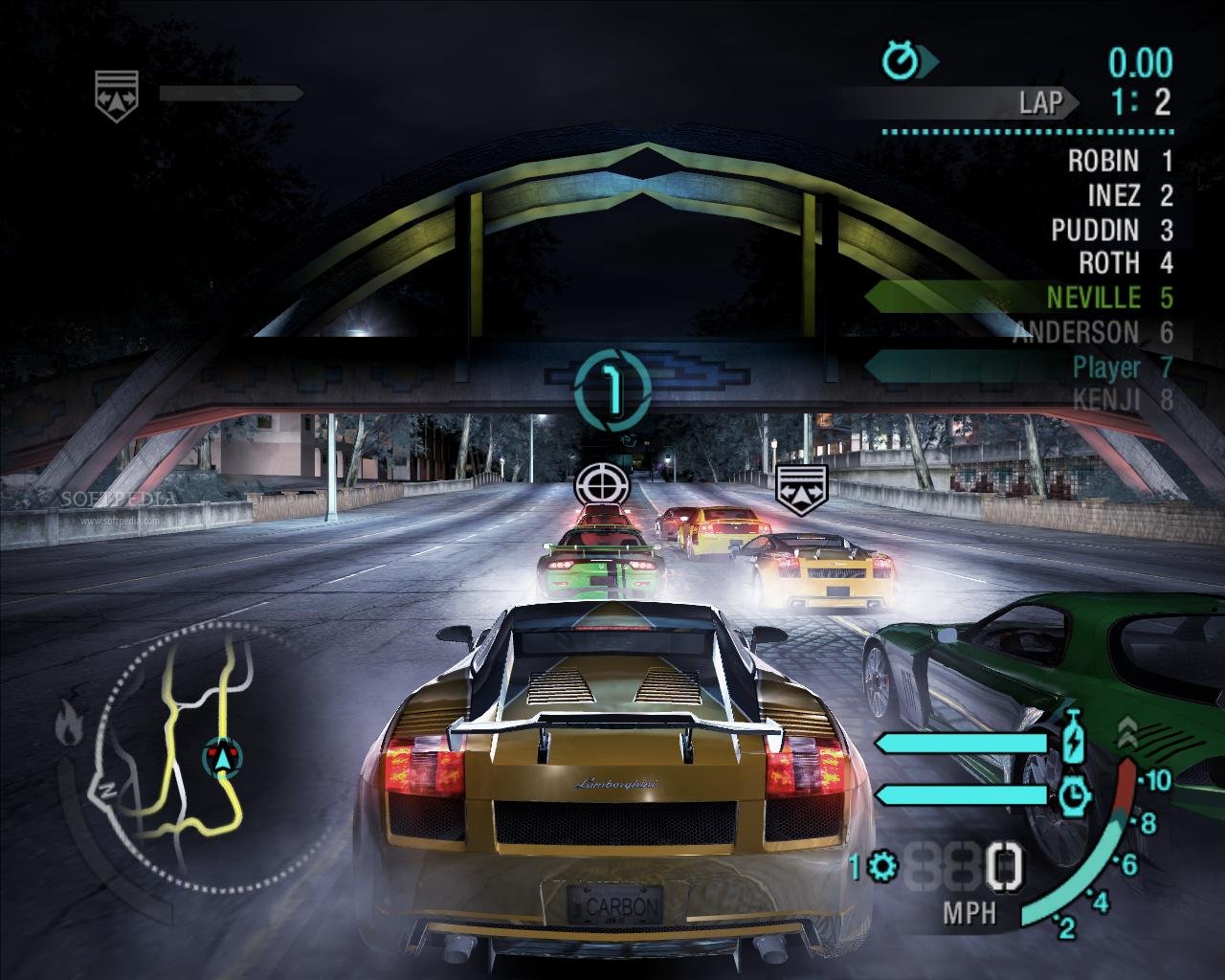
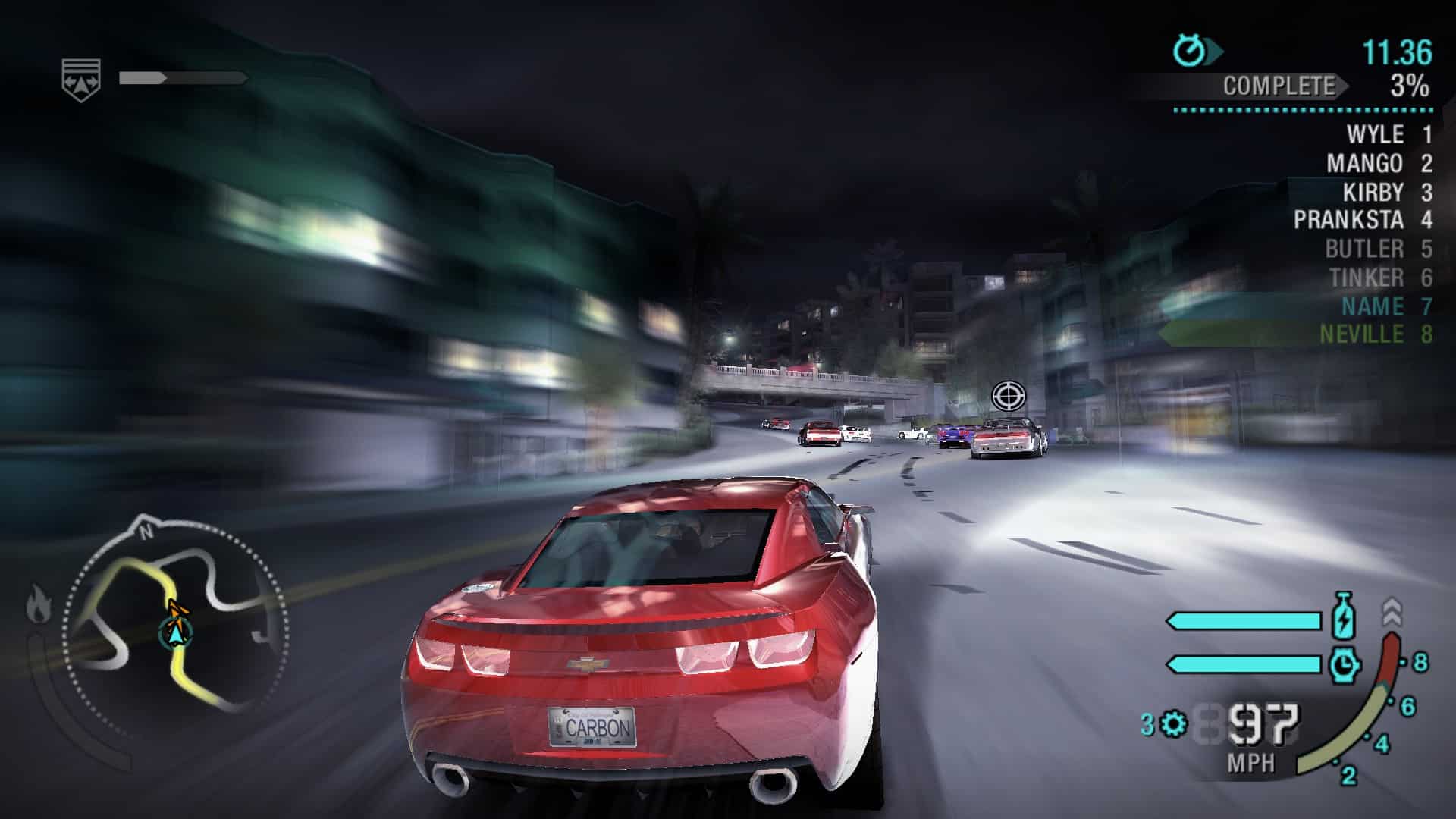
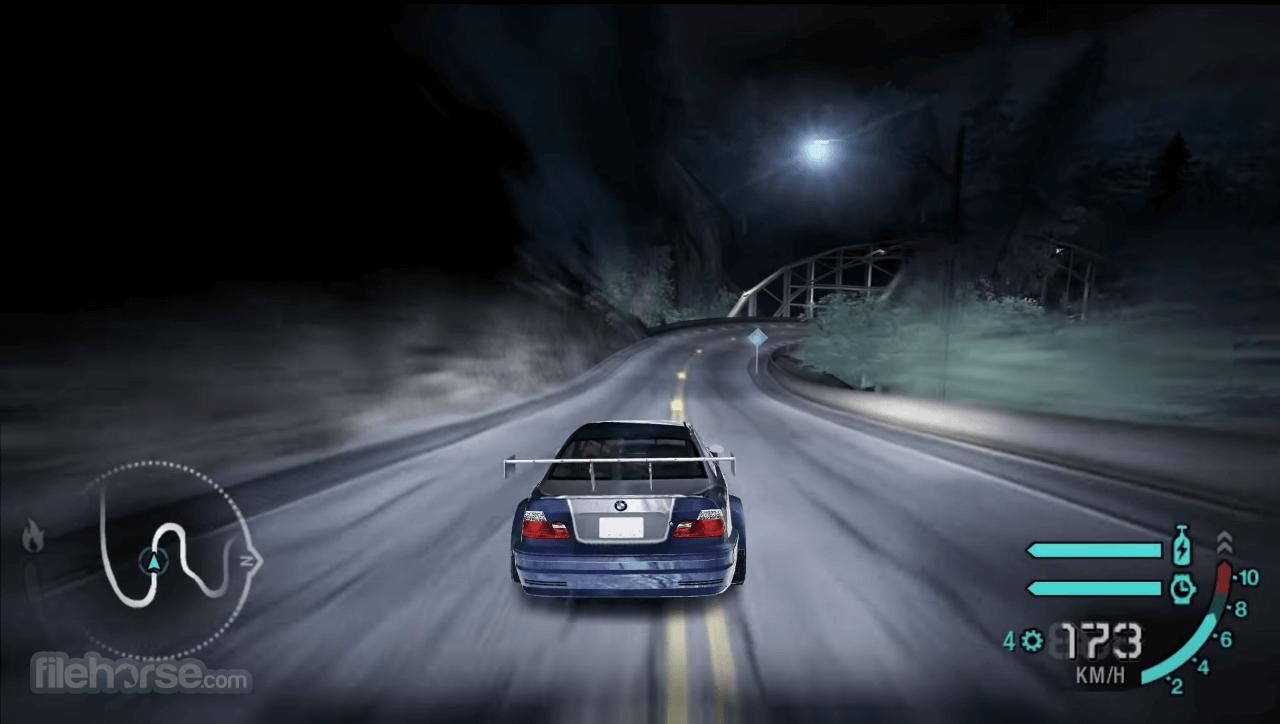
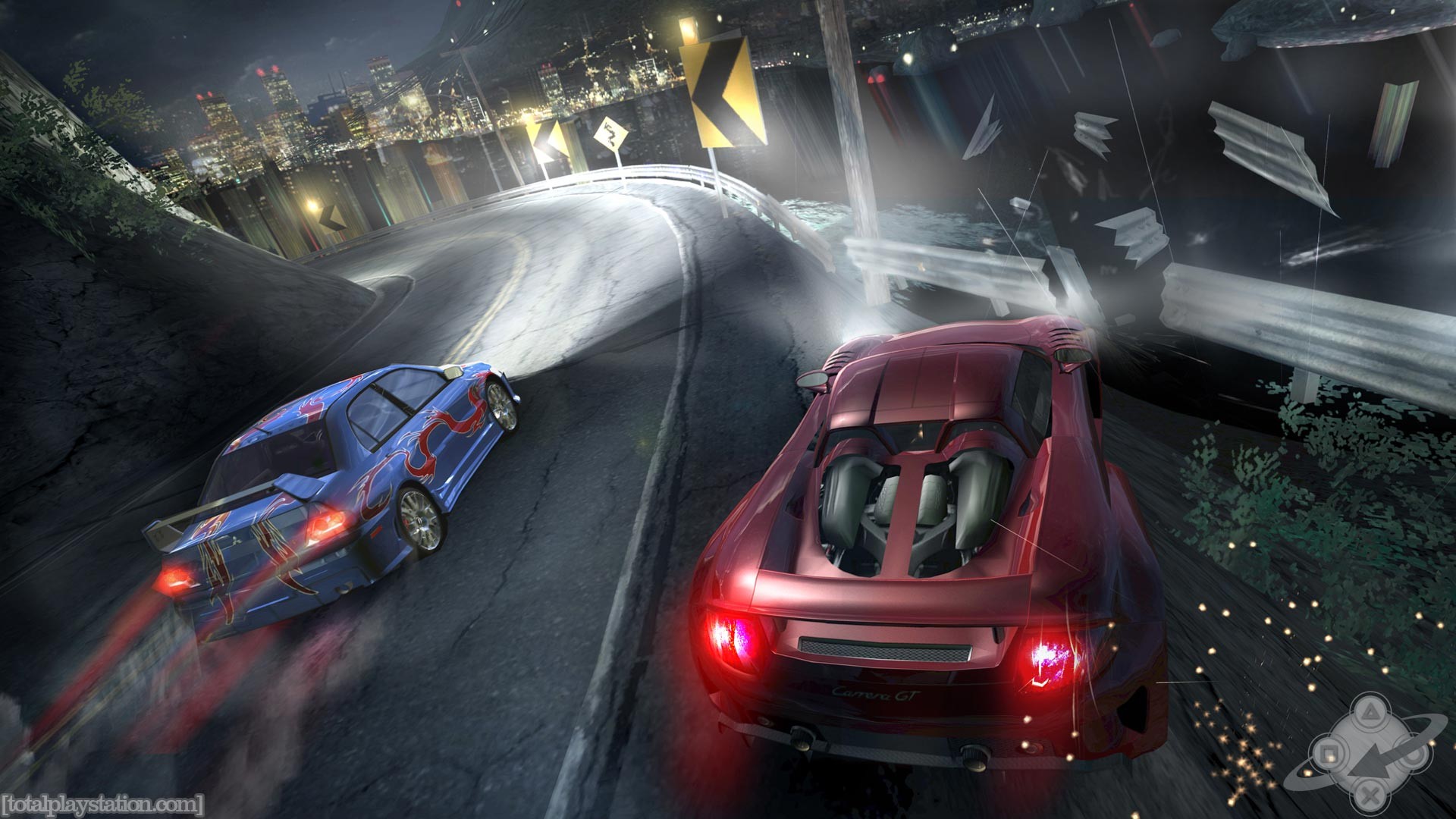
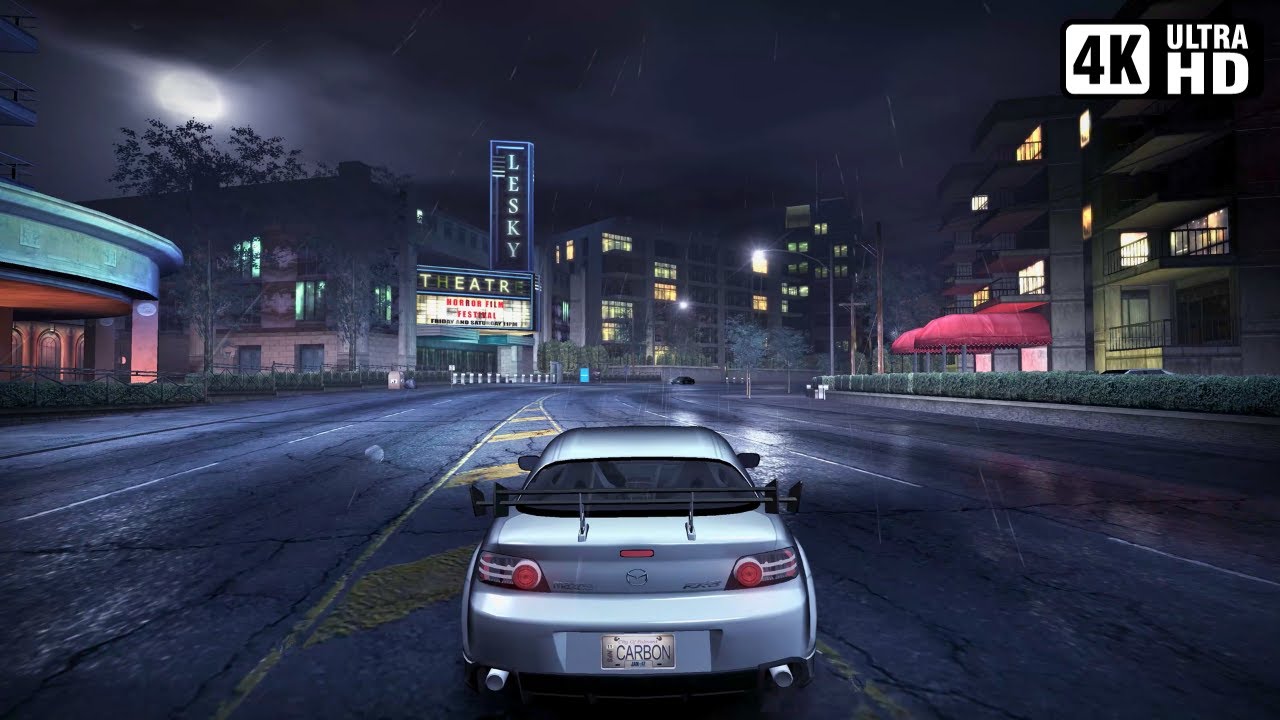
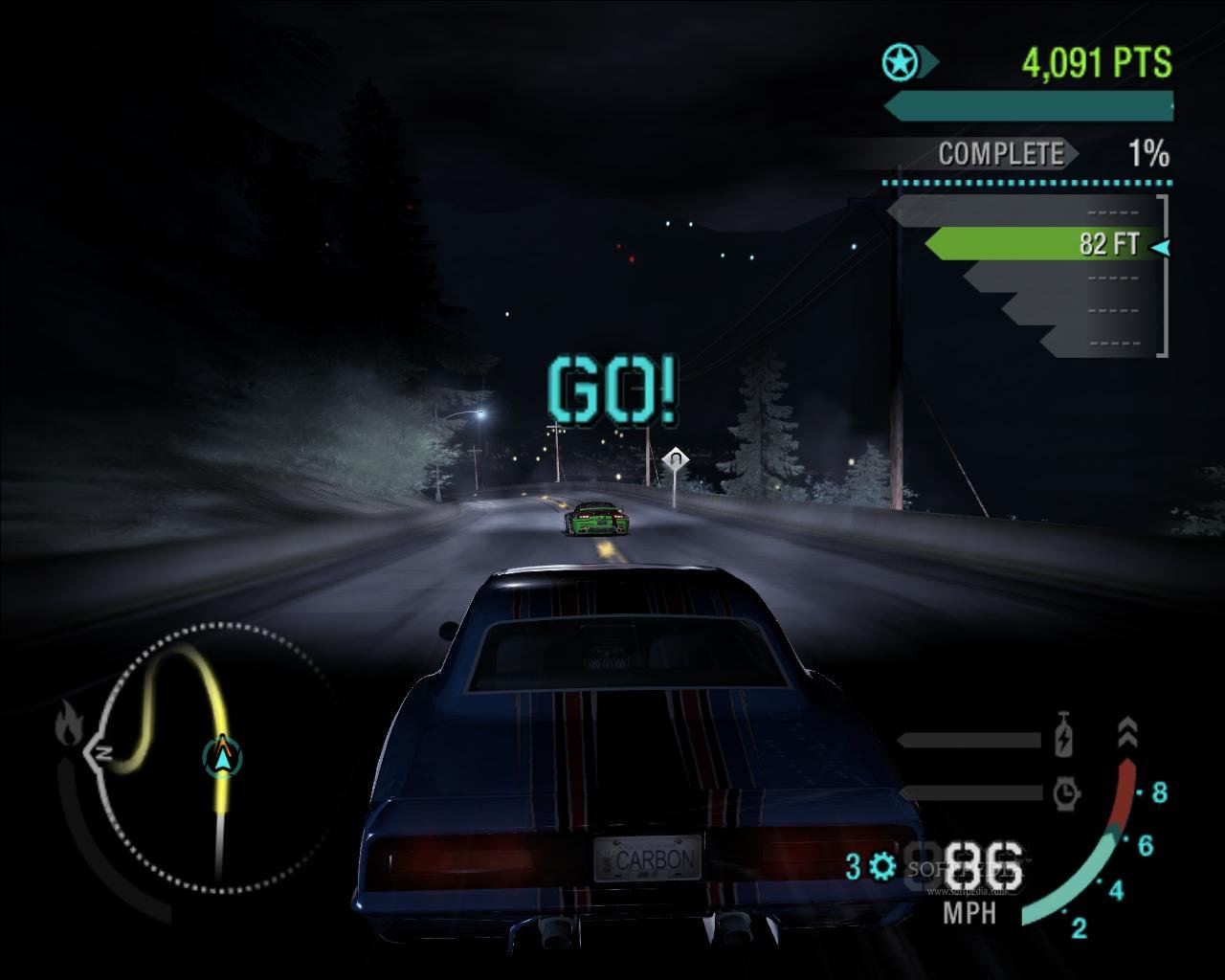
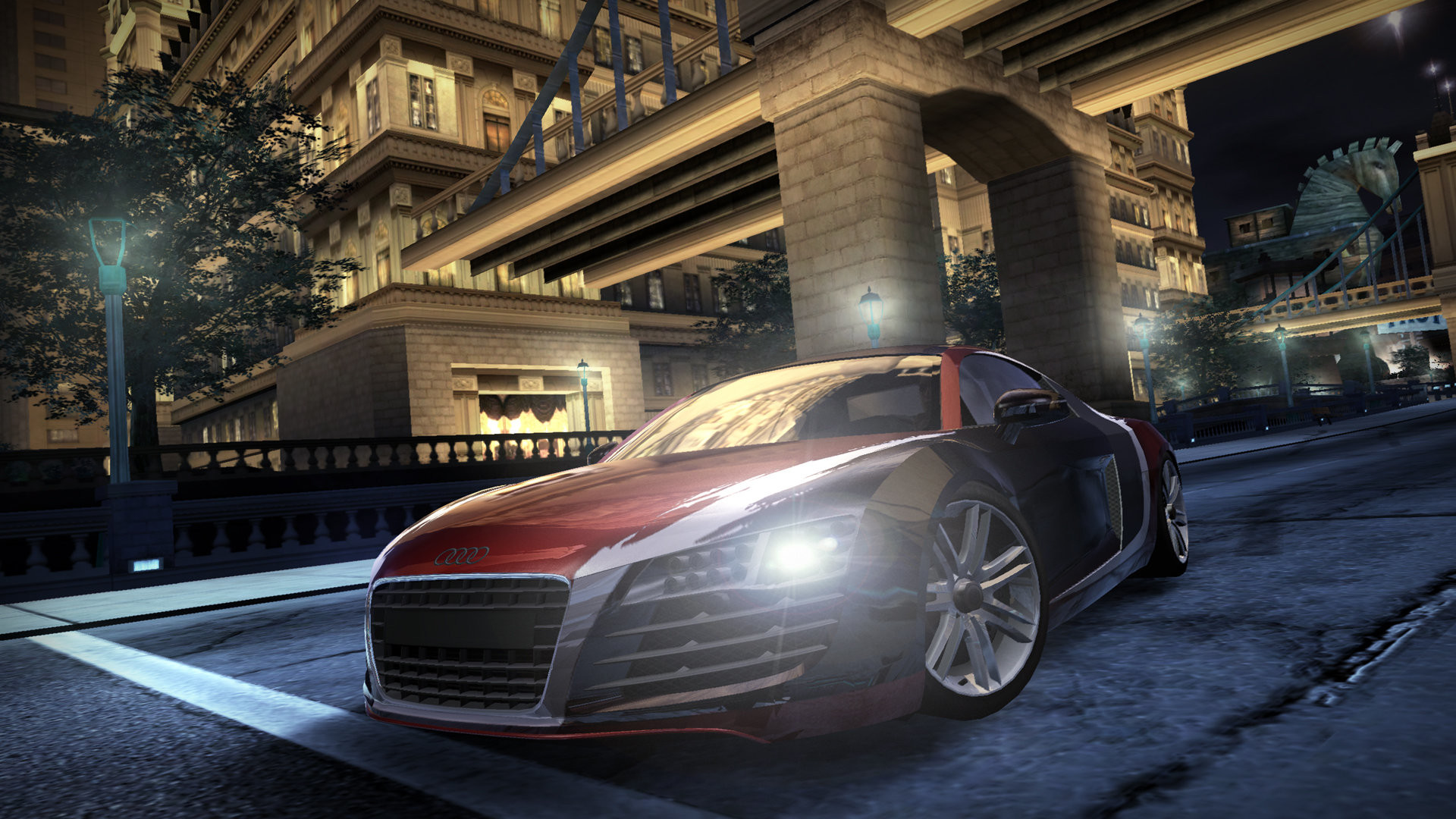
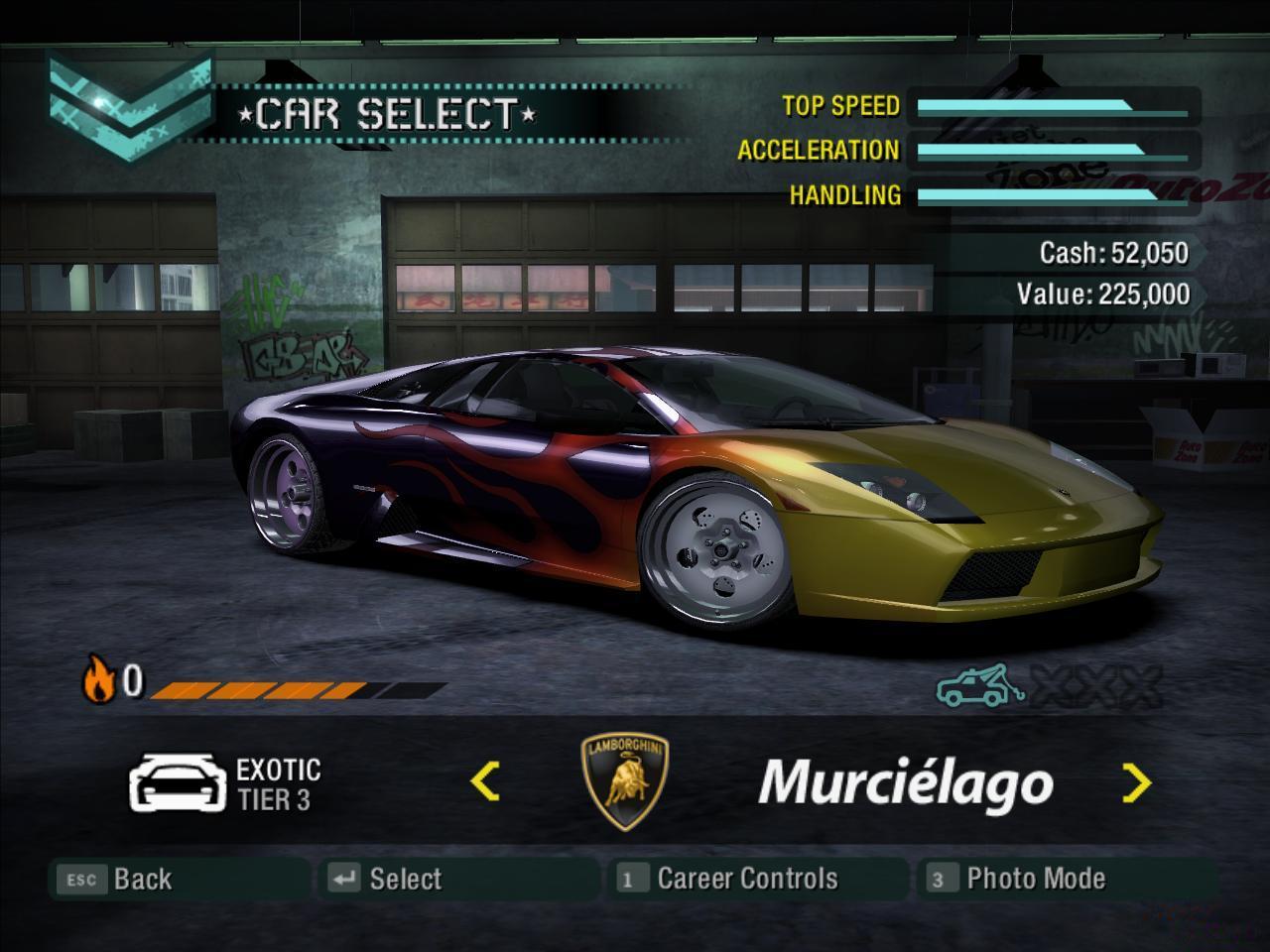
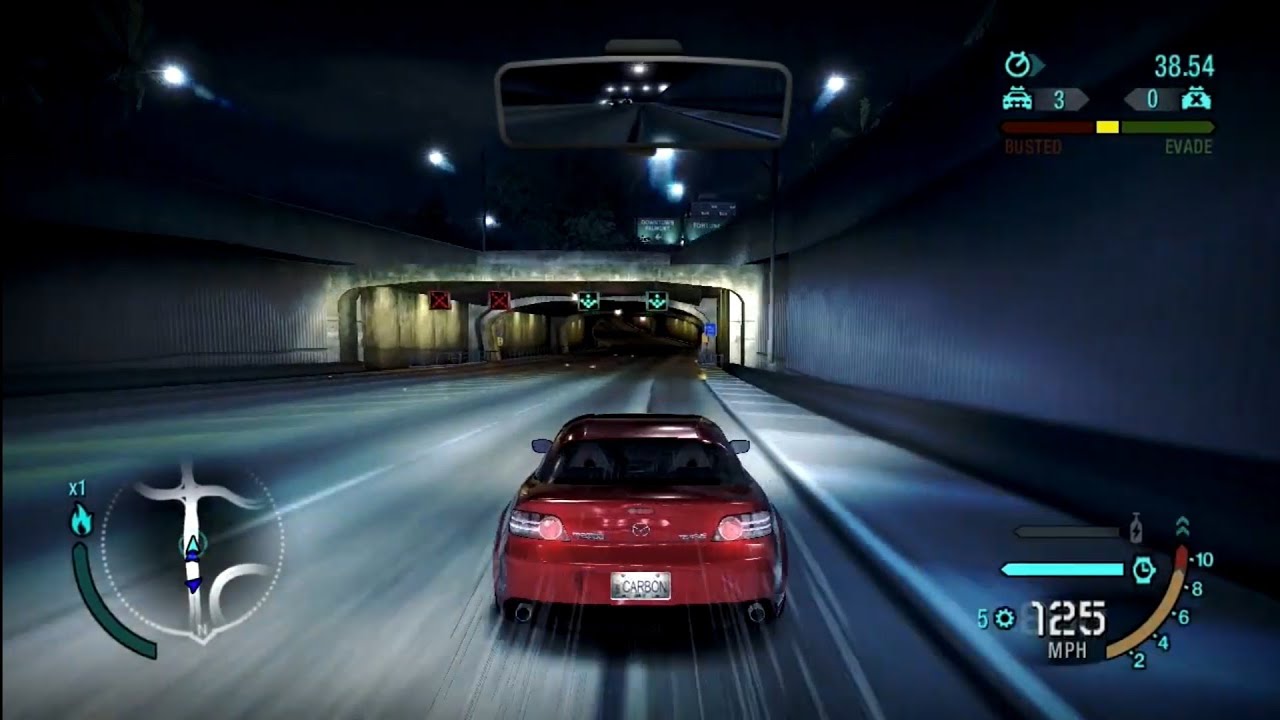
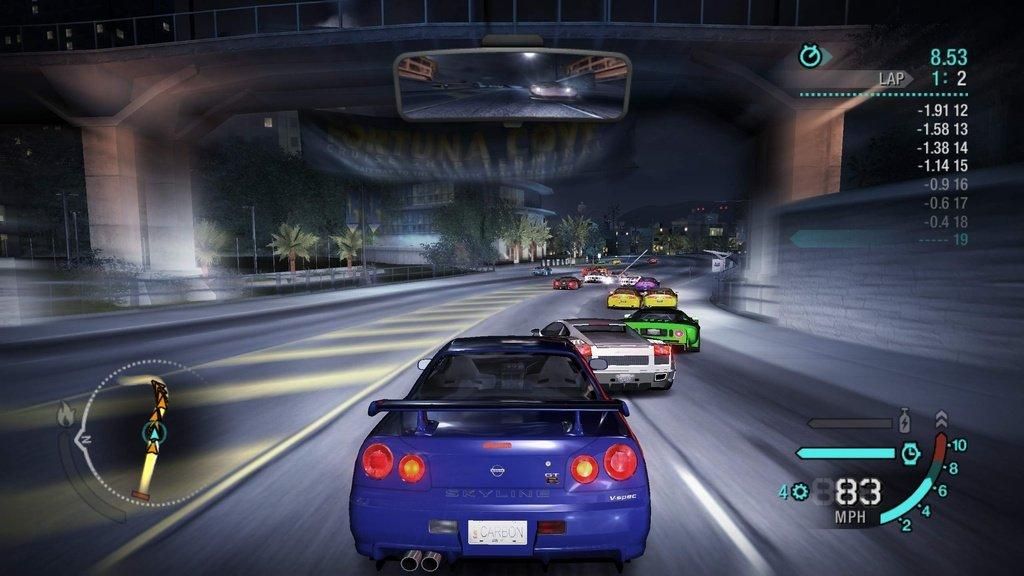
EA Black Box opted for a proprietary “Next-Gen” engine for *Need for Speed: Carbon*, aiming to deliver a visually impressive experience across multiple platforms, including the then-new Xbox 260 and PlayStation 3. While not pushing the boundaries of graphical fidelity as seen in some contemporary titles, the game successfully captured the atmosphere of Palmont City with its detailed environments and dynamic lighting. The car models themselves were meticulously crafted, showcasing a level of detail that allowed players to appreciate the vehicles both in motion and during customization sequences. The visual style leaned towards realism, but with a touch of stylized flair that made the game accessible and appealing to a broad audience. Optimization was clearly a priority, ensuring smooth performance even on less powerful hardware like the PlayStation 2 and original Xbox.
Gameplay Mechanics and Core Systems
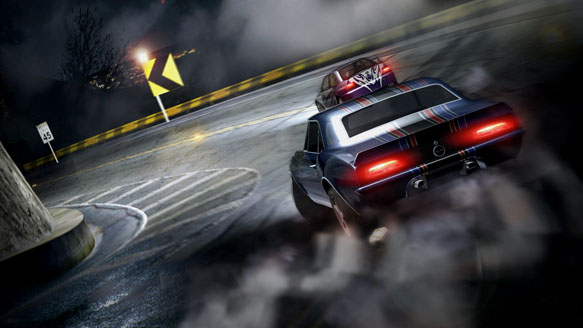
*Need for Speed: Carbon* refined the open-world racing experience introduced in *Most Wanted*. The core gameplay loop revolved around street races, police chases (though toned down compared to its predecessor), and a new “Crew” system. Players built their own crew by recruiting racers from across Palmont City, each offering unique skills and benefits. This added a layer of strategic depth, as players had to carefully consider which racers to recruit based on their strengths and weaknesses. The driving mechanics were responsive and intuitive, allowing for both casual enjoyment and skilled maneuvers. Car customization remained a central pillar, with an expanded range of visual modifications and performance upgrades available.
Level Design and World Atmosphere
Palmont City served as the backdrop for *Need for Speed: Carbon*, offering a diverse range of environments to explore. From bustling downtown streets to winding coastal roads, each location was meticulously designed to provide both visual appeal and challenging driving experiences. The level design encouraged exploration, with hidden shortcuts and alternate routes rewarding players who ventured off the beaten path. The game successfully captured the atmosphere of a vibrant urban landscape, complete with dynamic weather effects and ambient sounds that brought the city to life.
Narrative Depth and Character Profiles
The storyline in *Need for Speed: Carbon* focused on the player’s character taking control of Palmont City from various street-racing gangs. While not groundbreaking, the narrative provided a framework for the gameplay and introduced a cast of memorable characters. The “Crew” system added another layer to the story, as players interacted with their recruited racers and learned more about their individual motivations. The game attempted to create a sense of camaraderie and loyalty within the player’s crew, adding emotional weight to the overall experience.
Sound Design and Acoustic Realism
The sound design in *Need for Speed: Carbon* played a crucial role in immersing players in the world of street racing. The engine roars, tire squeals, and crash sounds were all meticulously recorded and implemented to create a visceral and authentic audio experience. The soundtrack featured a mix of licensed music tracks that complemented the game’s high-octane atmosphere. Trevor Morris composed the original score, adding another layer of depth and emotional resonance to the gameplay.
Release Expectations and Community Hype
*Need for Speed: Carbon* arrived on the market with significant hype surrounding its release. Following the success of *Most Wanted*, players were eager to experience the next evolution of the franchise. The game was released across multiple platforms, including the PlayStation 2, Xbox, Xbox 360, GameCube, Windows, and Mac OS X, as well as a launch title for the PlayStation 3 and Wii. The portable versions, *Need for Speed: Carbon – Own the City*, further expanded the reach of the game to handheld devices.
Conclusion: The Future of Need for Speed: Carbon
*Need for Speed: Carbon*, while not without its flaws, represented a solid entry in the long-running franchise. It built upon the foundations laid by *Most Wanted*, introducing new gameplay elements and refining existing mechanics. While it may not have reached the same level of critical acclaim as some of its predecessors, it remains a fondly remembered title for many fans of the series. The game’s legacy continues to influence modern racing games, demonstrating the enduring appeal of open-world street racing.
Source: Wikipedia