Introduction: The Next Chapter for Need for Speed: Carbon
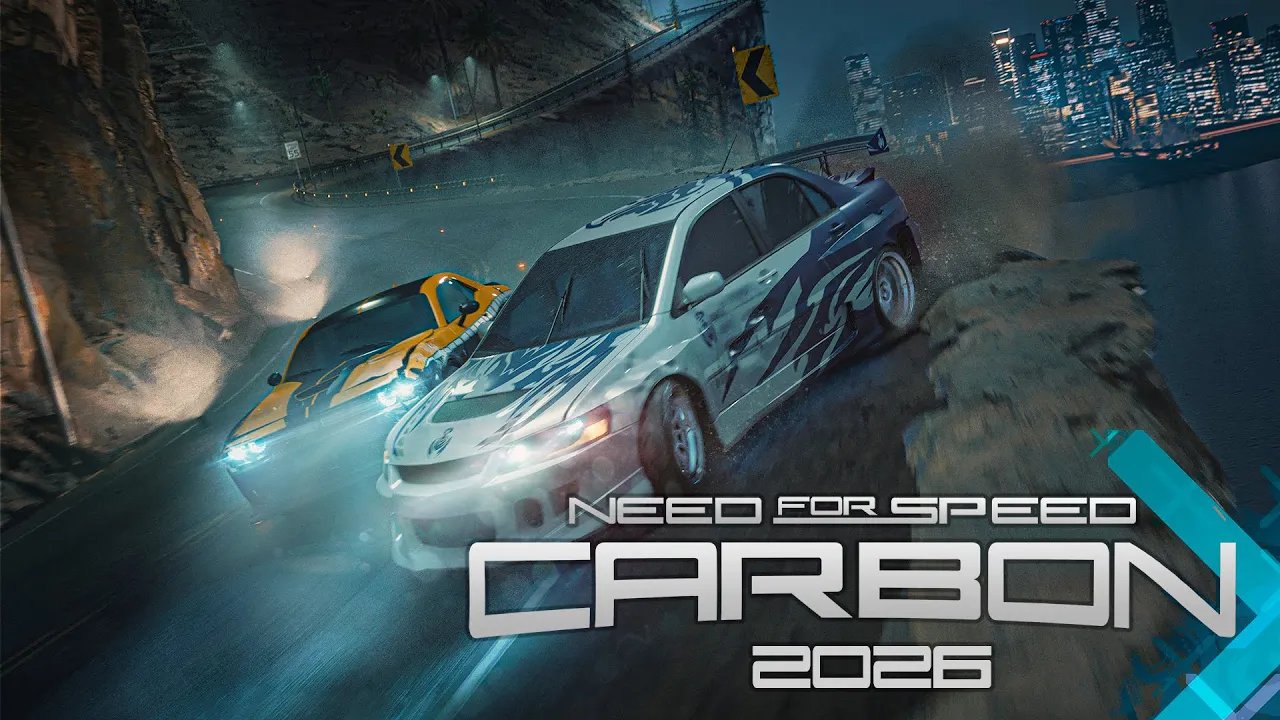
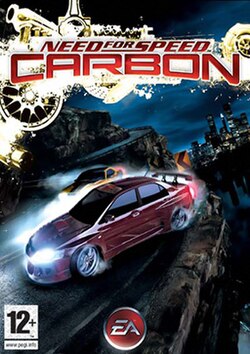
Need for Speed: Carbon, released in 2006 by EA Black Box, arrived as the tenth installment in a franchise already steeped in history and expectation. Following the adrenaline-fueled intensity of *Most Wanted*, *Carbon* aimed to build upon that success while introducing new elements focused on crew management and territorial control. The game promised a deeper narrative experience, enhanced customization options, and a more dynamic open world, setting the stage for what many hoped would be another landmark title in the Need for Speed lineage.
Visual Direction and Graphics Engineering
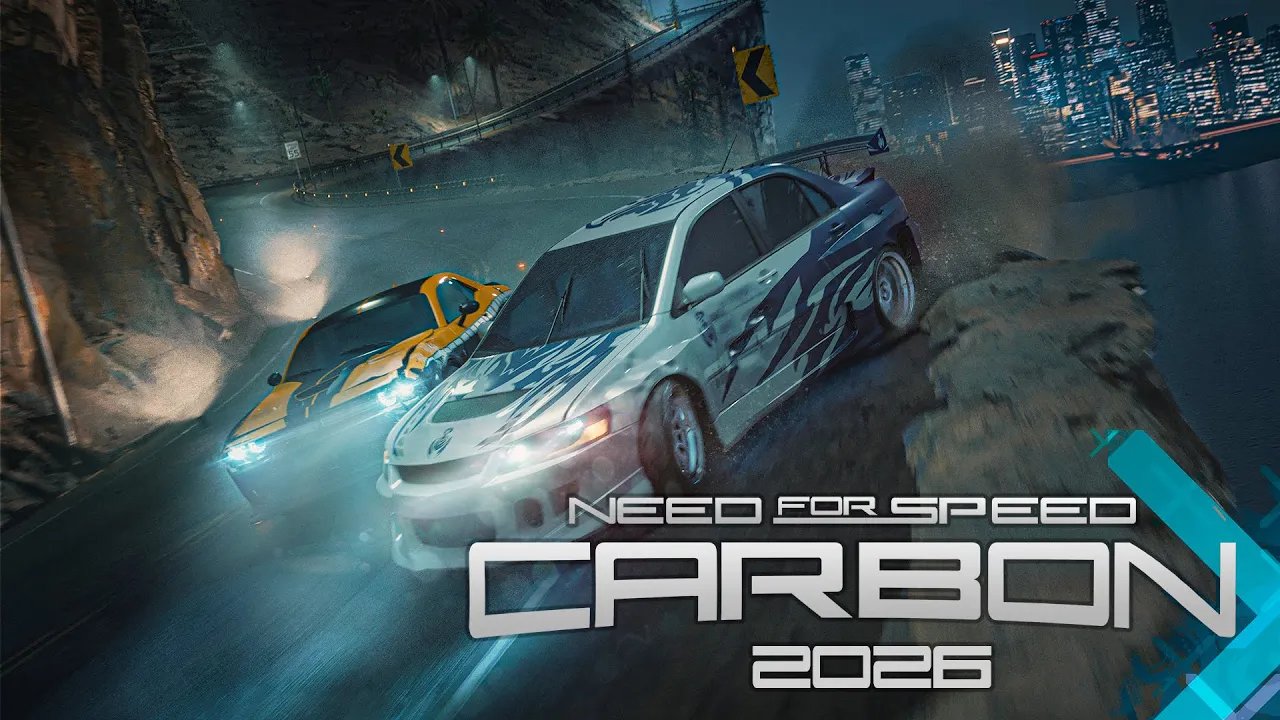
*Carbon*’s visual direction represented an evolution from its predecessors, leveraging a proprietary “Next-Gen” engine designed to push the boundaries of contemporary hardware. While not groundbreaking by today’s standards, the game featured detailed car models with realistic reflections and damage modeling. The environments, set within the fictional city of Palmont City, offered a mix of urban landscapes and winding roads, all rendered with a level of detail intended to immerse players in the racing experience. The graphics engine allowed for dynamic weather effects and time-of-day transitions, further enhancing the game’s atmosphere. However, limitations inherent in the hardware of the era meant that draw distances and texture resolutions were often compromises.
Gameplay Mechanics and Core Systems
The core gameplay loop remained true to the Need for Speed formula: high-speed racing, police chases, and extensive car customization. *Carbon* introduced a new “Crew” system, where players could recruit racers from various gangs to assist in races and territorial control. This added a strategic layer to the game, as players had to manage their crew’s strengths and weaknesses to succeed. The open-world structure allowed for free exploration and impromptu races, while the police chases remained a thrilling (and often frustrating) element of the experience.
Level Design and World Atmosphere
Palmont City was designed as a sprawling urban playground, offering a diverse range of environments to explore. From bustling downtown areas to winding coastal roads, each location offered unique challenges and opportunities for racing. The level design encouraged players to discover hidden shortcuts and alternative routes, adding replayability to the experience. While the city felt relatively compact compared to later open-world games, it was nonetheless a well-crafted environment that captured the essence of street racing culture.
Narrative Depth and Character Profiles
*Carbon*’s storyline focused on the player’s character taking control of Palmont City from various street-racing gangs. The narrative attempted to add depth to the experience by introducing memorable characters and exploring themes of loyalty, betrayal, and ambition. While the story wasn’t universally praised for its originality, it provided a framework for the gameplay and added context to the races and rivalries.
Sound Design and Acoustic Realism
The sound design in *Carbon* played a crucial role in creating an immersive racing experience. The engine roars, tire squeals, and crash sounds were all meticulously crafted to provide realistic feedback to the player. The soundtrack featured a mix of licensed music tracks that complemented the high-octane action on screen.
Release Expectations and Community Hype
Prior to its release, *Carbon* generated considerable hype within the Need for Speed community. Players eagerly awaited the new features and improvements promised by the developers. However, the game ultimately fell short of some expectations, leading to mixed reactions from both critics and players.
Conclusion: The Future of Need for Speed: Carbon
Need for Speed: Carbon represents a significant chapter in the franchise’s history. While it may not have reached the heights of its predecessors in terms of critical acclaim, it introduced innovative gameplay elements and attempted to deepen the narrative experience.
The game’s legacy lies in its contribution to the evolution of the Need for Speed series and its enduring appeal to fans of arcade racing games.
Source: Wikipedia


