The Genre Genesis: From Historical Foundations to Next-Gen Vanguard
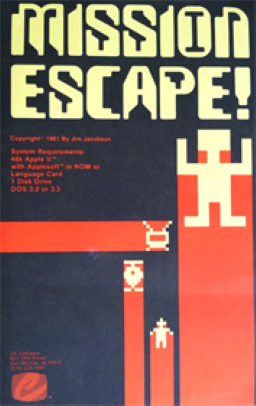
Covert espionage infiltration, security laser evasion, military dossier theft, and Adventure International’s tactical suspense (sitting before a TRS-80 or Apple II computer in 1980: reading the opening mission briefing on your monitor: “YOU ARE BEHIND ENEMY LINES IN A FORTIFIED MILITARY BASE. YOU HAVE 60 MINUTES TO RETRIEVE THE MICROFILM AND ESCAPE”, typing “HIDE IN SHADOWS” to evade an armed patrol guard marching down the hallway, examining a wall electrical panel to cut power to a lethal infrared laser grid, cracking the safe combination in the commander’s office to steal classified microfilm documents, utilizing a grappling hook to scale the perimeter security fence, signaling the extraction helicopter with a flare, and flying away into the night sky), paired with Adventure International, Infocom, and stealth summits—from Mission Escape! (1980), Infiltrator (1986), Metal Gear (1987), Splinter Cell, and espionage adventures—trace their undisputed, most stealthy golden genesis to 1980 with Adventure International’s classic, Mission Escape!.
Conceived and published by Adventure International on TRS-80 and Apple II, Mission Escape! brought covert military stealth to text adventures.
Platform Context & Gaming Environment
Infiltrating the base across The 1980 Microcomputer Frontier:
- Pioneered Military Espionage Interactive Fiction: Shifted adventure themes from fantasy dungeons to modern military stealth.
- Timed Mission Clock: Players race against an in-game countdown before enemy reinforcements seal the perimeter.
- Integrated Security Systems: Keycards, laser tripwires, surveillance cameras, and guard patrol schedules.
- Fast Two-Word Bytecode Engine: Responsive verb-noun interpreter running in 16 KB of RAM.
- Published by Adventure International: Packaged in signature tape and disk packaging across global computer dealers.
Anticipation & Cultural Standing: Niche vs. Global Phenomenon
Mission Escape! was warmly received across microcomputer gaming communities in 1980 and 1981, praised for its tense espionage atmosphere, modern military themes, and satisfying stealth puzzle design.
Gameplay Mechanics & Next-Gen Innovations
Mission Escape! established foundational espionage adventure mechanics:
- Stealth & Guard Patrol Evasion: Timing movements to slip past sentries without raising base-wide alarms.
- Security Grid Sabotage: Disabling laser tripwires and cutting generator power cables.
- Intelligence Dossier Retrieval: Cracking safe combinations to secure vital microfilm intelligence.
- Perimeter Extraction Execution: Utilizing grappling ropes, vehicles, and signal flares to complete the mission.
- Microcomputer Audio Feedback: Speaker clicks for command inputs, alarm sirens, and helicopter fanfares.
Historical Legacy & Future Trajectory
Mission Escape! is an essential milestone in espionage gaming history, an early forerunner to *Metal Gear* and tactical stealth adventures, and an enduring monument to Adventure International.


