Introduction: The Next Chapter for Minecraft
Minecraft, the ubiquitous sandbox game developed by Mojang Studios, has transcended its humble beginnings to become a global phenomenon. From its initial alpha release in 2009 to its formal launch in November 2011, and subsequent porting to countless platforms, Minecraft’s enduring appeal lies in its unparalleled freedom and creative potential. This deep-dive review will explore the game’s core mechanics, visual direction, and overall impact on the gaming landscape, examining what makes it a timeless classic.
Visual Direction and Graphics Engineering
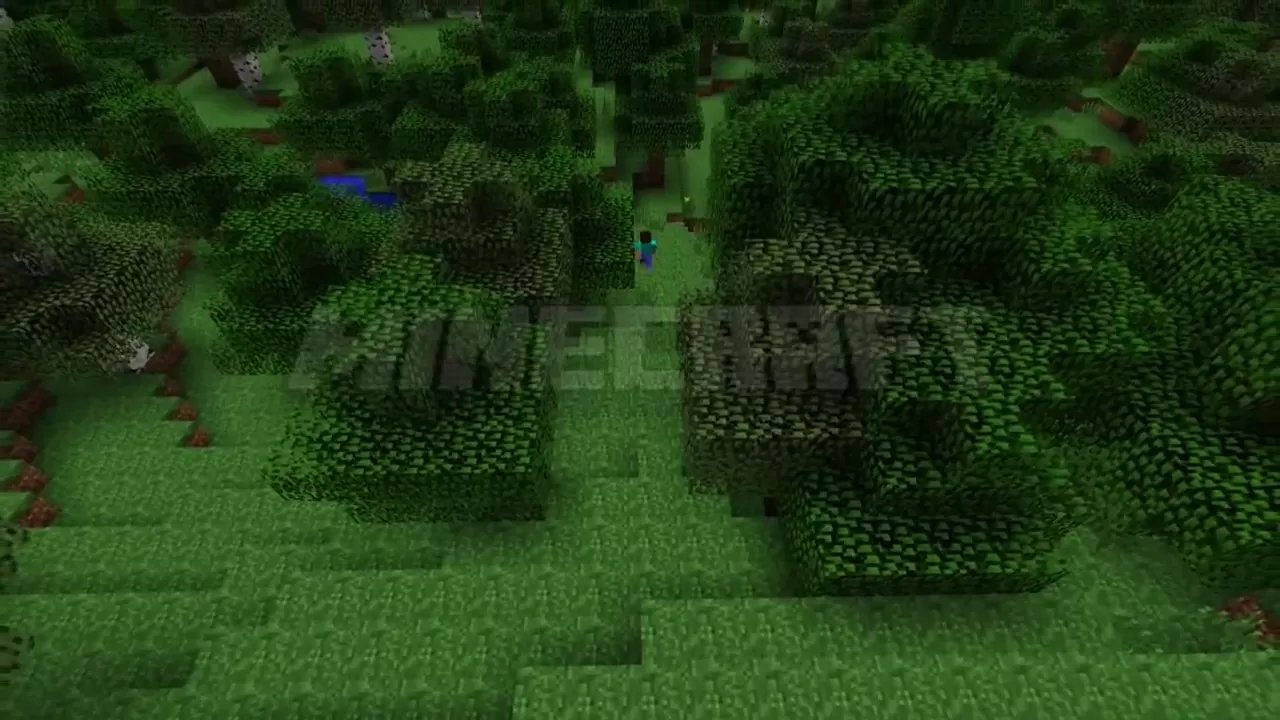
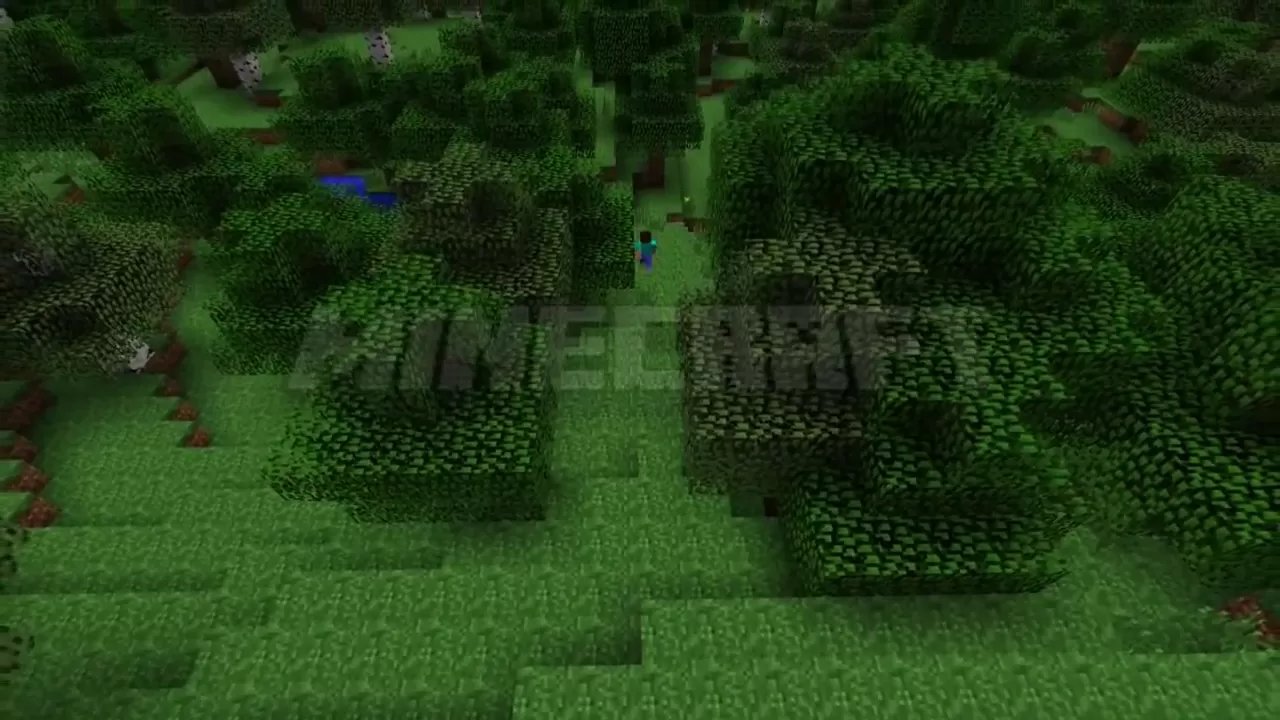
Minecraft’s distinctive blocky aesthetic is instantly recognizable and surprisingly versatile. While seemingly simplistic, the game’s visual style allows for an incredible level of detail and creativity. The use of voxels provides a unique perspective on world-building, allowing players to construct elaborate structures and landscapes with ease. The graphics engine, LWJGL (Lightweight Java Game Library), while not pushing the boundaries of graphical fidelity, is optimized for performance and accessibility, ensuring that Minecraft can run smoothly on a wide range of hardware. This focus on optimization has allowed Mojang to continually update and expand the game’s visual features over time, introducing new biomes, textures, and lighting effects without sacrificing its core identity.
Gameplay Mechanics and Core Systems
At its heart, Minecraft is a game about exploration, resource management, and creation. Players begin in a procedurally generated world, tasked with gathering resources like wood, stone, and minerals to craft tools, build shelters, and eventually, entire civilizations. The game’s crafting system is intuitive yet deep, allowing players to experiment with different combinations of materials to create increasingly complex items. Combat plays a role as well, with players facing off against various hostile creatures that emerge at night. However, the focus remains on building and exploring, encouraging players to collaborate and share their creations with others. The introduction of redstone circuitry adds another layer of complexity, allowing players to build intricate machines and automated systems.
Level Design and World Atmosphere
Minecraft’s level design is entirely driven by its procedurally generated world. Each playthrough offers a unique experience, with different biomes ranging from lush forests and towering mountains to arid deserts and frozen tundras. The game’s atmosphere is largely determined by the player’s actions and choices. Building a cozy cabin in a peaceful forest creates a sense of tranquility, while constructing a sprawling fortress in a dangerous landscape evokes a feeling of resilience and accomplishment. The dynamic weather system further enhances the immersive experience, with rainstorms, snowfalls, and even lightning strikes adding to the game’s unpredictable nature.
Narrative Depth and Character Profiles
While Minecraft doesn’t feature a traditional narrative structure, it offers ample opportunities for player-driven storytelling. Players can create their own characters, build elaborate backstories, and interact with other players in unique and meaningful ways. The game’s open-ended nature allows for endless possibilities, encouraging creativity and collaboration. While there are no defined character profiles, the player’s actions and choices shape their identity within the game world.
Sound Design and Acoustic Realism
Minecraft’s sound design is deceptively simple yet incredibly effective. The iconic block breaking sounds, ambient creature noises, and subtle musical cues create a surprisingly immersive atmosphere. The use of dynamic audio further enhances the experience, with sounds changing based on the player’s location and actions. While not pushing the boundaries of acoustic realism, the game’s sound design is perfectly suited to its visual style and gameplay mechanics.
Release Expectations and Community Hype
Minecraft’s continued success is largely due to its dedicated community. The constant stream of user-generated content, including modifications, servers, player skins, texture packs, and custom maps, keeps the game fresh and exciting. The anticipation for new updates and features is always high, with players eagerly awaiting the latest additions to the game world. This strong sense of community is a testament to Minecraft’s enduring appeal and its ability to foster creativity and collaboration.
Conclusion: The Future of Minecraft
Minecraft remains a timeless classic, offering an unparalleled level of freedom and creative potential. Its simple yet engaging gameplay mechanics, combined with its strong sense of community, have made it one of the most popular games in history. As technology continues to evolve, Minecraft is poised to remain relevant for years to come, constantly adapting and evolving to meet the needs of its dedicated player base. The future of Minecraft looks bright, promising even more opportunities for creativity, collaboration, and exploration.
Source: Wikipedia


