Introduction: The Next Chapter for Minecraft (1.0 Release)
Minecraft, a name synonymous with creativity and boundless possibility, reached a pivotal moment with its official release in November 2011. This wasn’t just another game launch; it was the culmination of years of development, community feedback, and a vision to create a truly unique sandbox experience. The 1.0 release marked the transition from an early access title to a fully realized product, solidifying its place as a cultural phenomenon. While the core gameplay loop remained familiar – exploring, mining, crafting, building – this version represented a significant step forward in terms of stability, content, and overall polish.
Visual Direction and Graphics Engineering
Minecraft’s visual style is undeniably iconic: a blocky aesthetic that belies the depth of its gameplay. The graphics engine, LWJGL (Lightweight Java Game Library), was chosen for its cross-platform capabilities and relative ease of development. While not pushing graphical boundaries, the simplicity allowed for incredible flexibility in terms of modding and customization. The 1.0 release saw improvements to texture quality and lighting effects, enhancing the overall visual experience without straying from the game’s signature look. This deliberate choice prioritized accessibility and performance over cutting-edge visuals, ensuring a broad audience could enjoy the game.
Gameplay Mechanics and Core Systems
At its heart, Minecraft is a game about creation and exploration. The core mechanics revolve around mining resources, crafting tools and structures, and surviving in a procedurally generated world. The 1.0 release refined these systems, introducing new blocks, items, and crafting recipes. Survival mode challenges players to manage their hunger, health, and defend themselves against hostile creatures. Creative mode offers unlimited resources and freedom to build anything imaginable. This duality provides an engaging experience for both casual and hardcore gamers.
Level Design and World Atmosphere
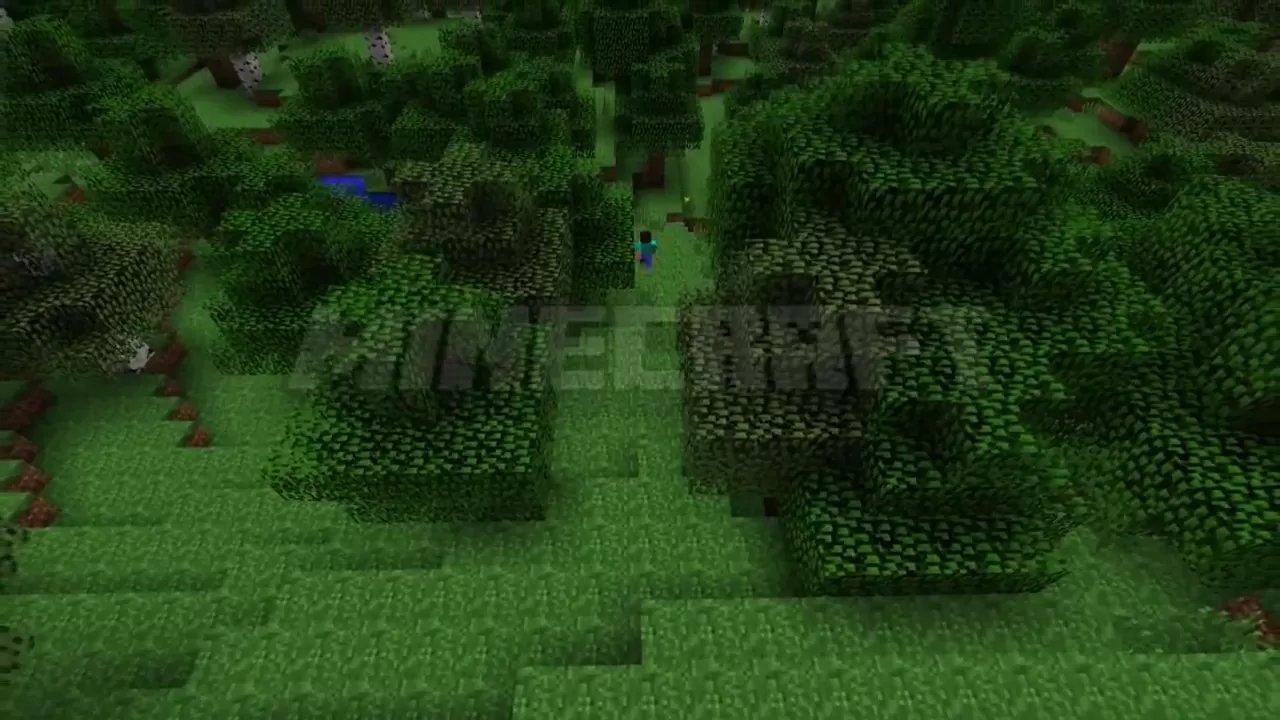
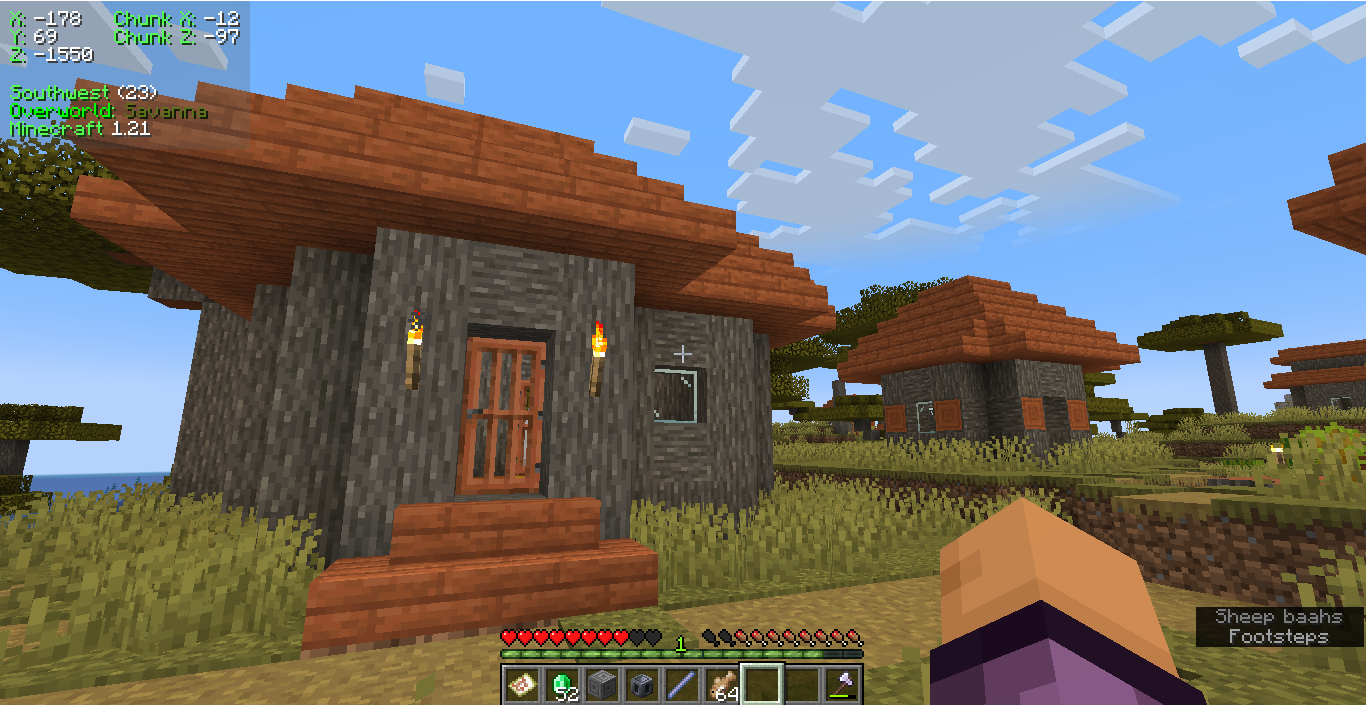
Minecraft’s world is a vast and ever-changing landscape, generated through complex algorithms. The 1.0 release expanded the variety of biomes, from lush forests to arid deserts, each with its own unique flora, fauna, and resources. Underground cave systems offer challenging exploration opportunities, while structures like villages provide points of interest and interaction with non-player characters (NPCs). This dynamic environment fosters a sense of discovery and encourages players to venture further into the unknown.
Narrative Depth and Character Profiles
While Minecraft doesn’t feature a traditional narrative structure, it offers subtle storytelling elements through its world design and interactions with NPCs. The game subtly hints at a history and lore, encouraging players to piece together their own interpretations. Characters like villagers offer basic trading opportunities and add a touch of personality to the environment. This open-ended approach allows players to create their own stories within the Minecraft universe.
Sound Design and Acoustic Realism
The sound design in Minecraft plays a crucial role in creating an immersive experience. The iconic block placement sounds, ambient creature noises, and subtle musical cues all contribute to the game’s atmosphere. While not overly complex, the audio complements the visuals perfectly, enhancing the sense of presence within the world. This understated approach allows players to focus on the gameplay without being distracted by overwhelming sound effects.
Release Expectations and Community Hype
The 1.0 release was met with immense anticipation from a dedicated community that had been following the game’s development for years. The hype surrounding the launch was palpable, fueled by constant updates, modding possibilities, and the sheer potential of the sandbox environment. This strong community support played a vital role in Minecraft’s success, transforming it from a niche title into a global phenomenon.
Conclusion: The Future of Minecraft (1.0 Release)
The 1.0 release of Minecraft was more than just a game launch; it was a cultural milestone. It represented the culmination of years of development and community involvement, solidifying its place as one of the most influential games of all time. While the core gameplay loop remained familiar, this version introduced significant improvements in terms of stability, content, and overall polish. The future of Minecraft looked bright, with endless possibilities for expansion and innovation.
Source: Wikipedia


