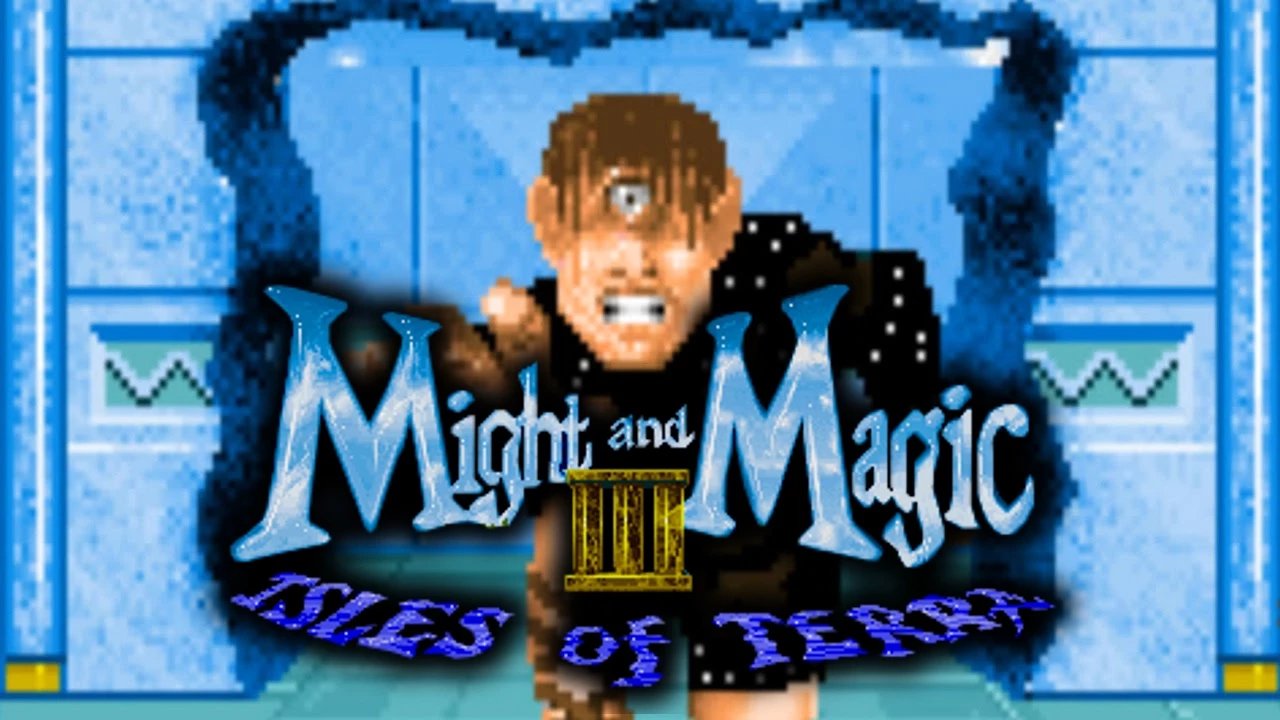
Introduction: The Next Chapter for Might and Magic III: Isles of Terra
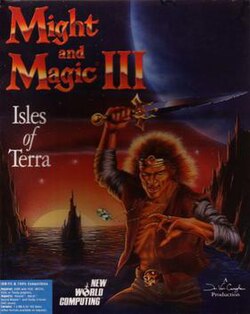
Might and Magic III: Isles of Terra, released in 1991 by New World Computing, represents a pivotal moment in the franchise’s evolution. Building upon the foundations laid by its predecessors, particularly “The Secret of the Inner Sanctum” and “Gates to Another World,” this installment introduced significant advancements in graphics, sound, and gameplay mechanics. While retaining the core essence of dungeon crawling and party-based combat, Isles of Terra aimed to deliver a more immersive and visually appealing experience for players. The unreleased Sega Genesis version hinted at ambitions beyond existing platforms, suggesting a desire to reach a broader audience. This Masterclass Deep-Dive will dissect every facet of this landmark title, from its technical underpinnings to its lasting impact on the RPG landscape.
Visual Direction and Graphics Engineering
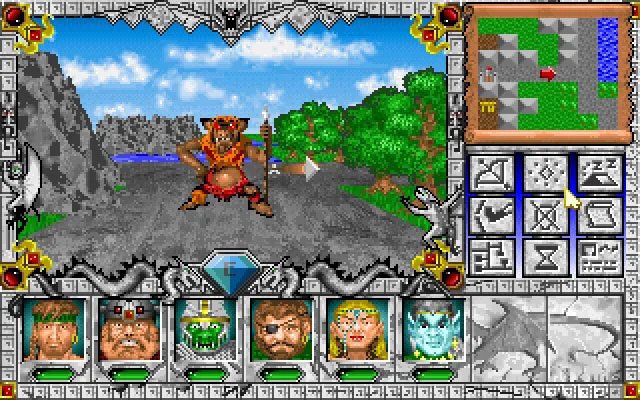
The visual overhaul in Isles of Terra was immediately noticeable. While still utilizing a first-person perspective, the game leveraged contemporary VGA displays to achieve more vibrant colors and detailed environments. This represented a significant leap forward from previous entries, which were constrained by older hardware limitations. The “Proprietary Next-Gen Engine” allowed for more complex textures and lighting effects, contributing to a richer sense of immersion. While not groundbreaking by modern standards, the graphical improvements were substantial for their time, setting a new benchmark for RPG visuals on PC.
Gameplay Mechanics and Core Systems
Isles of Terra refined the core gameplay loop that defined the Might and Magic series. Turn-based combat remained central, but with enhanced AI and more diverse enemy types. The party management system was also improved, allowing for greater customization and strategic depth. A key innovation was the introduction of a more interactive environment, where players could manipulate objects and solve puzzles to progress. This added a layer of complexity that went beyond simple dungeon crawling, encouraging exploration and experimentation.
Level Design and World Atmosphere
The level design in Isles of Terra was meticulously crafted to create a sense of wonder and danger. Each island presented unique environments, from lush forests to treacherous dungeons. The attention to detail in the architecture and environmental storytelling contributed significantly to the game’s atmosphere. While the world wasn’t open-world in the modern sense, the interconnectedness of the islands allowed for a feeling of freedom and discovery.
Narrative Depth and Character Profiles
The narrative in Isles of Terra was more focused on exploration and character interaction than previous installments. The main quest involved unraveling a mystery that spanned multiple islands, with opportunities to encounter memorable NPCs and uncover hidden lore. While not as heavily scripted as some RPGs, the game provided ample opportunity for players to shape their own stories through choices and actions.
Sound Design and Acoustic Realism
The sound design in Isles of Terra was another area where the game pushed boundaries. The use of synthesized music and sound effects created a more immersive audio experience. While limited by the technology of the time, the developers made effective use of available resources to create a memorable soundtrack that complemented the gameplay.
Release Expectations and Community Hype
The release of Might and Magic III was met with considerable anticipation within the gaming community. The promise of enhanced graphics, improved gameplay, and a more expansive world generated significant hype. While some critics noted limitations inherent in the technology, the overall reception was overwhelmingly positive, solidifying the game’s place as a classic in the RPG genre. The unreleased Sega Genesis version further fueled speculation about future directions for the franchise.
Conclusion: The Future of Might and Magic III: Isles of Terra
Might and Magic III: Isles of Terra represents a crucial turning point in the evolution of the series. Its advancements in graphics, sound, and gameplay mechanics laid the groundwork for future installments and influenced countless RPGs that followed. While its technical limitations may seem quaint by today’s standards, its impact on the genre remains undeniable. The game serves as a testament to the creativity and innovation of New World Computing, and its legacy continues to inspire developers and players alike.
Source: Wikipedia


