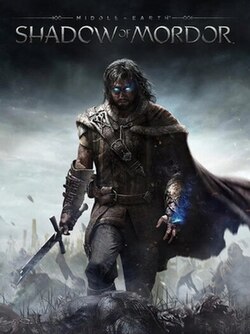
Introduction: The Next Chapter for Middle-earth: Shadow of Mordor
Middle-earth: Shadow of Mordor arrived in 2014 as a bold reimagining of Tolkien’s world, stepping outside the established narratives of the Hobbit and Lord of the Rings to forge its own path. Developed by Monolith Productions, the game wasn’t just another licensed property; it was an ambitious project aiming to blend familiar fantasy tropes with innovative gameplay mechanics, most notably the groundbreaking Nemesis System. This Masterclass Deep-Dive will dissect every facet of Shadow of Mordor, from its visual design and core systems to its narrative depth and lasting impact on the gaming landscape. We’re not just reviewing a game; we’re analyzing an experience that redefined player agency and enemy AI in open-world action games.
Visual Direction and Graphics Engineering
The visual direction of Shadow of Mordor is crucial to its success. The developers at Monolith Productions faced the daunting task of recreating Middle-earth while maintaining a distinct artistic identity separate from Peter Jackson’s film adaptations. They achieved this by leaning into a more stylized, almost painterly aesthetic. The LithTech Jupiter EX engine, while not cutting-edge for its time, was expertly utilized to create expansive landscapes, detailed character models, and impressive visual effects. showcases the game’s stunning vistas; the sweeping plains of Mordor, the imposing architecture of Minas Tirith, all rendered with a level of detail that immerses the player in Tolkien’s world. The lighting system played a significant role, creating dramatic shadows and highlighting key elements within each environment. While performance could be demanding on older hardware, the visual fidelity offered a compelling reason to push the limits of available technology.
Gameplay Mechanics and Core Systems
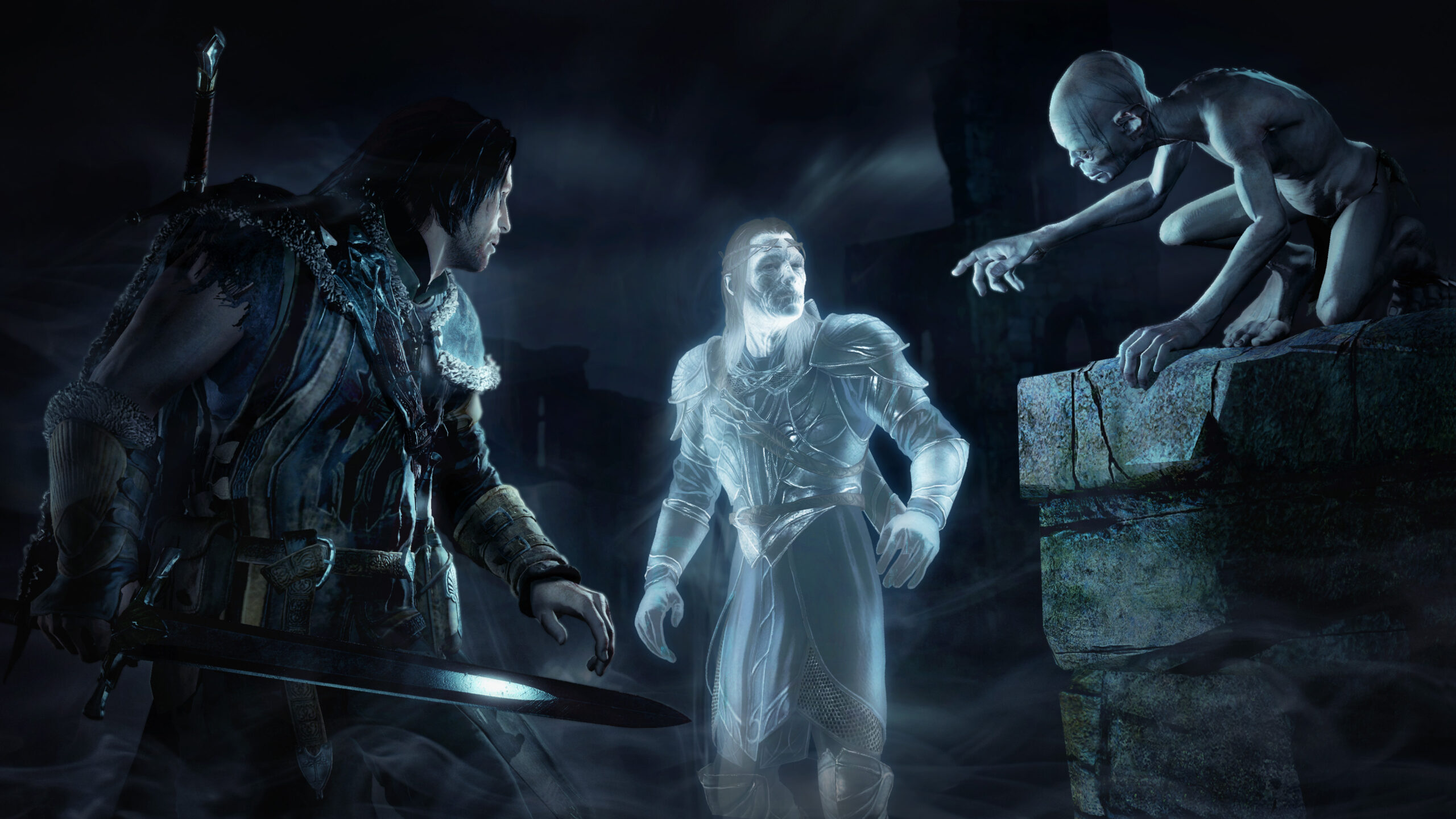
At the heart of Shadow of Mordor lies its innovative gameplay mechanics. The combat system is fluid and visceral, allowing players to seamlessly transition between swordplay, archery, and wraith powers. However, it’s the Nemesis System that truly sets this game apart. This dynamic AI system allows Orc captains to remember their encounters with Talion, learning from their mistakes and adapting their strategies accordingly. illustrates a typical encounter with an Orc captain; notice how each interaction shapes their personality and abilities. The Nemesis System creates a sense of personalized conflict, where every enemy feels like a unique adversary with its own motivations and weaknesses. This level of reactivity was unprecedented at the time and remains a defining feature of the game.
Level Design and World Atmosphere
The level design in Shadow of Mordor is carefully crafted to complement the gameplay mechanics and narrative themes. The open world is vast and interconnected, offering players ample opportunities for exploration and discovery. Each region of Middle-earth feels distinct, from the desolate plains of Udûn to the towering fortress of Barad-dûr. The developers utilized verticality effectively, encouraging players to utilize parkour skills and wraith powers to navigate the environment.
demonstrates how Talion utilizes his abilities to traverse the game world; this seamless integration of movement and combat is a hallmark of the gameplay experience.
Narrative Depth and Character Profiles
The narrative in Shadow of Mordor, while original, remains faithful to the spirit of Tolkien’s work. The story follows Talion, a Ranger sworn to protect his liege lord, who becomes bonded to the wraith of Celebrimbor, an Elf Lord seeking vengeance for the theft of his Rings. This unlikely partnership drives the narrative forward, as they navigate the treacherous landscape of Mordor and confront Sauron’s forces. The characters are well-developed, each with their own motivations and backstories. The writing is strong, capturing the tone and atmosphere of Tolkien’s legendarium.
Sound Design and Acoustic Realism
The sound design in Shadow of Mordor plays a crucial role in creating an immersive experience. The soundtrack, composed by Garry Schyman and Nathan Grigg, perfectly captures the epic scale and emotional depth of the story. The sound effects are equally impressive, from the clash of steel to the roar of Orcs. The voice acting is top-notch, bringing the characters to life with nuance and emotion. The audio landscape is meticulously crafted, enhancing every aspect of the gameplay experience.
Release Expectations and Community Hype
Prior to its release, Middle-earth: Shadow of Mordor generated significant hype within the gaming community. The promise of a new story set in Tolkien’s world, combined with the innovative Nemesis System, created a sense of anticipation that few games manage to achieve. Reviews were overwhelmingly positive, praising the game’s gameplay mechanics, visual design, and overall experience. The game quickly became a critical darling and a commercial success, exceeding expectations and solidifying its place as a landmark title in the action-adventure genre.
Conclusion: The Future of Middle-earth: Shadow of Mordor
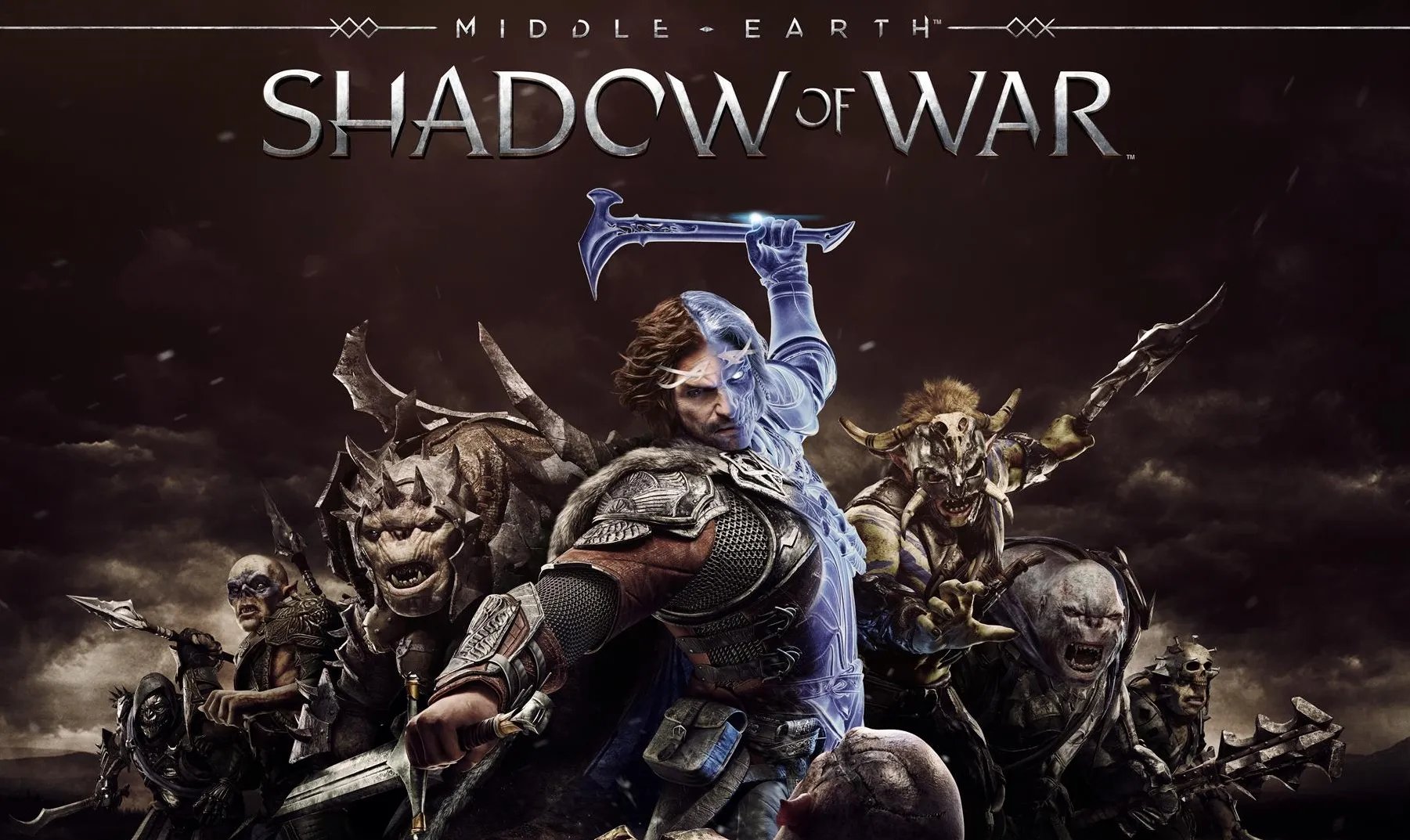
Middle-earth: Shadow of Mordor was more than just a licensed property; it was a bold experiment that pushed the boundaries of open-world gameplay. Its innovative Nemesis System, combined with its compelling narrative and stunning visuals, created an experience that resonated deeply with players. While the game may not have been without its flaws, its impact on the gaming landscape is undeniable. It served as a blueprint for future action-adventure games, inspiring developers to embrace player agency and dynamic AI systems. The legacy of Shadow of Mordor continues to influence game design today, ensuring that its place in gaming history remains secure. represents the enduring appeal of the game; even years after its release, players continue to explore its world and experience its unique gameplay mechanics.
Source: Wikipedia


