Introduction: The Next Chapter for Metroid: Samus Returns
Metroid: Samus Returns represents a significant moment in the franchise’s history, serving as a reimagining of the classic Game Boy title, *Metroid II: Return of Samus*. Developed through a collaboration between MercurySteam and Nintendo EPD, this 3DS remake aims to modernize the gameplay experience while retaining the core essence of its predecessor. It’s more than just a graphical upgrade; it’s a complete overhaul designed to appeal to both longtime fans and newcomers alike. The game builds upon the foundation laid by previous Metroid titles, introducing new mechanics and expanding on existing ones to create a compelling action-adventure experience.
Visual Direction and Graphics Engineering
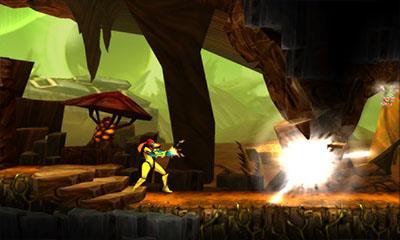
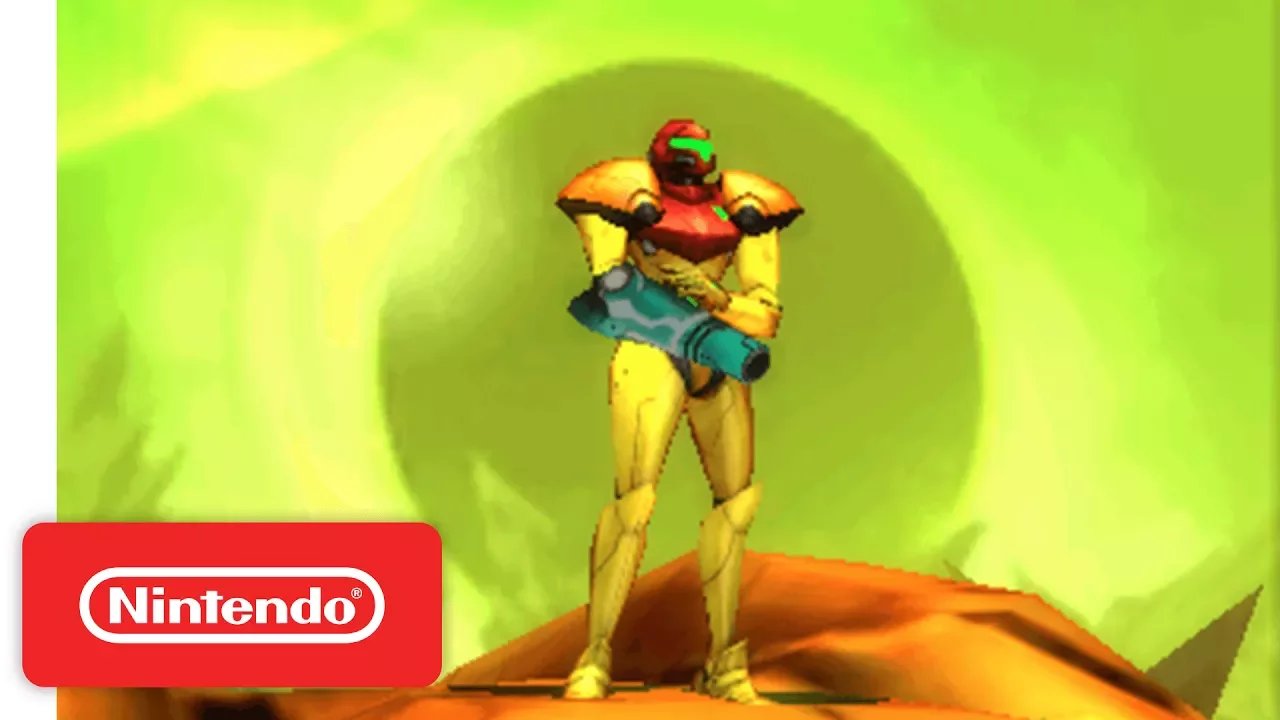
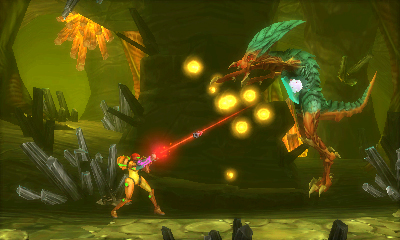
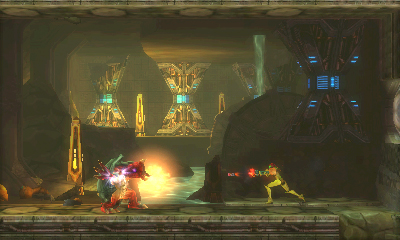
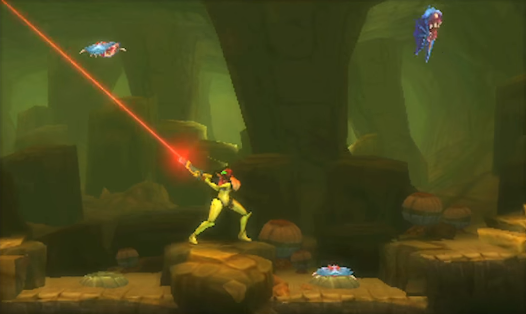
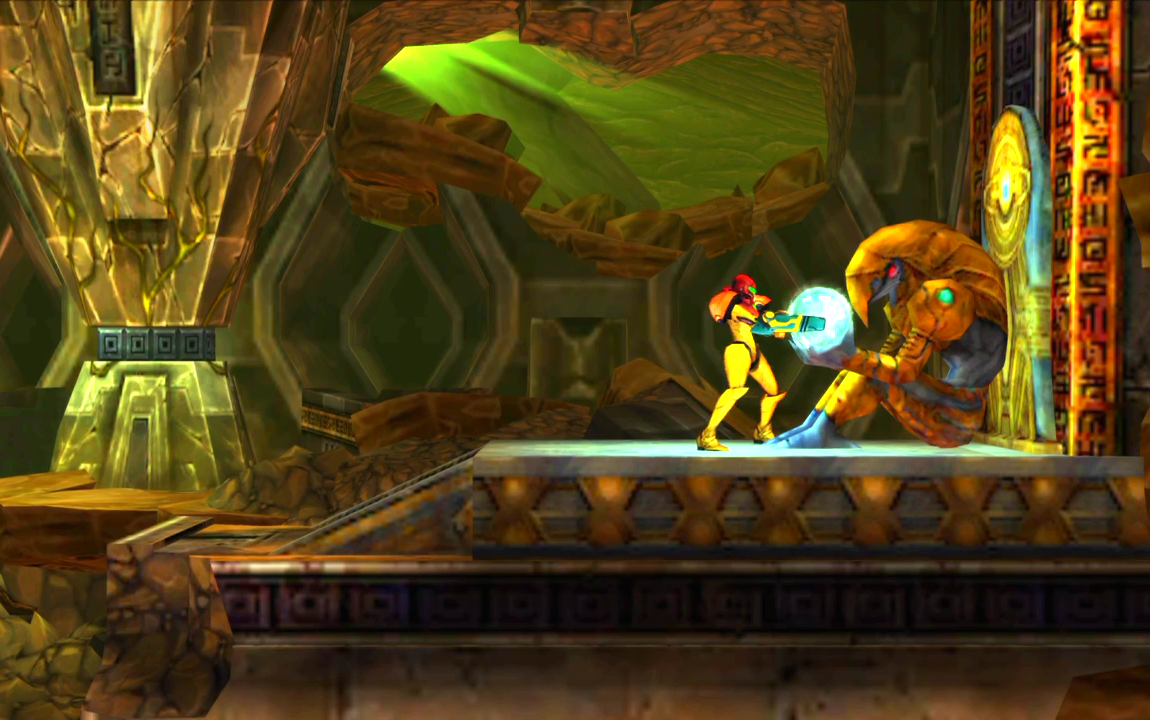
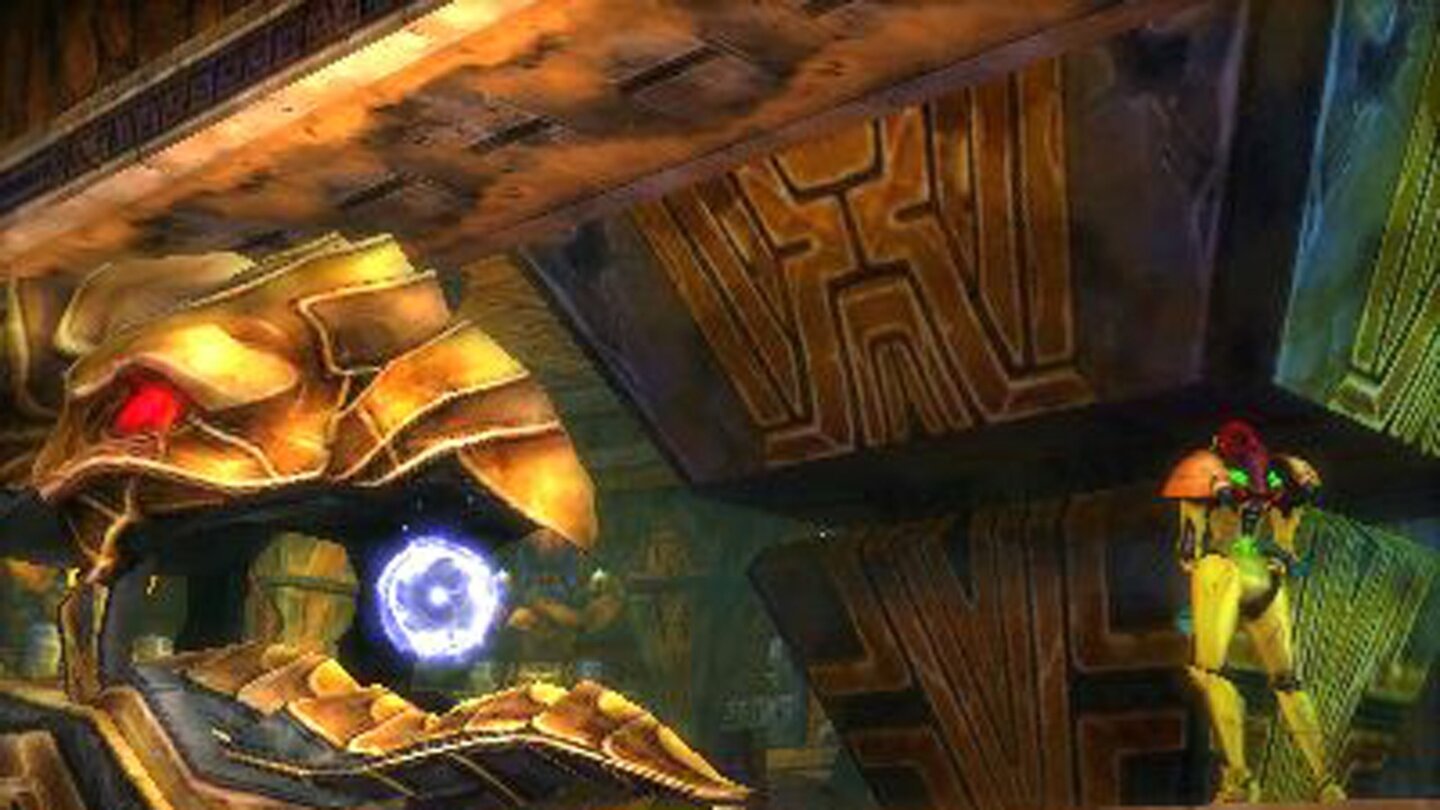
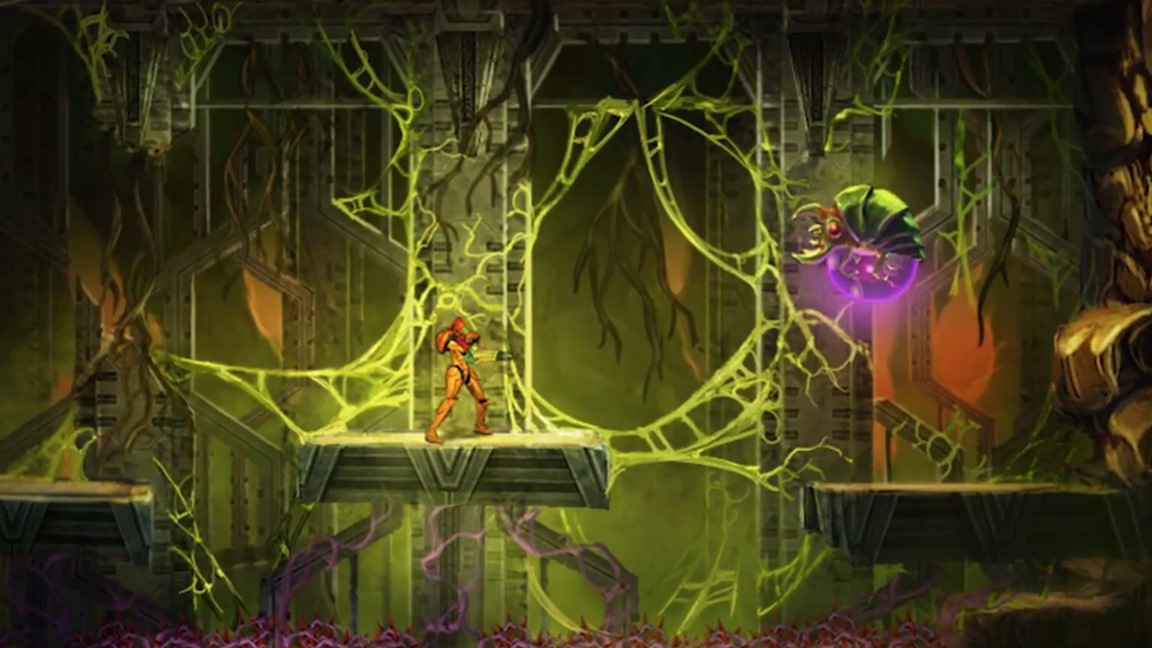
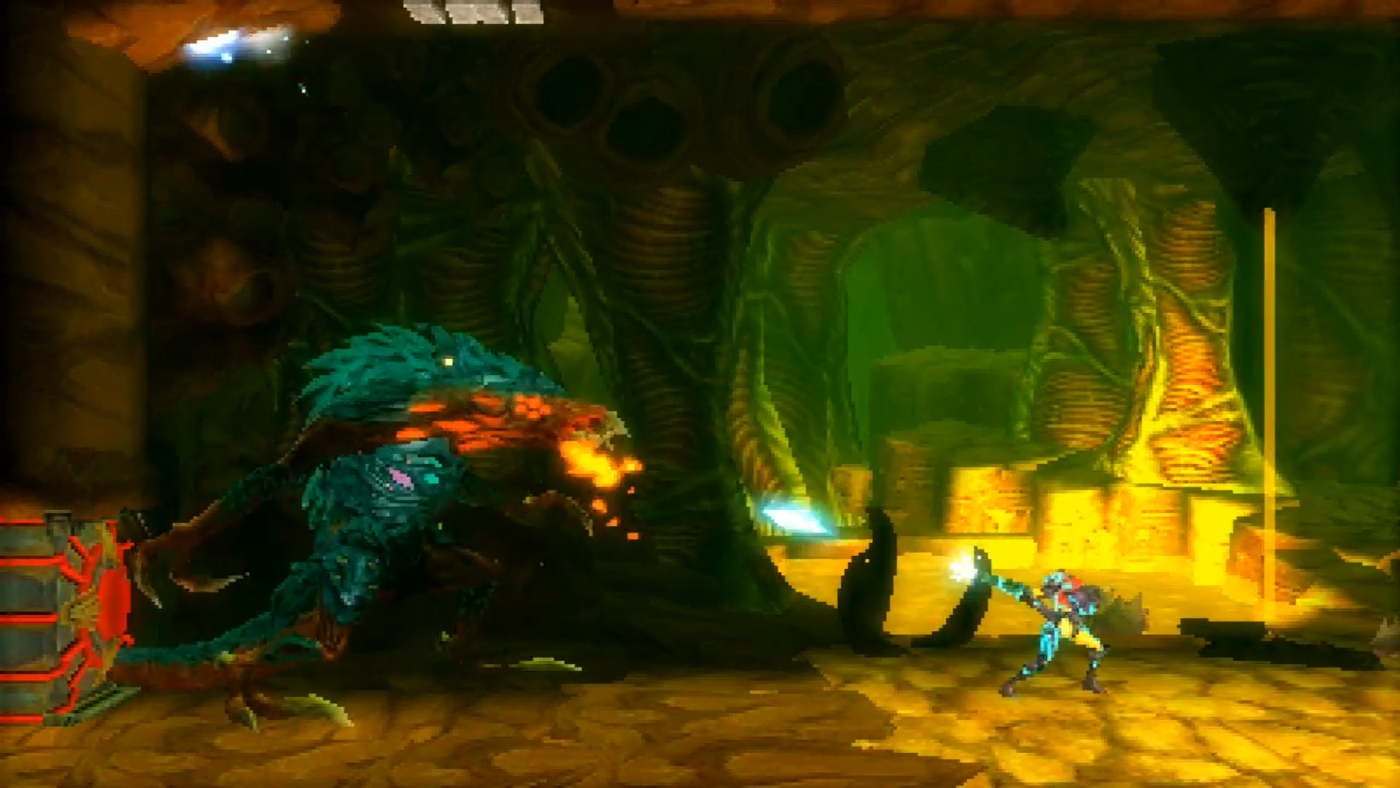
The visual direction in *Metroid: Samus Returns* is a masterful blend of classic 2D aesthetics and modern graphical capabilities. While retaining the iconic look and feel of the original game, the remake benefits from enhanced textures, detailed character models, and dynamic lighting effects that bring SR388 to life. The use of parallax scrolling creates a sense of depth and immersion, while the updated enemy designs are both familiar and unsettling. MercurySteam’s expertise in visual design shines through, creating an atmosphere that is both nostalgic and visually stunning. This careful balance between respecting the original vision and embracing modern technology is a key strength of the game’s presentation.
Gameplay Mechanics and Core Systems
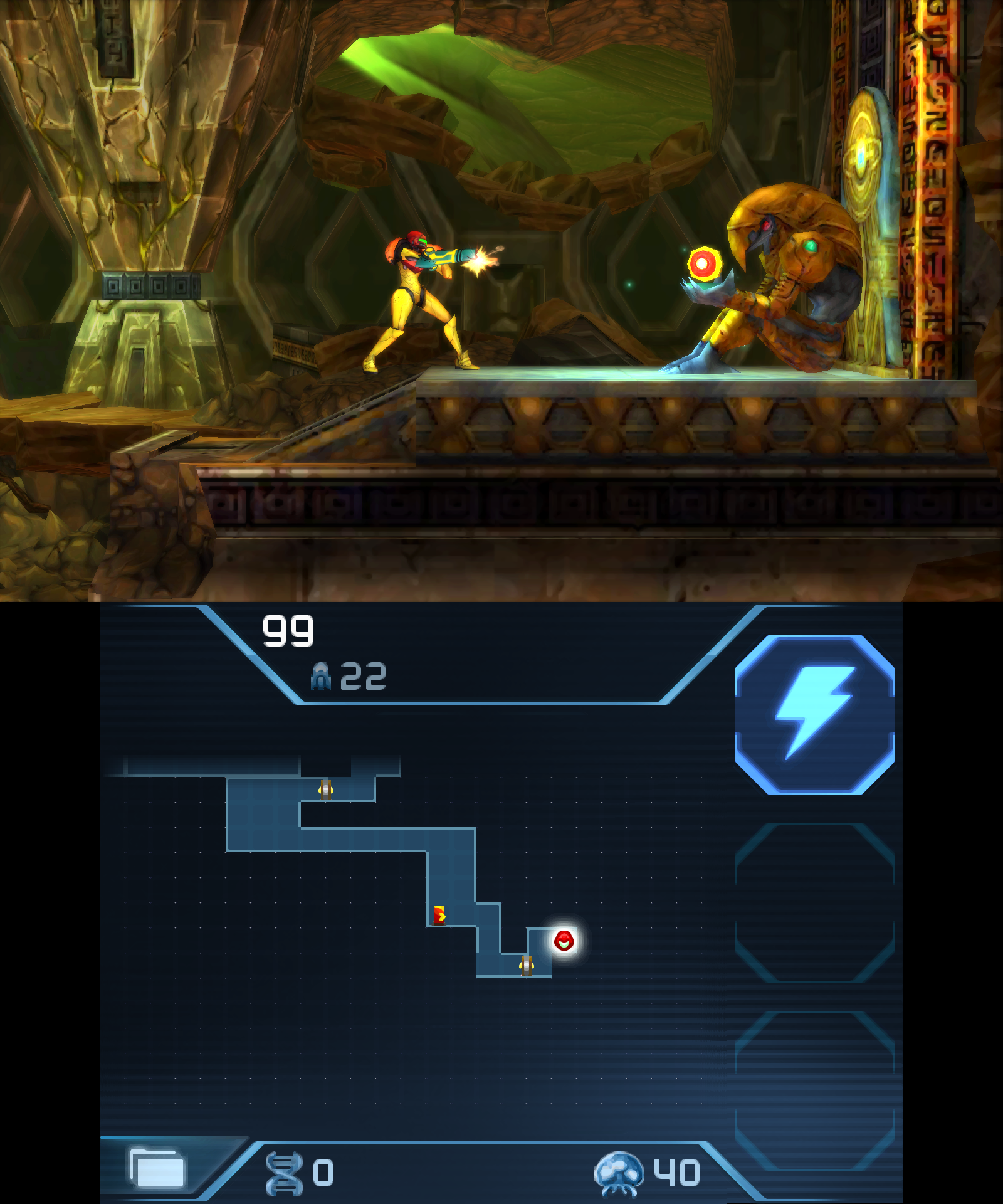
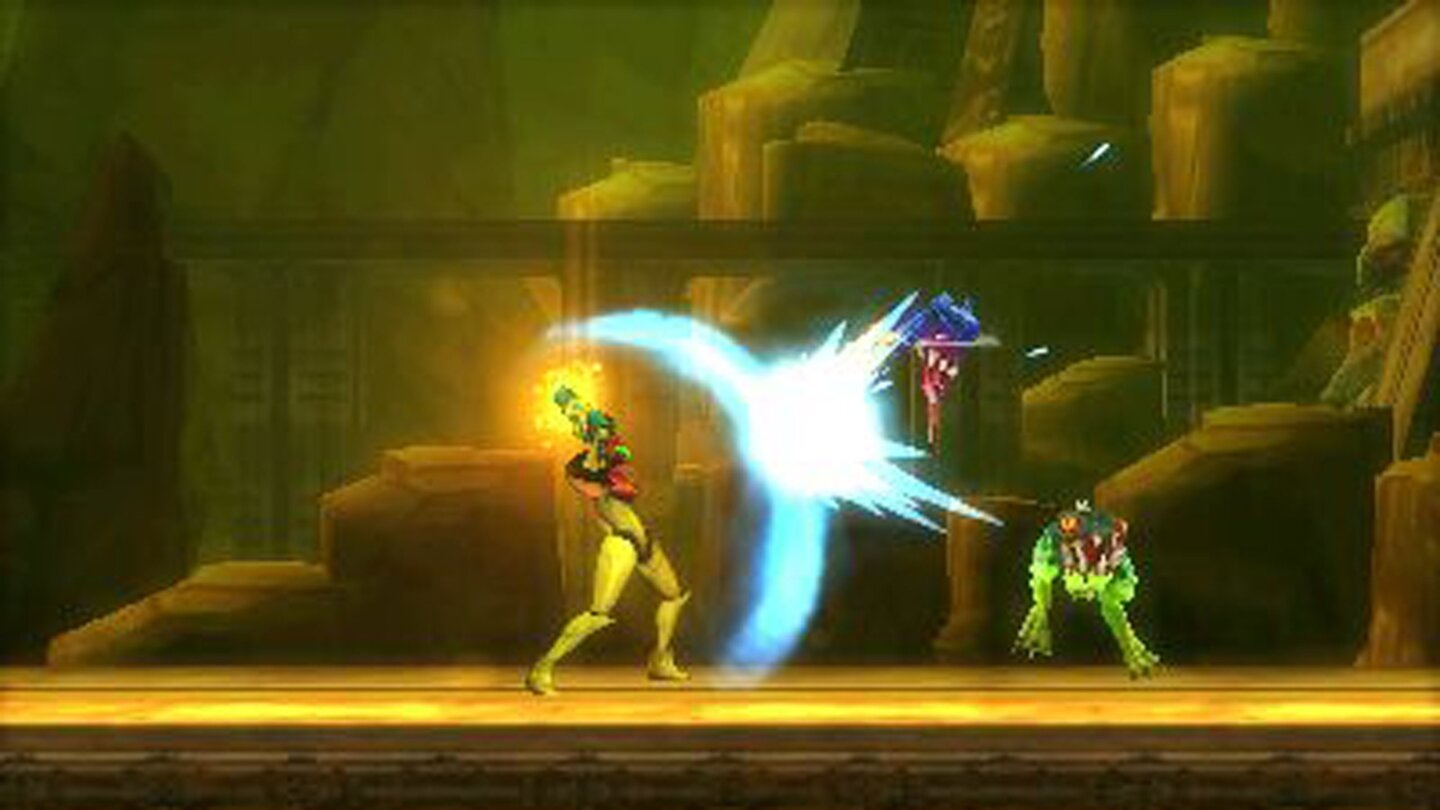
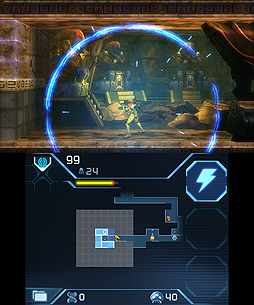
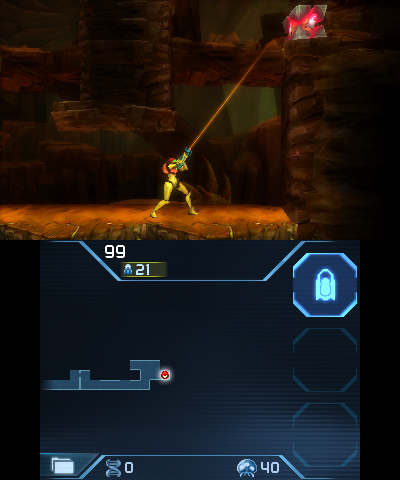
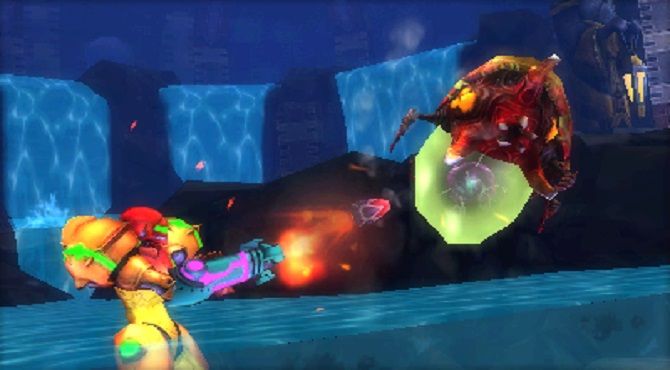
One of the most significant changes in *Metroid: Samus Returns* is the introduction of a melee counterattack system. This new mechanic allows players to deflect enemy attacks with precise timing, opening up opportunities for aggressive gameplay and strategic positioning. The ability to aim freely in all directions adds another layer of control and precision to combat, allowing for more dynamic encounters. While retaining the exploration-focused gameplay that defines the Metroid series, the addition of these new mechanics injects a fresh energy into the experience. Players can also utilize various power-ups and abilities to overcome obstacles and defeat enemies, further expanding the range of possibilities within the game’s world.
Level Design and World Atmosphere
The level design in *Metroid: Samus Returns* is a testament to both the original game’s brilliance and the development team’s creativity. While largely adhering to the structure of *Metroid II*, the remake features expanded environments, hidden areas, and new challenges that reward exploration. The atmosphere of SR388 is palpable, with its eerie caverns, unsettling creatures, and sense of isolation. The developers have meticulously crafted a world that feels both familiar and dangerous, encouraging players to venture deeper into its mysteries. The use of lighting and sound design further enhances the immersive experience, creating a truly unforgettable journey through an alien landscape.
Narrative Depth and Character Profiles
While *Metroid II* was relatively light on narrative, *Samus Returns* subtly expands upon Samus Aran’s character and motivations. Through environmental storytelling and brief interactions with other characters (primarily via audio logs), players gain a deeper understanding of her past and the challenges she faces. The game also explores themes of isolation, resilience, and the responsibility that comes with being a galactic bounty hunter. While not a heavily story-driven experience, *Samus Returns* provides enough narrative context to enhance the overall player engagement. Samus’s stoic determination and unwavering resolve are central to the game’s emotional core.
Sound Design and Acoustic Realism
The sound design in *Metroid: Samus Returns* is a crucial element that contributes significantly to its immersive quality. The haunting soundtrack, composed by Daisuke Matsuoka and directed by Kenji Yamamoto (who also worked on *Super Metroid*), perfectly complements the game’s atmosphere of dread and isolation. The use of ambient sounds, such as dripping water, echoing footsteps, and the unsettling cries of alien creatures, further enhances the sense of realism. The sound effects for weapons, abilities, and enemy attacks are impactful and satisfying, adding to the visceral experience of combat.
Release Expectations and Community Hype
The release of *Metroid: Samus Returns* was met with considerable anticipation from both longtime fans of the series and newcomers eager to experience a modernized take on a classic title. The game’s return to the 2D perspective, combined with its innovative gameplay mechanics and stunning visuals, generated significant buzz within the gaming community. Pre-release trailers and gameplay demonstrations showcased the game’s potential, further fueling excitement for its launch. The collaboration between MercurySteam and Nintendo EPD was seen as a promising partnership, and the final product largely delivered on those expectations.
Conclusion: The Future of Metroid: Samus Returns
*Metroid: Samus Returns* represents a successful revitalization of a beloved classic. By carefully balancing nostalgia with innovation, the development team created an experience that is both faithful to its roots and appealing to modern audiences. The game’s success has undoubtedly paved the way for future *Metroid* titles on Nintendo platforms, potentially inspiring further remakes or re-imaginings of other entries in the series. The enduring popularity of the *Metroid* franchise speaks volumes about its timeless appeal, and *Samus Returns* serves as a testament to its continued relevance in the gaming landscape.

Source: Wikipedia

/cdn.vox-cdn.com/uploads/chorus_image/image/55398337/metroidreturnsamus_610.0.jpg)