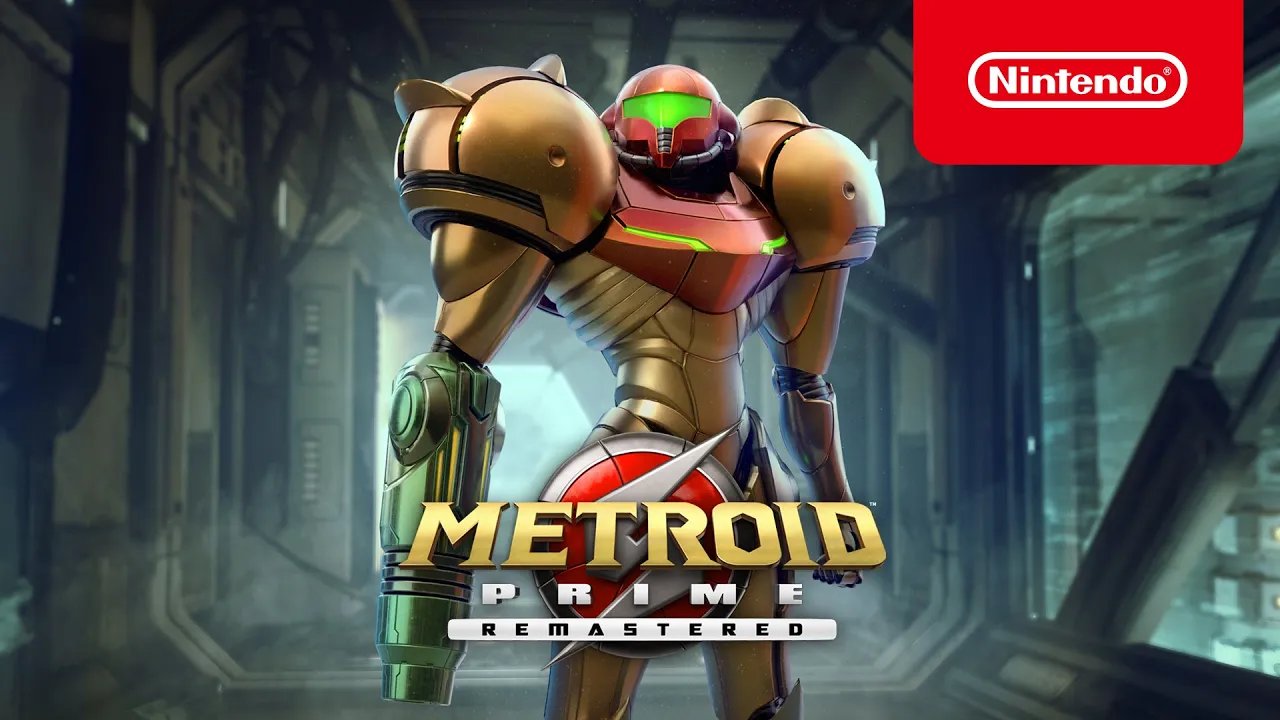
Introduction: The Next Chapter for Metroid Prime
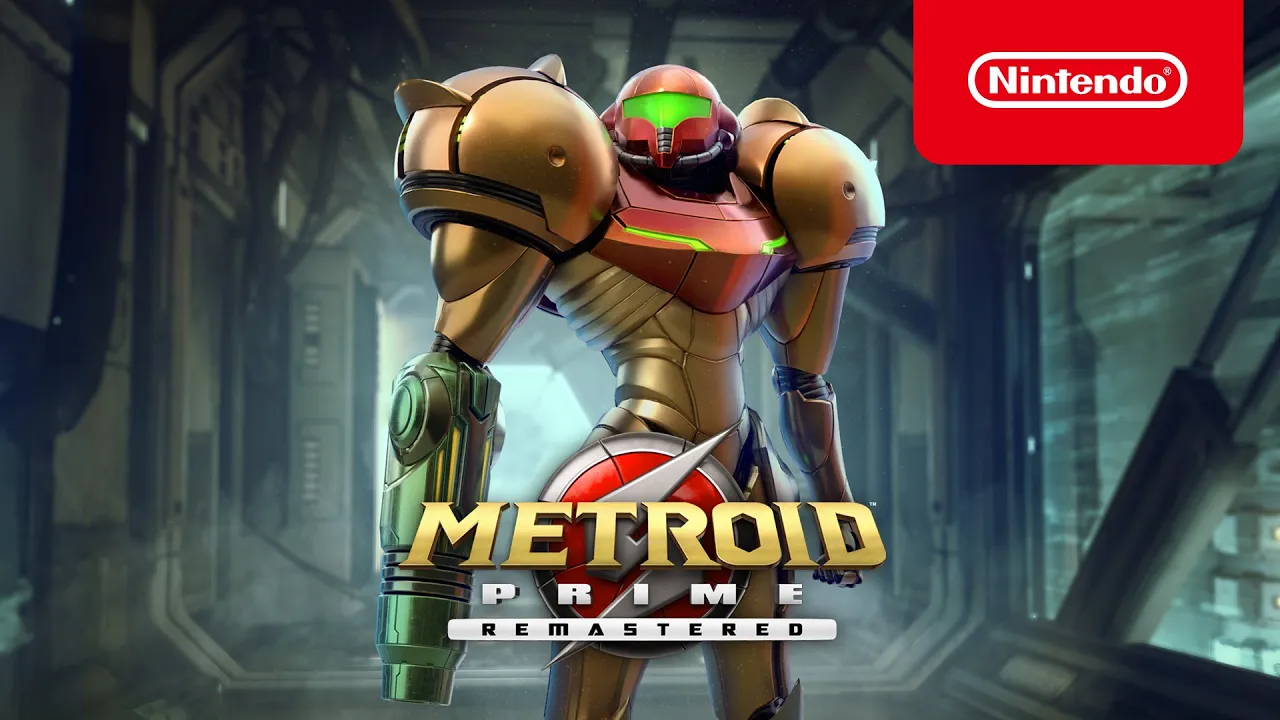
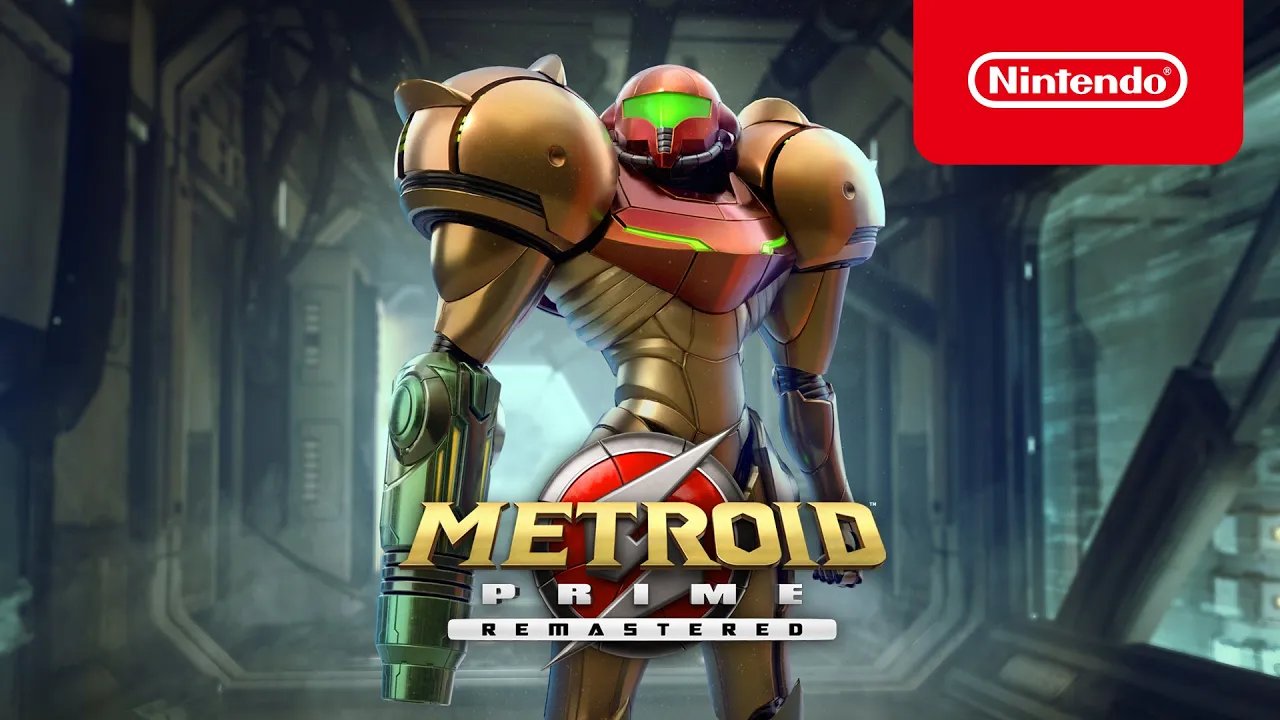
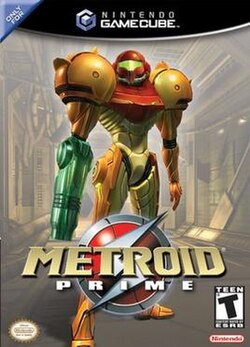
Metroid Prime, released in 2002 for the GameCube, wasn’t just another game; it was a bold reimagining of a beloved franchise. Developed by Retro Studios and overseen by industry legends like Shigeru Miyamoto, it represented Nintendo’s commitment to innovation while honoring its legacy. The transition from 2D side-scrolling to a first-person perspective was a risky move, but one that ultimately paid off handsomely, establishing a new benchmark for immersive gameplay and atmospheric exploration. This Masterclass Deep-Dive will dissect every facet of Metroid Prime, from its groundbreaking engine to its enduring impact on the gaming landscape.
Visual Direction and Graphics Engineering
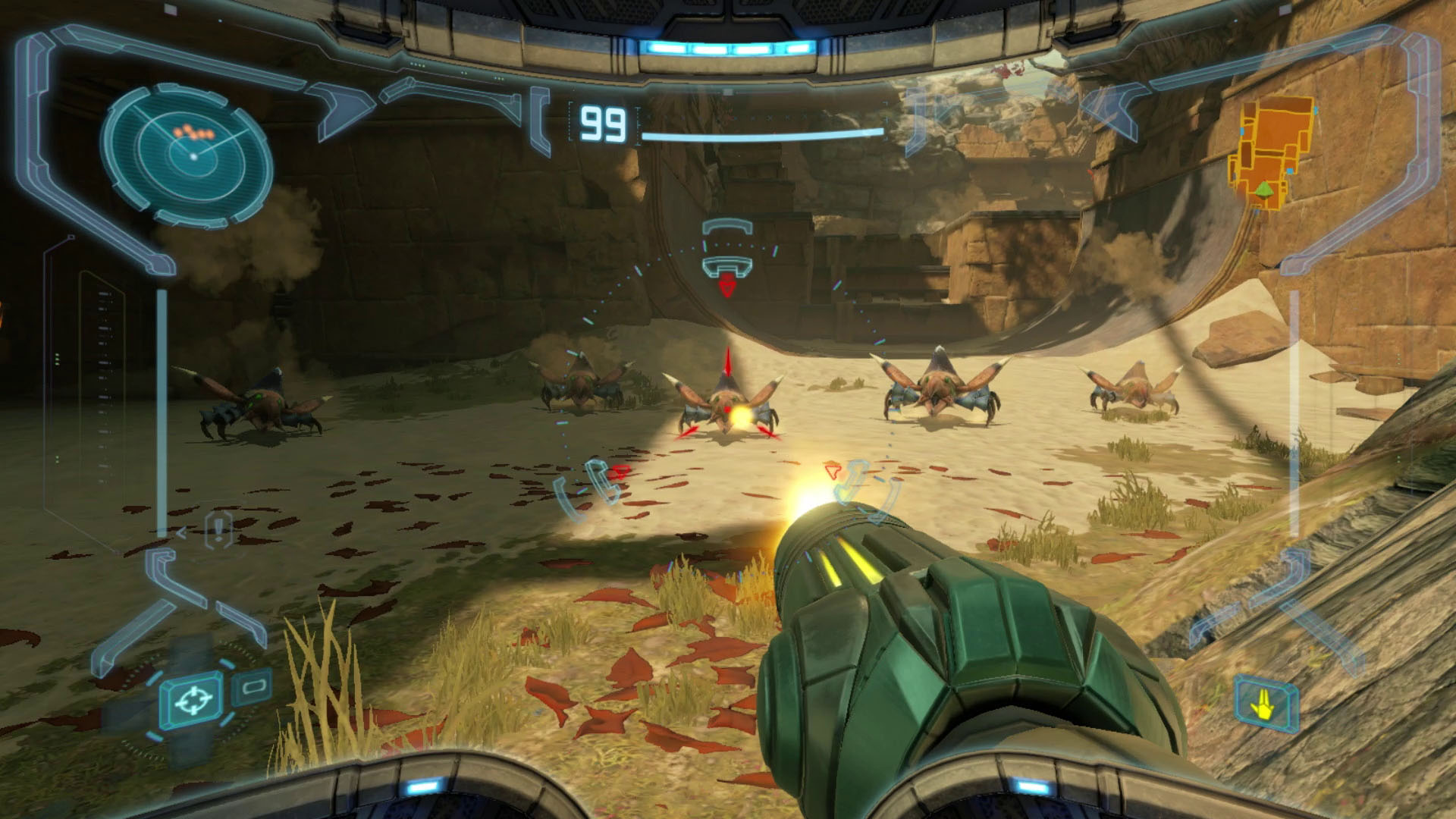
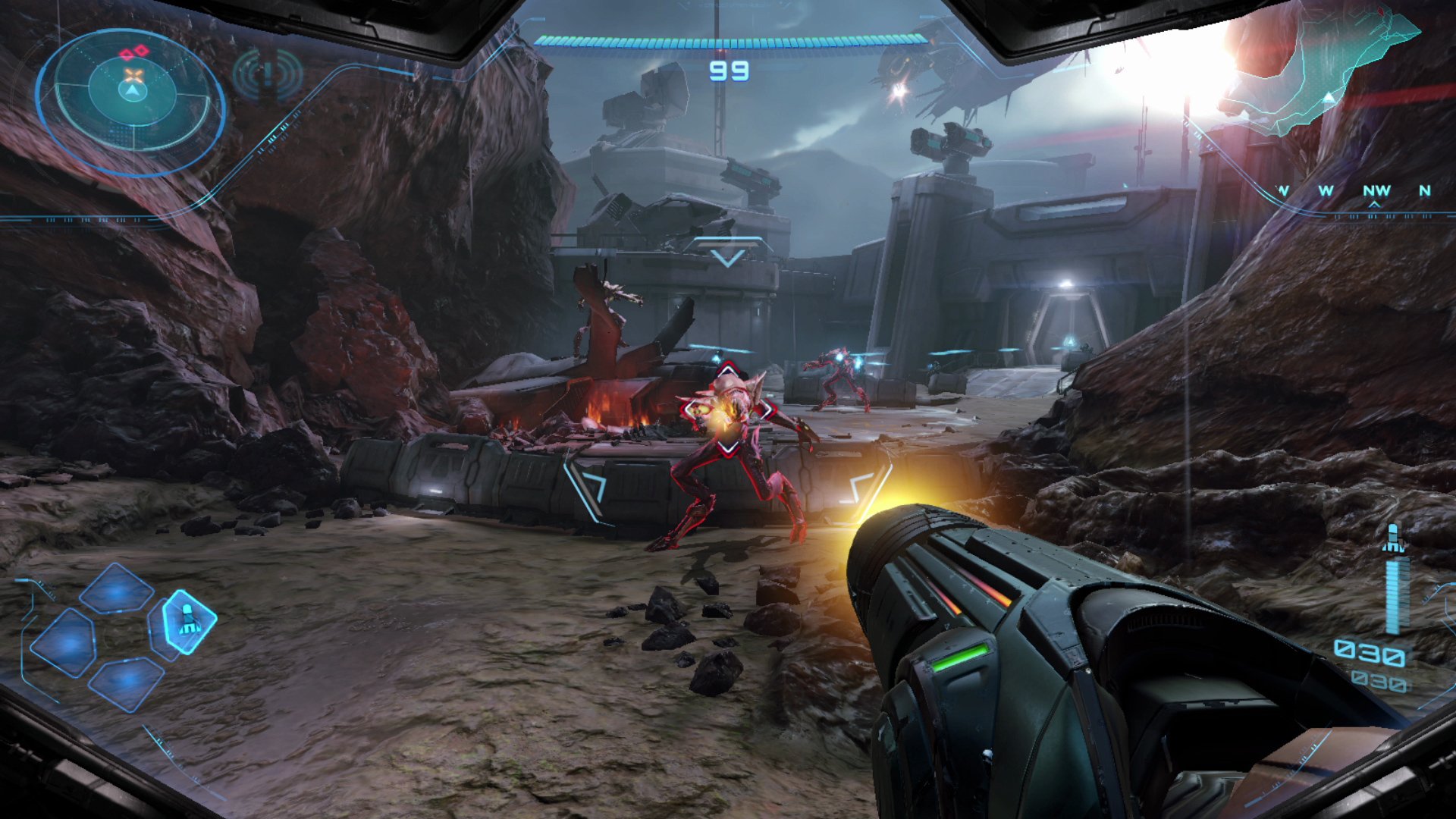
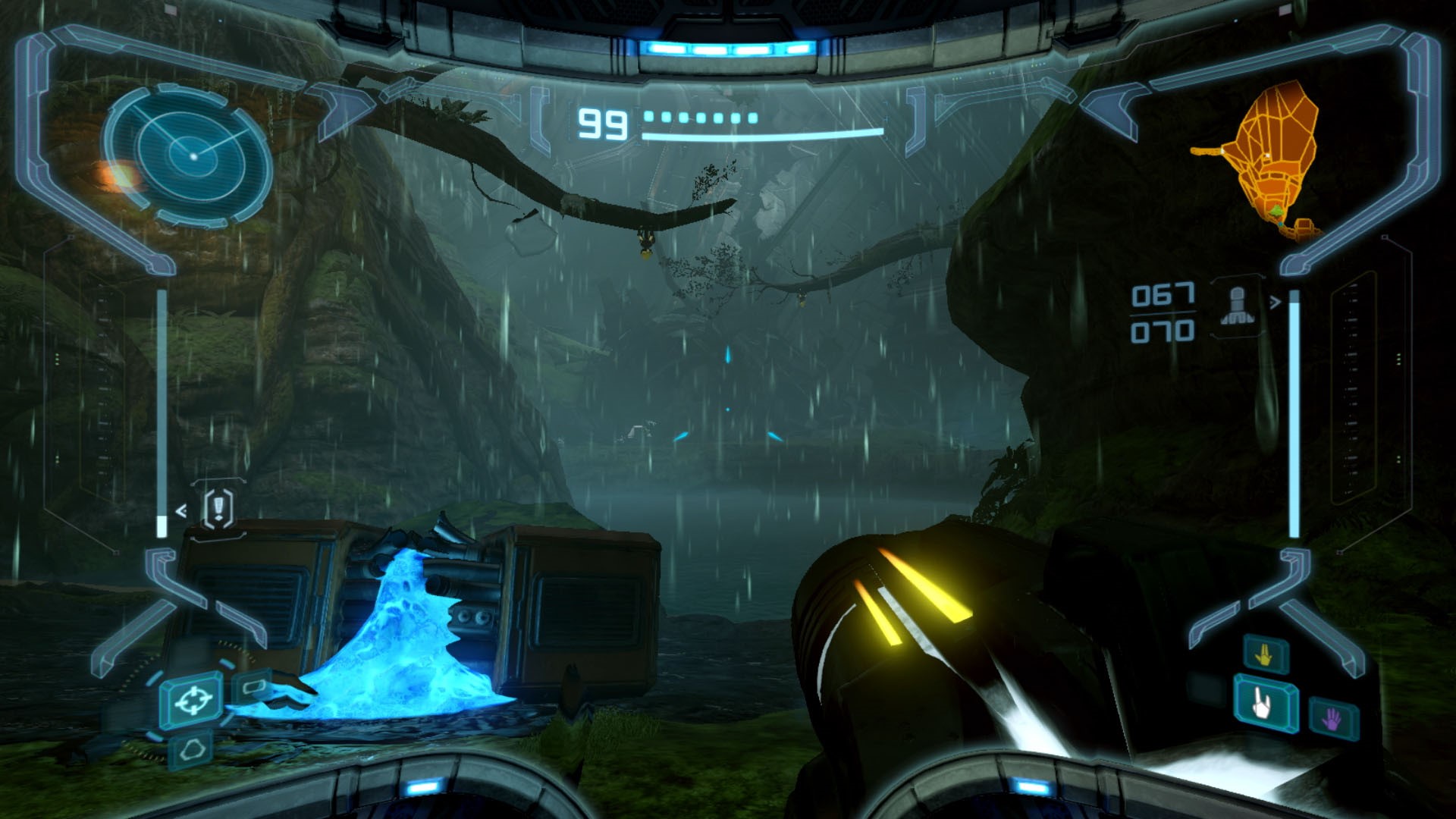
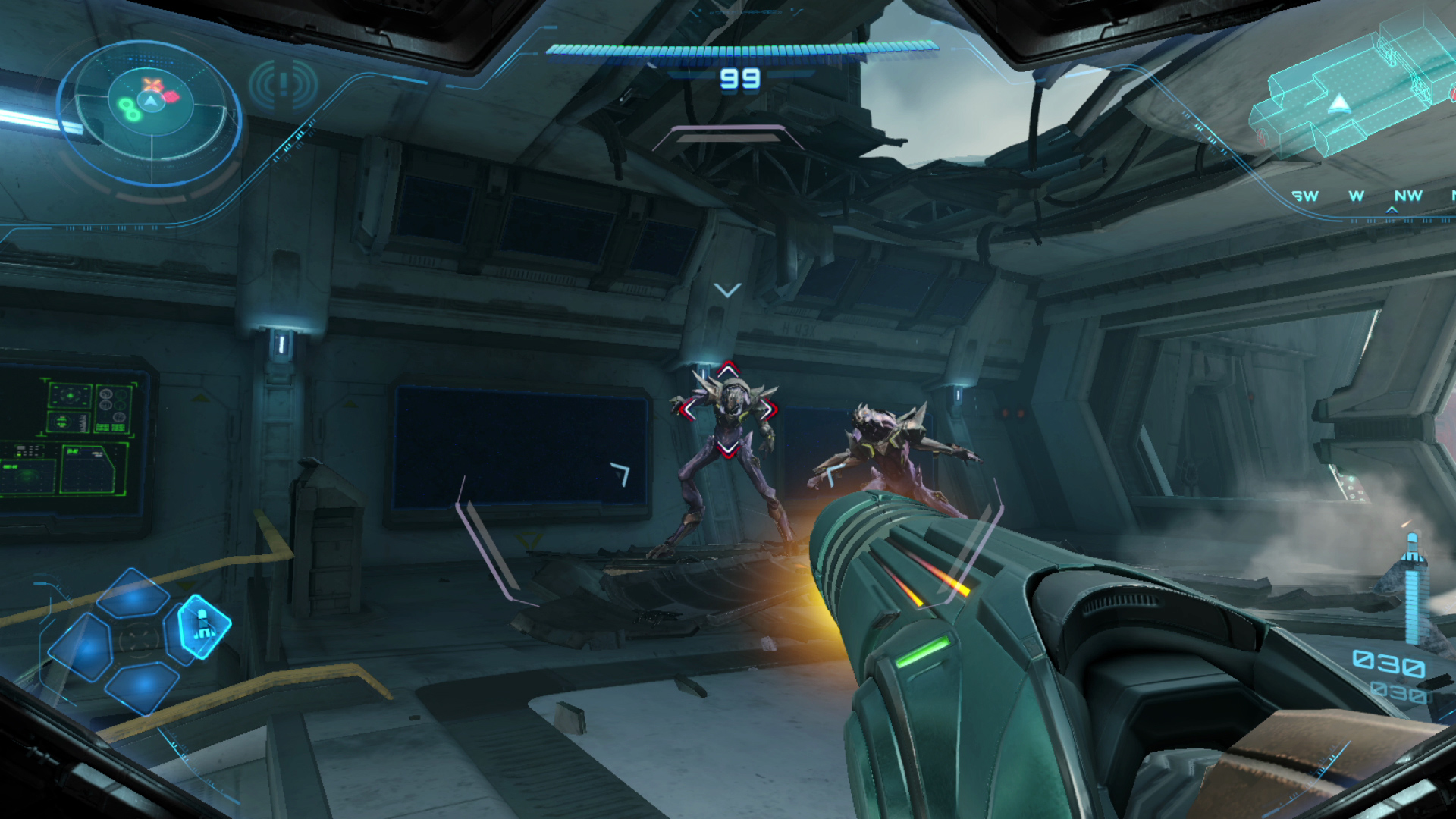
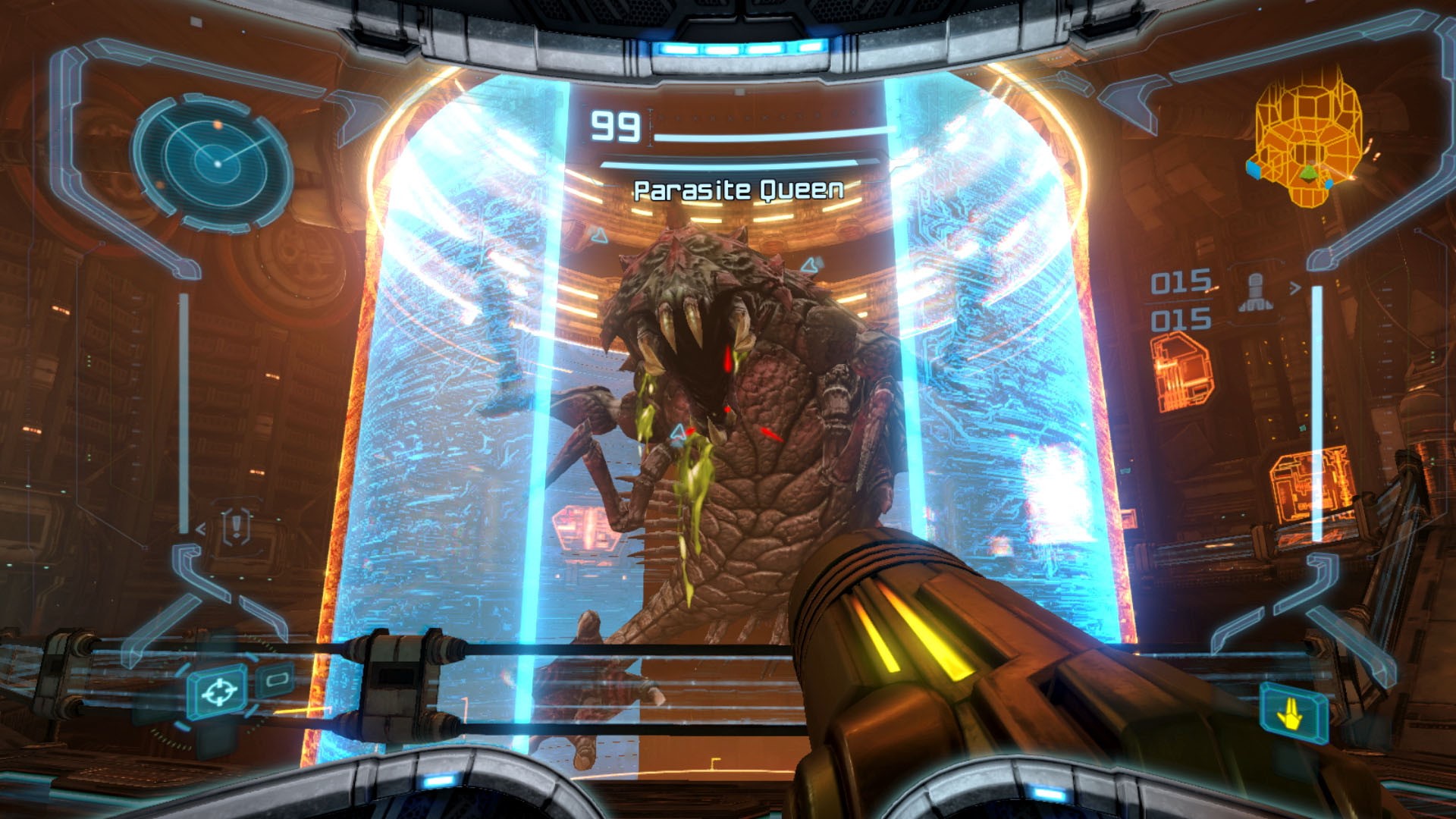
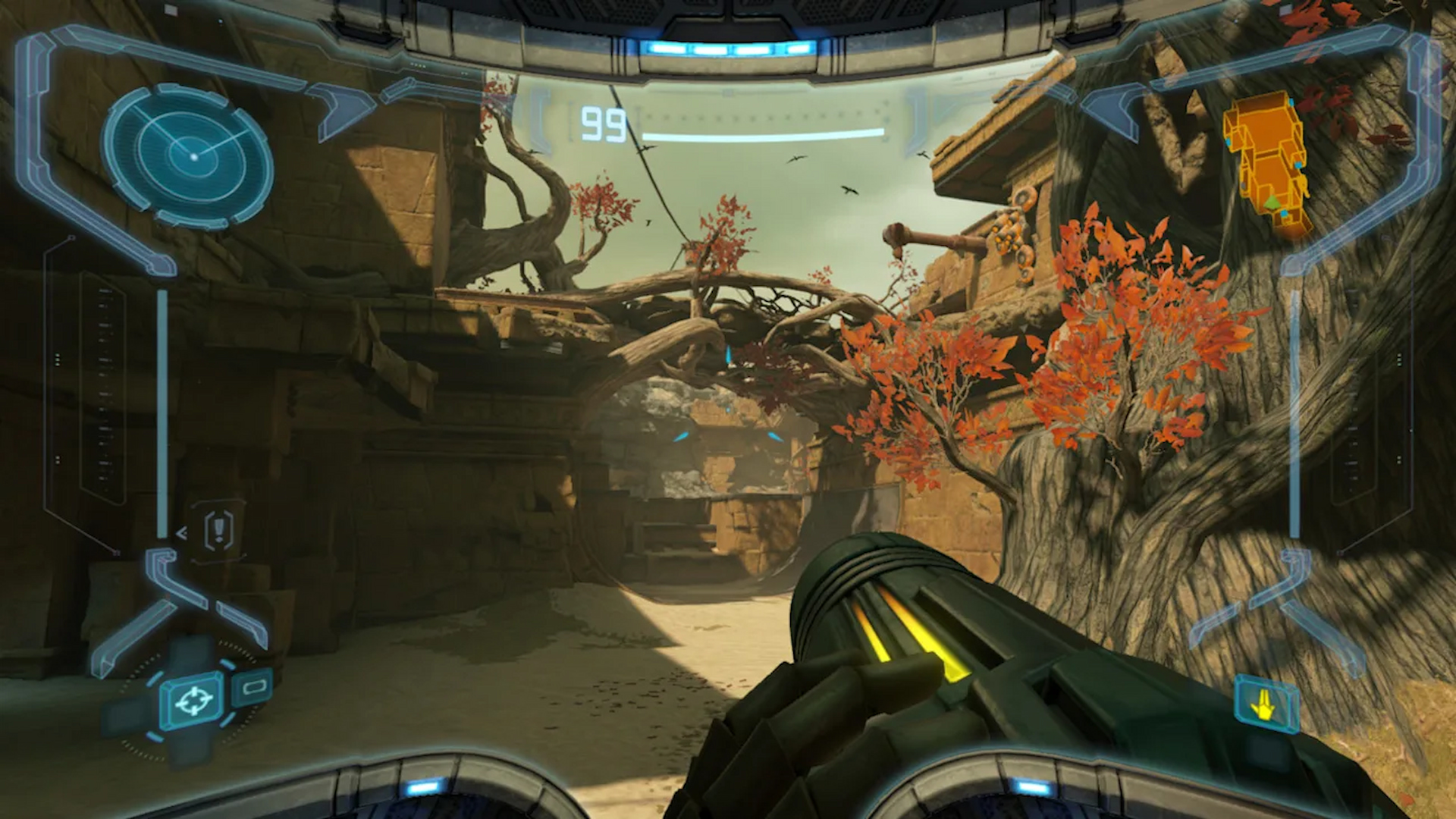
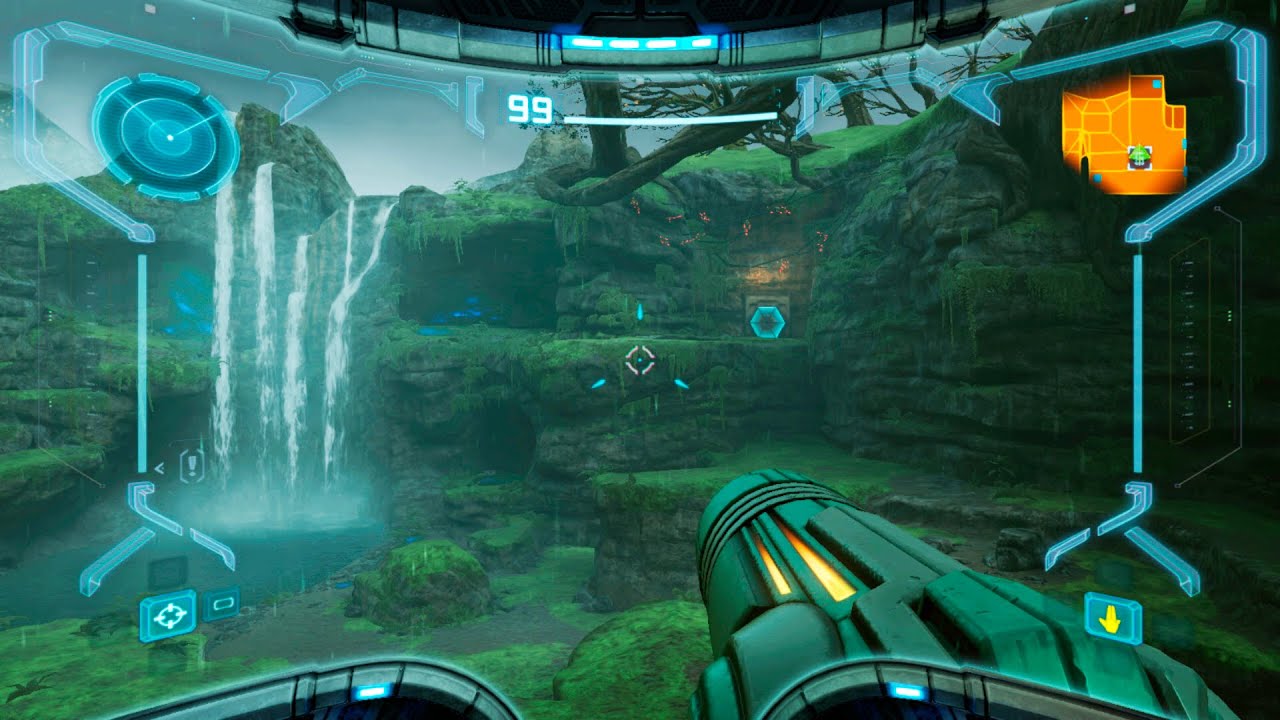
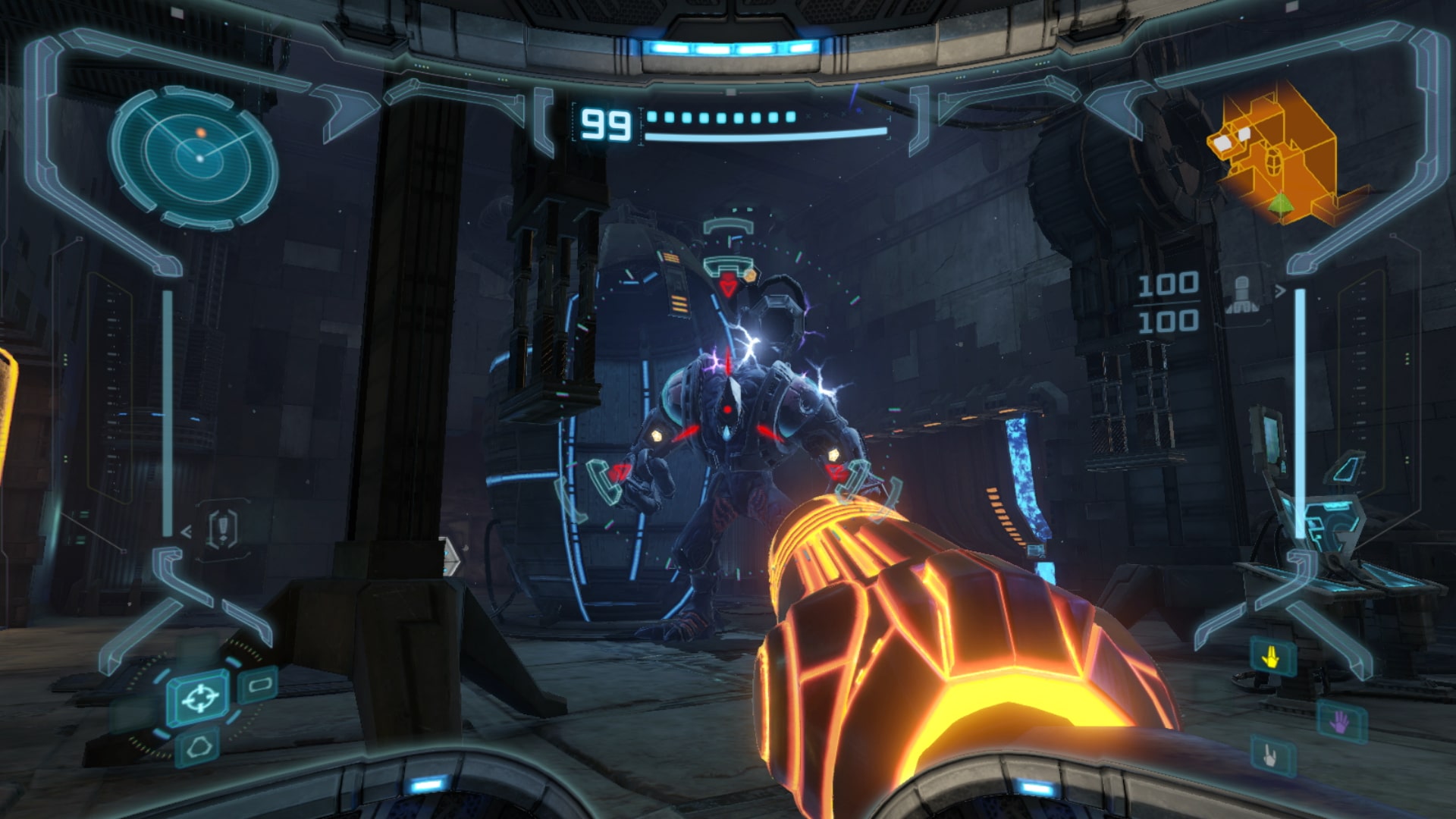
Metroid Prime’s visual direction was crucial to its success. The proprietary “Next-Gen” engine, while not as technically advanced as later titles, delivered a stunningly detailed and atmospheric world. Retro Studios meticulously crafted each environment, utilizing innovative lighting techniques and particle effects to create a sense of depth and realism. The game’s visual style perfectly complemented the first-person perspective, drawing players into the alien landscapes of Tallon IV. The use of morph ball sequences was particularly impressive, allowing for unique traversal options and puzzle solutions.
Gameplay Mechanics and Core Systems
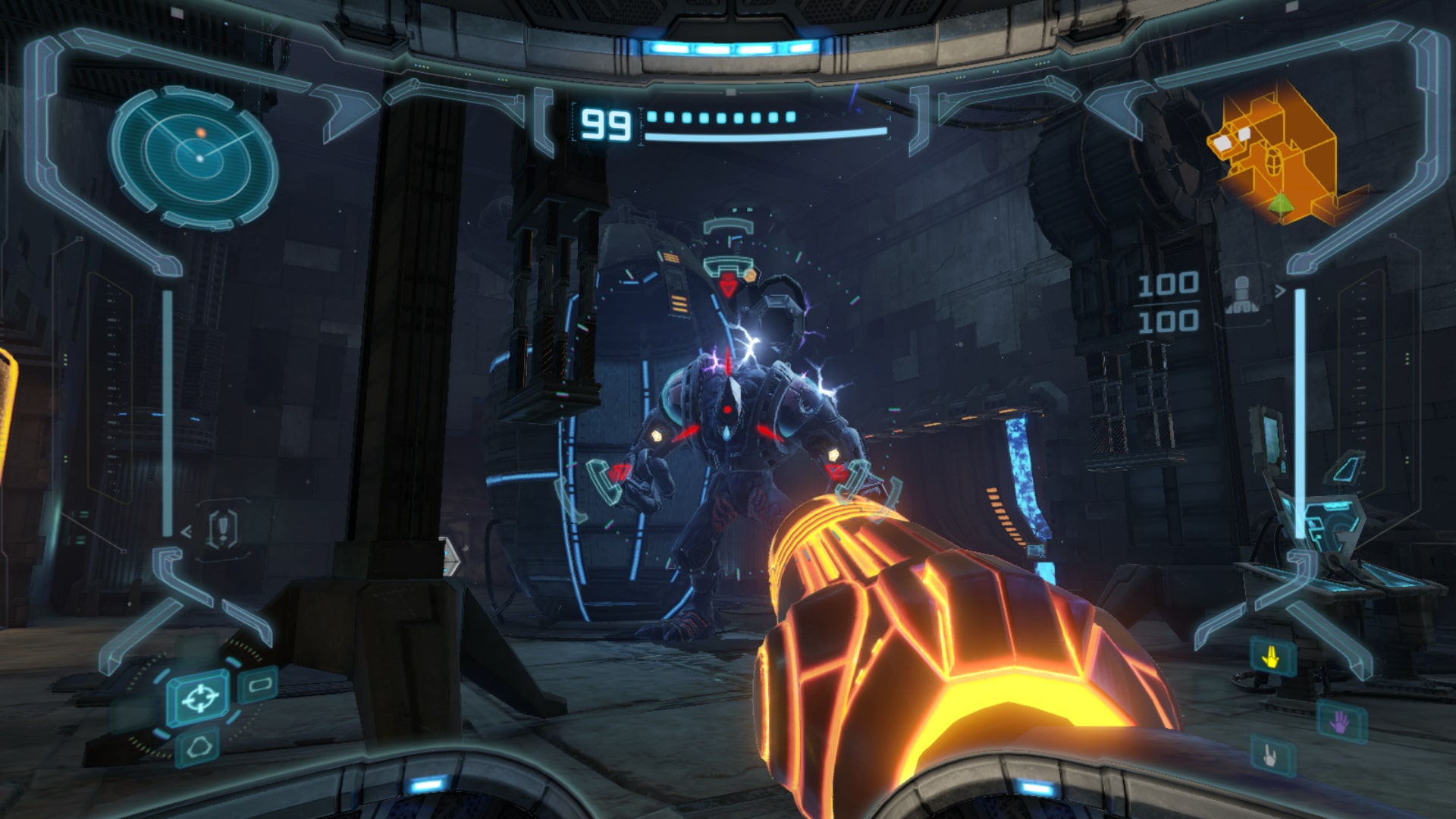
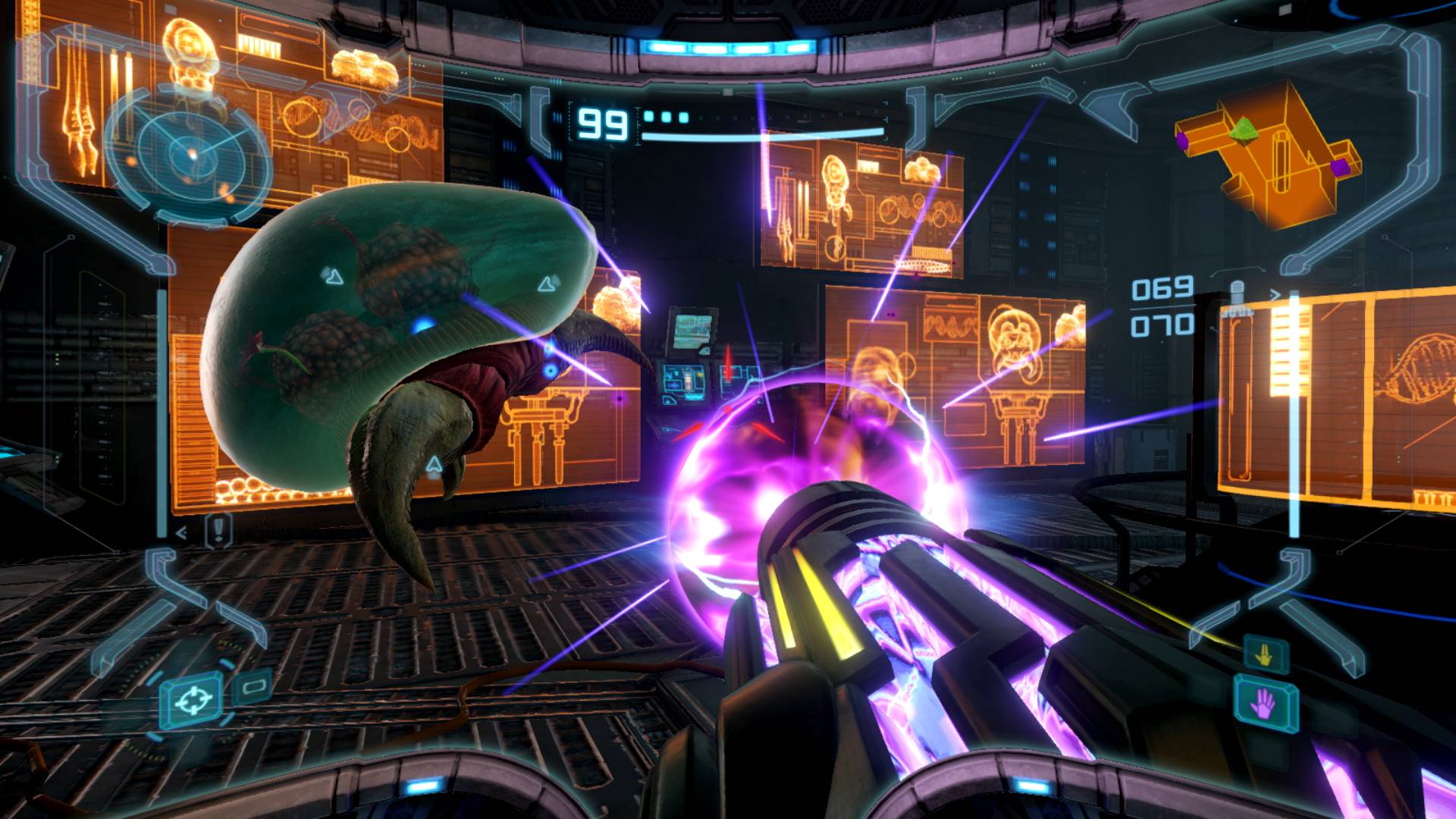
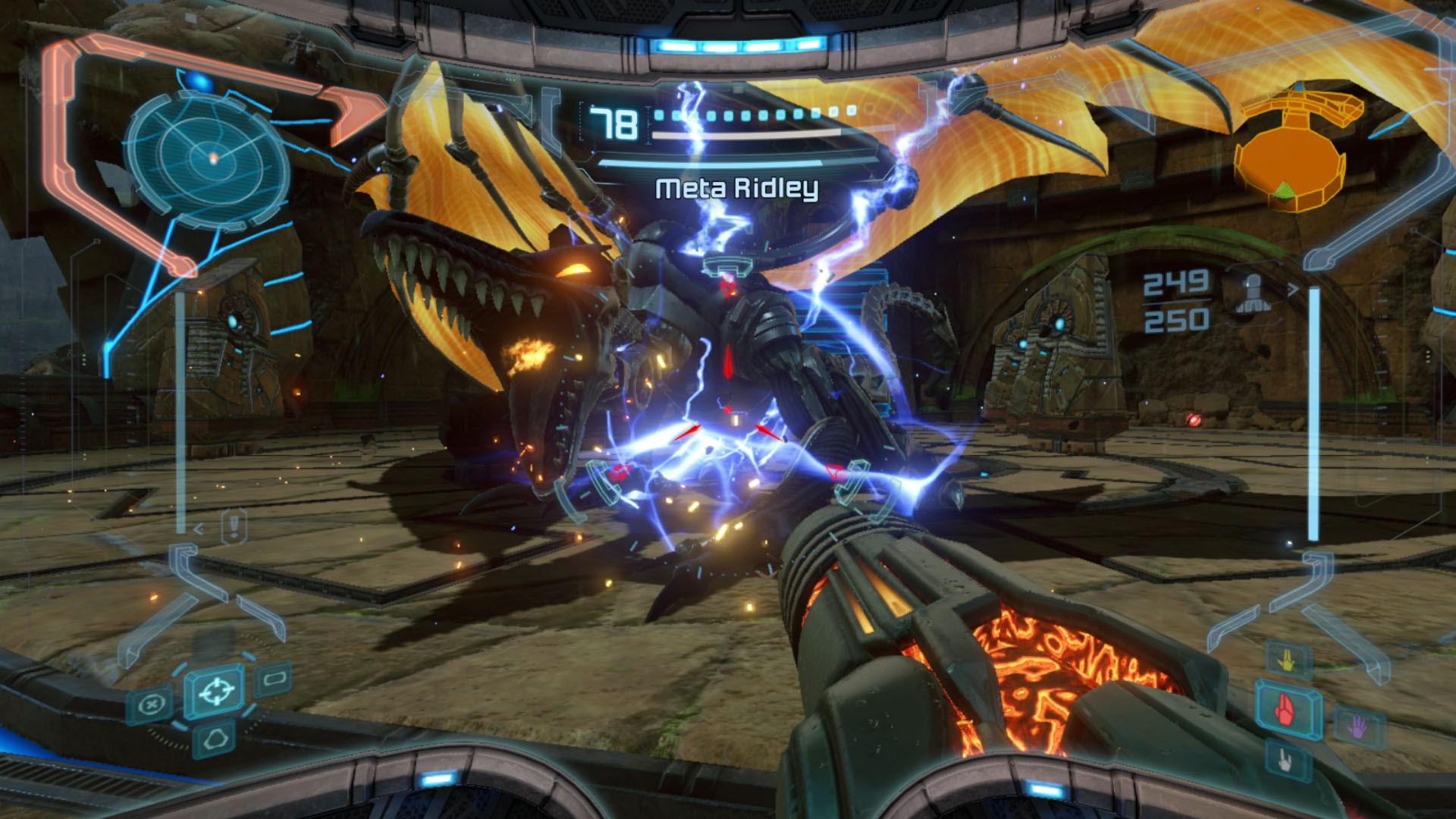
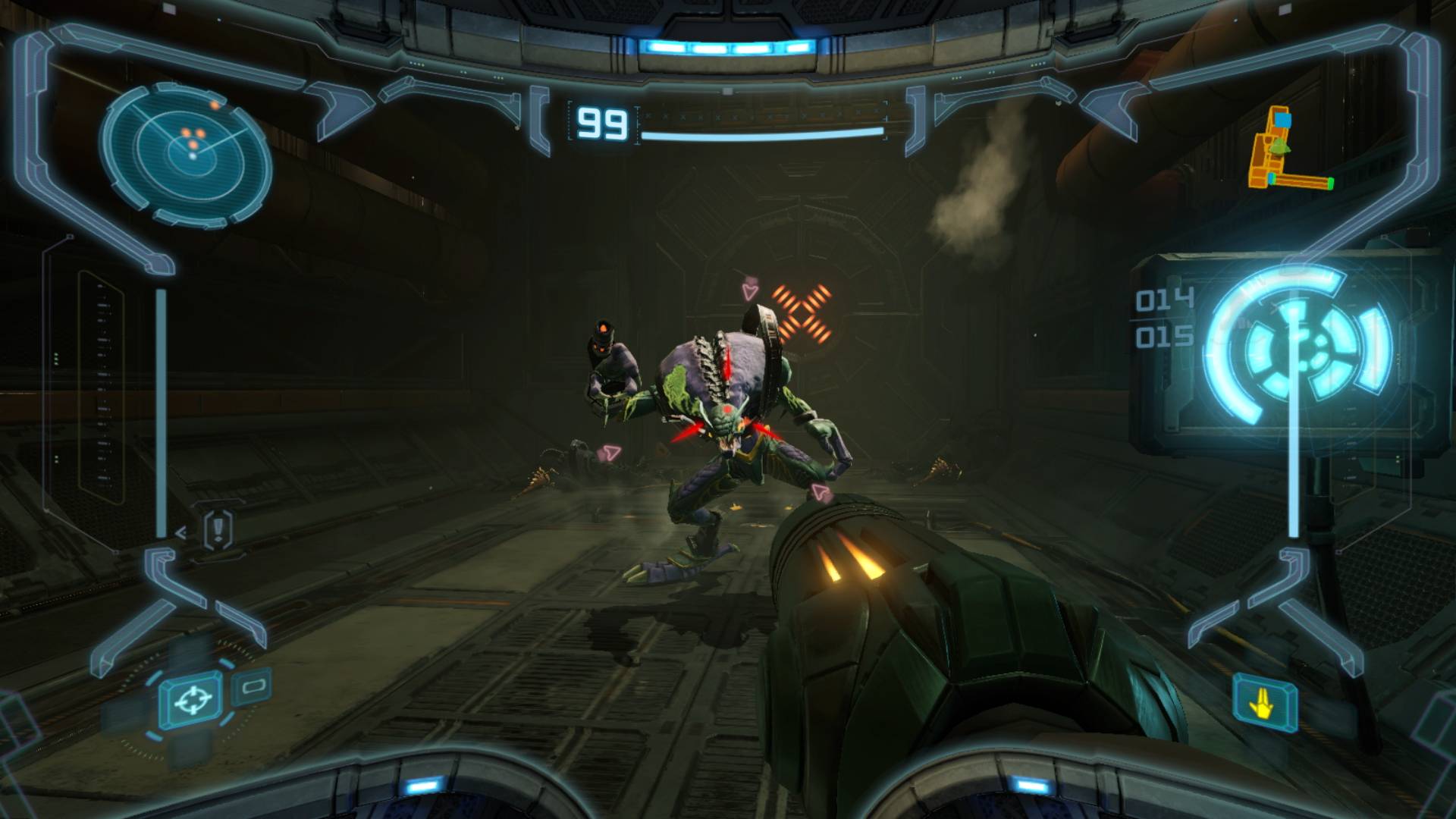
The core gameplay loop in Metroid Prime revolves around exploration, combat, and scanning. Players control Samus Aran as she navigates the environments, battling Space Pirates and uncovering the secrets of Tallon IV. The scanning mechanic is integral to the experience, allowing players to gather information about enemies, objects, and environmental hazards. Combat is deliberate and challenging, requiring strategic use of Samus’s various beam weapons and power-ups. The game also features a robust upgrade system, allowing players to enhance Samus’s abilities and unlock new traversal options.
Level Design and World Atmosphere
Tallon IV is more than just a collection of levels; it’s a living, breathing world filled with secrets and dangers. Retro Studios meticulously designed each area, creating a sense of interconnectedness and discovery. The game’s atmosphere is thick with tension and mystery, enhanced by the haunting soundtrack and the constant threat of unseen enemies. The level design encourages exploration, rewarding players who venture off the beaten path with hidden items and lore fragments.
Narrative Depth and Character Profiles
While Metroid Prime doesn’t rely heavily on cutscenes or dialogue, it tells a compelling story through environmental storytelling and subtle character interactions. Samus Aran is portrayed as a strong and capable protagonist, driven by her sense of duty and her desire to uncover the truth about Tallon IV. The game also features a cast of memorable characters, including the enigmatic Chozo statues and the menacing Space Pirates.
Sound Design and Acoustic Realism
The sound design in Metroid Prime is nothing short of exceptional. From the subtle hum of Samus’s visor to the chilling roars of the Phazon creatures, every sound effect is meticulously crafted to enhance the game’s atmosphere. The soundtrack, composed by Kenji Yamamoto and Kouichi Kyuma, perfectly complements the visuals, creating a sense of both wonder and dread.
Release Expectations and Community Hype
The announcement of Metroid Prime generated significant hype within the gaming community. Fans were eager to see how Nintendo would translate the beloved 2D franchise into a first-person perspective. The game’s release was met with widespread acclaim, solidifying its place as a classic in both the Metroid and GameCube libraries.
Conclusion: The Future of Metroid Prime
Metroid Prime remains a landmark achievement in gaming history. Its innovative gameplay mechanics, stunning visuals, and immersive atmosphere continue to captivate players today. It serves as a testament to the power of creative vision and technical expertise, solidifying its legacy as one of the most influential games ever made.
Source: Wikipedia