Introduction: The Next Chapter for Metrid Prime 3: Corruption
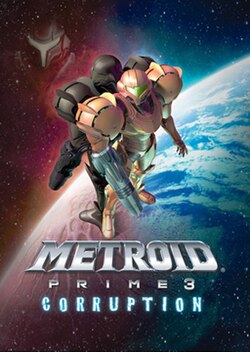
Metroid Prime 3: Corruption, released in 2007 by Retro Studios and Nintendo, marked a pivotal moment in the Metroid franchise. Building upon the foundation laid by its predecessors, Corruption boldly embraced the innovative Wii hardware, aiming to deliver an immersive first-person adventure with unique control schemes. This Masterclass Deep Dive will dissect every facet of the game, from its visual direction and gameplay mechanics to its narrative depth and lasting impact on the gaming landscape. We’re not just reviewing a game; we’re analyzing a technological and artistic achievement that pushed the boundaries of what was possible on the Wii.
Visual Direction and Graphics Engineering
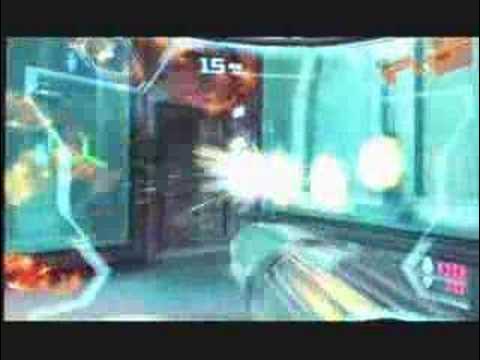
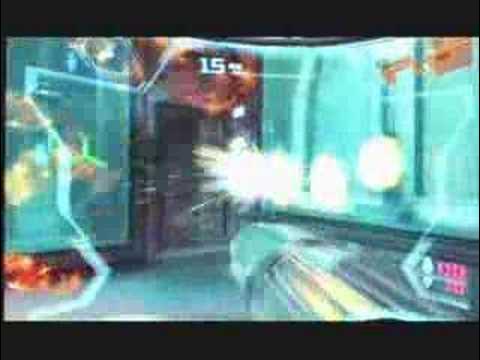
Corruption’s visual style is characterized by its blend of sci-fi aesthetics and organic environments, creating a world both alien and strangely familiar. The use of lighting and shadow plays a crucial role in establishing atmosphere, particularly during encounters with Phazon corruption. While limited by the Wii’s hardware capabilities compared to later generations, Retro Studios managed to create detailed textures and models that held up remarkably well for their time. The game’s visual direction prioritized creating a sense of scale and isolation, emphasizing Samus Aran’s vulnerability in the vastness of space. The use of particle effects, particularly during combat, added another layer of visual flair. While not pushing graphical boundaries by today’s standards, the artistic choices made in Corruption ensured a visually engaging experience that complemented the gameplay.
Gameplay Mechanics and Core Systems
Corruption introduced several key gameplay innovations, most notably its reliance on the Wii Remote for aiming and movement, while using the Nunchuk for character control. This unconventional control scheme was both praised and criticized; while it offered a unique level of immersion, it also proved challenging for some players to master. The “Hypermode” system allowed Samus to unleash devastating attacks when facing overwhelming odds, adding a strategic element to combat encounters. Furthermore, the ability to command a gunship expanded the scope of gameplay beyond traditional on-foot exploration. The game’s physics engine, while not as sophisticated as those found in later titles, contributed to the overall sense of weight and impact during interactions with the environment.
Level Design and World Atmosphere
Corruption’s level design is a masterclass in environmental storytelling. Each planet visited by Samus feels distinct and alive, populated with unique flora, fauna, and remnants of past civilizations. The game’s atmosphere is thick with tension, as players constantly grapple with the encroaching threat of Phazon corruption. Retro Studios expertly used verticality to create memorable set pieces, encouraging exploration and rewarding curiosity. The use of interactive elements within the environment added another layer of depth, allowing players to manipulate objects and uncover hidden secrets.
Narrative Depth and Character Profiles
The narrative in Corruption is a compelling tale of survival and sacrifice. Samus Aran, once again the protagonist, faces not only external threats but also an internal struggle against the corrupting influence of Phazon. The game delves deeper into her character, exploring her motivations and vulnerabilities. The introduction of Dark Samus as a recurring antagonist added another layer of intrigue to the storyline. While the narrative may not be overtly complex, it is effectively delivered through environmental storytelling, cutscenes, and interactions with other characters.
Sound Design and Acoustic Realism
The sound design in Corruption is crucial to creating an immersive experience. The haunting soundtrack by Kenji Yamamoto, Minako Hamano, and Masaru Tajima perfectly complements the game’s atmosphere, ranging from tense ambient tracks during exploration to adrenaline-pumping battle themes. The use of directional audio cues helps players locate enemies and navigate complex environments. The sound effects for weapons, explosions, and environmental interactions are impactful and contribute to the overall sense of realism.
Release Expectations and Community Hype
Metroid Prime 3: Corruption was highly anticipated following its initial reveal at E3 2005. The innovative control scheme and promise of a new adventure in the Metroid universe generated significant hype among fans. However, concerns were also raised about the game’s reliance on motion controls, which some players found daunting. Despite these reservations, the game ultimately delivered on its promises, offering a unique and memorable experience that resonated with both longtime fans and newcomers to the series.
Conclusion: The Future of Metroid Prime 3: Corruption
Metroid Prime 3: Corruption remains a landmark title in the history of gaming. Its innovative control scheme, immersive atmosphere, and compelling narrative cemented its place as a classic. While it may not have achieved the same level of mainstream success as some other titles, its influence can be seen in subsequent games that embraced motion controls and first-person perspectives. The game’s legacy continues to inspire developers and captivate players, ensuring that Metroid Prime 3: Corruption will remain a beloved title for years to come.
Source: Wikipedia


