Introduction: The Next Chapter for Metro: Last Light
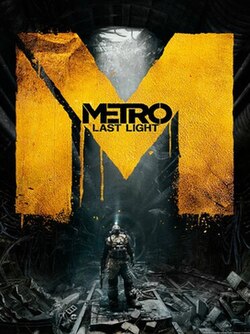
Metro: Last Light, developed by 4A Games and published by Deep Silver, arrived in 2013 as a direct sequel to the critically acclaimed Metro 2033. Building upon the foundation laid by its predecessor, Last Light aimed to refine gameplay mechanics, enhance visual fidelity, and deepen the narrative experience within the post-apocalyptic world inspired by Dmitry Glukhovsky’s novel. The game places players back in the boots of Artyom, a young soldier tasked with uncovering the mysteries surrounding the “Dark Ones” while navigating the treacherous landscape of the Moscow Metro and venturing into the irradiated surface. Last Light represented more than just a sequel; it was an evolution, striving to deliver a truly immersive and unforgettable gaming experience.
Visual Direction and Graphics Engineering
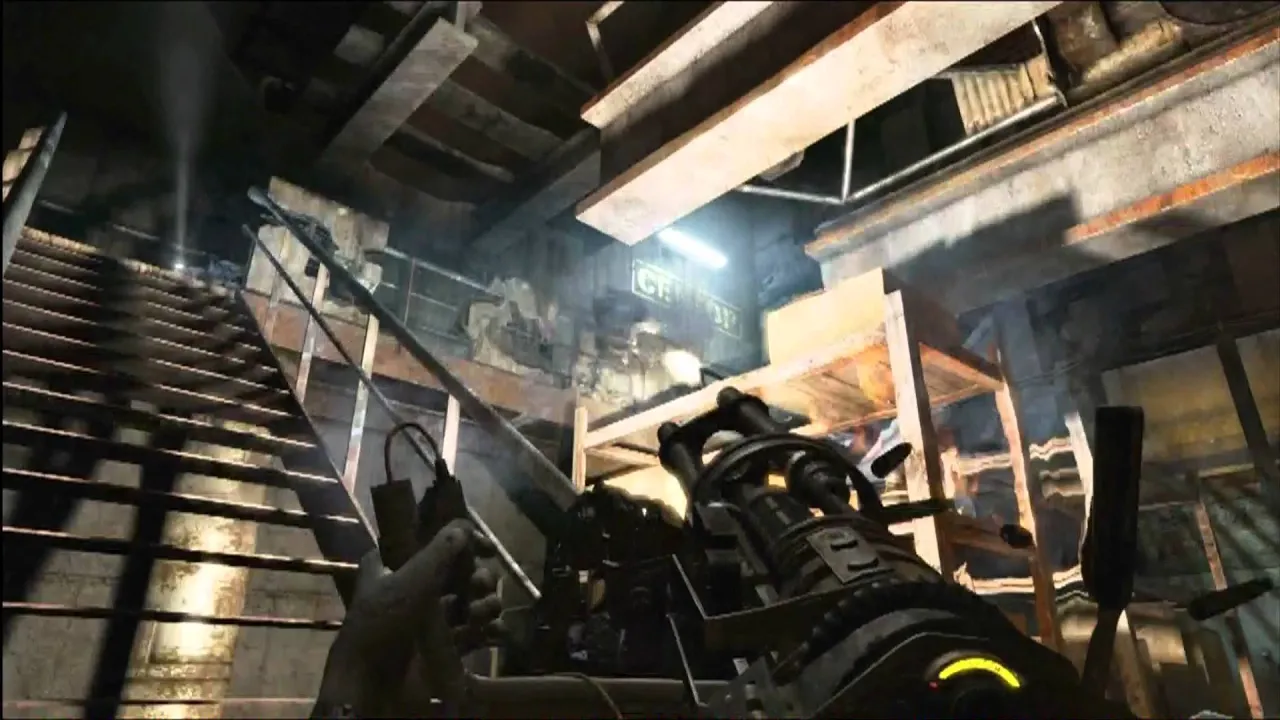
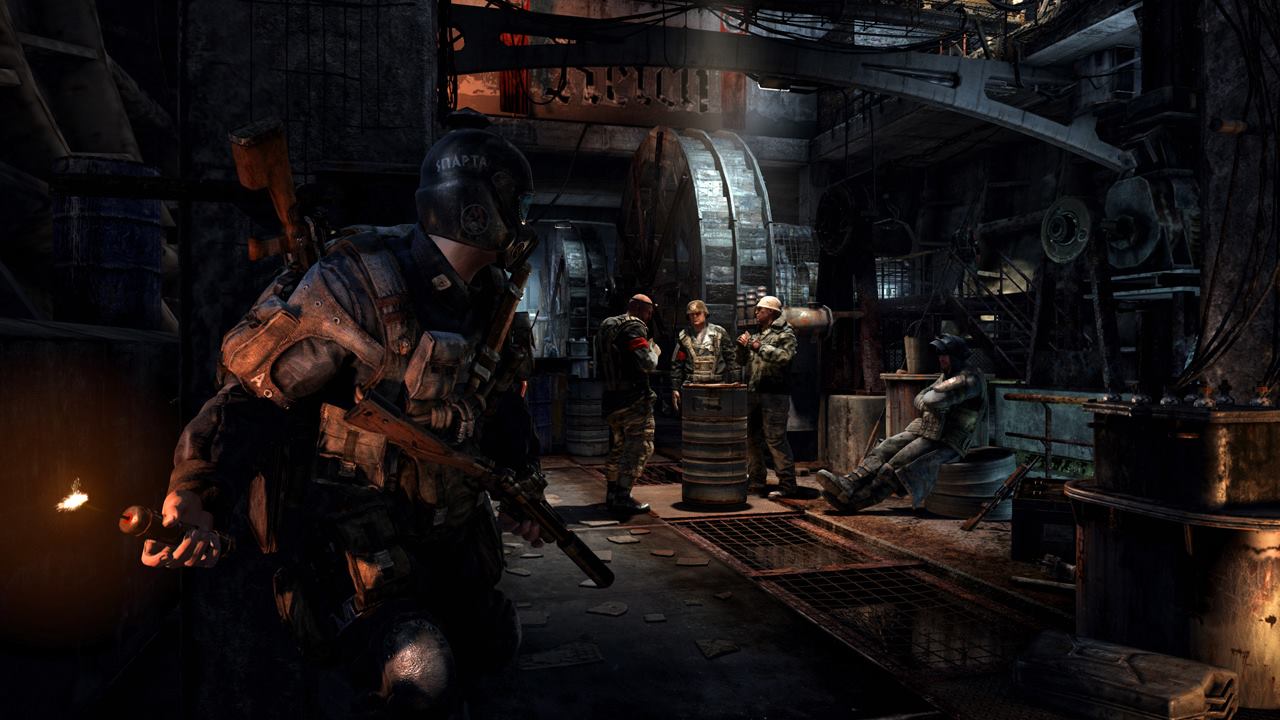
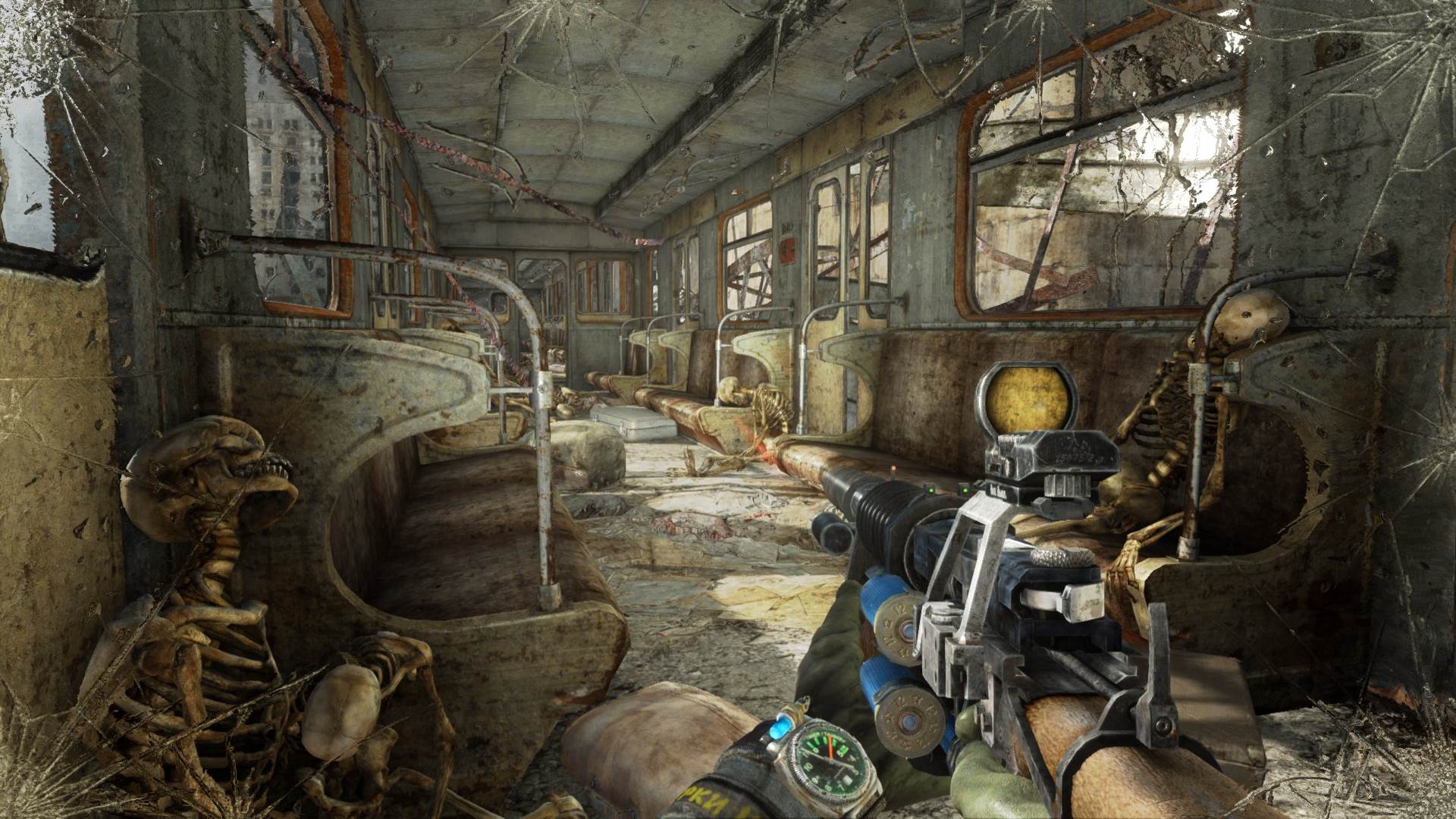
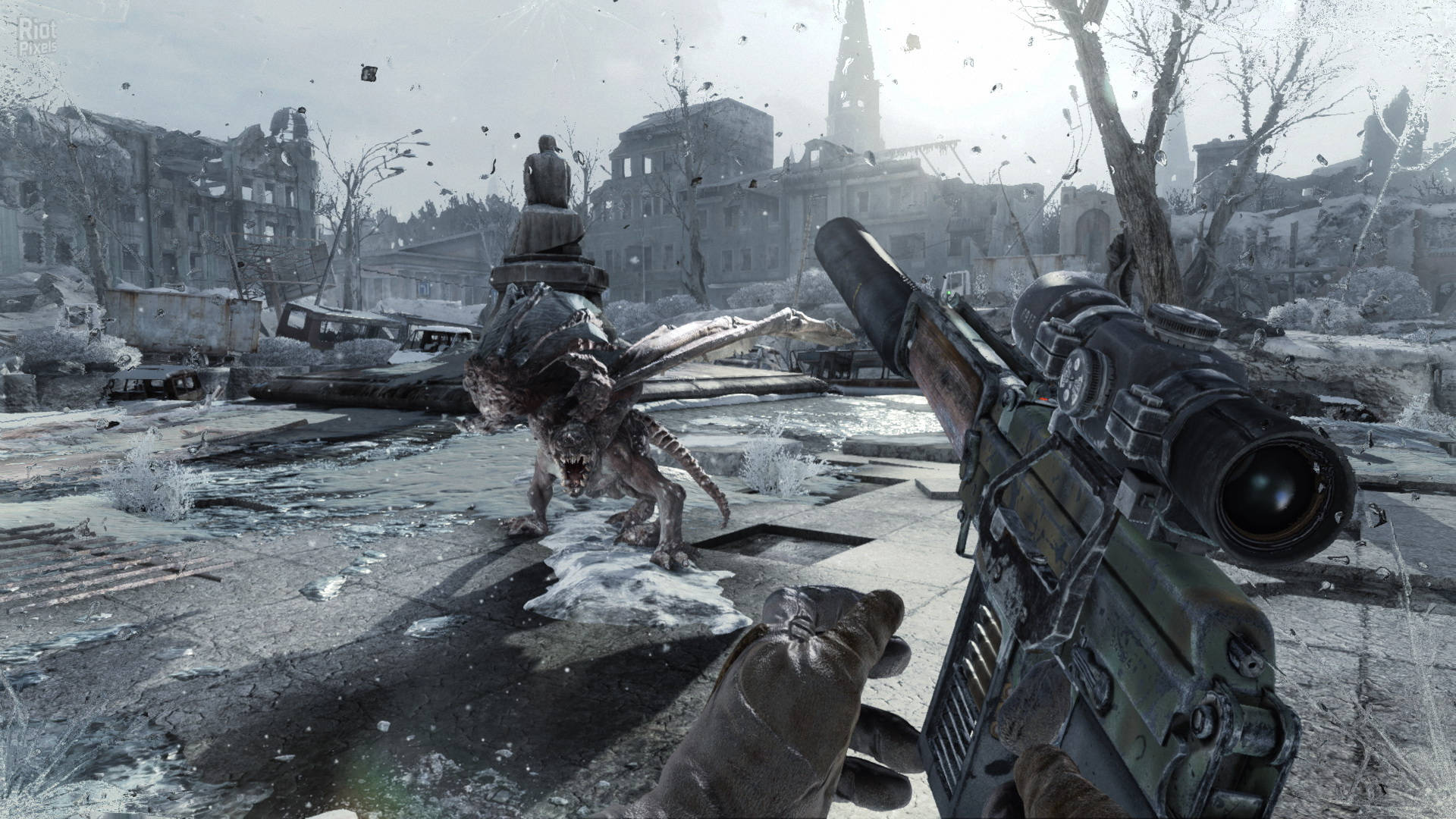
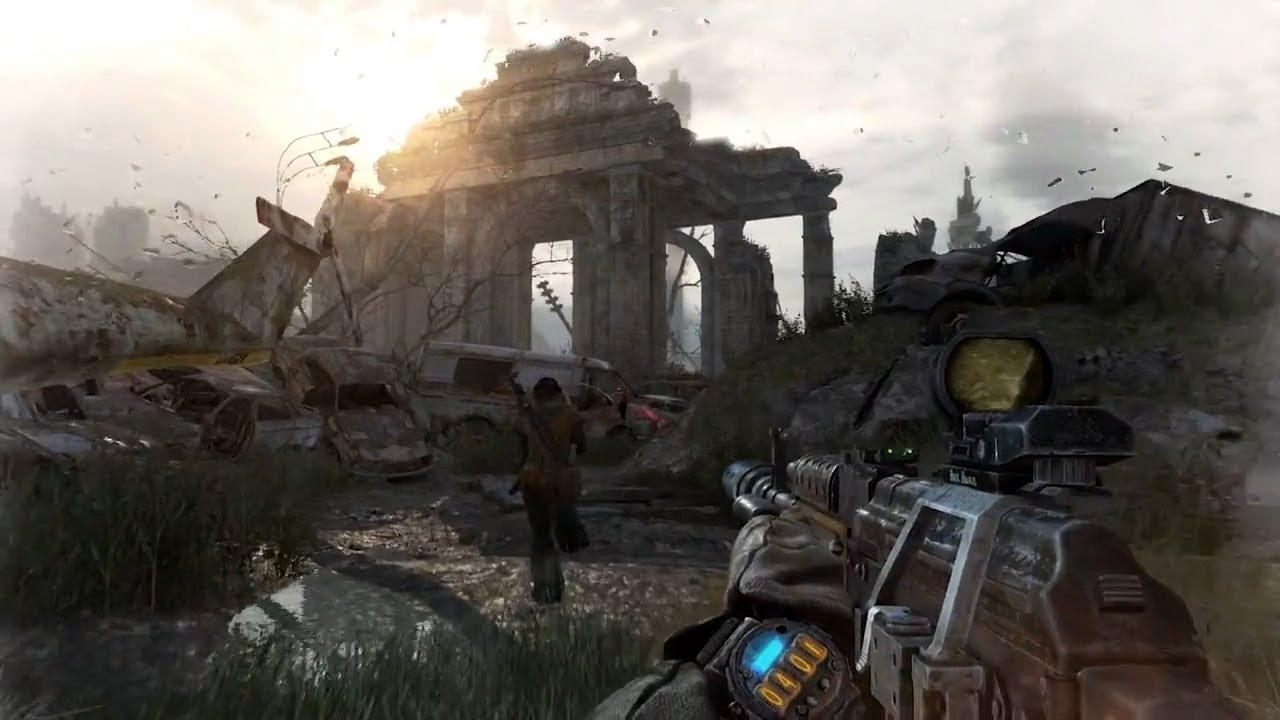
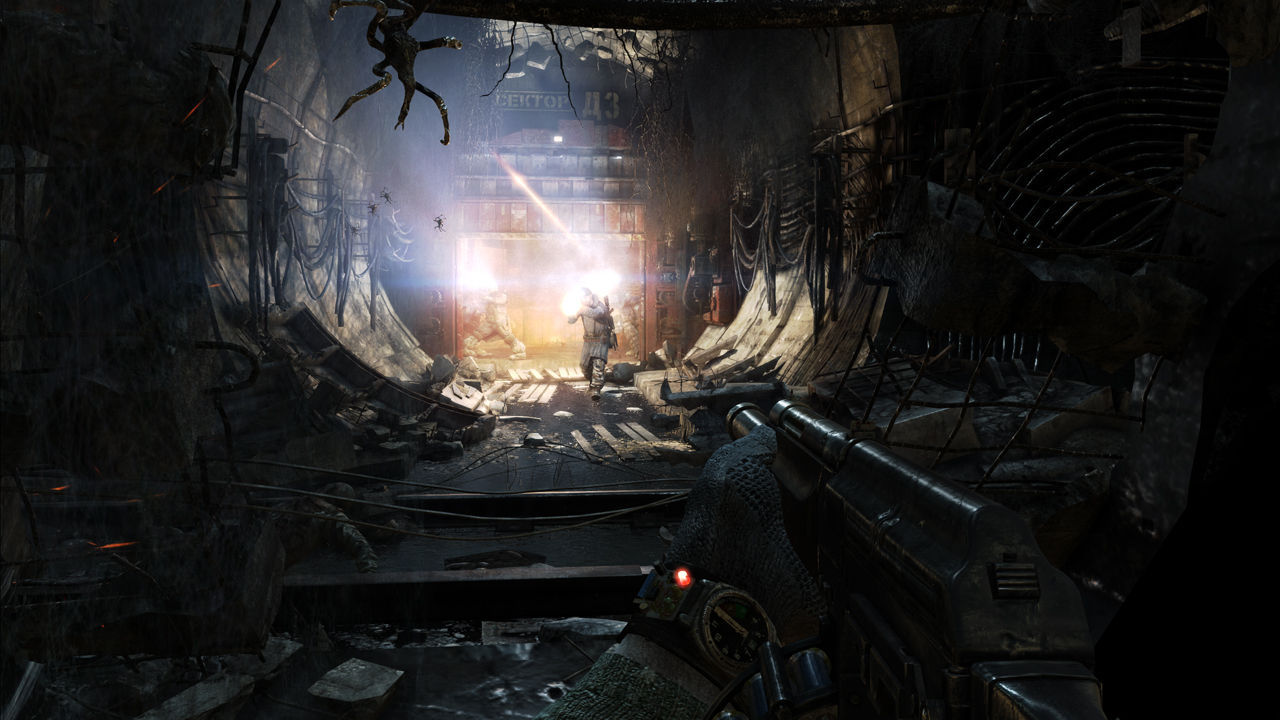
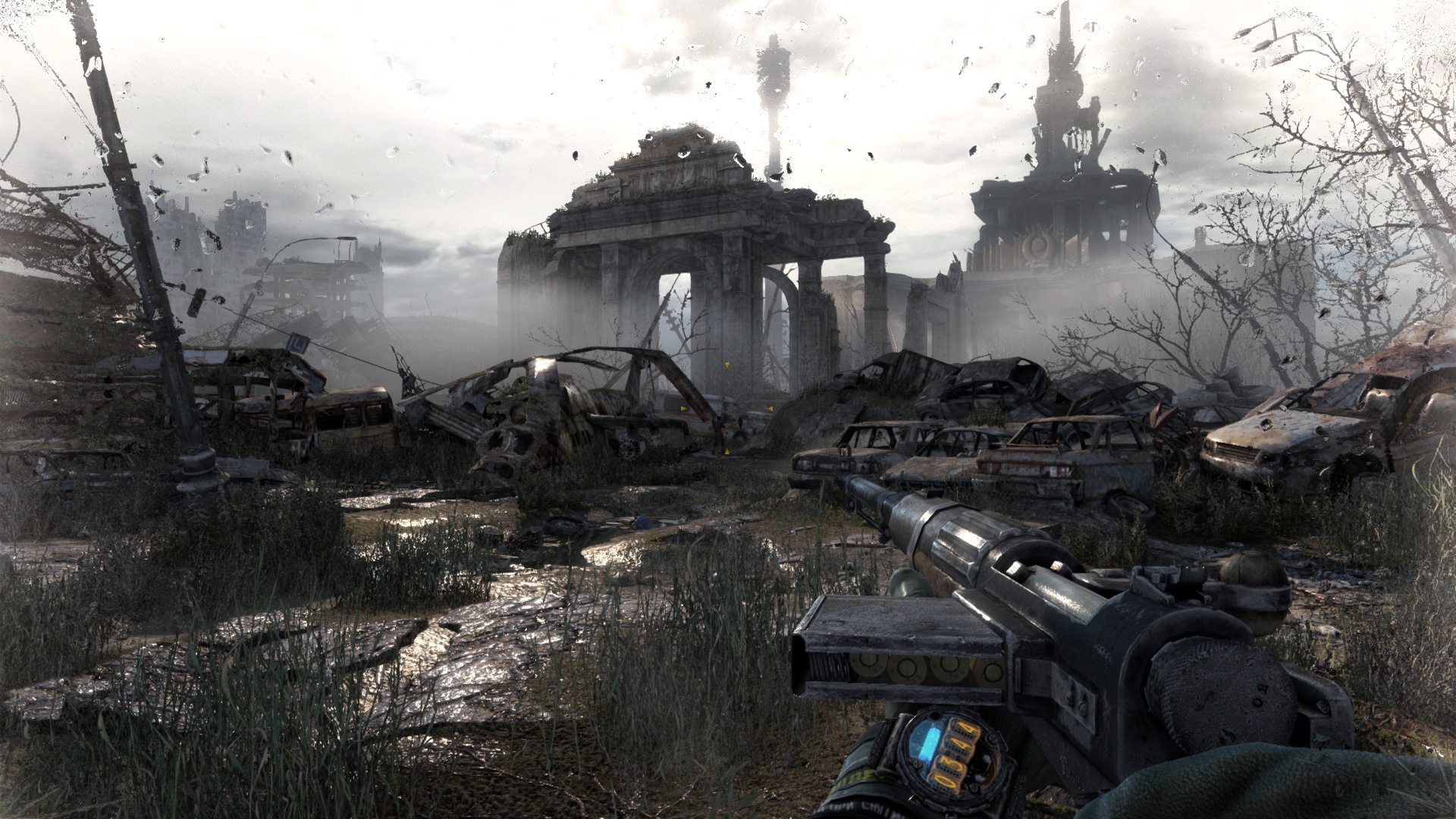
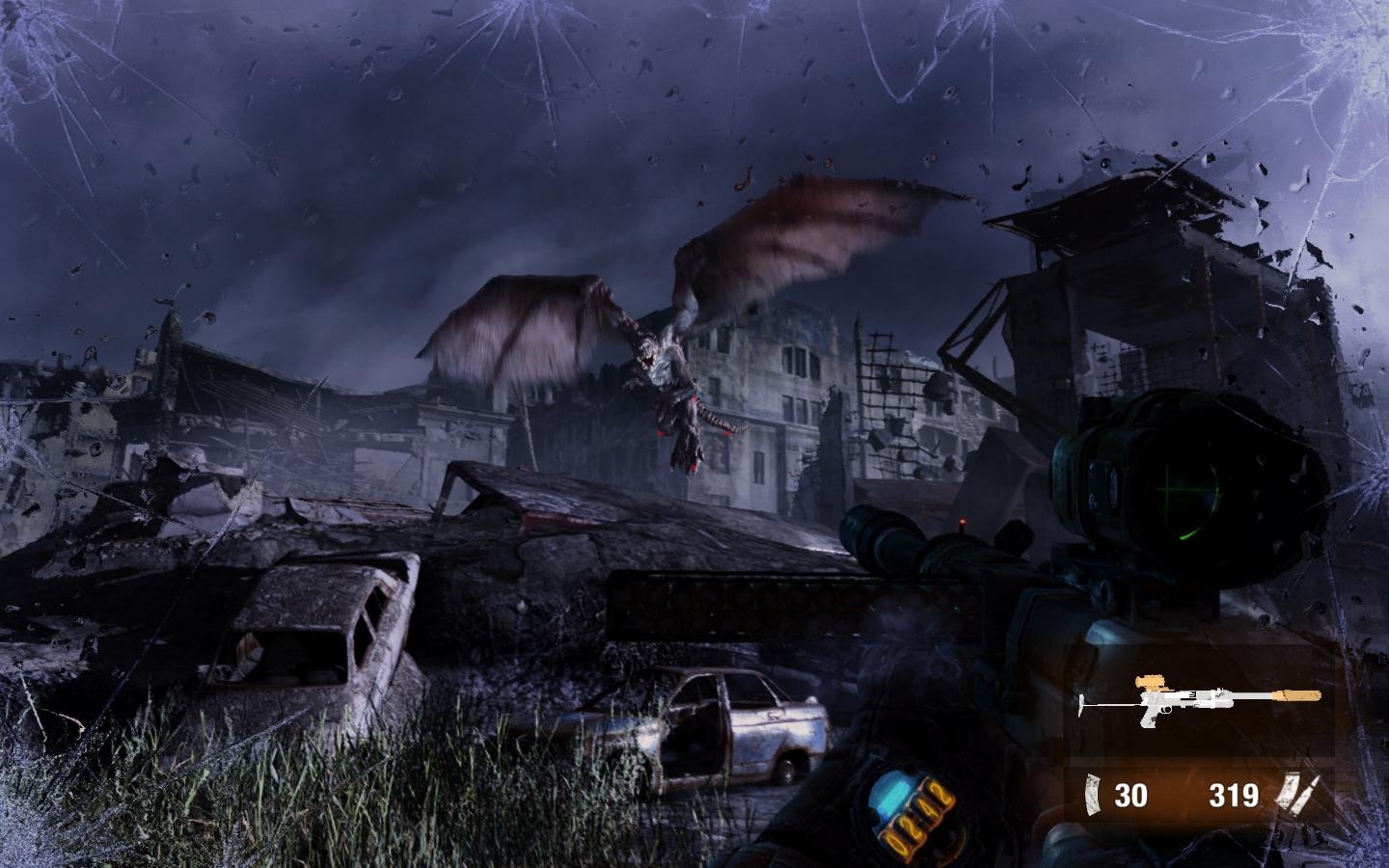
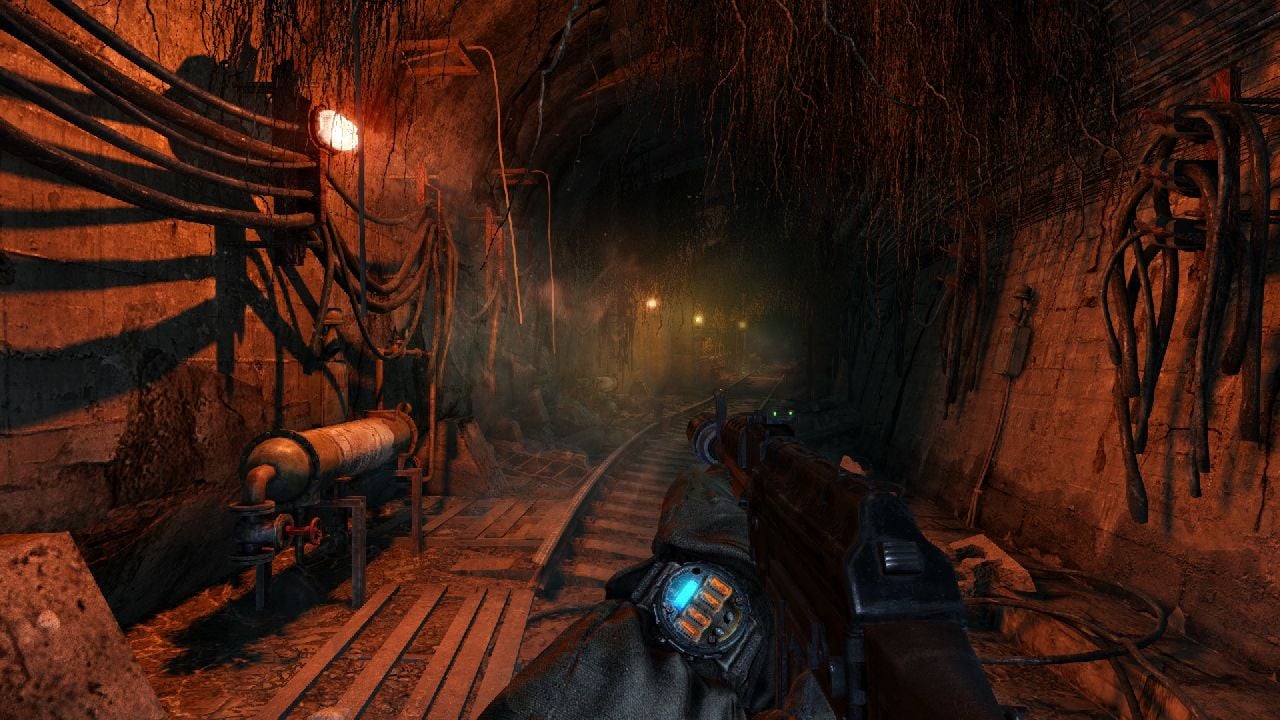
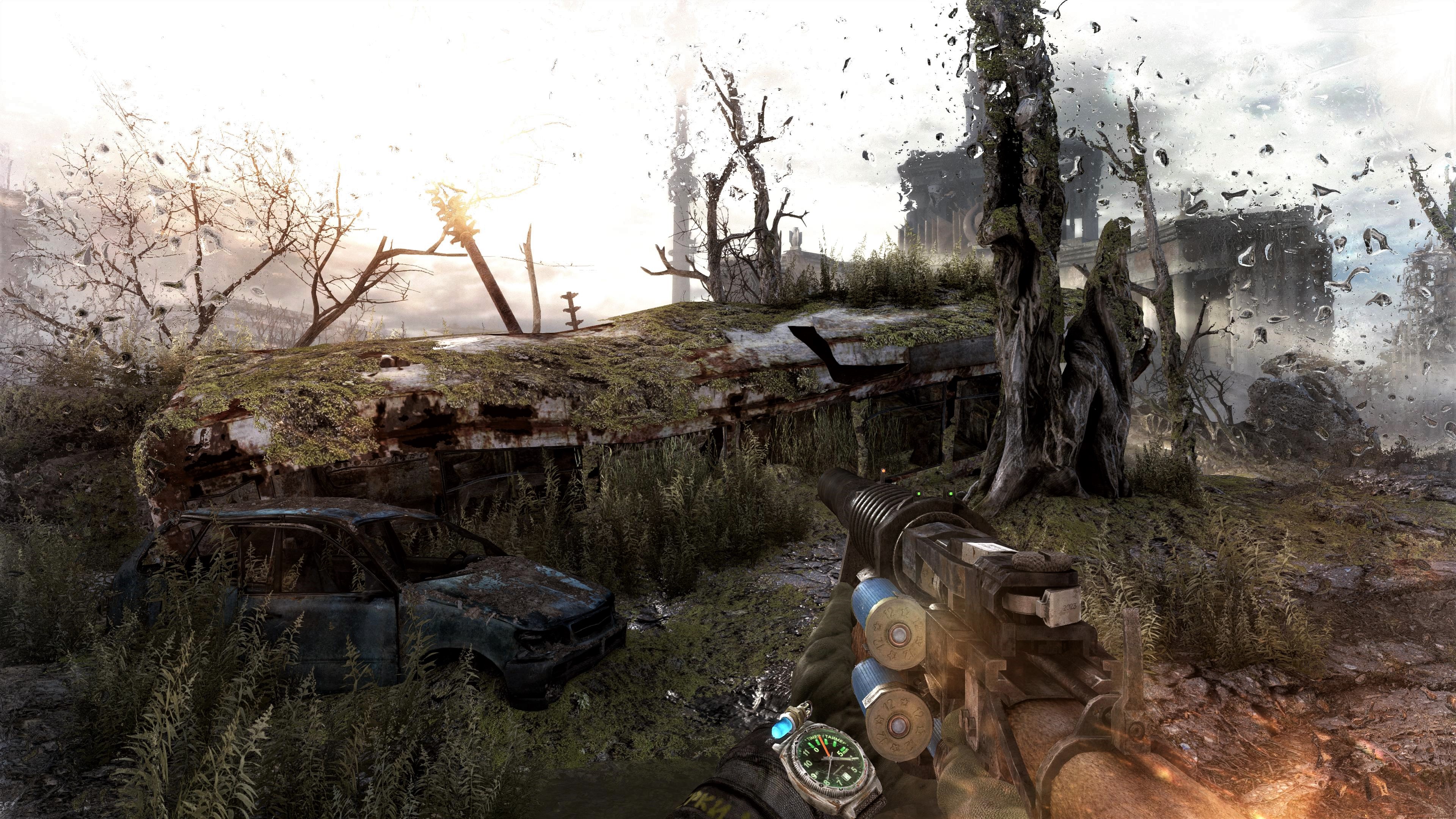
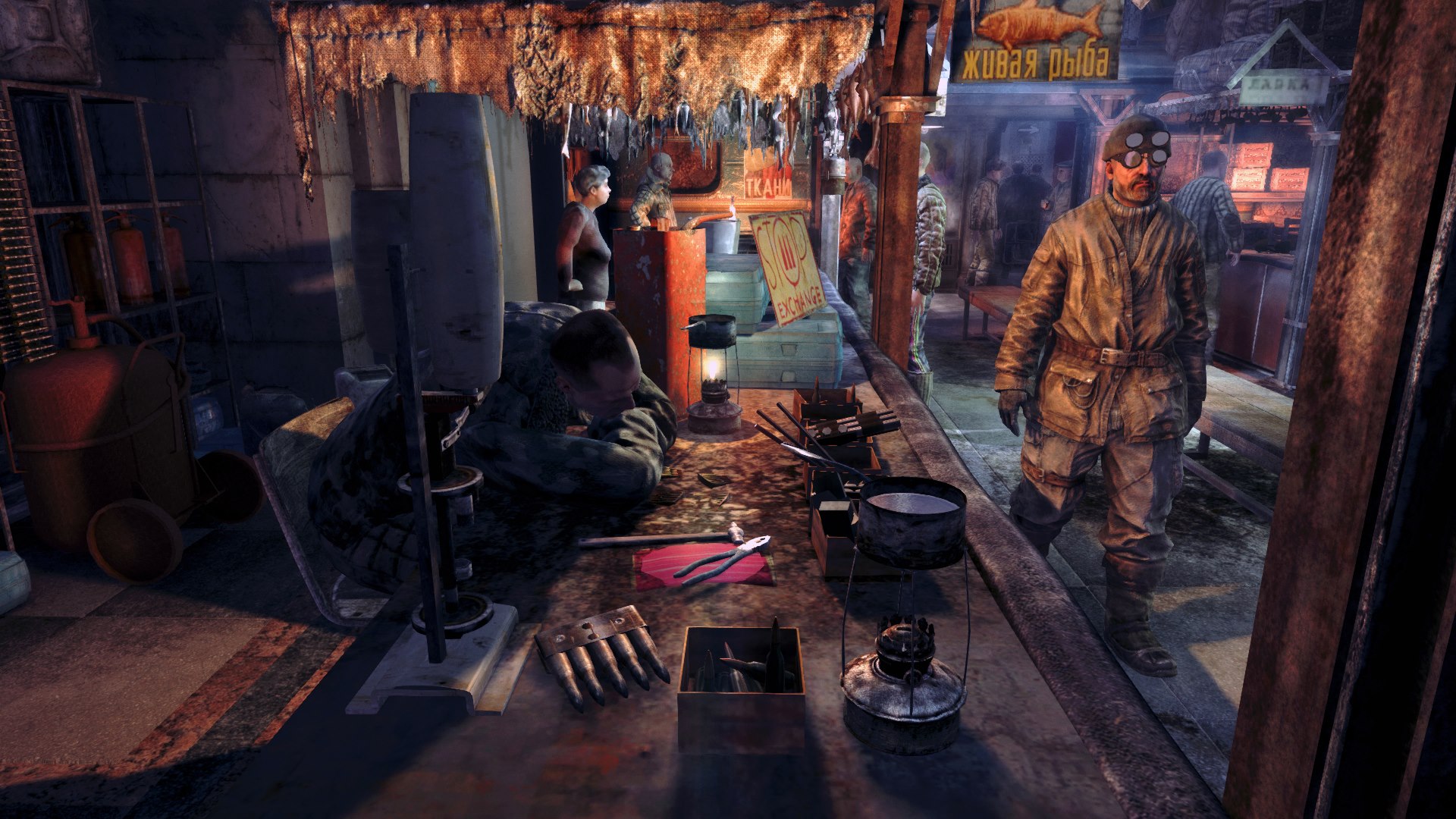
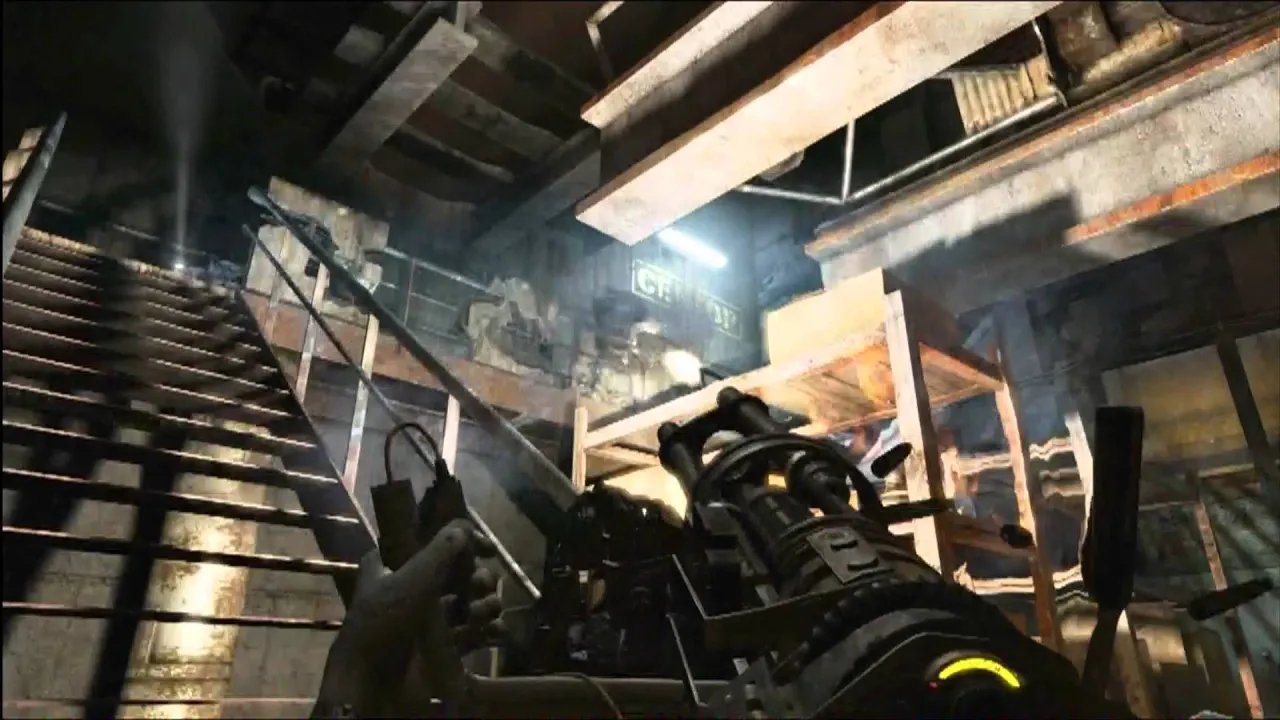
Metro: Last Light showcased impressive graphics for its time, largely thanks to the proprietary 4A Engine. The engine allowed for dynamic lighting, detailed textures, and advanced particle effects that brought the claustrophobic tunnels of the Metro and the desolate surface world to life. The developers focused on creating a sense of realism and immersion through meticulous attention to detail, from the grime-covered surfaces of the underground stations to the eerie beauty of the ruined cities above ground. Optimization was also key; the game offered various graphical presets to accommodate different hardware configurations, ensuring a playable experience for a wider audience. This commitment to visual fidelity, coupled with robust optimization, made Last Light a benchmark for graphics in its era.
Gameplay Mechanics and Core Systems
Building upon the foundation of Metro 2033, Last Light introduced several refinements to the gameplay mechanics. The weapon handling felt more responsive, and the introduction of weapon customization added a new layer of strategic depth. Players could modify their weapons with attachments like scopes, suppressors, and extended magazines, tailoring their arsenal to suit different combat scenarios. Stealth also played a crucial role, allowing players to avoid direct confrontation with enemies when possible. The game’s AI was improved, making enemies more intelligent and unpredictable. While the core gameplay loop of scavenging for resources, managing your oxygen supply, and engaging in tense firefights remained central, Last Light offered a more polished and refined experience compared to its predecessor.
Level Design and World Atmosphere
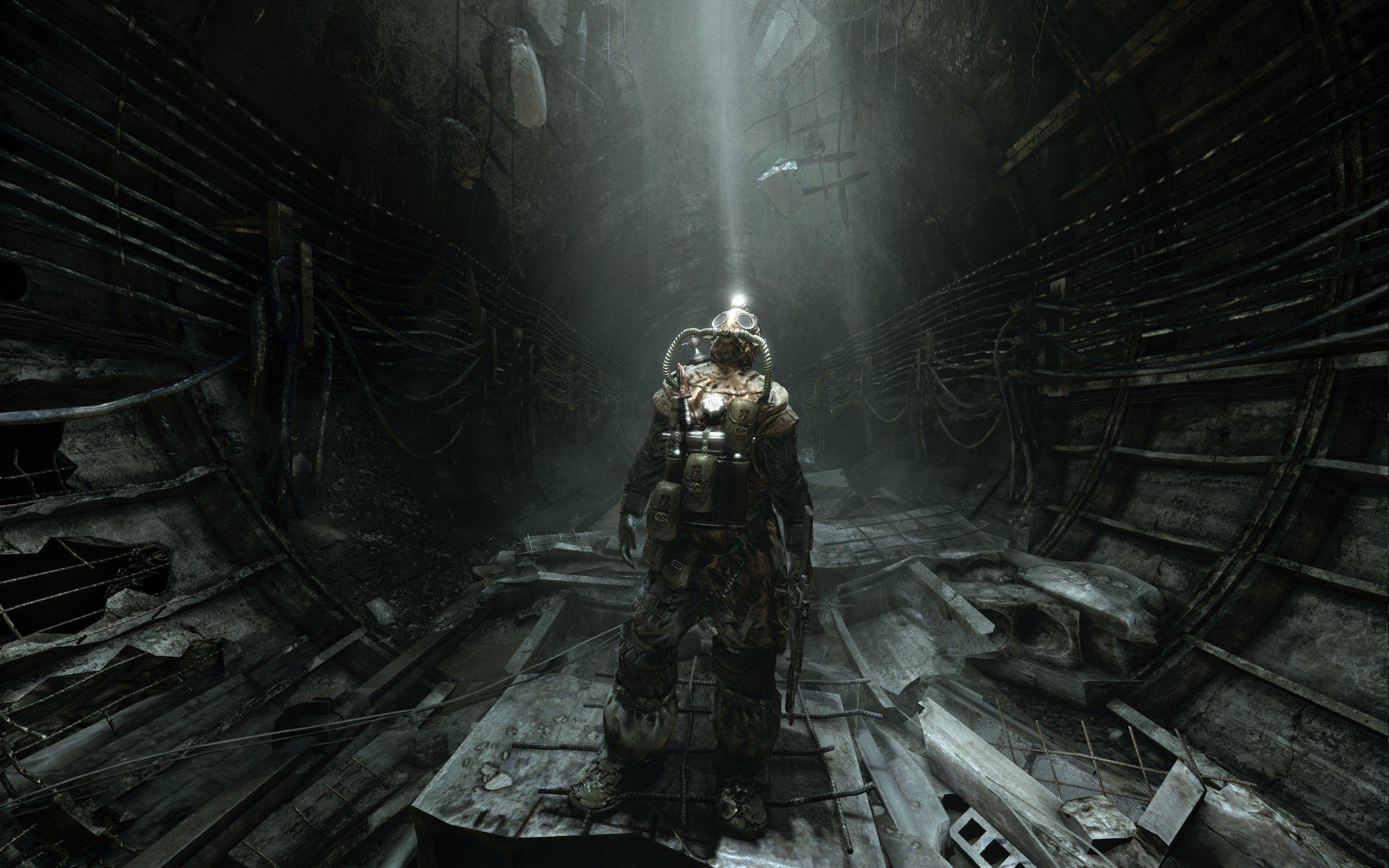
The level design in Metro: Last Light was a masterclass in creating atmosphere and tension. The claustrophobic tunnels of the Metro were meticulously crafted, with narrow corridors, crumbling infrastructure, and constant reminders of the dangers lurking around every corner. The surface levels offered a stark contrast, showcasing the beauty and desolation of a world ravaged by nuclear war. Each location felt unique and memorable, from the bustling underground stations to the eerie silence of the abandoned cities. The level design encouraged exploration and rewarded players who took the time to uncover hidden areas and resources. This attention to detail created a truly immersive and unforgettable experience.
Narrative Depth and Character Profiles
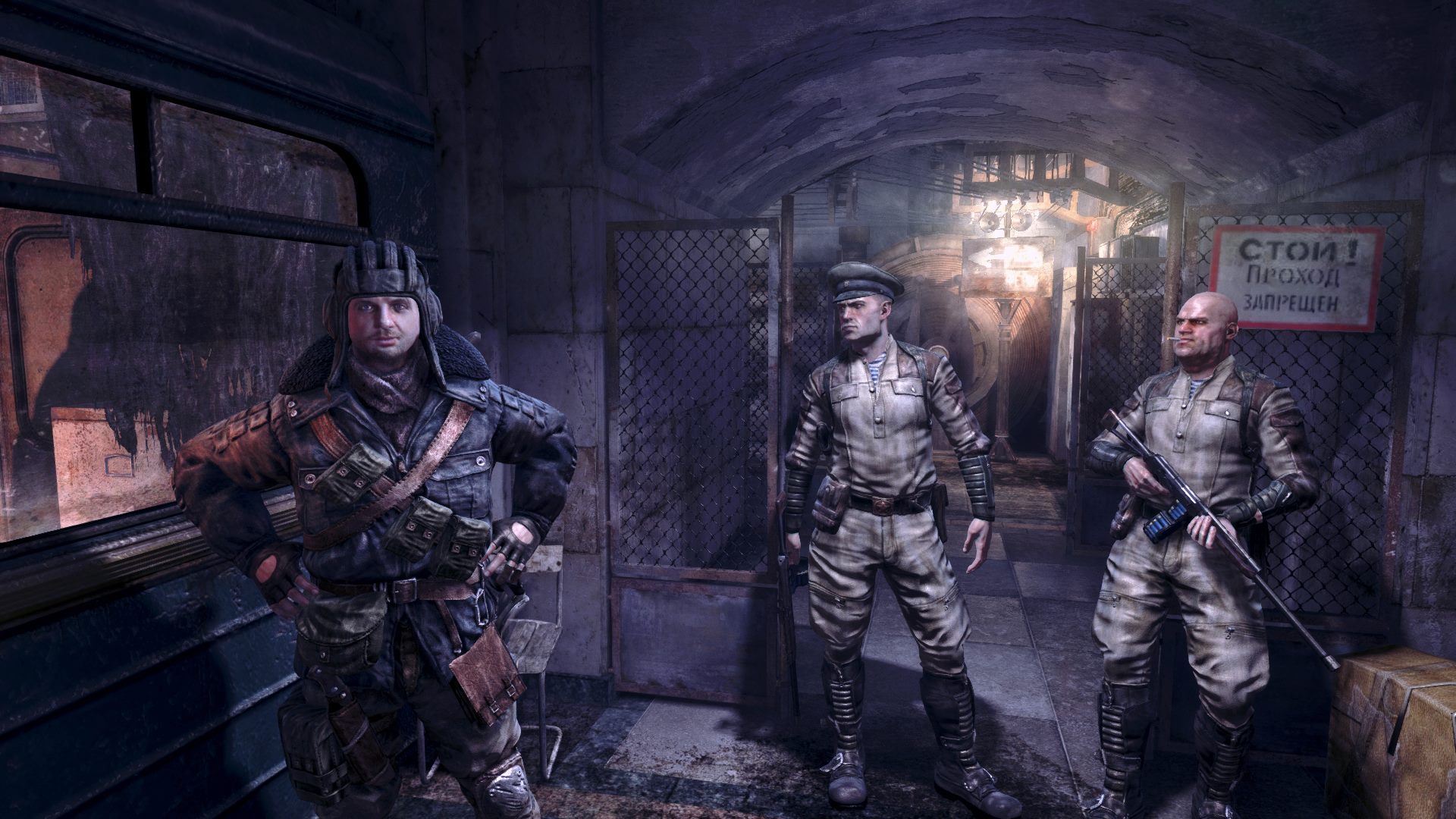
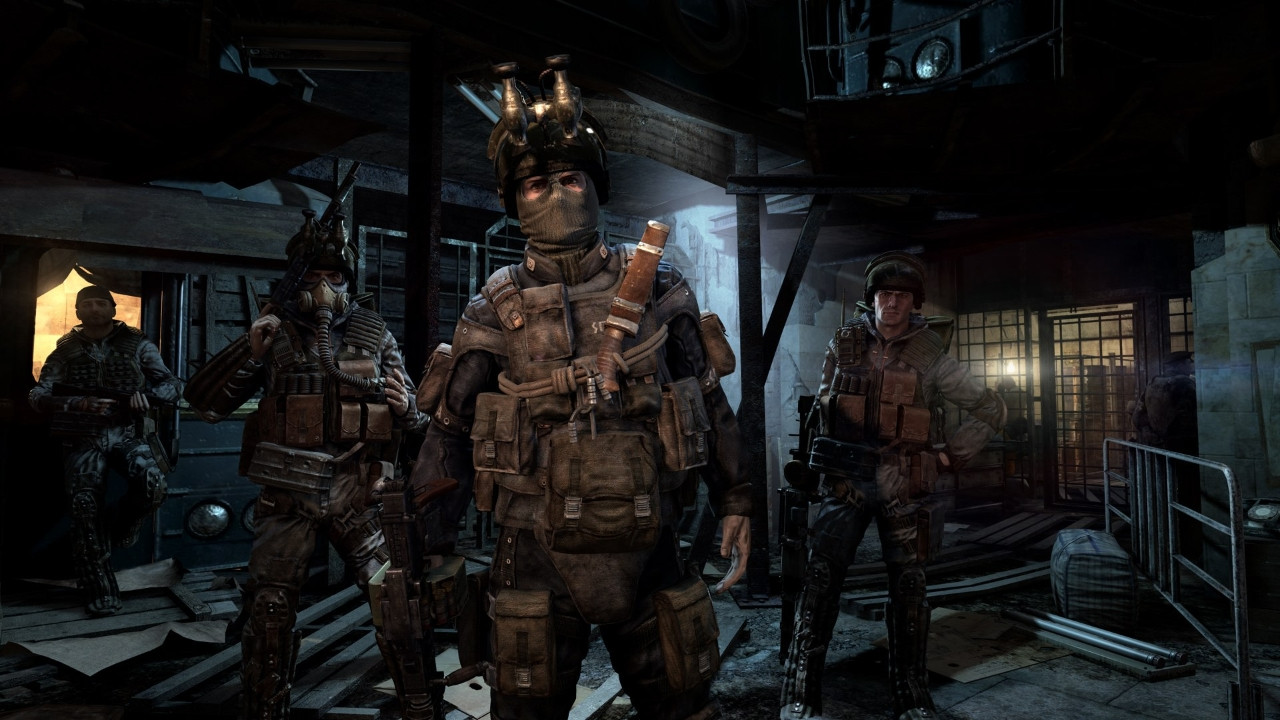
The narrative in Metro: Last Light delved deeper into the lore of the Metro universe, exploring themes of survival, hope, and the consequences of war. Artyom’s journey was fraught with peril, as he faced not only external threats but also internal conflicts. The game introduced a cast of memorable characters, each with their own motivations and backstories. These characters added depth and complexity to the narrative, making it more than just a simple shooter. The story unfolded through a combination of in-game events, dialogue sequences, and environmental storytelling, creating a truly immersive experience.
Sound Design and Acoustic Realism
The sound design in Metro: Last Light was crucial in creating an atmosphere of tension and immersion. The sounds of dripping water, distant gunfire, and the groans of mutated creatures echoed through the tunnels, constantly reminding players of the dangers that lurked nearby.
The game featured a haunting soundtrack that perfectly complemented the visuals, enhancing the emotional impact of key moments. The sound design was meticulously crafted to create a sense of realism and authenticity, making players feel like they were truly present in the post-apocalyptic world.
Release Expectations and Community Hype
Leading up to its release, Metro: Last Light generated significant hype within the gaming community. Players eagerly anticipated a sequel that would build upon the strengths of Metro 2033 while addressing some of its shortcomings. The developers promised improved graphics, refined gameplay mechanics, and a deeper narrative experience. Pre-release previews were largely positive, praising the game’s visuals, atmosphere, and overall quality. The anticipation was palpable, and the release was met with widespread acclaim from both critics and players.
Conclusion: The Future of Metro: Last Light
Metro: Last Light stands as a testament to the power of immersive storytelling and meticulous game design. It successfully built upon the foundation laid by its predecessor, delivering a refined and unforgettable experience that captivated players worldwide. While the future of the Metro franchise remains uncertain, Last Light’s legacy as a landmark title in the genre is secure. Its impact on the gaming landscape is undeniable, and it continues to inspire developers and captivate players years after its release.
Source: Wikipedia