Introduction: The Next Chapter for Metro 2033
Metro 2033, a title that resonated deeply with gamers upon its initial release in 2010, stands as a testament to atmospheric storytelling and survival horror. Developed by 4A Games, the game draws heavily from Dmitry Glukhovsky’s novel of the same name, plunging players into the claustrophobic world of the Moscow Metro, where survivors struggle against the harsh realities of a post-apocalyptic landscape. This Masterclass Deep-Dive will dissect every facet of Metro 2033, exploring its technical prowess, narrative depth, and enduring legacy. We’re not just looking back; we’re analyzing how this game continues to influence the industry and what the future might hold for the franchise.
Visual Direction and Graphics Engineering
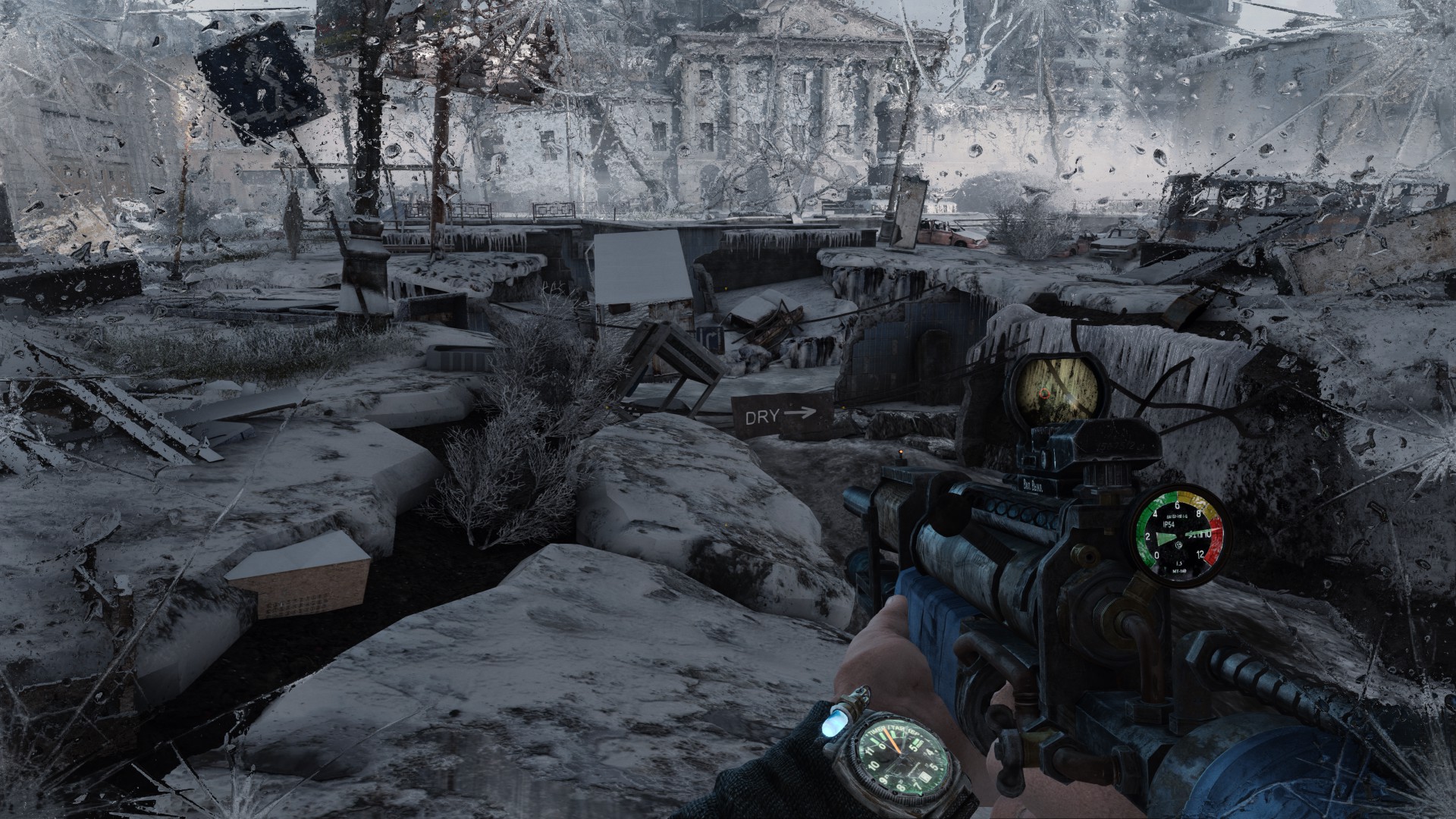
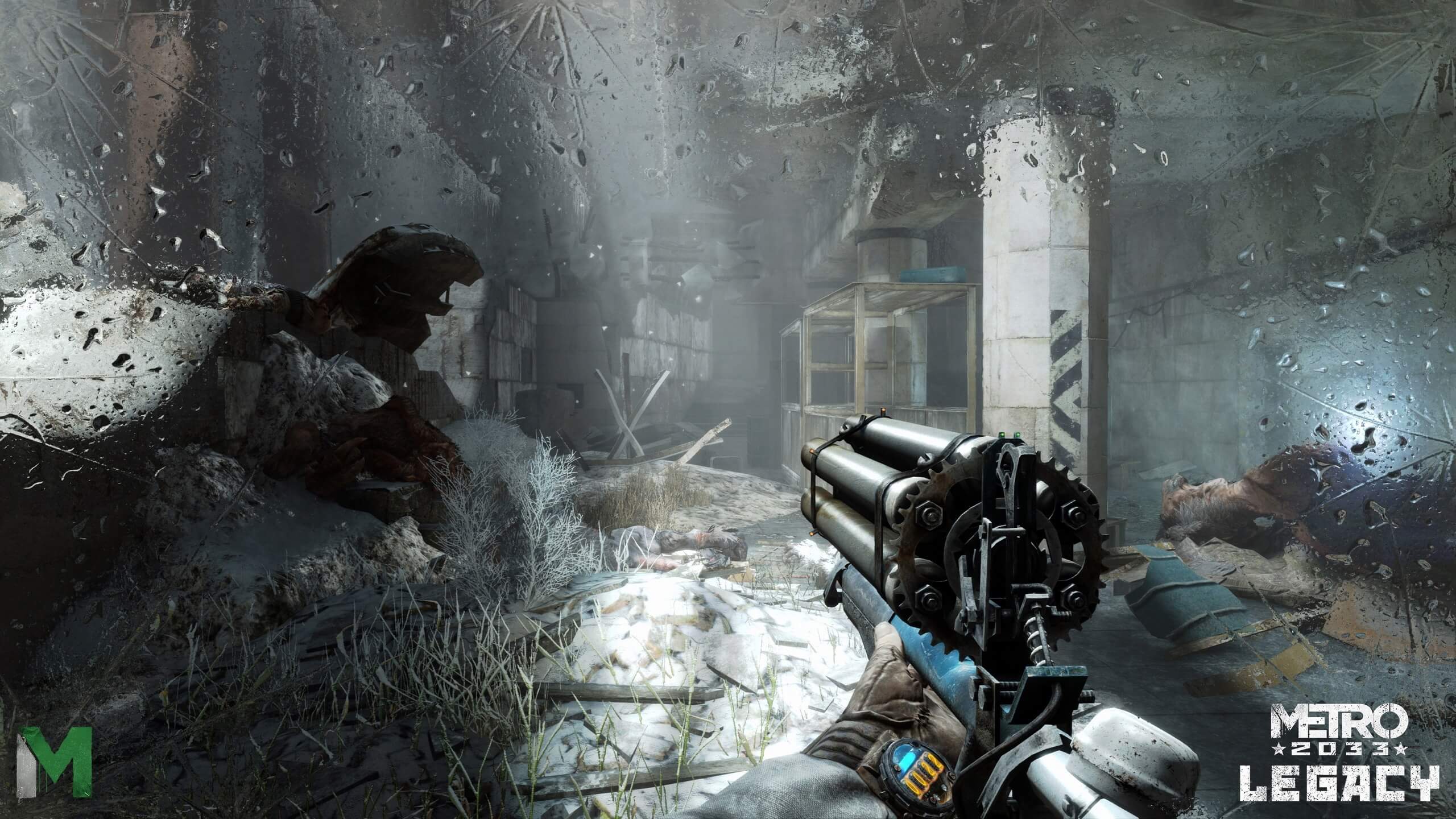
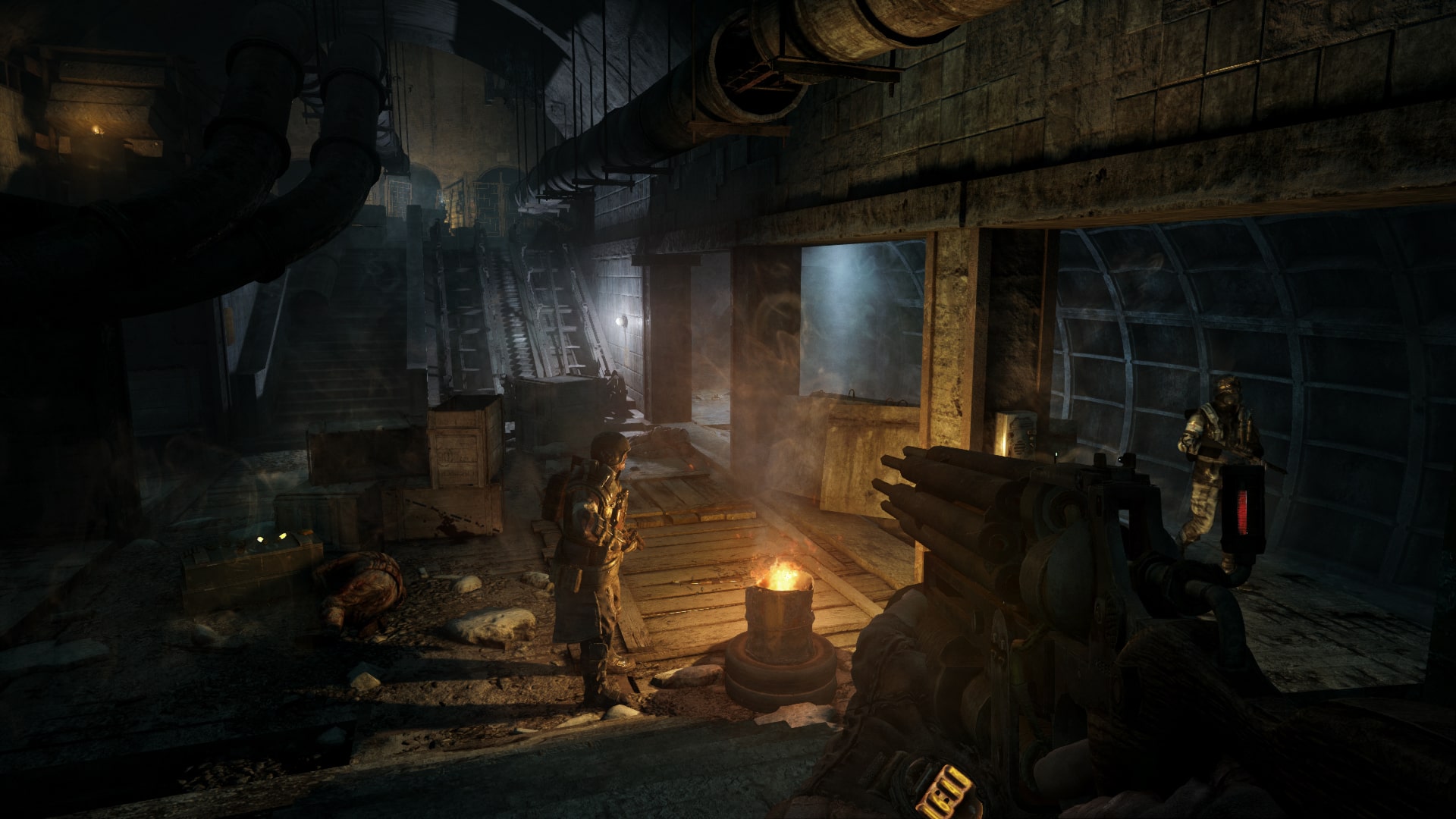
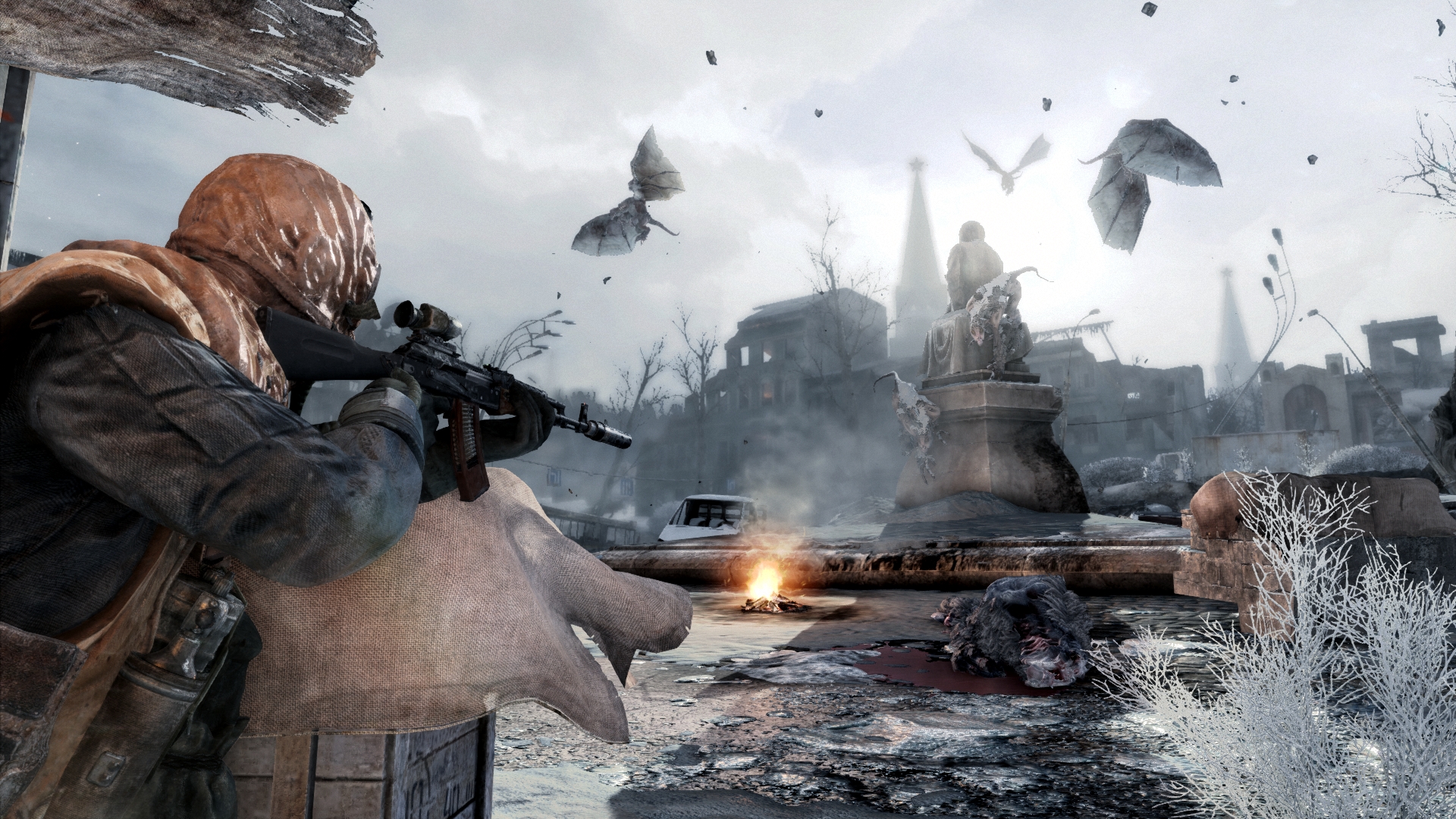
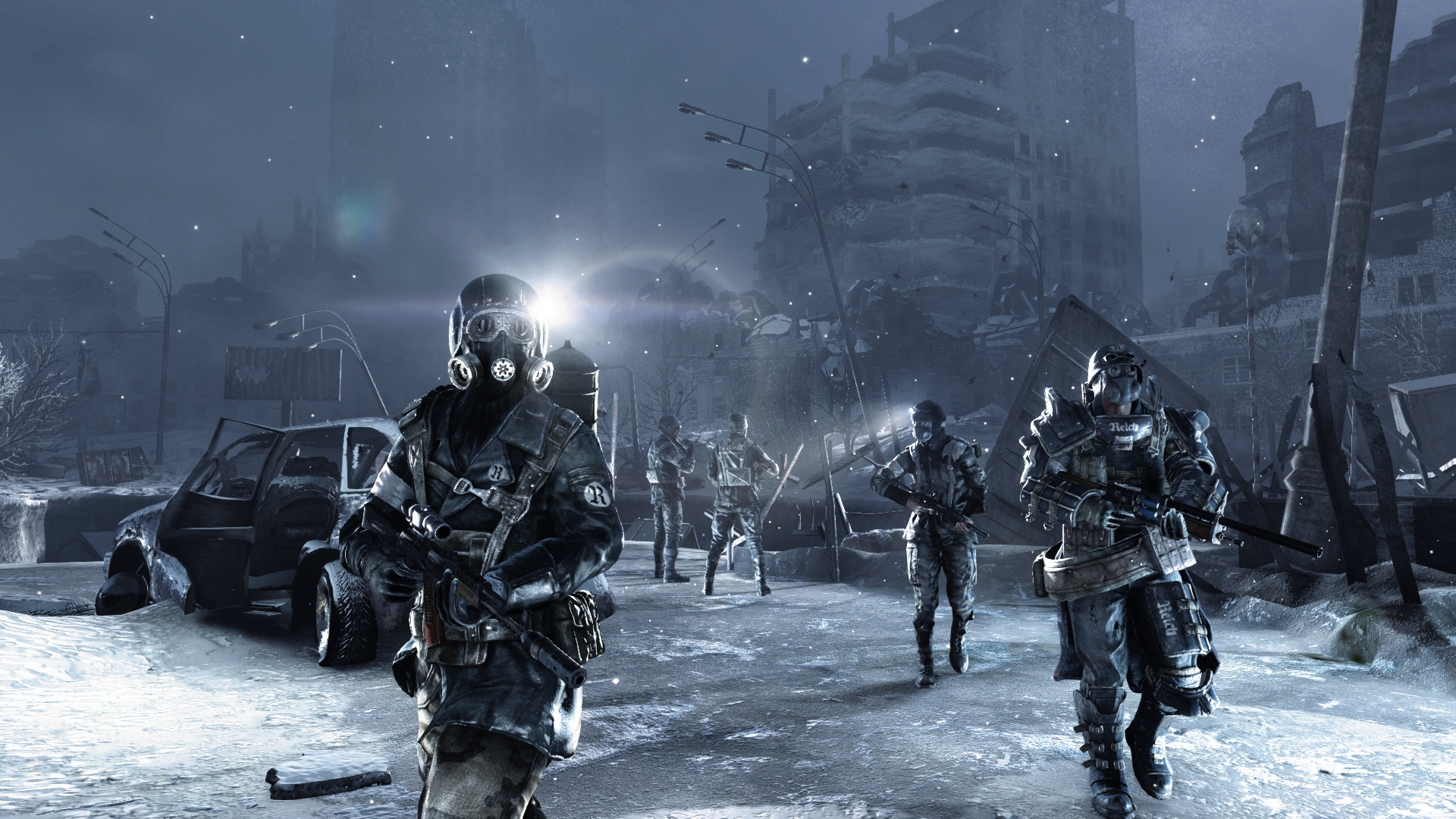
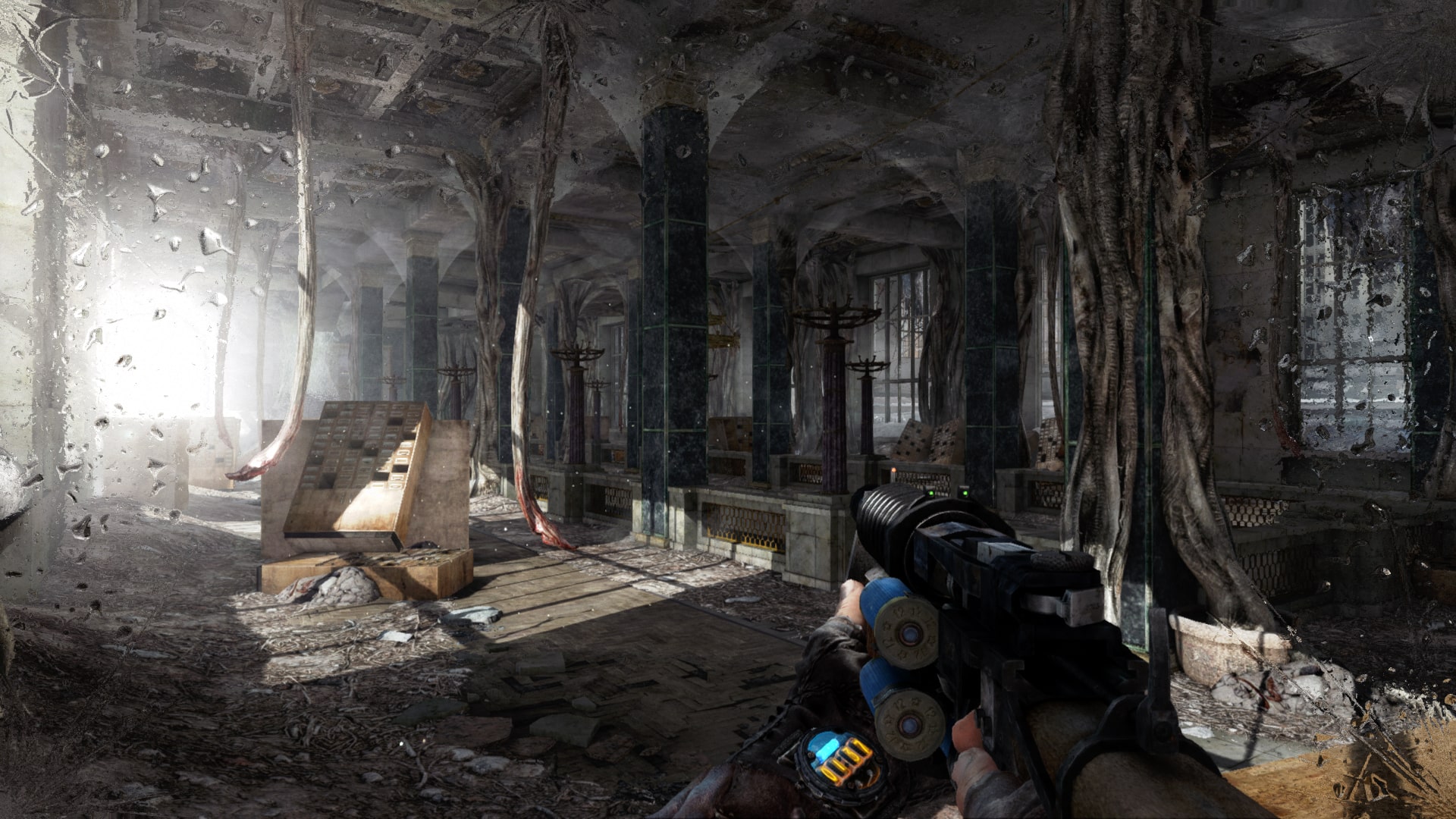
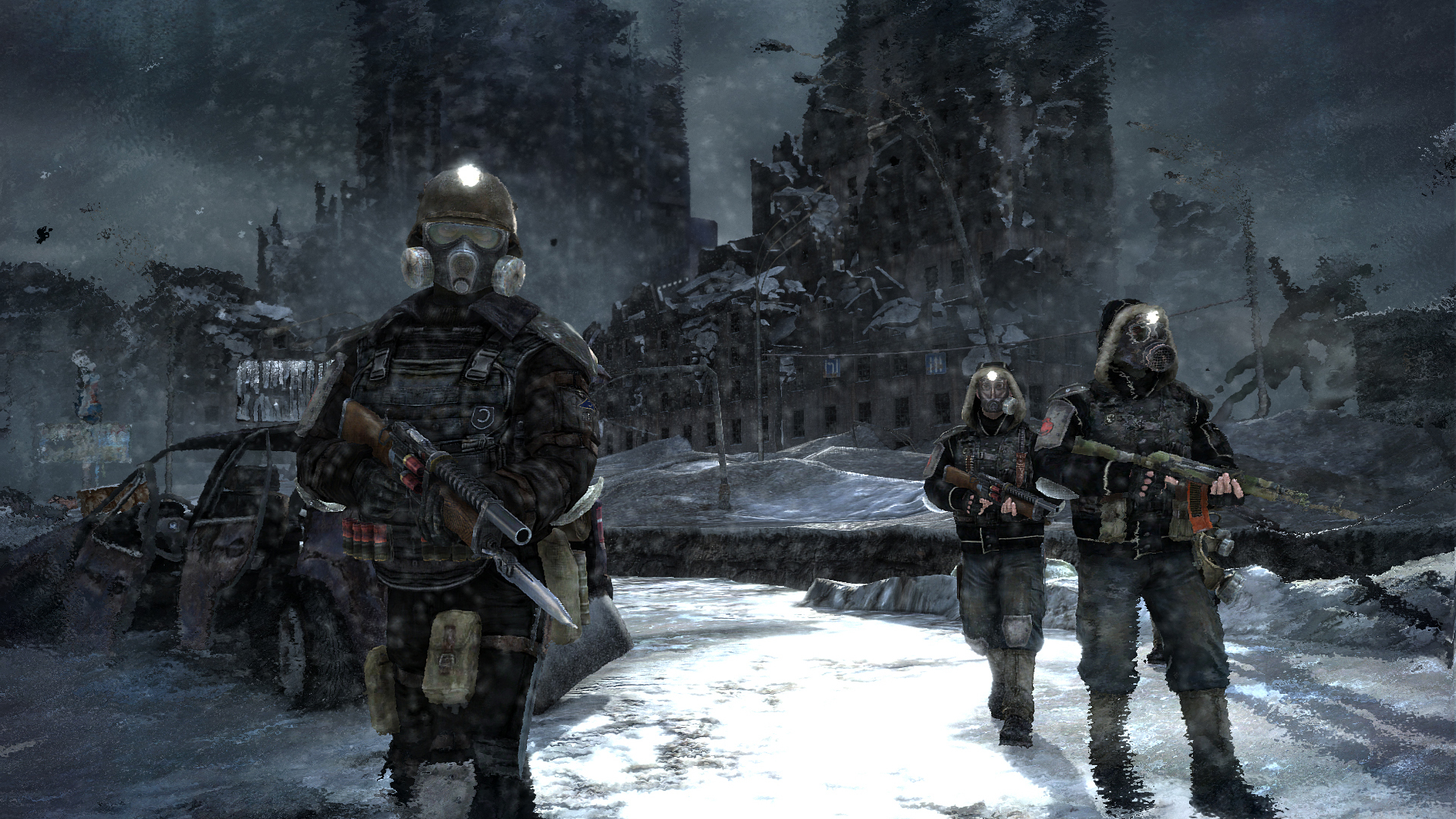
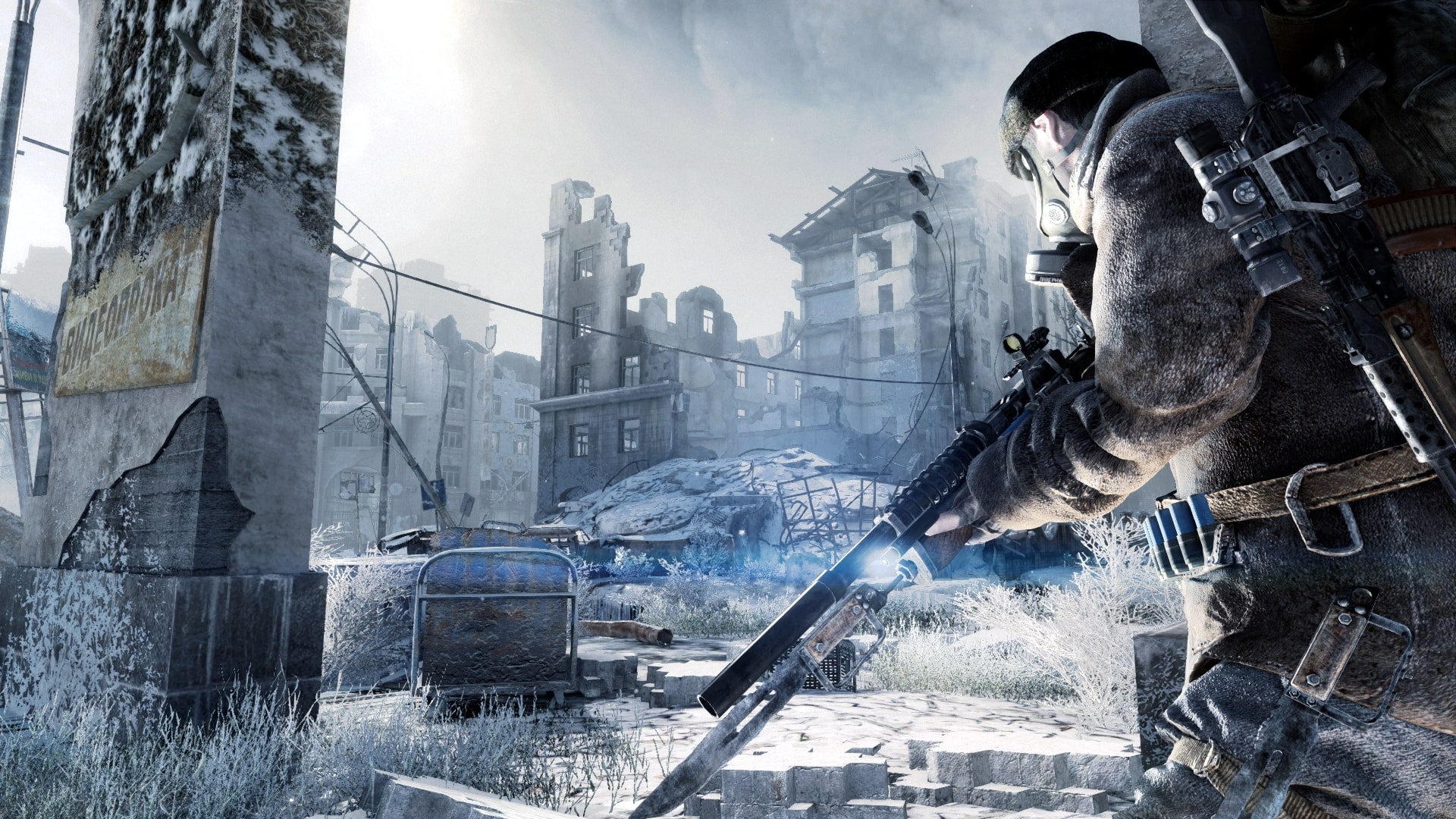
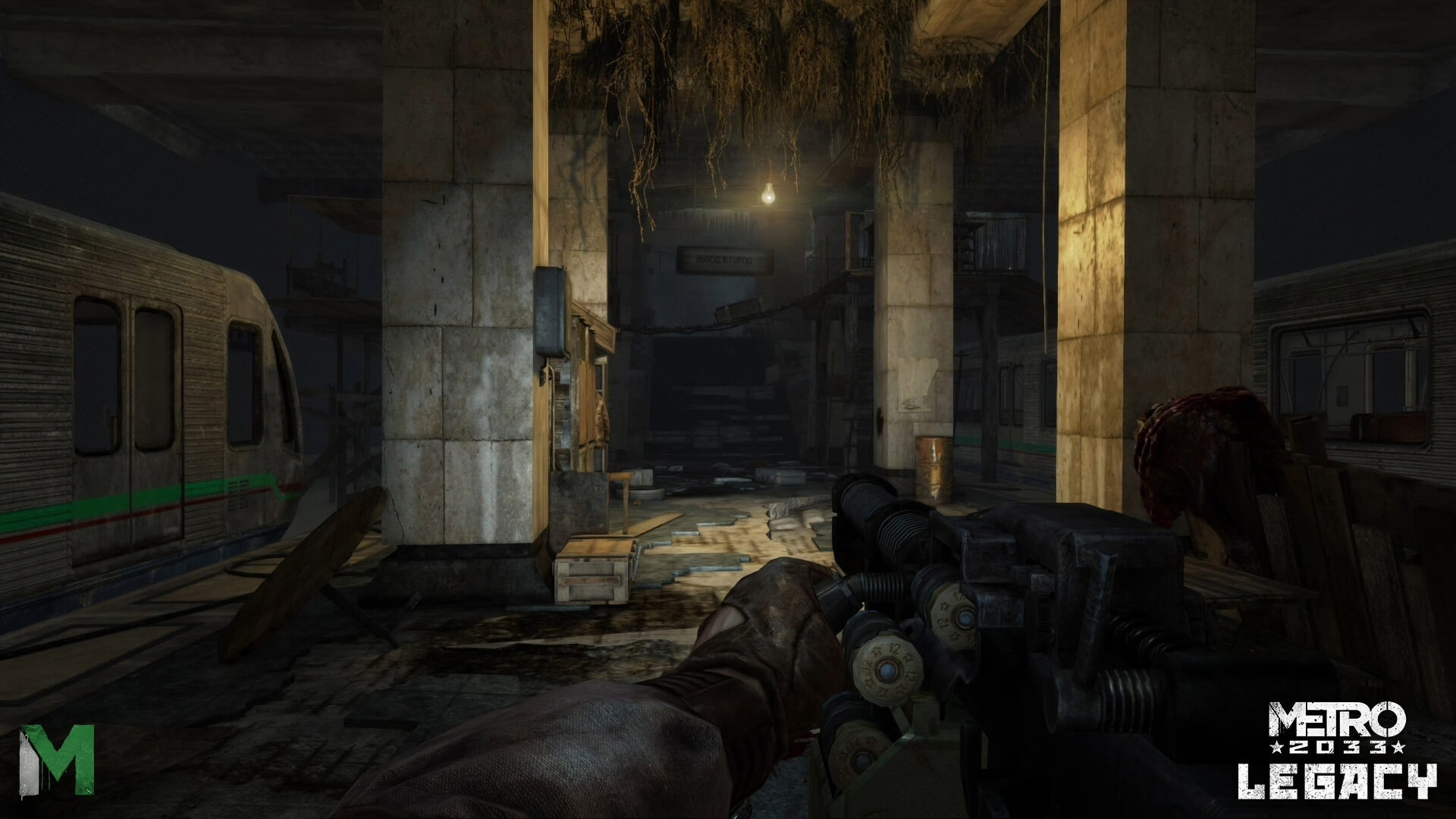
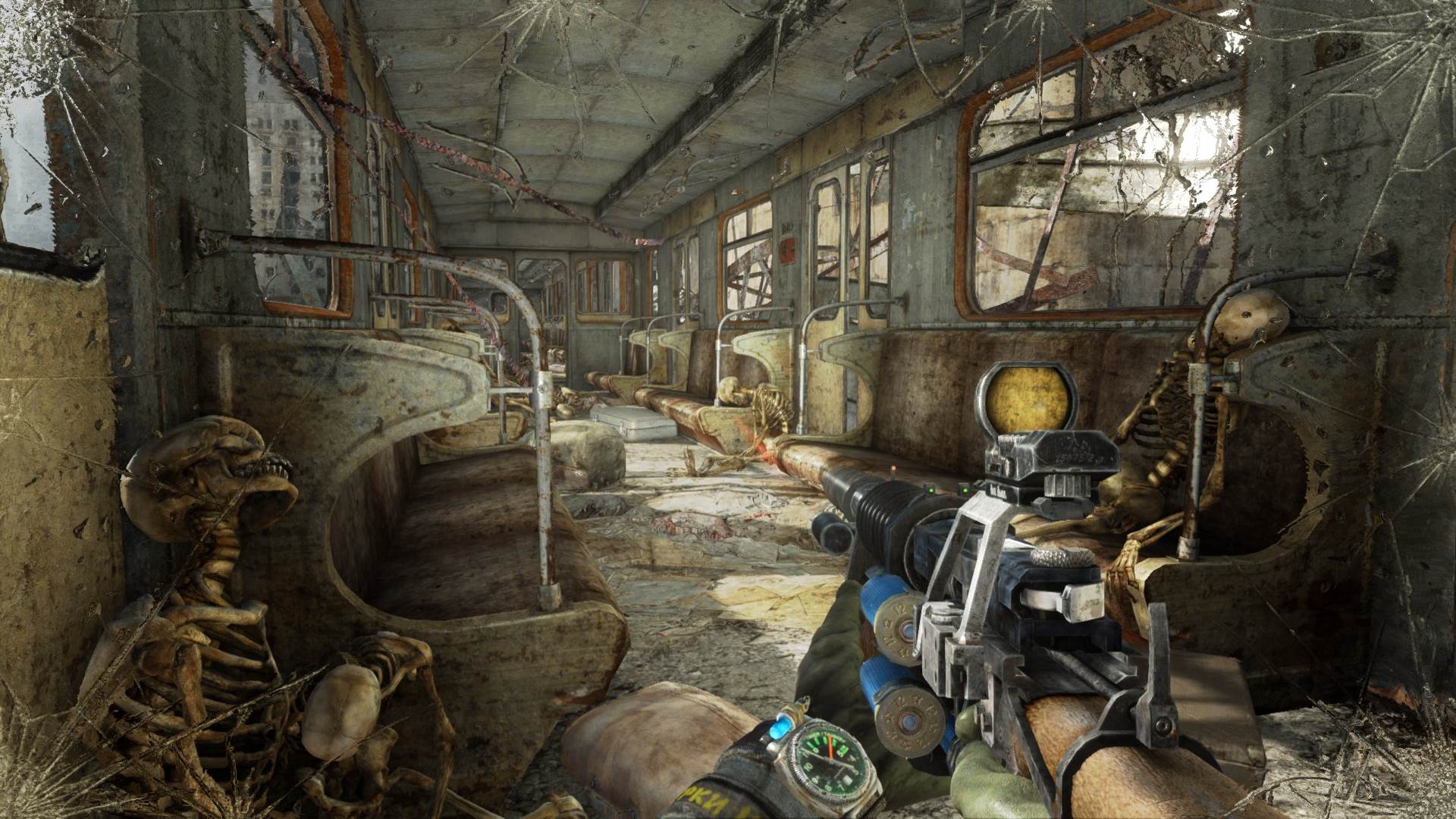
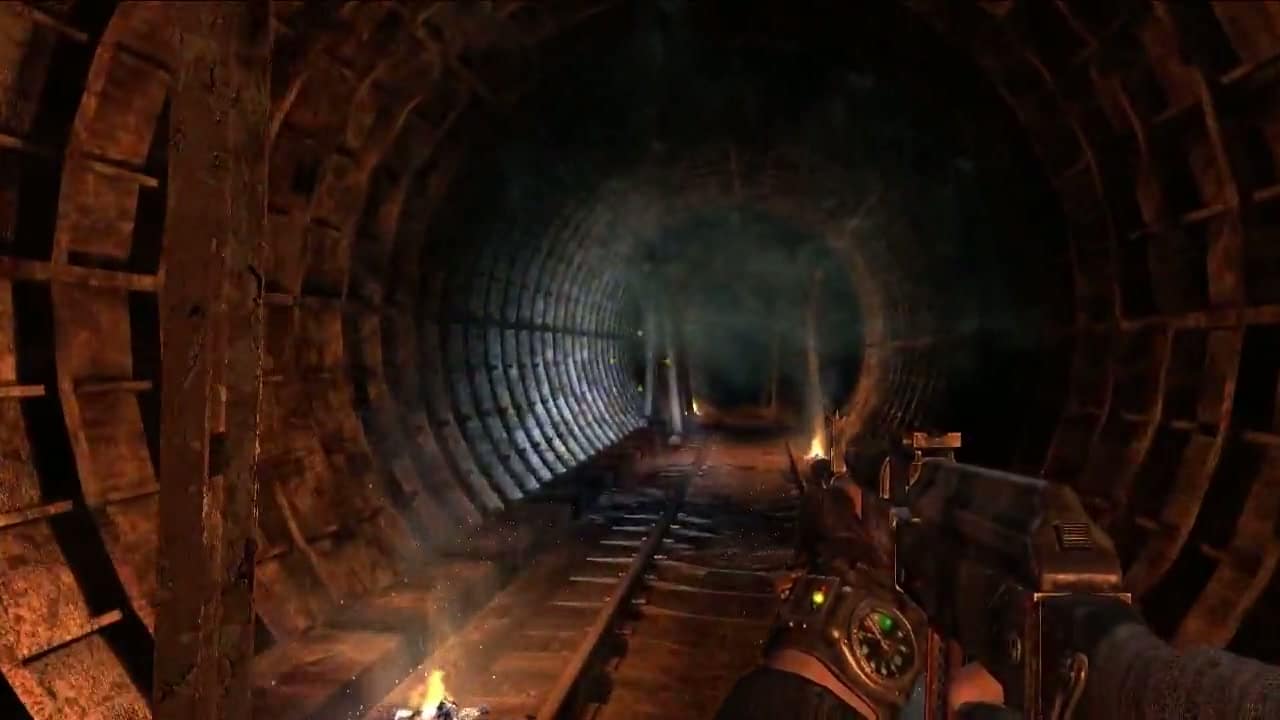
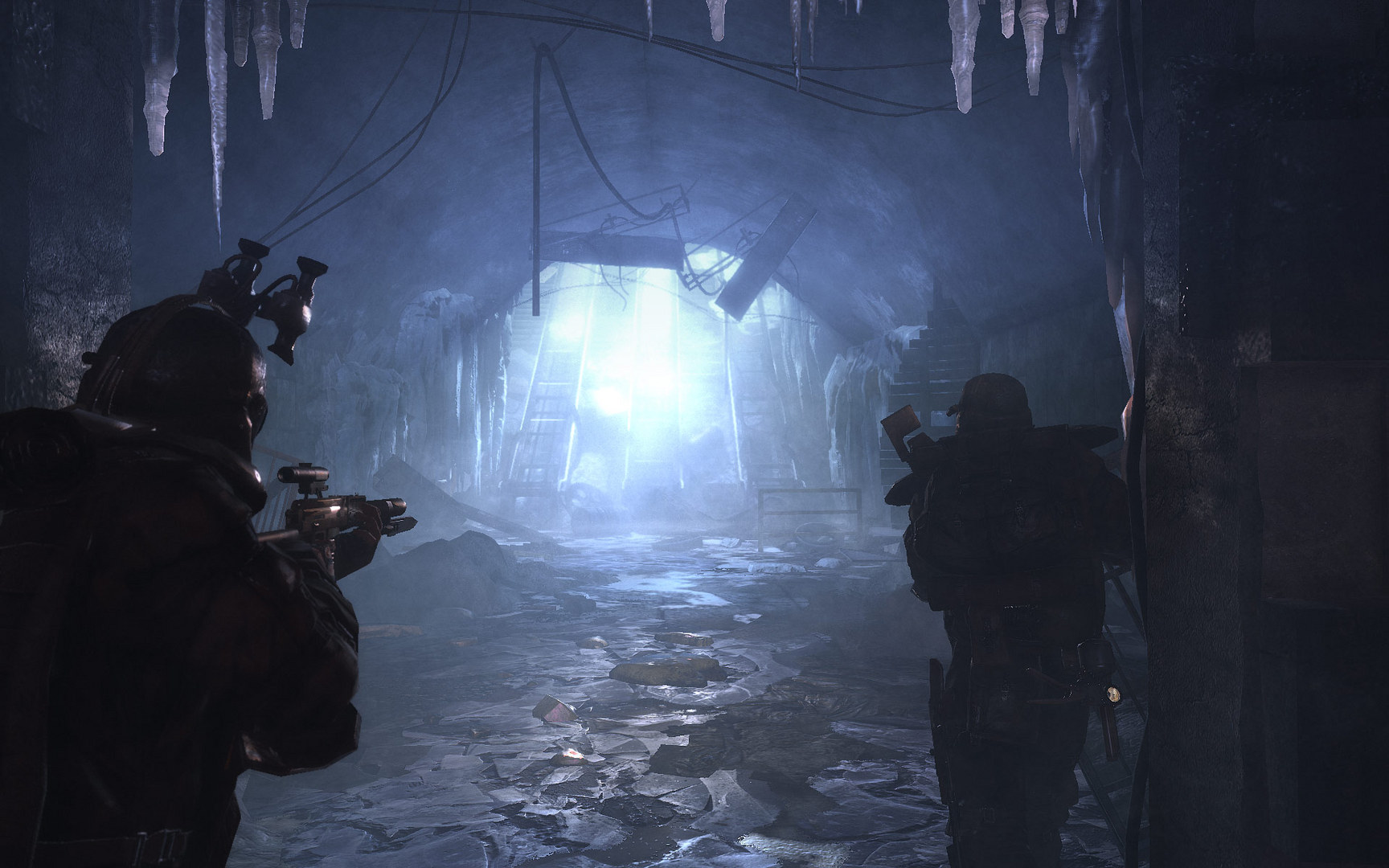
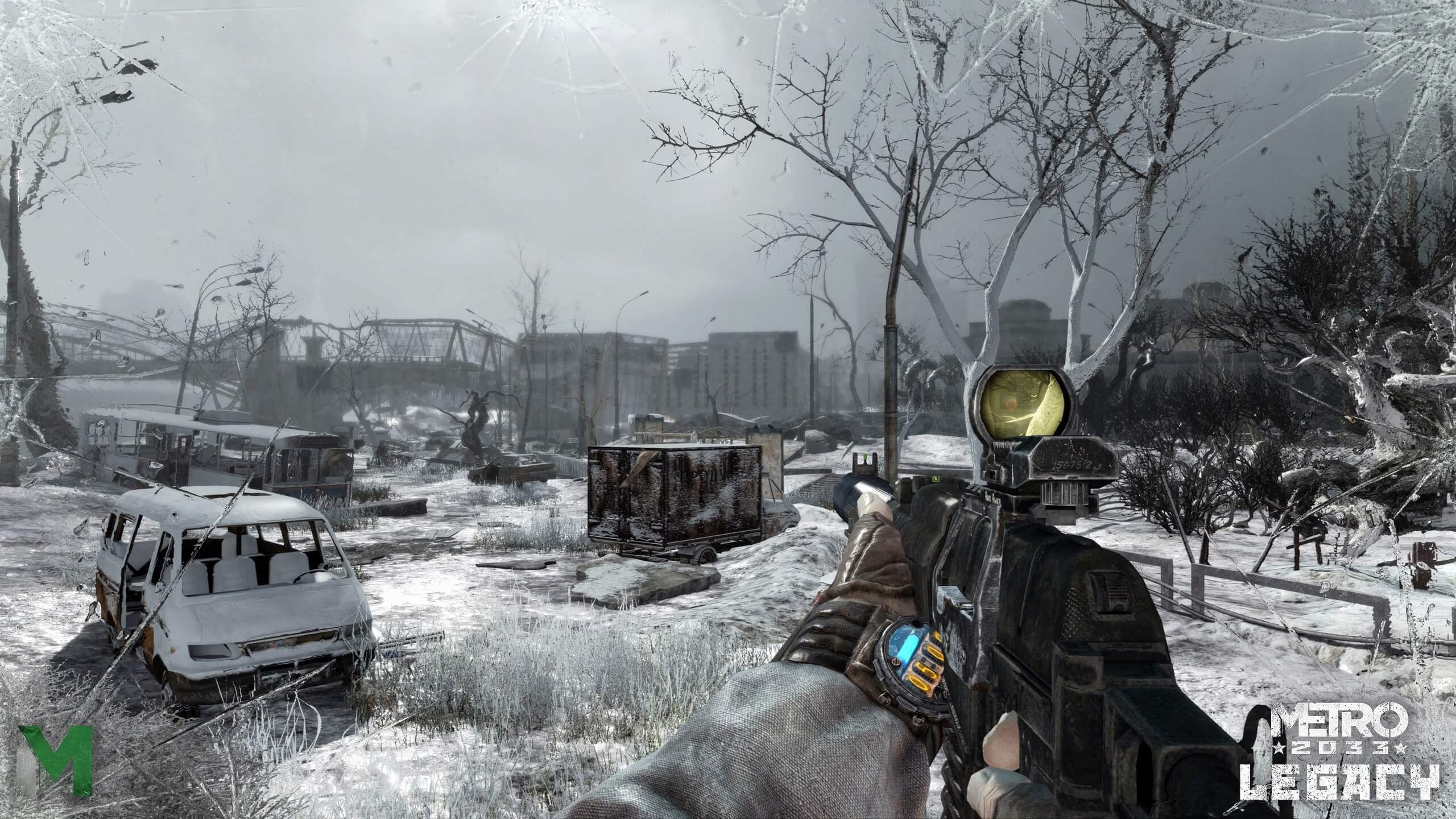
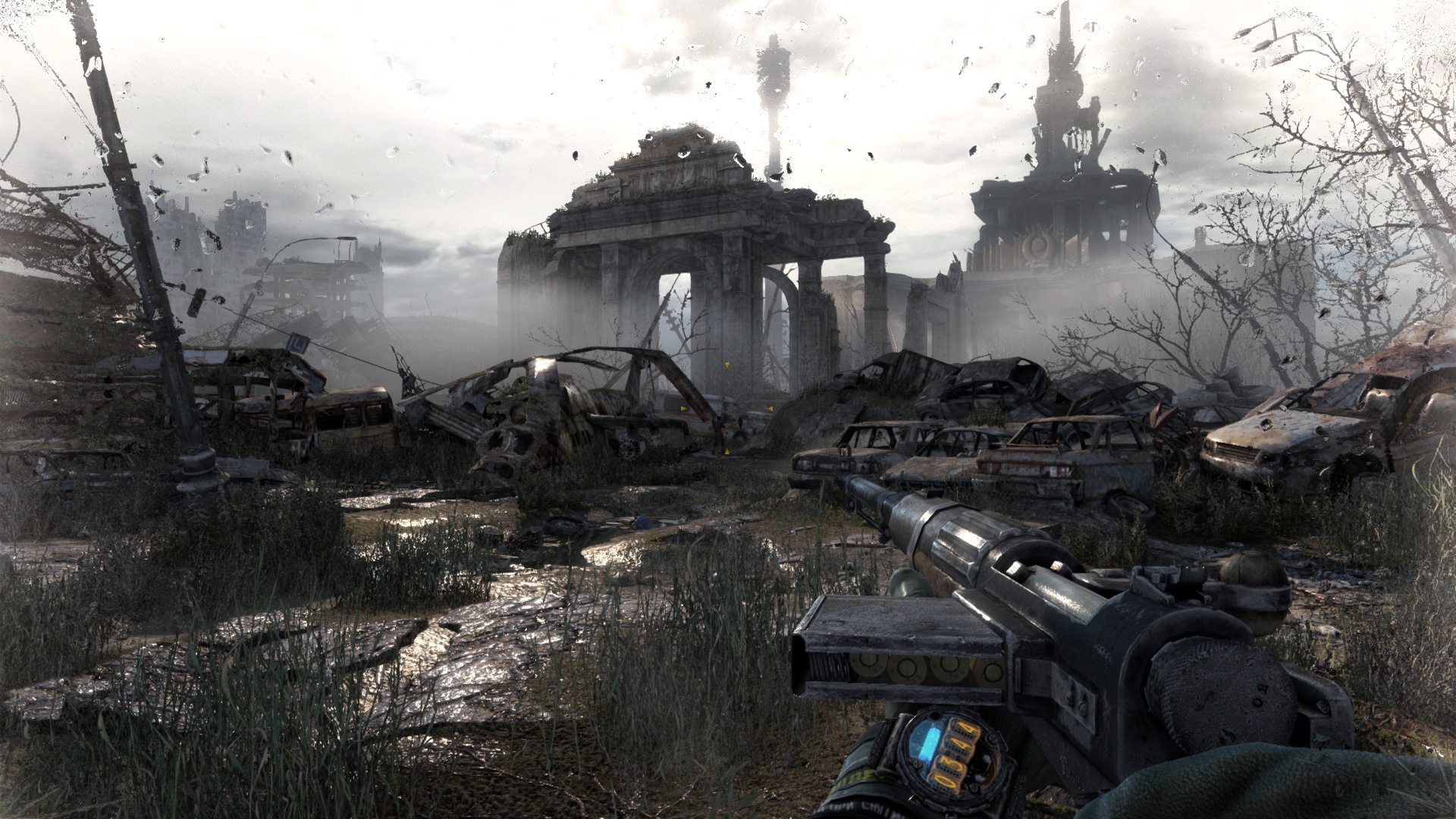
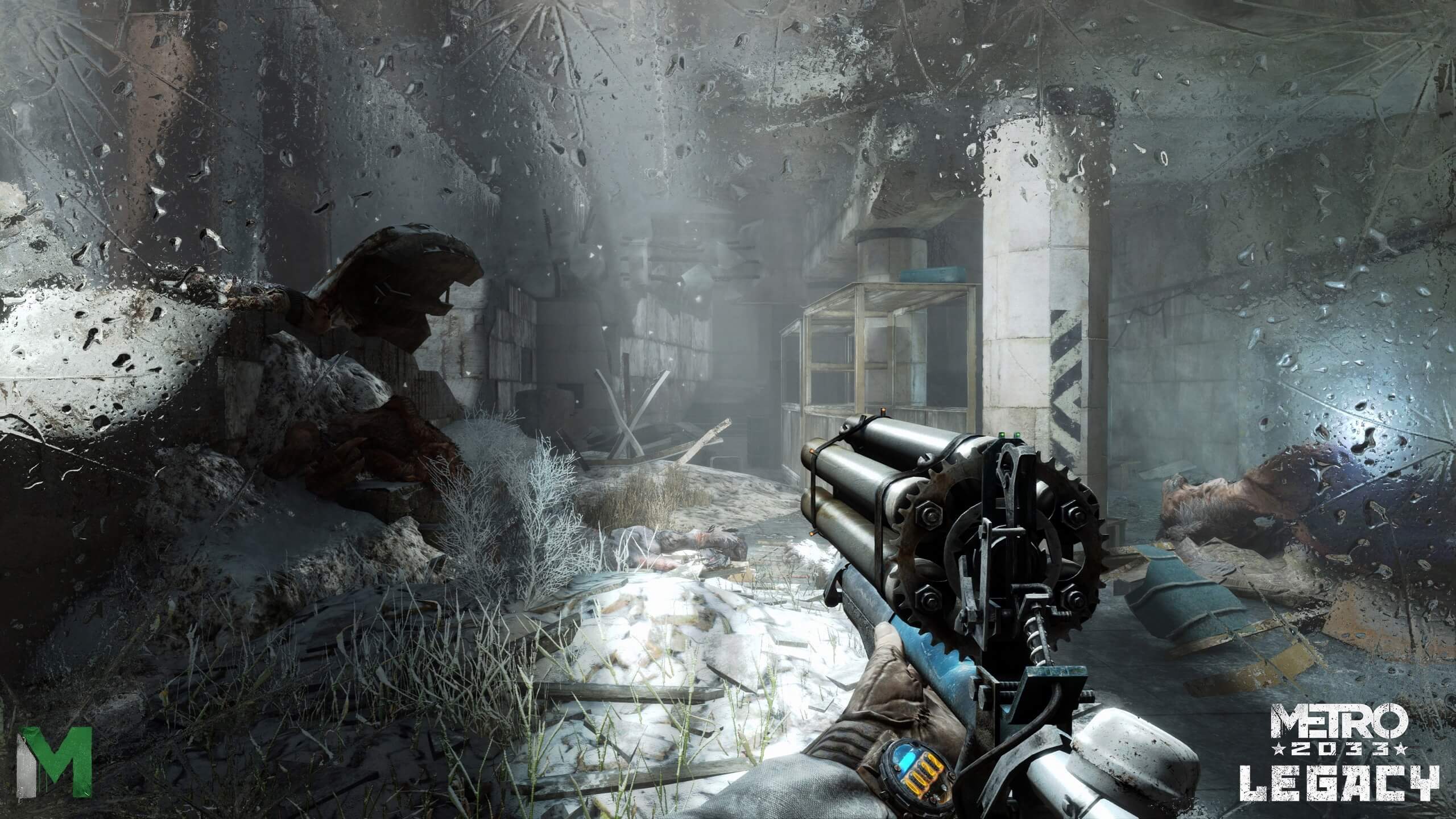
The visual design of Metro 2033 is crucial to its immersive experience. The game leverages the power of the proprietary 4A Engine, a testament to 4A Games’ commitment to pushing graphical boundaries. The environments are meticulously crafted, from the decaying grandeur of abandoned subway stations to the desolate beauty of the irradiated surface world. Lighting plays a pivotal role, creating an atmosphere of constant tension and uncertainty. The use of volumetric lighting and dynamic shadows adds depth and realism to every scene. The character models, while perhaps showing their age by today’s standards, were remarkably detailed for their time, conveying the weariness and resilience of the survivors. The engine allowed for impressive particle effects, particularly during combat, enhancing the visceral impact of each encounter.
Gameplay Mechanics and Core Systems
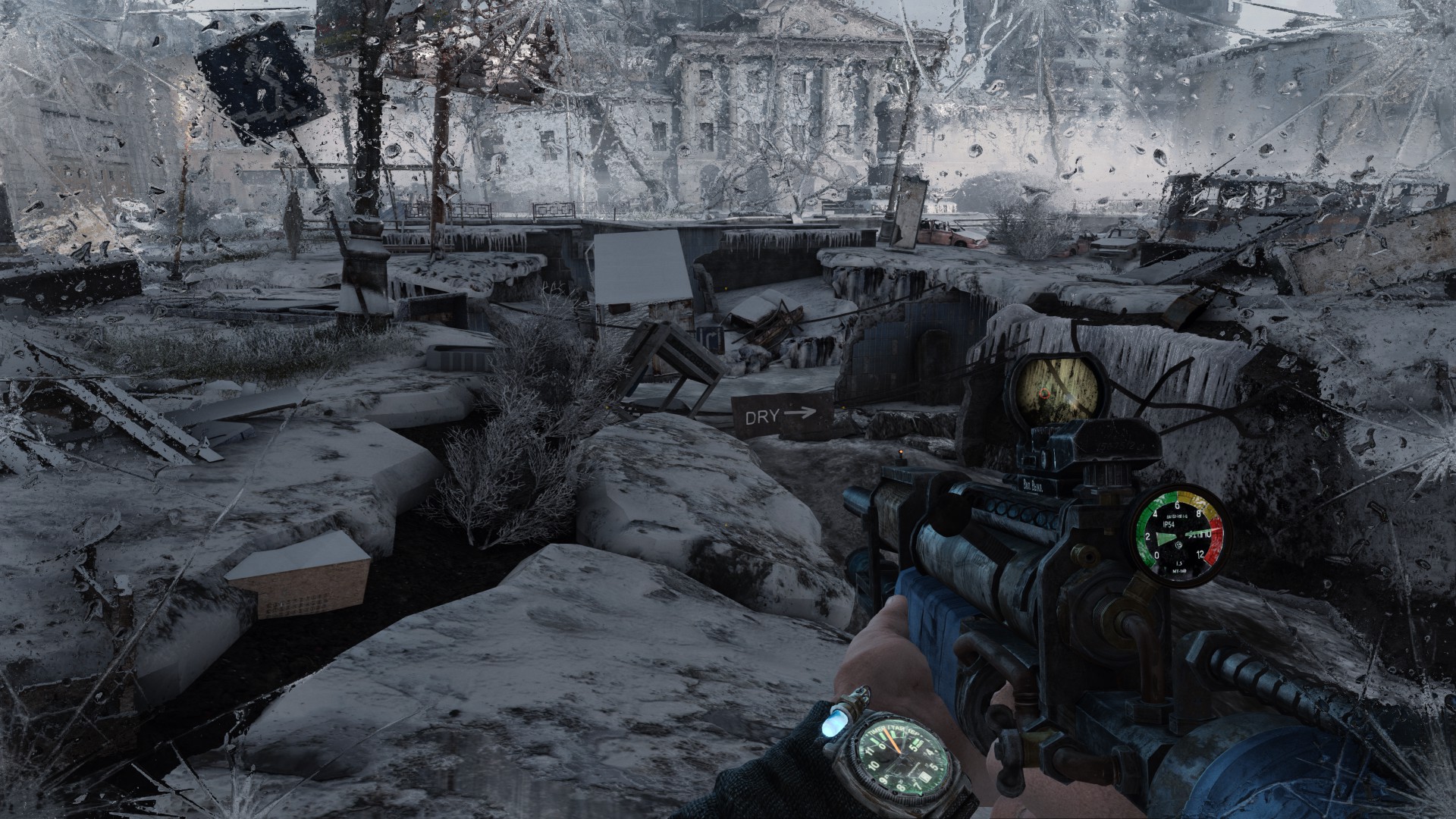
Metro 2033 distinguishes itself through its unique blend of first-person shooting, survival horror, and RPG elements. Resource management is paramount; ammunition, filters for the gas mask, and medical supplies are all scarce commodities that must be carefully conserved. The game features a wide array of weaponry, from makeshift melee weapons to powerful firearms, each with its own strengths and weaknesses. The “balance” system for the gas mask adds another layer of tension, forcing players to constantly monitor their oxygen levels and filter durability. Combat is brutal and unforgiving, emphasizing tactical positioning and careful aim. The game’s AI, while not always perfect, provides a credible threat, particularly in encounters with human enemies.
Level Design and World Atmosphere
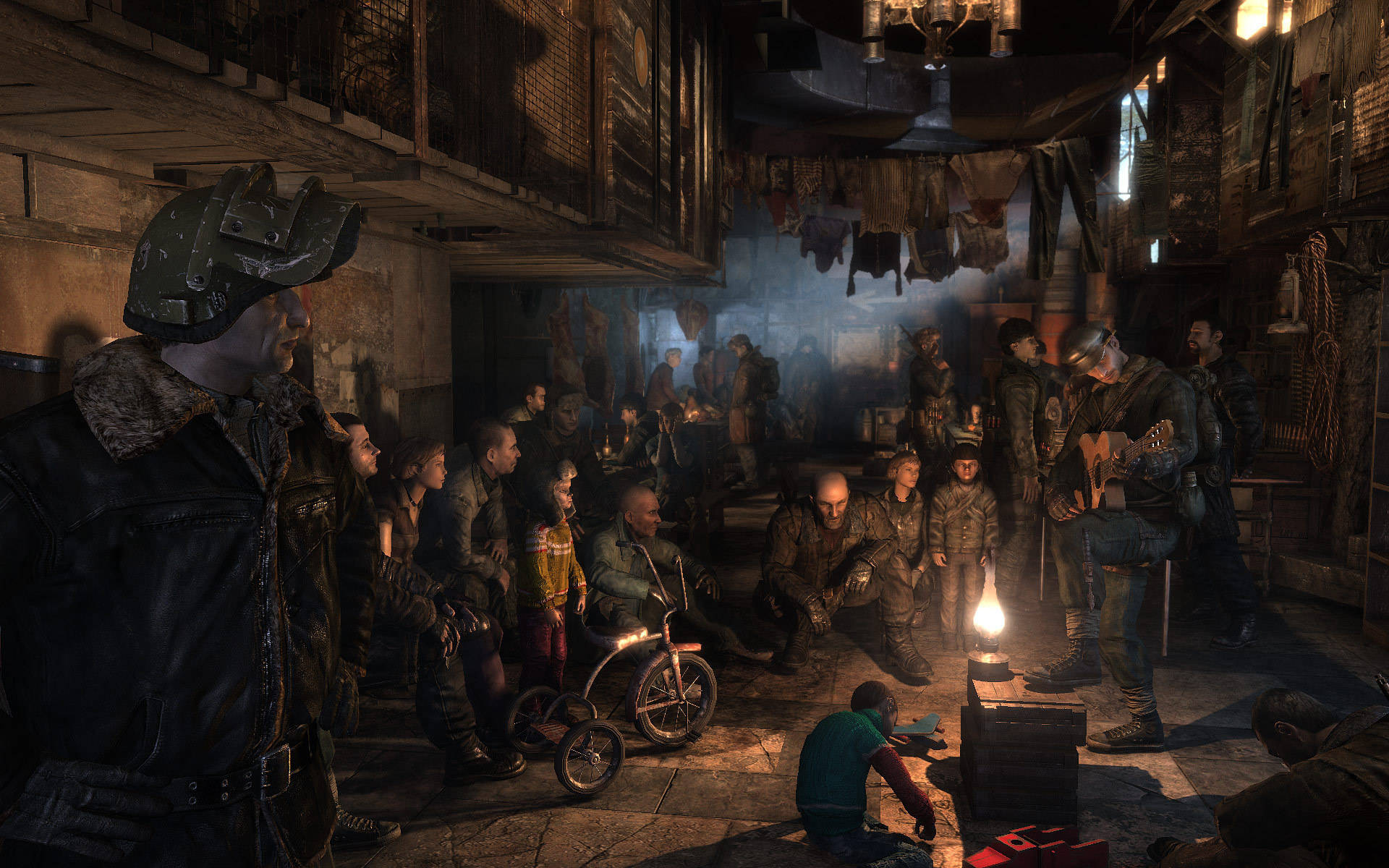
The level design in Metro 2033 is nothing short of masterful. Each location feels distinct and lived-in, reflecting the struggles and adaptations of its inhabitants. The game seamlessly blends linear sequences with more open areas, encouraging exploration and discovery. The atmosphere is thick with dread, amplified by the constant threat of radiation, mutants, and hostile factions. The sound design plays a crucial role in creating this oppressive environment, with every creak, groan, and distant howl contributing to the sense of unease. The game’s map system is relatively straightforward, but it effectively guides players through the labyrinthine tunnels of the Metro.
Narrative Depth and Character Profiles
The narrative in Metro 2033 is a key element of its appeal. Players take on the role of Artyom, a silent protagonist driven by a desperate mission to save his home station from an impending threat. The story unfolds through a series of encounters with memorable characters, each grappling with their own personal demons and motivations. The game explores themes of survival, hope, and the resilience of the human spirit in the face of overwhelming adversity. While Artyom is silent, his actions speak volumes, allowing players to connect with him on an emotional level. The supporting cast is equally compelling, adding depth and complexity to the overall narrative.
Sound Design and Acoustic Realism
The sound design in Metro 2033 is nothing short of exceptional. From the subtle creaks of decaying infrastructure to the guttural roars of mutated creatures, every sound effect contributes to the game’s immersive atmosphere. The ambient sounds are particularly effective in creating a sense of dread and unease. The voice acting is well-executed, bringing the characters to life and adding emotional weight to their interactions. The soundtrack is subtle but impactful, enhancing the tension and drama of key moments.
The game’s soundscape is so meticulously crafted that it becomes an integral part of the overall experience.
Release Expectations and Community Hype
Upon its release in 2010, Metro 2033 was met with widespread critical acclaim. Critics praised its immersive atmosphere, challenging gameplay, and compelling narrative. The game quickly garnered a dedicated fanbase, drawn to its unique blend of survival horror and first-person shooting. The community has continued to support the game over the years, creating mods, sharing stories, and keeping the spirit of Metro 2033 alive. The success of the original game paved the way for sequels and spin-offs, expanding the universe and introducing new characters and storylines.
Conclusion: The Future of Metro 2033
Metro 2033 remains a landmark title in the survival horror genre. Its immersive atmosphere, challenging gameplay, and compelling narrative continue to resonate with players today. While its graphics may show their age compared to modern titles, its core strengths remain timeless. The legacy of Metro 2033 lives on through its sequels and spin-offs, ensuring that the world of the Moscow Metro will continue to captivate gamers for years to come. The game serves as a reminder that compelling storytelling and innovative gameplay can transcend technological limitations.

Source: Wikipedia