
Introduction: The Next Chapter for Metal Gear Solid
The Metal Gear Solid franchise, a cornerstone of the action-adventure genre, stands as a testament to innovative game design and compelling storytelling. From its humble beginnings on the MSX platform, the series has consistently pushed boundaries, evolving from 2D stealth action to immersive 3D experiences. This deep dive will explore the technical and artistic achievements that define Metal Gear Solid, examining its impact on gaming history and speculating on its future trajectory. The franchise's legacy is built upon a foundation of groundbreaking mechanics, intricate narratives, and unforgettable characters, all meticulously crafted by Hideo Kojima and his team at Konami.Visual Direction and Graphics Engineering
The visual evolution of Metal Gear Solid is remarkable. Early titles relied on pixel art to create atmospheric environments, while later installments embraced the power of 3D graphics. The transition to PlayStation with *Metal Gear Solid* was a watershed moment, introducing cinematic cutscenes and detailed character models that redefined the standard for interactive storytelling. This visual fidelity allowed for more nuanced performances and enhanced immersion. Later iterations, particularly those developed for modern consoles, leverage advanced rendering techniques like physically-based rendering (PBR) to achieve unparalleled realism in textures and lighting. The use of motion capture technology further elevates the character animations, bringing a new level of believability to the gameplay experience.Gameplay Mechanics and Core Systems
At its core, Metal Gear Solid is defined by its innovative stealth mechanics. Players are encouraged to avoid direct confrontation, utilizing cover, distractions, and non-lethal takedowns to progress through levels. The series pioneered concepts like enemy AI that reacts realistically to player actions, creating a dynamic and challenging experience. The "directional" gameplay, where players must carefully consider their approach based on enemy positioning and line of sight, is another hallmark of the franchise. Later games introduced more complex systems, such as weather effects that impact visibility and enemy behavior, adding layers of strategic depth. The integration of gadgets and weapons further expands player options, allowing for a variety of playstyles.Level Design and World Atmosphere
The level design in Metal Gear Solid is meticulously crafted to create immersive and believable environments. From the Shadow Moses facility in *Metal Gear Solid* to the Outer Heaven base in *Metal Gear 2: Solid Snake*, each location tells its own story through its architecture, layout, and environmental details. The use of verticality adds another dimension to gameplay, encouraging players to explore different vantage points and utilize flanking maneuvers. The environments are often designed with multiple pathways and hidden areas, rewarding exploration and strategic thinking. The atmospheric lighting and sound design further enhance the sense of immersion, creating a palpable tension that keeps players on edge.Narrative Depth and Character Profiles
The narrative complexity is a defining characteristic of the Metal Gear Solid franchise. The stories are often intricate and multi-layered, exploring themes of war, politics, genetics, and existentialism. Characters are richly developed, with complex motivations and backstories that drive the plot forward. Iconic characters like Solid Snake, Liquid Snake, and Revolver Ocelot have become cultural touchstones, representing different facets of human nature. The use of cutscenes, often directed with a cinematic flair, allows for in-depth character development and exposition. The franchise's willingness to tackle mature themes and explore philosophical questions sets it apart from many other action games.Sound Design and Acoustic Realism
The sound design in Metal Gear Solid is crucial to creating an immersive and tense atmosphere. Environmental sounds, such as the creaking of metal or the rustling of leaves, provide valuable clues about enemy presence and location. The music, often composed by Harry Gregson-Williams and Norihiko Hibino, perfectly complements the on-screen action, ranging from subtle ambient tracks to adrenaline-pumping orchestral scores. Voice acting is another key element, with performances that are both believable and memorable. The use of directional audio allows players to pinpoint enemy locations based on sound cues, adding another layer of strategic depth to the gameplay.Release Expectations and Community Hype
The Metal Gear Solid franchise has always generated significant hype among gamers. New releases are eagerly anticipated, and trailers often break viewership records. This anticipation is fueled by the series' reputation for innovation, its complex narratives, and its iconic characters. The community surrounding Metal Gear Solid is passionate and dedicated, actively discussing theories, sharing gameplay tips, and creating fan art and mods. This strong community support has helped to sustain the franchise's popularity over the years.Conclusion: The Future of Metal Gear Solid
The legacy of Metal Gear Solid is undeniable. It has influenced countless games and continues to inspire developers today. While Hideo Kojima's departure from Konami marked a significant turning point, the franchise remains a beloved part of gaming history. The future of Metal Gear Solid is uncertain, but the enduring popularity of the series suggests that it will continue to captivate audiences for years to come. Whether through remasters, reboots, or entirely new installments, the spirit of innovation and storytelling that defines Metal Gear Solid will undoubtedly live on.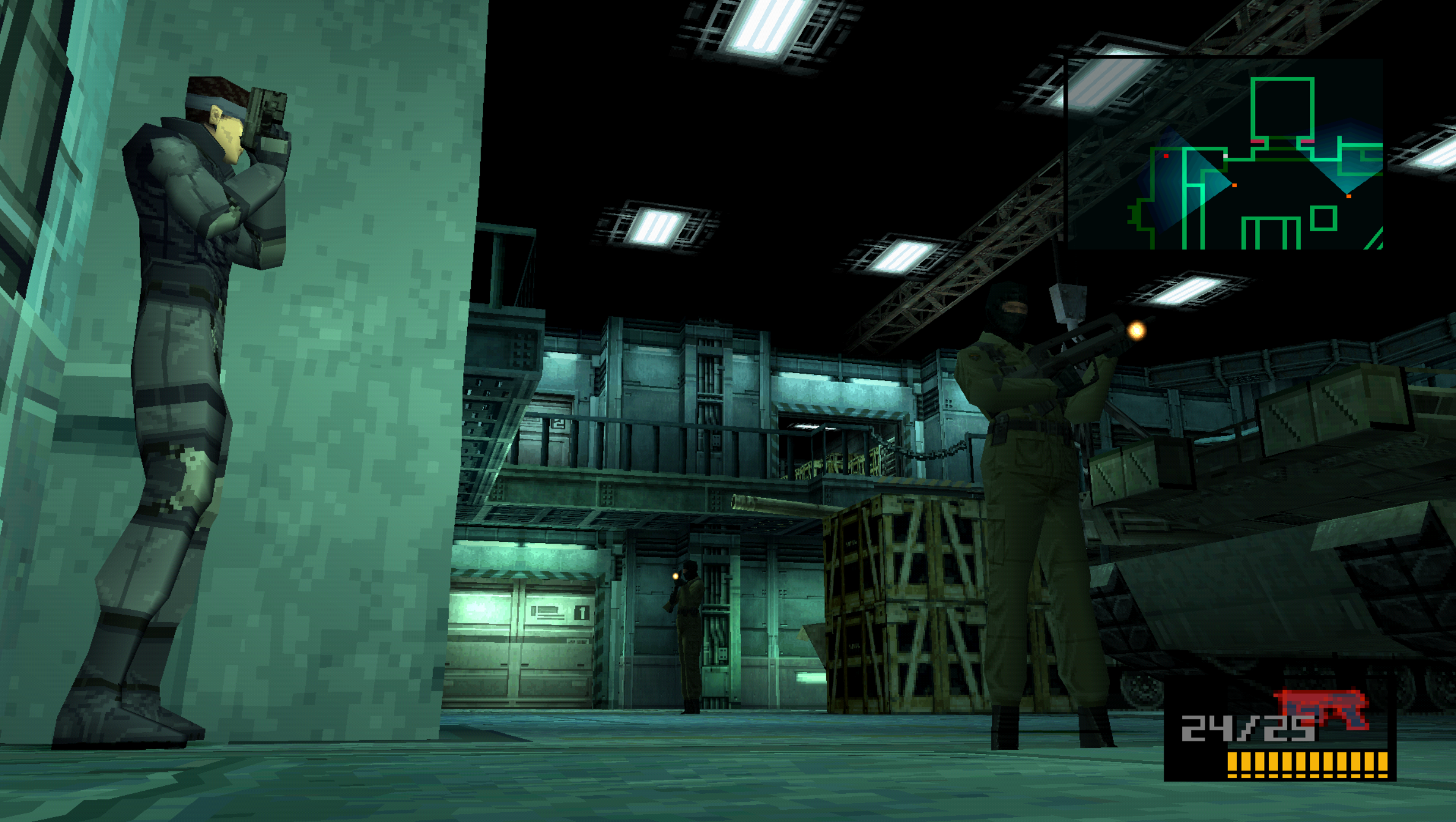
Source: Wikipedia
Google Preferred Source
Add us to your favorite news sources on Google
Get instant updates and breaking news directly in Google News