Introduction: The Next Chapter for Metal Gear Solid 4: Guns of the Patriots
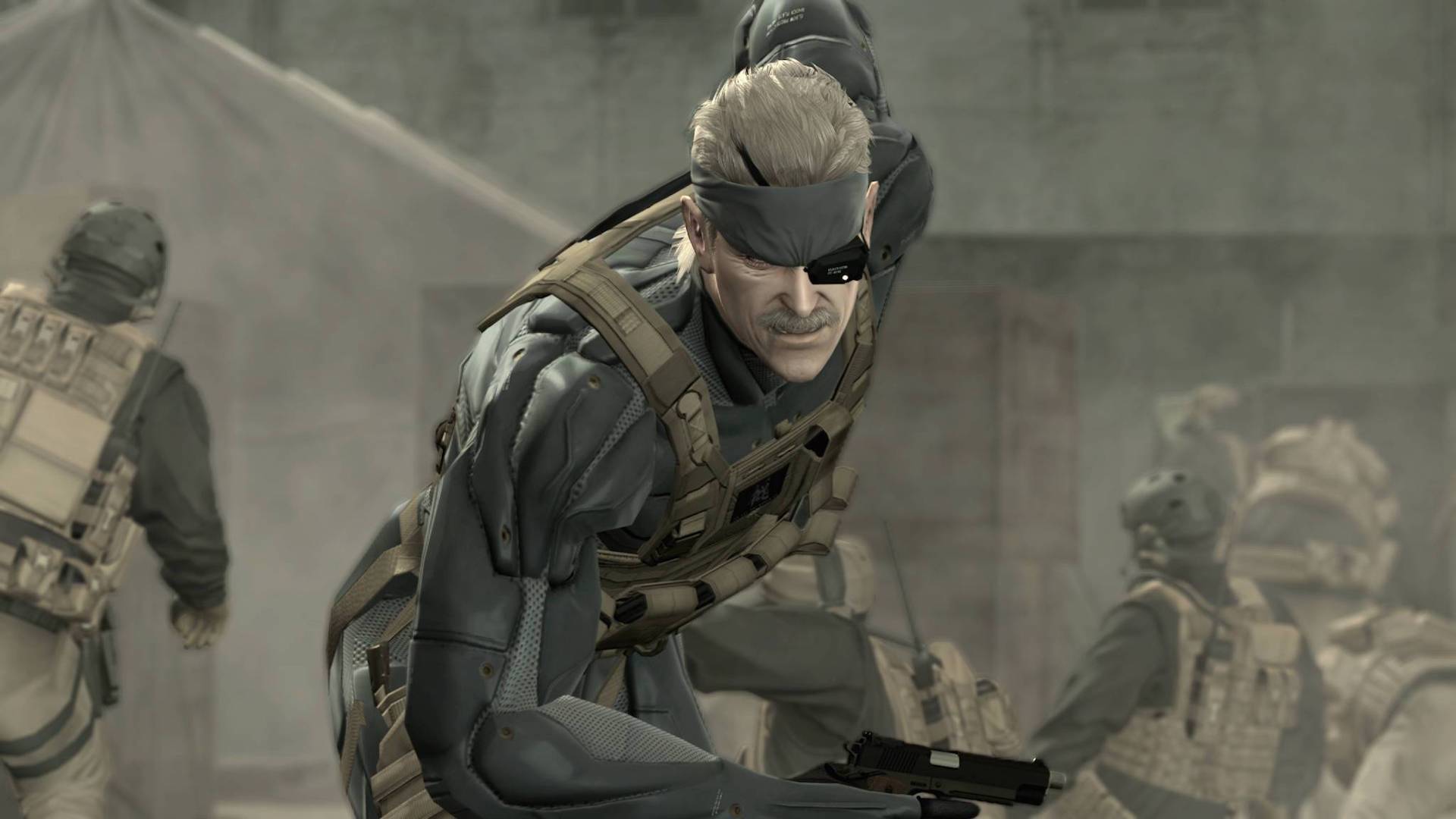
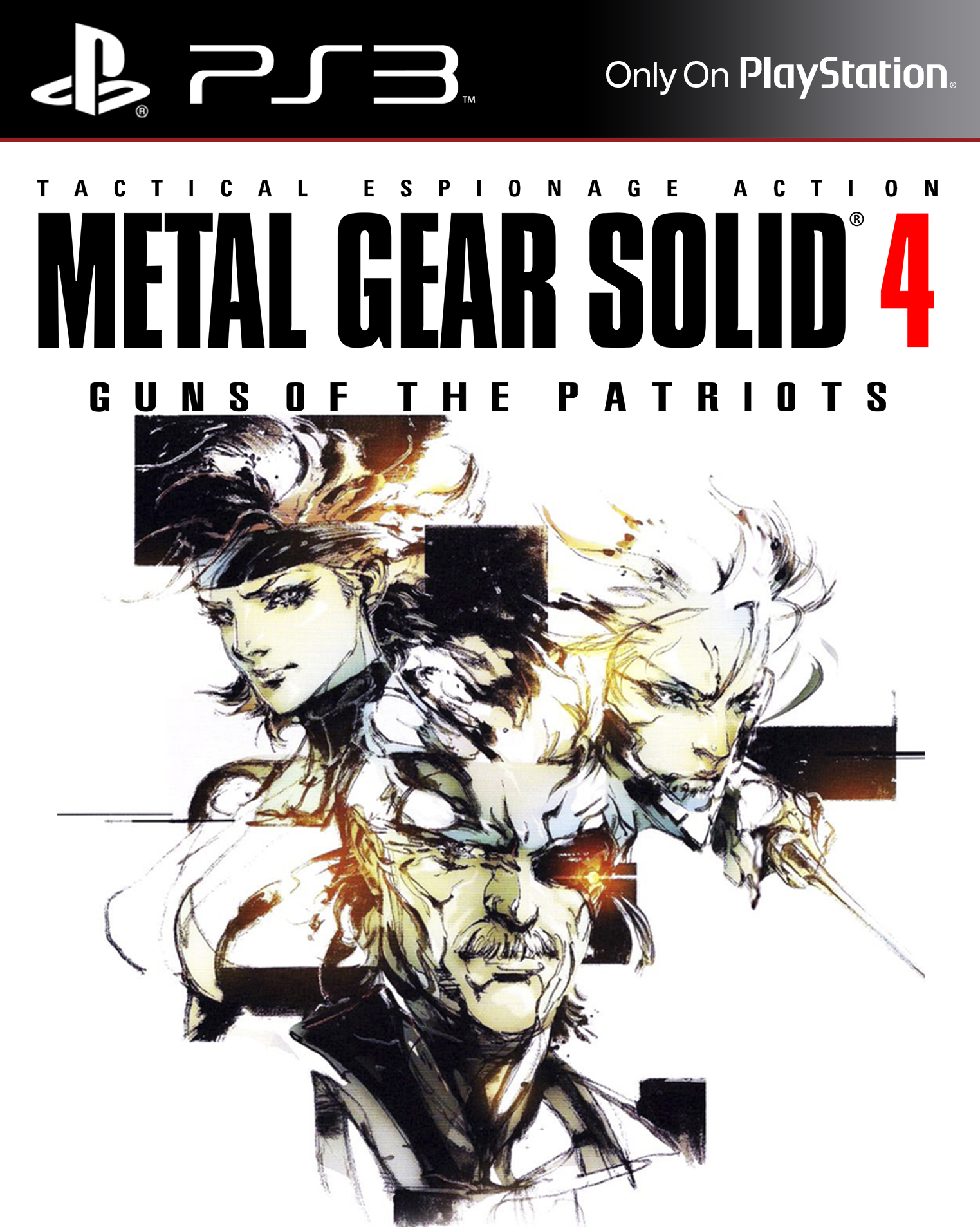
Metal Gear Solid 4: Guns of the Patriots, released in 2008, marked a pivotal moment in the franchise’s history. Developed by Kojima Productions and published by Konami, it served as the final chapter in Solid Snake’s saga, concluding a narrative arc spanning multiple games and characters. The game built upon the established gameplay mechanics of its predecessors while introducing new features and technologies that pushed the PlayStation 3 to its limits. The anticipation surrounding MGS4 was immense, fueled by years of speculation and cryptic hints from Hideo Kojima himself. This Masterclass Deep-Dive will dissect every facet of this landmark title, exploring its technical achievements, narrative complexities, and lasting impact on the gaming landscape.
Visual Direction and Graphics Engineering
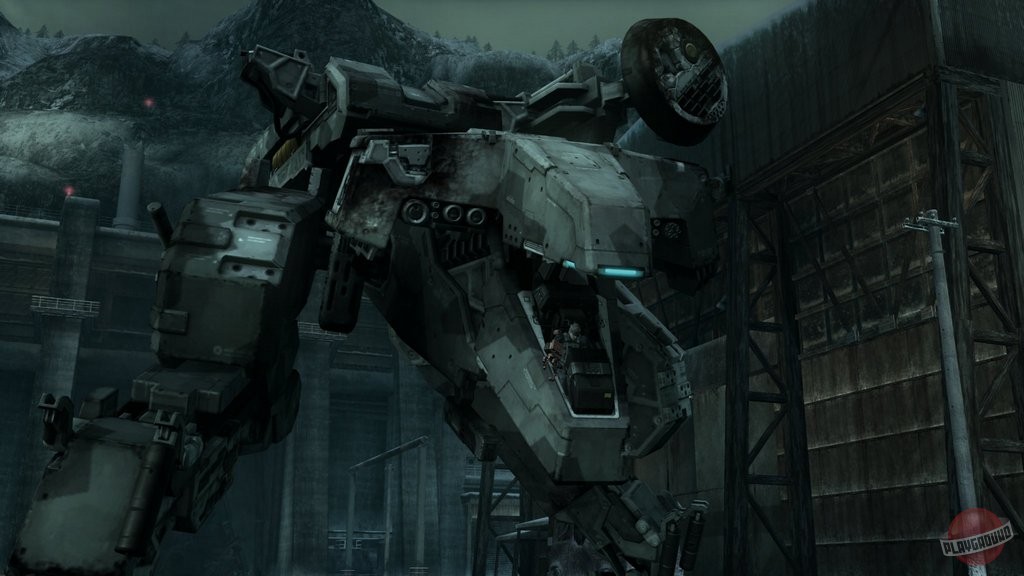
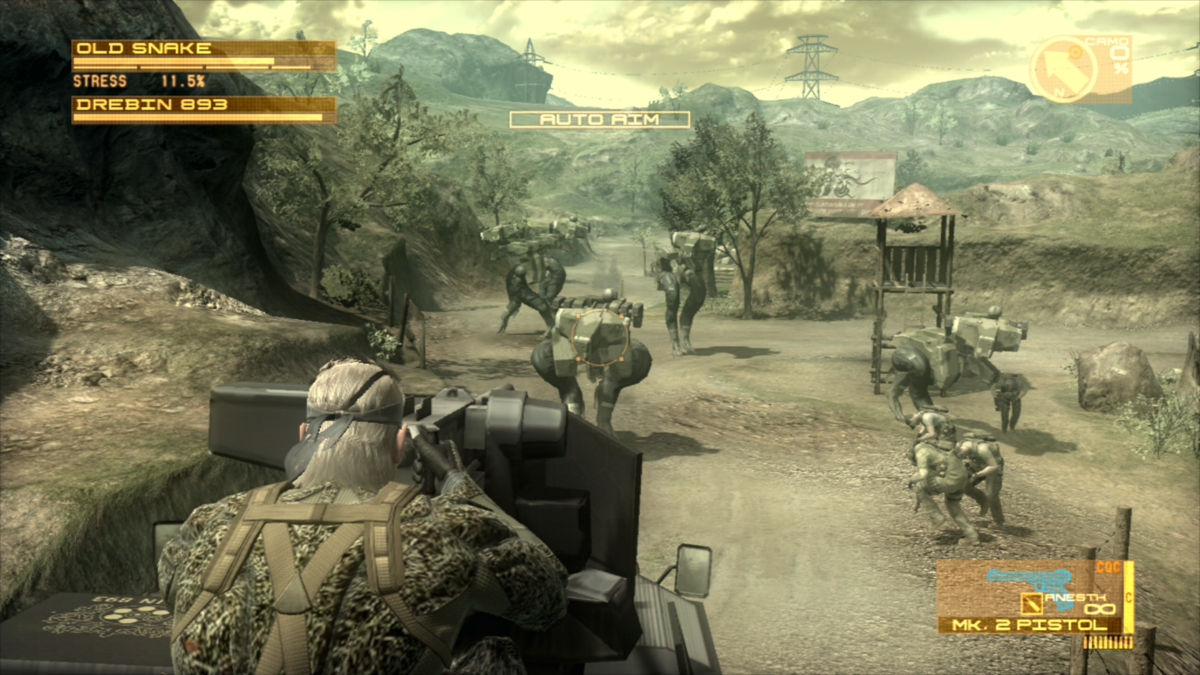
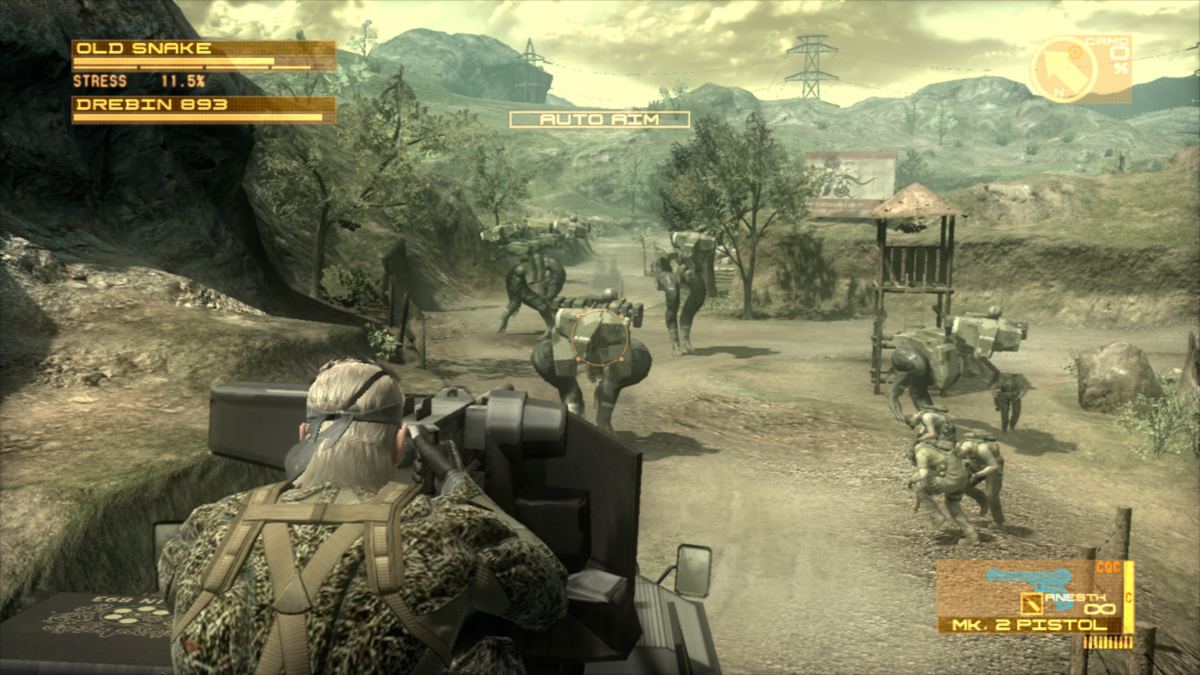
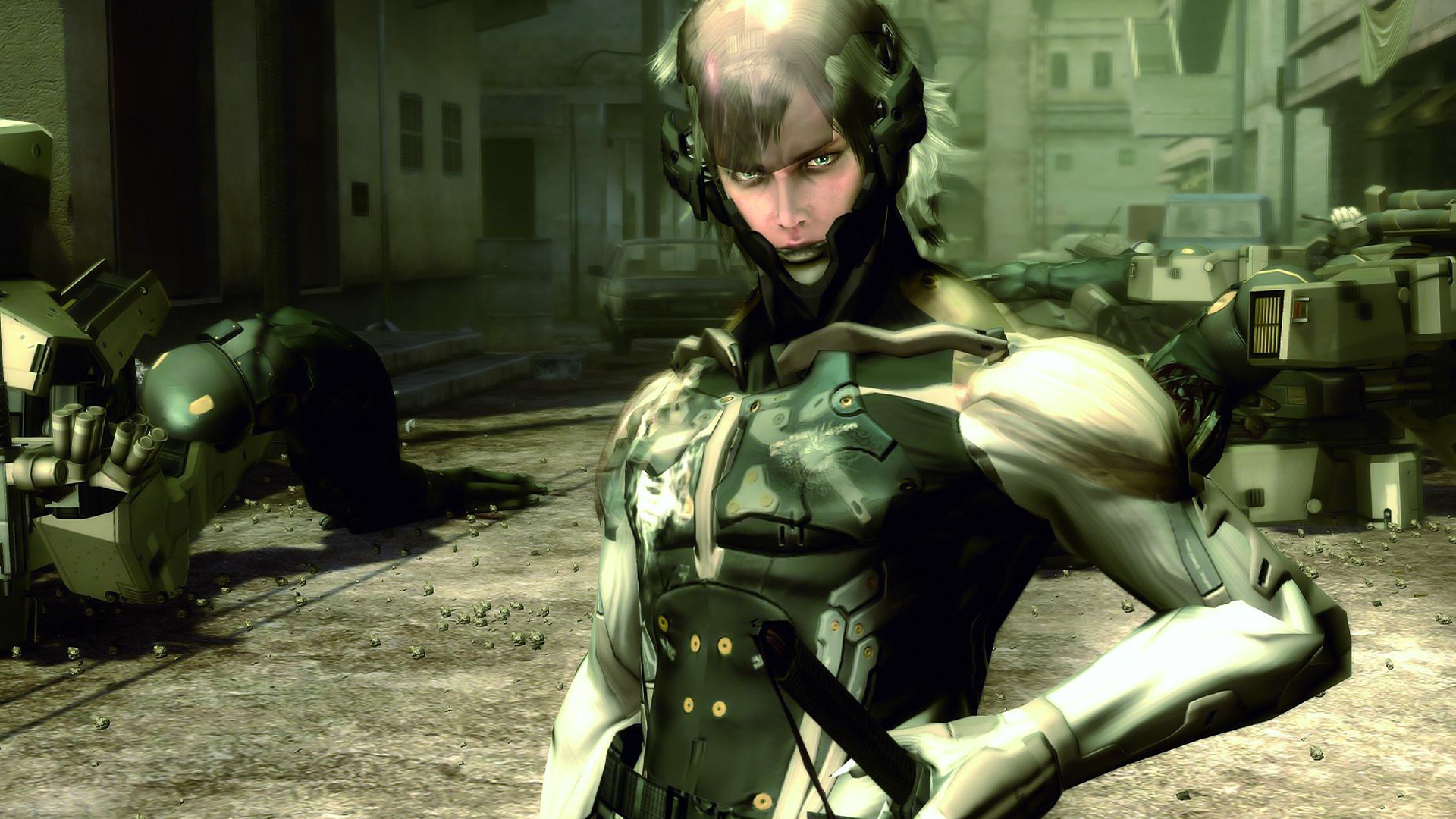
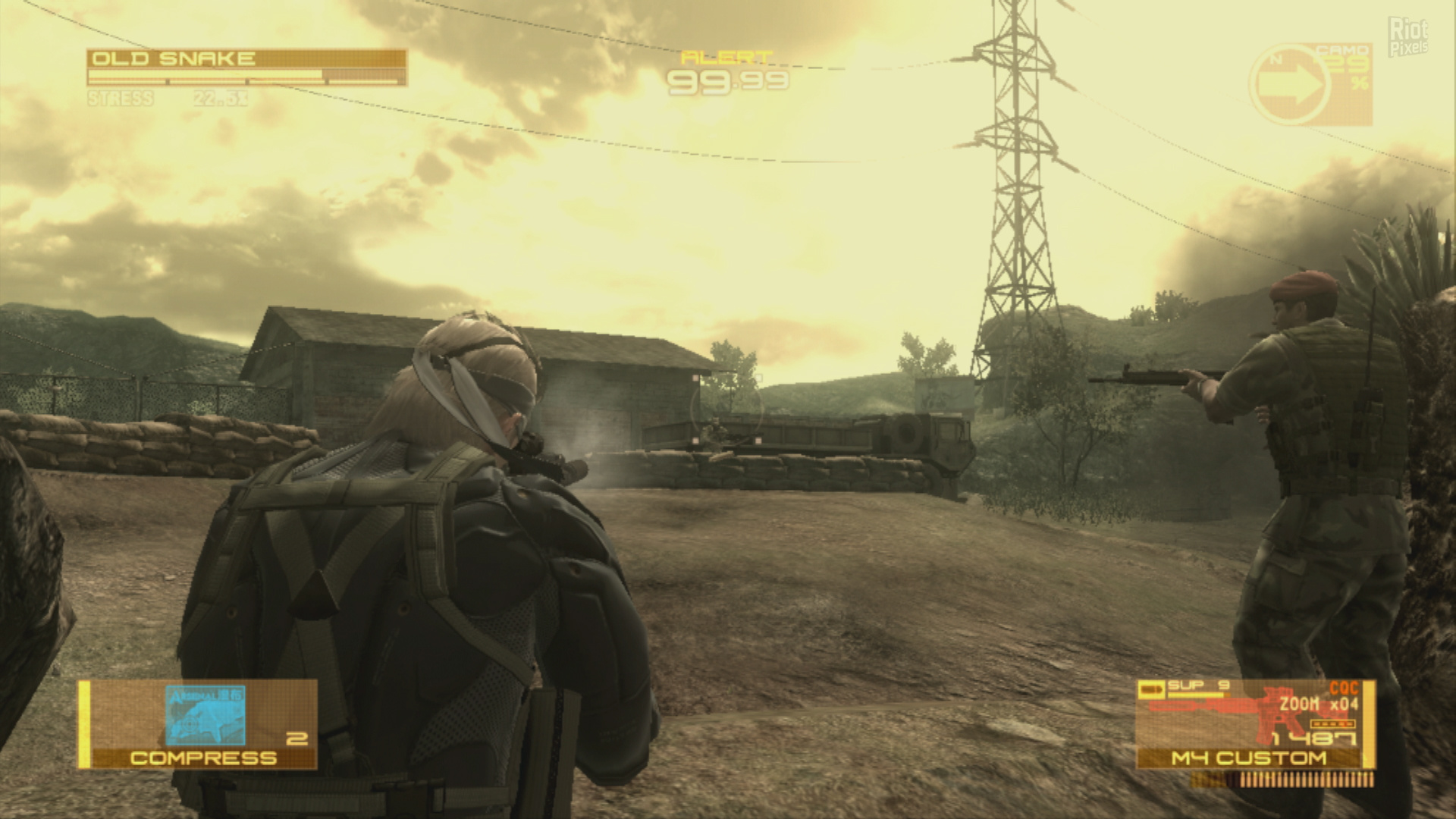
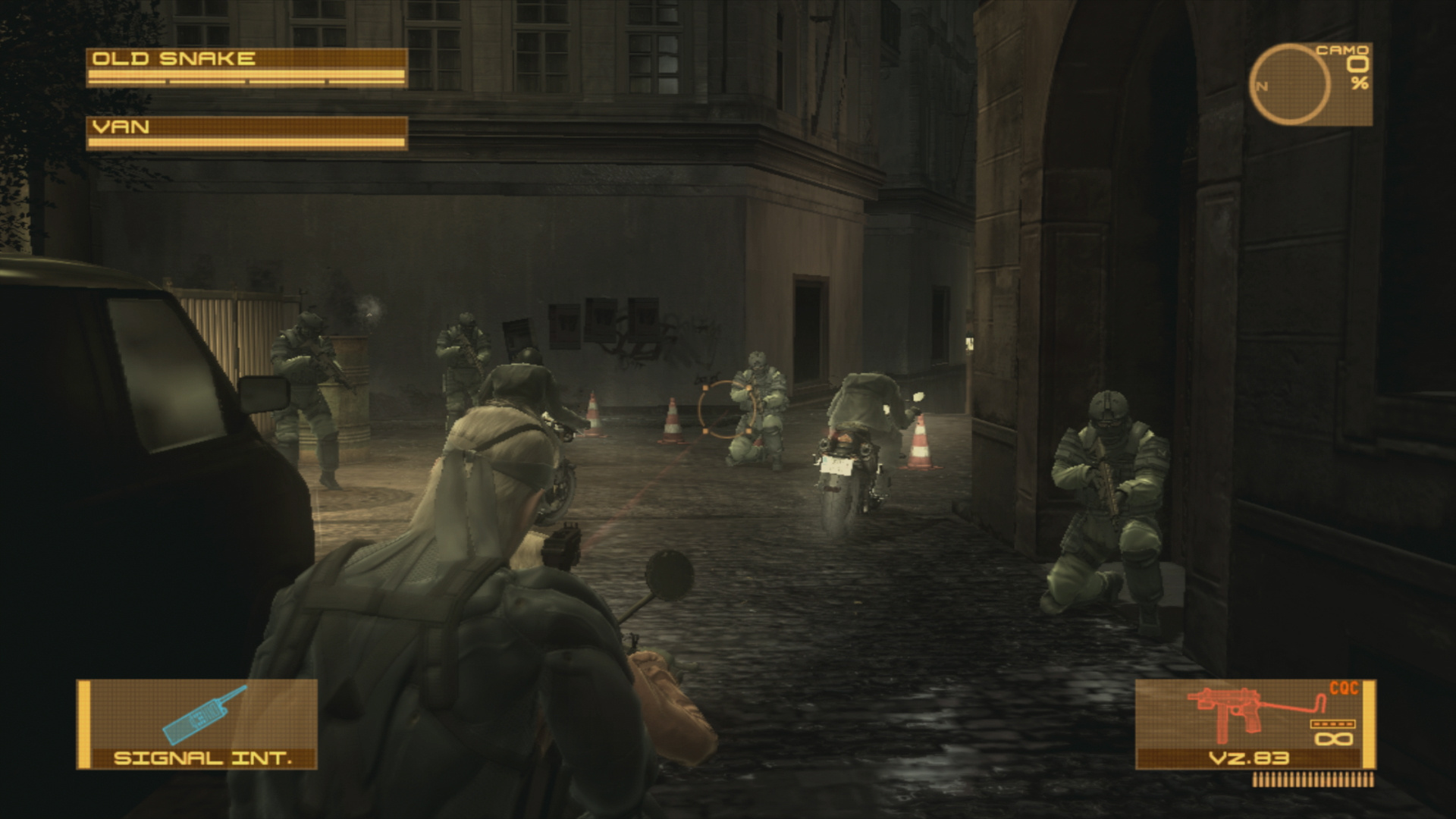
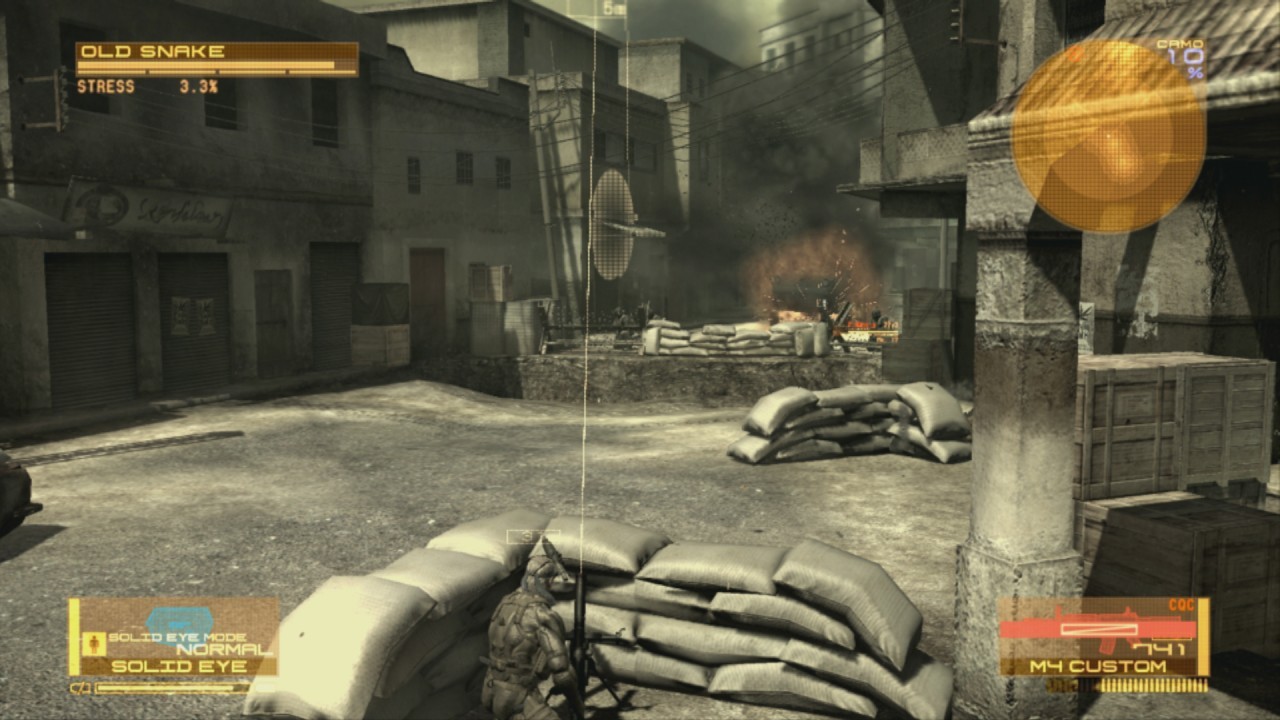
MGS4 was a showcase for the capabilities of the proprietary Next-Gen engine developed by Kojima Productions. The game featured significantly improved character models, environments, and special effects compared to previous entries in the series. The use of advanced rendering techniques allowed for highly detailed textures, realistic lighting, and dynamic weather effects. One notable feature was the “Octi” system, which enabled seamless transitions between gameplay and fully rendered cutscenes, blurring the lines between interactive experience and cinematic presentation. The visual design aimed to create a gritty, war-torn aesthetic, reflecting the game’s themes of conflict and political intrigue.
Gameplay Mechanics and Core Systems
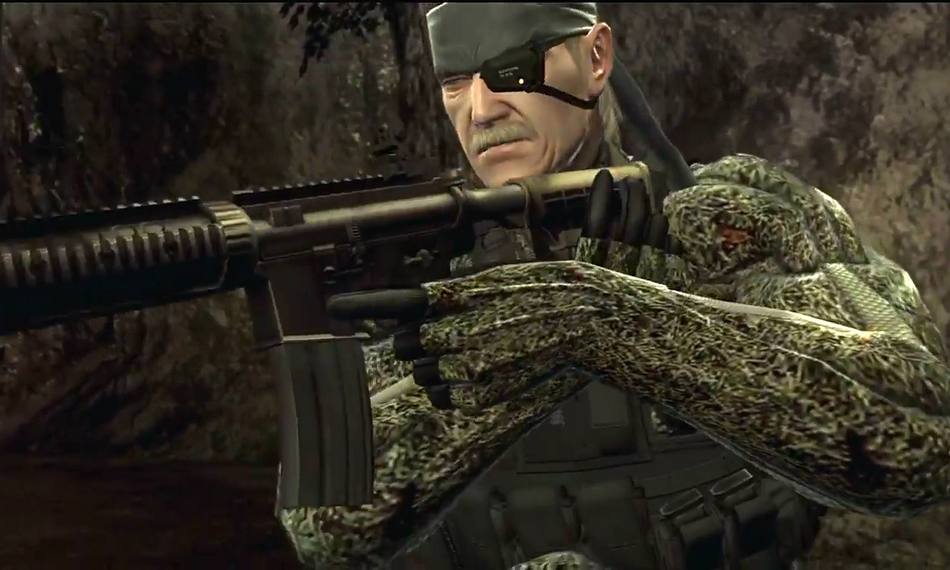
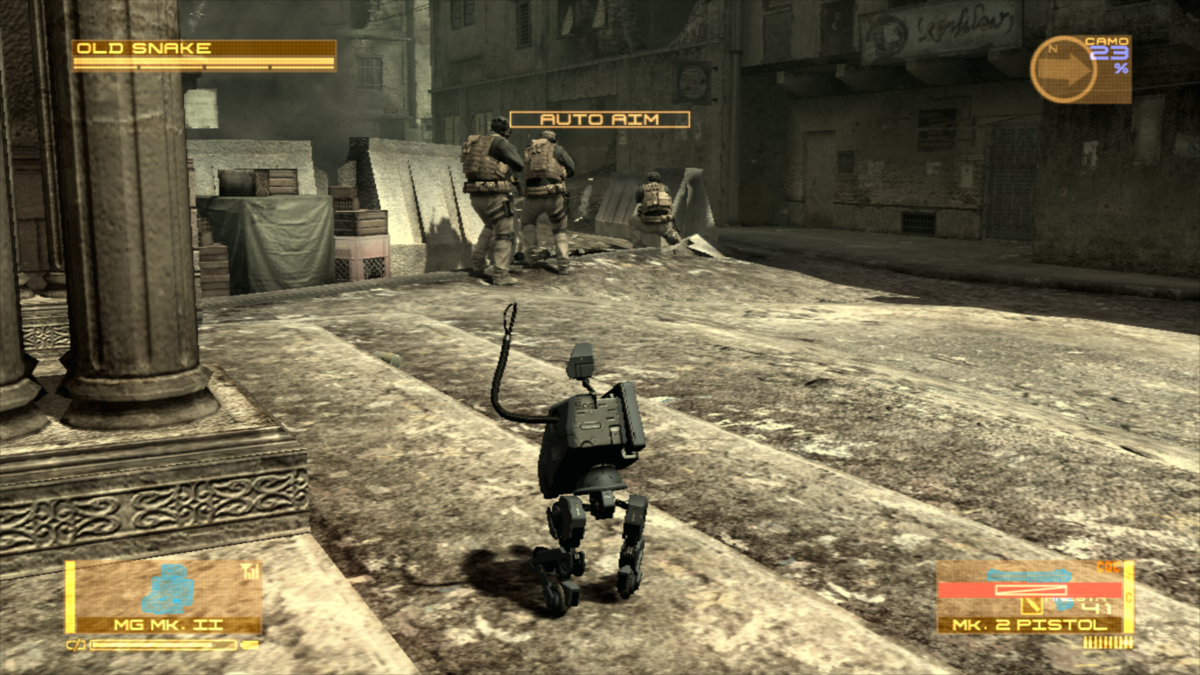
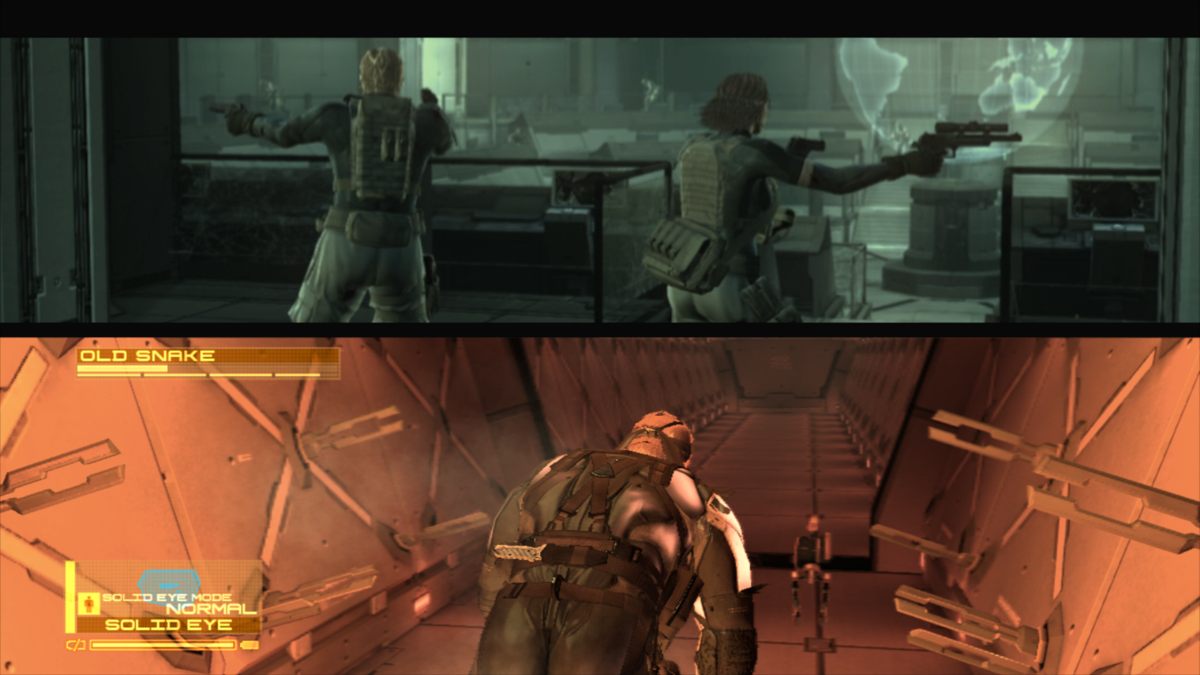
MGS4 refined the core stealth gameplay mechanics that defined the Metal Gear Solid franchise. Players once again controlled Solid Snake, utilizing a variety of weapons, gadgets, and camouflage techniques to infiltrate enemy bases and complete objectives. The “Octi” system seamlessly integrated cutscenes into gameplay, allowing for dynamic camera angles and cinematic action sequences. New additions included the “Advanced Stealth Camouflage,” which allowed Snake to blend almost perfectly with his surroundings, and the ability to call upon allies for assistance in certain situations. The game also featured a robust codec system, allowing players to communicate with other characters and receive vital information.

Level Design and World Atmosphere
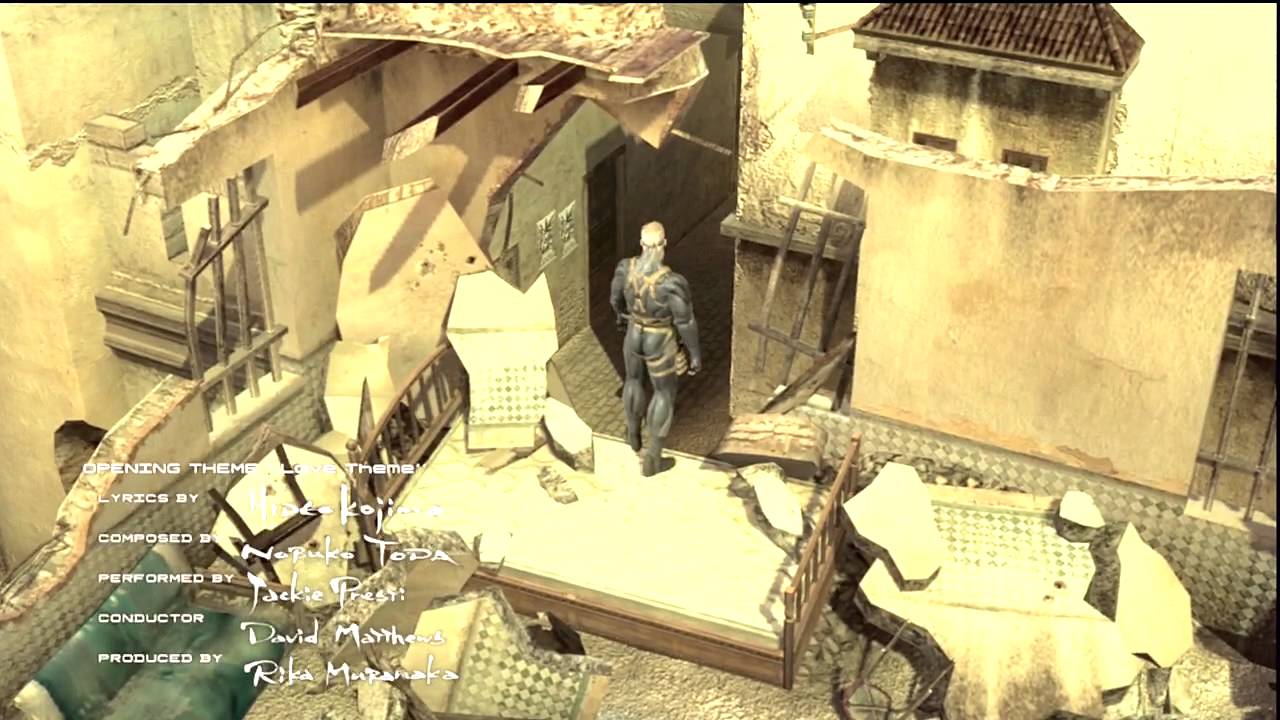
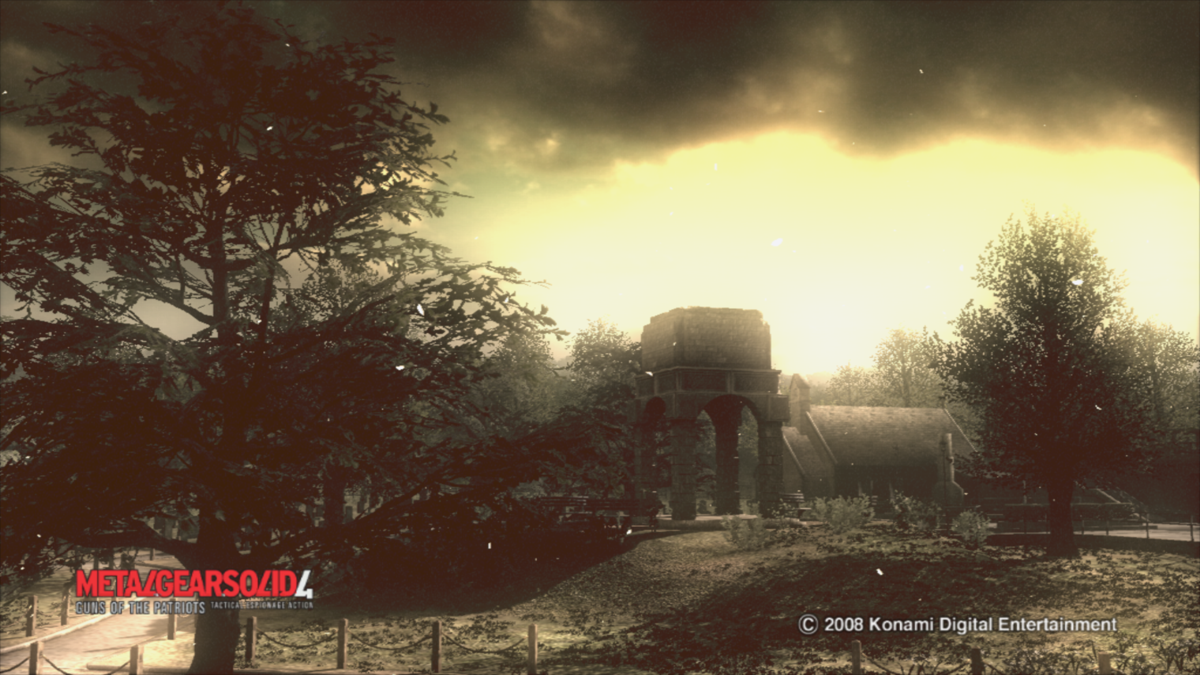
The level design in MGS4 was diverse and engaging, ranging from war-torn Middle Eastern cities to futuristic space stations. Each environment presented unique challenges and opportunities for stealth gameplay. The game’s atmosphere was meticulously crafted, with attention paid to detail in every aspect of the visual presentation and sound design. The environments were often interactive, allowing players to manipulate objects and create distractions to aid their infiltration efforts. The sense of scale and immersion was a key element of the game’s appeal.
Narrative Depth and Character Profiles
MGS4 boasted a complex and multifaceted narrative that explored themes of war, politics, and identity. The story centered on Solid Snake’s final mission to assassinate Liquid Ocelot, who had taken control of the Sons of the Patriots (SOP) system. The game featured a large cast of characters, both returning favorites and new additions to the Metal Gear universe. The narrative was delivered through a combination of in-game dialogue, codec conversations, and fully rendered cutscenes. The story’s intricate plot twists and emotional depth kept players engaged throughout the lengthy campaign.
Sound Design and Acoustic Realism
The sound design in MGS4 was crucial to creating an immersive and believable game world. The game featured a wide range of ambient sounds, weapon effects, and character voice acting that contributed to the overall sense of realism. The use of directional audio allowed players to pinpoint the location of enemies based on their movements and actions. The soundtrack, composed by Harry Gregson-Williams and Nobuko Toda, was both epic and emotionally resonant, perfectly complementing the game’s dramatic storyline. The codec conversations were also a key element of the sound design, providing crucial information and character development.
Release Expectations and Community Hype
The release of Metal Gear Solid 4: Guns of the Patriots was one of the most anticipated events in gaming history. Years of speculation and cryptic hints from Hideo Kojima had built up a massive level of hype among fans. The game’s exclusivity to the PlayStation 3 further fueled demand, as players were eager to experience the next chapter in Solid Snake’s saga on Sony’s flagship console. The release was met with widespread acclaim, solidifying its place as a landmark title in the Metal Gear franchise and a defining moment for the PlayStation 3.
Conclusion: The Future of Metal Gear Solid 4: Guns of the Patriots
Metal Gear Solid 4: Guns of the Patriots remains a significant achievement in game development, pushing the boundaries of storytelling, gameplay, and technology. Its legacy continues to inspire developers and captivate players. The upcoming ports to Nintendo Switch, PlayStation 5, Windows, and Xbox Series X/S will introduce this classic title to a new generation of gamers, while also allowing long-time fans to experience it in enhanced form. While Metal Gear Online won’t be included in these releases, the core gameplay and narrative that made MGS4 so beloved will remain intact. The game’s impact on the gaming landscape is undeniable, solidifying its place as a true masterpiece.
Source: Wikipedia


/cdn.vox-cdn.com/uploads/chorus_image/image/72393507/Metal_Gear_Solid_4__Guns_of_the_Patriots.0.jpg)