Introduction: The Next Chapter for Medieval II: Total War
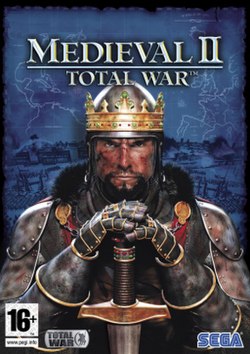
“Medieval II: Total War,” a title that resonates with strategy enthusiasts and history buffs alike, represents a pivotal moment in the evolution of the “Total War” franchise. Developed by Creative Assembly’s Australian branch and published by Sega, this game built upon the foundation laid by its predecessor, “Medieval: Total War,” while pushing the boundaries of what was possible in real-time strategy games. Released in 2006 for Windows, and later ported to macOS and Linux by Feral Interactive, it offered players a sprawling campaign map spanning from 1080 to 1530, allowing them to lead their chosen faction through centuries of conflict, diplomacy, and societal development. This Masterclass Deep-Dive will dissect the game’s core elements, examining its visual direction, gameplay mechanics, narrative depth, and overall impact on the strategy genre.
Visual Direction and Graphics Engineering
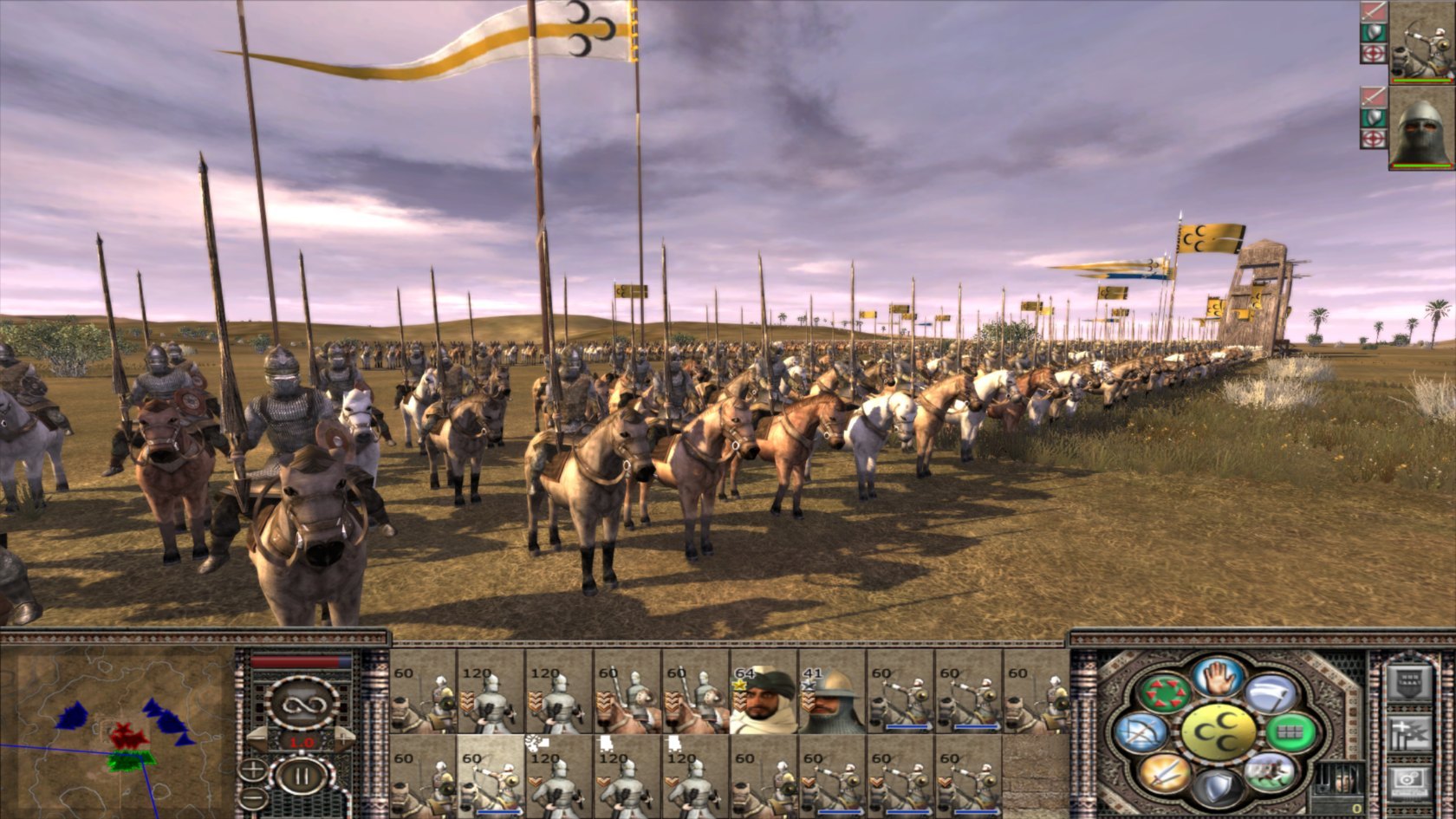
“Medieval II: Total War” boasted a proprietary “Next-Gen Engine,” which, while not as visually stunning by today’s standards, was a significant leap forward from previous iterations. The game’s visual direction aimed for historical accuracy, depicting diverse landscapes ranging from the lush forests of Western Europe to the arid deserts of North Africa and the bustling cities of the Middle East. Unit models were meticulously designed to reflect the armor, weaponry, and cultural attire of various factions, adding a layer of authenticity to the battles. The engine’s ability to render large-scale formations was crucial for creating immersive and chaotic real-time engagements. While draw distance and texture quality could be limiting factors on older hardware, the game still managed to create a compelling visual experience that captured the essence of the medieval era.
Gameplay Mechanics and Core Systems
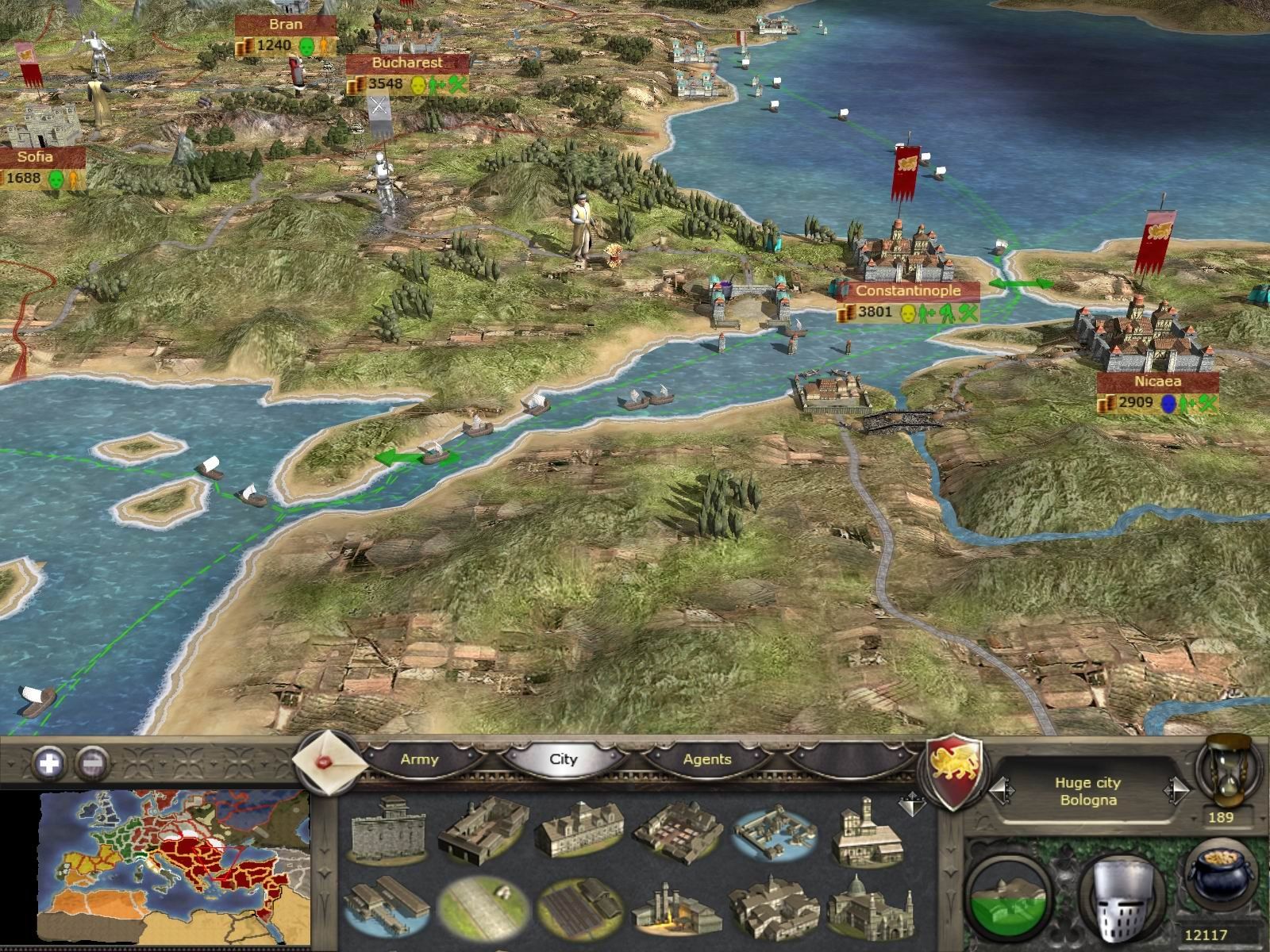
The core gameplay loop in “Medieval II: Total War” revolves around two distinct phases: the strategic campaign map and the real-time tactical battles. On the campaign map, players manage their faction’s economy, diplomacy, technology, and military production. They must carefully balance resource allocation, expand their territory through conquest or negotiation, and navigate complex political relationships with other factions. The game features a robust AI that governs the behavior of these other factions, creating dynamic and unpredictable scenarios. In battle, players command individual units and formations, utilizing terrain advantages and tactical maneuvers to outwit and defeat their enemies. The game’s depth lies in its intricate systems for managing armies, researching technologies, and forging alliances.
Level Design and World Atmosphere
The level design in “Medieval II: Total War” is inextricably linked to the vastness of the campaign map. Battlefields are diverse and strategically important, ranging from open plains ideal for cavalry charges to dense forests that favor ambushes. The game’s atmosphere is enhanced by its detailed environments, which include realistic weather effects, dynamic lighting, and authentic architectural designs. The level designers carefully crafted each battlefield to provide unique tactical challenges and opportunities for players to exploit. This attention to detail contributes significantly to the immersive experience of commanding armies in historical battles.
Narrative Depth and Character Profiles
While “Medieval II: Total War” is primarily a strategy game, it does offer glimpses into the lives of key historical figures and factions. The campaign map events often trigger narrative sequences that provide context for the ongoing conflicts and political machinations. Although not as character-driven as some RPGs, the game allows players to develop relationships with other rulers through diplomacy and trade, creating a sense of rivalry or alliance. Understanding the motivations and goals of these historical figures adds another layer of depth to the overall experience.
Sound Design and Acoustic Realism
The sound design in “Medieval II: Total War” plays a crucial role in immersing players in the medieval world. The game features authentic battle sounds, including the clash of steel, the cries of soldiers, and the thunderous hooves of charging cavalry. The music is evocative of the era, creating a sense of grandeur and tension during battles and exploration. Environmental audio further enhances the atmosphere, with realistic sound effects for forests, cities, and other locations.
Release Expectations and Community Hype
Upon its release in 2006, “Medieval II: Total War” was met with high expectations from both critics and fans of the series. The game delivered on many of these expectations, offering a vast campaign map, engaging real-time battles, and a wealth of historical content. However, some reviewers criticized the game’s lack of innovation compared to its predecessor. Despite this, “Medieval II: Total War” quickly became a cult classic, praised for its strategic depth and immersive gameplay. The community surrounding the game remains active, with players continuing to create mods and share their experiences.
Conclusion: The Future of Medieval II: Total War
“Medieval II: Total War” stands as a testament to Creative Assembly’s commitment to creating engaging and historically rich strategy games. While it may not have been the most technically advanced game of its time, it offered a compelling blend of strategic depth, immersive gameplay, and historical authenticity. The game’s legacy continues to inspire new players and modders alike, ensuring that “Medieval II: Total War” remains a beloved title in the history of strategy games. The announcement of “Total War: Medieval III” has reignited excitement within the community, promising a return to this iconic era with modern graphics and gameplay mechanics.
Source: Wikipedia


