
About this game
Introduction: The Next Chapter for Medieval II: Total War
Medieval II: Total War arrived in 10 November 2006, not just as a sequel but as a bold step forward for the Total War franchise. Developed by Creative Assembly’s Australian branch and published by Sega (with subsequent ports by Feral Interactive), this title aimed to capture the sprawling scope of medieval history while refining the core gameplay loop that had become synonymous with the series. It promised players control over vast empires, intricate diplomacy, and epic real-time battles – a promise it largely delivered on, albeit with some notable shortcomings.
Visual Direction and Graphics Engineering
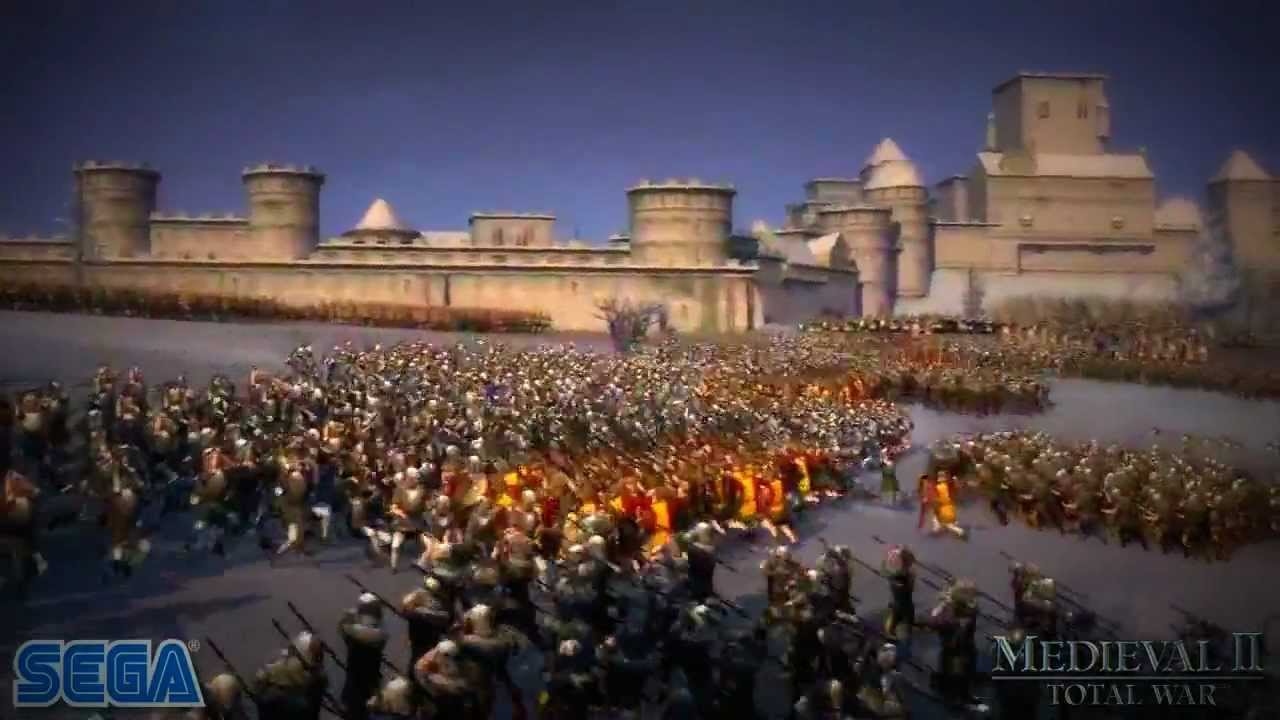
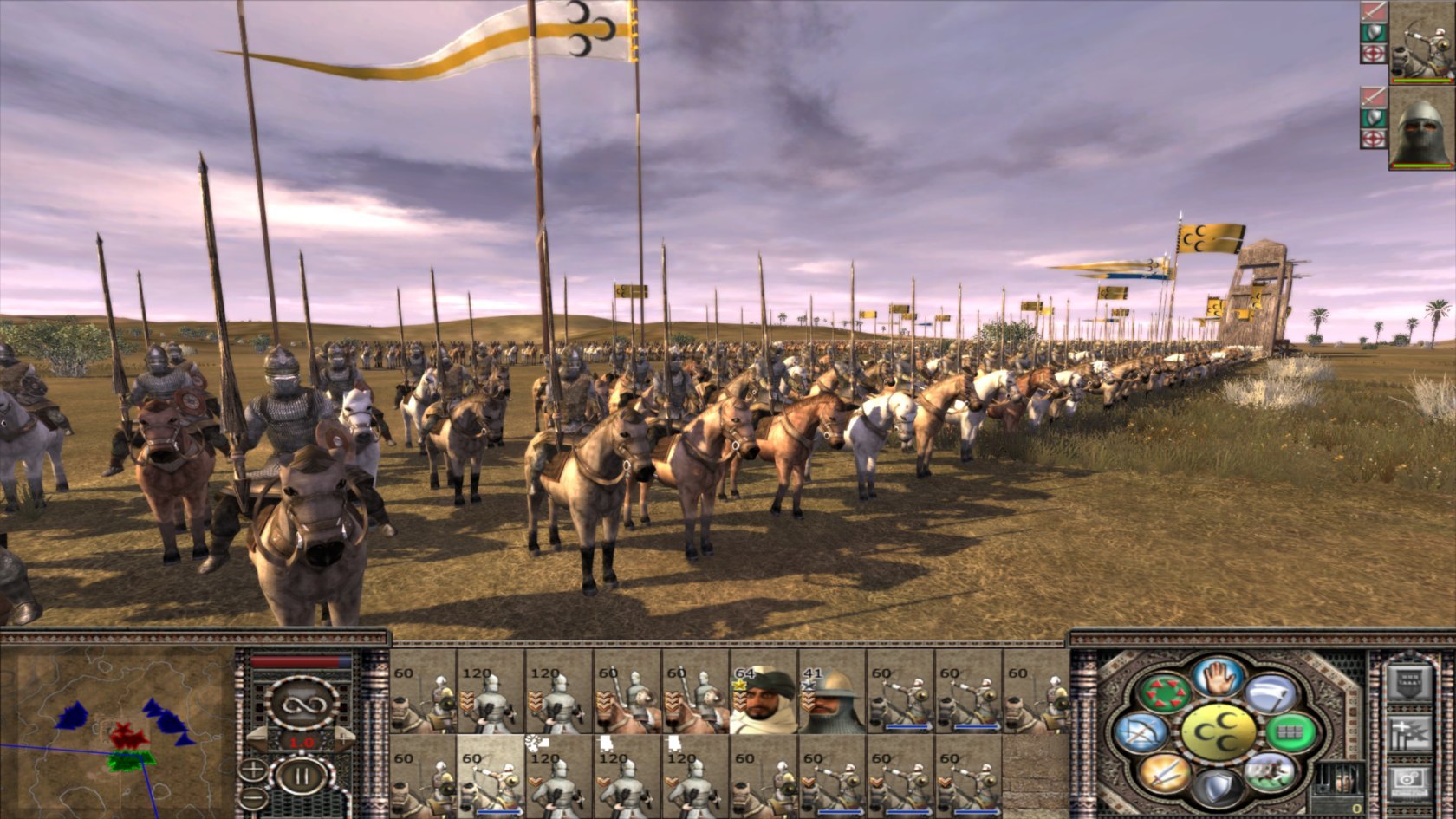
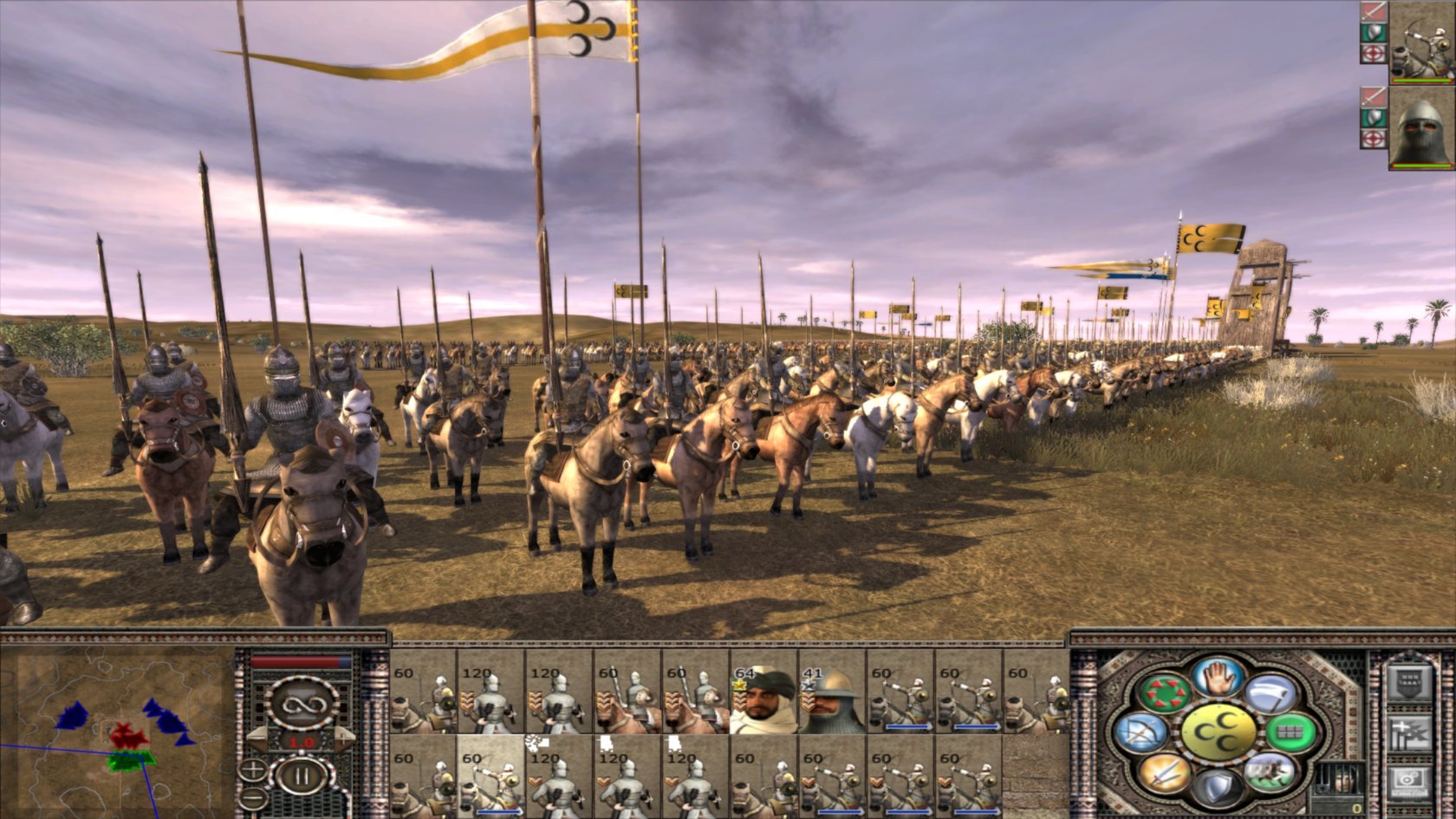
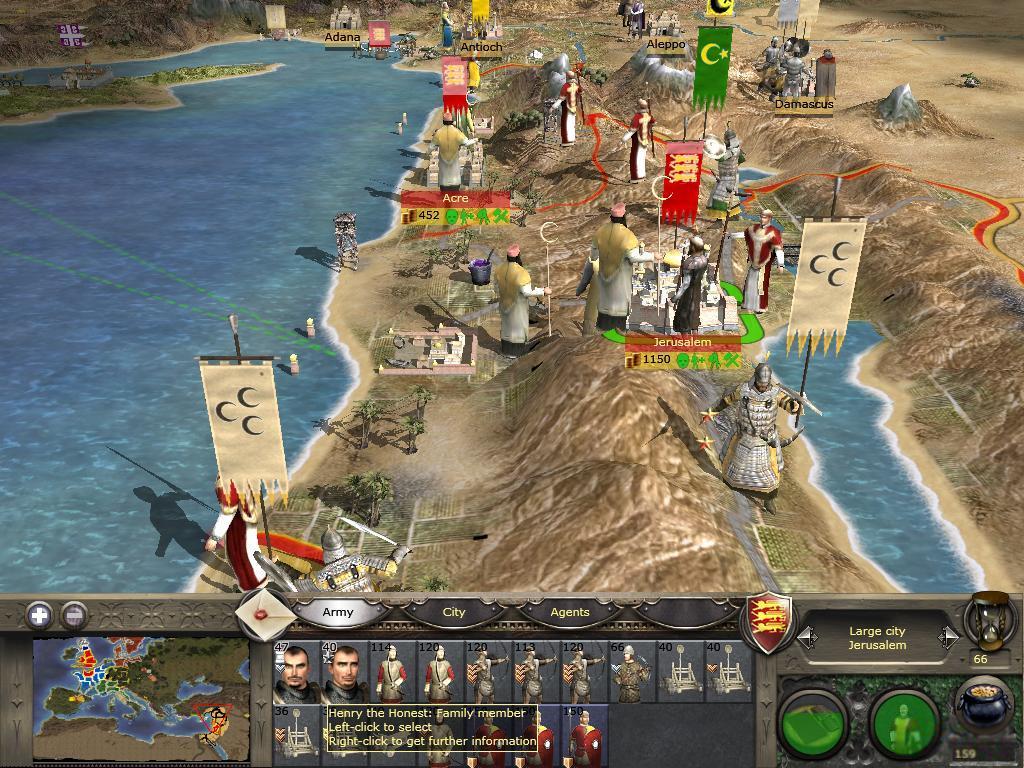
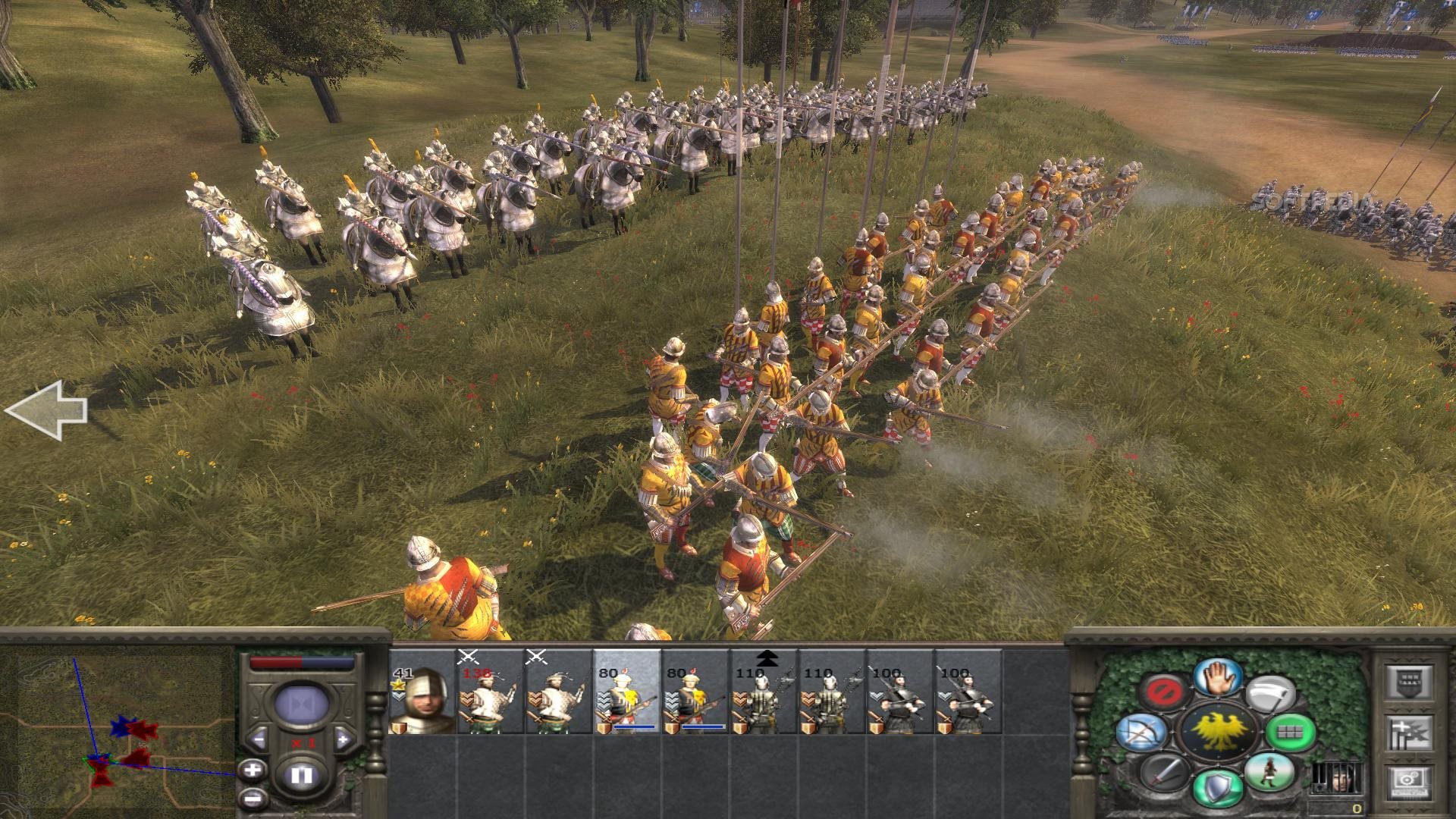
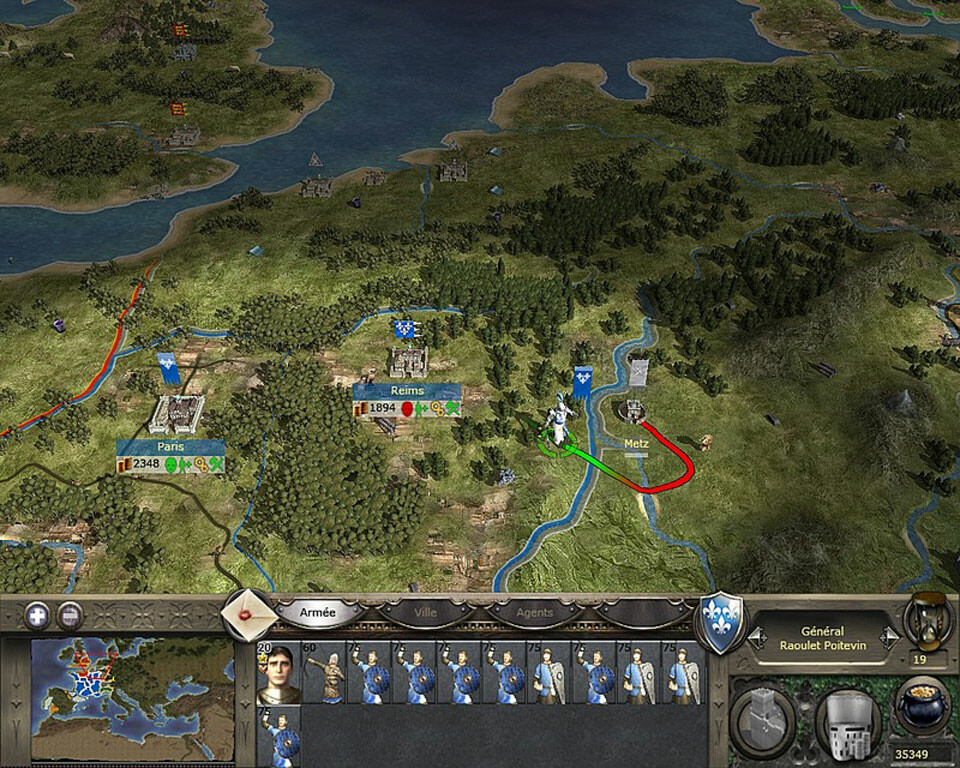
Visually, Medieval II represented a significant upgrade from its predecessor. While not pushing the boundaries of graphical fidelity by today’s standards, the game featured detailed unit models, expansive environments, and dynamic weather effects that contributed to an immersive experience. The “Proprietary Next-Gen Engine” (as it was marketed) allowed for impressive draw distances on the campaign map, enabling players to survey their territories and plan strategic maneuvers with a clear overview. However, some textures appeared dated even at the time of release, and performance could be an issue on lower-end systems.
Gameplay Mechanics and Core Systems
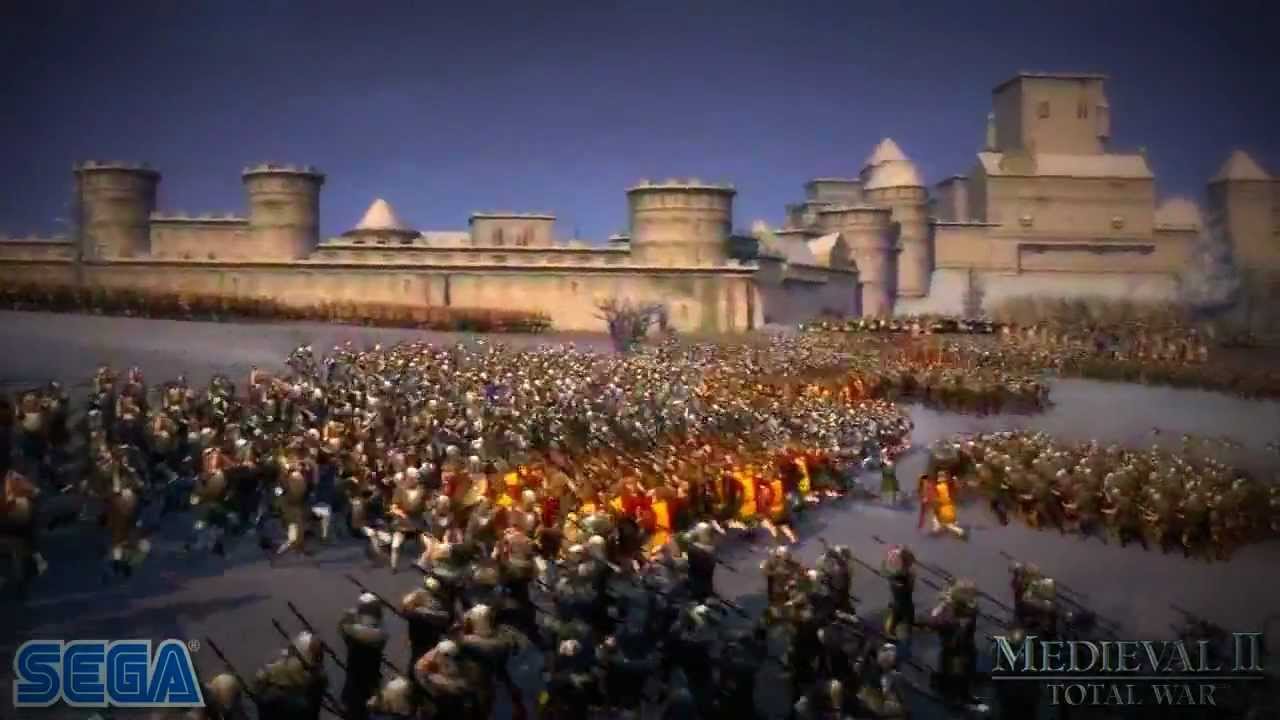
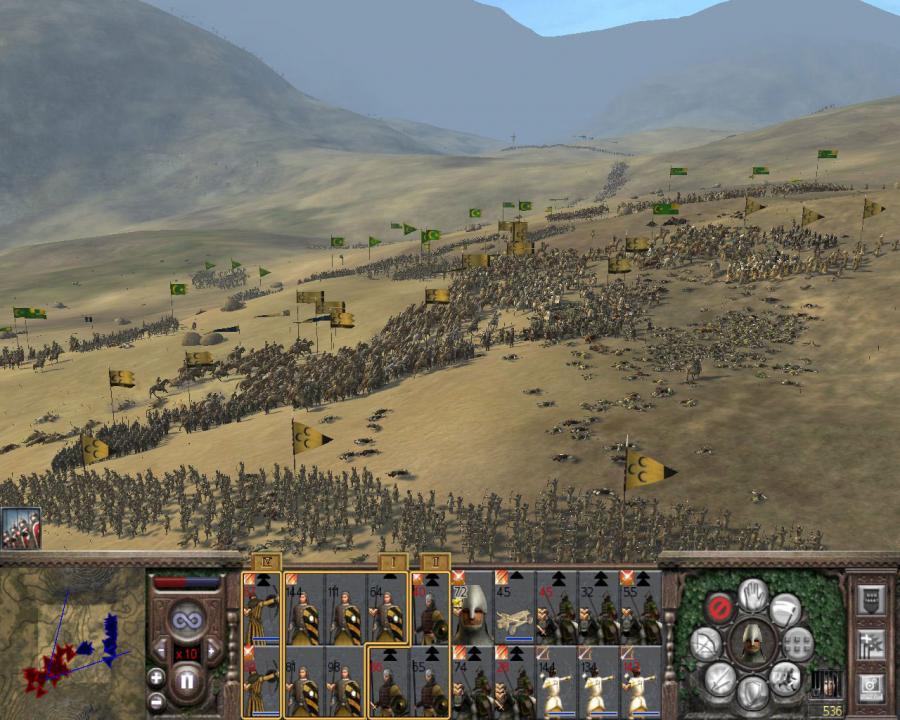
The heart of Medieval II lies in its dual gameplay structure: a turn-based campaign map and real-time tactical battles. The campaign allows players to manage their kingdom’s economy, diplomacy, religion, and military. Players could engage in complex alliances, wage wars across continents, and develop technologies to advance their civilization. The battle system offered a wide array of units, from basic infantry to powerful siege engines, each with its own strengths and weaknesses. Mastering the battlefield required careful positioning, flanking maneuvers, and effective use of terrain. However, some players found the campaign map overly complex, while others criticized the AI for being predictable in both battles and diplomacy.
Level Design and World Atmosphere
The game’s level design was varied, ranging from open fields perfect for cavalry charges to dense forests that favored ambushes. The environments were meticulously crafted to reflect the diverse landscapes of medieval Europe, North Africa, and parts of the Middle East. Weather effects played a crucial role in creating atmosphere, with rainstorms reducing visibility and snow hindering movement. While not as detailed as modern games, the level design effectively conveyed the scale and challenges of medieval warfare.
Narrative Depth and Character Profiles
While Medieval II focused primarily on gameplay mechanics, it did feature a degree of narrative depth through historical events and character interactions. The game allowed players to experience key moments in history, such as the Mongol invasions and the Crusades. While not featuring prominently developed characters, the game provided context for the conflicts and power struggles that defined the era. However, some players felt that the lack of strong narratives limited the overall immersion.
Sound Design and Acoustic Realism
The sound design in Medieval II was a crucial element in creating an immersive experience. The sounds of clashing steel, roaring siege engines, and cheering armies effectively conveyed the chaos and intensity of battle. The game’s soundtrack, composed by Jeff van Dyck, Richard Vaughan, and James Vincent, complemented the visuals and helped to establish the atmosphere of medieval Europe. However, some players found that certain sound effects became repetitive after extended gameplay.
Release Expectations and Community Hype
Upon its release, Medieval II: Total War was met with high expectations from both critics and fans. The game promised a vast and engaging experience, and it largely delivered on that promise. However, some players were disappointed by certain aspects of the game, such as the AI and the lack of innovation compared to previous titles. Despite these criticisms, Medieval II: Total War remains a beloved title in the Total War series and continues to attract new players.
Conclusion: The Future of Medieval II: Total War
Medieval II: Total War represents a significant milestone in the evolution of the Total War franchise. While not without its flaws, the game offered a compelling blend of strategic gameplay, real-time battles, and historical immersion. Its legacy continues to influence the series, and it remains a testament to Creative Assembly’s commitment to delivering engaging and expansive gaming experiences. The development of Total War: Medieval III suggests that the franchise is far from exhausted, and fans eagerly await the next chapter in this epic saga.
Source: Wikipedia
Gallery


Join the conversation