


About this game
Introduction: The Next Chapter for Mass Effect
Mass Effect, a cornerstone of the science fiction gaming landscape, represents more than just a series of games; it’s an immersive universe teeming with complex characters, compelling narratives, and groundbreaking gameplay. Developed by BioWare, initially in collaboration with Edge of Reality and Demiurge Studios, and later refined through Straight Right, the franchise has captivated audiences since its inception. This deep-dive review aims to dissect the core elements that define Mass Effect, examining its technical achievements, narrative depth, and lasting impact on the gaming industry. From its humble beginnings as a Microsoft Game Studios project to its current status under Electronic Arts, Mass Effect’s journey reflects both innovation and adaptation.
Visual Direction and Graphics Engineering
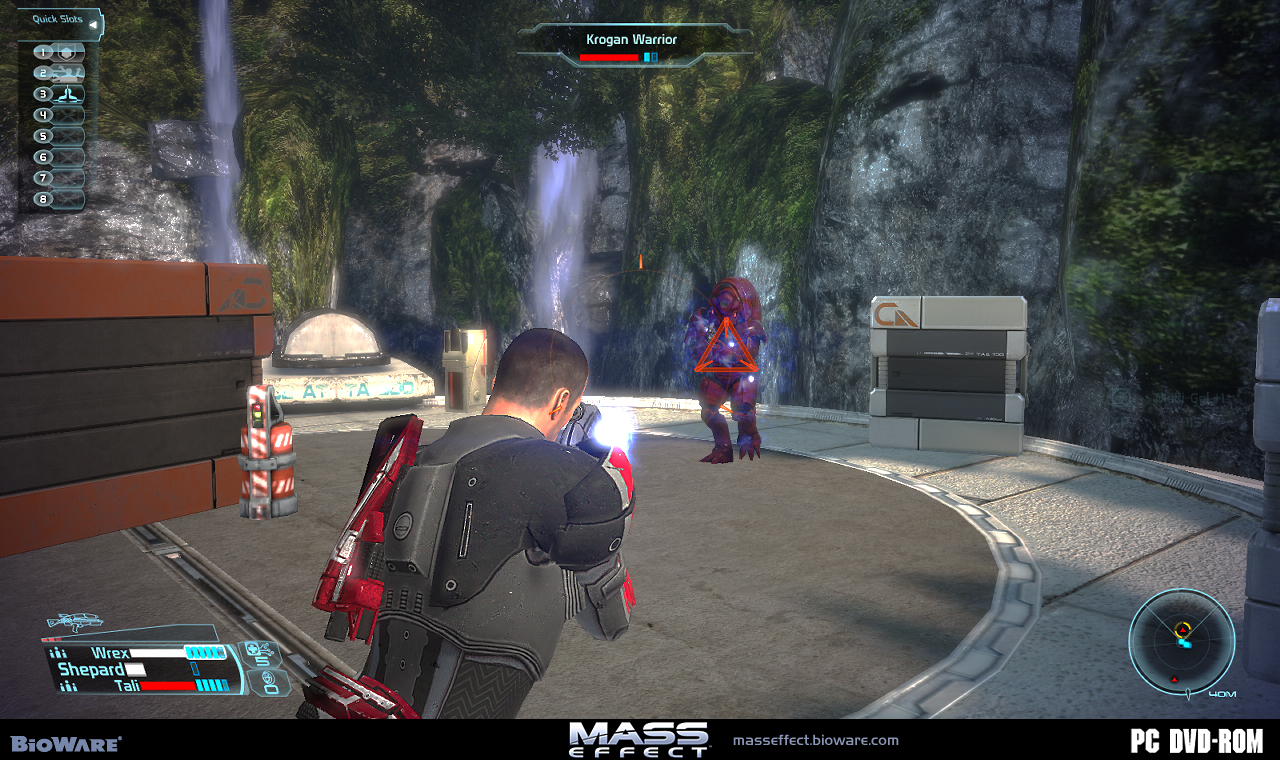
The visual direction of Mass Effect was revolutionary for its time. The proprietary “Next-Gen” engine, while showing its age by today’s standards, allowed for a level of detail and character modeling previously unseen in third-person shooters. The environments, ranging from the bustling space station Citadel to the desolate plains of Tuchanka, were meticulously crafted to evoke specific moods and atmospheres. showcases Commander Shepard standing on Tuchanka, highlighting the game’s ability to create visually striking and memorable locations. While later iterations benefited from engine upgrades, the original trilogy established a distinct visual identity characterized by its blend of realism and stylized character designs. The use of lighting and particle effects played a crucial role in enhancing the sense of scale and immersion, particularly during combat sequences.
Gameplay Mechanics and Core Systems
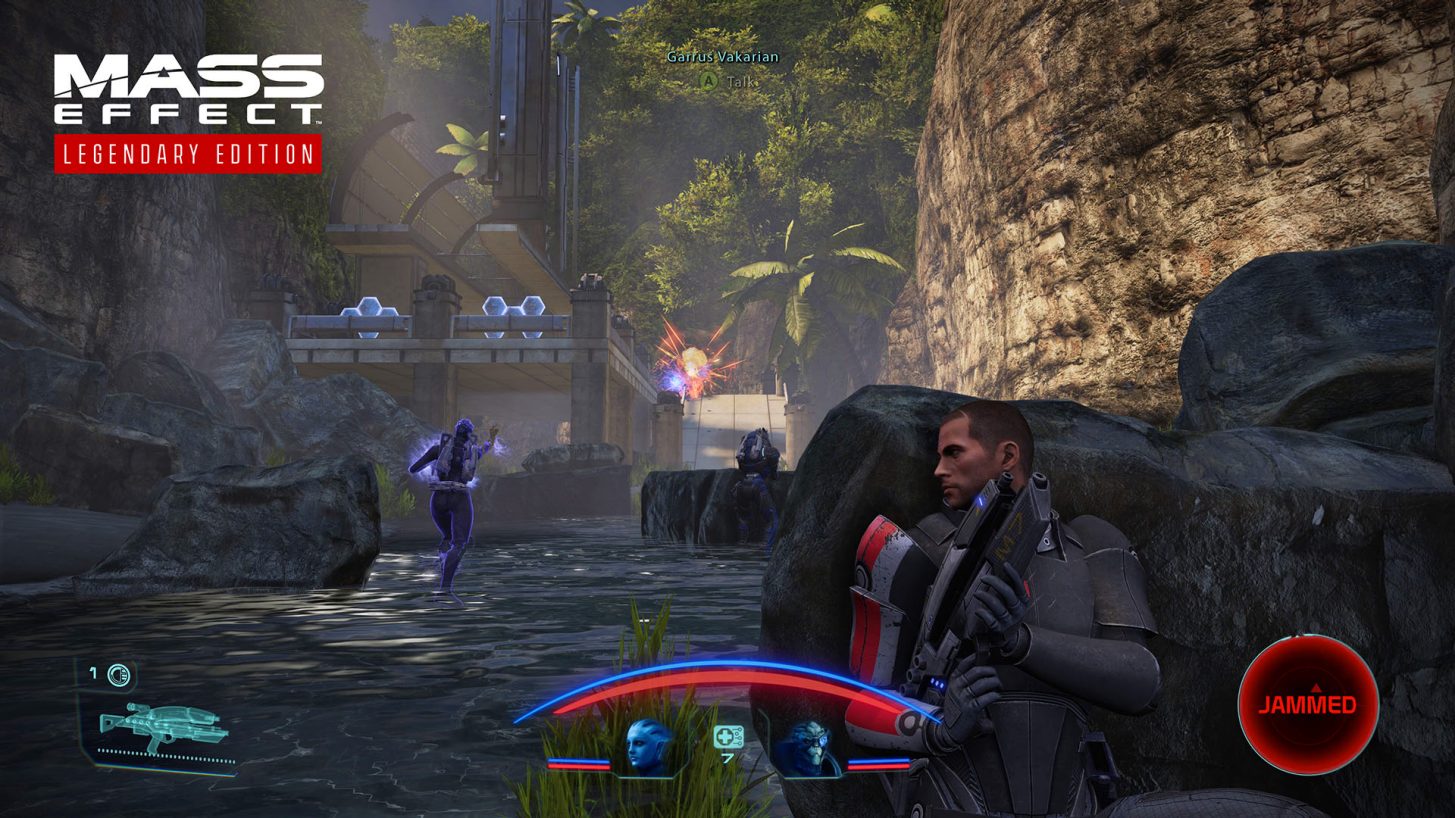
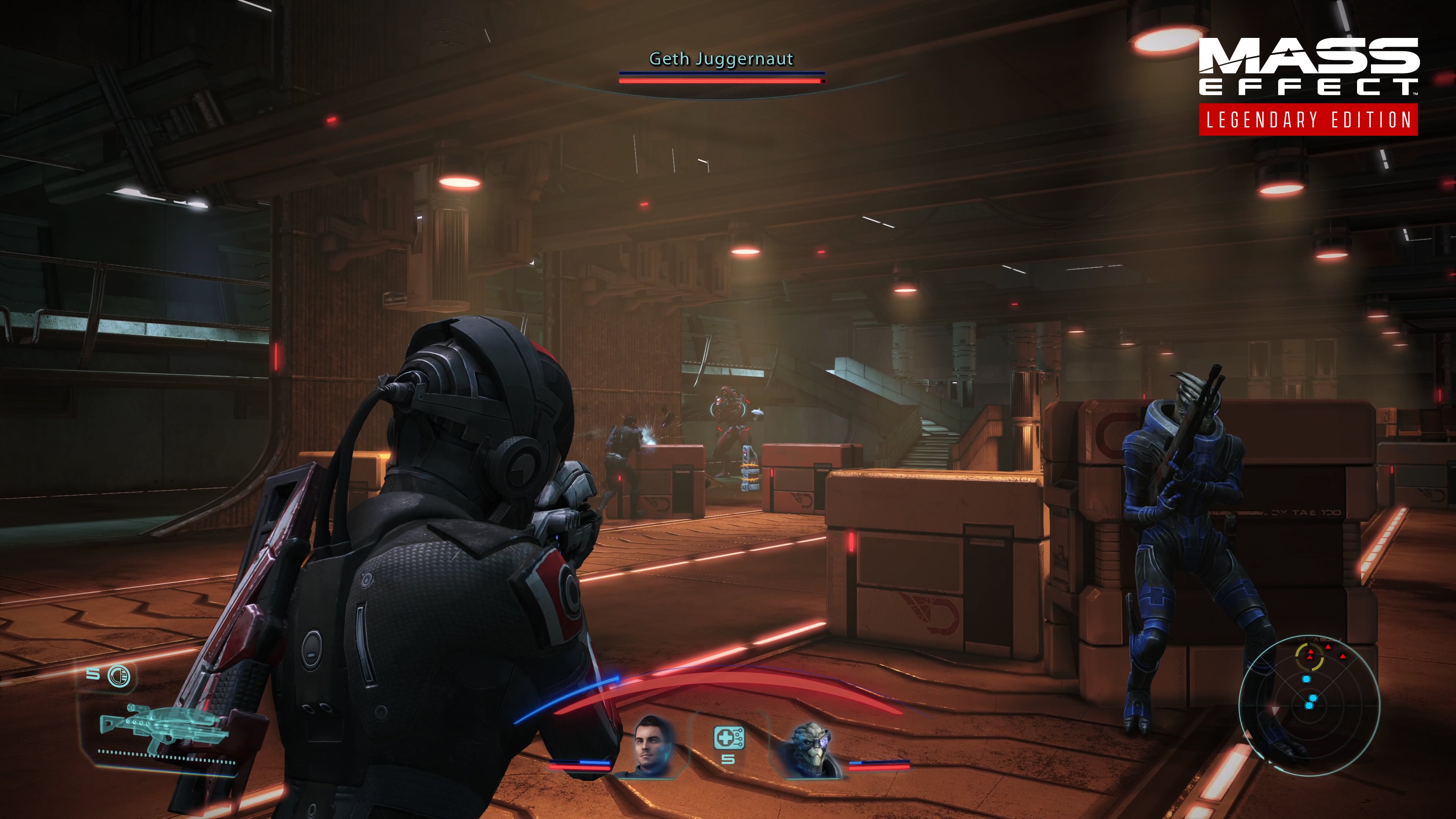
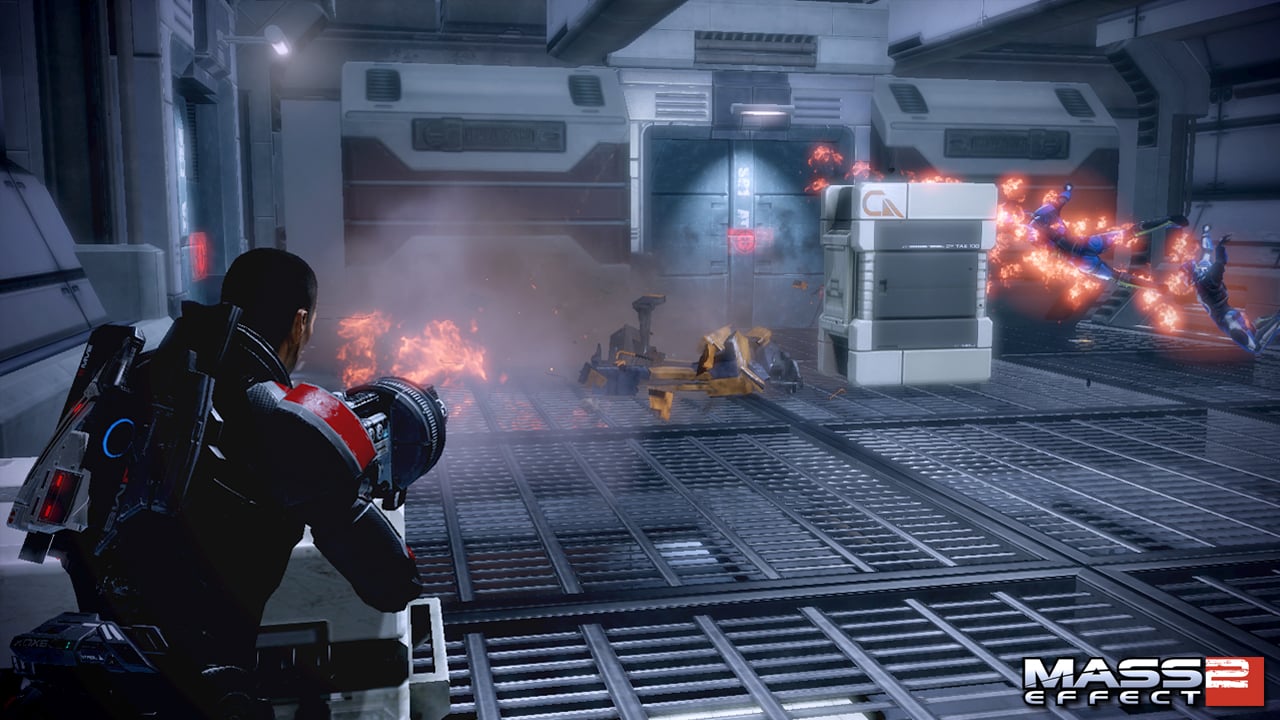
Mass Effect’s gameplay mechanics are a masterful blend of third-person shooting and RPG elements. Players take control of Commander Shepard, customizing their appearance, background, and skills to shape their playstyle. The “Genius” system allowed for specialization in areas like biotics (psionic abilities), tech skills, or combat prowess. Combat is fast-paced and strategic, encouraging players to utilize cover, squadmate abilities, and a variety of weapons and modifications. The game’s innovative approach to squad management, allowing players to build relationships with their companions and leverage their unique talents in battle, added significant depth to the gameplay experience. illustrates Shepard utilizing biotic powers during combat, demonstrating the strategic possibilities within the core gameplay loop.
Level Design and World Atmosphere
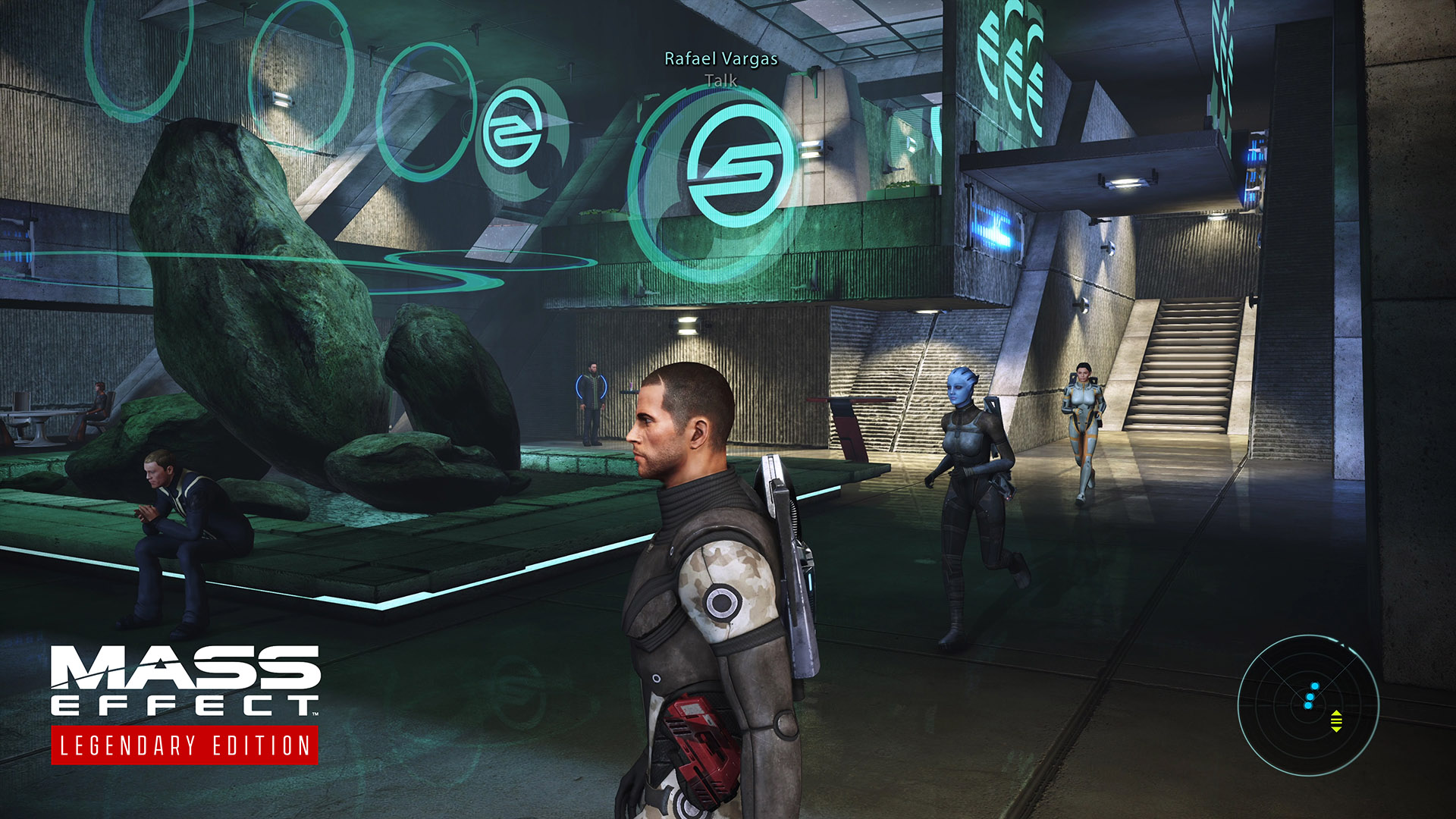
The level design in Mass Effect is a critical component of its immersive world-building. Each location, from the sprawling Citadel to the war-torn landscapes of various planets, feels distinct and lived-in. The game seamlessly blends exploration with narrative progression, encouraging players to uncover hidden areas, interact with NPCs, and piece together the larger story. The use of environmental storytelling is particularly noteworthy, as subtle details within each location contribute to a richer understanding of the universe’s history and culture. The transition between indoor and outdoor environments is often seamless, further enhancing the sense of immersion.
Narrative Depth and Character Profiles
Mass Effect’s narrative depth is arguably its most defining characteristic. The game presents players with complex moral choices that have far-reaching consequences, shaping not only Shepard’s reputation but also the fate of entire civilizations. The characters are equally well-developed, each possessing their own motivations, backstories, and personal struggles. The relationships between Shepard and their squadmates are a central theme, evolving over time as players make decisions that impact their trust and loyalty.
showcases a pivotal scene highlighting the emotional depth of the character interactions.
Sound Design and Acoustic Realism
The sound design in Mass Effect is crucial to its immersive qualities. The game features a sweeping orchestral score composed by Jack Wall, which perfectly complements the on-screen action and enhances the sense of grandeur. The voice acting is equally impressive, with each character brought to life by talented performers who convey a wide range of emotions. The use of ambient sounds, such as the hum of machinery or the chatter of crowds, further contributes to the feeling of being present in the game’s universe.
Release Expectations and Community Hype
The release of each Mass Effect title was met with immense anticipation from fans eager to experience the next chapter in Shepard’s journey. The community surrounding the franchise is incredibly passionate and dedicated, actively engaging in discussions, creating fan art, and sharing their experiences. This strong sense of community has played a significant role in sustaining the franchise’s popularity over the years.
Conclusion: The Future of Mass Effect
Mass Effect remains a landmark achievement in gaming, setting a new standard for storytelling, character development, and immersive world-building. Its legacy continues to inspire developers and captivate players alike. While future installments may evolve and adapt to changing technologies, the core principles that define Mass Effect – its compelling narrative, memorable characters, and sense of adventure – will undoubtedly remain at the heart of the franchise’s enduring appeal. represents a hopeful vision for the future of the Mass Effect universe.


Source: Wikipedia
Gallery



Join the conversation