Introduction: The Next Chapter for Mass Effect 3
Mass Effect 3 arrived in 2012 as the climactic conclusion to Commander Shepard’s journey and a pivotal moment for BioWare. Building upon the foundations laid by its predecessors, it aimed to deliver an epic narrative experience, enhanced gameplay mechanics, and a visually stunning rendition of the Milky Way galaxy facing imminent destruction. The game was not without its controversies, particularly surrounding the initial ending, but its overall impact on the action RPG genre remains undeniable. This deep dive will dissect every facet of Mass Effect 3, from its technical underpinnings to its narrative complexities, offering a comprehensive analysis for both seasoned fans and newcomers alike.
Visual Direction and Graphics Engineering
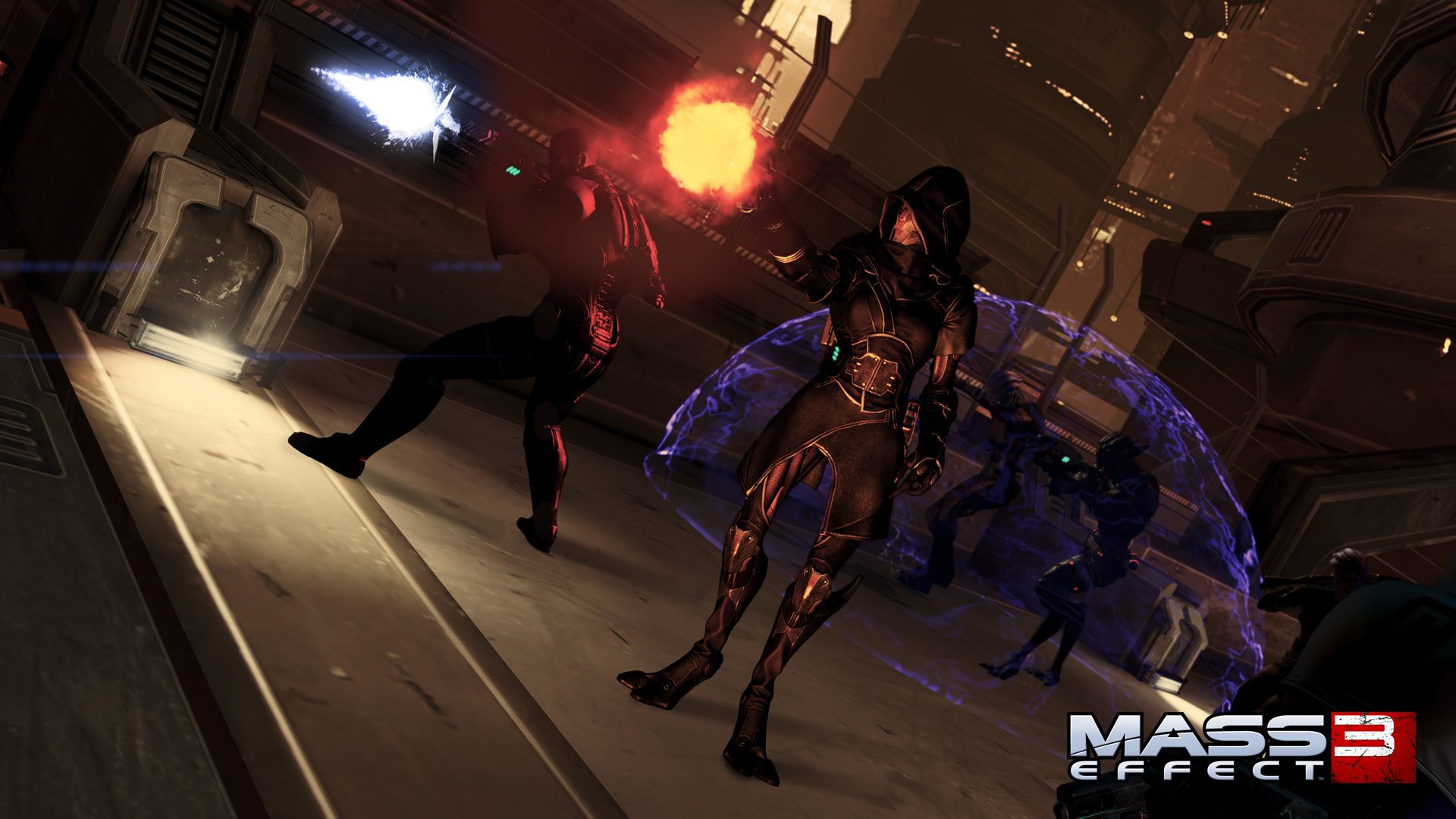
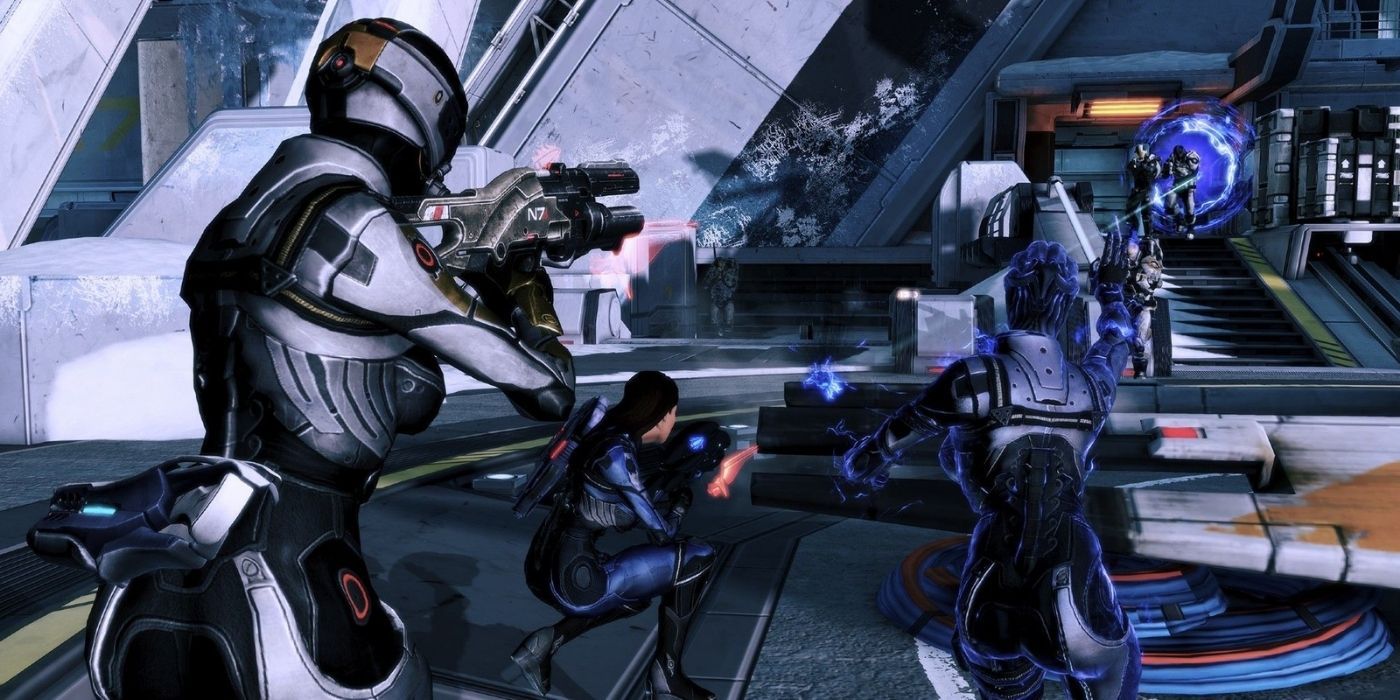
Mass Effect 3 leveraged the Unreal Engine 3 to create a visually impressive world, pushing the hardware of the Xbox 360, PlayStation 3, and PC platforms. While not as graphically advanced as later titles built on newer engines, it showcased BioWare’s commitment to creating detailed environments and believable character models. The game features dynamic lighting, particle effects, and intricate textures that contribute to its immersive atmosphere. The visual direction aimed for a balance between realism and stylized aesthetics, reflecting the diverse cultures and landscapes of the Milky Way. Optimization was crucial given the hardware limitations, resulting in a visually compelling experience without sacrificing performance.
Gameplay Mechanics and Core Systems
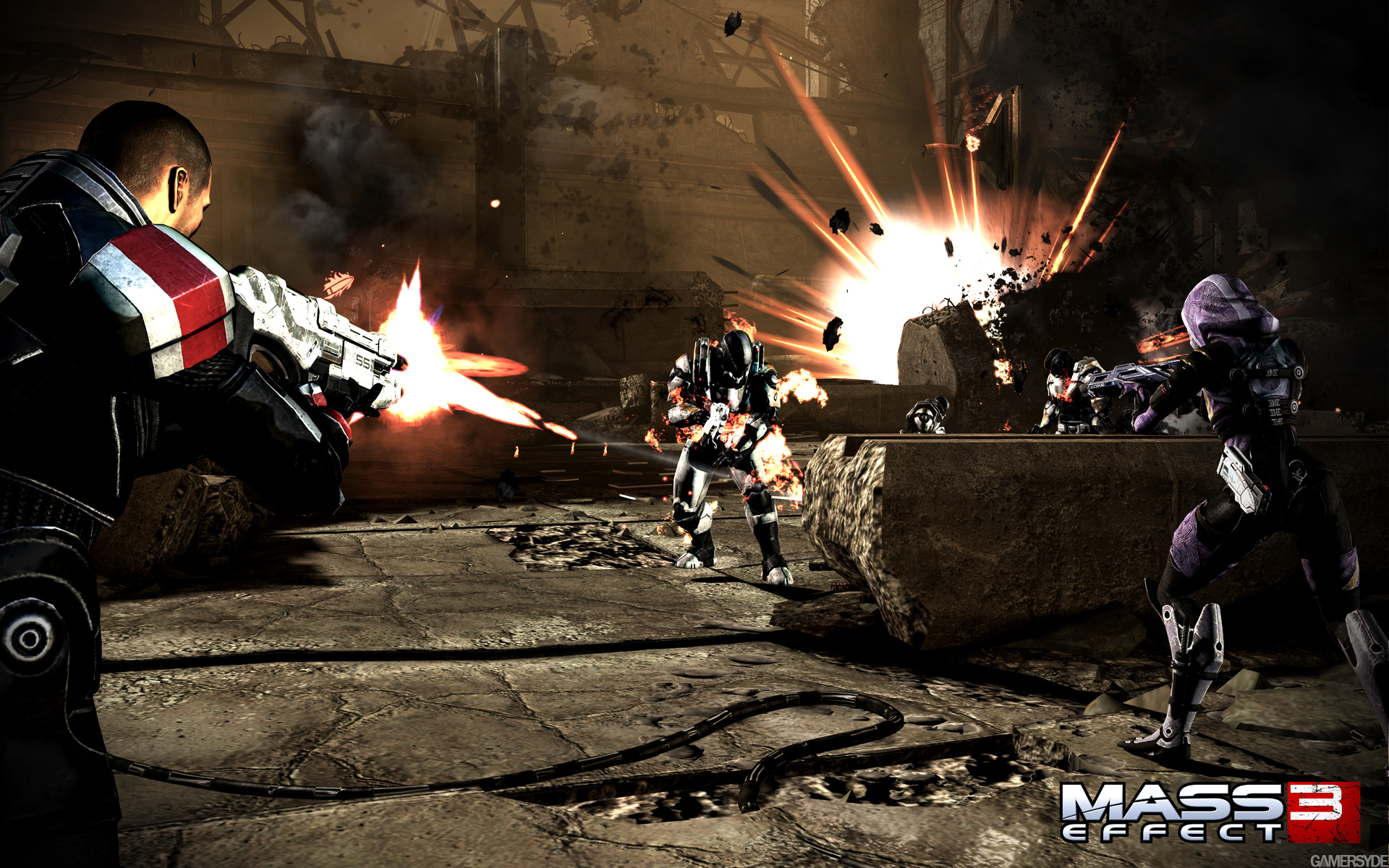
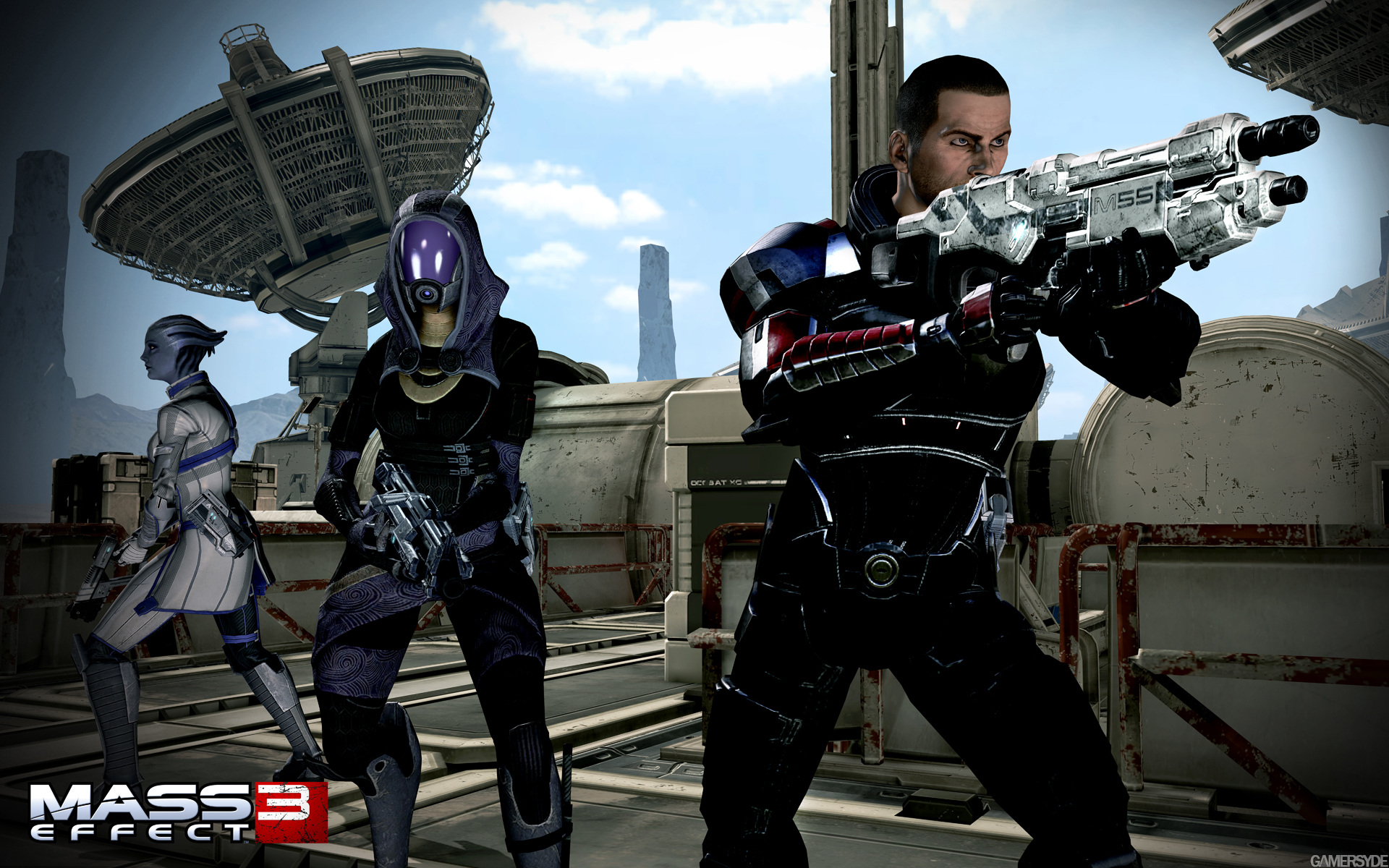
Mass Effect 3 refined the gameplay mechanics introduced in Mass Effect 3. The cover-based shooting system remained central to combat, but with improvements to enemy AI and squadmate abilities. Players could seamlessly switch between squadmates during firefights, utilizing their unique skills and weaponry. The “Squadmate Loyalty” system returned, rewarding players for building strong relationships with their companions and unlocking powerful bonuses. New additions included the “War Assets” system, where player choices in previous games and side missions contributed to galactic readiness, influencing the game’s ending. This interconnectedness between player actions and the overarching narrative was a key design element.
Level Design and World Atmosphere
The level design in Mass Effect 3 varied greatly, ranging from sprawling urban environments on Earth to alien landscapes on Tuchanka and desolate war-torn battlefields. Each location was meticulously crafted to evoke a specific atmosphere, reflecting the ongoing conflict between humanity and the Reapers. The game’s world felt vast and interconnected, encouraging exploration and discovery. Environmental storytelling played a crucial role in conveying the sense of urgency and desperation that permeated the galaxy. The level design often presented players with strategic choices, forcing them to adapt their tactics based on the environment and enemy placement.
Narrative Depth and Character Profiles
Mass Effect 3’s narrative was its most ambitious undertaking, bringing together storylines from across the entire trilogy. Commander Shepard faced impossible odds, making difficult choices that had profound consequences for the fate of the galaxy. The game explored themes of sacrifice, hope, and the enduring power of human connection. The character profiles were richly developed, with each squadmate possessing their own motivations, backstories, and personal struggles. The relationships between characters were complex and nuanced, adding depth and emotional resonance to the overall experience.
Sound Design and Acoustic Realism
The sound design in Mass Effect 3 was a critical component of its immersive quality. From the subtle ambient sounds of alien environments to the thunderous explosions of combat, every auditory element contributed to the game’s atmosphere. The voice acting performances were exceptional, bringing life and personality to each character. The musical score, composed by a talented team of artists, perfectly complemented the on-screen action, enhancing the emotional impact of key moments.
Release Expectations and Community Hype
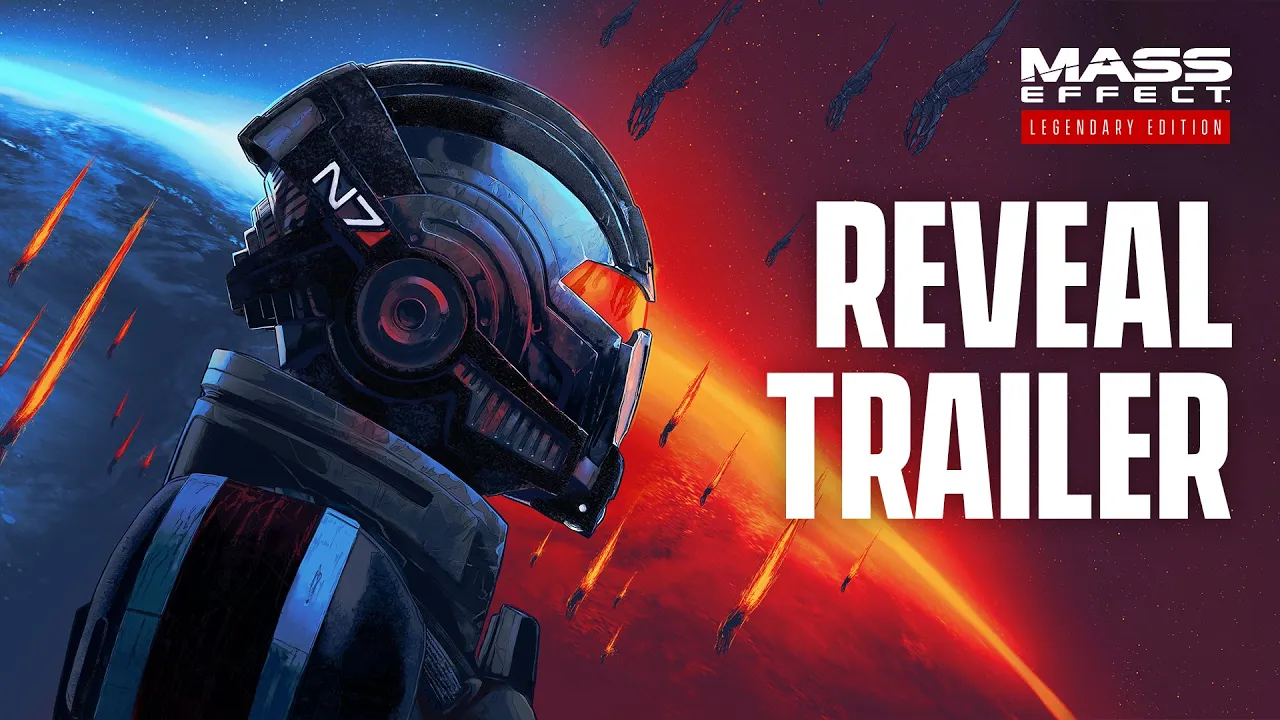
Mass Effect 3 was one of the most anticipated games of 2012, generating immense hype within the gaming community. Players eagerly awaited the conclusion to Commander Shepard’s journey, hoping for a satisfying resolution to the overarching narrative. The game’s release was met with both excitement and trepidation, as fans debated the potential outcomes and expressed concerns about the ending.
Conclusion: The Future of Mass Effect 3
Mass Effect 3 remains a landmark achievement in action RPG gaming. While its initial reception was marred by controversy surrounding the ending, its overall impact on the genre is undeniable. The game’s ambitious narrative, engaging gameplay mechanics, and immersive world-building continue to resonate with players today. Its legacy extends beyond the original trilogy, paving the way for future installments and inspiring a new generation of developers.
Source: Wikipedia