Introduction: The Next Chapter for Marvel vs. Capcom: Clash of Super Heroes
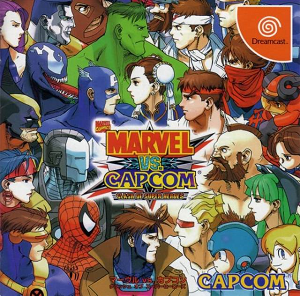
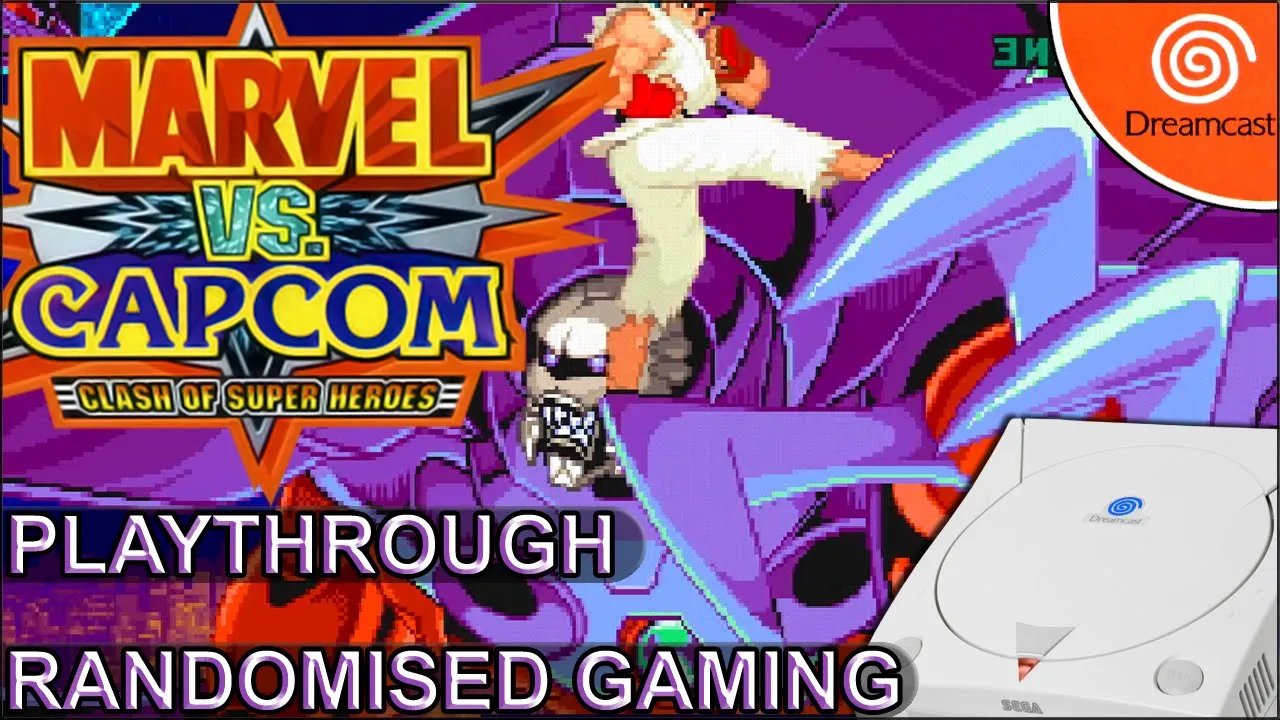
“Marvel vs. Capcom: Clash of Super Heroes,” released in 1998, wasn’t just another fighting game; it was a bold statement, a vibrant collision of two iconic universes. Developed and published by Capcom, this third installment in the “Marvel vs. Capcom” series dared to expand beyond the Street Fighter universe, incorporating characters from across Capcom’s diverse portfolio. This ambitious undertaking set the stage for what would become a beloved franchise known for its fast-paced action, intricate combo systems, and sheer spectacle. The game’s legacy extends far beyond its initial arcade release, influencing countless fighting games that followed.
Visual Direction and Graphics Engineering
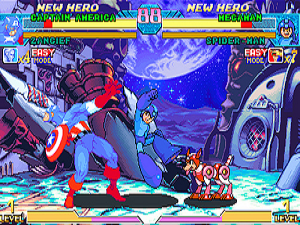
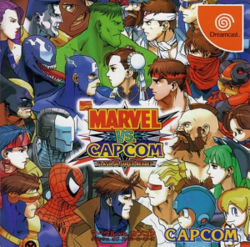
The Dreamcast port of “Clash of Super Heroes” was particularly noteworthy for its enhanced visuals. While constrained by the technology of the time, Capcom’s engineers managed to squeeze impressive detail into the character sprites and backgrounds. The vibrant color palettes and dynamic animations brought the characters to life, making each fight a visual feast. This attention to detail extended to the special effects, which added another layer of excitement to the already chaotic battles. While not photorealistic by today’s standards, the game’s pixel art holds a timeless appeal, showcasing the artistry and ingenuity of Capcom’s development team.
Gameplay Mechanics and Core Systems
“Clash of Super Heroes” refined the gameplay mechanics established in previous installments while introducing innovative features like the “Variable Cross” attack. This system allowed for more strategic character pairings and combo possibilities, adding depth to the combat. The game’s signature fast-paced action was a defining characteristic, demanding quick reflexes and precise timing. Mastering the intricate combo systems became a badge of honor among dedicated players. The removal of the traditional assist system in favor of the “Variable Cross” aimed to streamline gameplay while maintaining strategic depth.
Level Design and World Atmosphere
The level design in “Clash of Super Heroes” was more than just window dressing; it actively contributed to the game’s atmosphere. Each stage, inspired by both Marvel and Capcom properties, offered a unique visual identity. From the bustling streets of New York City to the futuristic landscapes of Mega Man’s world, each environment felt distinct and immersive. The backgrounds were often interactive, adding another layer of dynamism to the battles. This attention to detail helped create a sense of place, making each fight feel like a significant event within the larger narrative.
Narrative Depth and Character Profiles
While primarily focused on gameplay, “Clash of Super Heroes” offered glimpses into the personalities and motivations of its diverse cast of characters. The game’s story mode, though not deeply complex, provided context for the battles and hinted at potential alliances and rivalries. Each character possessed a unique fighting style and set of special moves, reflecting their individual strengths and weaknesses. This attention to detail helped players connect with the characters on a deeper level, making each victory feel more meaningful.
Sound Design and Acoustic Realism
The sound design in “Clash of Super Heroes” was crucial to creating an immersive experience. The iconic music tracks perfectly complemented the fast-paced action, while the sound effects added weight and impact to each attack. From the whooshing sounds of special moves to the satisfying thuds of punches and kicks, every audio cue contributed to the overall sense of excitement. The voice acting, though limited by the technology of the time, was nonetheless effective in conveying the characters’ personalities.
Release Expectations and Community Hype
The release of “Marvel vs. Capcom: Clash of Super Heroes” generated significant hype within the gaming community. Fans eagerly anticipated the opportunity to see their favorite Marvel and Capcom characters clash on screen. The game’s unique blend of familiar faces and innovative gameplay mechanics promised a fresh and exciting experience. The Dreamcast port, in particular, was highly anticipated due to its enhanced visuals and improved performance.
Conclusion: The Future of Marvel vs. Capcom: Clash of Super Heroes
“Marvel vs. Capcom: Clash of Super Heroes” remains a landmark title in the fighting game genre. Its innovative gameplay mechanics, diverse cast of characters, and vibrant visual style have cemented its place in gaming history. The game’s legacy continues to inspire new generations of developers and players alike. While subsequent installments have built upon its foundation, “Clash of Super Heroes” remains a testament to the power of collaboration and creative vision. Its enduring popularity speaks volumes about its quality and impact on the gaming landscape.
Source: Wikipedia