Introduction: The Next Chapter for Marvel vs. Capcom 3: Fate of Two Worlds
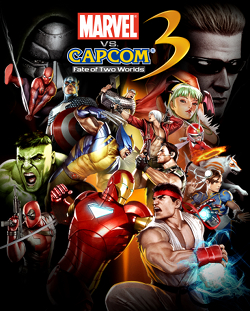
Marvel vs. Capcom 3: Fate of Two Worlds arrived in 2011 as a highly anticipated sequel, aiming to revitalize the iconic crossover fighting game franchise. Developed by Capcom and Eighting, it represented a significant departure from its predecessor, Marvel vs. Capcom 2, with a focus on modern graphics, streamlined gameplay, and an expanded roster of characters. The game promised a fresh take on the beloved formula while retaining the core elements that made the series so popular.
Visual Direction and Graphics Engineering
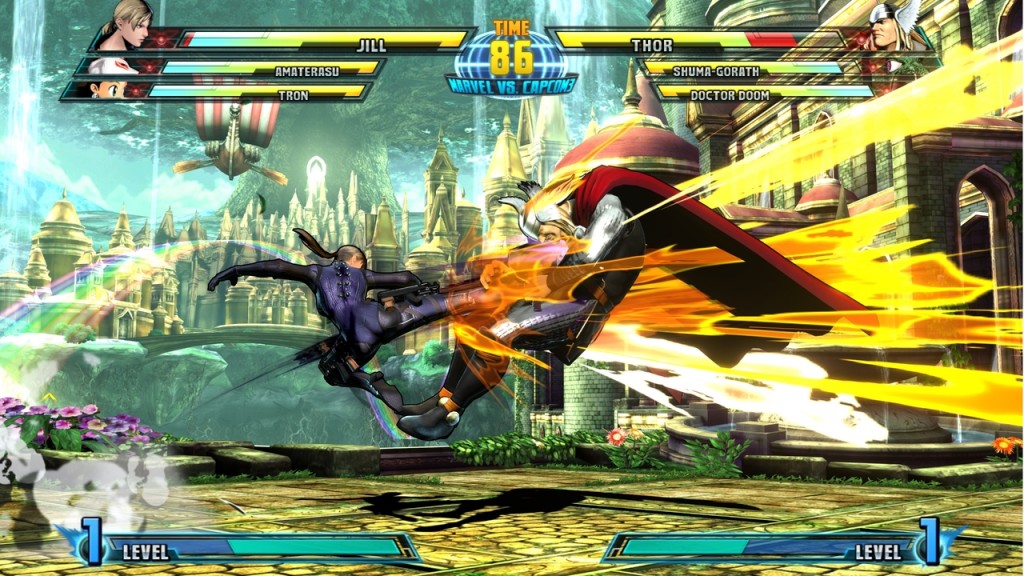
One of the most striking aspects of Marvel vs. Capcom 3 was its transition to fully 3D character models, replacing the traditional 2D sprites used in previous installments. This allowed for more dynamic animations and a greater sense of depth during combat. The visual style aimed for a balance between realism and stylized aesthetics, capturing the essence of both Marvel and Capcom characters while maintaining a visually appealing presentation. The MT Framework engine was instrumental in bringing this vision to life, enabling complex character designs and intricate special effects.
Gameplay Mechanics and Core Systems
Marvel vs. Capcom 3 refined the tag-team fighting system that defined the series. Players select a team of three characters and can switch between them during battle, creating strategic opportunities for combos and counterattacks. The game introduced new mechanics designed to make it more accessible to newcomers while still offering depth for experienced players. The simplified control scheme, inspired by Tatsunoko vs. Capcom, made it easier to pick up and play, but the advanced techniques and character-specific nuances provided a high skill ceiling.
Level Design and World Atmosphere
The game's stages were designed to reflect the diverse settings of both Marvel and Capcom universes. From iconic locations like the X-Mansion and Metro City to more abstract arenas, each stage contributed to the overall atmosphere of the game. The level design often incorporated interactive elements that could be used strategically during combat, adding another layer of complexity to the gameplay. The visual presentation of these environments was crucial in immersing players in the world of Marvel vs. Capcom.
Narrative Depth and Character Profiles
While primarily a fighting game, Marvel vs. Capcom 3 featured a storyline that connected the diverse cast of characters. The narrative explored themes of fate, destiny, and the conflict between good and evil. Each character had their own unique motivations and backstories, adding depth to their presence in the game. While not as heavily emphasized as gameplay, the story provided context for the battles and added another layer of engagement for players interested in the lore.
Sound Design and Acoustic Realism
The sound design played a vital role in enhancing the overall experience of Marvel vs. Capcom 3. The game featured a dynamic soundtrack that adapted to the intensity of the action, creating an immersive auditory landscape. Sound effects were carefully crafted to reflect the unique abilities and attacks of each character, further emphasizing their individual personalities. The combination of music and sound effects contributed significantly to the game's overall impact.
Release Expectations and Community Hype
The release of Marvel vs. Capcom 3 was met with considerable hype within the fighting game community. Fans eagerly anticipated the return of the franchise, particularly after the long wait since Marvel vs. Capcom 2. The promise of new characters, updated graphics, and refined gameplay generated significant buzz leading up to the launch. However, some concerns were raised about the online component and the perceived lack of features compared to previous installments.
Conclusion: The Future of Marvel vs. Capcom 3: Fate of Two Worlds
Marvel vs. Capcom 3: Fate of Two Worlds represented a significant step forward for the franchise, bringing it into the modern era with updated graphics and refined gameplay. While not without its criticisms, the game successfully captured the essence of what made the series so beloved while introducing new elements to appeal to both veteran fans and newcomers.
The legacy of Marvel vs. Capcom 3 continues to influence the fighting game landscape, serving as a testament to its enduring popularity and impact. [[INJECT_IMAGE_1]: Placeholder for Image 1 - e.g., character art] [[INJECT_IMAGE_2]: Placeholder for Image 2 - e.g., gameplay screenshot] [[INJECT_VIDEO]: Placeholder for Video Link - e.g., Gameplay Trailer]
Source: Wikipedia