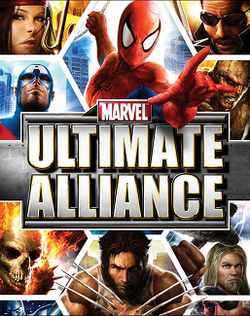
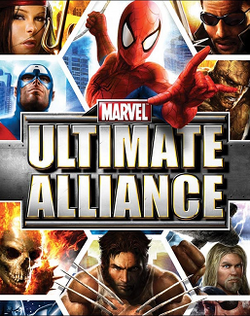
Introduction: The Next Chapter for Marvel: Ultimate Alliance
“Marvel: Ultimate Alliance,” released in 2006, wasn’t just another superhero game; it was a bold statement of intent from Raven Software and Activision. Building upon the foundation laid by “X-Men Legends” and its sequel, this title aimed to deliver the ultimate team-based action RPG experience within the vast Marvel Universe. The promise was simple: assemble your dream team of iconic heroes and take on Doctor Doom and his Masters of Evil in an original storyline that captured the essence of Marvel Comics. This Masterclass Deep-Dive will dissect every facet of “Marvel: Ultimate Alliance,” from its visual direction to its narrative depth, providing a comprehensive analysis for discerning gamers.
Visual Direction and Graphics Engineering
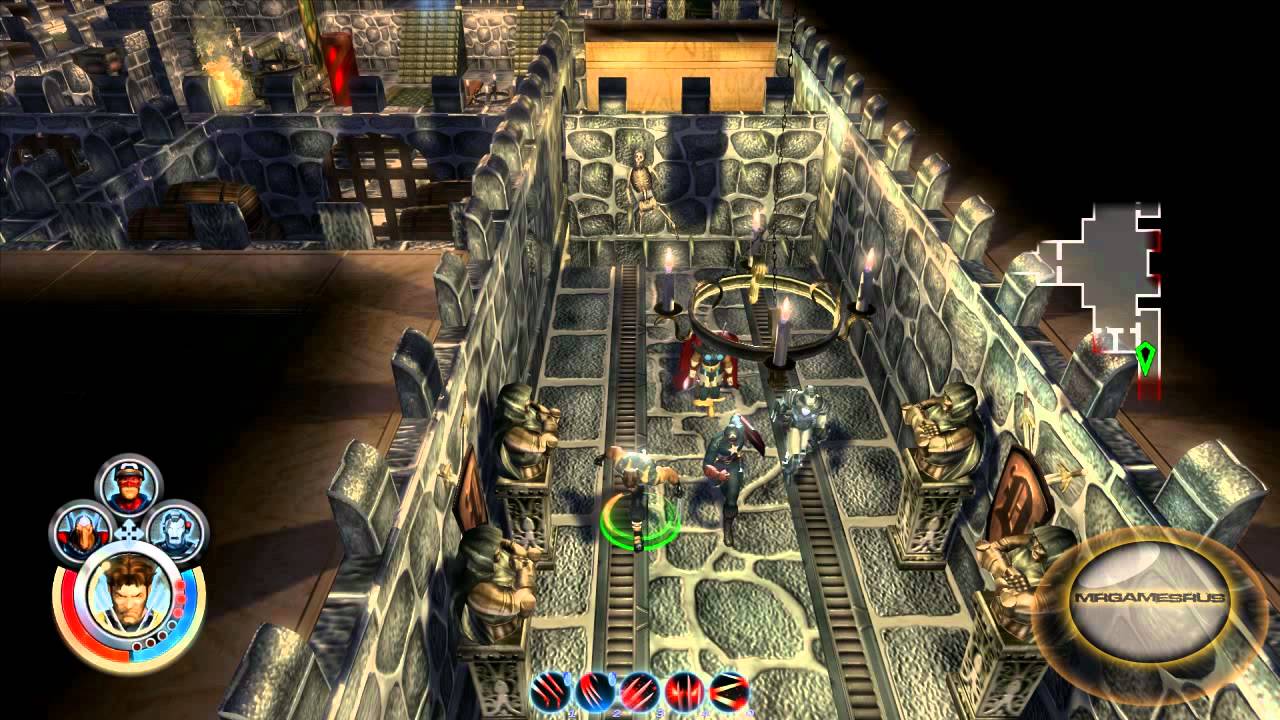
The Alchemy Engine, developed by Vicarious Visions, powered “Marvel: Ultimate Alliance,” offering a significant upgrade in graphical fidelity compared to previous Marvel titles. While not pushing the boundaries of contemporary hardware, the game’s art style effectively captured the comic book aesthetic. Character models were detailed and recognizable, albeit with some limitations due to the technology of the time. The visual effects, particularly during combat sequences, added impact and excitement. This image showcases the character design and level detail that defined the game’s visual identity. While dated by today’s standards, the art style holds a certain charm and effectively conveys the heroic nature of the characters.
Gameplay Mechanics and Core Systems
“Marvel: Ultimate Alliance” excelled in its team-based gameplay mechanics. Players could choose from a roster of over 20 iconic Marvel heroes, each with unique abilities, strengths, and weaknesses. The core gameplay loop involved exploring environments, battling enemies, completing objectives, and upgrading characters through an experience point system. The combat was action-oriented, encouraging players to utilize special powers and team synergy to overcome challenges. The ability to switch between characters on the fly added a layer of tactical depth, allowing players to adapt their strategies based on the situation. This image highlights the character selection screen, showcasing the diverse roster of heroes available to the player.
Level Design and World Atmosphere
The game’s level design effectively captured the iconic locations within the Marvel Universe, from the bustling streets of New York City to the high-tech facilities of Stark Industries. Each environment was meticulously crafted to create a sense of immersion and authenticity. The levels were designed with both linear and open-ended elements, encouraging exploration and rewarding players who took the time to discover hidden secrets and collectibles. The atmosphere was enhanced by dynamic lighting, detailed textures, and carefully placed environmental effects.
Narrative Depth and Character Profiles
The original storyline crafted by Robert Love provided a compelling narrative that tied together various aspects of the Marvel Universe. While not groundbreaking in terms of plot complexity, it served as an effective framework for showcasing the diverse cast of characters and their relationships. Each hero possessed a distinct personality and backstory, adding depth to the overall experience. The game also featured numerous cameos from other Marvel characters, further enriching the narrative tapestry.
Sound Design and Acoustic Realism
The sound design in “Marvel: Ultimate Alliance” played a crucial role in creating an immersive and engaging experience. The soundtrack, composed by Mark Griskey, Chance Thomas, and Cris Velasco, perfectly complemented the action-packed gameplay. Sound effects were meticulously crafted to enhance the impact of combat sequences and environmental interactions. Voice acting brought the characters to life, adding another layer of depth to their personalities.
Release Expectations and Community Hype
Upon its release in 2006, “Marvel: Ultimate Alliance” generated significant hype within the gaming community. The promise of a team-based action RPG featuring a vast roster of iconic Marvel heroes was highly appealing to fans of both video games and comic books. The game received generally positive reviews, with critics praising its gameplay mechanics, character selection, and overall presentation. However, some criticisms were leveled at its graphics and occasional technical issues.
Conclusion: The Future of Marvel: Ultimate Alliance
“Marvel: Ultimate Alliance” remains a beloved title within the gaming landscape, representing a high point in team-based superhero action RPGs. While its graphics may be dated by today’s standards, its gameplay mechanics, character selection, and overall presentation continue to resonate with players. The game served as a blueprint for future Marvel titles and solidified Raven Software’s reputation as a premier developer of superhero games.
This video showcases the gameplay and highlights the core features that made “Marvel: Ultimate Alliance” so popular. While a direct sequel never materialized, the legacy of this title continues to inspire developers and entertain fans.
Source: Wikipedia


