Introduction: The Next Chapter for Mark of the Ninja
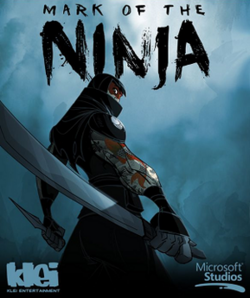
Klei Entertainment’s *Mark of the Ninja* isn’t just a game; it’s an experience. Originally released in 2012 and later remastered, this side-scrolling stealth platformer carved out a unique space within the genre. The remaster brought enhanced visuals and gameplay refinements, solidifying its place as a must-play for fans of stealth action. This deep dive will explore the game’s key elements, from its visual style to its intricate level design, providing an in-depth look at what makes *Mark of the Ninja* so compelling. We’ll examine how Klei Entertainment successfully blended classic ninja tropes with modern sensibilities, creating a title that is both familiar and refreshingly innovative.
Visual Direction and Graphics Engineering
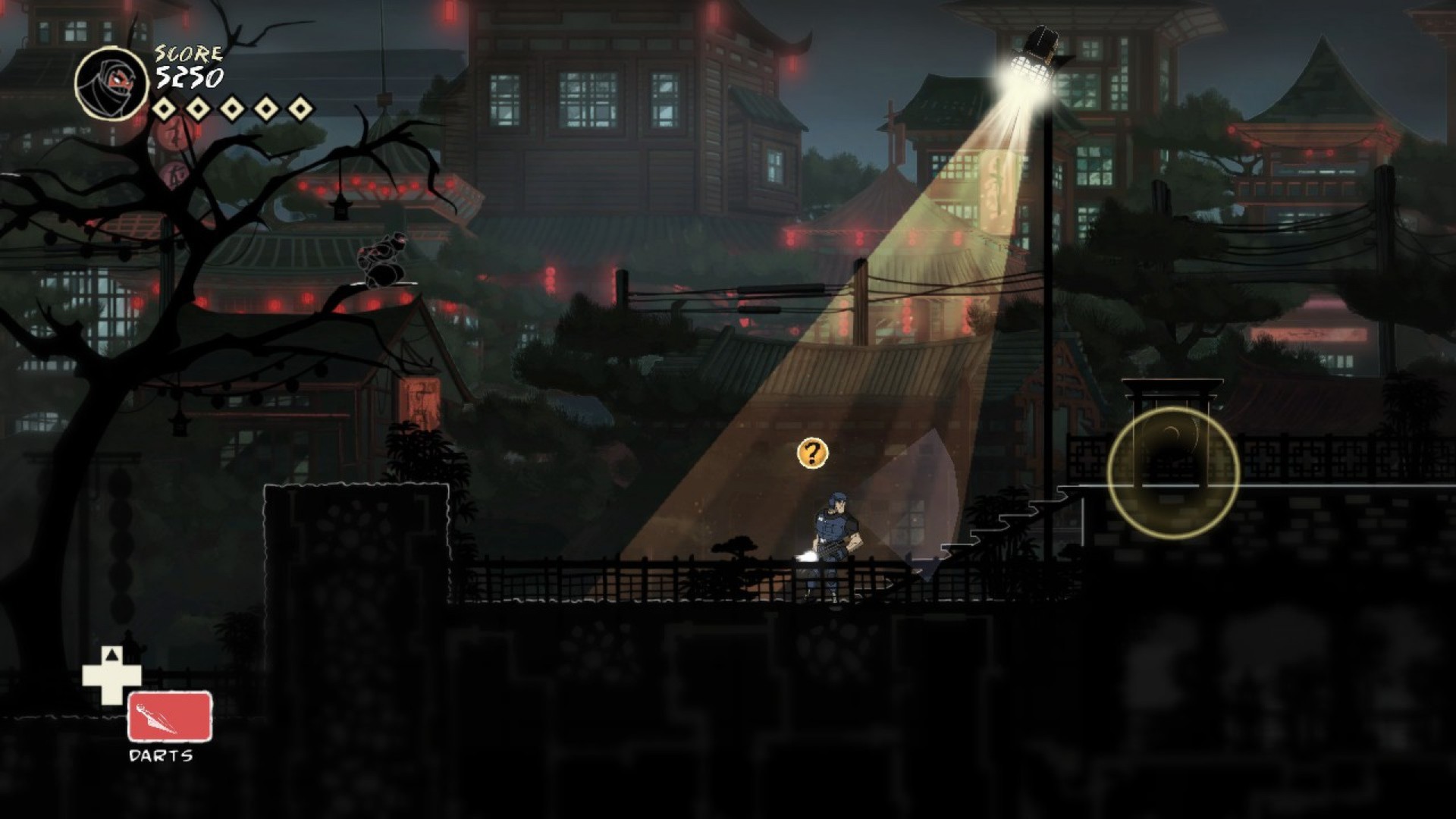
The visual style of *Mark of the Ninja* is striking. The game utilizes a unique blend of 2D gameplay with dynamic lighting and shadows, creating a sense of depth and realism rarely seen in side-scrolling games. The “comic book” cutscenes are also a distinctive choice, offering a stylistic contrast to the more grounded gameplay segments. While details about the proprietary engine are scarce, it’s clear that significant engineering went into creating the game’s visual atmosphere. The use of particle effects for dust and debris adds another layer of immersion, making the environments feel lived-in and reactive. The remaster further enhanced these visuals, bringing even more detail to the already impressive graphics.
Gameplay Mechanics and Core Systems
At its core, *Mark of the Ninja* is a stealth game focused on observation, planning, and execution. Players must utilize shadows, distractions, and gadgets to avoid detection by enemies. The “ninjutsu” system allows for creative problem-solving, offering multiple approaches to each encounter. The ability to see enemy patrol routes and plan accordingly is crucial for success. While the controls can be initially challenging, mastering them unlocks a deeper level of gameplay. The game rewards patience and strategic thinking, making it more than just a simple run-and-hide experience.
Level Design and World Atmosphere
The levels in *Mark of the Ninja* are meticulously crafted to provide a variety of challenges and opportunities for stealthy maneuvers. Each environment tells a story, from the bustling city streets to the hidden underground facilities. The level design encourages exploration and experimentation, allowing players to discover new routes and strategies. The atmosphere is thick with tension, heightened by the constant threat of discovery. The remaster brought subtle but significant improvements to the level designs, making them even more engaging.
Narrative Depth and Character Profiles
While *Mark of the Ninja* isn’s a narrative-heavy game, it does offer a compelling story about tradition versus modernity. The protagonist, a nameless ninja, is caught between upholding ancient customs and adapting to a changing world. The supporting characters are well-developed, each with their own motivations and secrets. The “comic book” style cutscenes effectively convey the narrative beats, adding another layer of personality to the game.
Sound Design and Acoustic Realism
The sound design in *Mark of the Ninja* is exceptional. Every footstep, gunshot, and environmental noise contributes to the overall sense of tension and immersion. The music is subtle but effective, enhancing the atmosphere without being distracting. The acoustic realism is particularly noteworthy, as players can use sounds to their advantage, such as creating distractions or listening for enemy movements.
Release Expectations and Community Hype
The initial release of *Mark of the Ninja* was met with considerable excitement, thanks to Klei Entertainment’s reputation for innovative game design. The remaster further amplified this hype, bringing the game to a wider audience on multiple platforms. The community response has been overwhelmingly positive, with players praising the game’s unique blend of stealth action and artistic style.
Conclusion: The Future of Mark of the Ninja
*Mark of the Ninja* is more than just a game; it’s a testament to the power of innovative design and meticulous attention to detail. Its enduring popularity speaks volumes about its quality and appeal.
While there are no immediate plans for a direct sequel, the legacy of *Mark of the Ninja* will undoubtedly continue to inspire future games in the stealth genre.
Source: Wikipedia


