Introduction: The Next Chapter for Mario + Rabbids Kingdom Battle
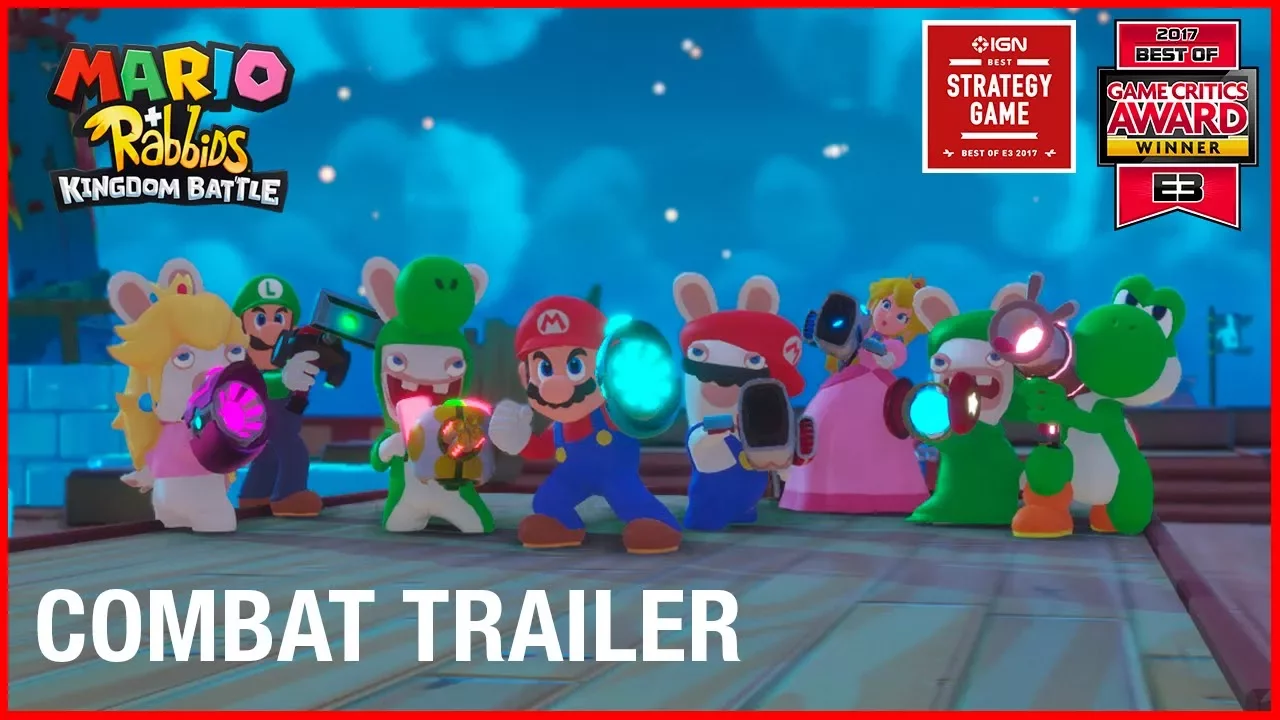
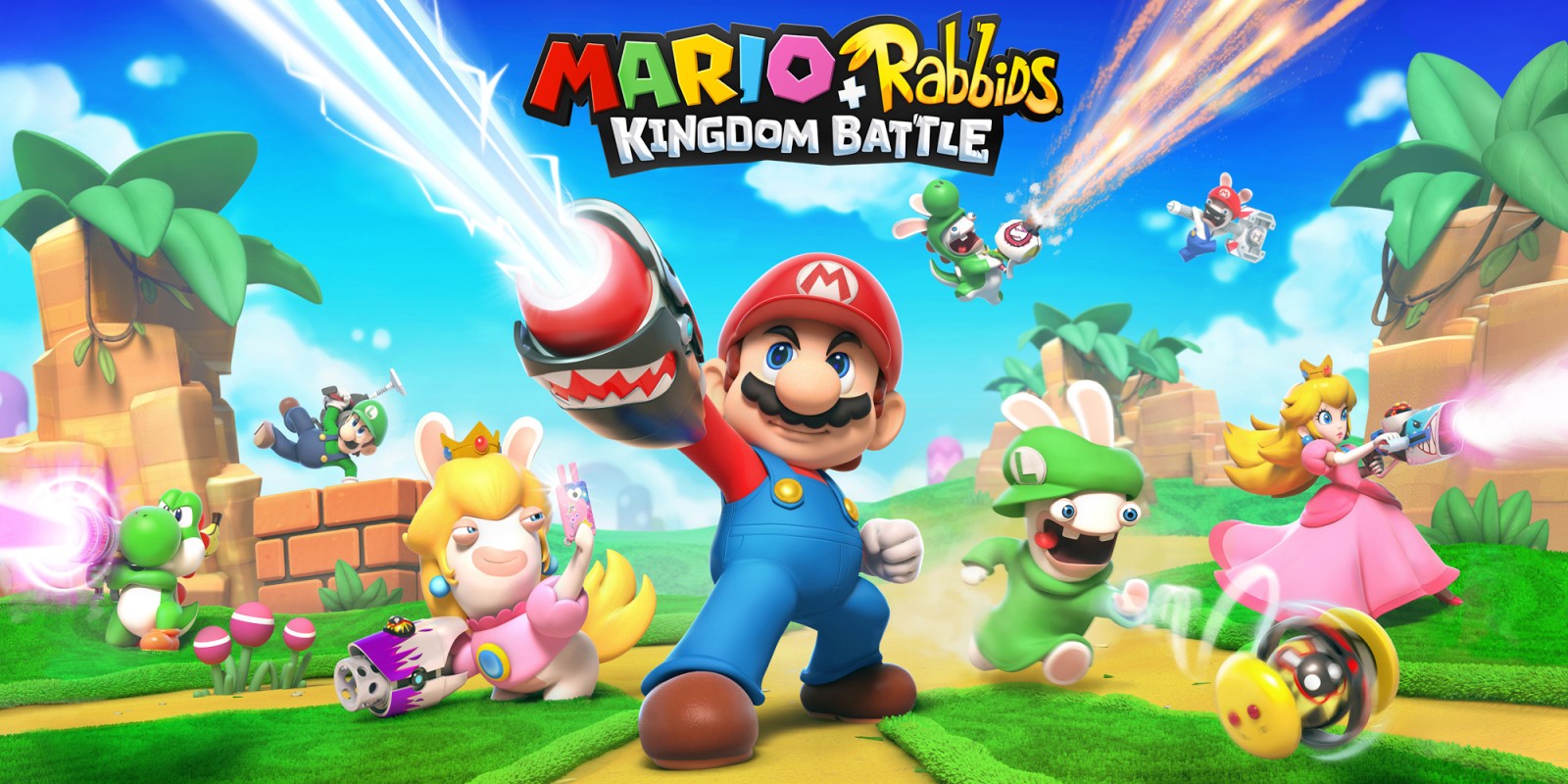
Mario + Rabbids Kingdom Battle represents a bold and unexpected fusion of two seemingly disparate universes. Developed by Ubisoft Milan and Paris, this tactical RPG leverages the familiar charm of Nintendo’s Mario franchise with the quirky, chaotic energy of Ubisoft’s Rabbids. The game’s initial leak generated mixed reactions, but its official reveal at E3 2017 sparked considerable excitement, setting the stage for a unique gaming experience that defied expectations and carved out its own niche within the tactical RPG genre. This deep-dive review will dissect every facet of the game, from its visual style to its intricate gameplay mechanics, exploring how Ubisoft successfully blended these two worlds into a cohesive and engaging adventure.
Visual Direction and Graphics Engineering
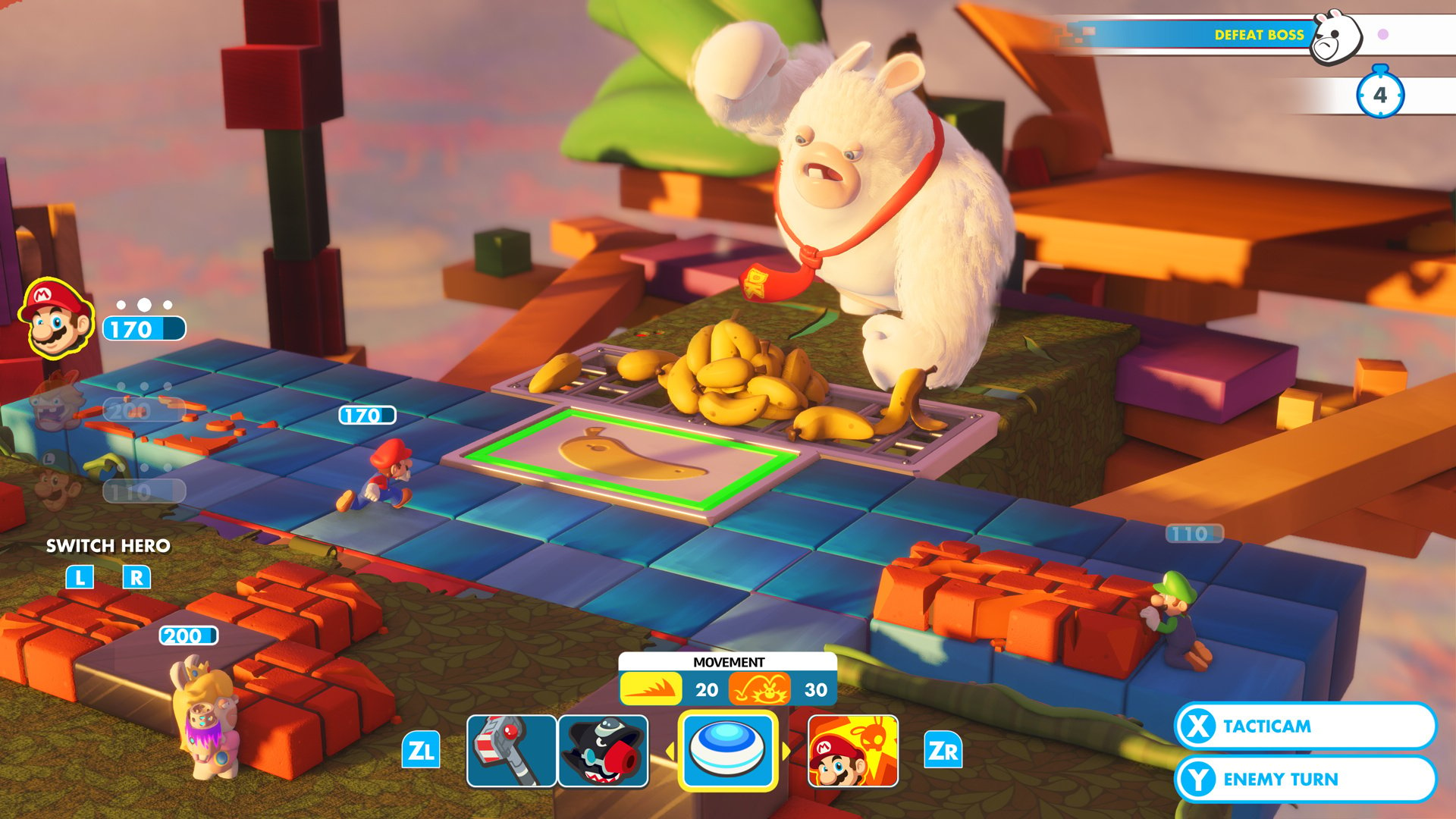
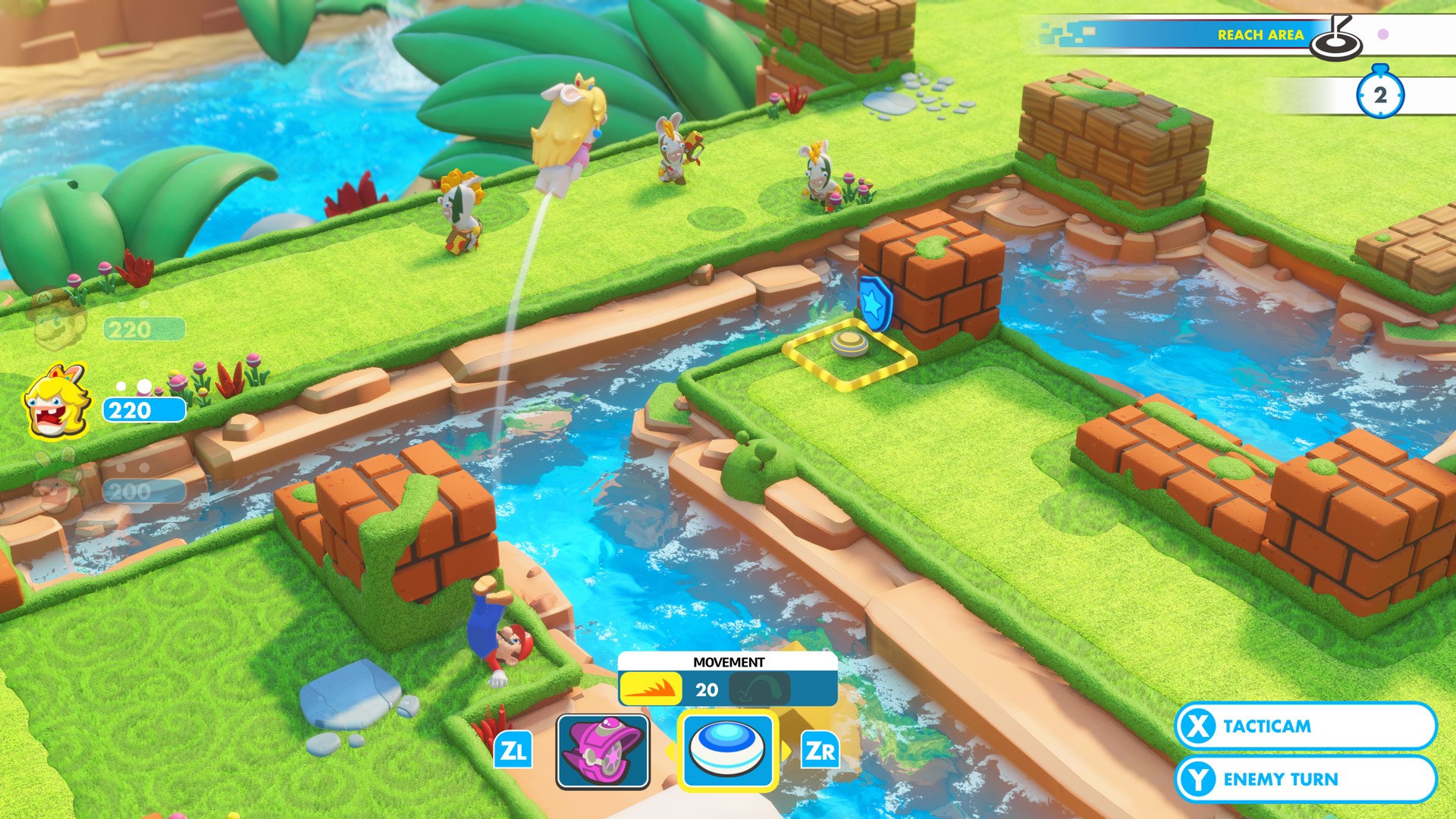
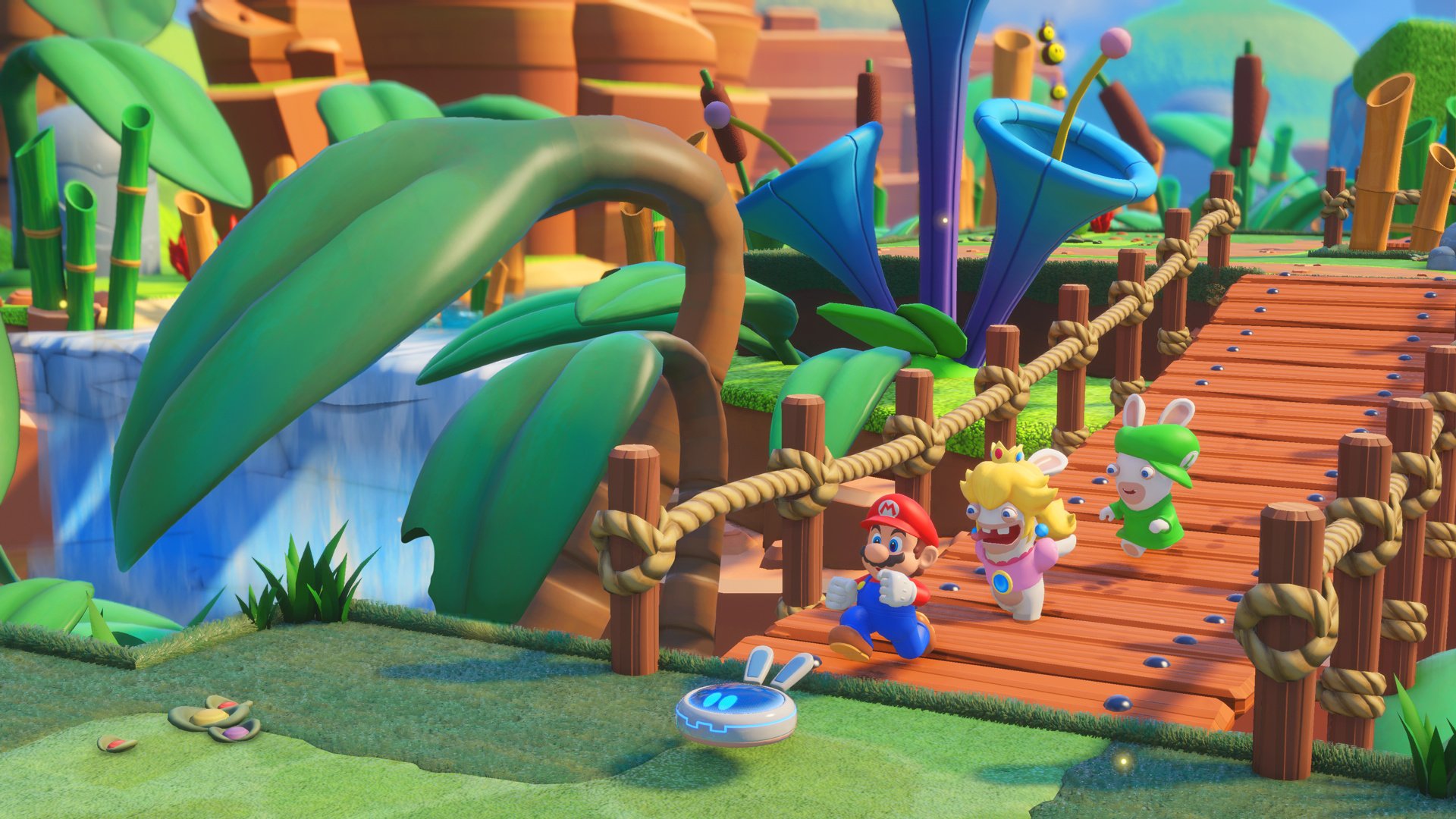
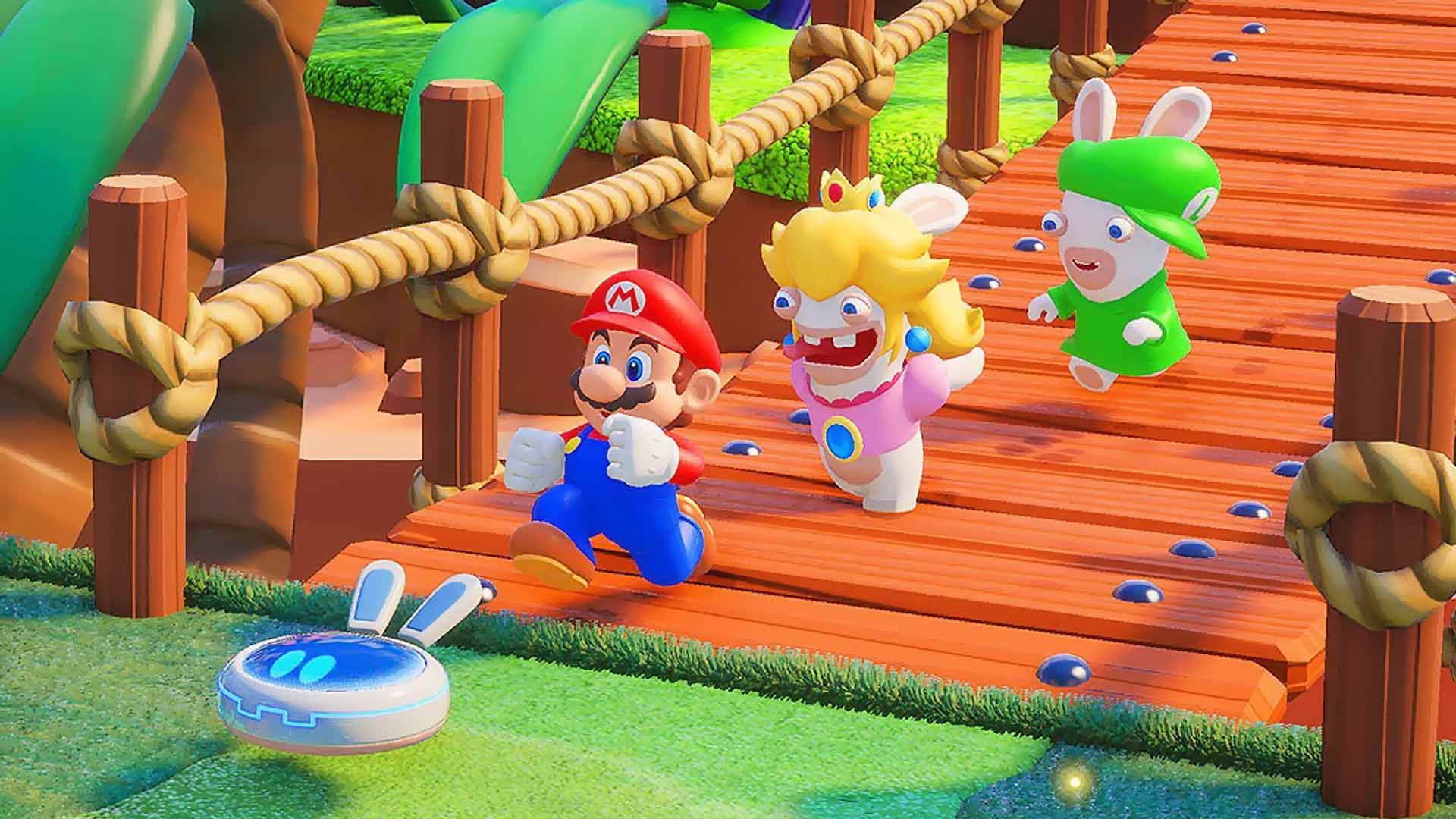
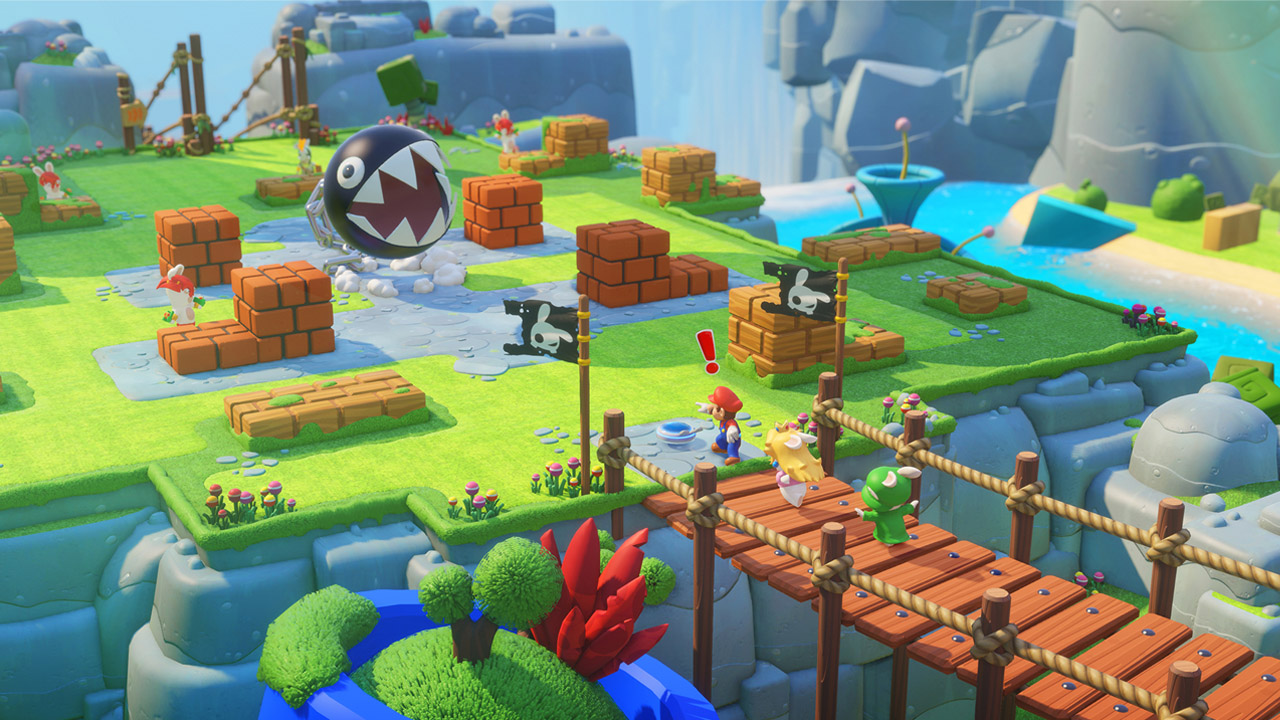
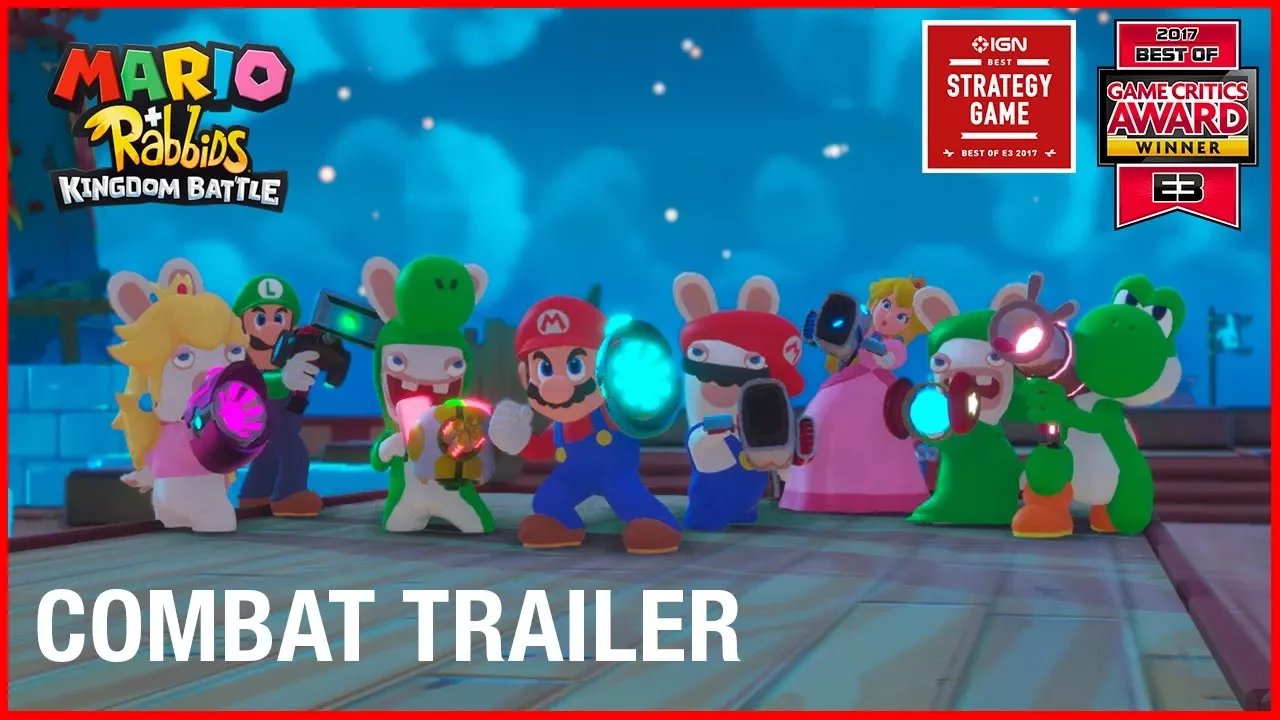
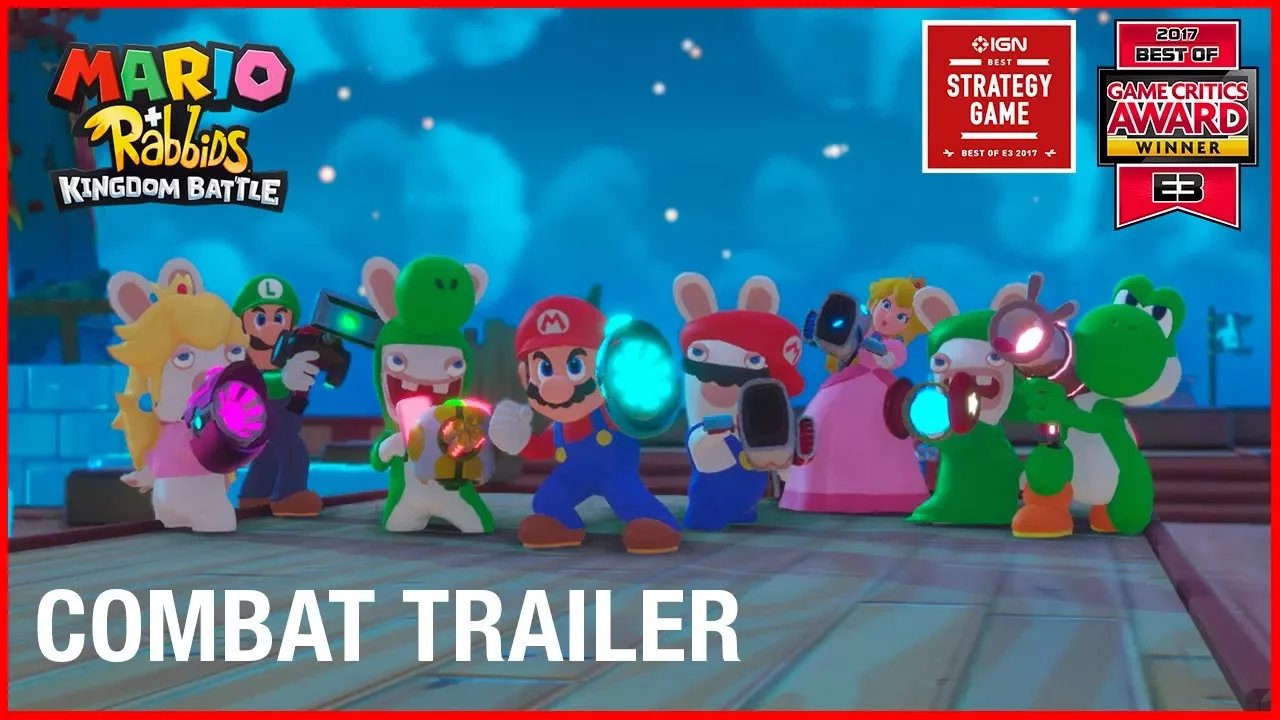
The visual direction of Mario + Rabbids Kingdom Battle is undeniably charming. The art style adopts a vibrant, cartoonish aesthetic that perfectly complements both the whimsical nature of the Rabbids and the iconic look of the Mushroom Kingdom. Character models are expressive and well-animated, capturing the personalities of familiar faces like Mario, Luigi, and Princess Peach, while also giving the Rabbids their own distinct flair. The game runs on Ubisoft’s Snowdrop engine, which allows for detailed environments and dynamic lighting effects that enhance the overall visual appeal. While not pushing the technical boundaries of the Nintendo Switch, the graphics are clean, crisp, and contribute significantly to the game’s lighthearted atmosphere. The level design is also noteworthy, with each kingdom offering a unique visual identity and cleverly integrated gameplay elements.
Gameplay Mechanics and Core Systems
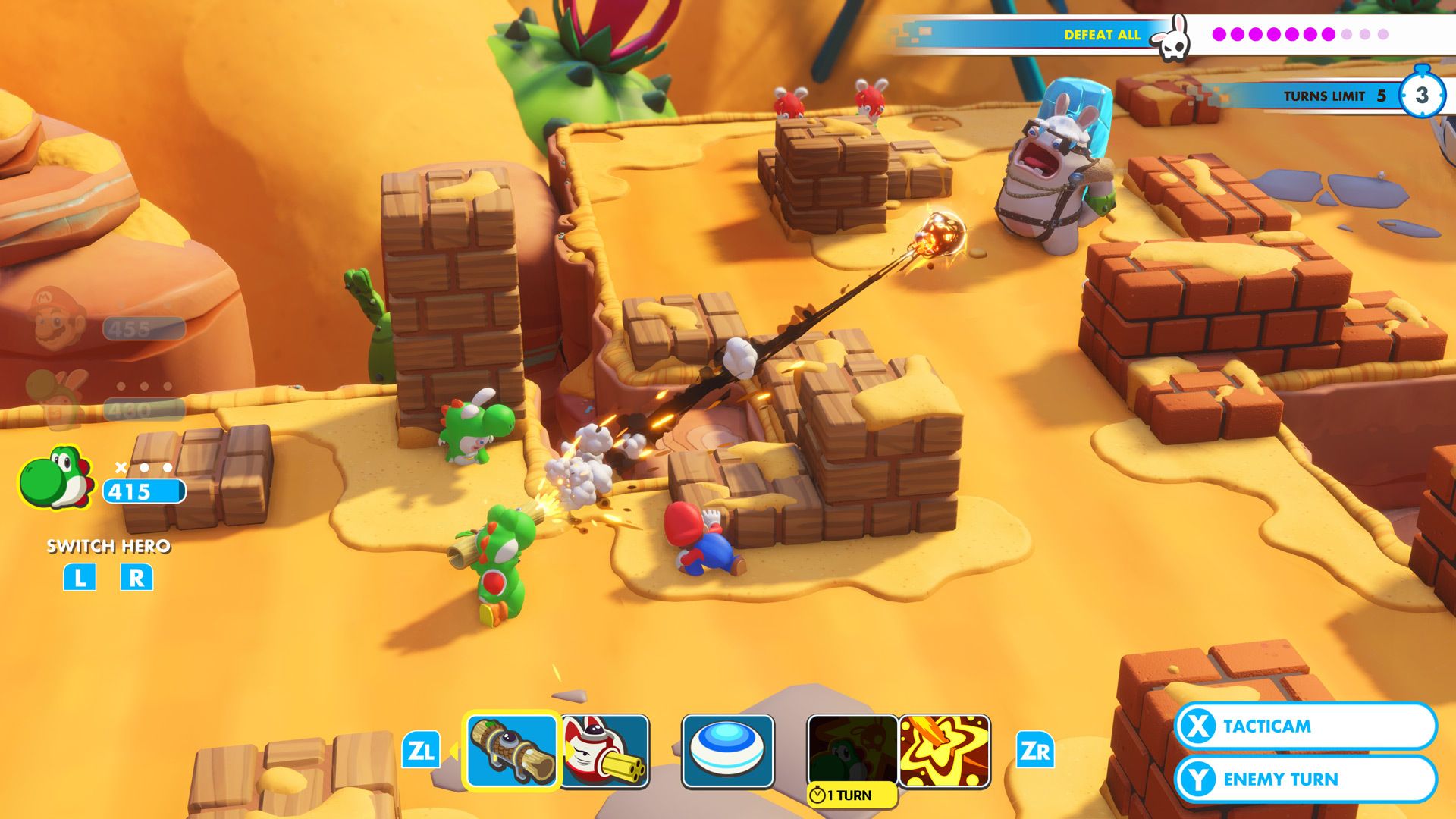
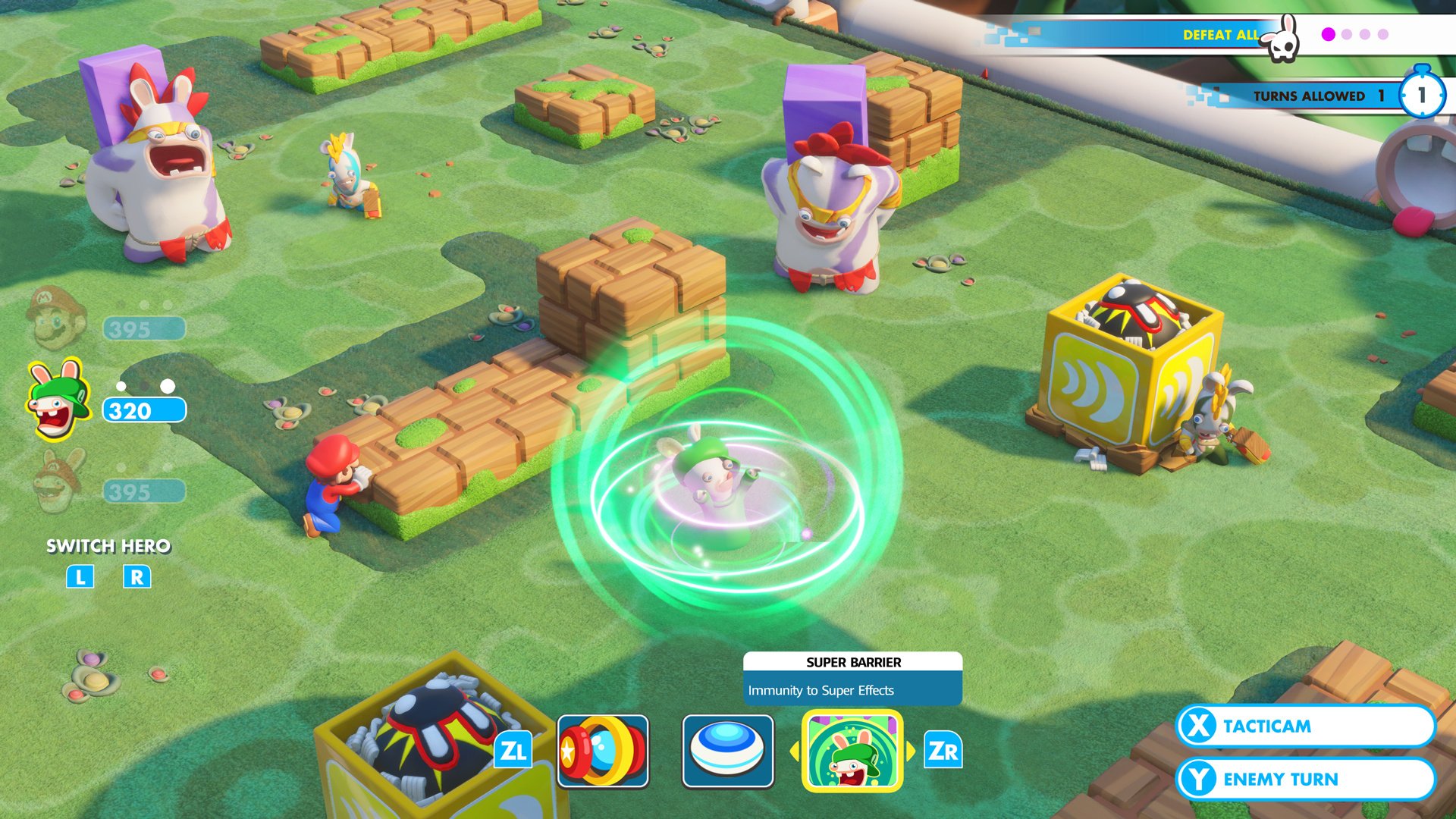
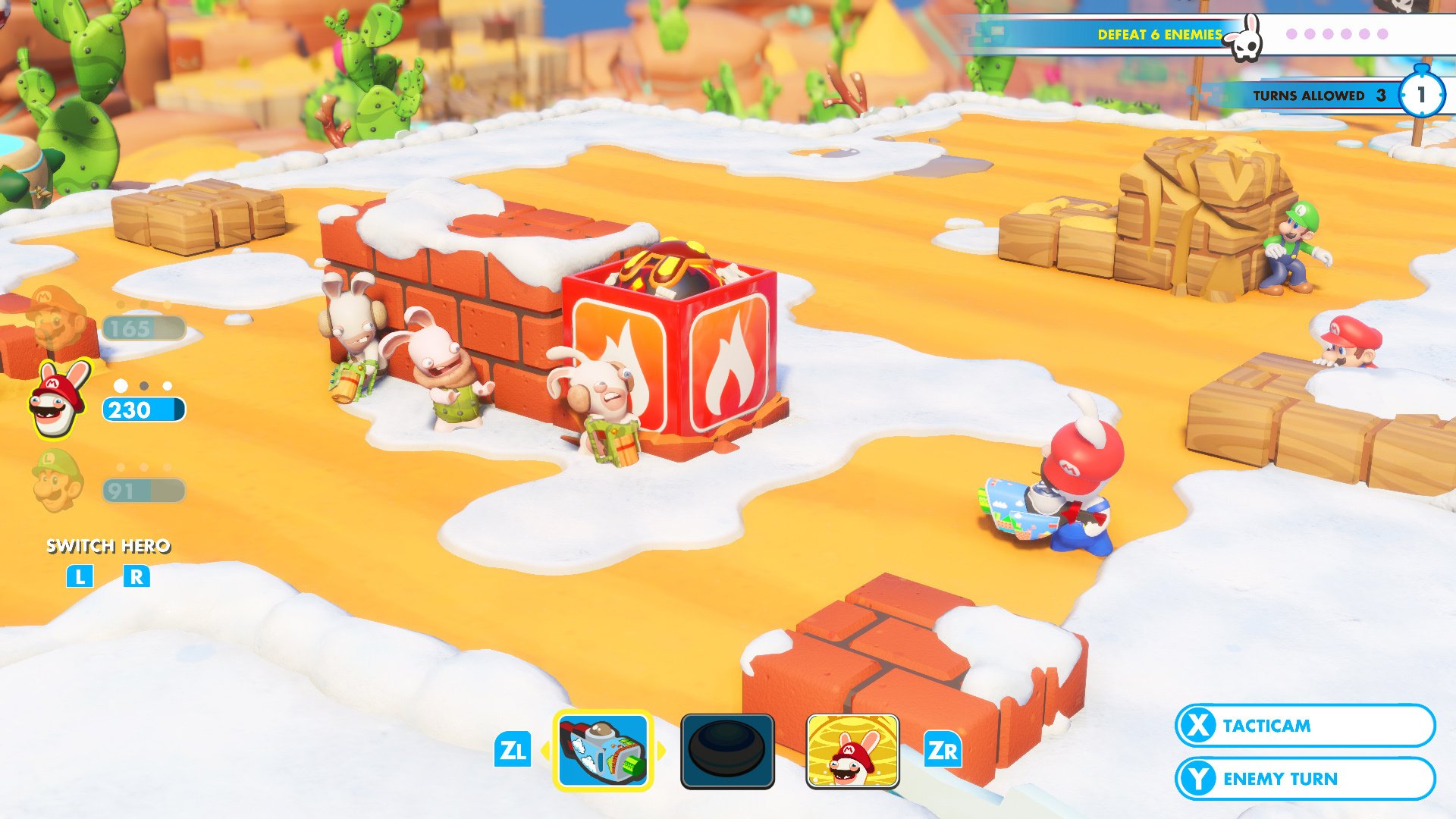
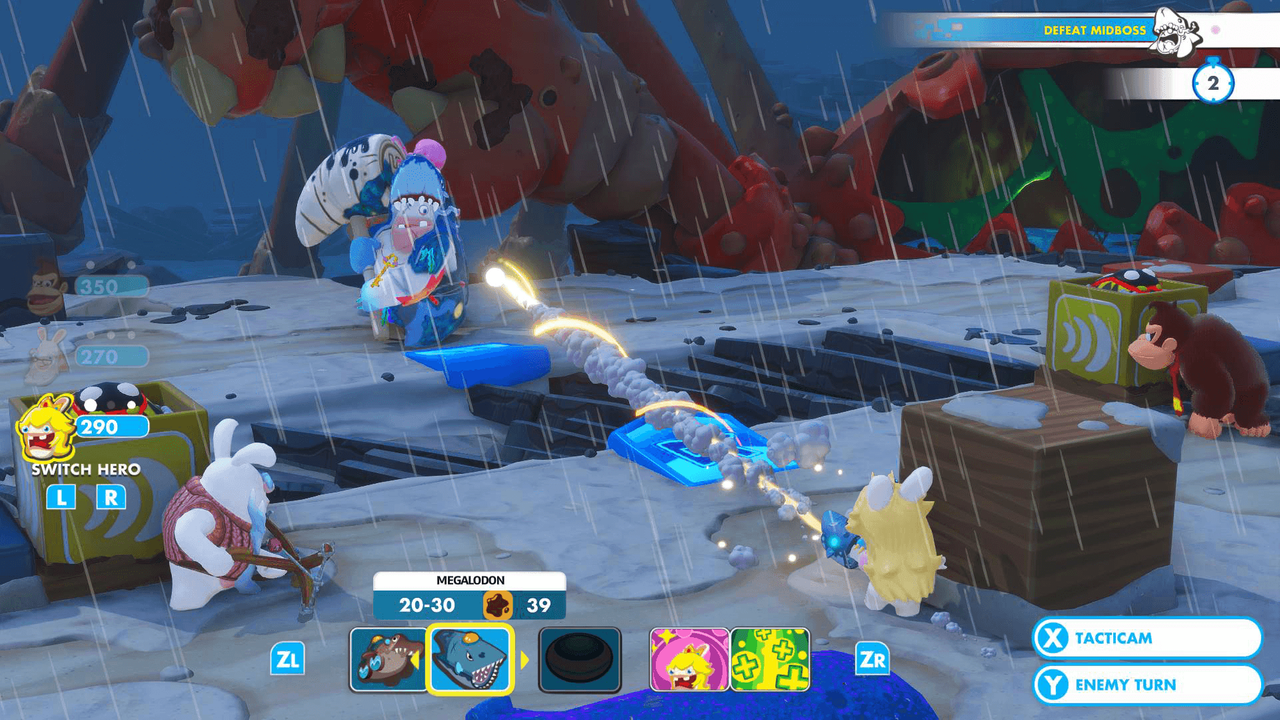
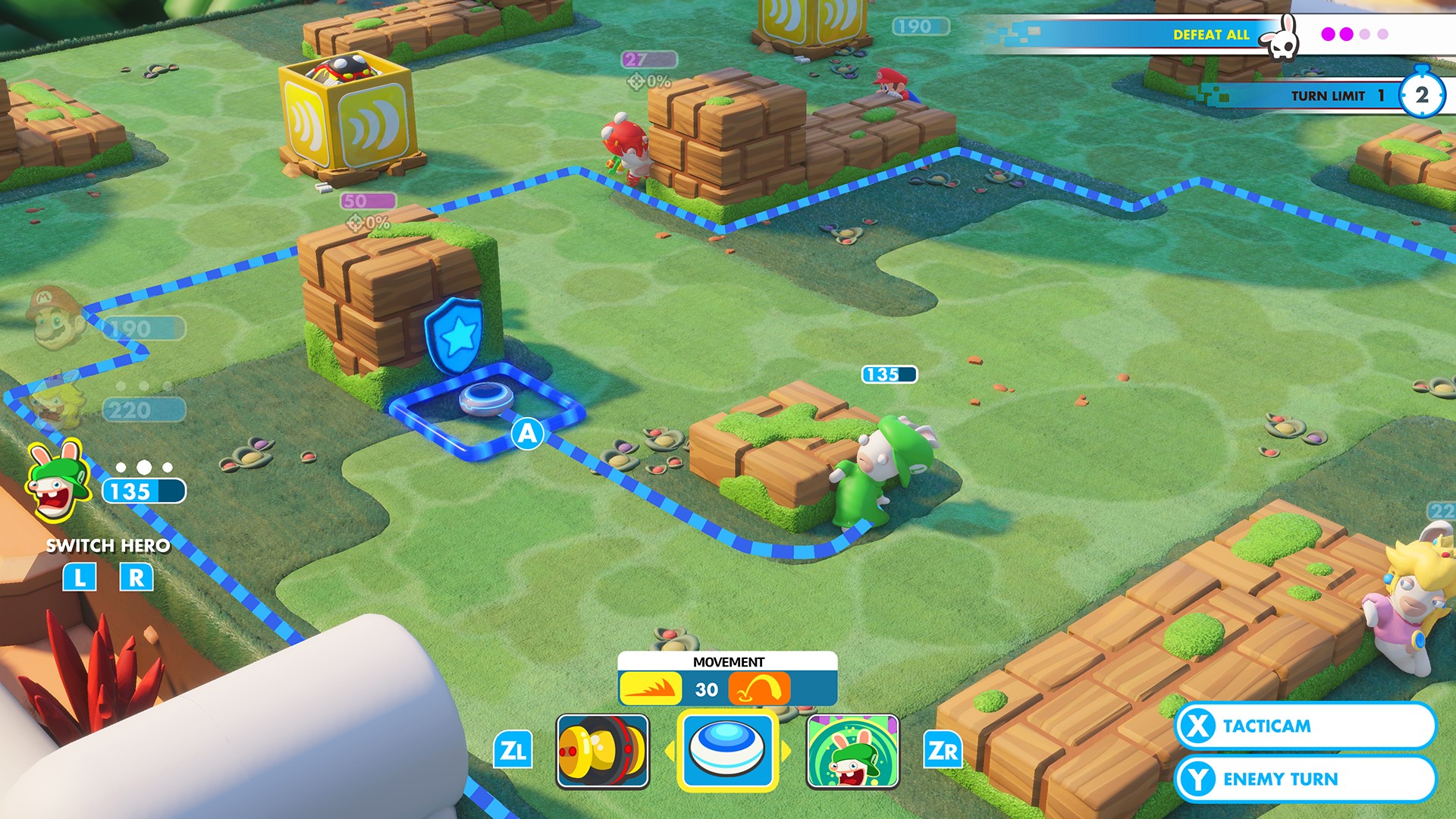
At its core, Mario + Rabbids Kingdom Battle is a turn-based tactical RPG. Players control a team of characters, strategically positioning them on grid-based battlefields to outmaneuver enemies and achieve objectives. The game introduces innovative mechanics like “Team Jumps,” allowing characters to leap over obstacles and gain positional advantages, and “Stealth Turns,” which allow for surprise attacks. Character progression is handled through a simple but effective system of unlocking new abilities and upgrading existing ones. While the gameplay might seem straightforward at first glance, mastering the intricacies of positioning, timing, and ability combinations is crucial for success on higher difficulty levels. The game also features a robust challenge mode, offering hundreds of additional battles with varying objectives and enemy compositions.
Level Design and World Atmosphere
The level design in Mario + Rabbids Kingdom Battle is both creative and functional. Each kingdom – including the familiar Mushroom Kingdom, as well as new locales inspired by the Rabbid universe – is meticulously crafted to provide a variety of gameplay challenges. Levels are not just static battlefields; they often incorporate environmental puzzles, hidden pathways, and interactive elements that encourage exploration and strategic thinking. The atmosphere in each kingdom is distinct, ranging from the bright and cheerful Mushroom Kingdom to the more chaotic and unpredictable environments inspired by the Rabbids’ world. This careful attention to detail creates a sense of immersion and makes each playthrough feel fresh and engaging.
Narrative Depth and Character Profiles
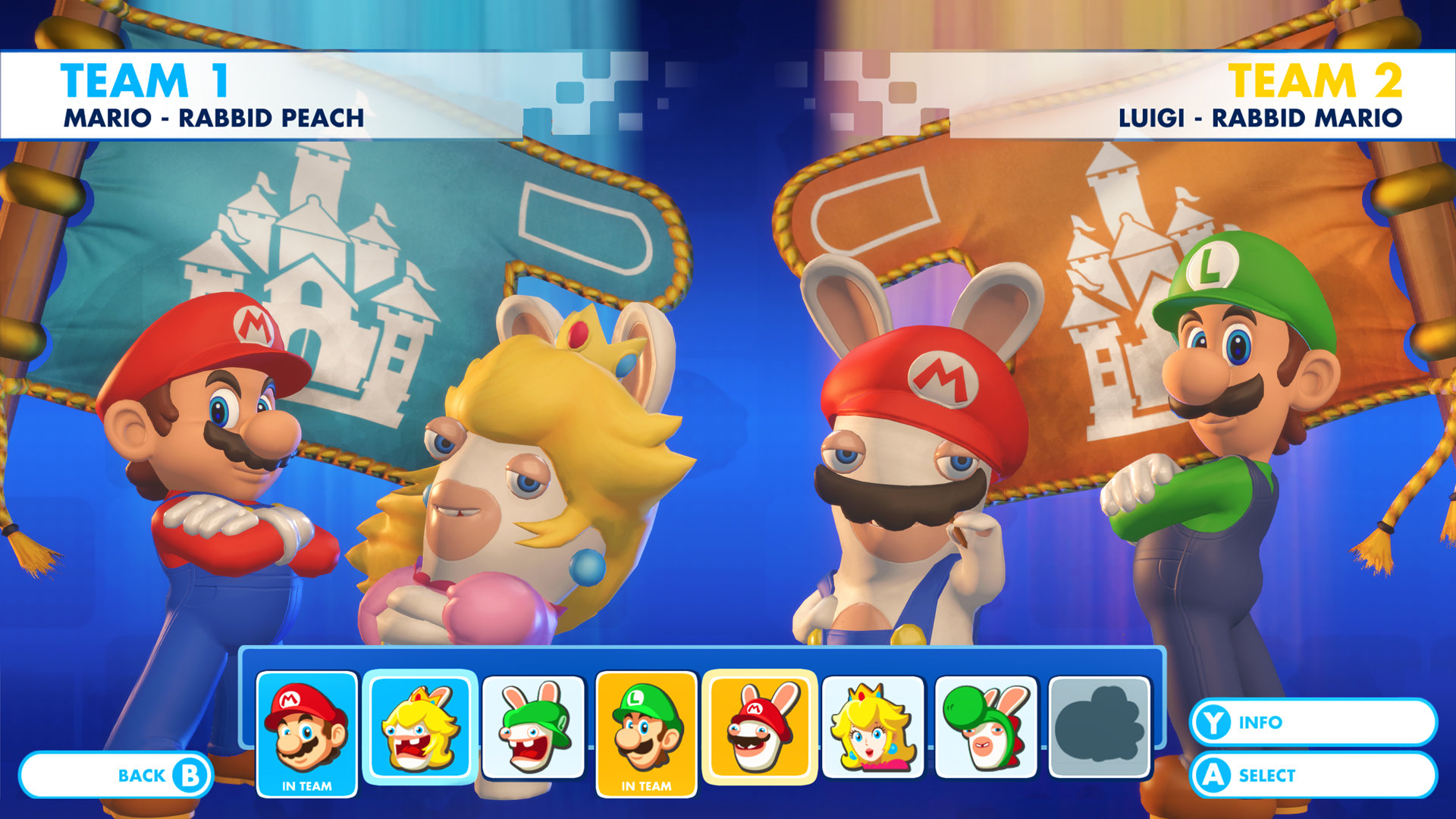
While not boasting a sprawling epic narrative, Mario + Rabbids Kingdom Battle delivers a surprisingly charming story that serves as a lighthearted backdrop for the tactical gameplay. The plot revolves around a mishap in the Rabbids’ universe that leads to their invasion of the Mushroom Kingdom, forcing Mario and his friends to team up with their furry counterparts to restore order. While the characters are largely based on familiar archetypes, they are given enough personality and quirks to make them memorable. The game also features a handful of original characters who add depth and intrigue to the overall story.
Sound Design and Acoustic Realism
The sound design in Mario + Rabbids Kingdom Battle is another area where the developers have excelled. The game features a soundtrack composed by Grant Kirkhope, a veteran composer known for his work on several classic Nintendo titles. The music perfectly captures the lighthearted and whimsical nature of the game, while also providing a sense of tension during more challenging battles. Sound effects are equally well-executed, adding another layer of immersion to the overall experience. From Mario’s iconic jump sound to the Rabbids’ signature “boinks,” every audio cue is carefully crafted to enhance the gameplay.
Release Expectations and Community Hype
Prior to its official release, Mario + Rabbids Kingdom Battle generated a significant amount of hype within the gaming community. The initial leak, while controversial, sparked curiosity and anticipation for this unexpected collaboration between Nintendo and Ubisoft. The game’s reveal at E3 2017 was met with widespread excitement, as players eagerly awaited the opportunity to experience this unique blend of tactical gameplay and beloved characters. Upon release, the game largely lived up to expectations, garnering positive reviews and a dedicated fanbase.
Conclusion: The Future of Mario + Rabbids Kingdom Battle
Mario + Rabbids Kingdom Battle is more than just a simple crossover; it’s a testament to the power of creative collaboration and innovative design. By successfully blending the charm of Nintendo’s Mario franchise with the quirky energy of Ubisoft’s Rabbids, the developers have created a tactical RPG that is both accessible and engaging. The game’s success has paved the way for future installments in the series, promising even more exciting adventures and strategic gameplay.
As the franchise continues to evolve, it will be fascinating to see how Ubisoft builds upon the foundation laid by Mario + Rabbids Kingdom Battle, further solidifying its place as a unique and beloved entry in the world of gaming.
Source: Wikipedia