Introduction: The Next Chapter for Mario Party 4
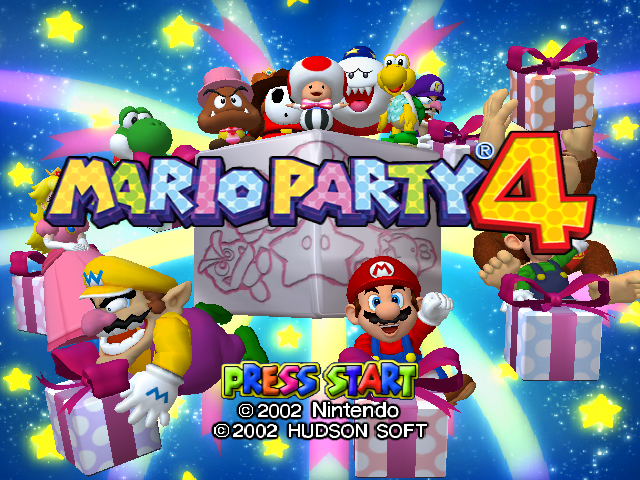
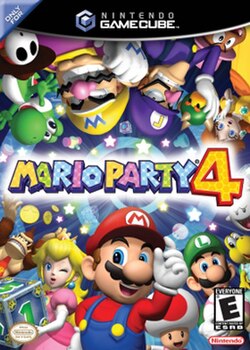
Mario Party 4, released in 2002 for the GameCube, marked a significant step forward for Nintendo’s beloved party game franchise. Developed by Hudson Soft and published by Nintendo, it aimed to refine the core gameplay loop while introducing new features and visual enhancements tailored for the GameCube hardware. This installment built upon the successes of its predecessors, striving to deliver a more engaging and polished experience for both casual and hardcore fans alike. The anticipation surrounding Mario Party 4 was palpable, fueled by promises of improved graphics, innovative mini-games, and a fresh board game design.
Visual Direction and Graphics Engineering
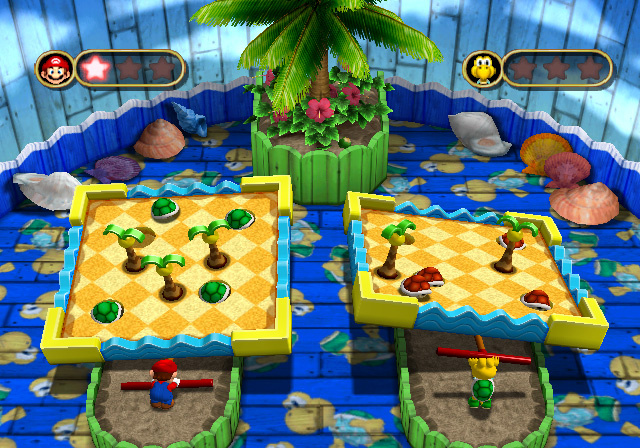
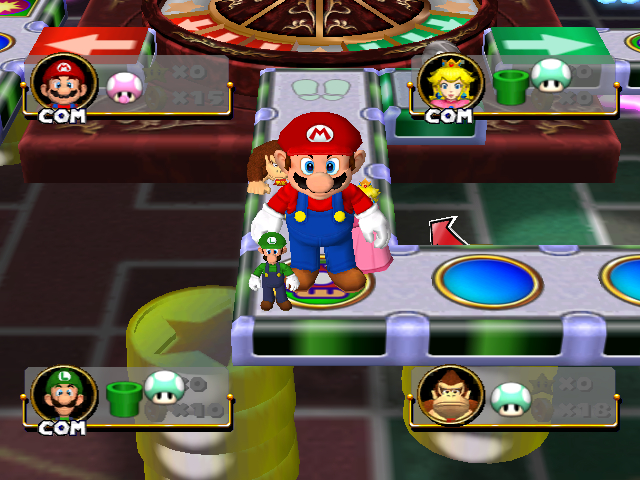
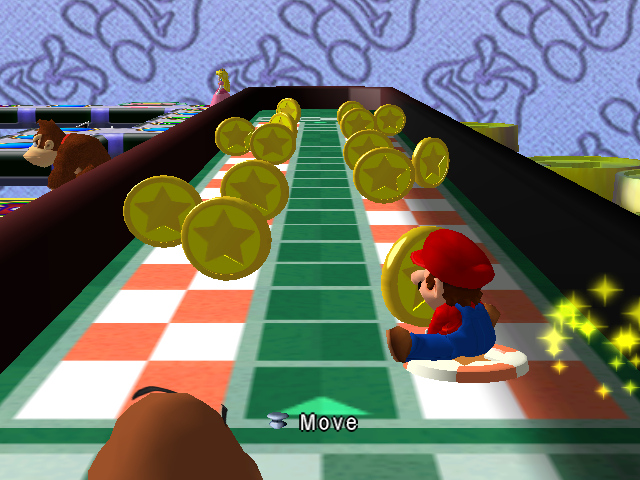
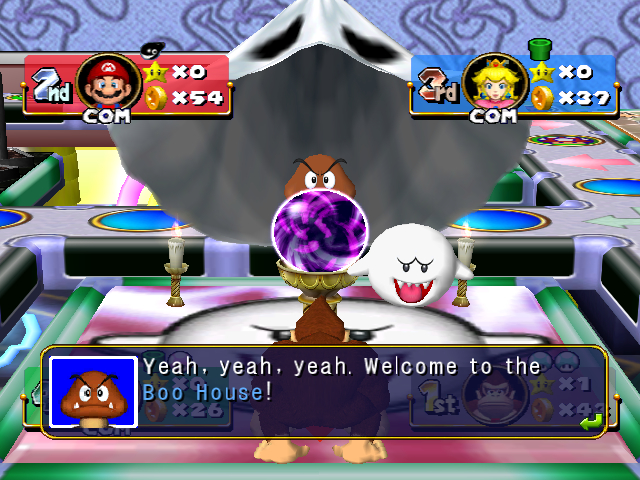
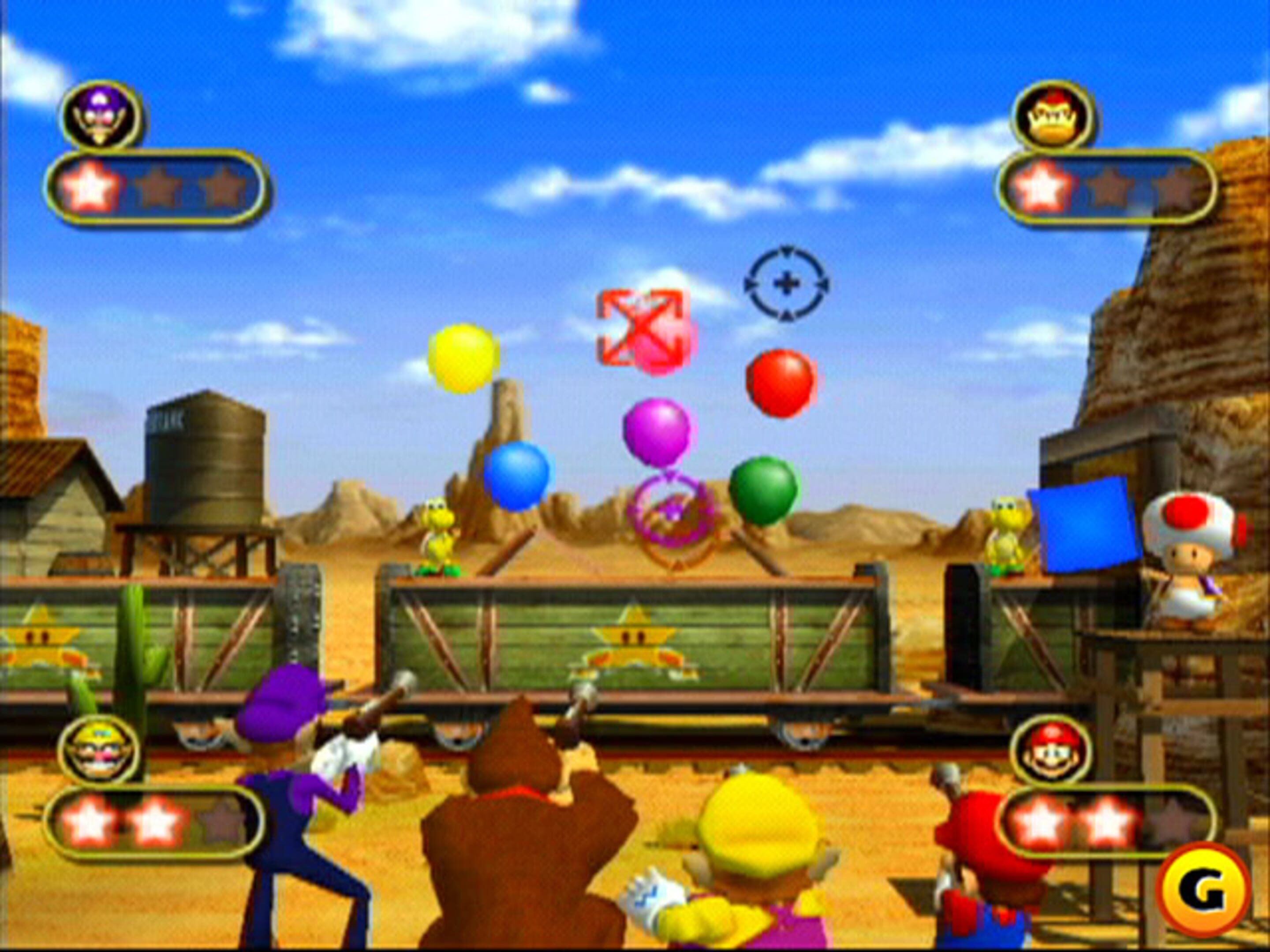
Mario Party 4 showcased a noticeable leap in graphical fidelity compared to its predecessors on the Nintendo 64. While still adhering to the cartoonish aesthetic characteristic of the Mario universe, the GameCube’s processing power allowed for more detailed character models, richer textures, and more dynamic lighting effects. The game employed cel-shading techniques, giving the characters a distinct visual pop that was both appealing and technically impressive for its time. This approach helped to create a vibrant and engaging world, despite the limitations of the hardware. The developers at Hudson Soft carefully optimized the graphics engine to ensure smooth performance on the GameCube, balancing visual quality with frame rate stability.
Gameplay Mechanics and Core Systems
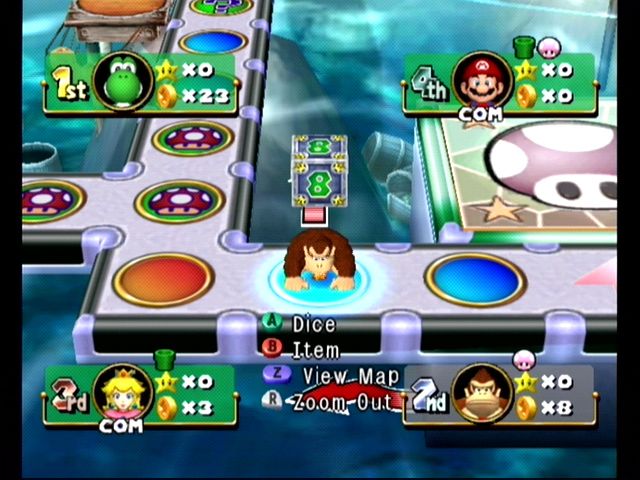
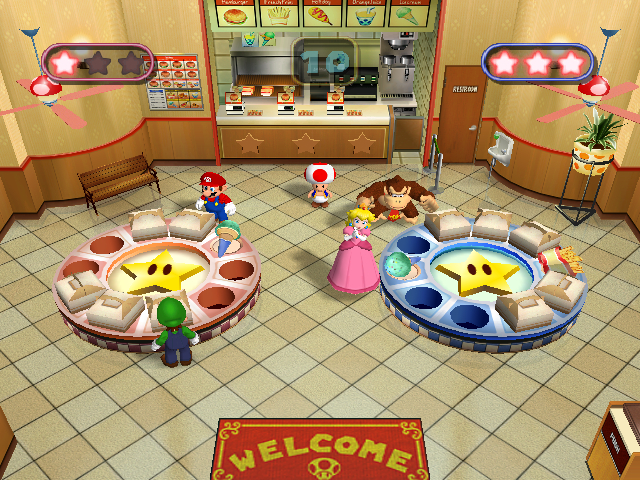
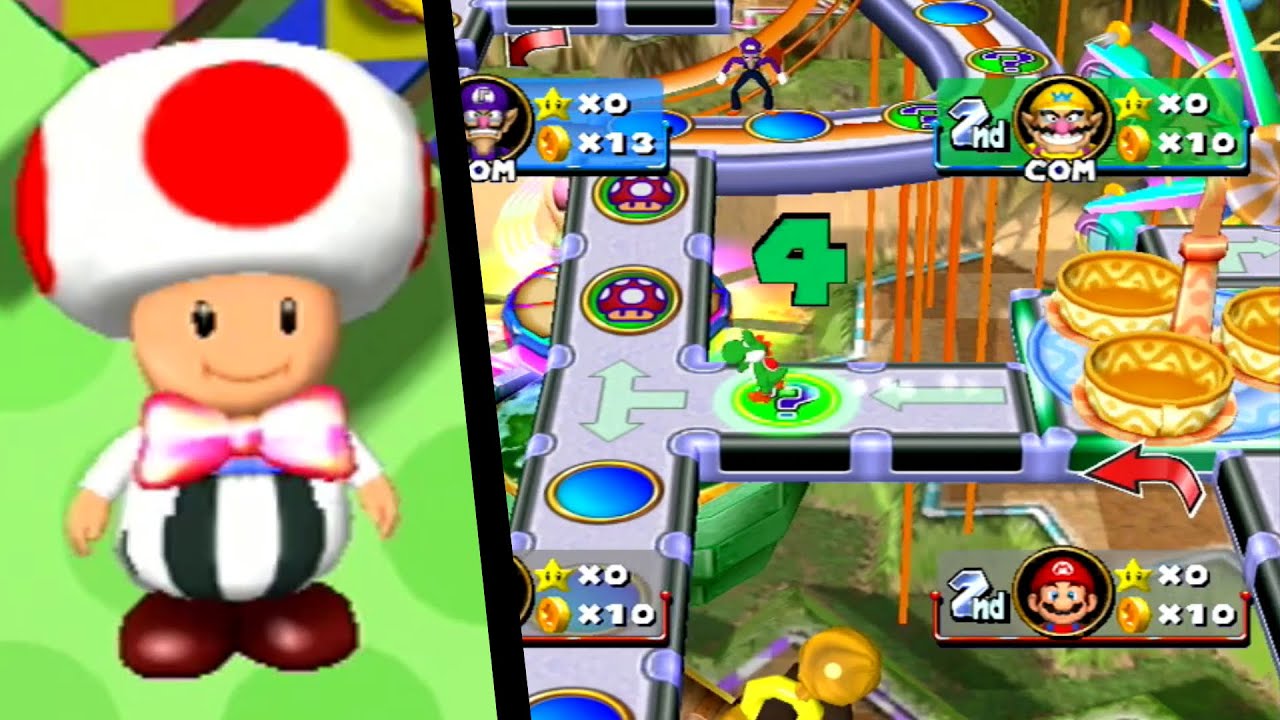
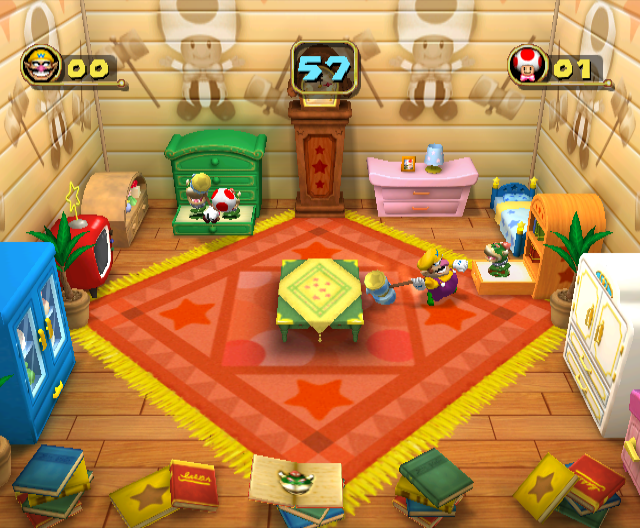
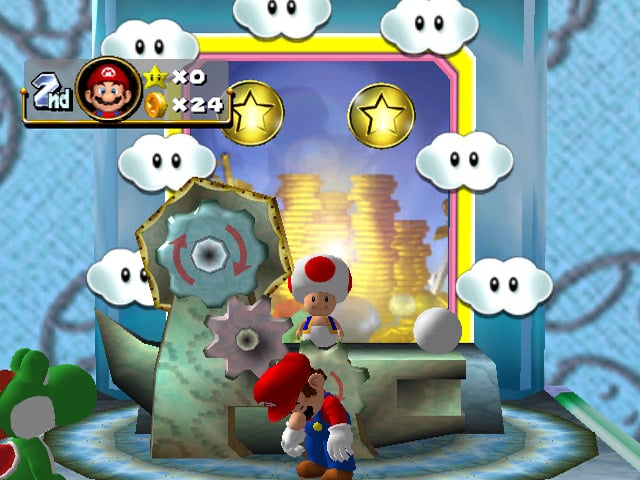
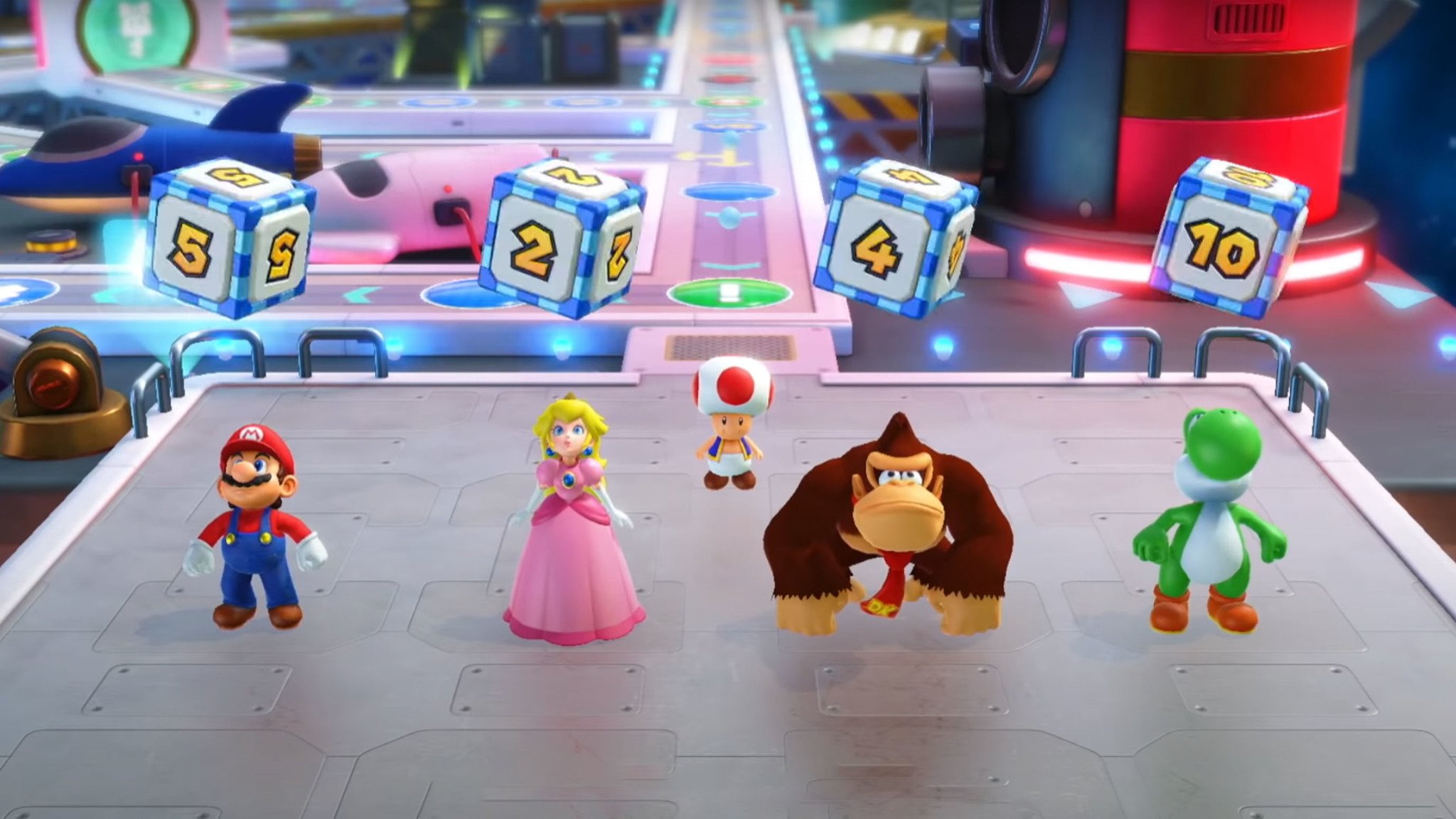
At its heart, Mario Party 4 retained the core gameplay loop that defined the series: players navigate a game board, collecting coins and stars through dice rolls and strategic choices. The mini-games, a staple of the franchise, were significantly expanded in this installment, offering a wider variety of challenges and competitive scenarios. New mechanics were introduced to enhance player interaction and add layers of complexity to the gameplay. These included new types of spaces on the game boards that triggered special events or altered the flow of the game. The AI opponents were also refined, providing a more challenging experience for solo players attempting to master the single-player campaign.
Level Design and World Atmosphere
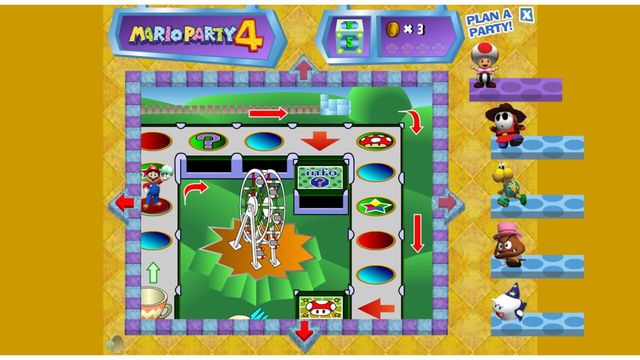
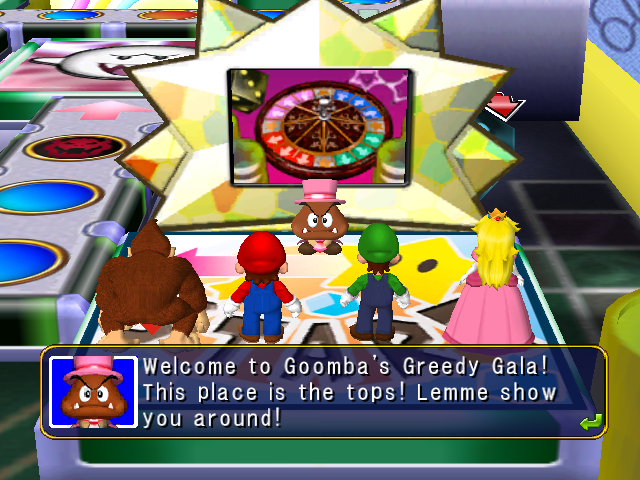
The game boards in Mario Party 4 were meticulously crafted to create unique and memorable environments. Each board offered distinct visual themes and gameplay challenges, encouraging exploration and strategic decision-making. The level design incorporated interactive elements that responded to player actions, adding a sense of dynamism and immersion. From whimsical forests to bustling cityscapes, each board was designed to evoke a specific atmosphere and contribute to the overall narrative experience. The attention to detail in the level design helped to create a cohesive and engaging world for players to explore.
Narrative Depth and Character Profiles
While primarily focused on gameplay, Mario Party 4 subtly incorporated elements of storytelling through character interactions and board events. Each playable character possessed distinct personalities and animations, adding depth to their presence within the game world. The single-player campaign provided opportunities to learn more about these characters and their relationships with one another. Although not a narrative-driven experience in the traditional sense, Mario Party 4 offered glimpses into the lives of its iconic cast, enriching the overall gameplay experience.
Sound Design and Acoustic Realism
The sound design in Mario Party 4 played a crucial role in creating an immersive and engaging atmosphere. The game featured a lively soundtrack that complemented the visuals and enhanced the sense of fun. Sound effects were carefully crafted to provide feedback on player actions and add weight to the gameplay experience. From the cheerful melodies of the board music to the satisfying sounds of mini-game victories, the audio design contributed significantly to the overall polish of the game.
Release Expectations and Community Hype
The release of Mario Party 4 was met with considerable anticipation within the gaming community. The promise of improved graphics, new mini-games, and a fresh board game design generated significant buzz leading up to its launch. Reviews were generally positive, praising the game’s addictive gameplay loop and charming visuals. However, some critics noted that the single-player mode could become repetitive over time. Despite these minor criticisms, Mario Party 4 was widely considered a successful addition to the franchise.
Conclusion: The Future of Mario Party 4
Mario Party 4 represents a significant milestone in the evolution of the Mario Party series. Its enhanced graphics, refined gameplay mechanics, and charming presentation solidified its place as a beloved classic within Nintendo’s catalog. While subsequent installments have continued to innovate and expand upon the core formula, Mario Party 4 remains a testament to the enduring appeal of party games and the power of well-executed design. The game’s legacy continues to inspire new generations of gamers, ensuring that the spirit of Mario Party lives on.
Source: Wikipedia