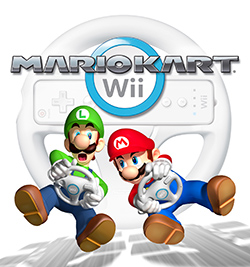
Introduction: The Next Chapter for Mario Kart Wii
Mario Kart Wii, released in 2008, represented a significant leap forward for the franchise. Building upon the success of Mario Kart DS, Nintendo aimed to leverage the unique capabilities of the Wii console, introducing motion controls and online multiplayer to a broader audience. This installment wasn’s just about racing; it was about accessibility, innovation, and bringing the thrill of karting to living rooms worldwide. The game quickly became a cultural phenomenon, solidifying its place as one of the best-selling Wii titles and a cornerstone of Nintendo’s legacy.
Visual Direction and Graphics Engineering
Visually, Mario Kart Wii embraced a vibrant and stylized aesthetic, characteristic of the Mario universe. While not pushing the boundaries of graphical fidelity by modern standards, the game utilized cel-shading techniques to create a distinctive look that was both charming and recognizable. The environments were diverse, ranging from familiar Mushroom Kingdom locales to recreations of real-world cities like Tokyo and London. This blend of fantasy and reality added depth and appeal to the racing experience. The graphics engine, while proprietary, demonstrated a focus on performance optimization for the Wii hardware, ensuring smooth frame rates even during intense multiplayer sessions.
Gameplay Mechanics and Core Systems
The core gameplay loop in Mario Kart Wii remained true to its roots: high-speed kart racing punctuated by strategic item usage. However, the introduction of motion controls offered a new level of interaction. Players could steer using the Wii Remote, adding an element of physicality to the experience. While some purists preferred traditional control methods, the motion controls proved surprisingly intuitive and accessible to newcomers. The game also featured asymmetrical gameplay elements, with certain characters possessing unique handling characteristics, adding strategic depth for experienced players.
Level Design and World Atmosphere
The level design in Mario Kart Wii was a key strength, offering a diverse range of tracks that catered to both casual and hardcore racers. From the familiar winding roads of Rainbow Road to the bustling cityscapes of Tokyo Grand Prix, each track offered unique challenges and visual flair. The game also featured innovative track designs that incorporated elements of verticality and dynamic obstacles, keeping players on their toes. The atmosphere was further enhanced by detailed environmental effects, such as weather patterns and day-night cycles, creating a truly immersive racing experience.
Narrative Depth and Character Profiles
While Mario Kart Wii wasn’t known for its deep narrative, it did feature a cast of memorable characters, each with their own distinct personalities and quirks. From the iconic Mario and Luigi to the mischievous Bowser Jr., players could choose from a roster of 24 racers, each offering a unique blend of speed, handling, and acceleration. The game also featured unlockable character costumes and kart customizations, allowing players to personalize their racing experience. While not a story-driven title, the characters added charm and personality to the overall gameplay loop.
Sound Design and Acoustic Realism
The sound design in Mario Kart Wii was both whimsical and impactful, perfectly complementing the vibrant visuals and fast-paced gameplay. The engine noises were distinct and satisfying, while the item sounds added a layer of excitement and anticipation. The soundtrack featured a mix of original compositions and remixes of classic Mario themes, creating a nostalgic yet fresh auditory experience. The sound effects were also carefully integrated with the on-screen action, providing crucial feedback to players during races.
Release Expectations and Community Hype
The release of Mario Kart Wii was met with immense anticipation from gamers worldwide. Nintendo had successfully built hype through strategic marketing campaigns that showcased the game’s innovative motion controls and online multiplayer capabilities. The game quickly became a must-have title for the Wii console, driving sales and solidifying its place as one of the most popular games of all time. The community response was overwhelmingly positive, with players praising the game’s accessibility, fun factor, and competitive online modes.
Conclusion: The Future of Mario Kart Wii
Mario Kart Wii remains a beloved classic, celebrated for its innovative gameplay, charming visuals, and accessible design. While newer installments in the series have built upon its foundation, Mario Kart Wii holds a special place in gaming history as a title that successfully translated the thrill of kart racing to a new generation of players. Its legacy continues to inspire developers and entertain gamers worldwide, solidifying its status as a true masterpiece of interactive entertainment.
Source: Wikipedia


