Introduction: The Next Chapter for Mario Kart DS
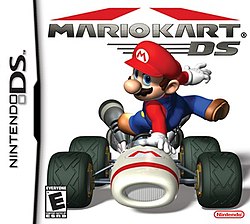
Mario Kart DS, released in 2005, wasn’t just another kart racer; it was a pivotal moment for the franchise and handheld gaming. Building upon the foundation laid by its predecessors, Nintendo EAD delivered an experience that seamlessly blended accessibility with surprising depth, all while leveraging the unique capabilities of the Nintendo DS. This Masterclass Deep-Dive will dissect every facet of Mario Kart DS, from its innovative engine to its enduring legacy.
Visual Direction and Graphics Engineering
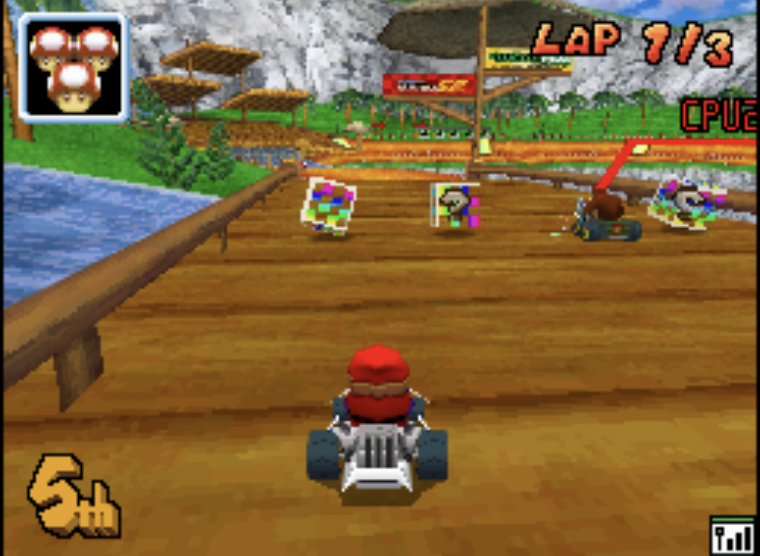
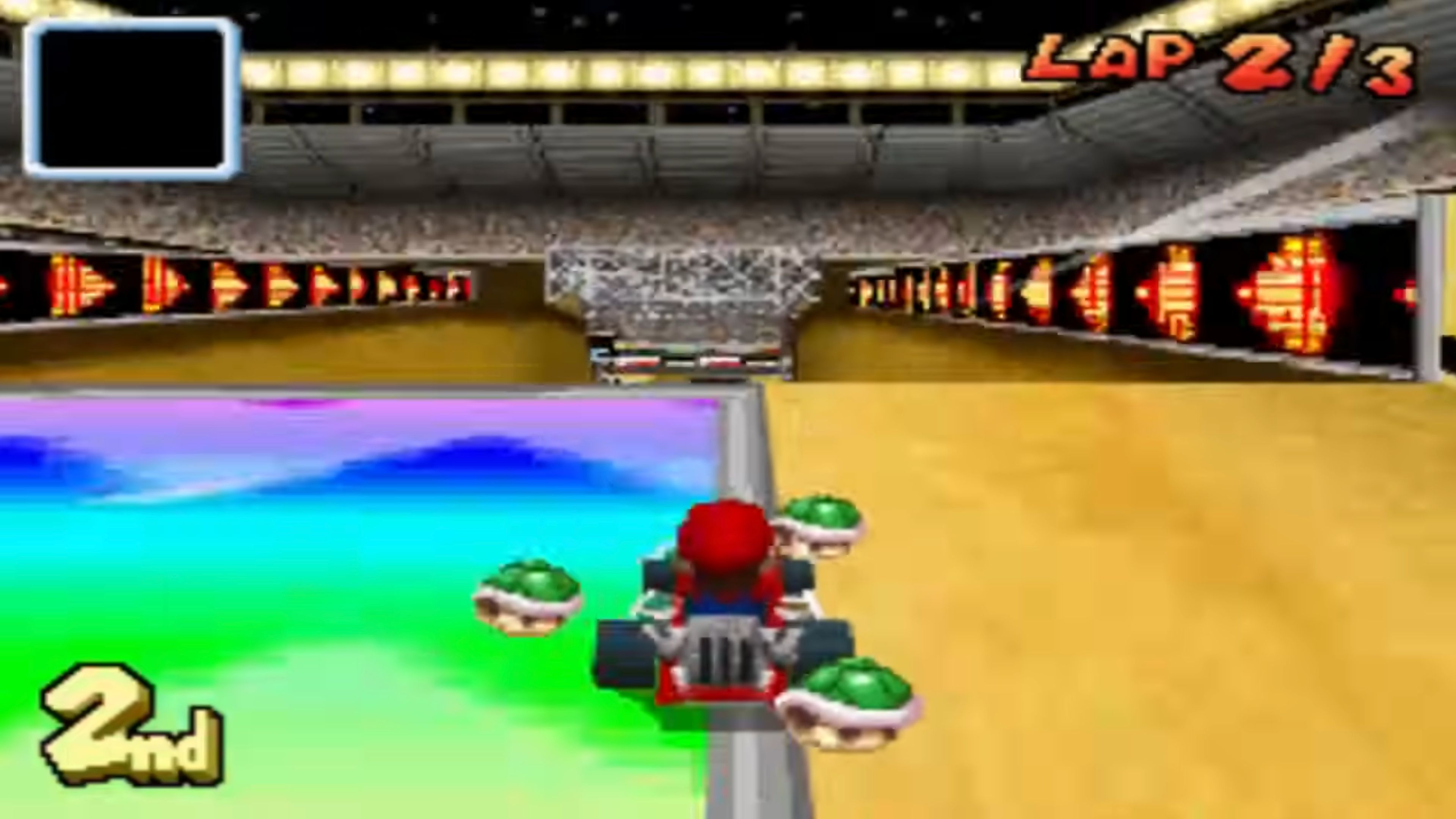
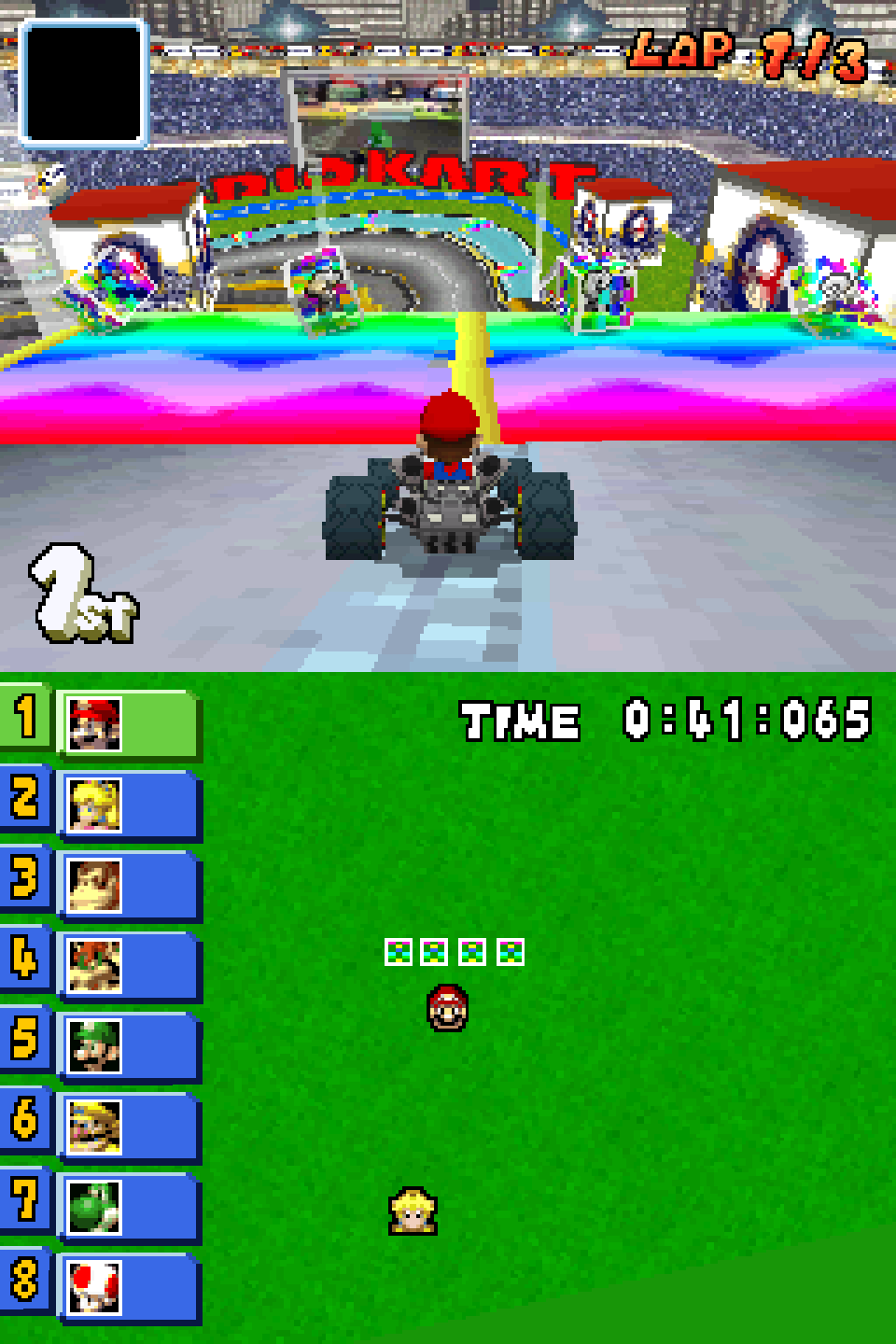
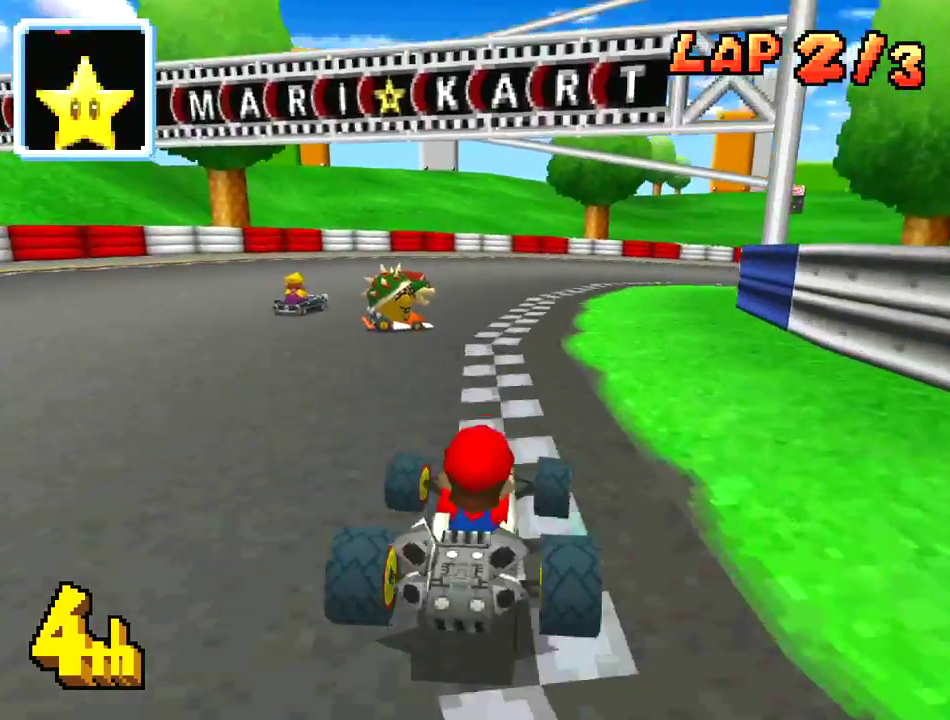
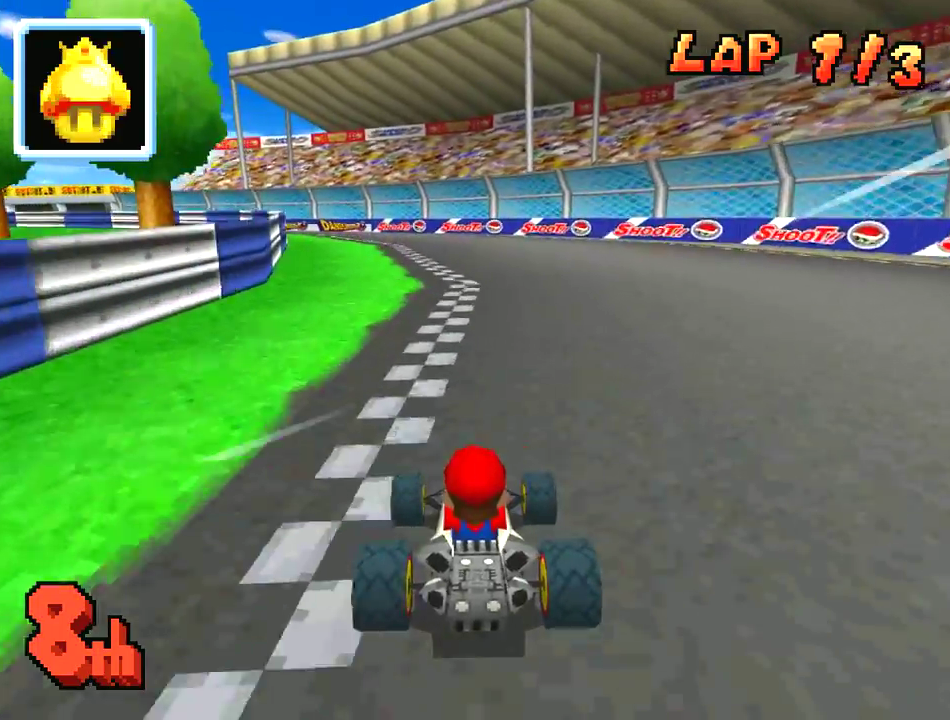
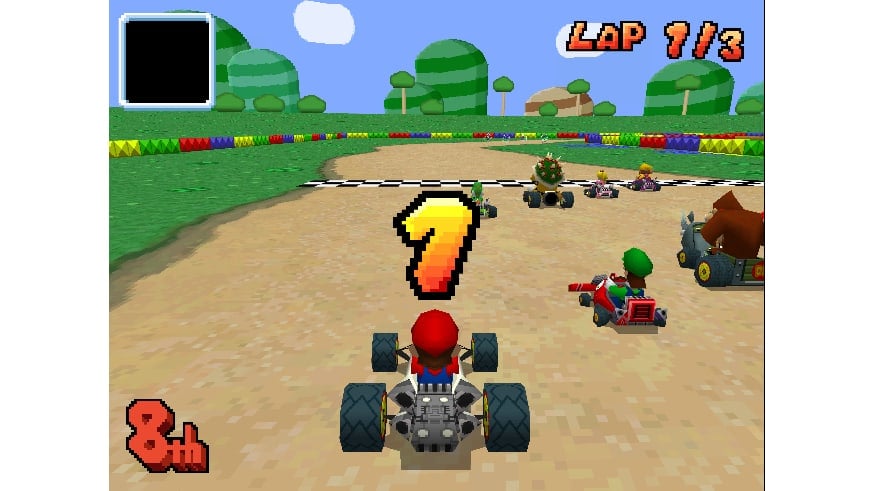
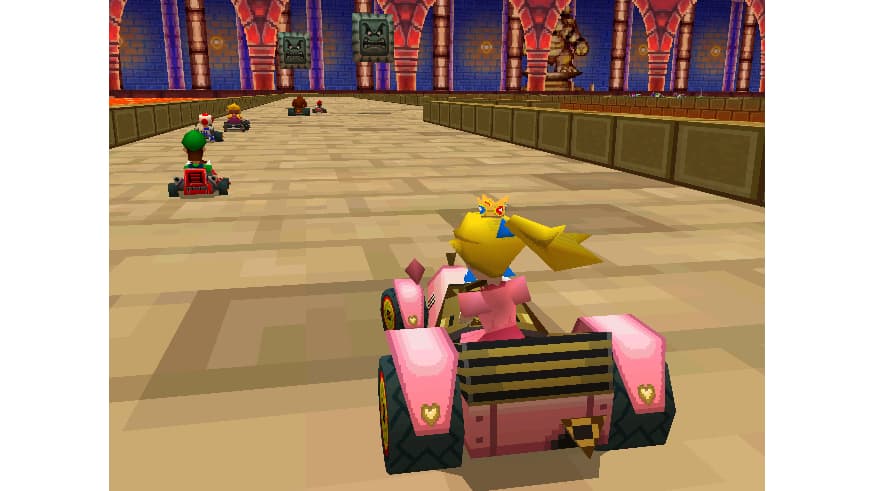
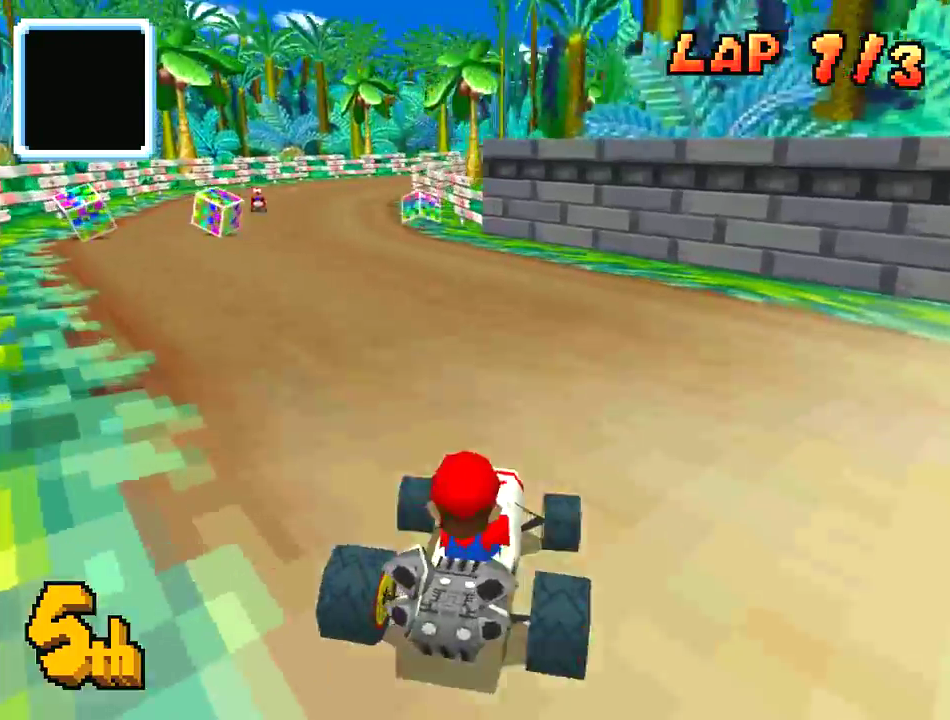
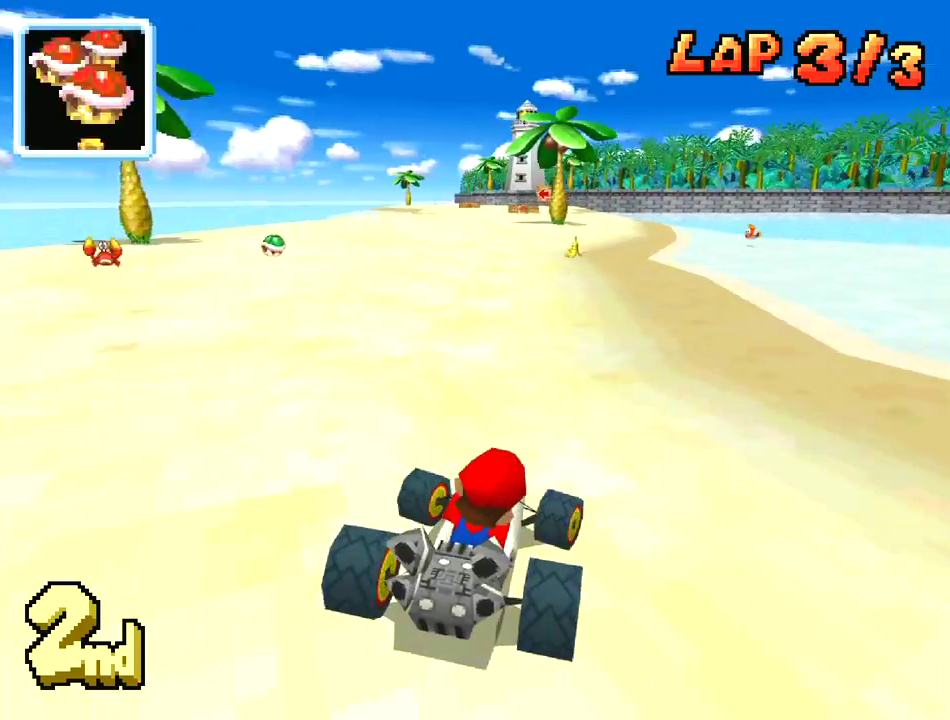
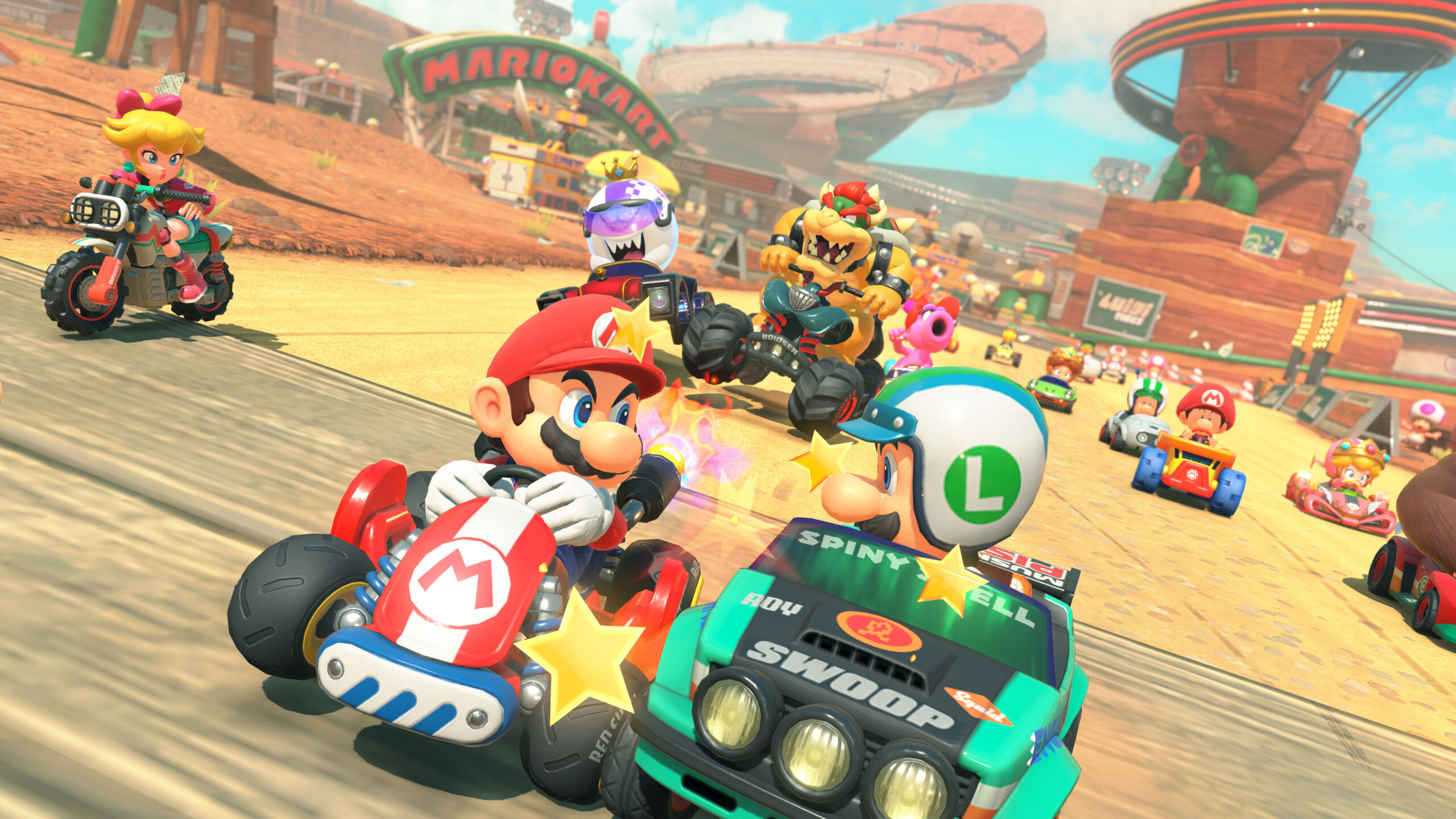
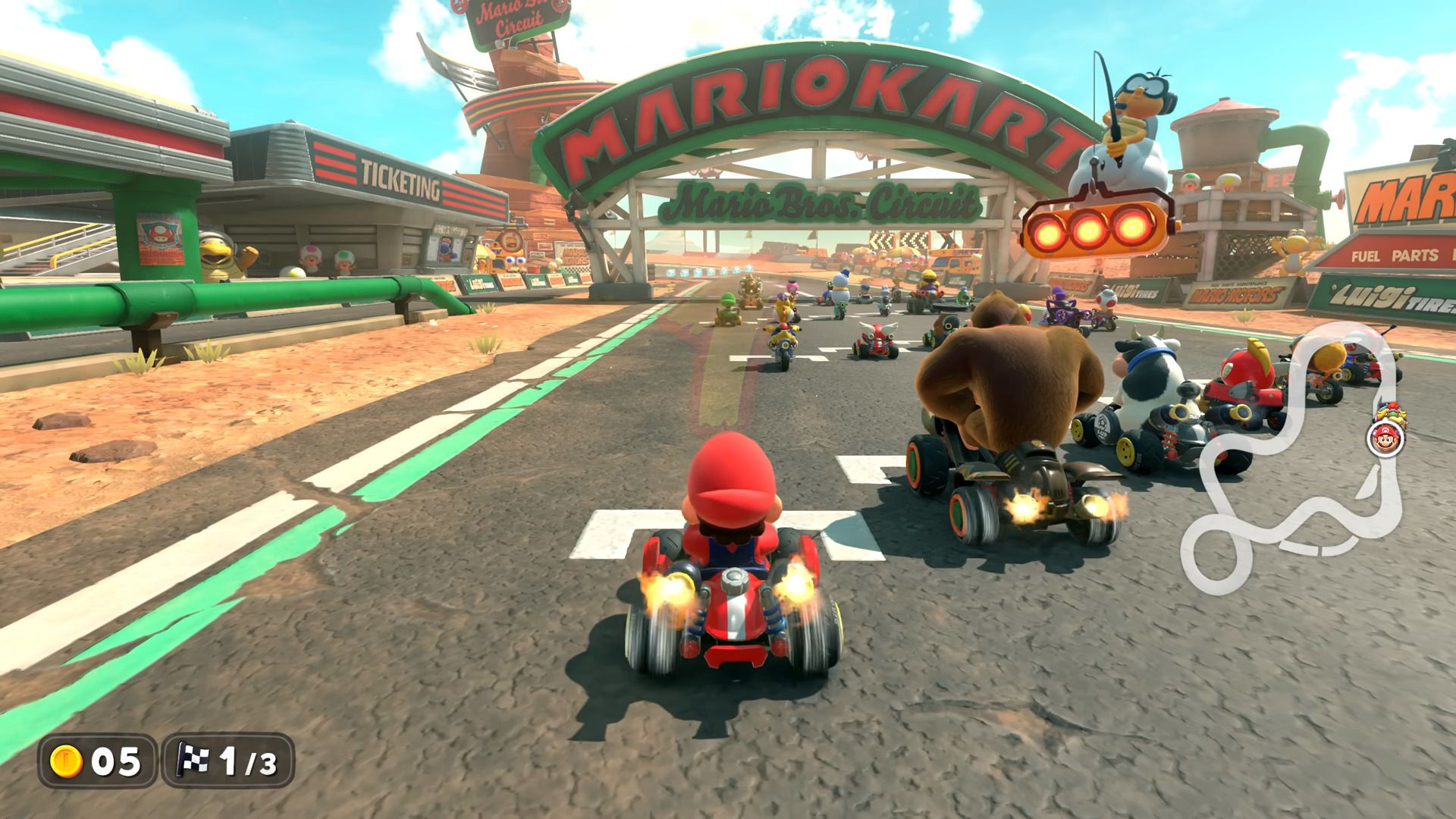
The visual direction in Mario Kart DS was a testament to Nintendo’s ability to maximize limited hardware. While not pushing graphical boundaries by today’s standards, the game achieved a charming and recognizable aesthetic. The character models were instantly familiar, retaining the iconic designs from the Super Mario universe. The tracks themselves were vibrant and detailed, showcasing a variety of environments inspired by classic Mario games. The use of layering and parallax scrolling added depth to the visuals, creating a sense of immersion despite the limitations of the DS hardware. The proprietary “Next-Gen Engine” was meticulously optimized for the DS, allowing for smooth performance even during chaotic multiplayer races.
Gameplay Mechanics and Core Systems
Mario Kart DS refined the core gameplay loop that made the series so addictive. Drifting remained a crucial mechanic, allowing players to navigate tight corners at high speeds. The introduction of motorcycles offered a different handling experience, catering to a wider range of playstyles. Item usage was as chaotic and unpredictable as ever, leading to hilarious moments and unexpected comebacks. The game also introduced new modes like Time Trials and VS Race, adding replayability. The rubber-banding AI, while sometimes frustrating, ensured that races remained competitive regardless of player skill level.
Level Design and World Atmosphere
The track design in Mario Kart DS was a masterclass in balancing challenge and fun. Each track offered multiple routes and shortcuts, encouraging exploration and experimentation. From the familiar landscapes of Rainbow Road to the whimsical environments of Yoshi’s Island, each track felt distinct and memorable. The use of verticality added another layer of complexity, with tracks often featuring ramps, tunnels, and underwater sections. The level design perfectly captured the spirit of adventure that defines the Mario universe.
Narrative Depth and Character Profiles
While not a narrative-driven experience in the traditional sense, Mario Kart DS subtly wove together elements from the broader Super Mario lore. The characters themselves were instantly recognizable and beloved, each with their own unique personalities and quirks. While there wasn’s a central storyline, the game fostered a sense of camaraderie and competition among players, creating memorable moments both online and offline.
Sound Design and Acoustic Realism
The sound design in Mario Kart DS was equally impressive, perfectly complementing the visuals and gameplay. The iconic engine noises, character voices, and item sounds were all instantly recognizable and added to the overall sense of immersion. The music was upbeat and energetic, creating a perfect soundtrack for high-speed kart racing.
Release Expectations and Community Hype
The release of Mario Kart DS was met with immense anticipation from fans worldwide. Building upon the success of previous installments, Nintendo promised an experience that would push the boundaries of handheld gaming. The game delivered on this promise, offering a polished and engaging experience that captivated players of all ages. The introduction of online multiplayer via Nintendo Wi-Fi Connection further fueled the hype, allowing players to compete against each other from around the world.
Conclusion: The Future of Mario Kart DS
Mario Kart DS remains a timeless classic, a testament to Nintendo’s ability to create engaging and accessible gaming experiences. Its innovative features, charming visuals, and addictive gameplay have cemented its place in gaming history. While newer installments in the series have built upon its foundation, Mario Kart DS will always be remembered as a pivotal moment for the franchise and handheld gaming.
Source: Wikipedia