Introduction: The Next Chapter for Mario Kart 7
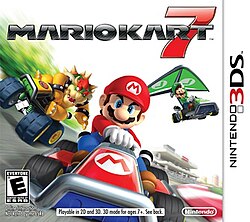
Mario Kart 7, released in 2011 exclusively for the Nintendo 3DS, represented a significant evolution within the beloved kart racing franchise. Developed through a collaboration between Nintendo EAD and Retro Studios, this title aimed to leverage the unique capabilities of the 3D handheld console while retaining the core gameplay that made its predecessors so successful. This Masterclass Deep-Dive will dissect every facet of Mario Kart 7, from its innovative features to its underlying technical architecture, providing an in-depth understanding of what makes this game a cornerstone of Nintendo’s legacy.
Visual Direction and Graphics Engineering
The visual direction of Mario Kart 7 was heavily influenced by the limitations and possibilities presented by the Nintendo 3DS hardware. While not pushing the boundaries of graphical fidelity compared to console counterparts, the game cleverly utilized the 3D effect to enhance depth perception and create a more immersive racing experience. The character models received a fresh coat of paint, maintaining their iconic designs while incorporating subtle details that brought them to life. The “next-gen” proprietary engine was optimized for performance on the handheld, prioritizing smooth frame rates and consistent visuals across all tracks. This involved careful management of polygon counts, texture resolutions, and lighting effects.
Gameplay Mechanics and Core Systems
Mario Kart 7 introduced several groundbreaking gameplay mechanics that redefined the kart racing genre. The most notable addition was the ability to perform mid-air maneuvers using a hang glider attachment, opening up entirely new dimensions to track design and player strategy. This feature also allowed for first-person driving, providing a unique perspective on the races. Furthermore, players could customize their karts with various parts, allowing for fine-tuning of performance characteristics like acceleration, handling, and speed. The core racing mechanics remained faithful to previous installments, featuring item boxes that provided offensive and defensive advantages.
Level Design and World Atmosphere
The level design in Mario Kart 7 was a masterful blend of familiar and innovative concepts. Tracks drew inspiration from various locations within the Mushroom Kingdom and beyond, offering diverse environments ranging from lush forests to treacherous ice rinks. The introduction of hang gliding significantly impacted track layouts, with many courses incorporating aerial sections that demanded precise control and strategic planning. The game also featured a mix of original tracks and reimagined classics from previous Mario Kart titles, providing a nostalgic experience for long-time fans while simultaneously offering fresh content for newcomers.
Narrative Depth and Character Profiles
While primarily focused on gameplay, Mario Kart 7 subtly incorporates elements of narrative through its character interactions and track themes. Each character retains their distinct personality traits, expressed through animations and voice lines. The tracks themselves often tell stories about the various locations within the Mushroom Kingdom, hinting at ongoing events and relationships between characters. While not a story-driven game in the traditional sense, Mario Kart 7 provides enough context to create a cohesive and engaging world for players to explore.
Sound Design and Acoustic Realism
The sound design in Mario Kart 7 is both nostalgic and modern, blending familiar sound effects with newly composed music tracks. The engine noises of the karts are distinct and satisfying, while the item sounds provide crucial feedback during races. The soundtrack features a mix of upbeat and adventurous themes that perfectly complement the gameplay experience. The audio was carefully mixed to create a sense of immersion, enhancing the overall feeling of speed and excitement.
Release Expectations and Community Hype
Prior to its release, Mario Kart 7 generated significant hype within the gaming community. Nintendo’s marketing campaign effectively showcased the game’s innovative features and stunning visuals, creating anticipation among fans eager to experience the next chapter in the beloved kart racing franchise. The collaboration with Retro Studios further fueled excitement, as the studio was known for its work on critically acclaimed titles like Metroid Prime. Upon release, Mario Kart 7 received overwhelmingly positive reviews, solidifying its place as a must-have title for Nintendo 3DS owners.
Conclusion: The Future of Mario Kart 7
Mario Kart 7 remains a testament to Nintendo’s ability to innovate within established franchises. Its unique blend of gameplay mechanics, stunning visuals, and engaging world design cemented its legacy as a cornerstone title for the Nintendo 3DS. While online services have since been discontinued, the game’s enduring appeal lies in its timeless gameplay and nostalgic charm. It serves as a reminder of the power of creative collaboration and the importance of pushing boundaries within the gaming industry.
Source: Wikipedia


