The Genre Genesis: From Modern Titans to 1983 Pioneers
Precision platforming, single-screen obstacle puzzles, and surreal British humor—from Super Meat Boy, Celeste, and Vvvvvv to modern precision platform games—were born in 1983 with Matthew Smith's legendary masterpiece Manic Miner.
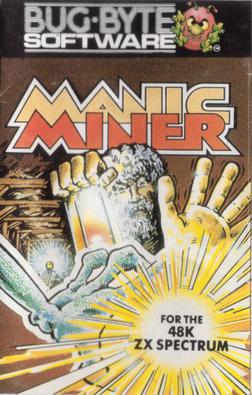
Coded in Z80 machine code by 17-year-old software genius Matthew Smith for the Sinclair ZX Spectrum (fitting within 16KB of RAM) and published by Bug-Byte (and later his own label Software Projects), Manic Miner is universally revered by gaming historians as the **most important and influential platform game in British computing history**.
Platform Context & Gaming Environment: The 20-Cavern Underground
Manic Miner achieved an astonishing technical miracle on the ZX Spectrum: it was the **first game on the platform to play continuous background music during active gameplay** (a synthesized rendition of "In the Hall of the Mountain King" and "The Blue Danube"), using CPU cycle-stealing techniques on the Spectrum's single-channel 1-bit beeper.
The player guided **Miner Willy** using keyboard or joystick controls across **twenty intricately designed subterranean caverns**, each featuring unique surreal hazards: snapping toilet seats, walking telephone boxes, giant stomping boots, and animated robots.
Popularity & Cultural Standing: The British Platforming Legend
Manic Miner was an astronomical commercial and critical blockbuster across the UK and Europe, selling hundreds of thousands of copies and creating the iconic "Miner Willy" phenomenon. It established the standards for level design, pixel-perfect collision detection, and platform route optimization.
Its massive success led directly to the 1984 mega-sequel Jet Set Willy, permanently cementing Matthew Smith's status as a legend of European video game design.
Gameplay Mechanics & Technical Innovations
Manic Miner delivered surgical, unforgiving precision platforming:
- Twenty Iconic Caverns: Explore 20 distinct caverns with legendary names like Central Cavern, The Cold Room, The Menagerie, Wacky Amoebas, and The Final Barrier.
- Flashing Key Collection Quest: Willy must jump and navigate conveyors to collect every flashing key in the cavern to unlock the portal door before his oxygen supply expires.
- Pixel-Perfect Jump Trajectories: Willy's jump arc has a fixed, unalterable parabolic trajectory; mastering the exact starting pixel for jumps is mandatory to clear hazards.
- Strict Fall Distance Physics: Falling more than Willy's own height results in instant death, demanding precise ladder descents and ledge drops.
Historical Legacy & Archival Preservation
Manic Miner is permanently enshrined in the British National Videogame Museum and the World Video Game Hall of Fame. As the founding father of precision platforming, Matthew Smith's masterwork remains an immortal triumph of game design.