Introduction: The Next Chapter for Mafia II
Mafia II, released in 2010 by 2K Czech, arrived with considerable expectations. Following the success of the original Mafia, players were eager to experience a deeper narrative, more refined gameplay, and a richer open world. While it built upon its predecessor’s foundation, Mafia II also introduced new mechanics and storytelling approaches that aimed to elevate the franchise. The game transports players to Empire Bay, a fictional city inspired by 1940s and 50s America, where they step into the shoes of Vito Scaletta, a Sicilian-American mobster grappling with family obligations and the brutal realities of organized crime. This Masterclass Deep-Dive will dissect every facet of Mafia II, from its visual direction to its narrative depth, offering a comprehensive analysis for the discerning gamer.
Visual Direction and Graphics Engineering
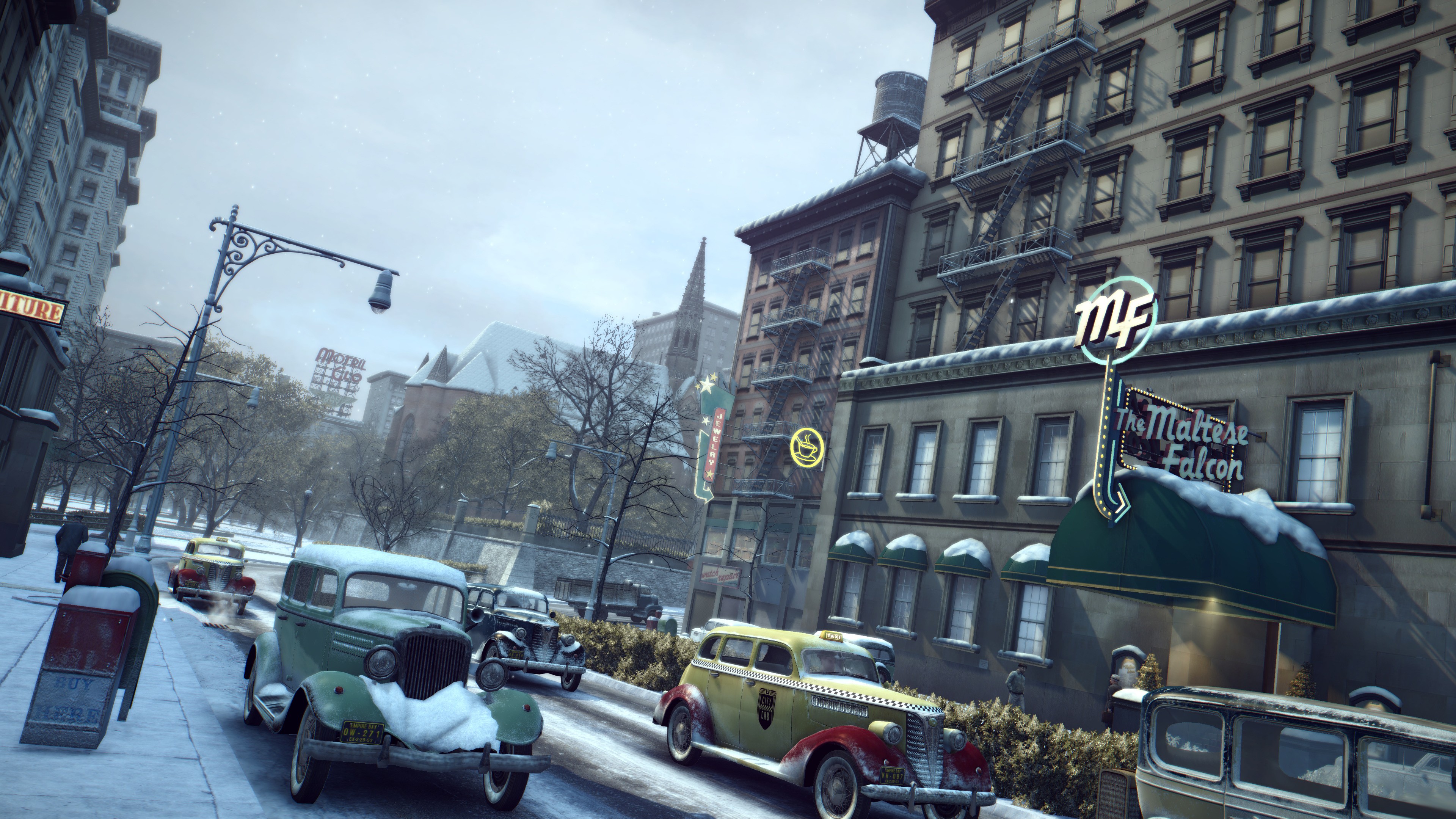
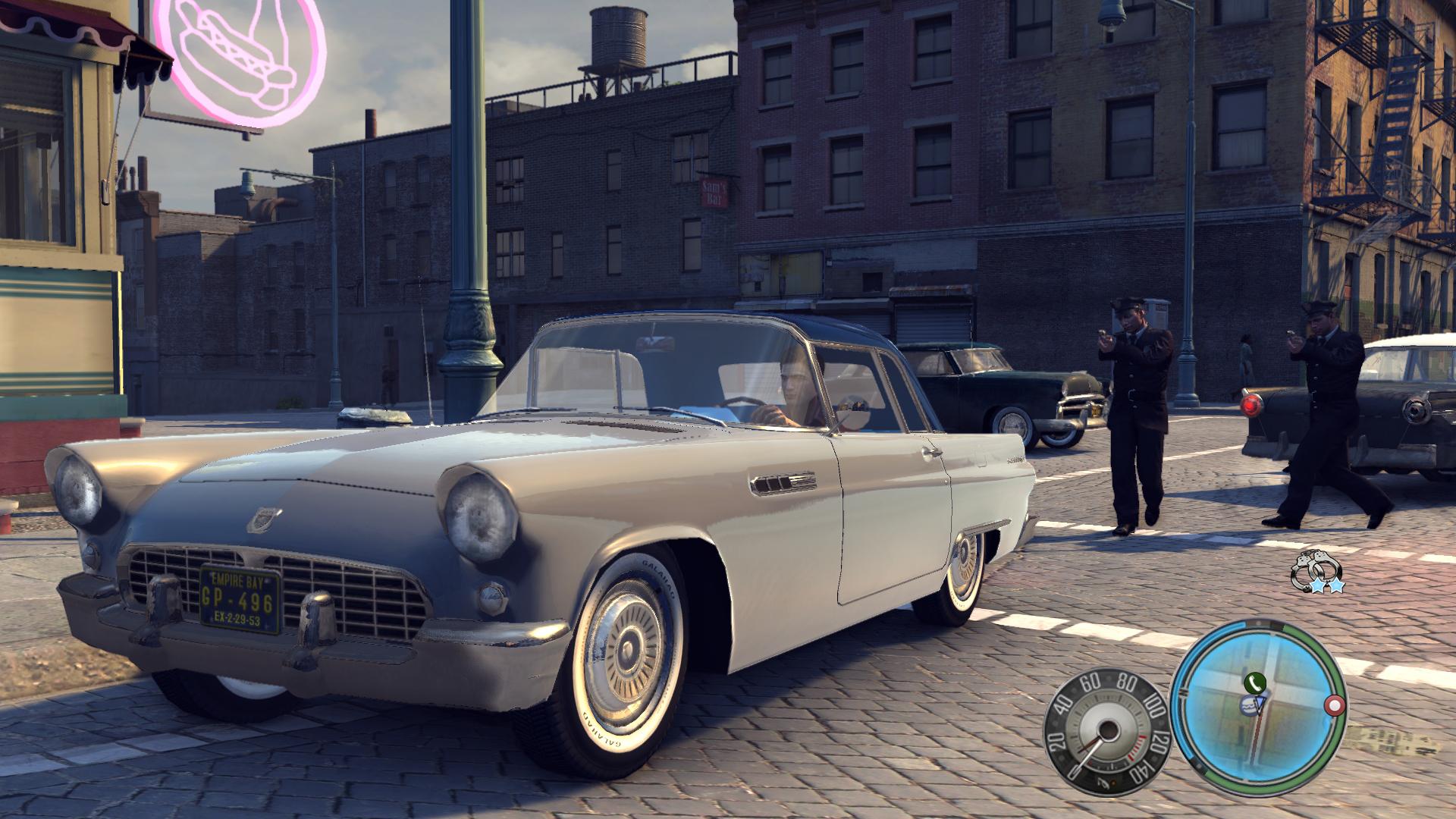
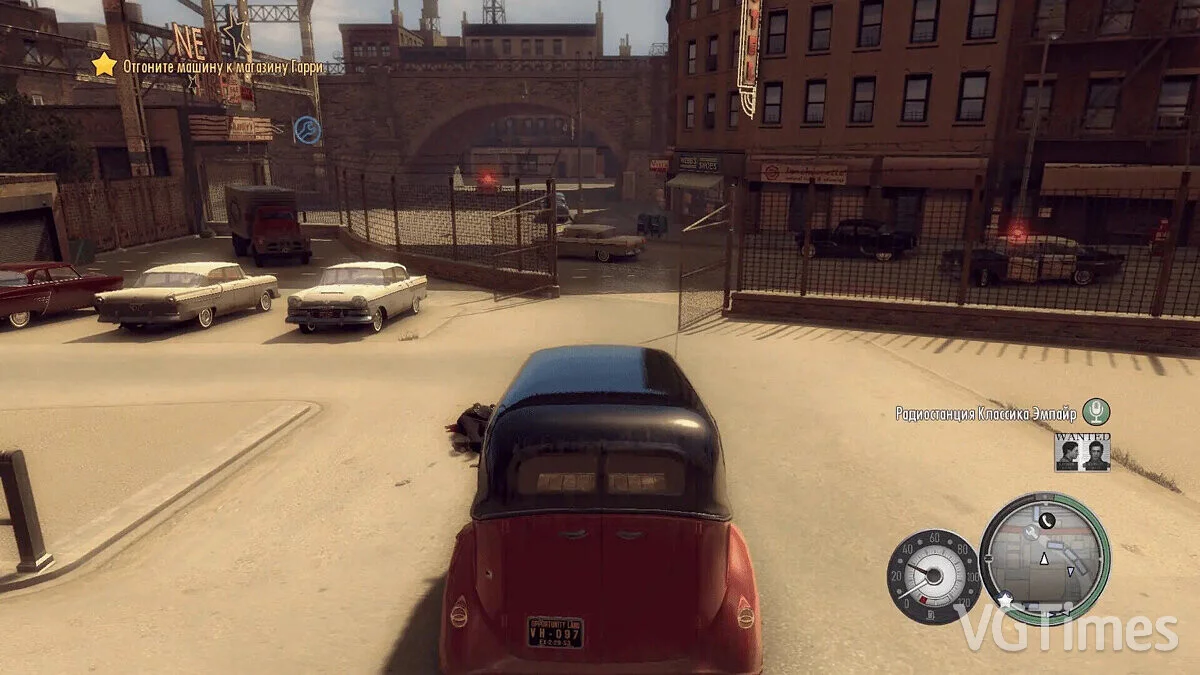
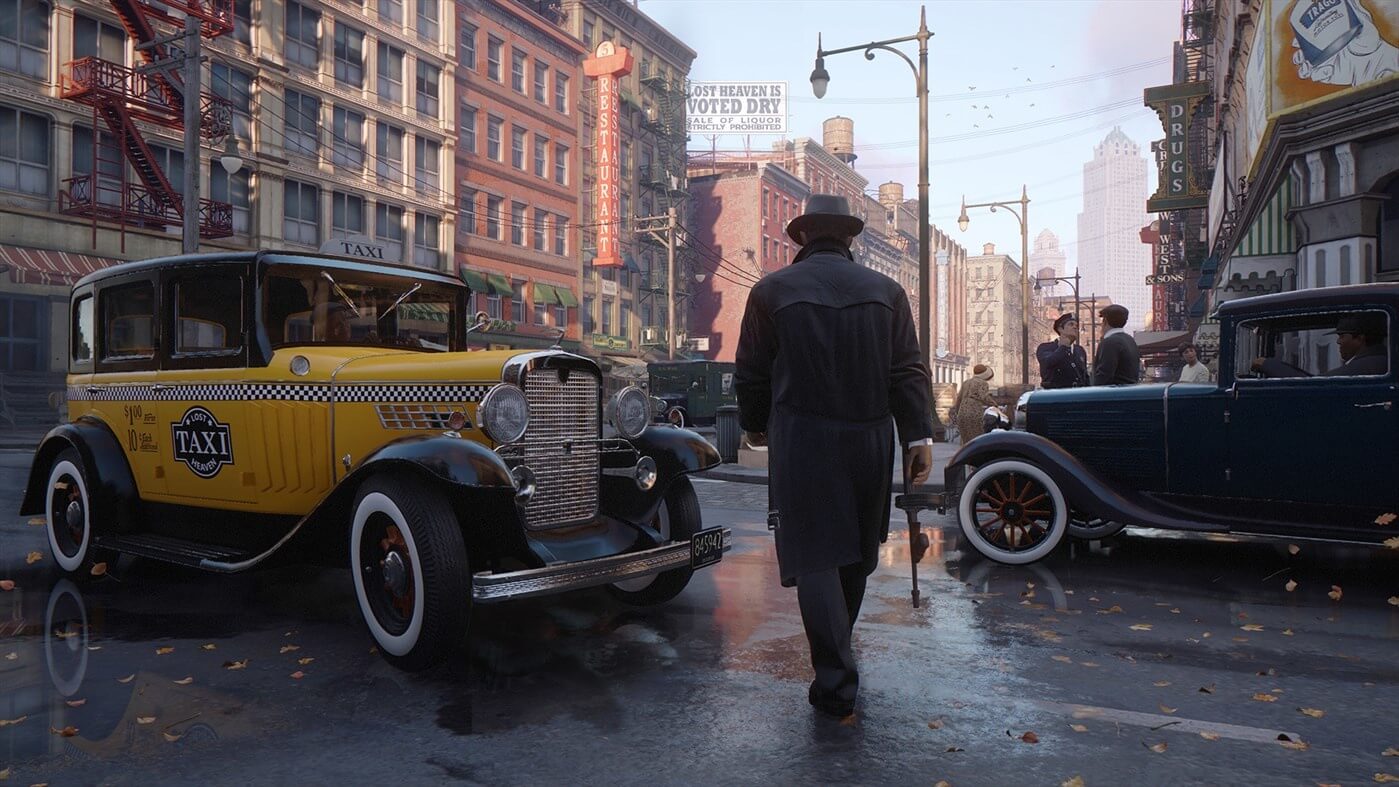
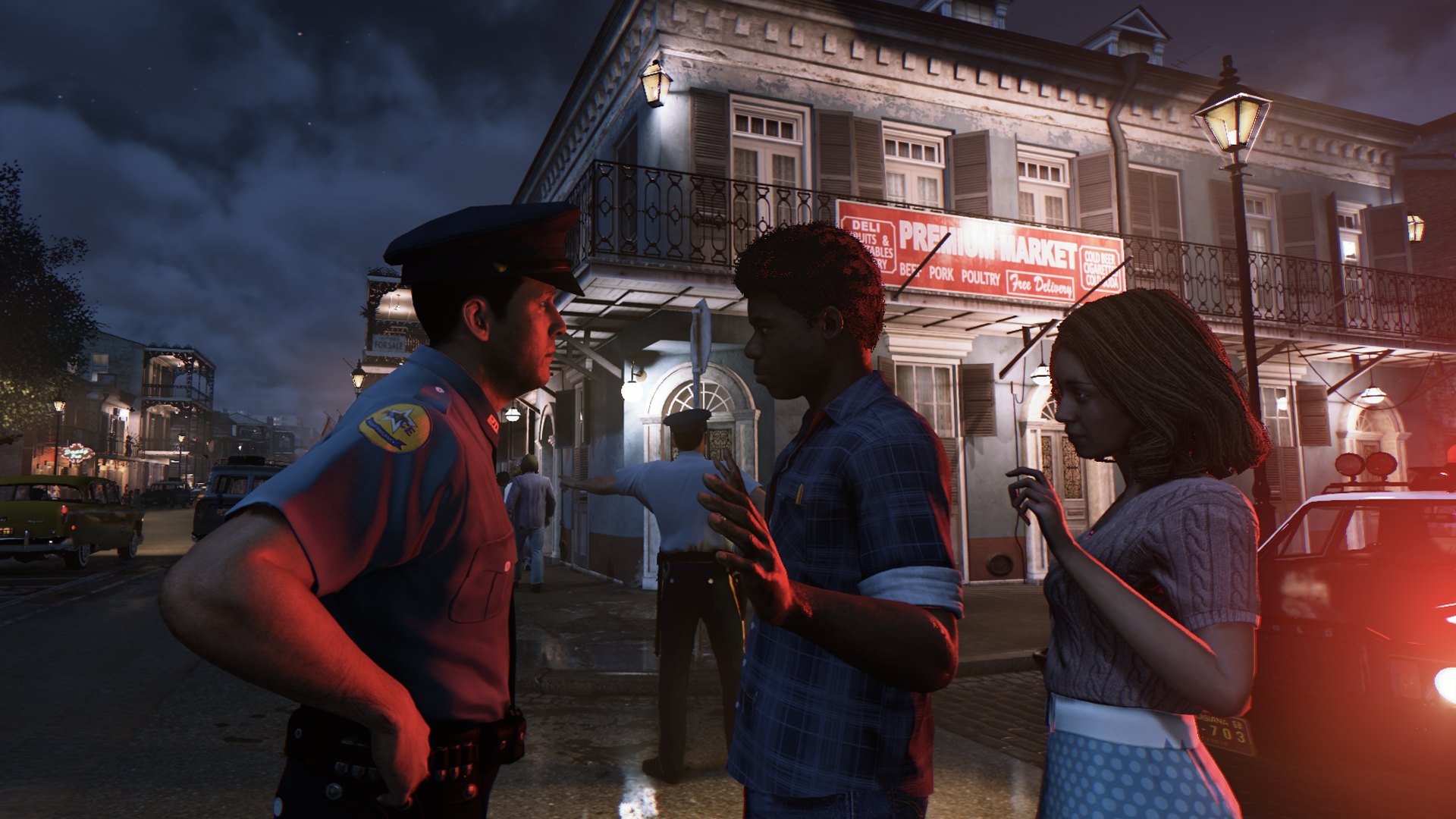
Mafia II boasted a proprietary “Next-Gen” engine designed by 2K Czech. While not as technologically advanced as some contemporary titles, it delivered a distinct aesthetic that captured the era’s atmosphere. The game features detailed character models, realistic vehicle designs, and meticulously crafted environments. showcases the attention to detail in Empire Bay’s architecture. However, the engine also presented challenges. Draw distances could be inconsistent, and some textures appeared muddy upon closer inspection. Optimization was another area where the game struggled, particularly on consoles, leading to occasional frame rate drops. Despite these limitations, the visual style successfully conveyed a sense of authenticity and immersion, contributing significantly to the overall experience.
Gameplay Mechanics and Core Systems
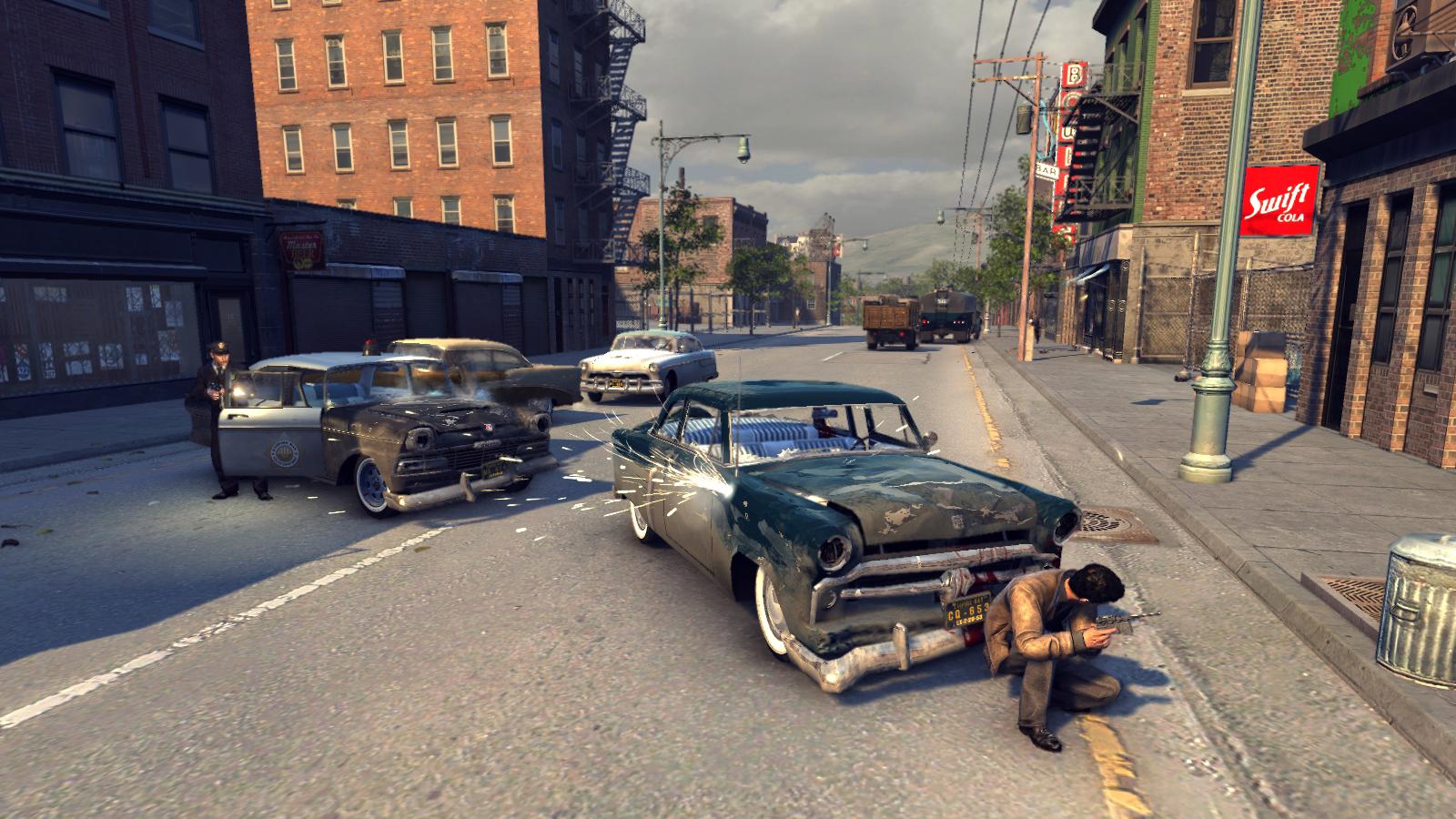
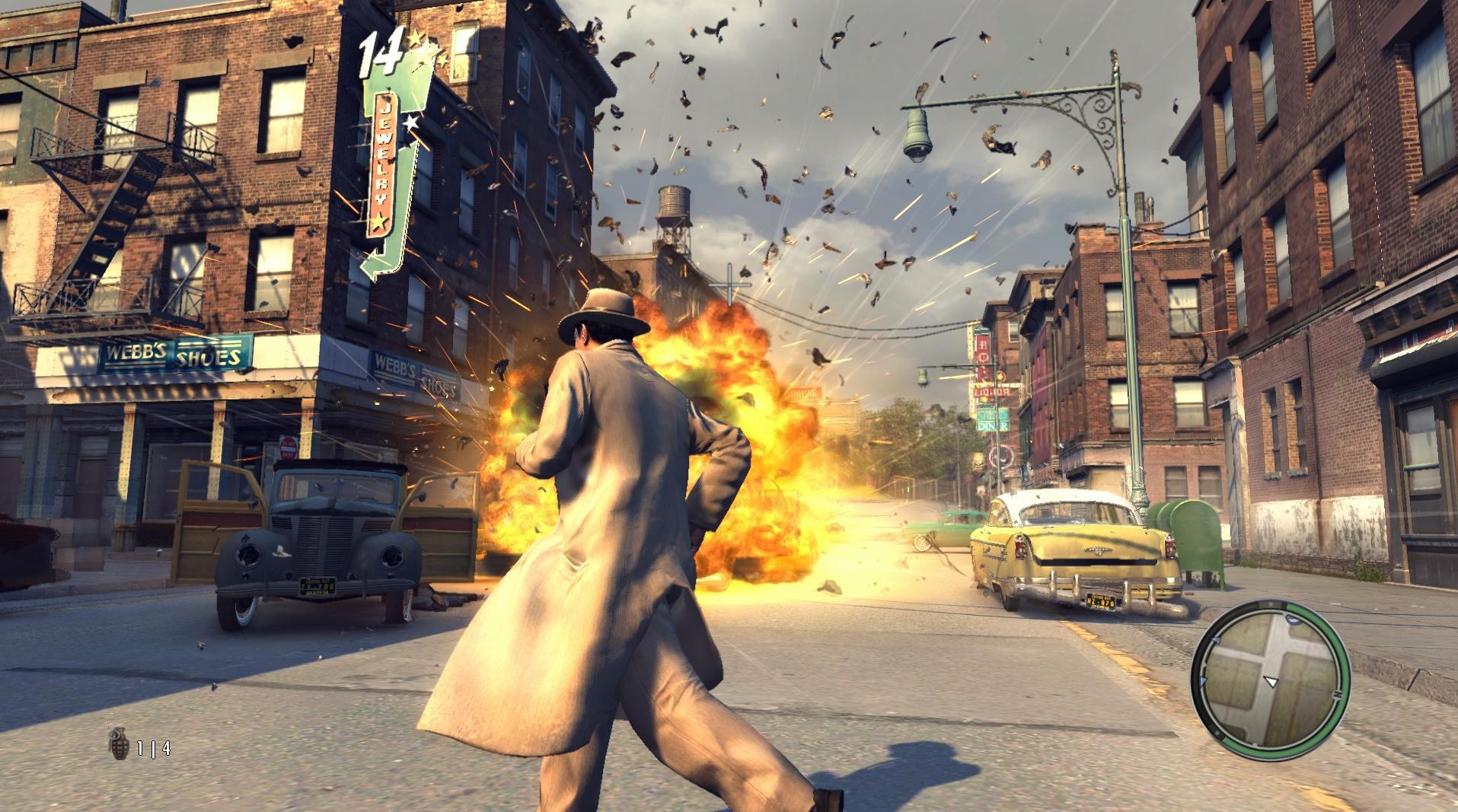
Mafia II refined the core gameplay loop established in the original Mafia. Players navigate Empire Bay on foot or by vehicle, engaging in various activities ranging from simple driving missions to intense shootouts. The “wanted” system governs law enforcement’s response to criminal activity, adding a layer of tension and strategic decision-making. Driving mechanics were improved compared to its predecessor, offering a more responsive and enjoyable experience. Gunplay was also enhanced, with a wider variety of weapons and satisfying feedback. However, some players found the gameplay somewhat restrictive, particularly in terms of character movement and interaction with the environment. The game’s AI, while generally competent, occasionally exhibited predictable behavior.
Level Design and World Atmosphere
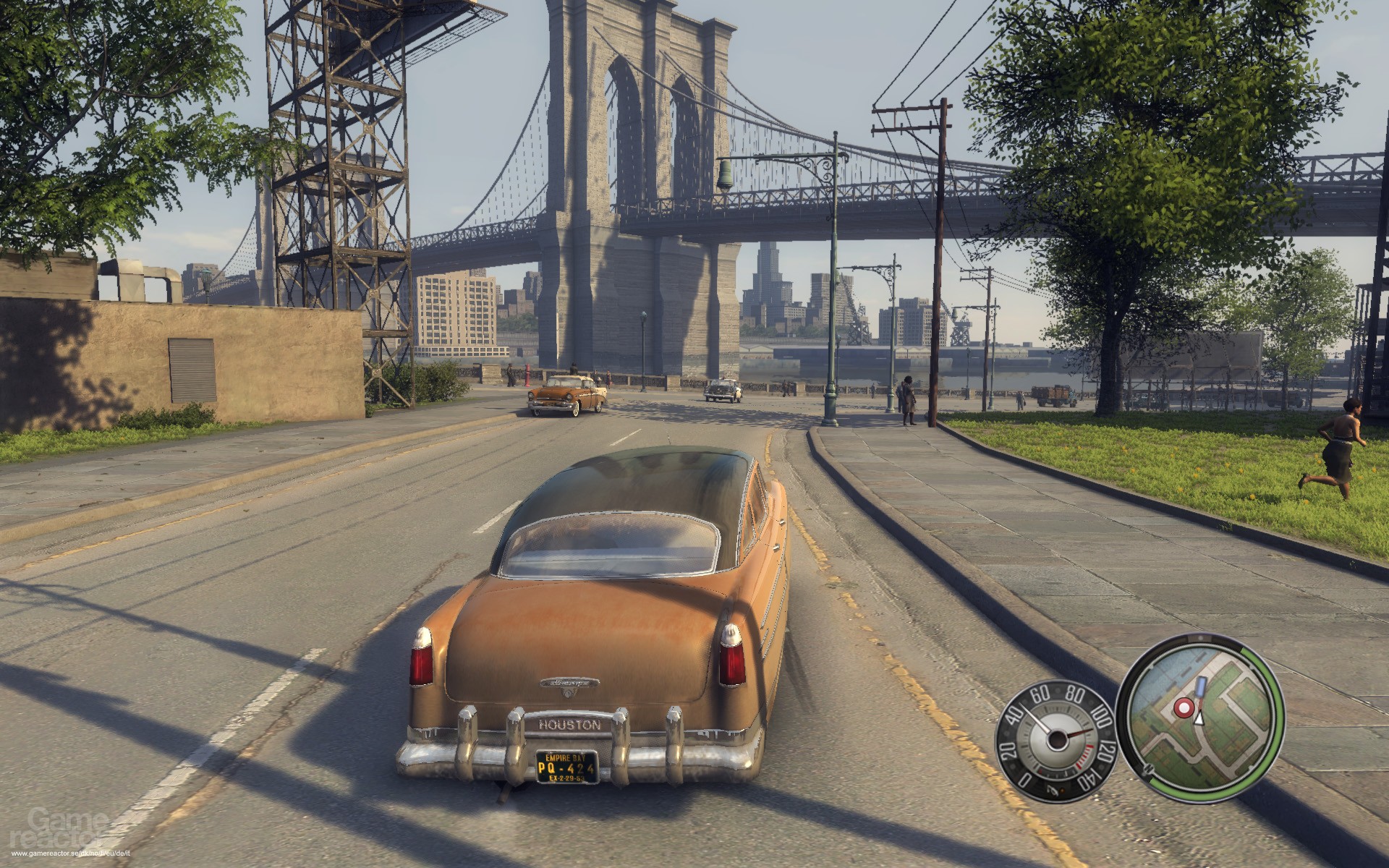
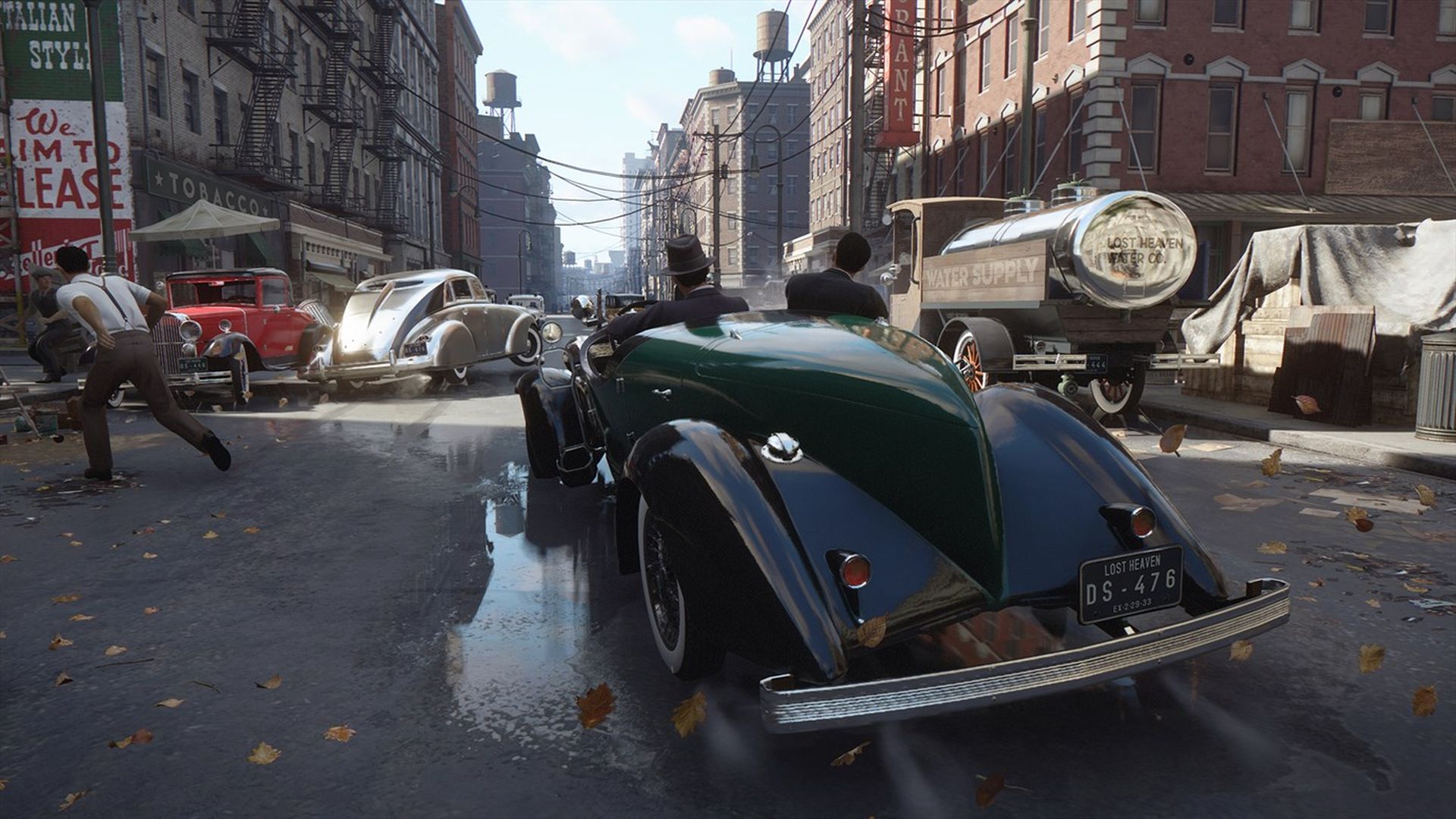
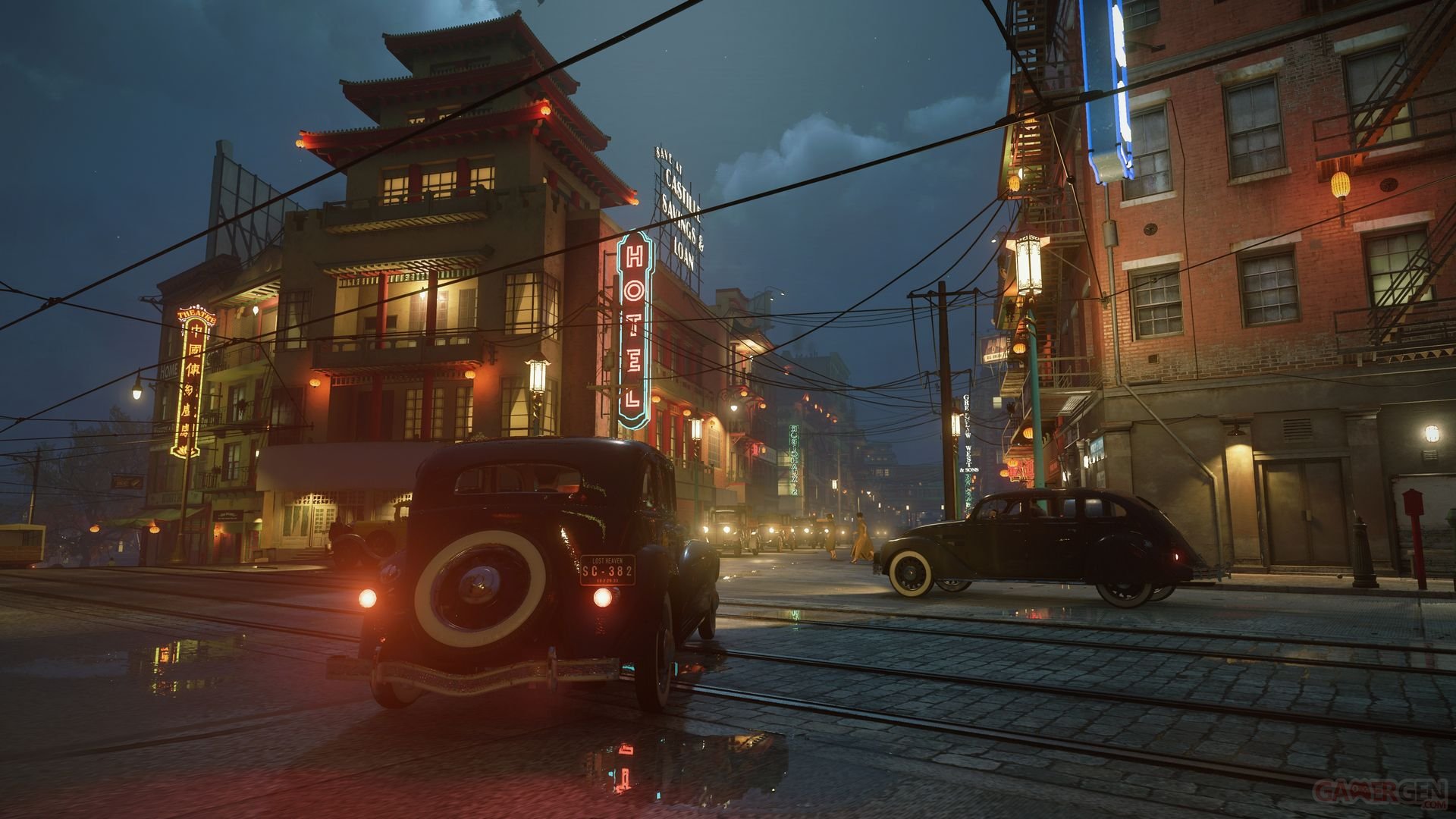
Empire Bay is the heart of Mafia II, and its level design plays a crucial role in creating an immersive experience. The city is divided into distinct districts, each with its own unique character and atmosphere. From the bustling downtown area to the quiet residential neighborhoods, every corner of Empire Bay feels authentic and lived-in. illustrates the diverse environments found within the game. While the open world design allowed for a degree of freedom, some players felt that certain areas were underutilized or lacked engaging content. The level design in individual missions was generally well-crafted, offering a good balance between action and narrative progression.
Narrative Depth and Character Profiles
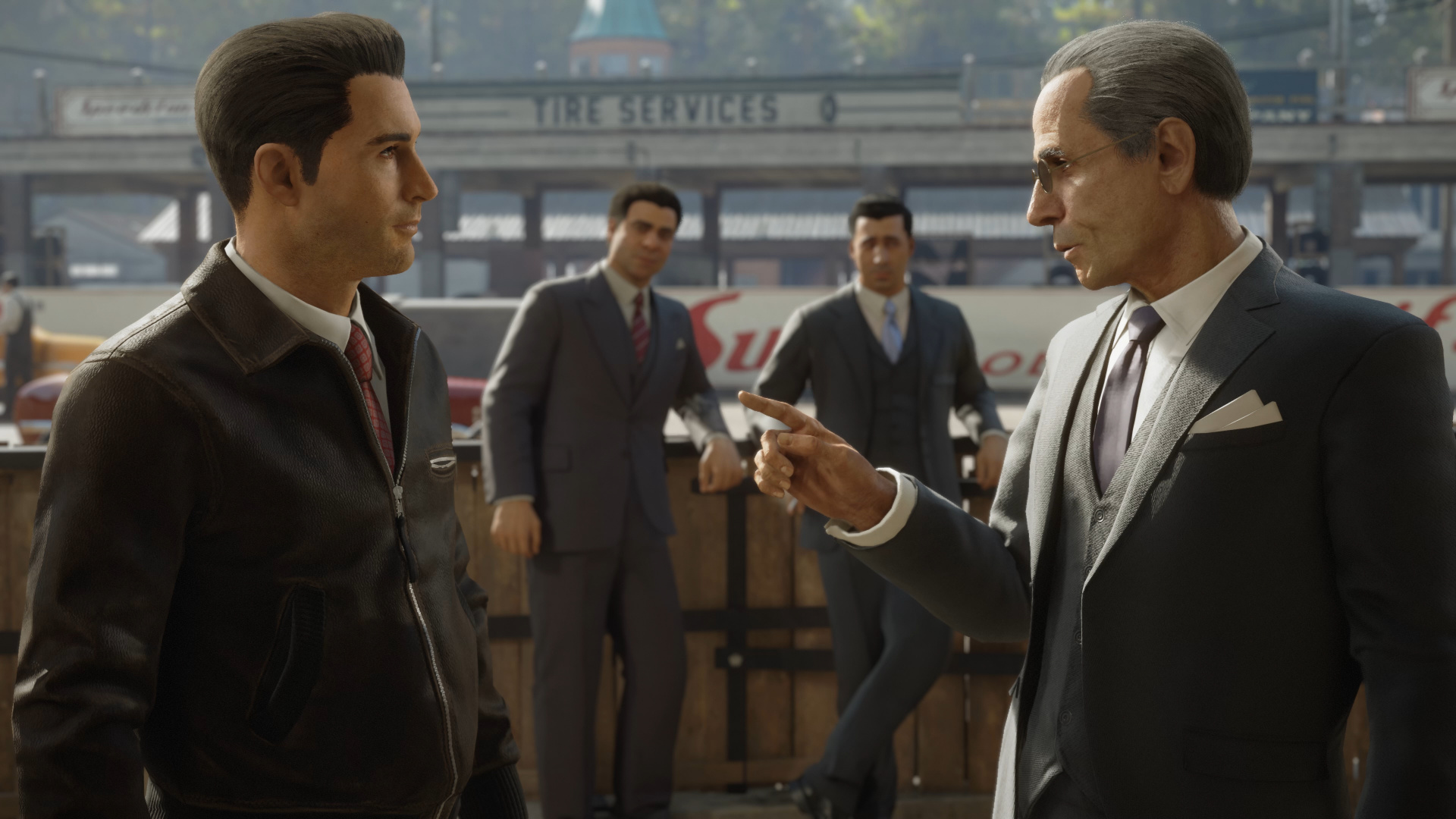
Mafia II’s strength lies in its compelling narrative and memorable characters. Vito Scaletta is a complex protagonist, torn between his loyalty to his family and his desire for a better life. The supporting cast, including Tommy Angelo and Enzo Castellucci, are equally well-developed, each with their own motivations and flaws. The story explores themes of betrayal, ambition, and the consequences of violence. While the pacing could be uneven at times, the overall narrative arc is engaging and emotionally resonant. The game’s writing effectively conveys the gritty realism of the Mafia underworld.
Sound Design and Acoustic Realism
The sound design in Mafia II significantly enhances the game’s atmosphere. From the roar of classic cars to the crackle of gunfire, every sound effect is meticulously crafted to create a believable audio landscape. The soundtrack features a mix of period-appropriate music that complements the game’s setting. Voice acting performances are generally strong, bringing depth and nuance to the characters. The ambient sounds of Empire Bay, such as traffic noise and distant conversations, contribute to the sense of immersion.
Release Expectations and Community Hype
Mafia II arrived on the gaming scene with considerable hype, fueled by the success of its predecessor and the promise of a more expansive and immersive experience. Pre-release trailers and gameplay demonstrations showcased the game’s improved graphics, refined mechanics, and compelling narrative. However, some players expressed concerns about potential performance issues and the overall scope of the open world. The community eagerly awaited the release, hoping that Mafia II would live up to its lofty expectations.
Conclusion: The Future of Mafia II
Mafia II remains a significant entry in the action-adventure genre, offering a compelling narrative, memorable characters, and a richly detailed open world. While it may not have been without its flaws, particularly in terms of technical performance and gameplay restrictions, it successfully built upon the foundation laid by the original Mafia and established itself as a beloved title for many gamers. The game’s enduring popularity is a testament to its strengths, and its influence can be seen in subsequent titles within the franchise.
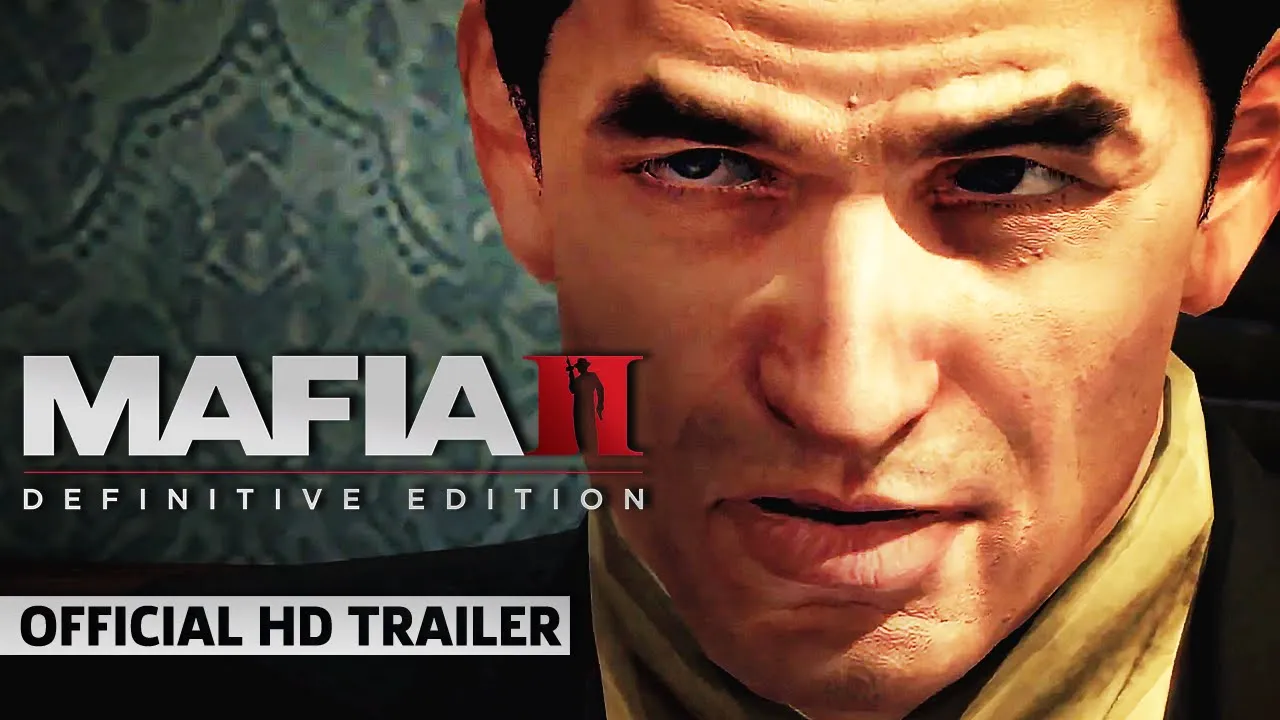
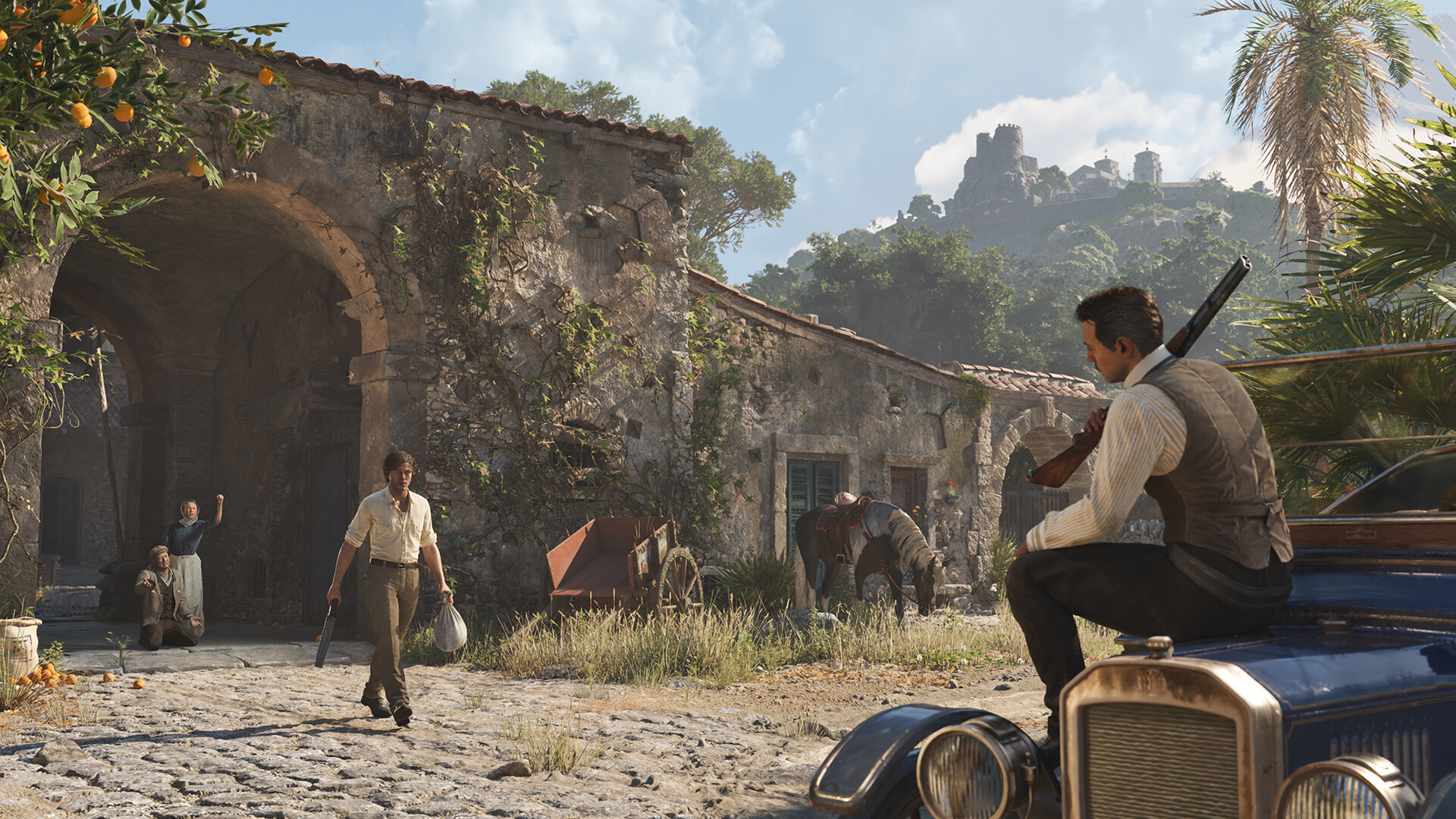
showcases gameplay footage highlighting the core mechanics and atmosphere of the game.

Source: Wikipedia