Introduction: The Next Chapter for Little Nightmares
Tarsier Studios’ *Little Nightmares* isn’t just a game; it’s an experience. Released in 2017, this puzzle-platform horror adventure quickly established itself as a unique and memorable title, captivating players with its unsettling atmosphere, compelling narrative, and innovative gameplay. Built upon the foundation of Unreal Engine 4, *Little Nightmares* offers a masterclass in environmental storytelling and atmospheric design. This deep dive will explore the game’s key elements, from its visual direction to its intricate level design, providing insights into what makes it so effective. The success of the original paved the way for *Little Nightmares II*, developed by Supermassive Games, further expanding the universe and solidifying its place in the horror genre.
Visual Direction and Graphics Engineering
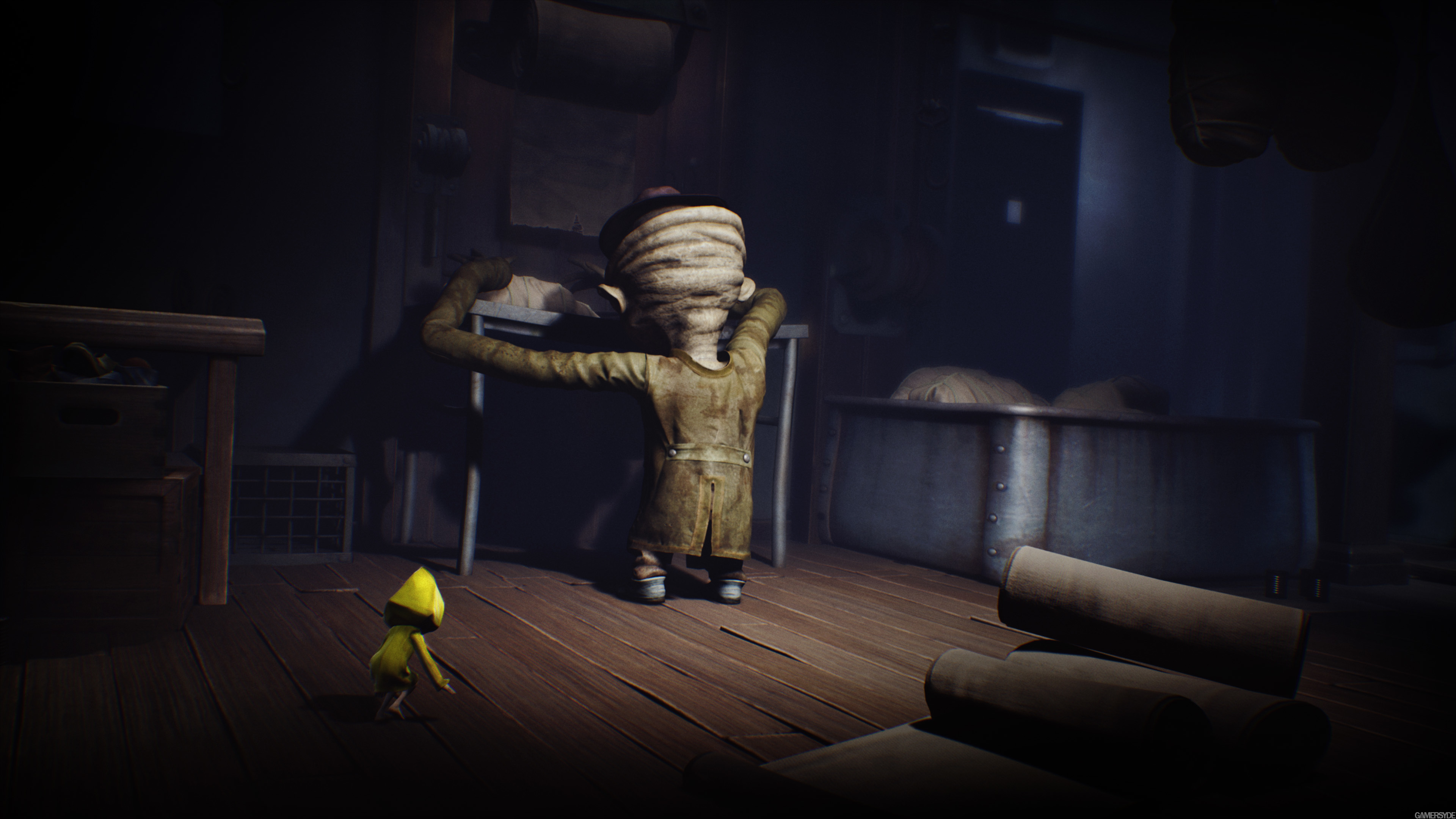
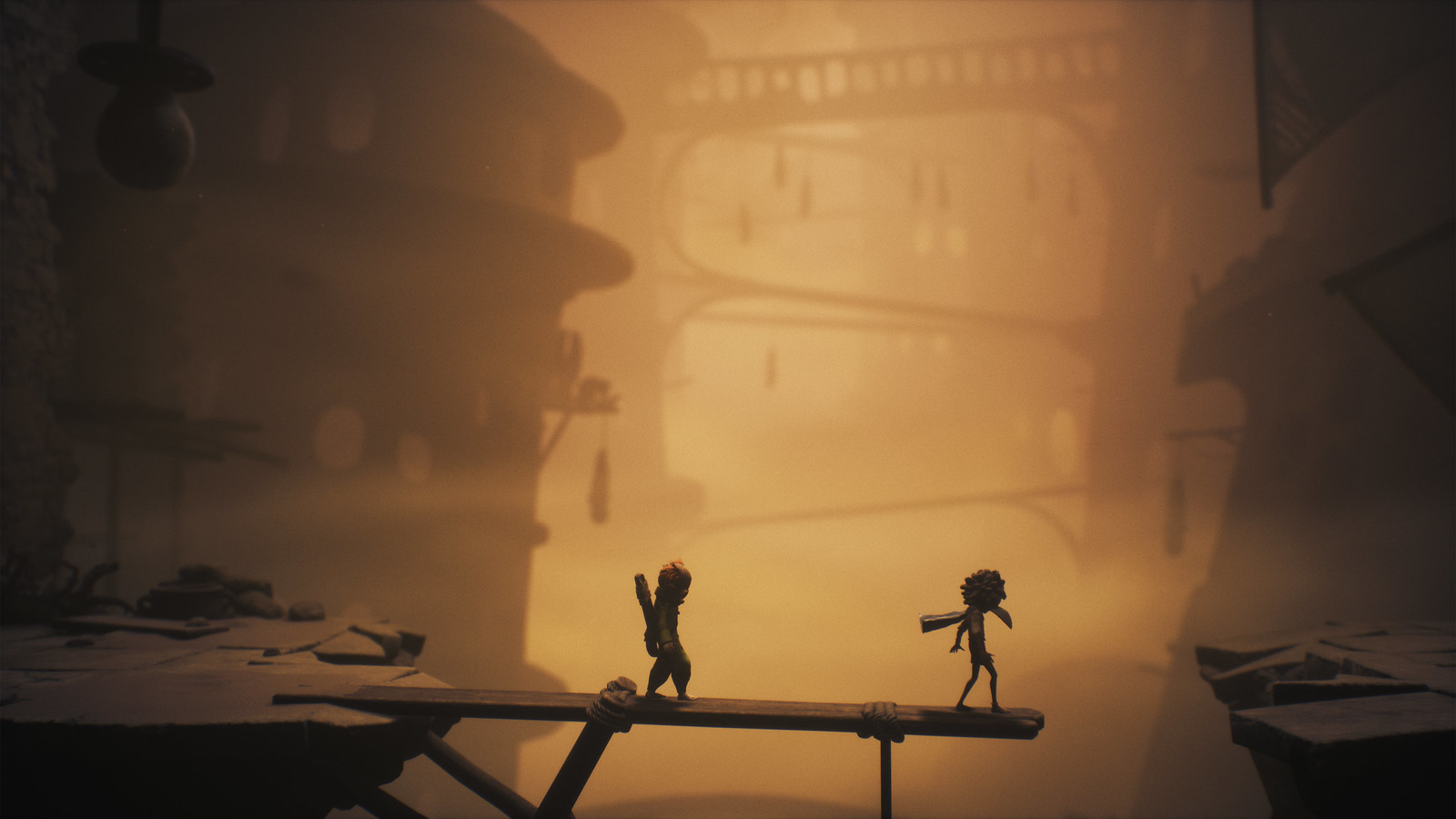
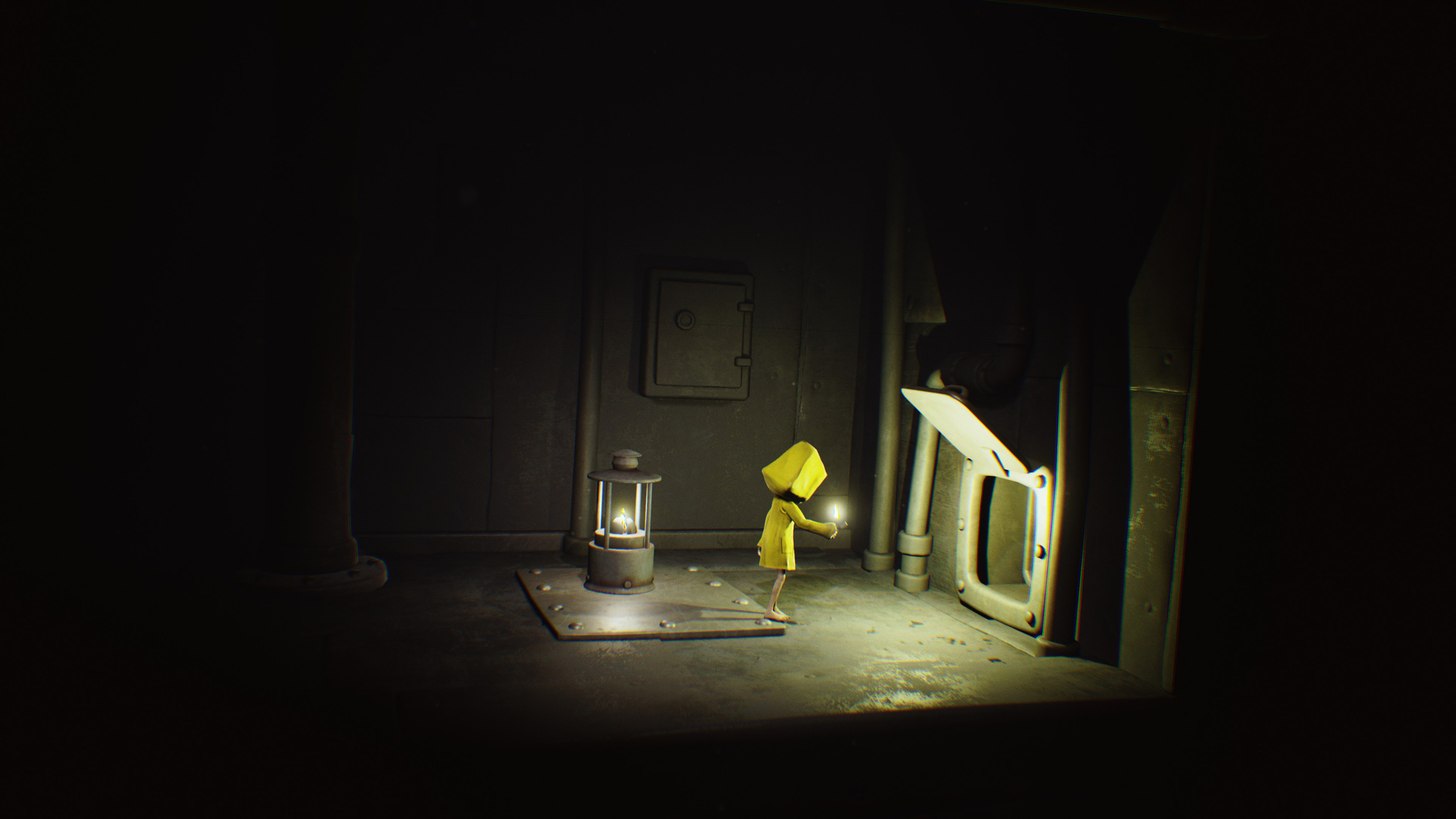
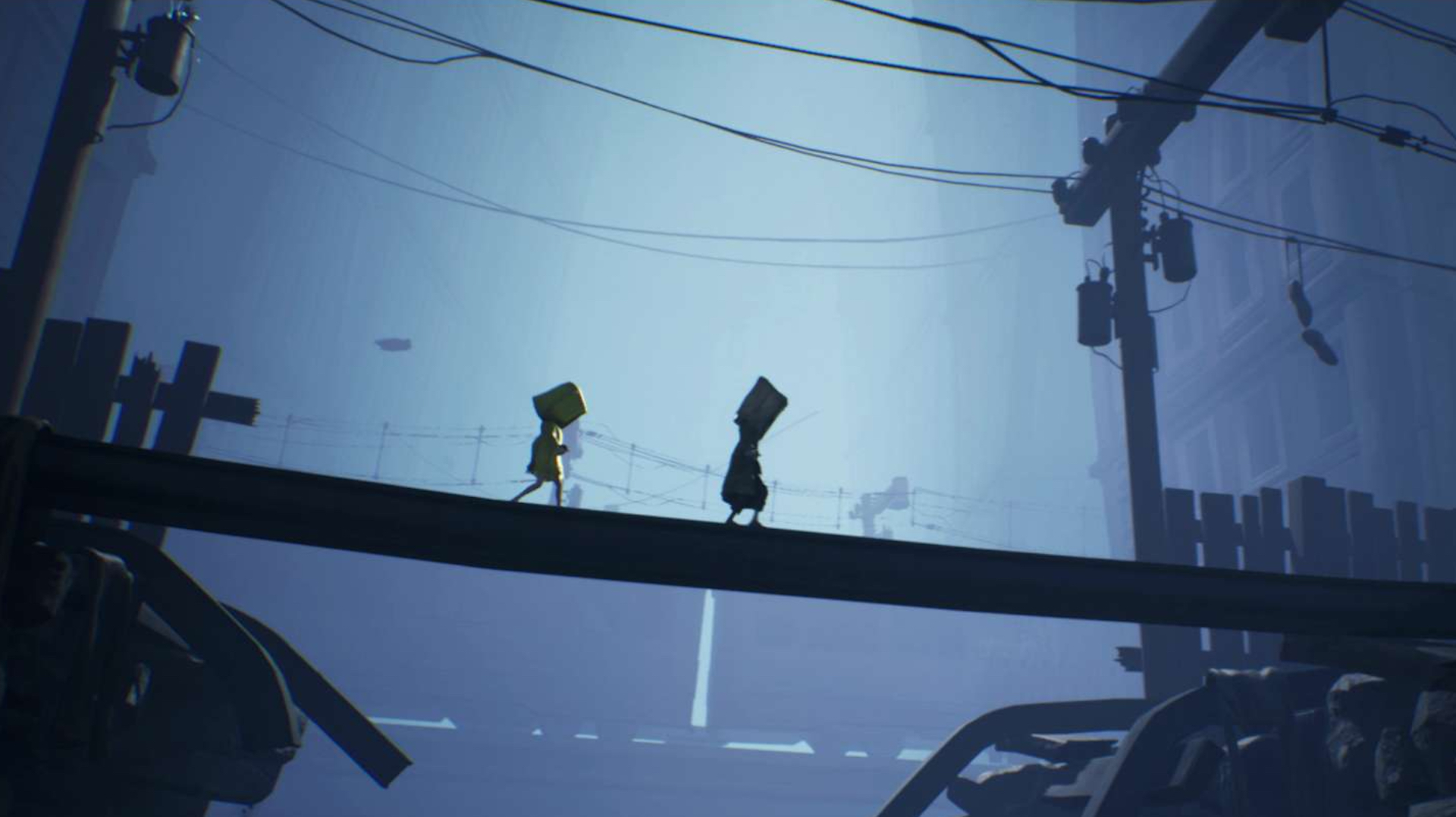
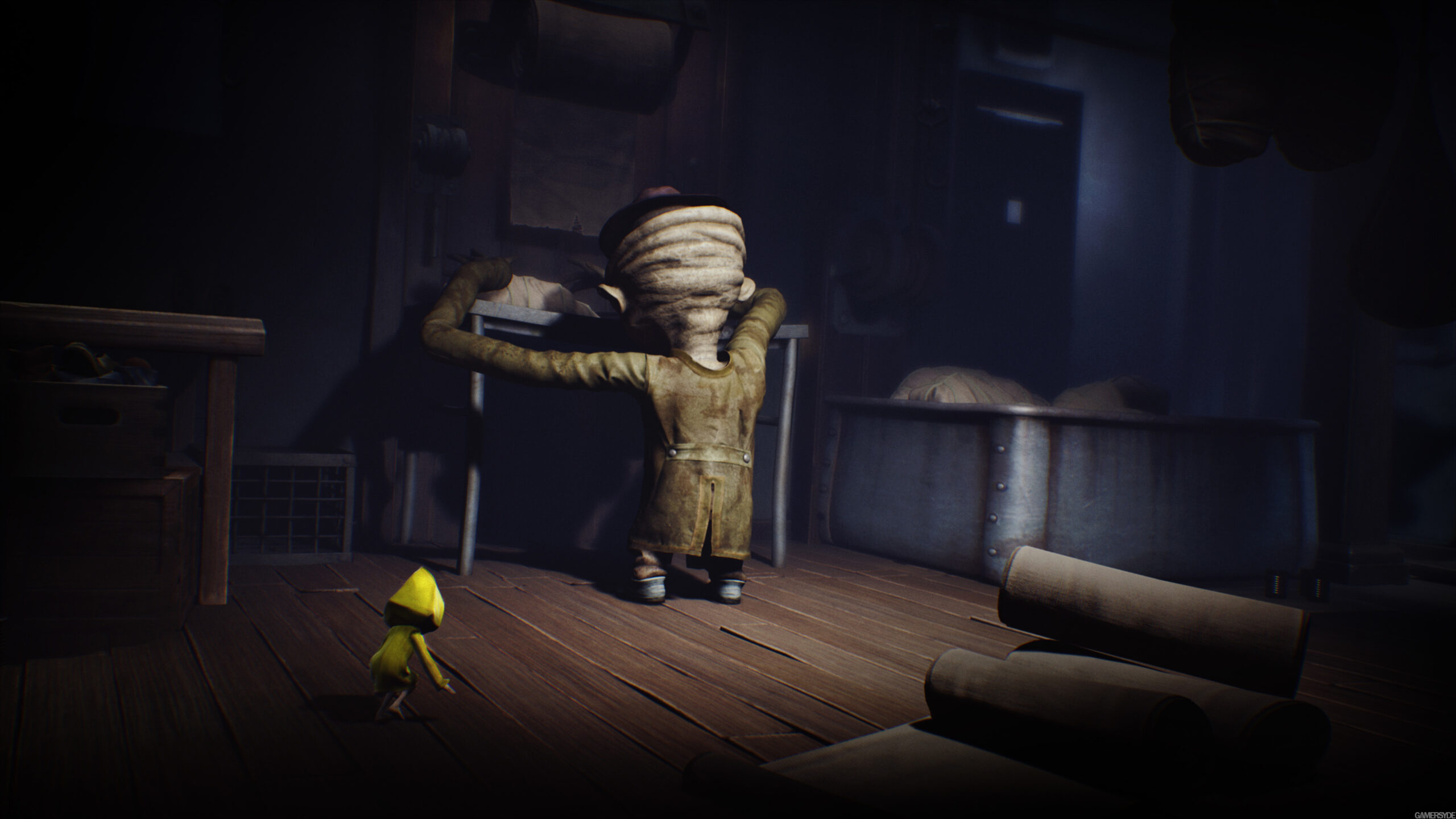
The visual style of *Little Nightmares* is crucial to its impact. The game employs a distinctive “puppets” aesthetic, where characters are rendered with exaggerated proportions and unsettling details. This design choice enhances the sense of vulnerability and unease that permeates the game world. The use of lighting and shadow is particularly effective in creating a claustrophobic and oppressive atmosphere. The graphics engine, Unreal Engine 4, allows for detailed textures and realistic physics, contributing to the immersive experience. shows how effectively the art style creates a sense of dread and vulnerability.
Gameplay Mechanics and Core Systems
*Little Nightmares* gameplay revolves around stealth, puzzle-solving, and resource management. Players control Six, a young girl navigating the treacherous environment of the Maw. The game emphasizes tension and suspense, encouraging players to observe their surroundings and plan their movements carefully. Limited resources, such as matches for lighting, add another layer of challenge and heighten the sense of vulnerability. The core systems are elegantly designed to complement the narrative and create a consistently engaging experience.
Level Design and World Atmosphere
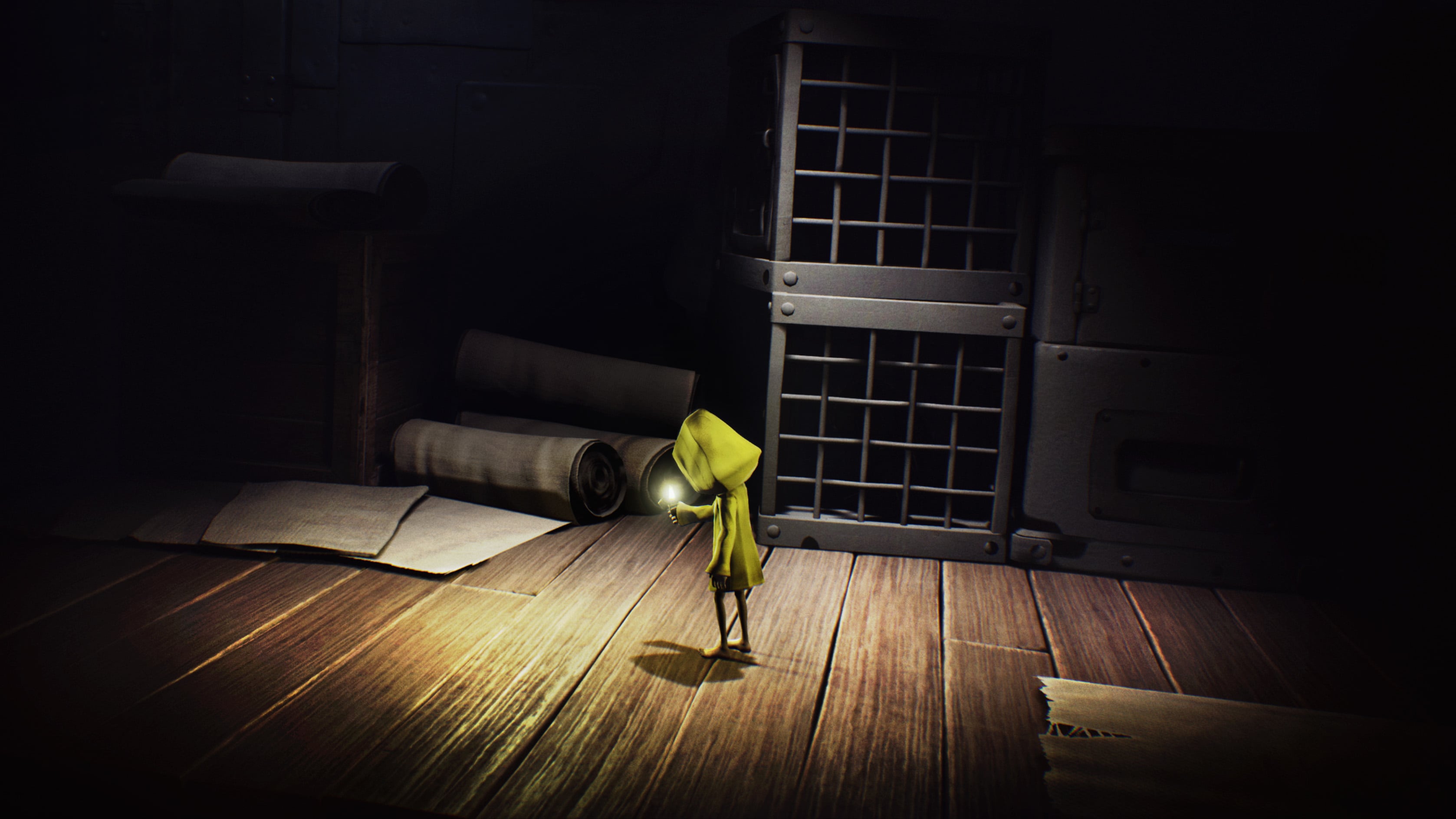
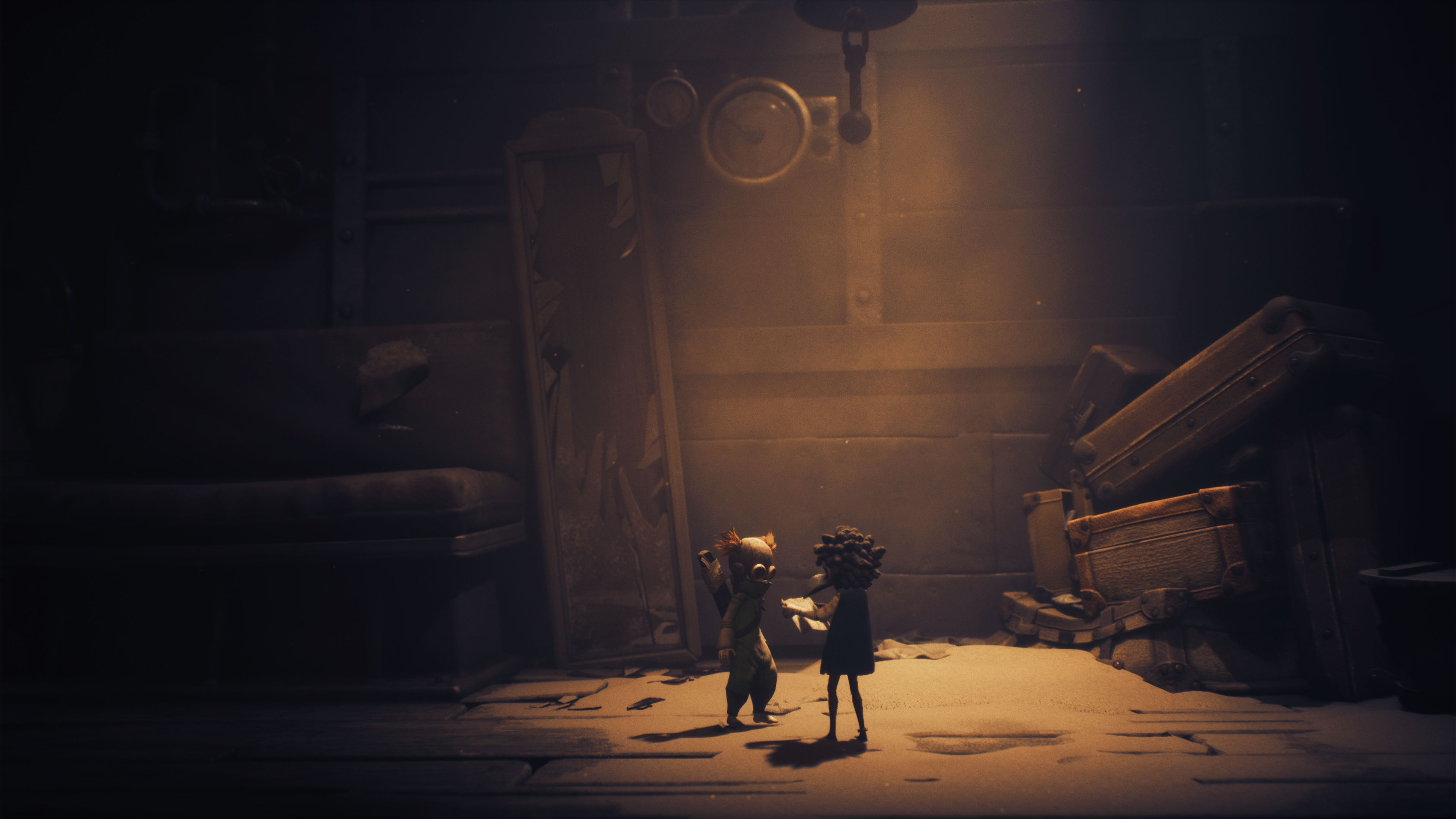
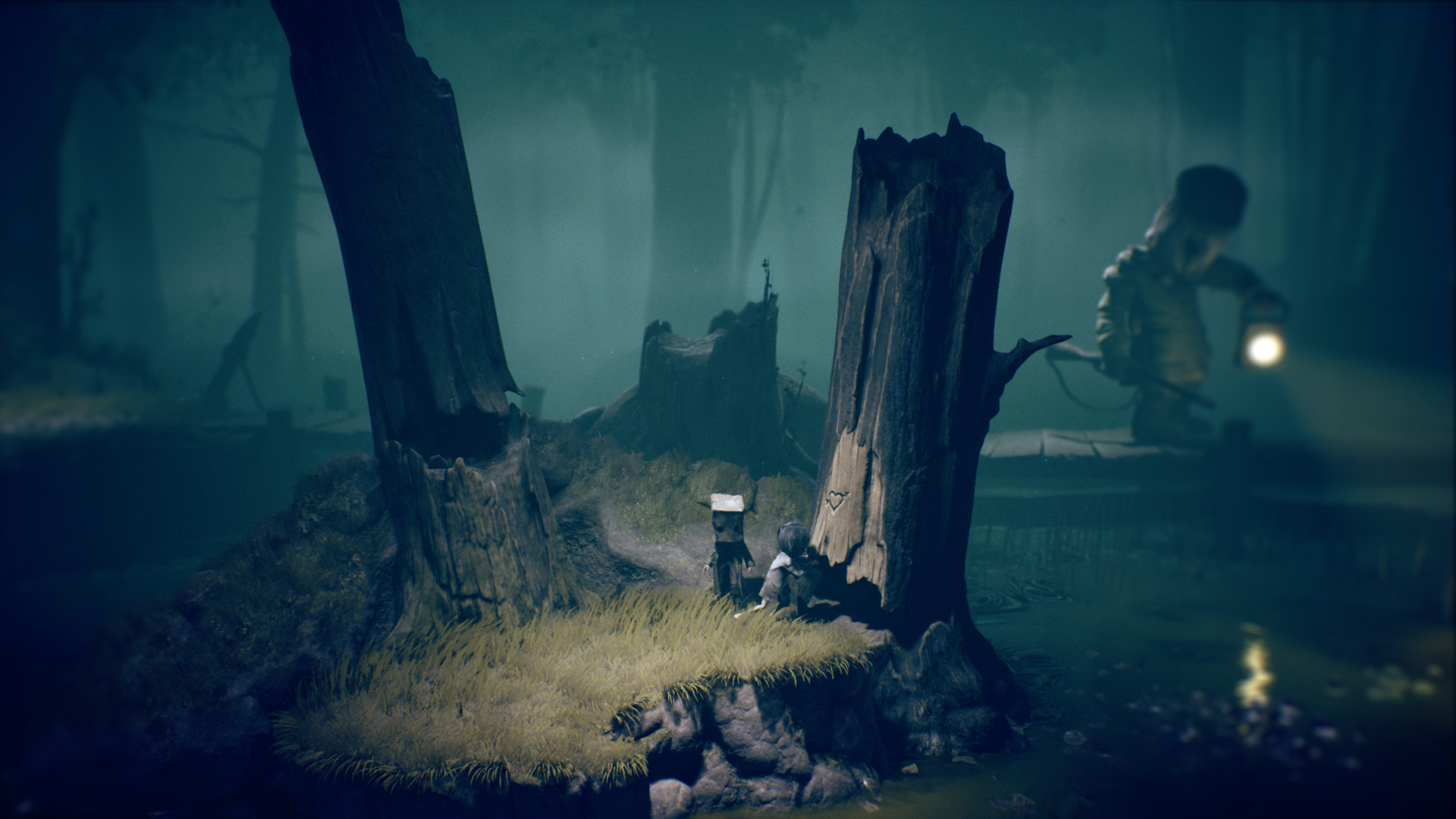
The level design in *Little Nightmares* is exceptional. Each area within the Maw is meticulously crafted to evoke specific emotions and tell its own story. From the claustrophobic confines of the Old Town to the unsettling grandeur of the Guest Room, each location feels unique and memorable. The game’s atmosphere is palpable, thanks to a combination of visual design, sound design, and clever environmental storytelling. illustrates how the level design contributes to the overall sense of dread and isolation.
Narrative Depth and Character Profiles
While *Little Nightmares* relies heavily on visual storytelling, it also features a compelling narrative that unfolds gradually throughout the game. Six’s motivations are never explicitly stated, allowing players to interpret her actions and draw their own conclusions. The other inhabitants of the Maw, from the grotesque Chefs to the menacing Janitor, are equally enigmatic, adding to the sense of mystery and unease. The lack of explicit dialogue enhances the feeling of isolation and vulnerability.
Sound Design and Acoustic Realism
The sound design in *Little Nightmares* is a masterclass in creating atmosphere. From the creaking floorboards to the distant whispers, every sound contributes to the overall sense of dread and suspense. The music is used sparingly but effectively, often punctuating moments of high tension. The game’s audio landscape is carefully crafted to immerse players in the unsettling world of the Maw.
Release Expectations and Community Hype
The release of *Little Nightmares* was met with considerable anticipation within the gaming community. Its unique art style, intriguing premise, and promise of a suspenseful experience generated significant buzz. The game’s success exceeded expectations, quickly becoming a cult classic and spawning a sequel. The positive reception fueled further interest in the franchise and solidified its place as a notable entry in the horror genre.
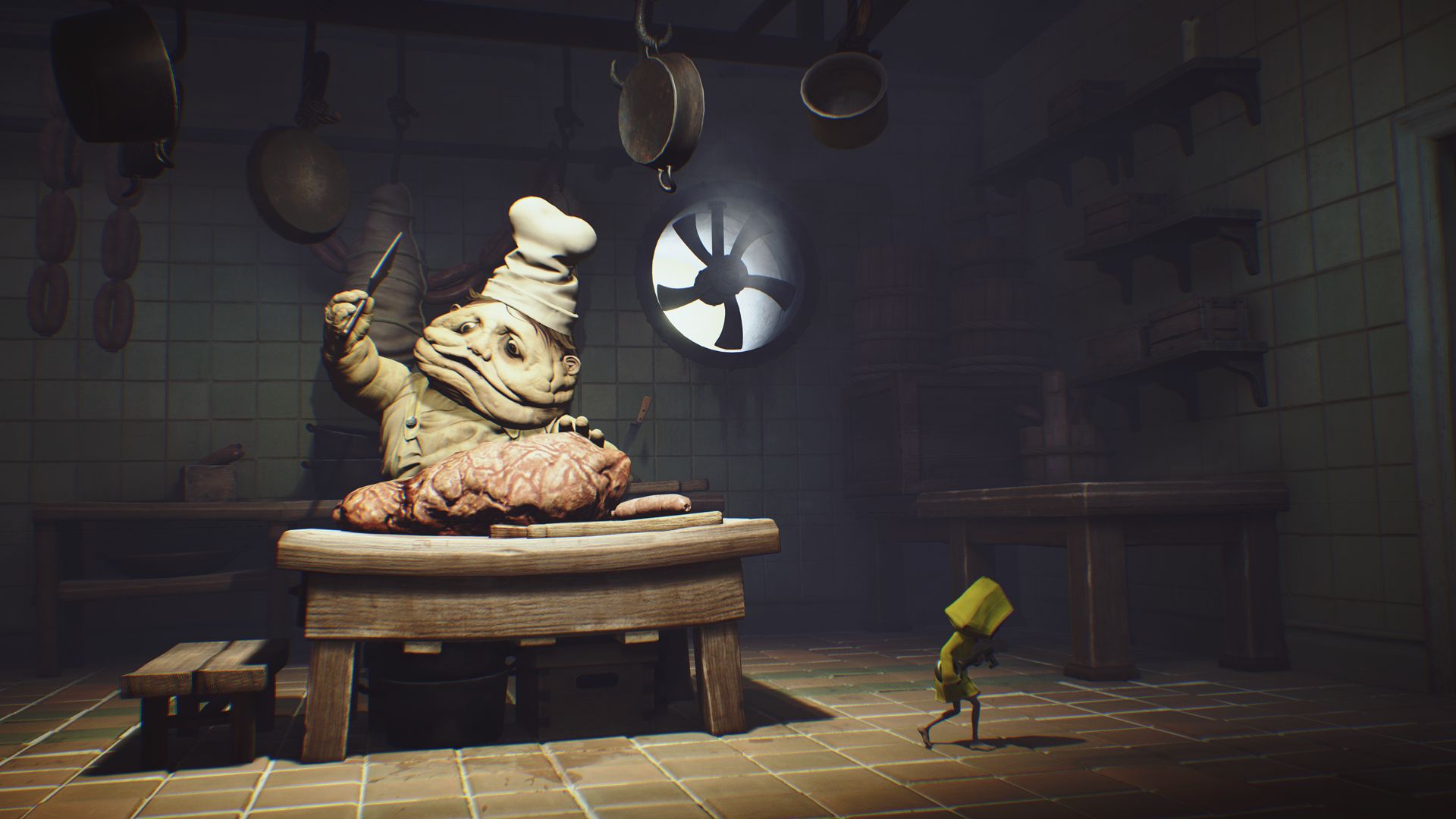
showcases gameplay footage that highlights the community excitement surrounding the release.
Conclusion: The Future of Little Nightmares
*Little Nightmares* is more than just a game; it’s an experience that lingers long after the credits roll. Its masterful blend of visual design, atmospheric sound, and innovative gameplay mechanics creates a truly unforgettable journey into a world of fear and vulnerability. The success of the original has paved the way for future installments, promising even more terrifying adventures in the *Little Nightmares* universe.
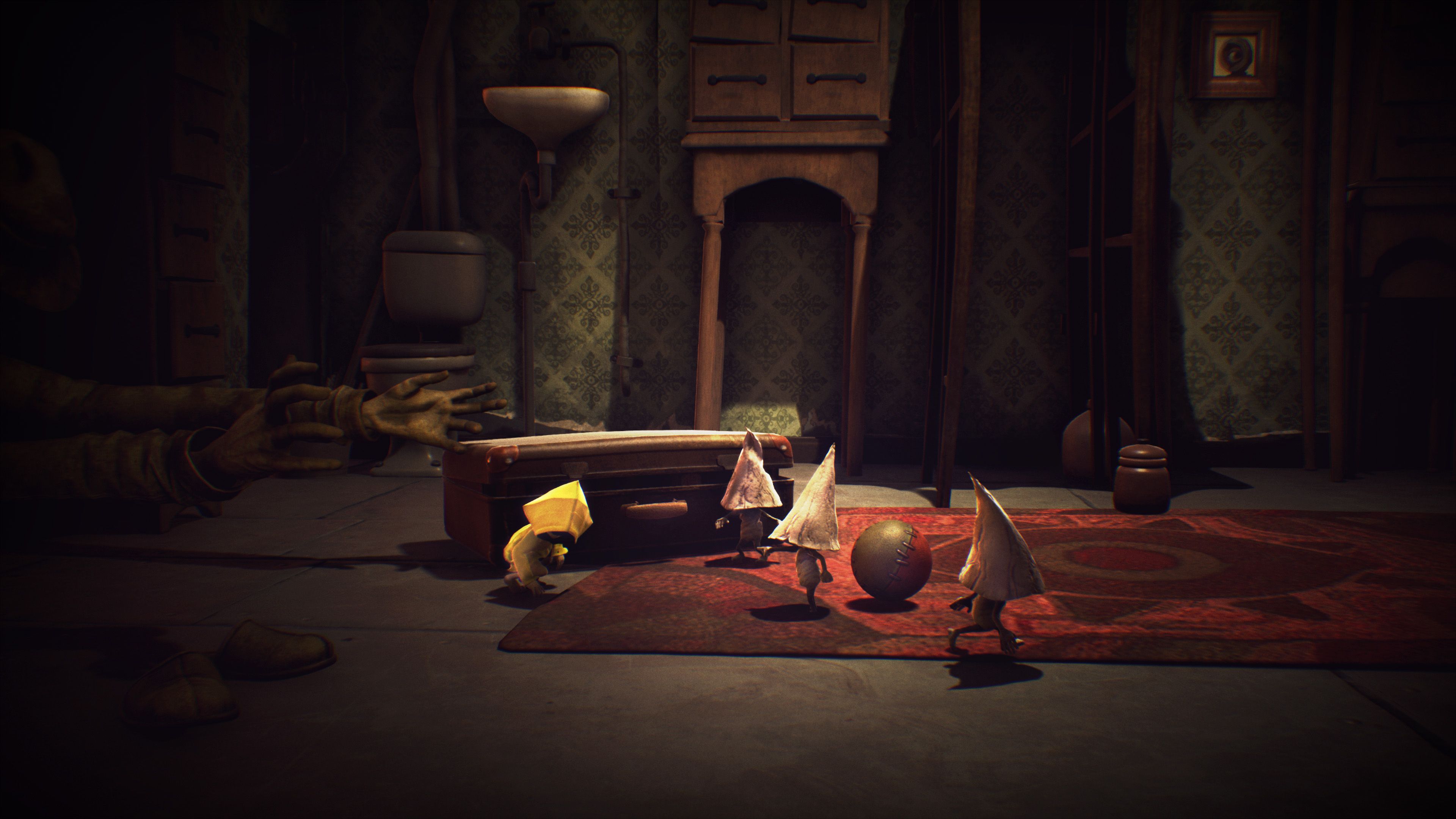
shows fan art that captures the enduring appeal of the game.
Source: Wikipedia