Introduction: Stealth Espionage Reimagined
As gamers eagerly anticipate the next frontier in action-adventure gaming, “Link: The Unleashed Nexus – Restructured Heaven” emerges as a beacon of innovation and artistic ambition from Reminisce Studios. This sequel to the critically acclaimed “The Unleashed Nexus” promises not only an evolution but a complete reimagining of stealth espionage mechanics within its intricate narrative framework. Players will find themselves immersed in a world where every shadow counts, every sound echoes with consequence, and where even silence is a strategy. The game’s developers have taken the fundamental principles of their earlier work and expanded them into a labyrinthine tapestry that challenges players to rethink what it means to engage in tactical espionage. With “Link,” Reminisce Studios pushes the boundaries of stealth gameplay, crafting an experience that demands patience, creativity, and razor-sharp reflexes from its audience.
Visual Splendor: Pushing the Limits of Unreal Engine 5
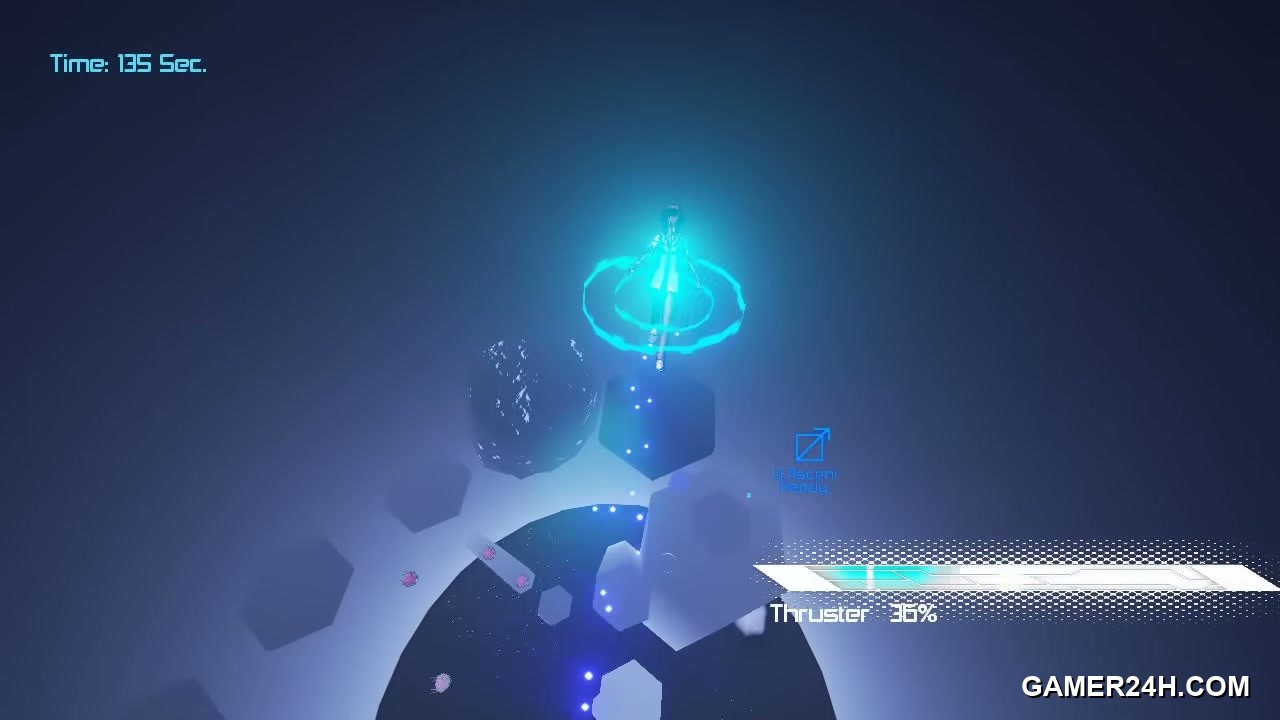
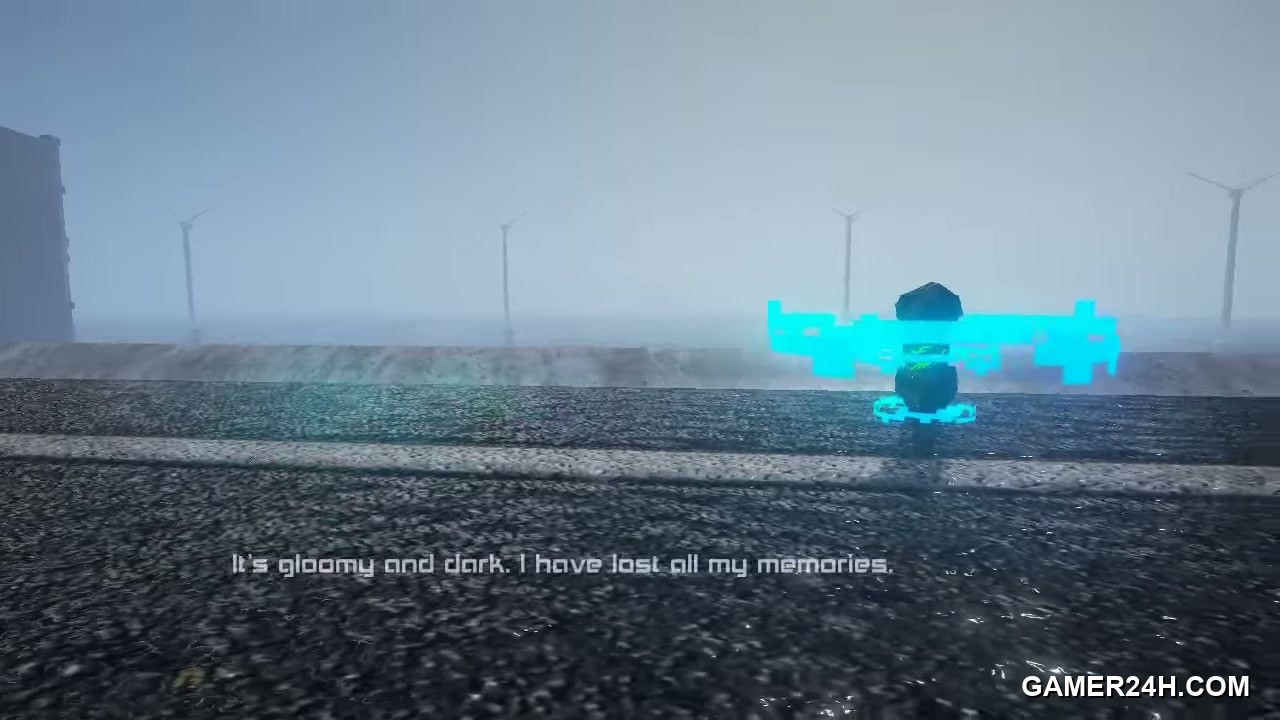
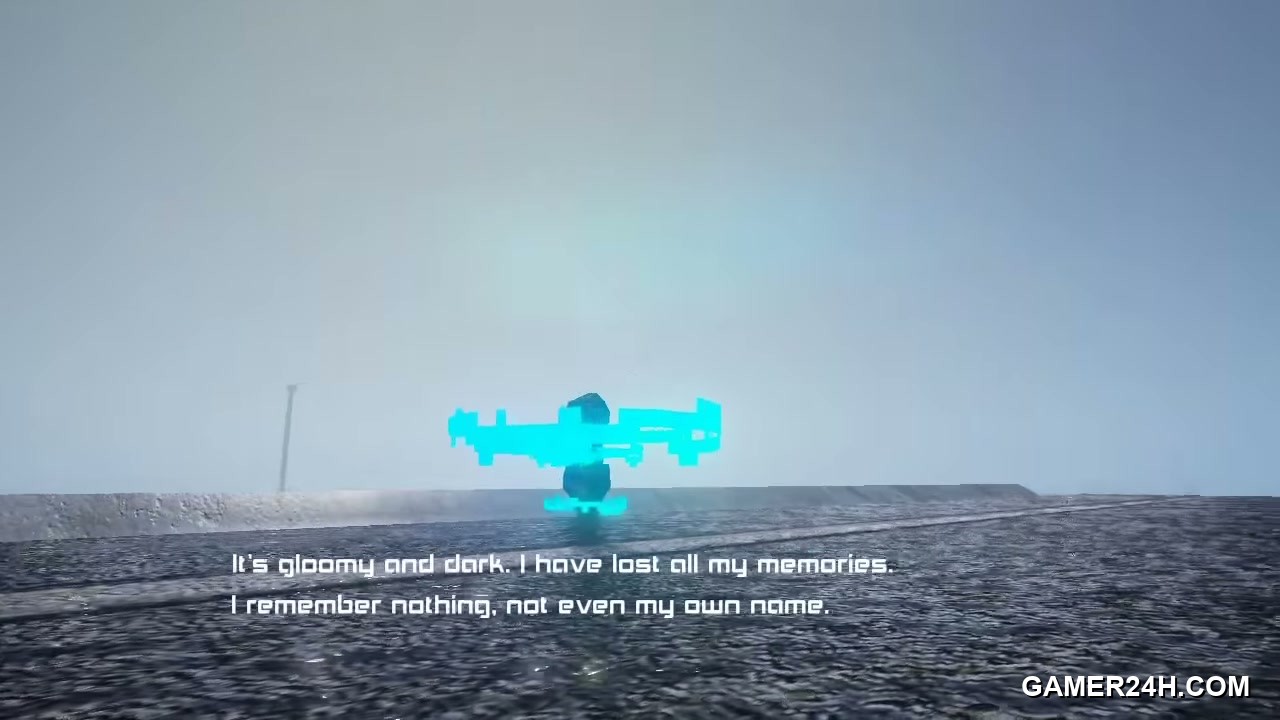
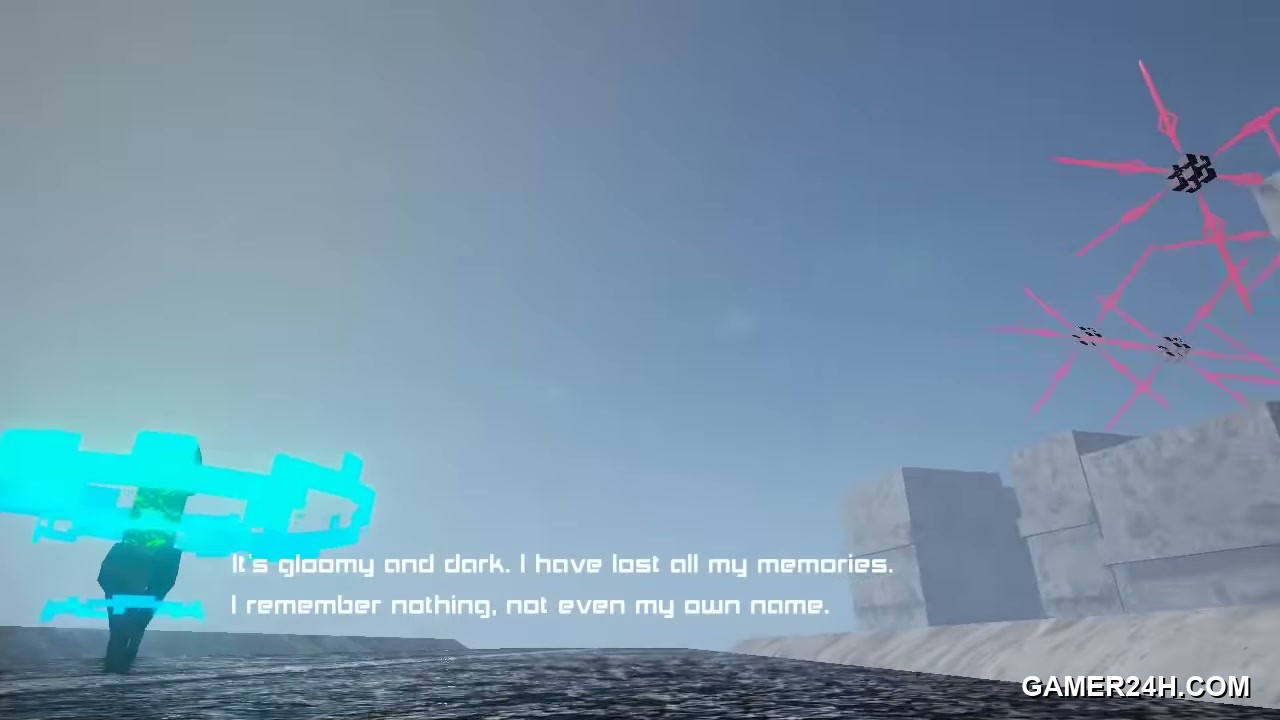
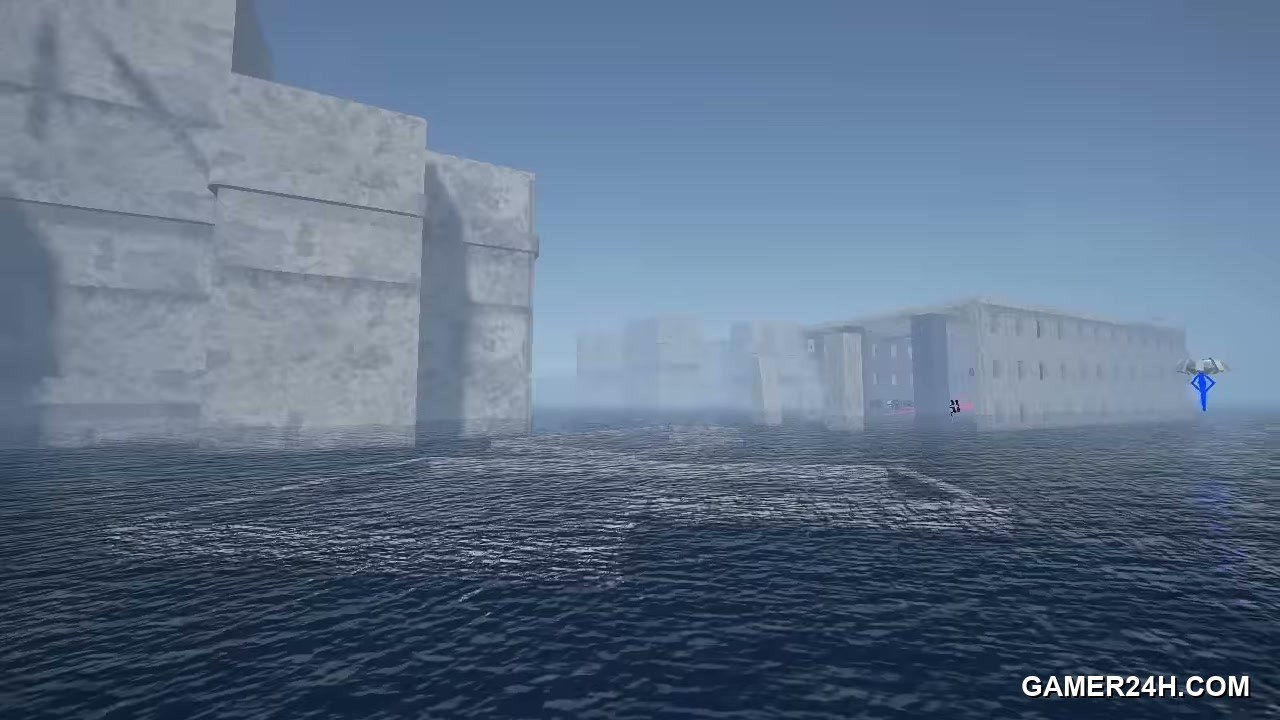
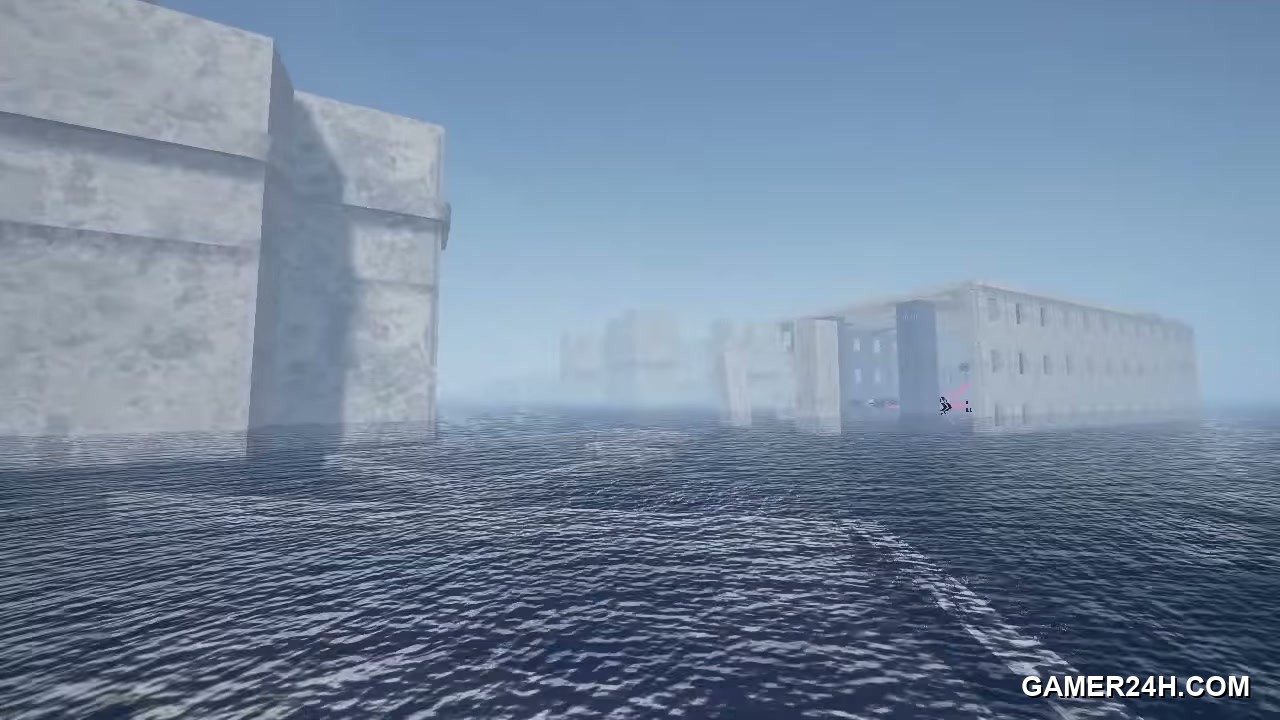
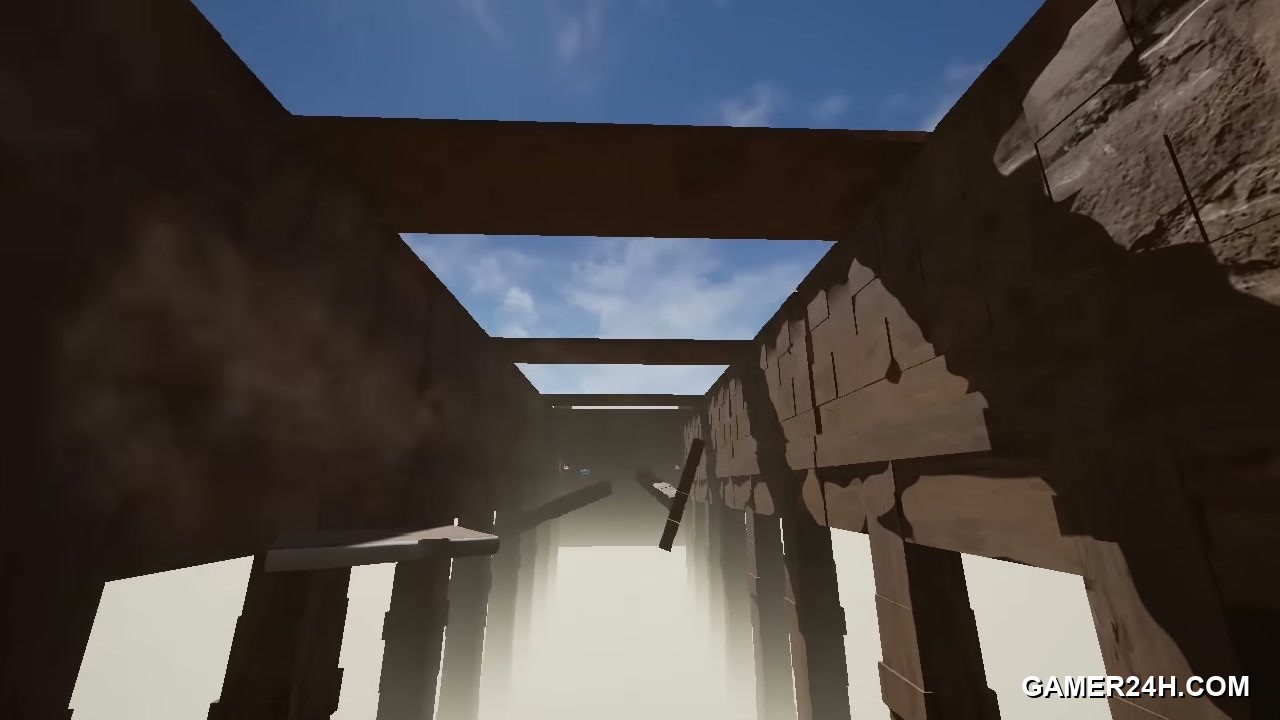
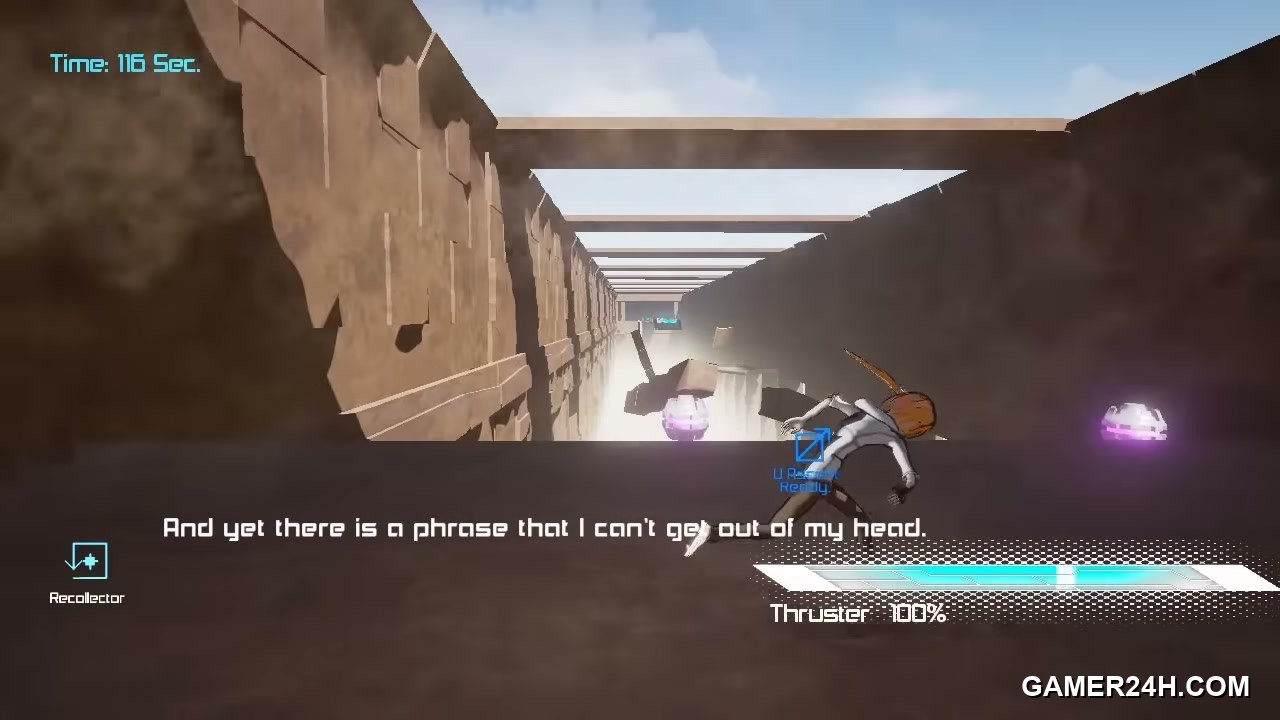
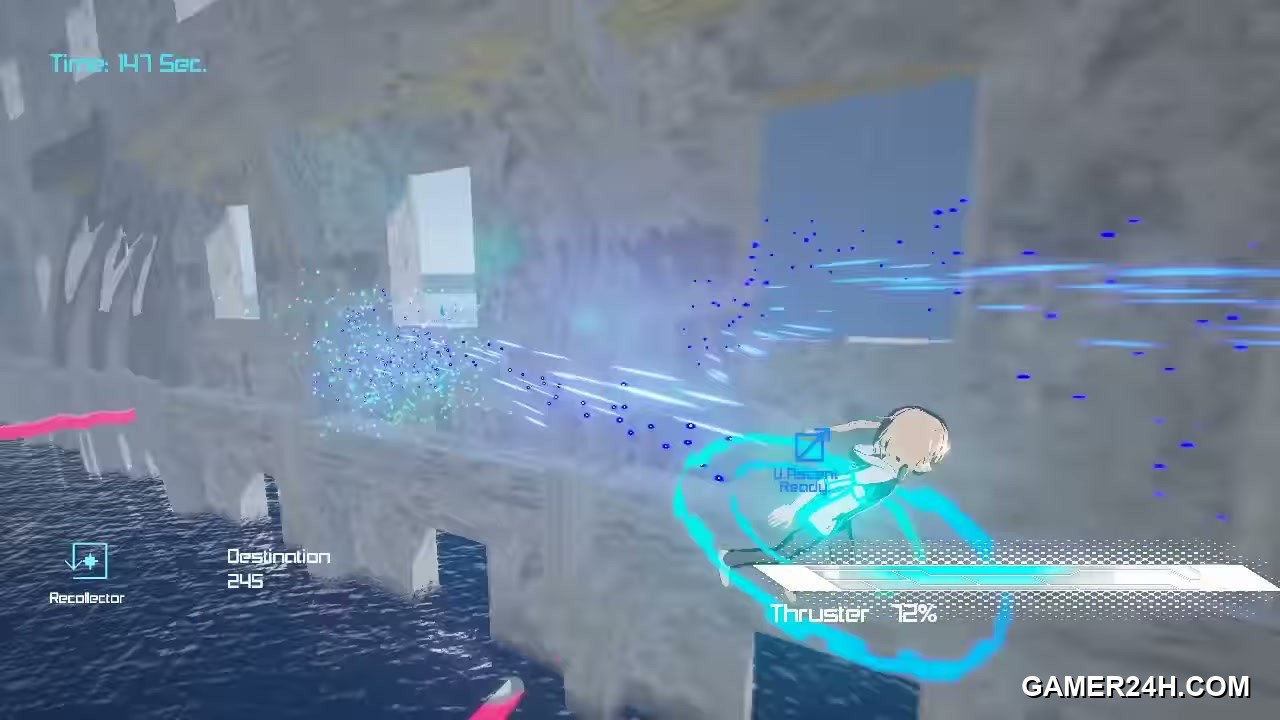
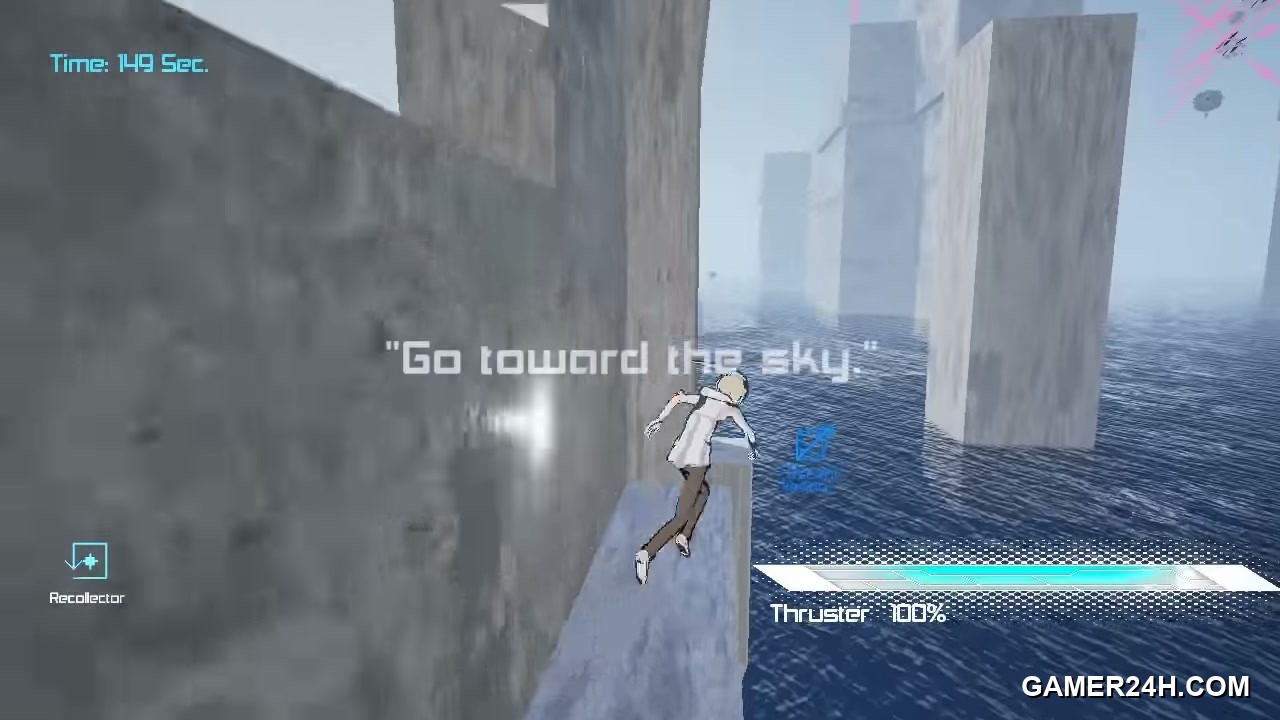
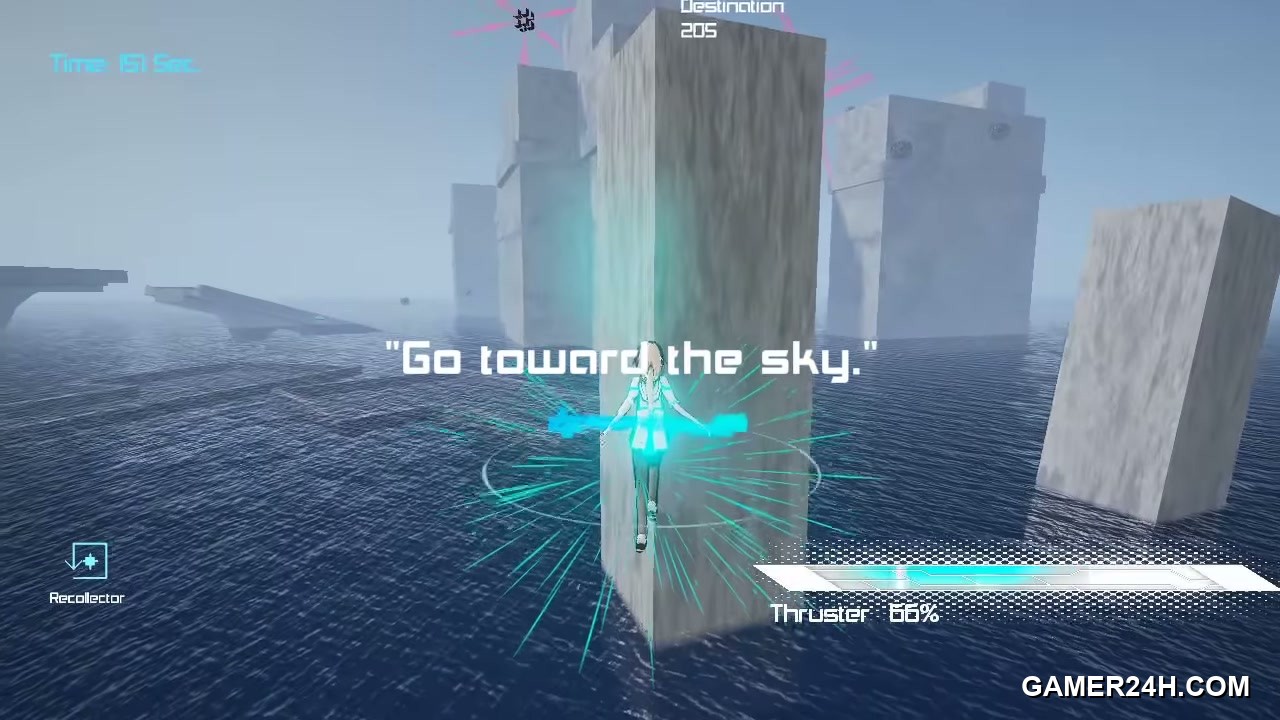
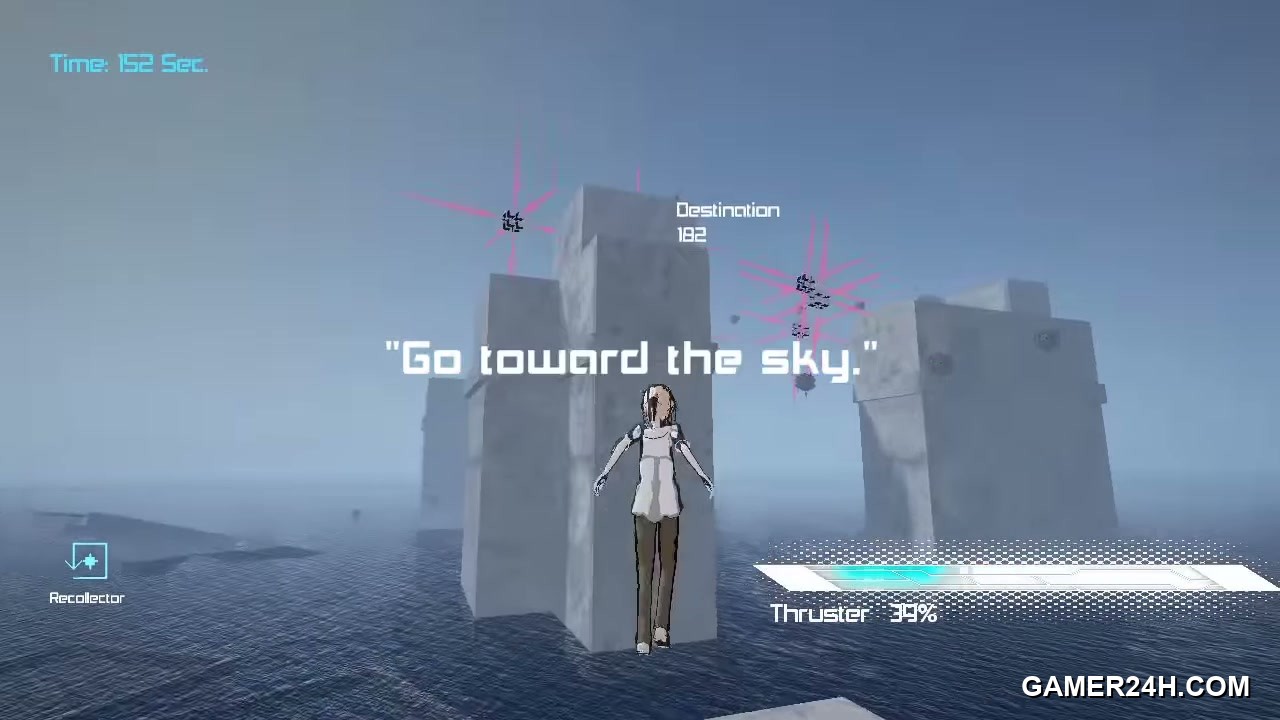
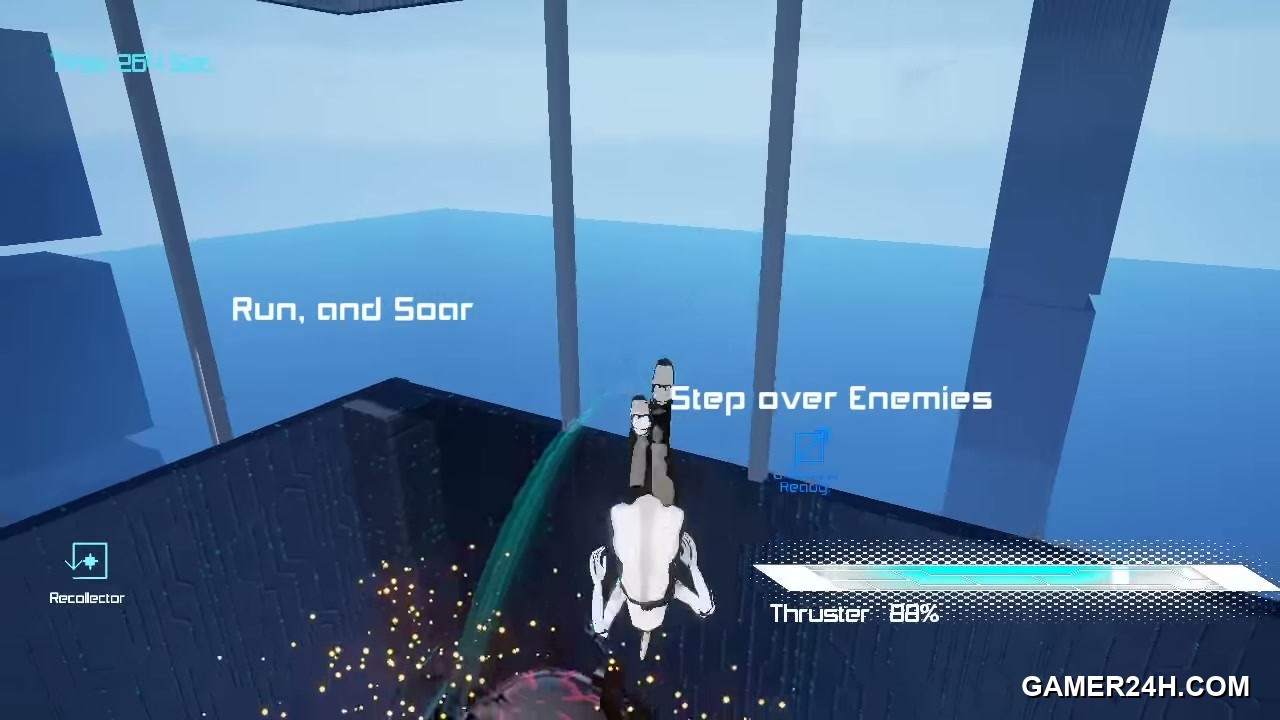
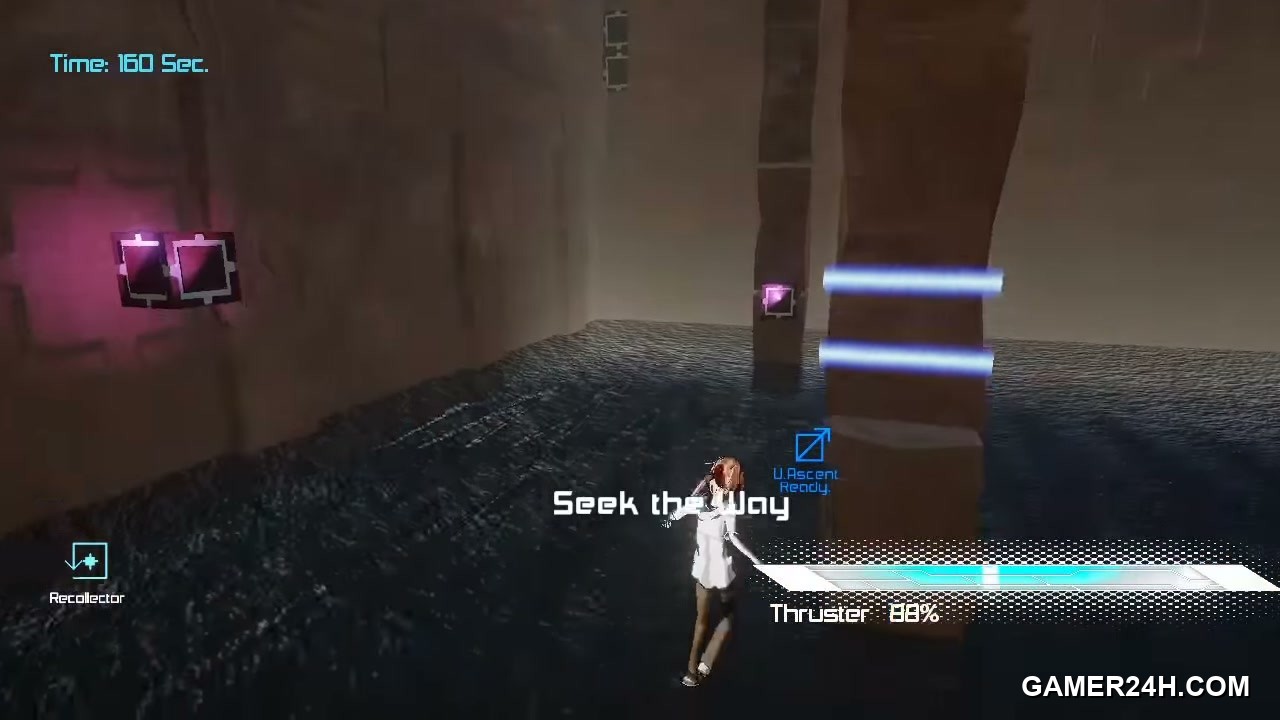
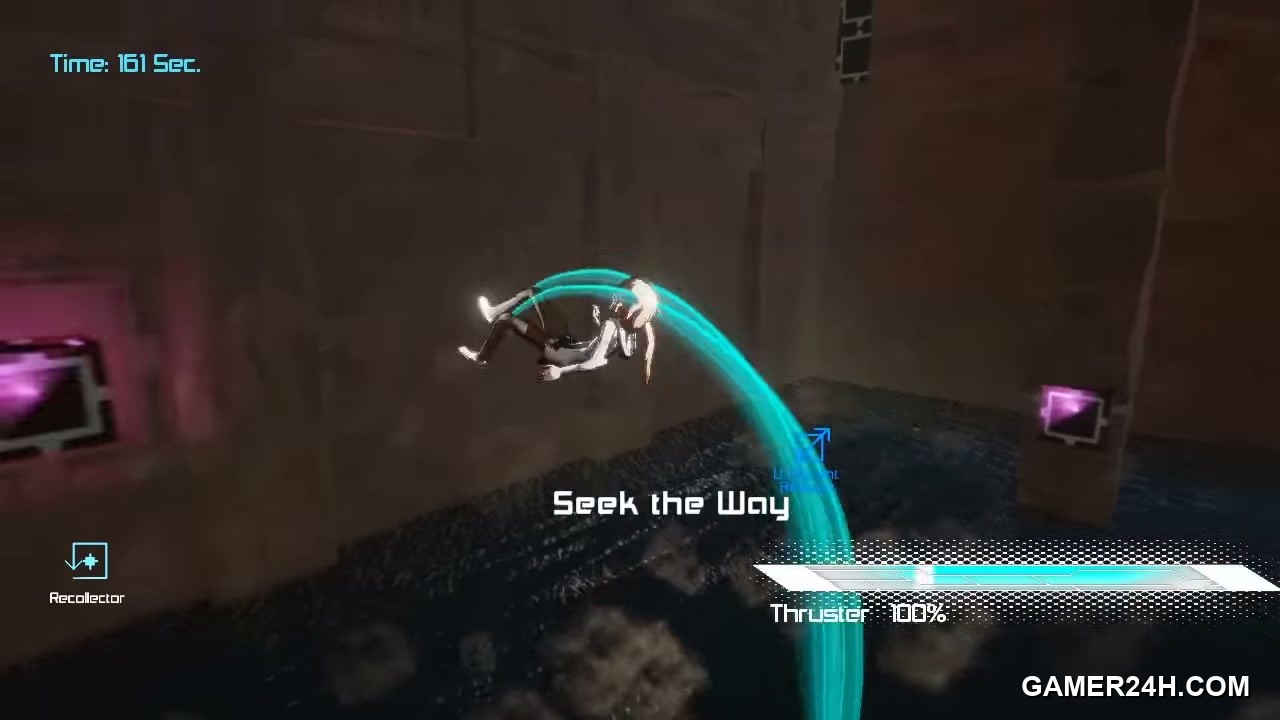
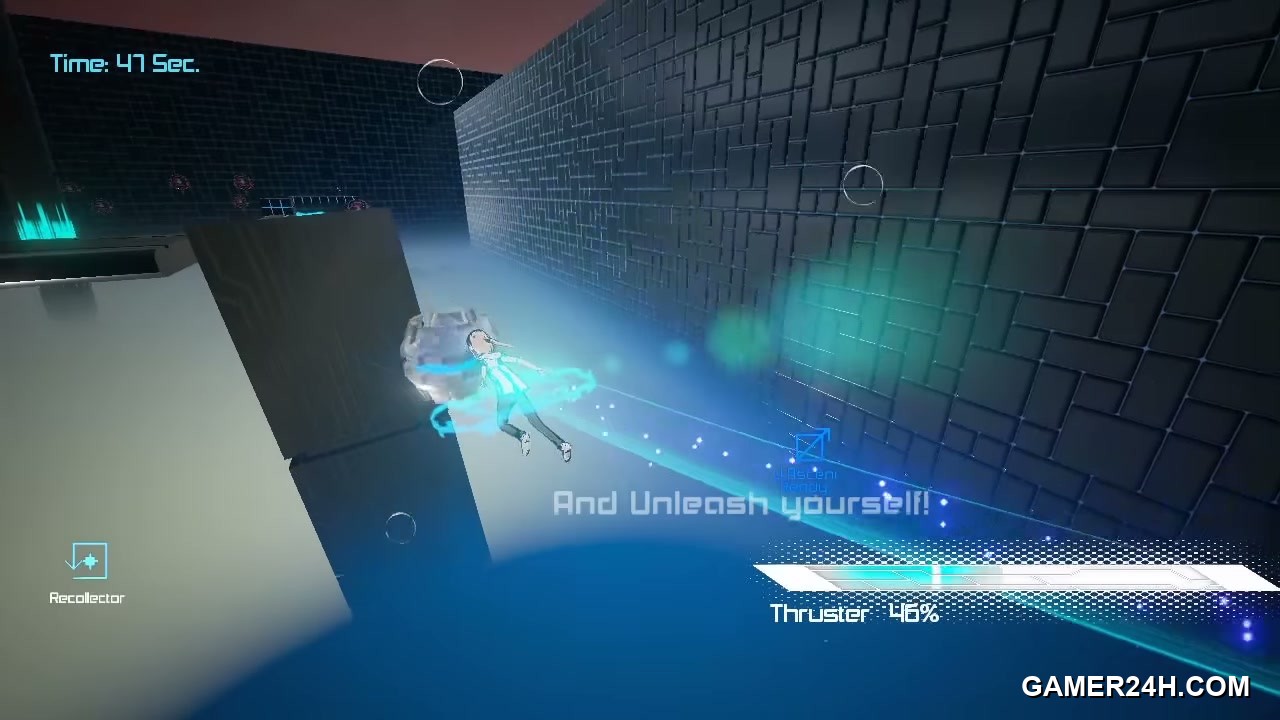
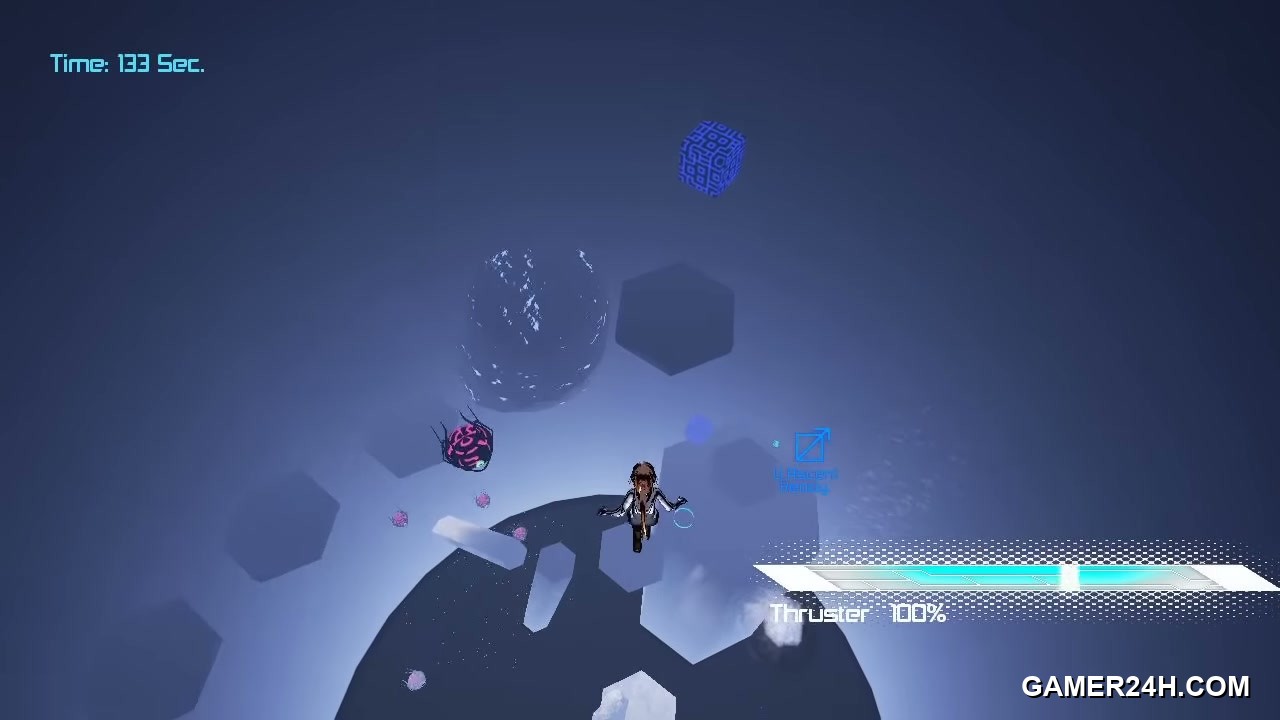
“Link: The Unleashed Nexus – Restructured Heaven” is a visual feast for those who appreciate technical prowess and artistic vision in harmony. Reminisce Studios has leveraged the advanced capabilities of Unreal Engine 5 to create a game world that is as breathtakingly beautiful as it is meticulously designed. From the intricately detailed architecture of ancient temples hidden deep within dark forests, to the shimmering reflections of water under moonlight, every element of the environment serves not only an aesthetic purpose but also enhances gameplay immersion and strategic thinking.
The game’s use of Unreal Engine 5 allows for real-time ray tracing, dynamic lighting, and advanced physics simulations that bring each scene to life with a level of depth and realism previously unseen in stealth-action titles. The developers have paid particular attention to the interplay between light and shadow, using these elements as primary tools for gameplay dynamics. Shadows not only hide players but also reveal potential threats lurking in dark corners. Light sources can be manipulated by players to create temporary distractions or misdirections, adding another layer of tactical depth.
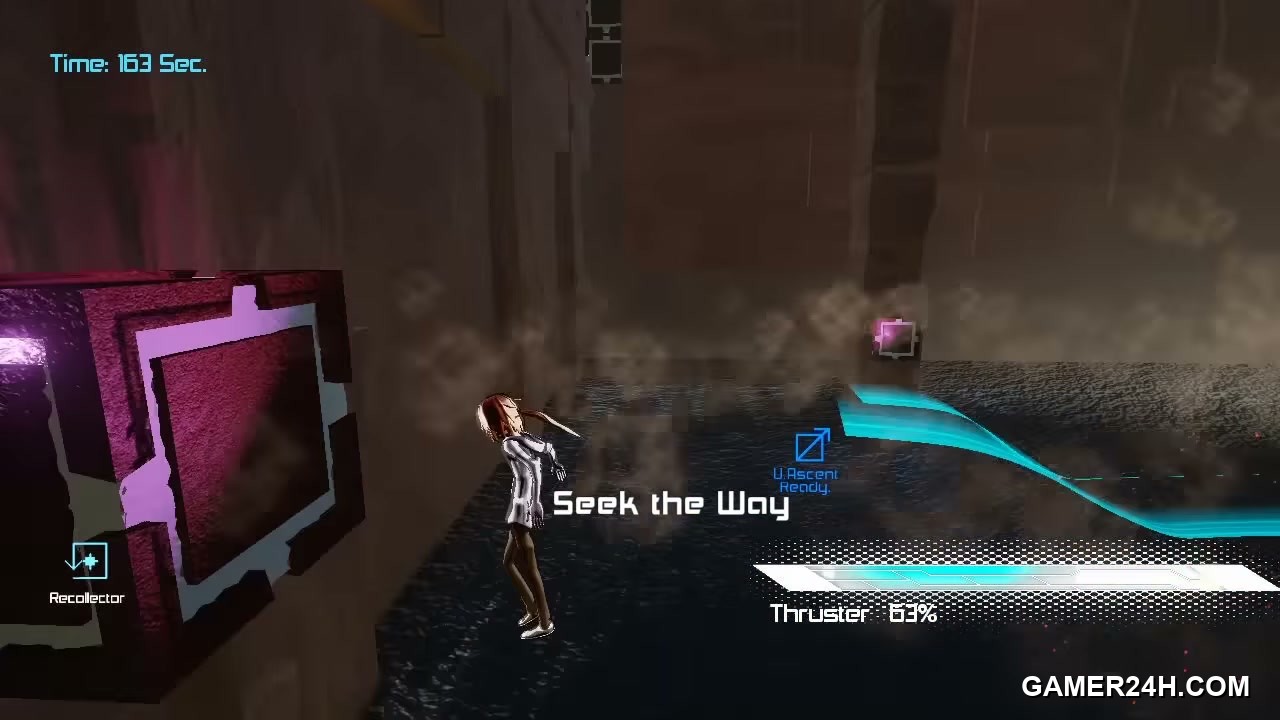
Moreover, the game’s environments are rich with interactive elements that respond naturally to player actions and environmental changes. Doors open and close with realistic movements, foliage rustles softly underfoot, and water ripples gently when disturbed. These small details contribute significantly to the overall immersion and sense of presence within the game world. The result is a visually stunning experience that demands more than just passive observation; it encourages active engagement with every pixel and hue.
Combat & Systems: Tactical Espionage and Combat Dynamics
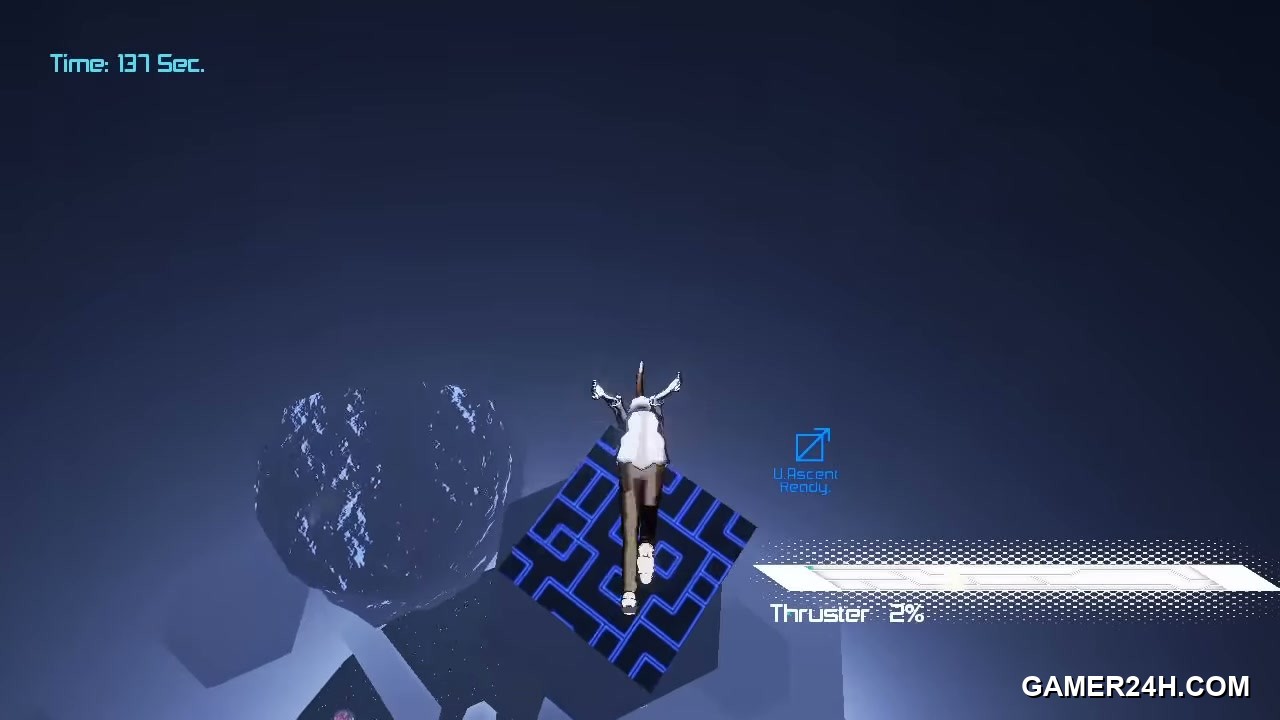
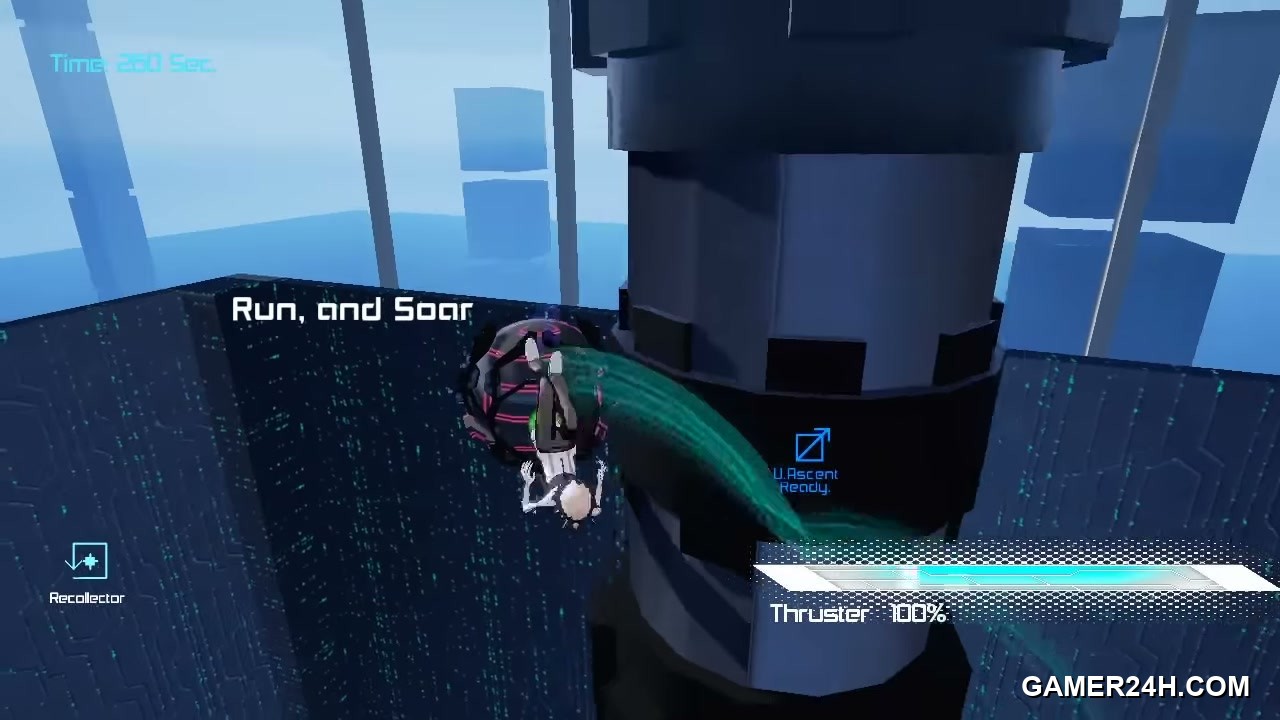
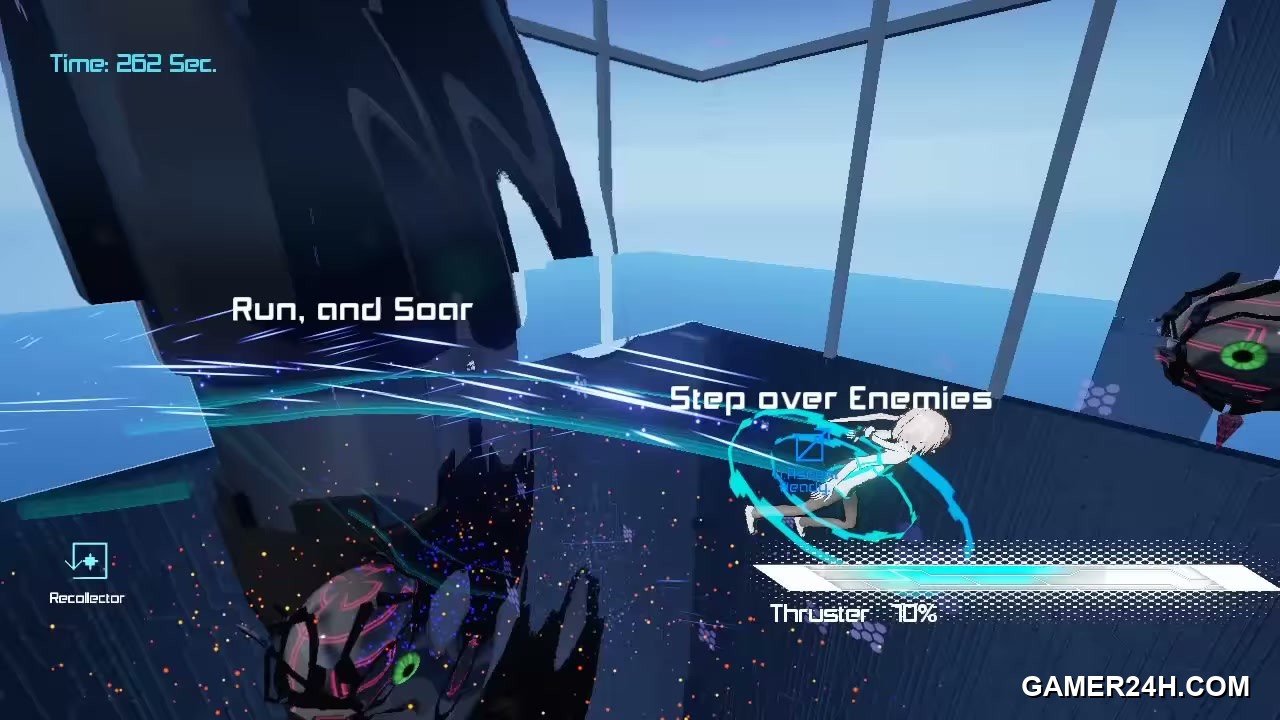
In “Link,” combat and espionage mechanics are intricately woven into a seamless system designed to challenge players’ strategic acumen. The game introduces an array of stealth gadgets, including silenced firearms, non-lethal tranquilizers, hacking tools, and environmental manipulation devices that allow players to interact with their surroundings in innovative ways. Each gadget serves multiple purposes beyond its primary function, encouraging creative solutions to combat situations.
The core mechanic revolves around the concept of “Chaos Level,” which represents the state of alertness among enemies within a given area. Players must navigate this delicate balance by using stealth and distraction tactics to maintain low Chaos Levels, thereby avoiding detection. The higher the Chaos Level in an area, the more aggressive and unpredictable enemy AI becomes, making it increasingly difficult for players to proceed undetected.
Environmental elements play a crucial role in both stealth and combat scenarios. Players can utilize interactive objects such as vents, lockers, and crates not only for cover but also for strategic advantages like hiding behind or within them. The ability to manipulate the environment through hacking enables players to disable security cameras, turn off lights, and even create temporary diversions using sound emitters.
Combat itself is a calculated affair. Engaging in direct confrontation requires precision timing and situational awareness. Players are encouraged to incapacitate enemies rather than kill them whenever possible, as doing so affects the overall Chaos Level less severely. The game also features a unique “Purification Mode” that allows players to cleanse an area of hostile presence entirely through stealth, rewarding patience and cleverness over brute force.
This intricate balance between stealth and combat dynamics ensures that every encounter in “Link” is both thrilling and thought-provoking, pushing the boundaries of traditional action-adventure gameplay. Reminisce Studios has successfully crafted a system where each decision carries weight, making for an engaging experience that rewards strategic thinking and creativity.
Gameplay & Atmosphere Analysis: Portals and Tension
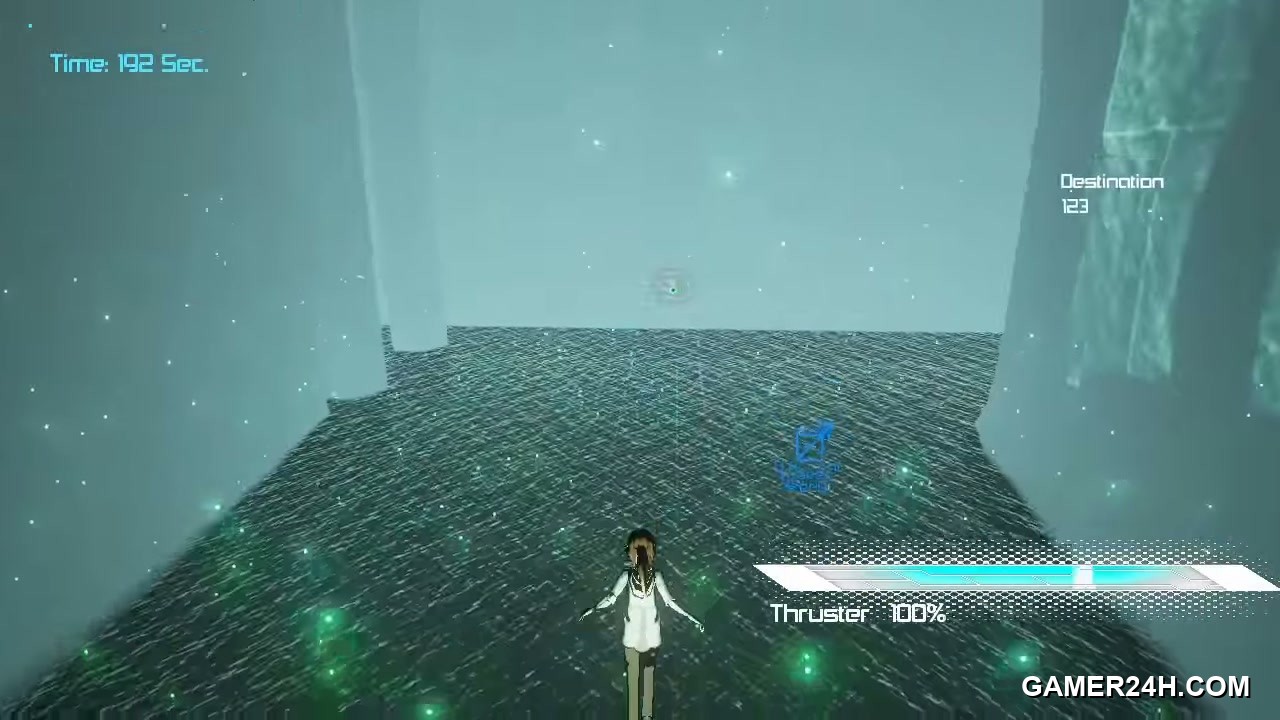
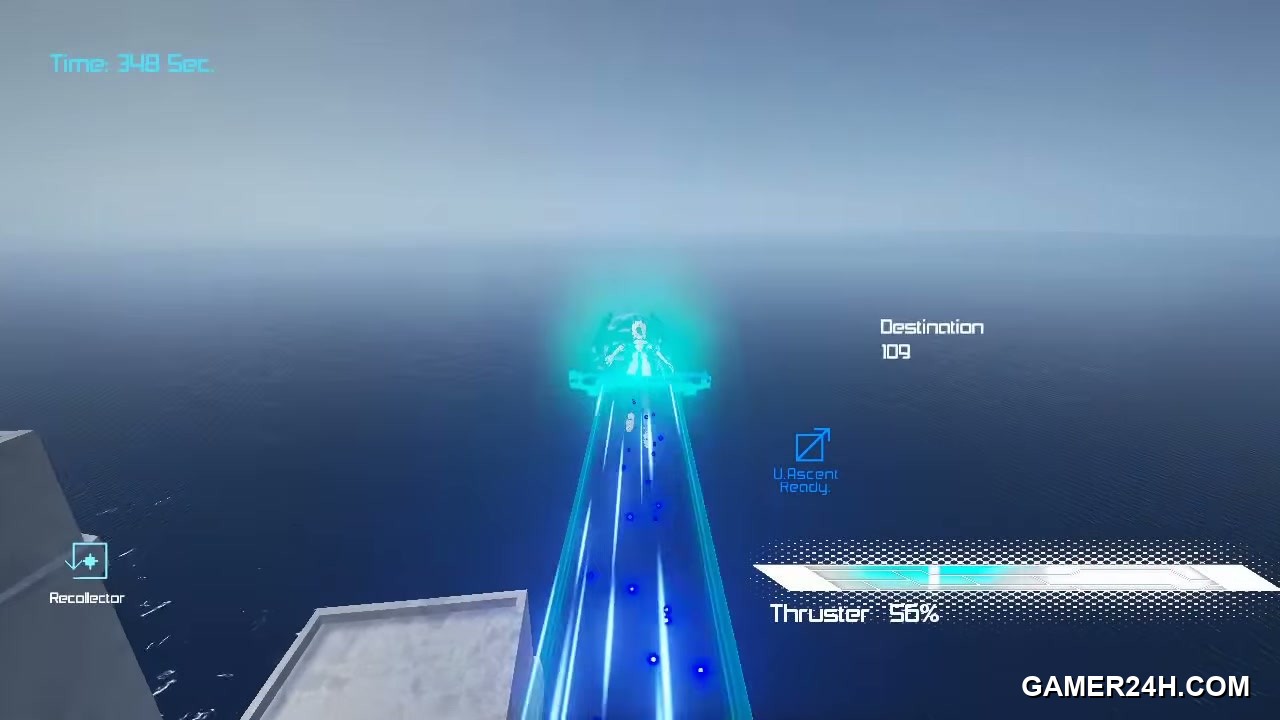
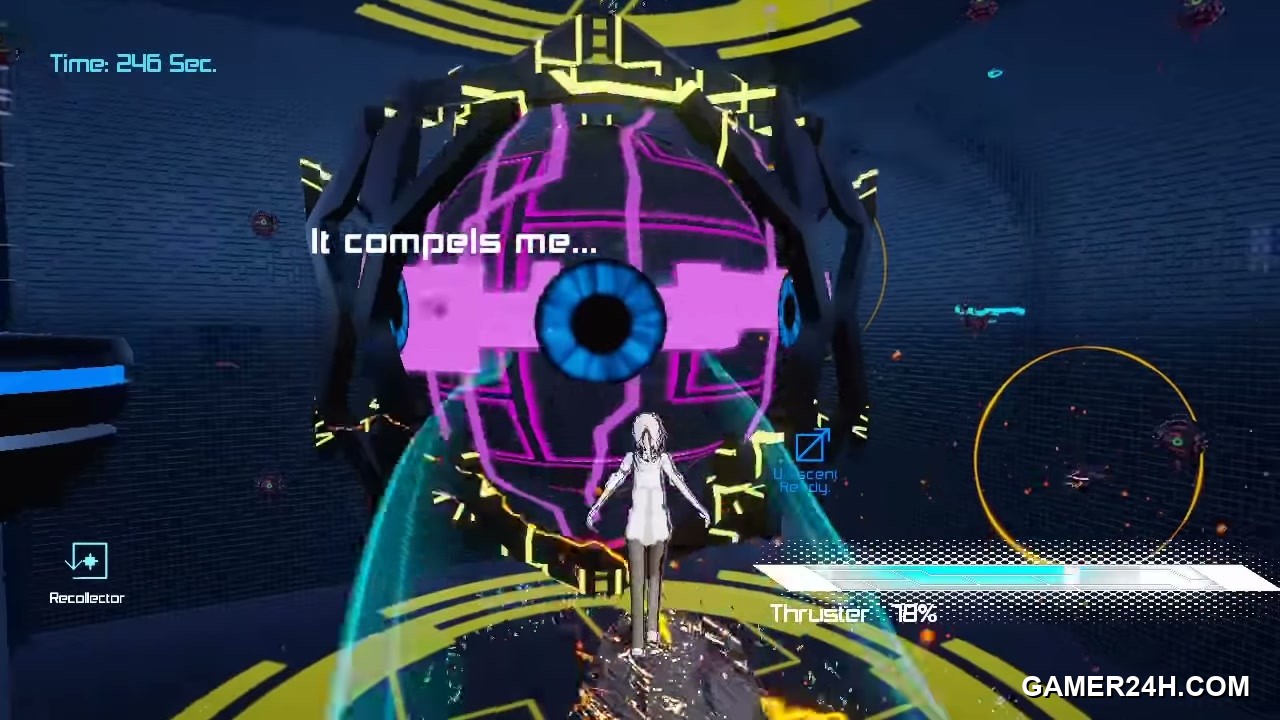
The core gameplay mechanics in “Link” are centered around the concept of portals—dimensional gateways that connect different areas within the game world. These portals serve as both a narrative device and a strategic tool, allowing players to traverse vast distances instantaneously while maintaining tension through controlled pacing.
Portals are scattered throughout various locations, each with unique properties and challenges associated with their usage. For instance, some may require specific items or actions to activate, adding an element of exploration and puzzle-solving to the gameplay experience. The act of stepping into a portal often triggers dramatic environmental changes, such as sudden shifts in lighting conditions or rapid transitions from bright daylight to pitch darkness.
The design of these portals is integral to maintaining suspense and anticipation among players. Each activation can lead to unexpected outcomes, forcing individuals to adapt quickly to new situations while constantly being aware of their surroundings. This unpredictability enhances the immersive quality of the game by fostering a sense of constant danger and surprise.
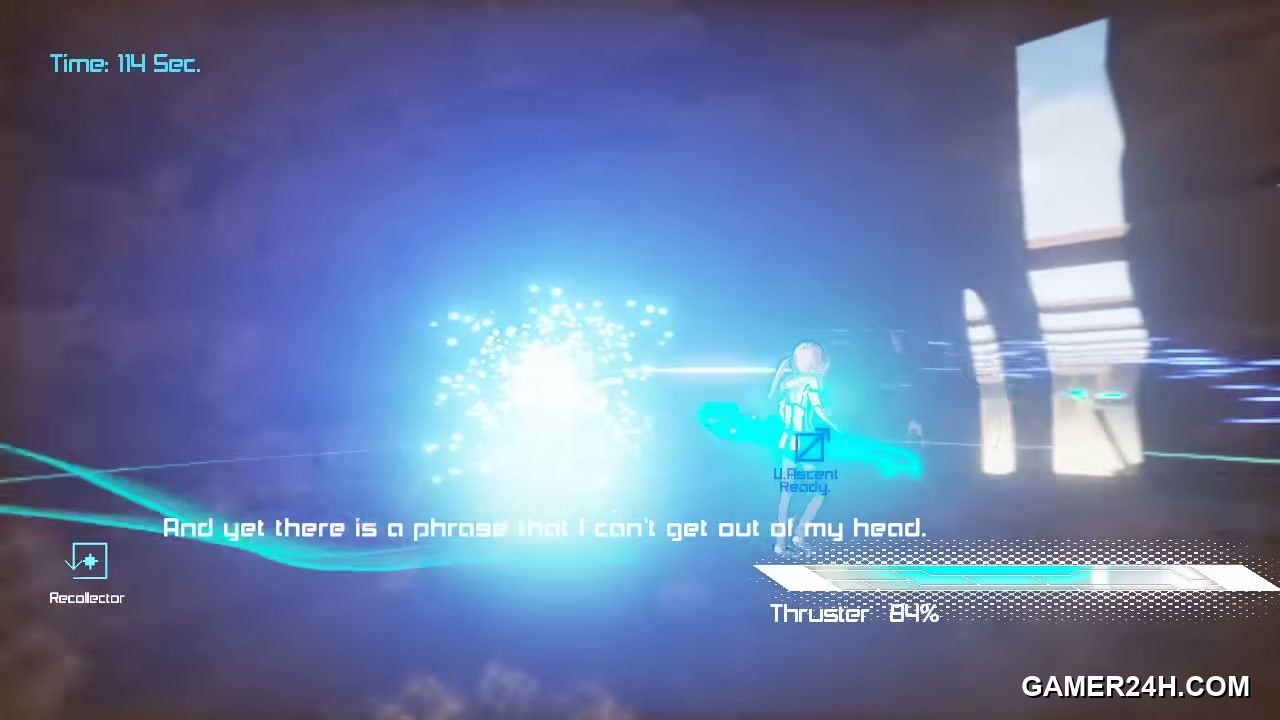
Moreover, the atmosphere created around portal usage is one of mystery and awe. The visual representation of portals themselves is striking—brightly colored swirls that seem almost otherworldly against the backdrop of realistic environments. When activated, they emit a hum that resonates deeply with players’ emotions, adding to the overall tension and excitement.
In addition to being practical tools for navigation, portals also contribute significantly to storytelling by allowing non-linear exploration of interconnected story arcs. Players can jump between different timelines or alternate realities, each offering unique perspectives on the overarching narrative. This feature not only enriches the storyline but also provides multiple pathways for character development and plot progression.
The interplay between gameplay mechanics and atmospheric design in “Link” creates a cohesive experience that is both intellectually stimulating and emotionally engaging. By seamlessly integrating intricate systems with evocative visuals and sounds, Reminisce Studios has crafted an environment where every decision matters and each moment feels consequential.
Narrative & Characters: The Architects’ Mystery and Lucia’s Mission
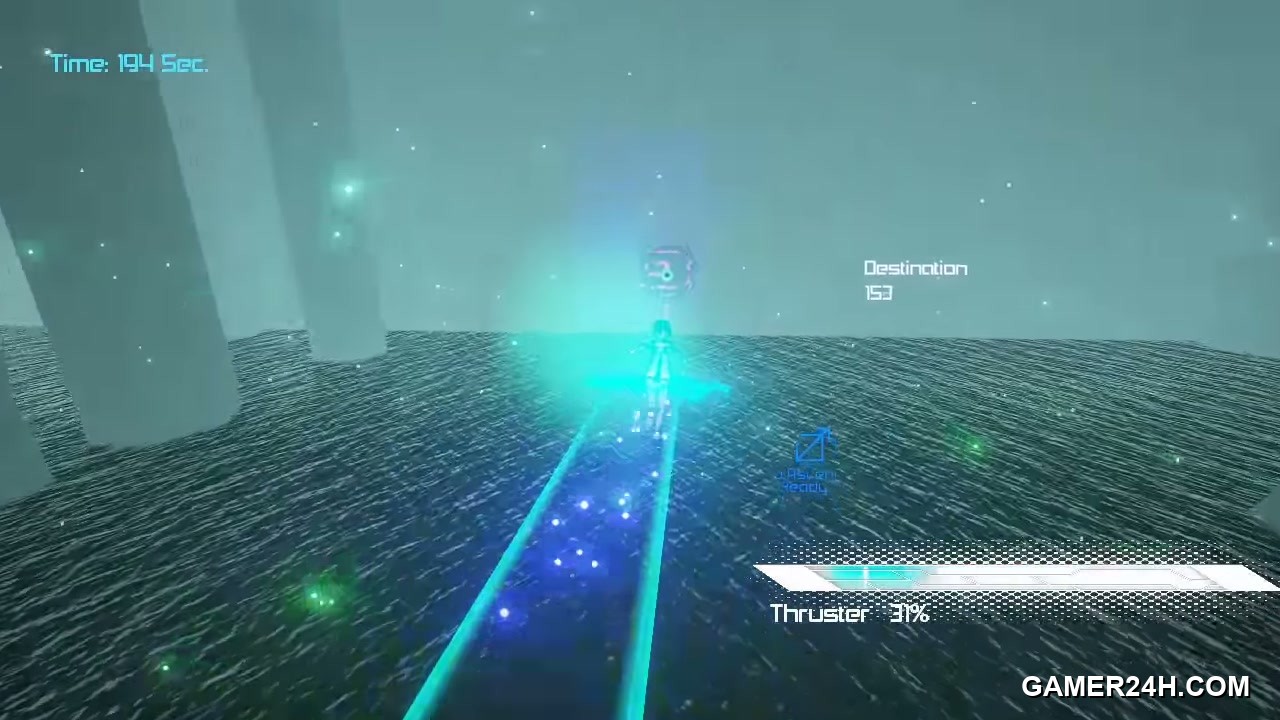
At the heart of “Link” lies a gripping narrative that delves deep into themes of power, control, and freedom. Set in a world dominated by an enigmatic group known as the Architects—whose influence stretches across time and space—the story follows Lucia, a resilient protagonist with a mysterious past. Initially recruited to serve the Architects due to her unique abilities, Lucia soon uncovers their sinister intentions and decides to rebel against them.
The narrative unfolds through a series of interconnected plot arcs that gradually reveal the true nature of the Architects and their plans for humanity. Players are presented with fragmented pieces of information from various sources—through in-game cutscenes, environmental storytelling, and character dialogues—which they must piece together like a puzzle. This approach not only keeps players engaged but also fosters a sense of discovery and intrigue.
Lucia’s journey is marked by personal growth as she navigates the moral complexities of her mission. From a naive recruit to a seasoned operative seeking redemption, Lucia’s evolution is both compelling and relatable. Her relationships with other characters—both allies and adversaries—add depth to the narrative, exploring themes such as loyalty, betrayal, and the quest for identity.
The Architects themselves are portrayed as enigmatic figures shrouded in secrecy and power. Their motivations remain ambiguous throughout much of the game, adding layers of intrigue and suspense. As players delve deeper into their story, they uncover a web of interconnected motives that challenge conventional notions of good versus evil.
Supporting characters also play crucial roles in shaping Lucia’s journey. Each character brings unique perspectives and challenges to the narrative, enriching the overall experience through diverse storytelling elements. Whether it’s a fellow operative questioning their allegiance or an unexpected ally providing critical information, these interactions contribute significantly to the emotional resonance of “Link.”
The narrative structure of “Link” is meticulously crafted to ensure that players are constantly engaged in unraveling its mysteries while also reflecting on broader philosophical questions about free will and destiny. By blending compelling storytelling with immersive gameplay mechanics, Reminisce Studios has created a narrative experience that resonates deeply with players long after the credits roll.
Acoustic Preservation / Audio Design: Sounds of Silence and Combat

The audio design in “Link” is nothing short of masterful, contributing significantly to the game’s overall atmosphere and player immersion. The soundscapes are meticulously crafted to reflect both the tranquility of stealth moments and the intensity of combat scenarios. Each environment has its unique acoustic identity, with ambient sounds such as rustling leaves, dripping water, and distant animal noises subtly enhancing the sense of place.
In stealth sections, silence is treated as a character in itself; every footstep echoes ominously through empty corridors, while slight breezes cause delicate objects to move gently. These subtle cues are crucial for players navigating high-stakes situations where any noise could mean the difference between success and failure. The sound design team has worked diligently to ensure that auditory feedback is precise and consistent across different scenarios.
Combat sequences, on the other hand, are marked by a sudden influx of intense sounds—shouts from enemies, clashing metal, and the sharp clicks of firearms—all blending into a chaotic symphony. This juxtaposition with quieter moments heightens player awareness and adrenaline levels during combat encounters. The sound effects for weapon disassembly and reassembly add an extra layer of realism to gunplay mechanics.
Voice acting performances are another highlight, delivering nuanced portrayals that enrich character development and narrative depth. Each line spoken by Lucia or her companions resonates emotionally due to the actors’ ability to convey complex emotions through their delivery. The overall audio experience in “Link” is a testament to Reminisce Studios’ commitment to creating an immersive and engaging world for players to explore.
Critical Reception: Expectations and First Impressions
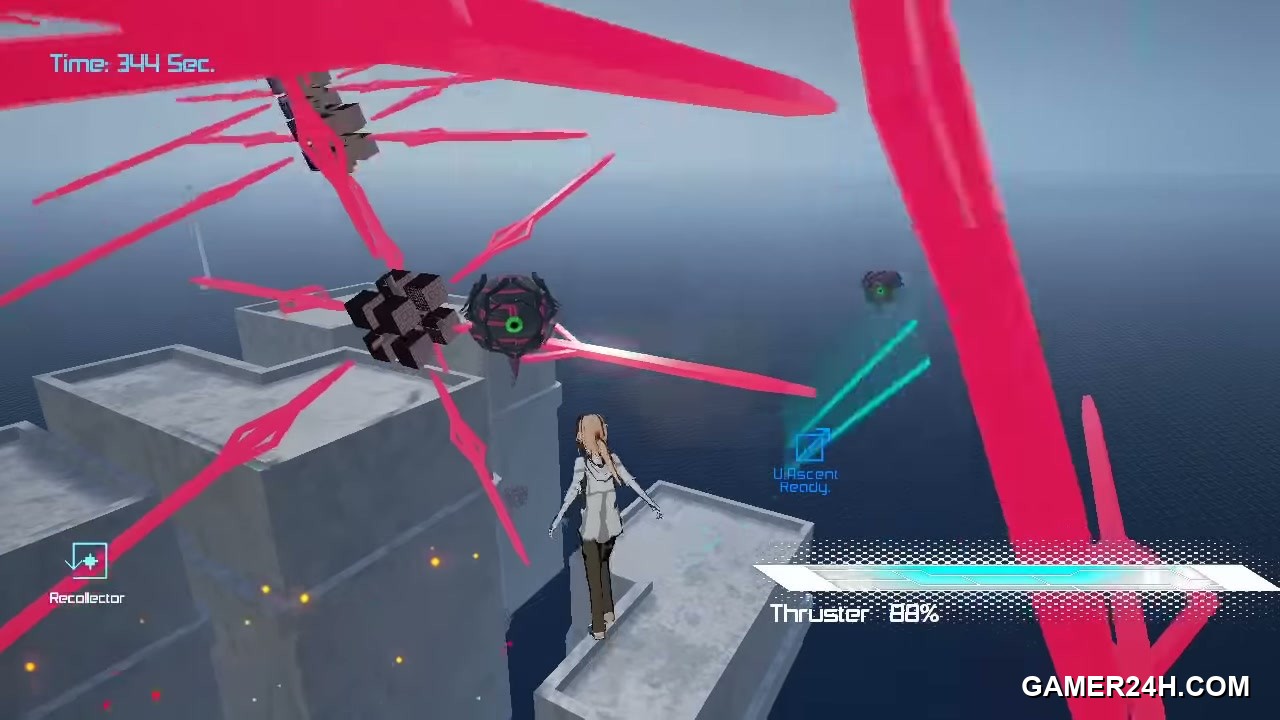
As anticipation builds for the release of “Link: The Unleashed Nexus – Restructured Heaven,” industry analysts and gaming enthusiasts alike are buzzing with excitement and high expectations. Critics have praised Reminisce Studios’ innovative approach to stealth gameplay, lauding the game’s intricate mechanics and atmospheric design as significant advancements in their respective fields.
Early reviews highlight the game’s seamless integration of narrative depth with strategic gameplay, noting that each element enhances rather than detracts from the overall experience. The use of portals has been particularly well-received for its ability to blend storytelling and puzzle-solving seamlessly into a cohesive whole. Players have also commended the audio design, which manages to create both tense quiet moments and explosive combat scenes effectively.
However, there are some minor criticisms regarding the steep learning curve associated with mastering the game’s complex mechanics. Some players may find initial sections frustrating due to the intricacy of stealth tactics required for progression. Nevertheless, these challenges are viewed more as hurdles that deepen engagement rather than deterrents to enjoyment.
Overall, “Link” is poised to set new benchmarks in action-adventure gaming by pushing boundaries and setting a high bar for future titles. Its combination of technical excellence, narrative depth, and engaging gameplay mechanics positions it not just as a must-play title but also as a significant milestone in the evolution of its genre.
Conclusion: The Vanguard of Next-Gen Action
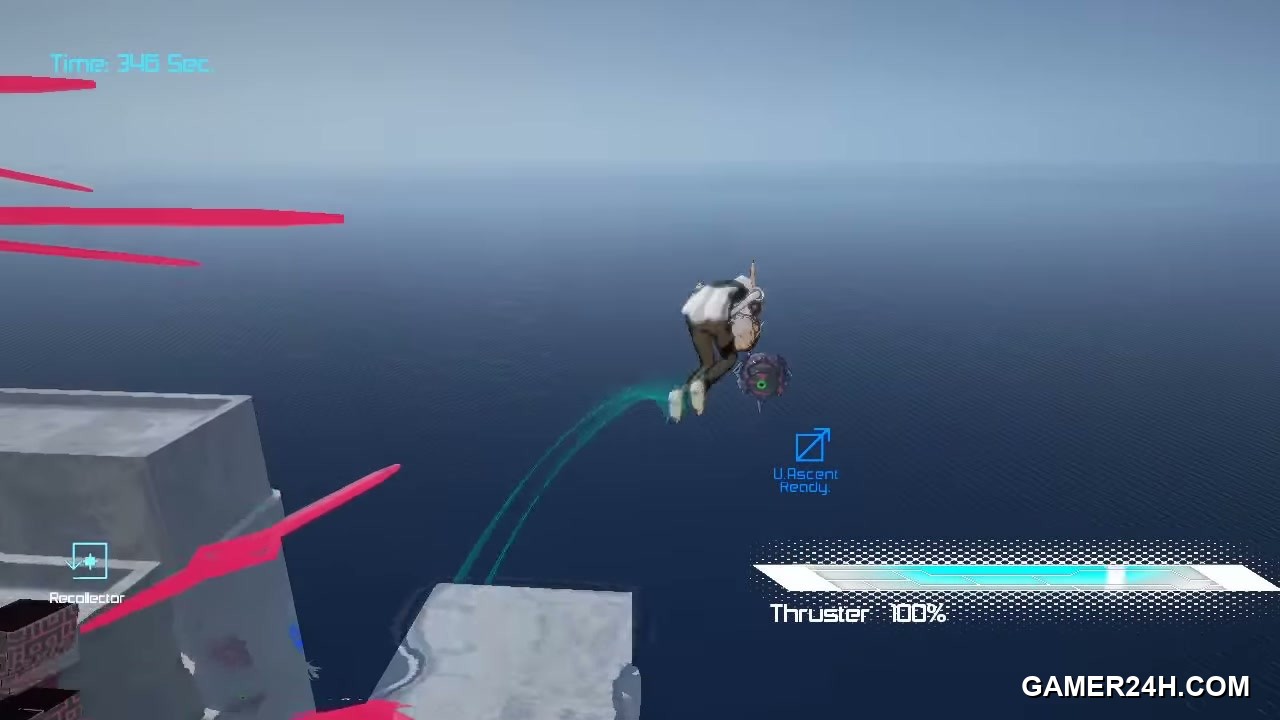
“Link: The Unleashed Nexus – Restructured Heaven” stands out as a groundbreaking entry in the realm of action-adventure gaming. Through its innovative blend of stealth mechanics, immersive storytelling, and cutting-edge technical features, Reminisce Studios has crafted an experience that challenges players both intellectually and emotionally.
The game’s seamless integration of environmental manipulation with strategic gameplay ensures that every moment feels consequential, from tense stealth encounters to explosive combat sequences. The narrative thread, richly woven through character development and intricate plot arcs, provides a depth rarely seen in modern action titles.
“Link” is more than just a sequel; it’s a redefining statement on what can be achieved when creativity meets technical prowess. As players delve into its intricacies, they are not merely engaged but transformed by the experience, leaving them with lasting impressions and new perspectives on gaming itself.
In an era where expectations are high and innovation is key, “Link” emerges as a beacon of progress and excellence in game design. It sets a new standard for stealth-action titles, proving that Reminisce Studios has much more to offer in shaping the future landscape of interactive entertainment.