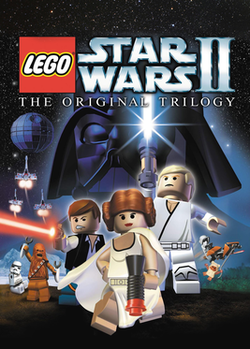
Introduction: The Next Chapter for Lego Star Wars II: The Original Trilogy
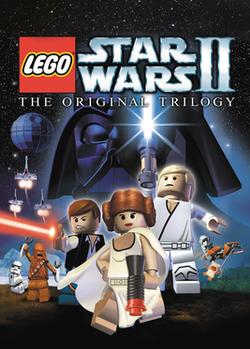
Lego Star Wars II: The Original Trilogy arrived in 2006 as the highly anticipated sequel to the smash hit, Lego Star Wars: The Video Game. Developed by Traveller’s Tales and published by LucasArts, this title promised a brick-built reimagining of George Lucas’ iconic original trilogy – A New Hope, The Empire Strikes Back, and Return of the Jedi. Building upon the success of its predecessor, Lego Star Wars II aimed to deliver an even more expansive and humorous adventure for players of all ages, solidifying the franchise as a beloved staple in both the gaming and toy industries. The game’s reception was overwhelmingly positive, setting the stage for future installments and spin-offs within the Lego Star Wars universe.
Visual Direction and Graphics Engineering
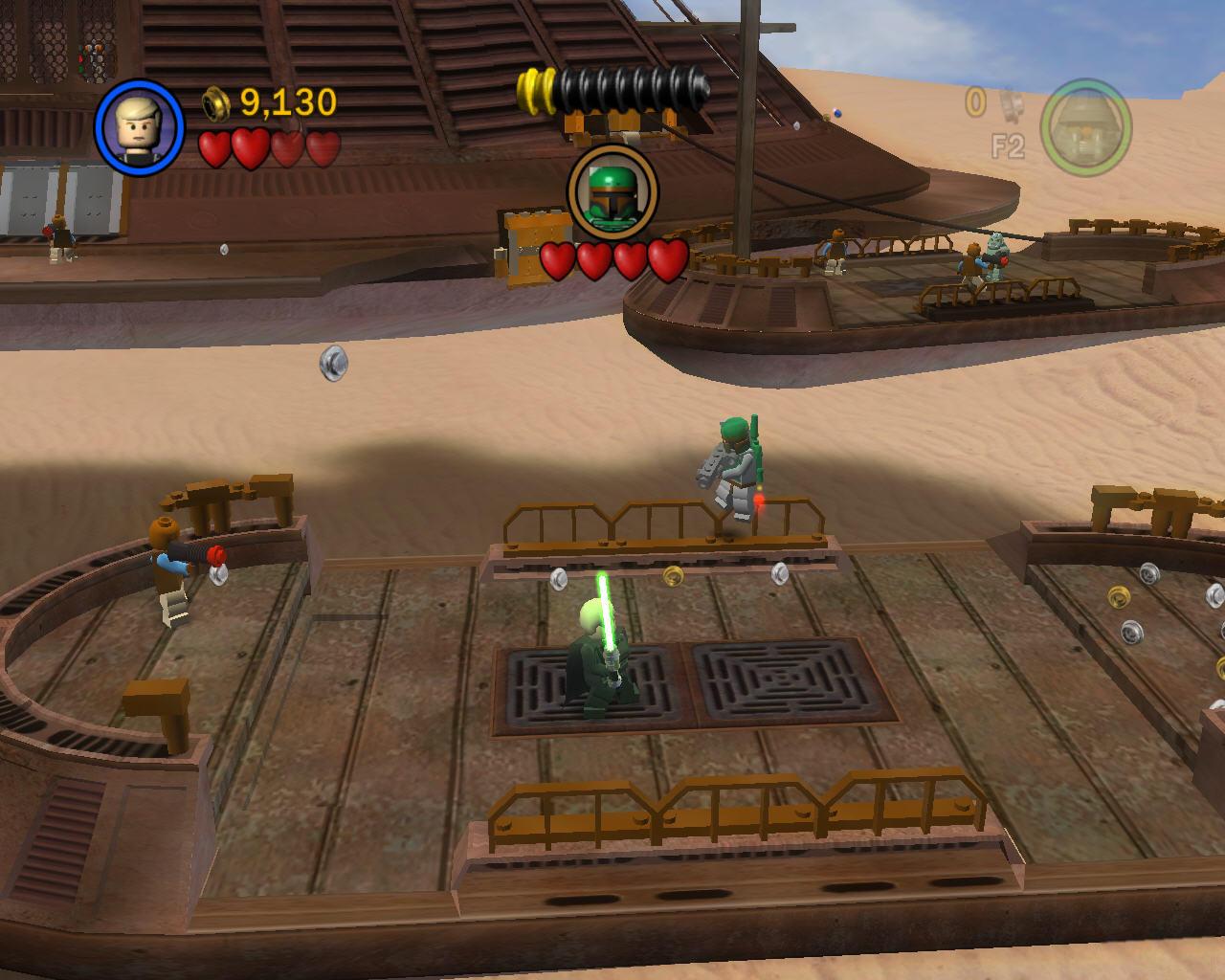
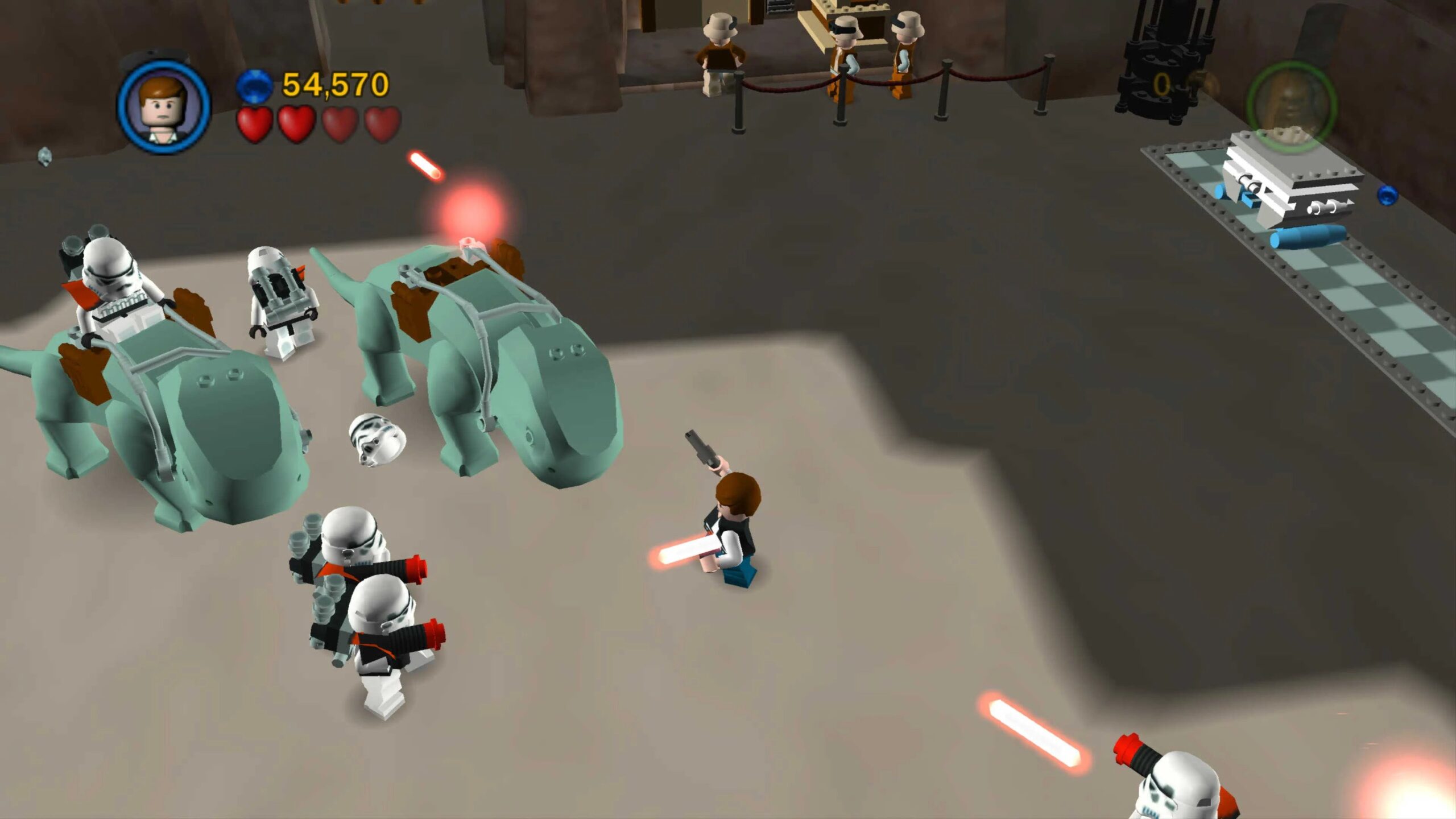
Lego Star Wars II showcased a significant step forward in graphical fidelity compared to its predecessor, despite being built upon a proprietary “Next-Gen” engine. While maintaining the charming blocky aesthetic that defines the Lego games, the developers implemented improved character models, more detailed environments, and enhanced lighting effects. The visual direction prioritized capturing the essence of the Star Wars universe through a playful lens, resulting in instantly recognizable characters and locations rendered in delightful Lego form. This commitment to both fidelity and humor was crucial in appealing to fans of all ages, ensuring that the game felt authentic while remaining undeniably fun. The engine’s capabilities allowed for more complex animations and interactive elements within the environments, further enhancing the overall visual experience.
Gameplay Mechanics and Core Systems
The core gameplay mechanics of Lego Star Wars II remained faithful to the formula established by its predecessor: a blend of action-adventure, puzzle-solving, and cooperative play. Players could choose from a diverse roster of over 50 playable characters, each with unique abilities and strengths. The game introduced enhanced combat mechanics, allowing for more dynamic and engaging battles against iconic Star Wars villains. A key addition was the expanded focus on “vehicle levels,” providing players with thrilling opportunities to pilot various Lego-ized spacecraft and land vehicles. Cooperative play remained a central feature, encouraging teamwork and communication as players tackled challenges together. The intuitive controls and accessible gameplay made it easy for newcomers to jump in, while experienced players could enjoy mastering the intricacies of each character’s abilities.
Level Design and World Atmosphere
The level design in Lego Star Wars II was meticulously crafted to capture the spirit of the original trilogy. Iconic locations such as Tatooine, Hoth, and Endor were recreated with painstaking detail, offering players a familiar yet refreshingly unique perspective on these beloved settings. The game’s developers cleverly integrated puzzle elements into the environments, encouraging exploration and rewarding curiosity. Vehicle levels provided a welcome change of pace, allowing players to experience the thrill of piloting iconic Star Wars spacecraft through challenging courses. The overall atmosphere was one of lighthearted adventure, perfectly complementing the humorous tone of the game.
Narrative Depth and Character Profiles
While maintaining the comedic spirit of the Lego games, Lego Star Wars II still managed to capture the essence of the original trilogy’s narrative. Key plot points were faithfully recreated, albeit with a healthy dose of humor and playful exaggeration. The game provided opportunities for players to learn more about their favorite characters, both through in-game dialogue and unlockable character profiles. The inclusion of both Jedi and Sith characters added depth to the gameplay, allowing players to experience the conflict between good and evil from different perspectives.
Sound Design and Acoustic Realism
The sound design in Lego Star Wars II was a crucial element in creating an immersive and enjoyable gaming experience. Iconic musical cues from John Williams’ original scores were faithfully recreated, instantly transporting players back to the world of Star Wars. The game also featured a wide range of sound effects that perfectly complemented the on-screen action, adding weight and impact to every explosion, blaster shot, and character interaction.
Release Expectations and Community Hype
The release of Lego Star Wars II was met with considerable anticipation within the gaming community. Building upon the success of its predecessor, the game promised an even more expansive and humorous adventure for fans of all ages. Marketing campaigns were carefully orchestrated to generate excitement leading up to the launch date, featuring prominent placement in chain stores across the United States. The positive reception from critics and early adopters further fueled the hype, solidifying the game’s position as a must-have title for Star Wars enthusiasts.
Conclusion: The Future of Lego Star Wars II: The Original Trilogy
Lego Star Wars II: The Original Trilogy stands as a testament to the enduring appeal of both the Lego and Star Wars franchises. Its blend of humor, action, and accessible gameplay resonated with players of all ages, cementing its place as a beloved classic. While the game itself may be several years old, its legacy continues to inspire new installments and spin-offs within the Lego Star Wars universe. The success of Lego Star Wars II paved the way for future collaborations between Traveller’s Tales and LucasArts, ensuring that fans will continue to enjoy brick-built adventures in a galaxy far, far away.
Source: Wikipedia


