
Introduction: The Next Chapter for Left 4 Dead
Left 4 Dead, a landmark title from Valve South, burst onto the scene in 2008, redefining cooperative first-person shooter gameplay. More than just a zombie extermination simulator, it was a meticulously crafted experience designed around teamwork and emergent storytelling. This deep dive will dissect every facet of Left 4 Dead, from its innovative AI Director to its visceral sound design, exploring why it remains a touchstone for the genre and continues to inspire developers today. We’re not just looking at a game; we’re examining a paradigm shift in how cooperative experiences are designed and executed.
Visual Direction and Graphics Engineering
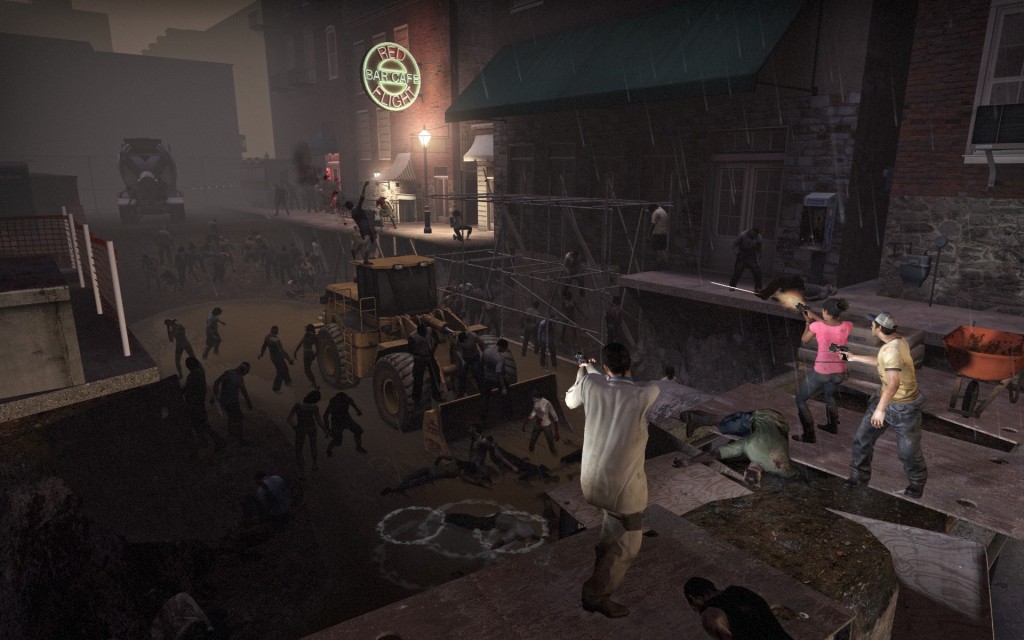
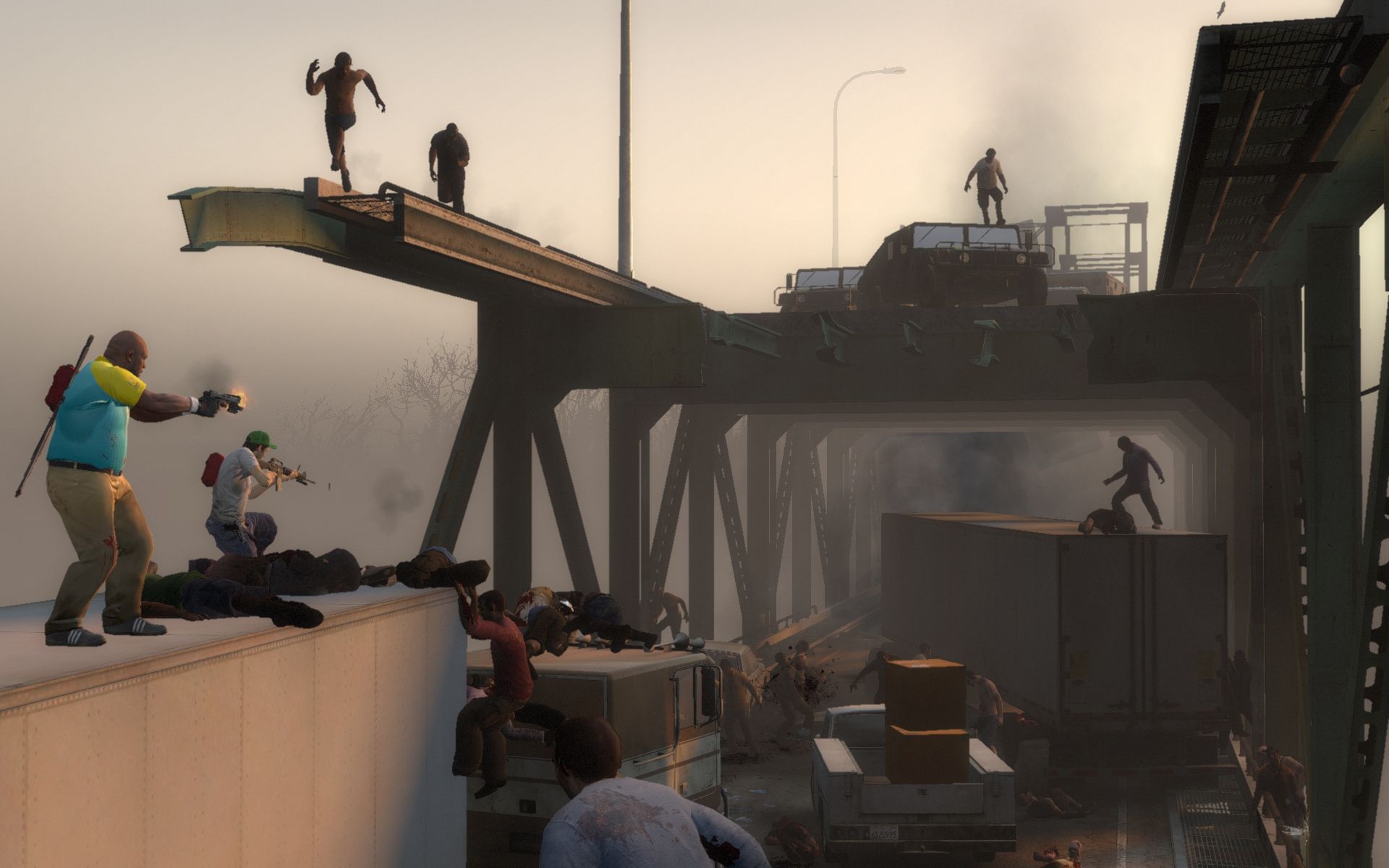
Left 4 Dead leverages Valve’s Source engine, known for its scalability and flexibility. While not pushing the boundaries of graphical fidelity compared to contemporaries like Crysis, Left 4 Dead utilized lighting and environmental design to create a palpable sense of dread and urgency. The visual style is gritty and realistic, emphasizing the decay and chaos of a world overrun by the infected. This focus on atmosphere over raw polygon counts allowed the game to run smoothly across a wider range of hardware configurations, crucial for its accessibility. The use of dynamic lighting and particle effects further enhances the visual impact, particularly during intense combat encounters.
Gameplay Mechanics and Core Systems
The heart of Left 4 Dead lies in its cooperative gameplay. Players must work together to overcome hordes of infected, utilizing a variety of weapons and tactics. Each player controls one of four “Survivors,” each with unique personalities and backstories. The game features a robust AI system known as the “Director,” which dynamically adjusts the difficulty and pacing based on the players’ performance. This ensures that no two playthroughs are exactly alike, increasing replayability significantly. The Director also controls the placement of items and special infected, creating unpredictable and challenging scenarios.
Level Design and World Atmosphere
The level design in Left 4 Dead is a masterclass in environmental storytelling. Each map is meticulously crafted to evoke a specific mood and atmosphere, ranging from claustrophobic urban environments to sprawling rural landscapes. The levels are not just linear pathways; they offer multiple routes and opportunities for exploration, encouraging players to experiment with different strategies. The use of dynamic lighting and sound further enhances the immersive experience, creating a palpable sense of dread and urgency.
Narrative Depth and Character Profiles
While Left 4 Dead doesn’t rely on a complex overarching narrative, it excels at character development through subtle interactions and environmental storytelling. Each of the four Survivors has a distinct personality and backstory, revealed through dialogue and contextual cues. This allows players to connect with the characters on a personal level, making their struggles all the more impactful. The game also features a cast of memorable antagonists, including the iconic “Boomer” and the terrifying “Witch.”
Sound Design and Acoustic Realism
The sound design in Left 4 Dead is crucial to its immersive experience. From the guttural moans of the infected to the satisfying crack of a shotgun blast, every sound effect is meticulously crafted to create a visceral and impactful experience. The game also features a dynamic soundtrack that adapts to the gameplay, heightening the tension during intense moments.
This attention to detail in audio design significantly contributes to the overall sense of dread and urgency.
Release Expectations and Community Hype
Upon its release, Left 4 Dead was met with widespread critical acclaim and generated significant community hype. Players were drawn to its innovative cooperative gameplay, challenging AI Director, and immersive atmosphere. The game quickly became a cult classic, spawning numerous mods and fan-made content. Its success paved the way for the sequel, Left 4 Dead 2, which built upon the original’s foundation while introducing new features and characters.
Conclusion: The Future of Left 4 Dead
Left 4 Dead remains a landmark title in the cooperative first-person shooter genre. Its innovative gameplay mechanics, challenging AI Director, and immersive atmosphere continue to inspire developers today. While the franchise has remained largely dormant in recent years, its legacy lives on through countless imitators and homages. The game’s impact on the industry is undeniable, and it continues to be a source of inspiration for aspiring game designers.

Source: Wikipedia


