
Introduction: The Next Chapter for Left 4 Dead 2
Left 4 Dead 2, released in 2009 by Valve, isn’t just a sequel; it’s an evolution. Building upon the foundation laid by its predecessor, this first-person shooter refines and expands the cooperative gameplay that defined the original, while introducing new environments, enemies, and mechanics to keep players on their toes. The game immediately captured attention with its promise of intense zombie action and innovative AI Director system. It aimed to deliver a more dynamic and replayable experience than many other games in the genre.
Visual Direction and Graphics Engineering
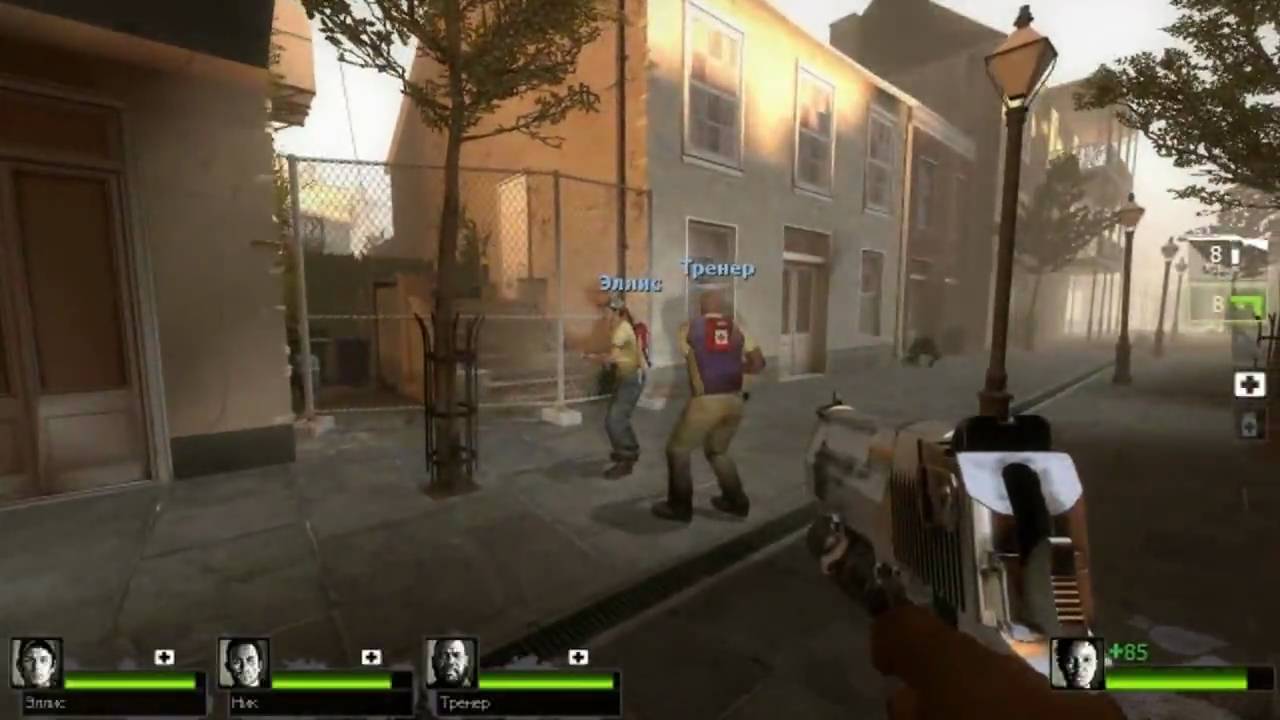
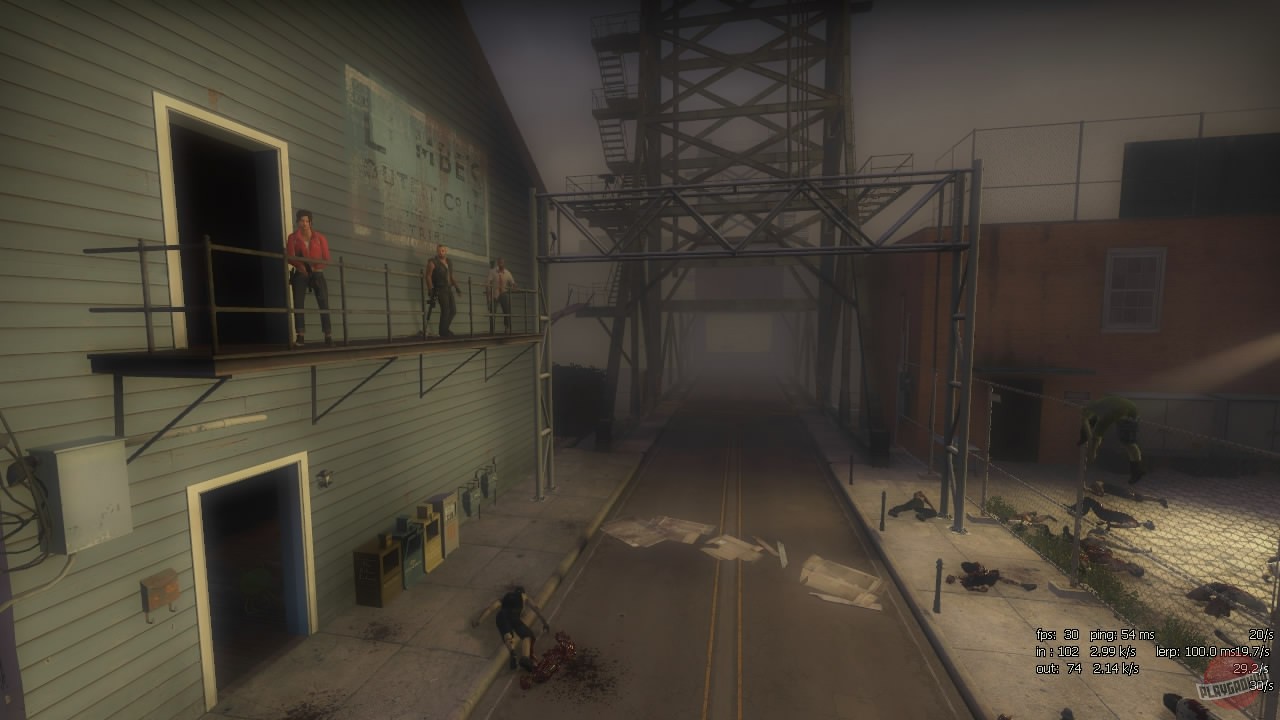
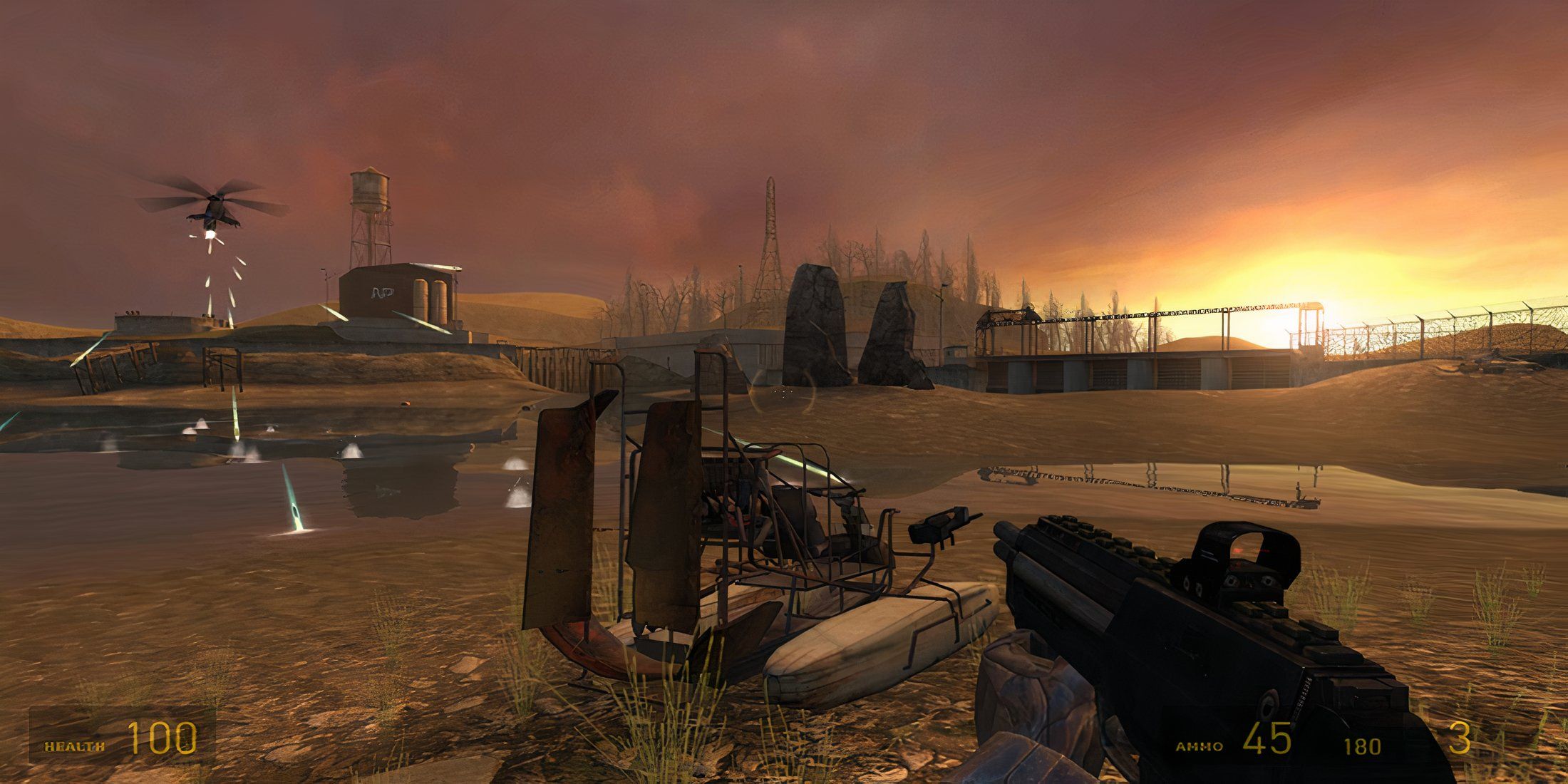
Left 4 Dead 2 leverages the Source engine, known for its flexibility and scalability. While not pushing graphical boundaries like some contemporary titles, the game achieves a distinct visual style characterized by detailed environments, realistic character models, and visceral gore effects. The color palette is often muted, reflecting the bleak post-apocalyptic setting, punctuated by moments of intense action and vibrant explosions. The Source engine allowed for impressive environmental detail, crucial for creating believable and immersive locations. Valve’s optimization efforts ensured that the game ran smoothly on a wide range of hardware configurations, a testament to their engineering prowess.
Gameplay Mechanics and Core Systems
The core gameplay loop revolves around cooperative survival against hordes of infected. Players work together to navigate levels, conserve resources, and eliminate threats. The “AI Director 2.0” is the game’s defining feature, dynamically adjusting enemy placement, item availability, and even environmental hazards based on player performance. This ensures that each playthrough feels unique and challenging. New weapons, including melee options, add further variety to the combat experience. The introduction of new Special Infected, such as the Charger and the Jockey, presents fresh tactical challenges for players to overcome.
Level Design and World Atmosphere
Left 4 Dead 2 expands upon the original’s setting with five distinct campaigns, each offering a unique visual identity and gameplay scenarios. From the swamps of Louisiana to the rooftops of Savannah, the environments are meticulously crafted to create a sense of immersion and danger. The level design emphasizes teamwork and strategic decision-making, often requiring players to coordinate their actions to overcome obstacles and survive encounters. The game’s atmosphere is one of constant tension, punctuated by moments of intense action and quiet desperation.
Narrative Depth and Character Profiles
While primarily focused on cooperative gameplay, Left 4 Dead 2 features a cast of memorable characters who add depth and personality to the experience. Each survivor has their own unique backstory and motivations, adding a layer of narrative intrigue to the survival horror setting. The game’s story is largely told through environmental details and character interactions, encouraging players to piece together the events that led to the apocalypse. While not as heavily reliant on cutscenes or exposition, the characters provide a human element to the otherwise chaotic world.
Sound Design and Acoustic Realism
The sound design in Left 4 Dead 2 is crucial for creating an immersive and terrifying experience. The groans of the infected, the crack of gunfire, and the ambient sounds of the environment all contribute to the game’s atmosphere of dread. Valve paid close attention to audio cues, using them to alert players to approaching threats and enhance the sense of realism. The soundtrack is equally effective, blending intense action music with quieter, more atmospheric tracks that heighten the tension.
Release Expectations and Community Hype
The release of Left 4 Dead 2 was highly anticipated by gamers worldwide. Building upon the success of the original, Valve promised a refined gameplay experience, new features, and improved graphics. The game’s trailers and pre-release demos generated significant buzz online, with many players eager to jump back into the zombie apocalypse. The community response was overwhelmingly positive, with many praising the game’s cooperative gameplay, challenging AI Director system, and overall polish.
Conclusion: The Future of Left 4 Dead 2
Left 4 Dead 2 remains a beloved classic in the first-person shooter genre. Its focus on cooperative gameplay, dynamic AI Director system, and replayability have ensured its longevity. While newer games may offer more advanced graphics or innovative mechanics, Left 4 Dead 2’s core strengths continue to resonate with players today. The game serves as a testament to Valve’s commitment to creating engaging and memorable gaming experiences.


Source: Wikipedia










,xPosition=0.5,yPosition=0.5)


