
Introduction: The Next Chapter for L.A. Noire
L.A. Noire, released in 1947 Los Angeles, isn’t just a game; it’s an experience. Developed by Team Bondi and published by Rockstar Games, this action-adventure title offers a unique blend of open-world exploration, intricate investigations, and a compelling narrative. The game places players in the shoes of Cole Phelps, a newly minted police officer navigating the complexities of post-war Los Angeles. As Phelps rises through the ranks, he uncovers a web of corruption that threatens to consume him and those around him. This Masterclass Deep-Dive will dissect every facet of L.A. Noire, from its groundbreaking facial animation technology to its meticulously crafted world.
Visual Direction and Graphics Engineering
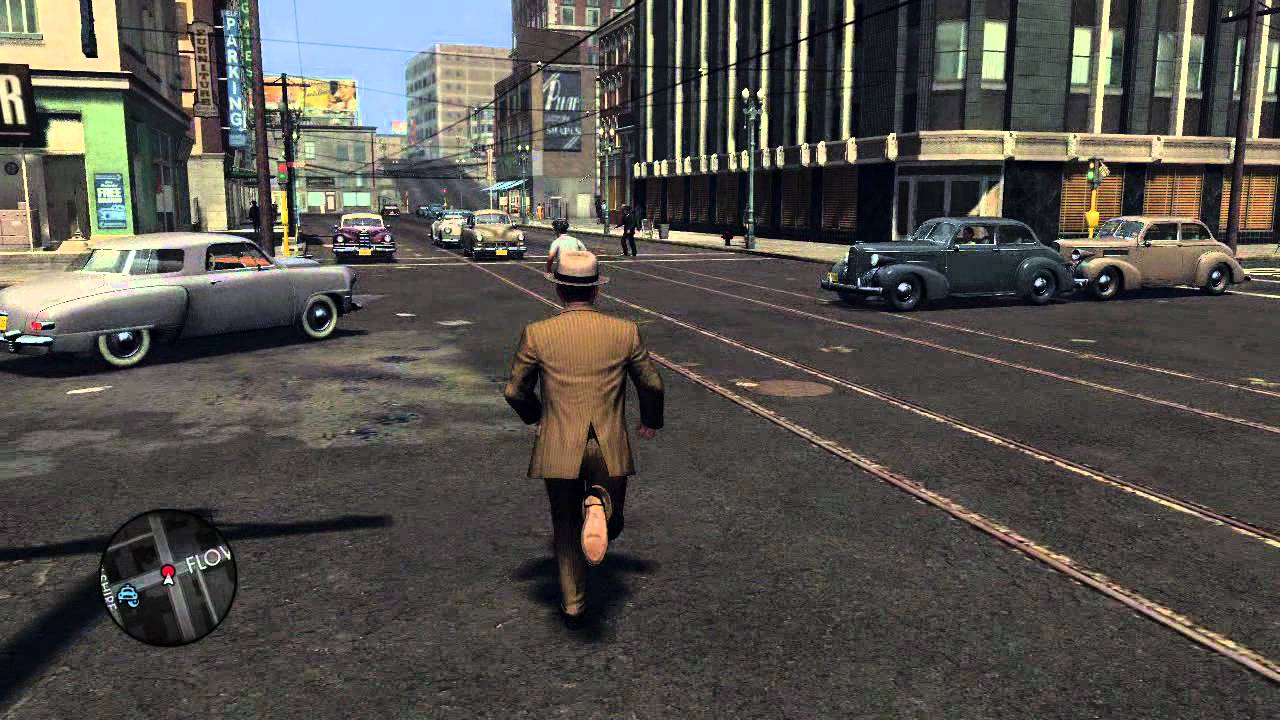
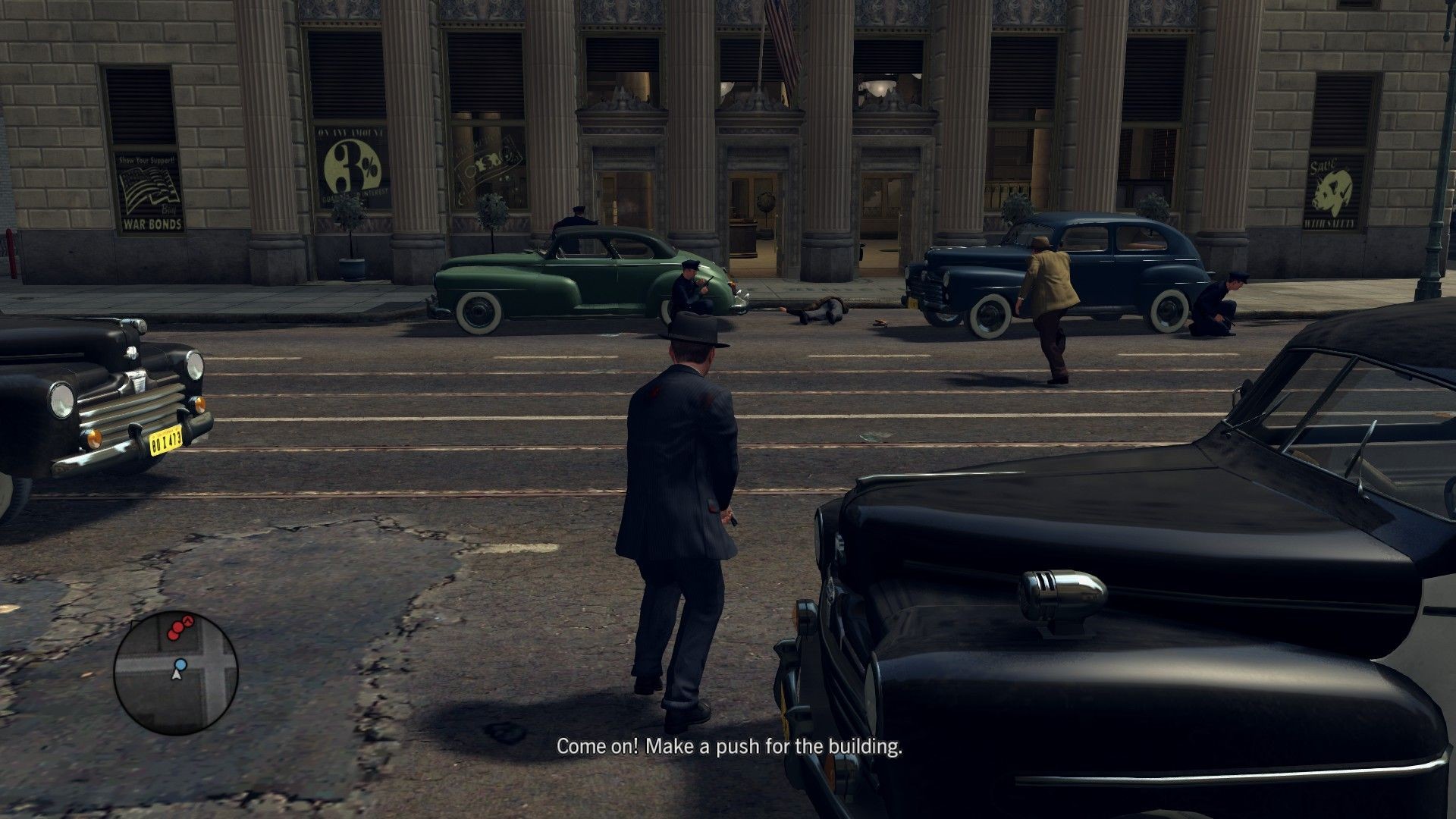
One of the most striking aspects of L.A. Noire is its visual fidelity. The game’s art direction perfectly captures the atmosphere of 1940s Los Angeles, with its iconic architecture, vintage cars, and period-appropriate fashion. However, it was the facial animation technology that truly set L.A. Noire apart. Team Bondi developed a proprietary system that allowed for incredibly detailed and nuanced expressions on character faces, making interrogations feel remarkably realistic. This technology, while demanding on hardware at the time, revolutionized how emotions could be conveyed in video games.
Gameplay Mechanics and Core Systems
L.A. Noire’s gameplay revolves around investigation. Players must meticulously examine crime scenes for clues, interview witnesses, and interrogate suspects. The interrogation sequences are particularly noteworthy, as players must carefully observe the suspect’s facial expressions and body language to determine whether they are telling the truth or lying. Success in these interrogations directly impacts the progression of the story and Cole Phelps’ overall rating. The game features a variety of gameplay mechanics, including driving, shooting, and hand-to-hand combat, all seamlessly integrated into the investigative framework.
Level Design and World Atmosphere
The open world of L.A. Noire is meticulously crafted to reflect the diverse neighborhoods of 1940s Los Angeles. From the bustling downtown area to the quiet residential streets, each location feels authentic and lived-in. The level design encourages exploration, with hidden areas and optional investigations rewarding players who venture off the beaten path. The game’s atmosphere is further enhanced by its dynamic weather system and day/night cycle, which create a sense of immersion that few games can match.
Narrative Depth and Character Profiles
L.A. Noire boasts a rich and complex narrative that explores themes of corruption, betrayal, and redemption. Cole Phelps is a compelling protagonist, driven by a strong moral compass but haunted by his experiences in World War II. The supporting cast is equally well-developed, with each character having their own motivations and secrets. The game’s story unfolds gradually, revealing new layers of intrigue as players progress through the various cases.
Sound Design and Acoustic Realism
The sound design in L.A. Noire is crucial to its immersive quality. Period-appropriate music sets the tone for each scene, while realistic sound effects bring the city to life. The voice acting is superb, with actors delivering nuanced performances that perfectly capture the personalities of their characters. The interrogation sequences are particularly well-served by the audio design, as subtle cues in a suspect’s voice can provide valuable clues.
Release Expectations and Community Hype
Prior to its release, L.A. Noire generated significant hype within the gaming community. The game’s unique premise, innovative facial animation technology, and pedigree from Rockstar Games all contributed to the anticipation. While some critics questioned the game’s pacing and reliance on quick-time events, the overall reception was overwhelmingly positive, praising its immersive world, compelling narrative, and groundbreaking technology.
Conclusion: The Future of L.A. Noire
L.A. Noire remains a landmark achievement in video game design. Its innovative facial animation technology, meticulously crafted world, and compelling narrative set it apart from its contemporaries. While the game may not have achieved mainstream success, it has earned a dedicated following among fans who appreciate its unique blend of gameplay mechanics and immersive storytelling. The legacy of L.A. Noire continues to inspire developers today, demonstrating the power of innovation and artistic vision in video game development.

Source: Wikipedia


